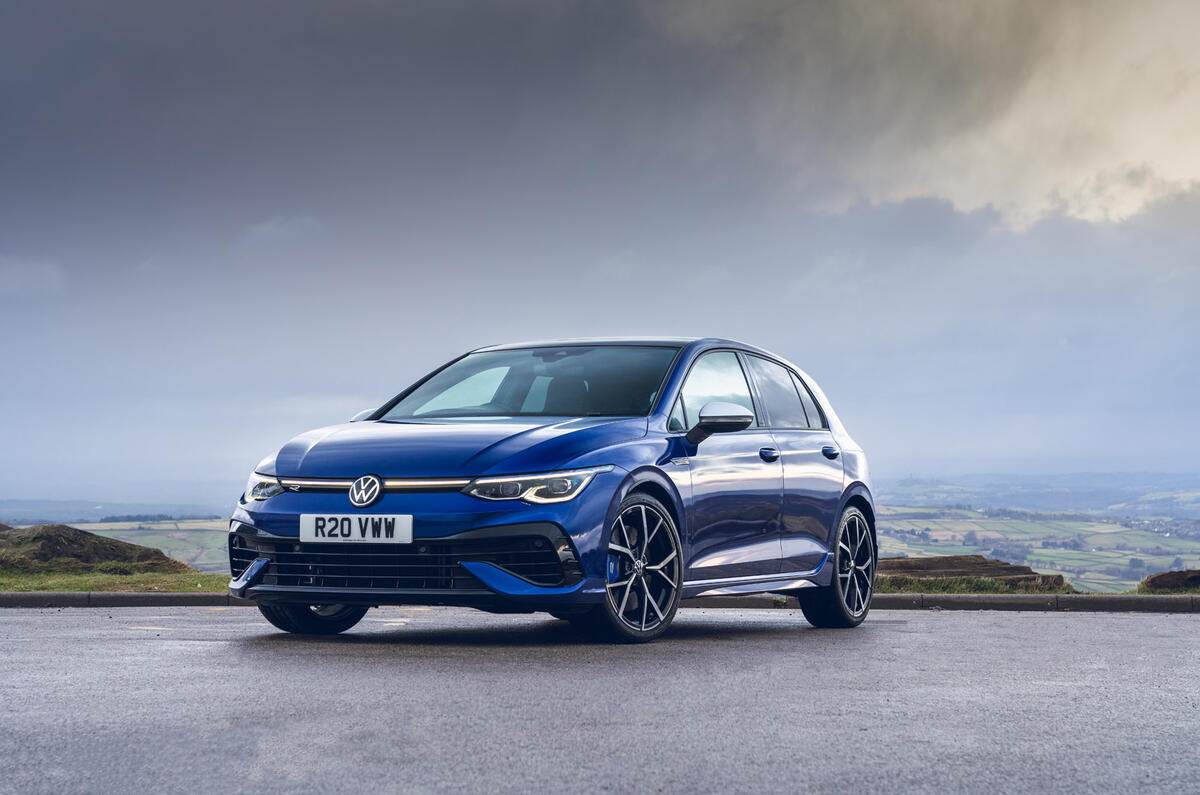
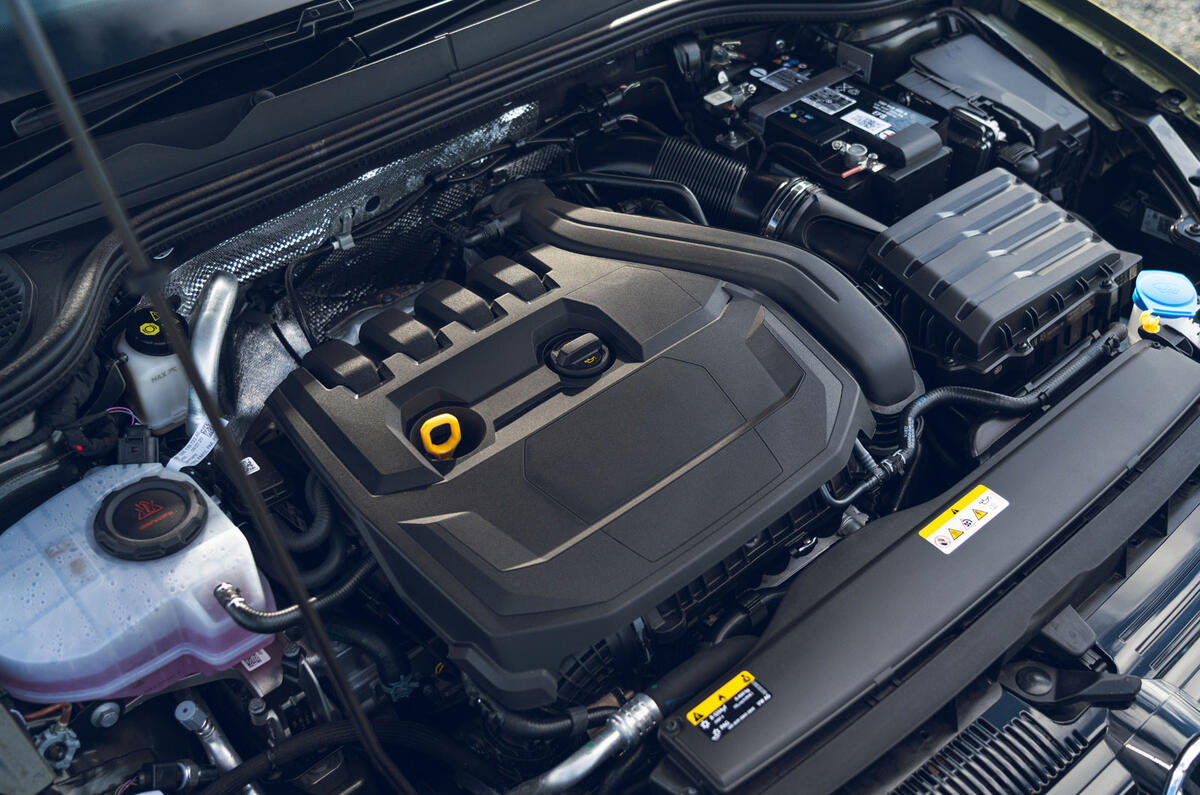
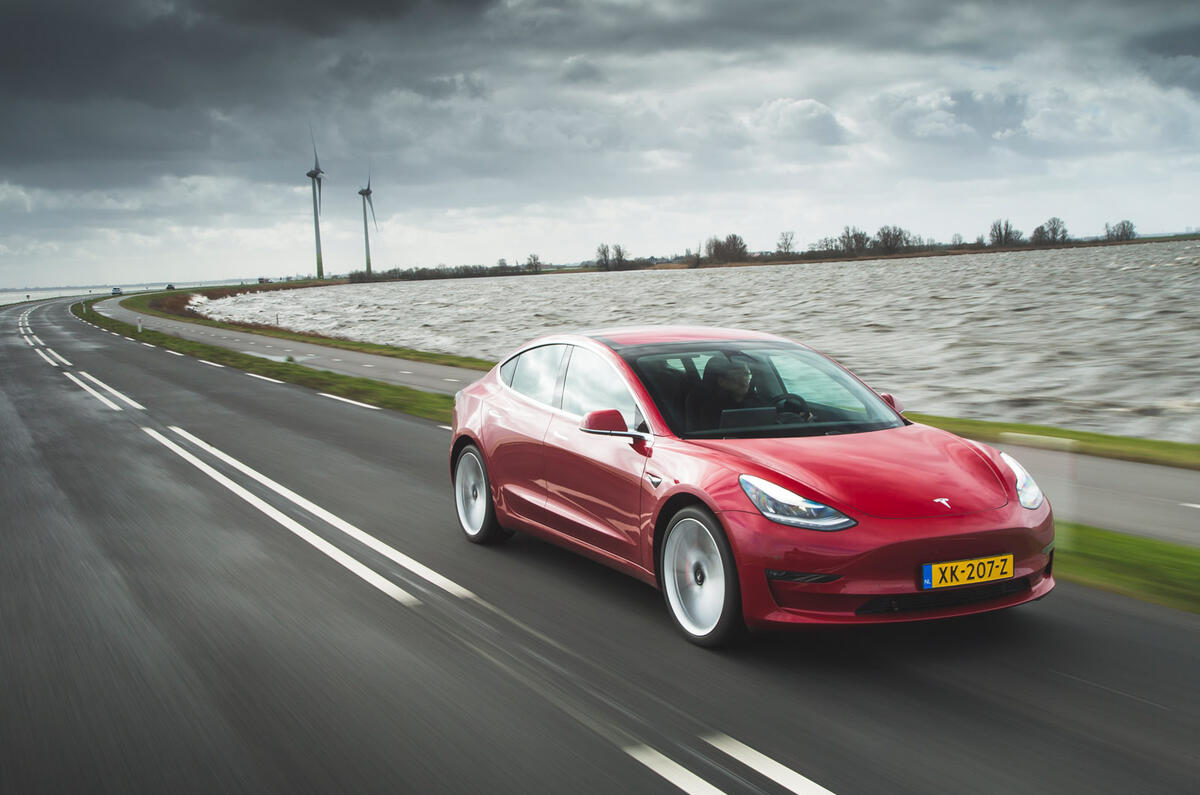
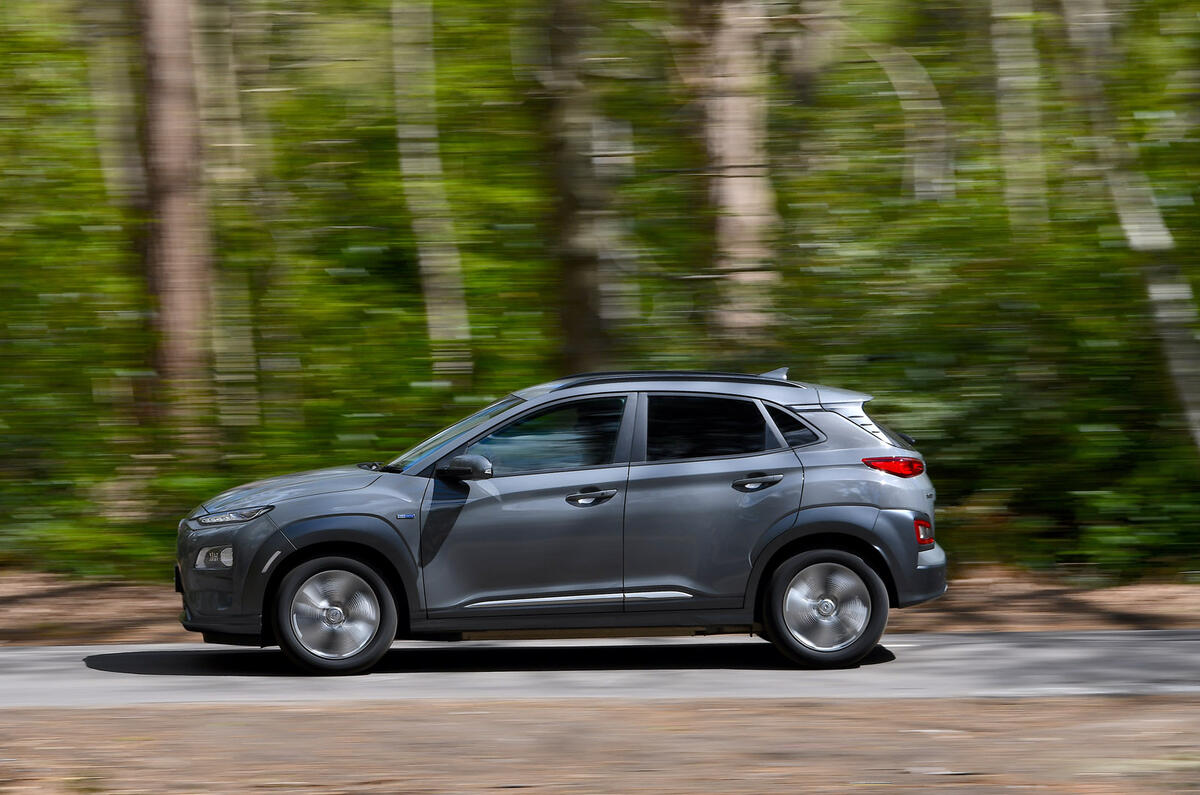
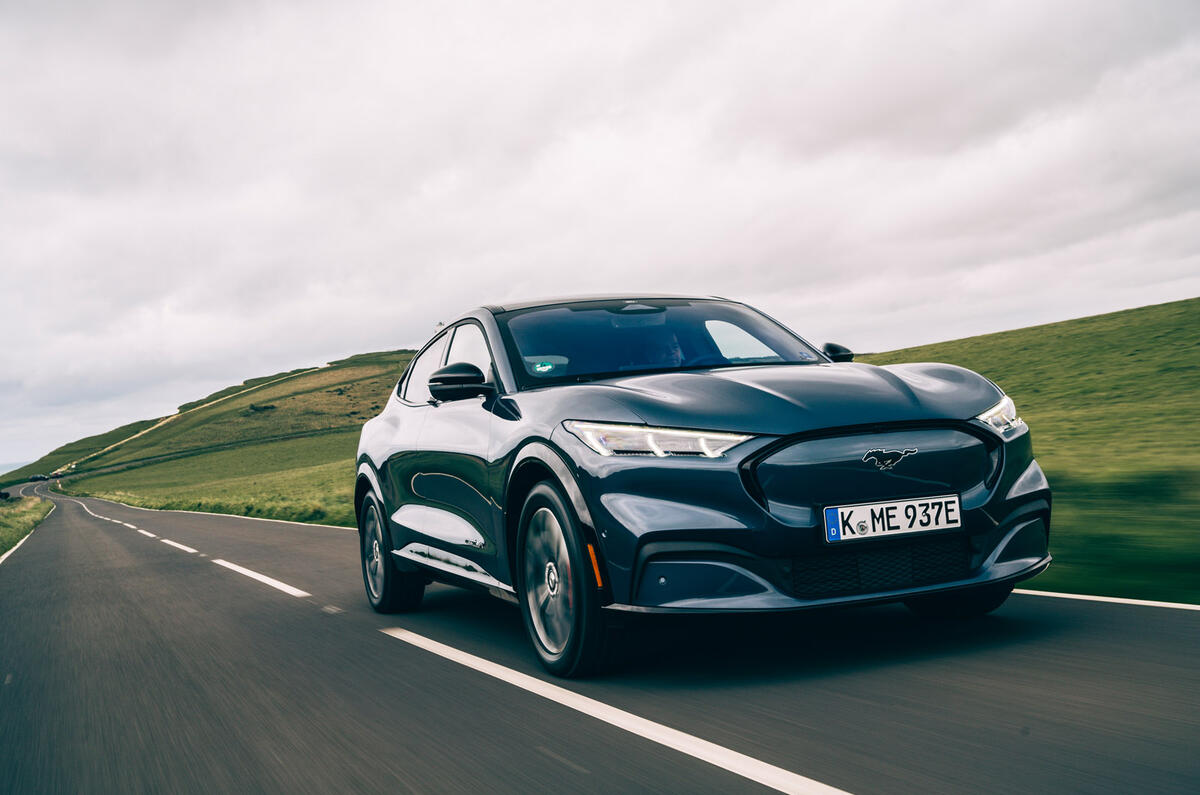
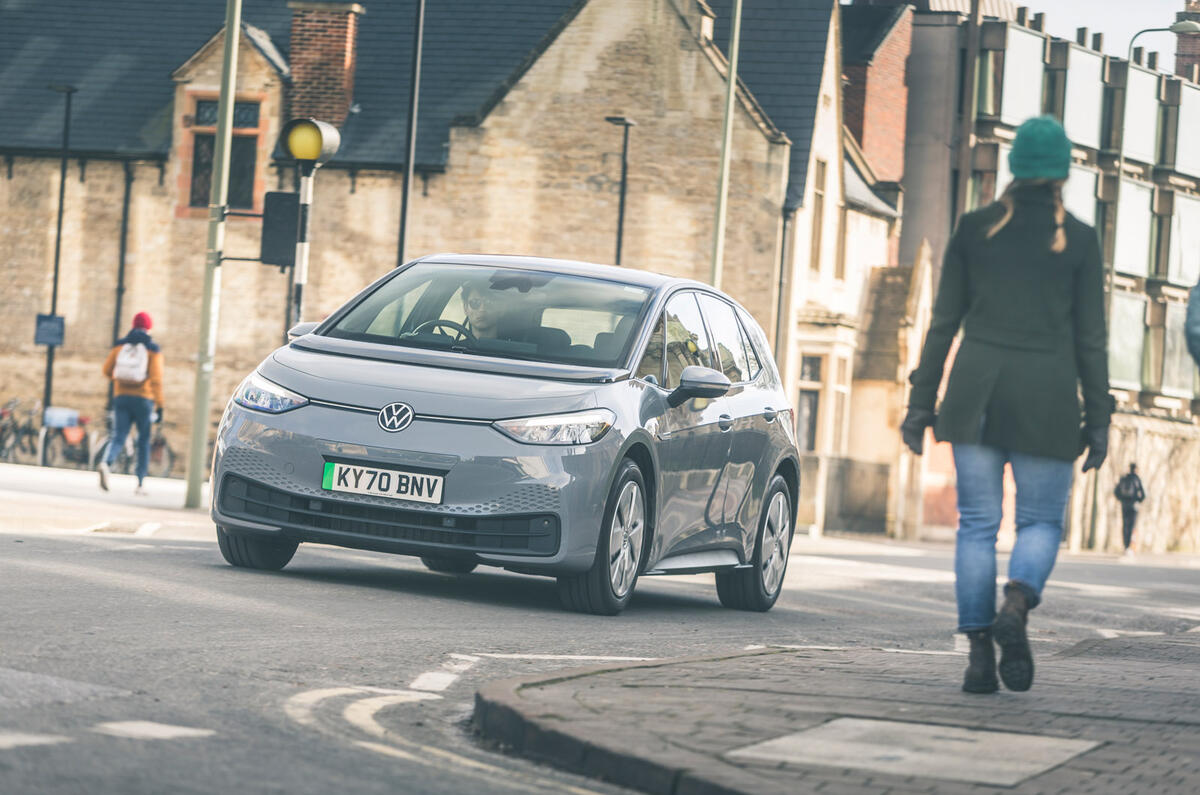
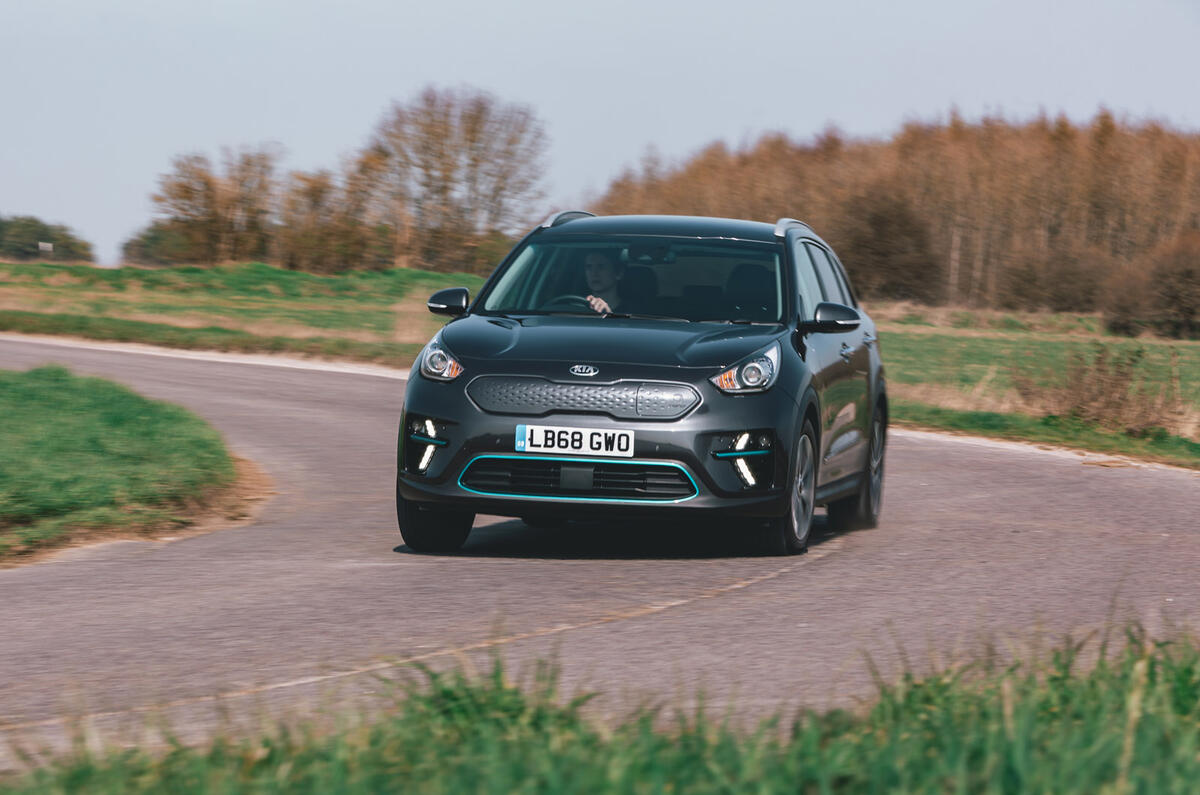
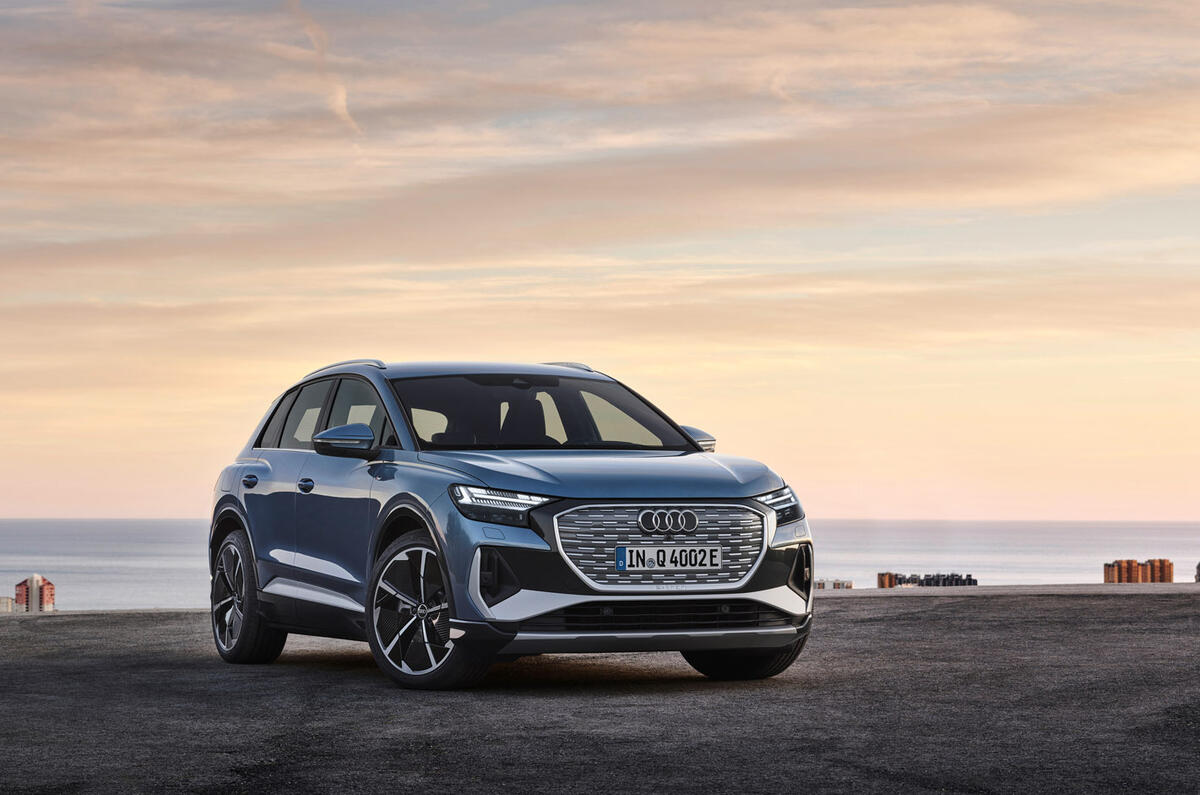



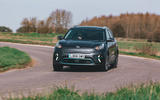

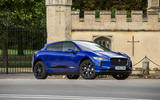





When Boris Johnson’s government announced in November last year that sales of new petrol and diesel cars would be banned in the UK from 2030, and that plug-in hybrids would be gone from showrooms by 2035, the heart rates of car enthusiasts everywhere rose several notches.
In the 130-odd years since buying a car became possible, timing a purchase and choosing a model have become a buyer’s inalienable rights. But now, suddenly, we who love owning, driving and just thinking about cars are feeling a new pressure to have a ‘by 2030’ strategy – either to join the electrified throng and experience the future early or to stay with internal combustion cars until we’re forced at last to change, or something in between. It has been a new and unsettling experience.
All of which is why Autocar has decided to suggest a way forward for four different kinds of car buyer: the early EV adopter; the latest-possible EV adopter; the one who is aware that EVs and charging infrastructure keep improving and would prefer to move at the ideal moment; and the EV convert who seeks the best possible driving experience.

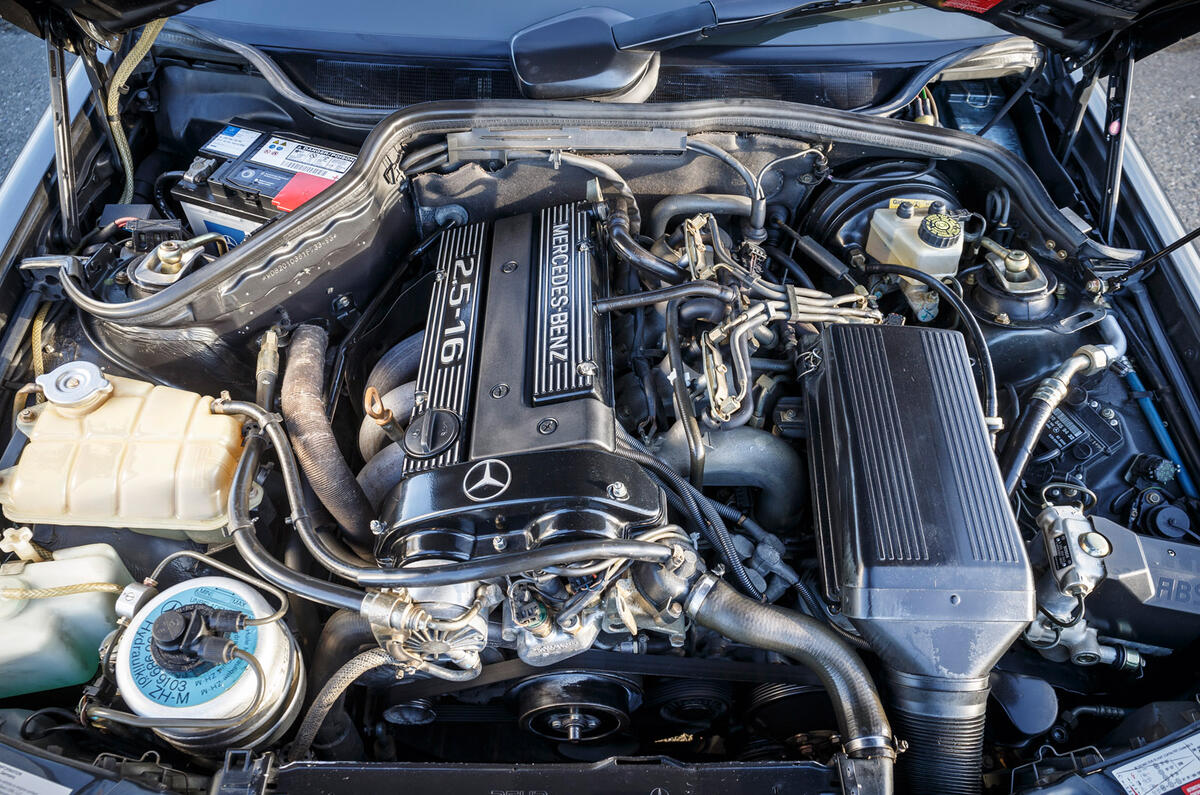
First, though, it’s important to understand that the pressure to decide isn’t as great as it seems right now. There are around 40 million cars and light commercial vehicles on Britain’s roads, overwhelmingly petrol- and diesel-powered. Given that modern cars can easily last 20 years and statisticians say it takes roughly 20 years for the current car parc to ‘work through’, many of the cars around you now will still be in full use in 2030. The car you choose in the next few years has the potential to take you a decade beyond the ICE deadline.
Even by 2030, when all new cars are fully electric or at least heavily electrified, three-quarters of the vehicles on Britain’s roads will still be motivated by internal combustion. EVs are unlikely to achieve a majority before 2040.