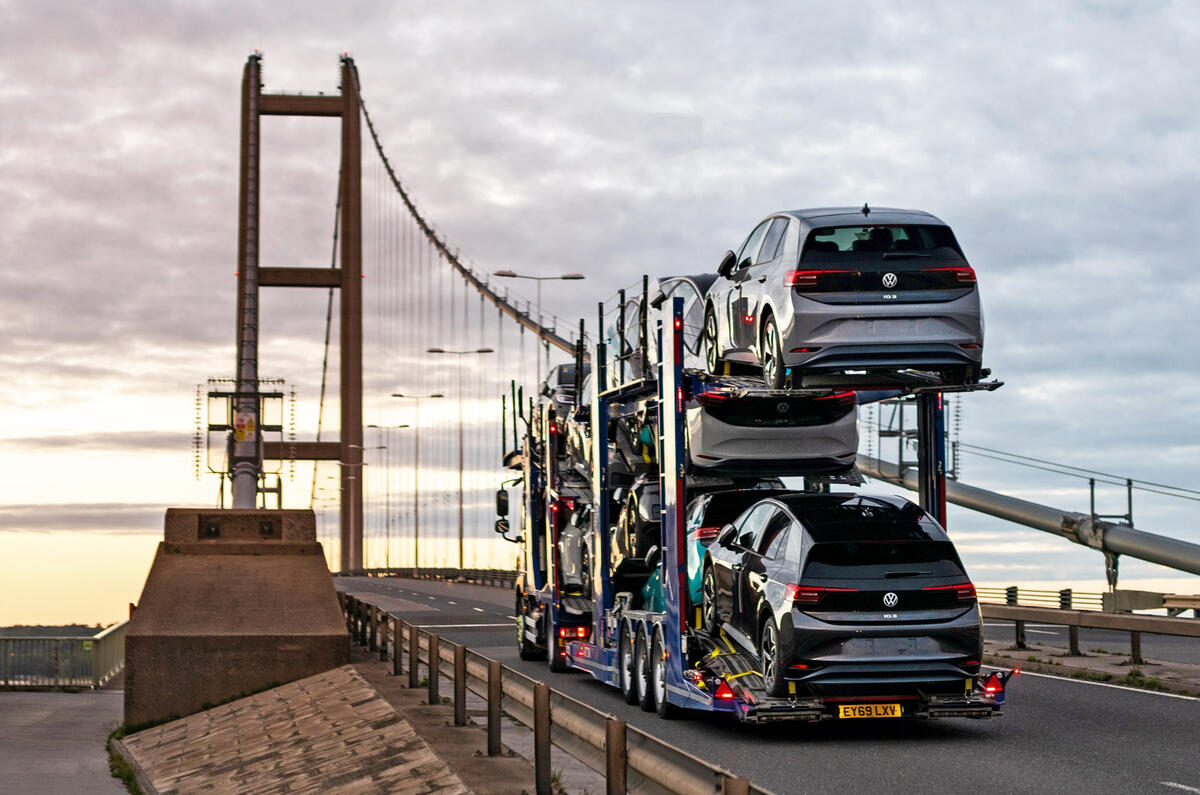
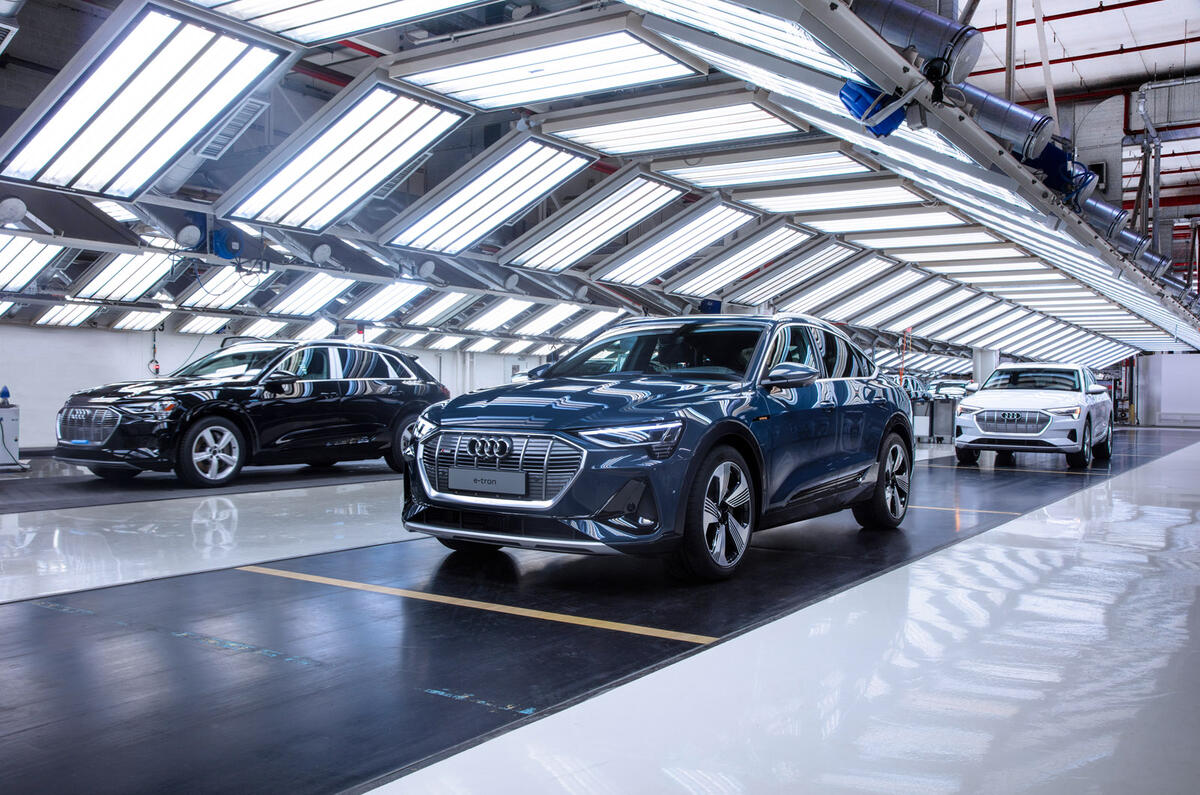
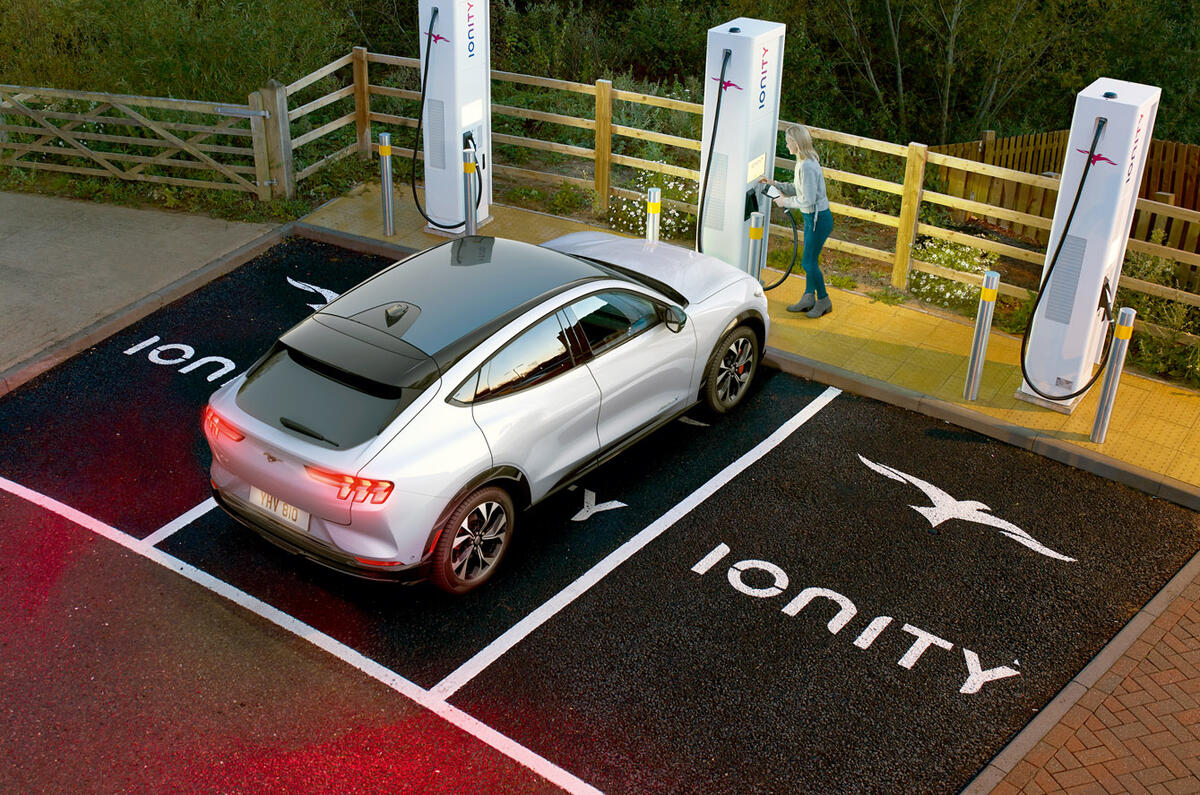
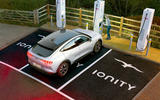

The decision by the UK government to ban the sale of new petrol and diesel vehicles in 2030, with hybrids to follow in 2035, has been welcomed by many, but its impact extends far beyond our borders. There are also significant implications for a global manufacturing network, and it could mean saying goodbye to models that are big-volume sellers today.
While sales of battery-electric vehicles (BEV) in the UK rose by 185.9% year on year in 2020 for a market share of 6.6%, the majority of cars imported still have an internal combustion engine (ICE), be they petrol, diesel, hybrid or plug-in hybrid (PHEV).
Twenty-six countries on almost every continent across the globe supply the UK with cars, and many of them build only ICE-propelled vehicles, the top five of which in 2019 were the Czech Republic, Turkey, South Africa, Poland and Italy.
The car industry accounts for 9% of the Czech Republic’s gross domestic product, and in 2019 it exported 154,468 petrol and diesel models to the UK. It began plugging into the new era last year, though, with the Hyundai Kona Electric and Skoda Citigo iV, plus PHEV versions of the Skoda Superb and Skoda Octavia.
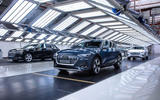
The Czech-built Skoda Enyaq iV will go on sale this year, and there are rumours of another electric SUV to fit between the ICE-powered Karoq and Skoda Kodiaq, although the new Fabia that’s due at the end of this year won’t be electrified.

“We have been preparing for transformation of the automotive sector for several years already,” said Vojtech Severyn of the Automotive industry Association in the Czech Republic. “Car manufacturers are, under the pressure of EU regulation, well prepared for upcoming trends. In 2020, they have already introduced several BEVs, including PHEVs, and of course all three manufacturers [in the country, those being Hyundai, Skoda and Toyota] will roll out many other low-emissions models in upcoming years.