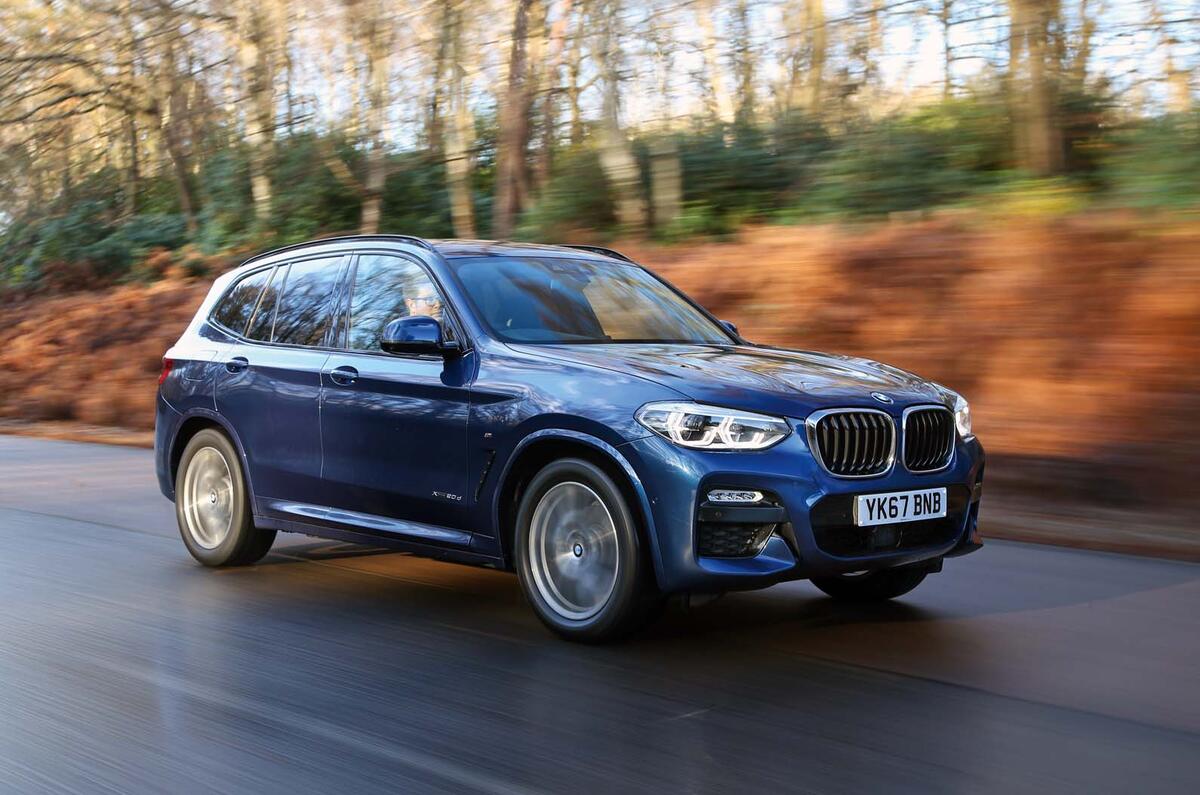
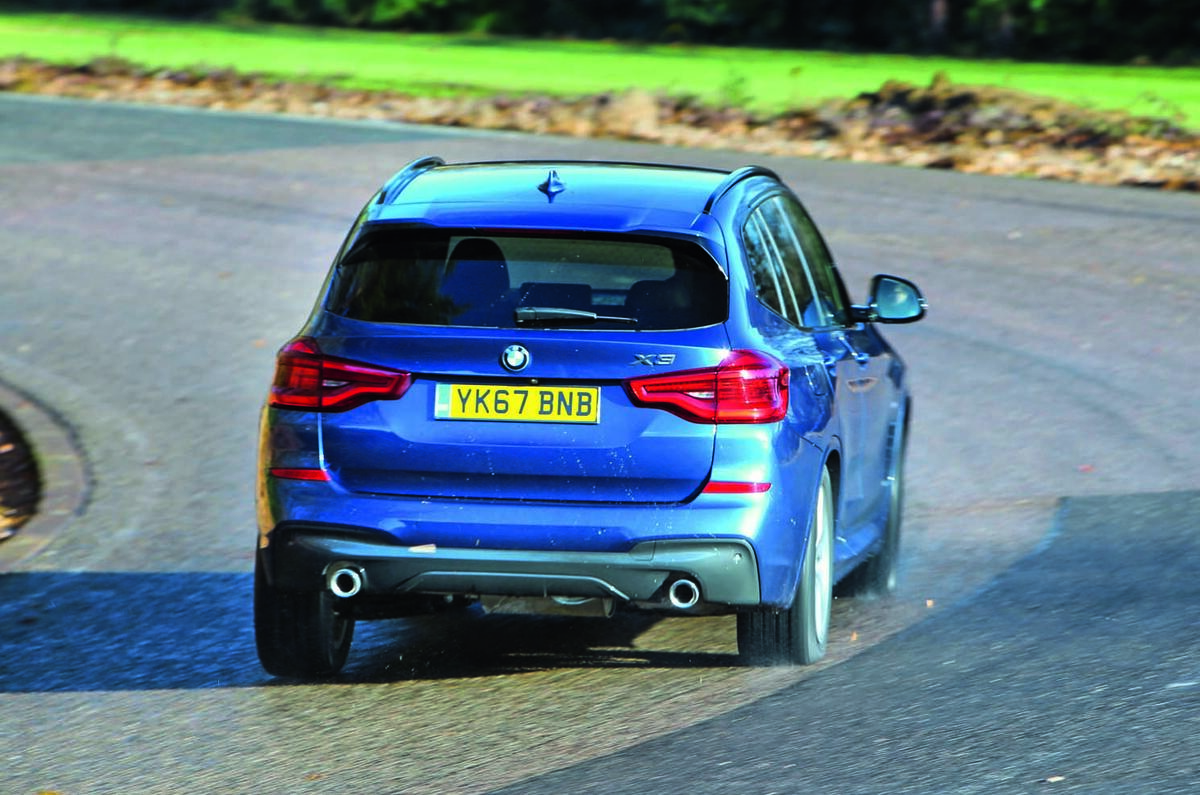




Take one BMW 3 Series, give it the SUV treatment and – hey presto – you’ve a hit on your hands. Well, that’s the theory. In fact, by the end of its life, the first-generation X3 of 2004 to 2010 was losing ground in the face of fresher rivals. Whatever replaced it needed to be a lot better. Fortunately, it was.
The second-generation X3, under the spotlight here, landed in 2010. Bigger, quicker, greener and, when its specification was taken into account, cheaper, it set about the opposition with gusto.
By 2014 a facelift was necessary, not least because of the forthcoming Euro 6 emissions regs. It’s this facelifted version we’re discussing here, since it is, at least for the moment, future-proofed against Ultra Low Emission Zones. Considering that neither pre- nor post-facelift there isn’t a petrol engine in the X3 line-up, that’s pretty important.
Click here to buy your next used X3 from Autocar
But we know what you’re thinking: you don’t have the £10,000 or so required for admittance to the class of 2014. Fortunately, around £6000 will get you into a 2011-reg 20d xDrive auto with 140,000 miles, while £9250 secures a 2012-reg with 83,000 miles. Ignore the unloved 18d – it’s two-wheel drive where the rest are xDrive four-wheel drive. The six-cylinder 30d and 35d versions are performance bargains, with a 2010- reg 30d SE xDrive auto with 40,000 miles yours for £8995.
Back to those facelifted Euro 6 X3s of 2014. The 2.0-litre engines are represented by the short-lived 148bhp 18d and 187bhp 2.0-litre 20d (it made 181bhp before), and the 3.0-litre units by the 255bhp 30d and 309bhp 35d. Variable damper control was available across the range and is worth having on larger-wheeled and more stiffly suspended X3s.