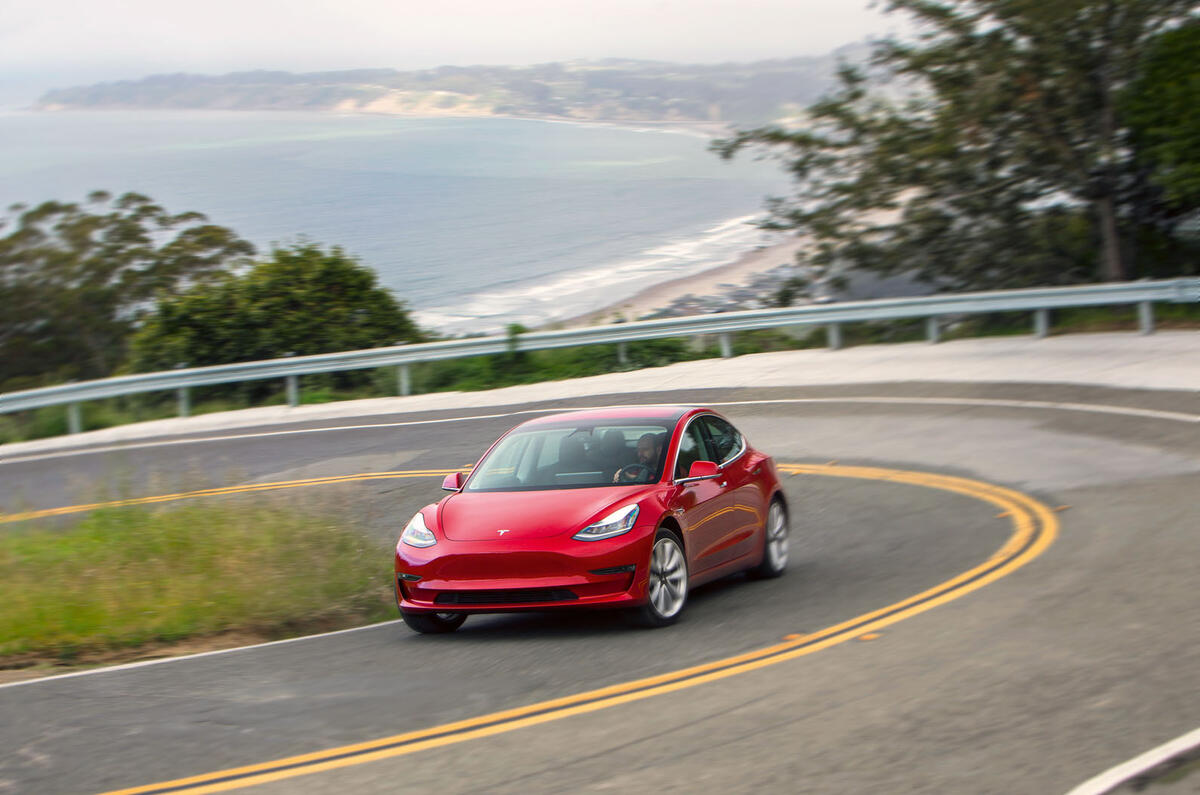



Tesla boss Elon Musk has admitted that making money from selling electric cars is tough. But in the past few years Tesla has made millions by getting rival car firms to pay it for a surprisingly valuable commodity: nothing.
In the US, several states require car firms to produce a certain number of zero-emission cars, or face fines. But firms can buy EV ‘credits’ from other car makers, and because Tesla only makes electric cars, it has a huge number of those credits. In one financial quarter last year it made more than $190 million (£164 million) – more than two-thirds of its profit in that quarter – selling such credits to rivals.
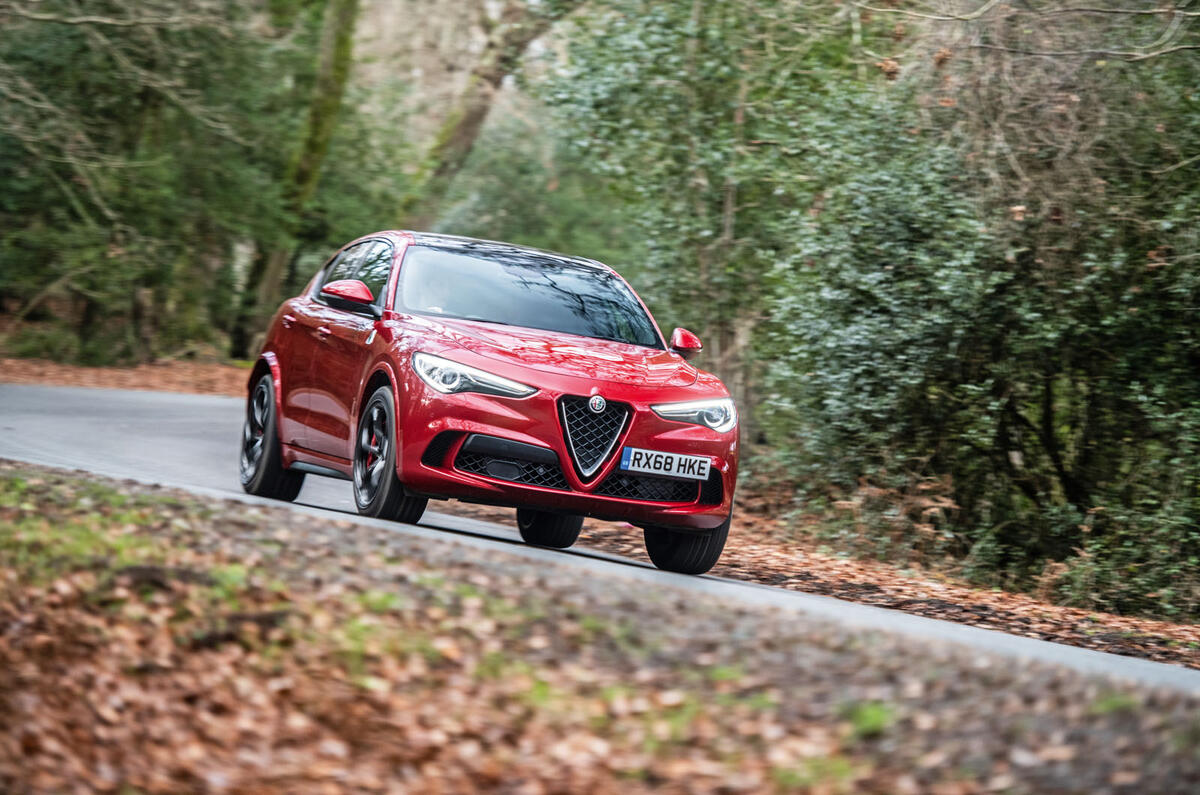
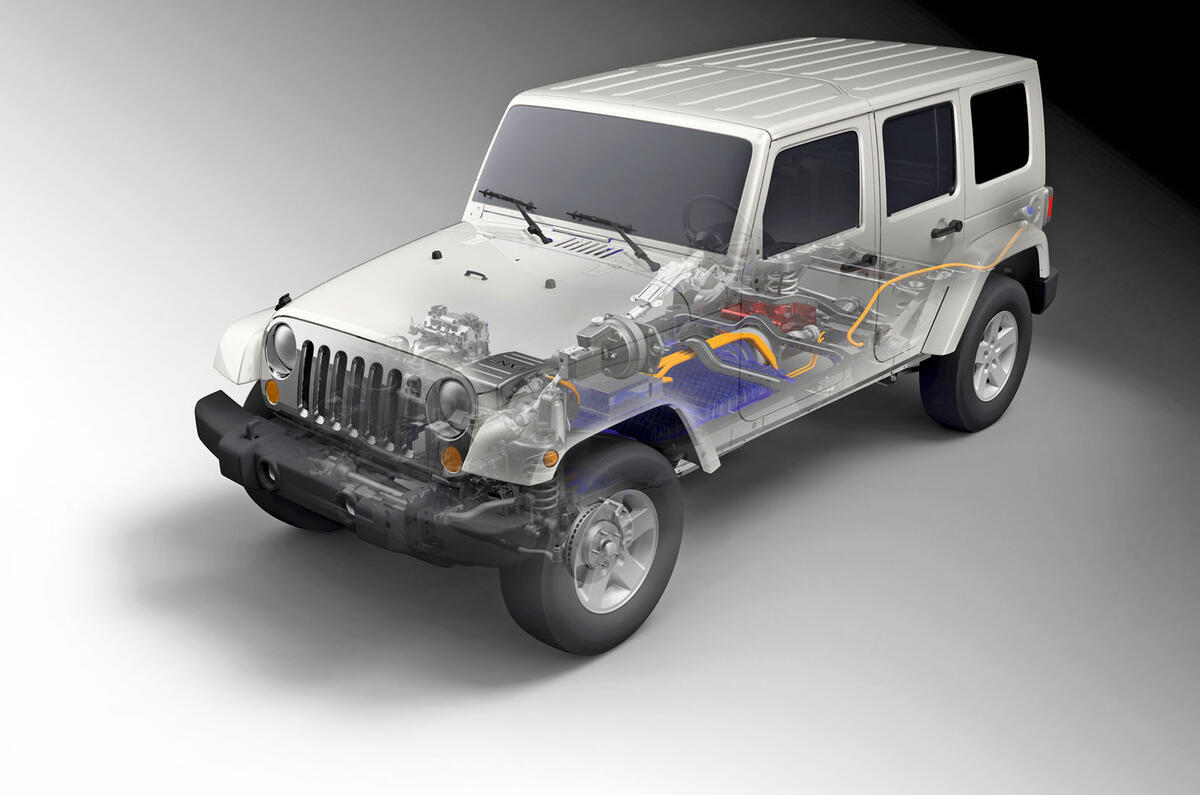
Tesla has now found a way to turn nothing into profit with its European arm, through a new deal with the FCA Group, which owns Alfa Romeo, Fiat, Jeep and Maserati. In this case, the ‘nothing’ FCA is paying “hundreds of millions” of pounds to access is the 0g/km of CO2 emitted by Tesla’s EVs.

By 2021, the EU will require the average CO2 emissions of a manufacturer’s new car fleet to be 95g/km or under (adjusted for each firm based on average fleet weight and some credits earned), down from the previous 130g/km fleet-average target. The penalties for failing to hit those targets are fines of €95 (£82) per vehicle per g/km over the 95g/km limit.
FCA and Tesla have agreed to group their European fleets together in a ‘pool’, which the EU counts as a single entity when determining the average emissions of their new car fleet. FCA is in effect buying the right to use Tesla’s EVs to reduce its average CO2 emissions.
According to industry analysts Jato Dynamics, FCA sold 961,000 units in the EU last year, with a fleet average of 125.3g/km. Assuming no change in those figures, FCA’s 2021 target will be 89.8g/km, meaning the firm faces a potential fine of £2.8 billion.