








Last year was tumultuous for the global car industry, with its biggest market, China, contracting for the first time in nearly 30 years.
Shockwaves from this drop are still being felt around the globe, amplified by subdued sales in the US, Germany and the UK. Of course, there were also winners in the global car sales game – India is closing the gap on Germany and Brazil recorded significant growth.
SUVs remain the sector to trade in, contributing one in three global sales, with each of the four main sub-segments experiencing growth. And despite overall poor sales in China, demand for luxury cars and some imported brands was buoyant.
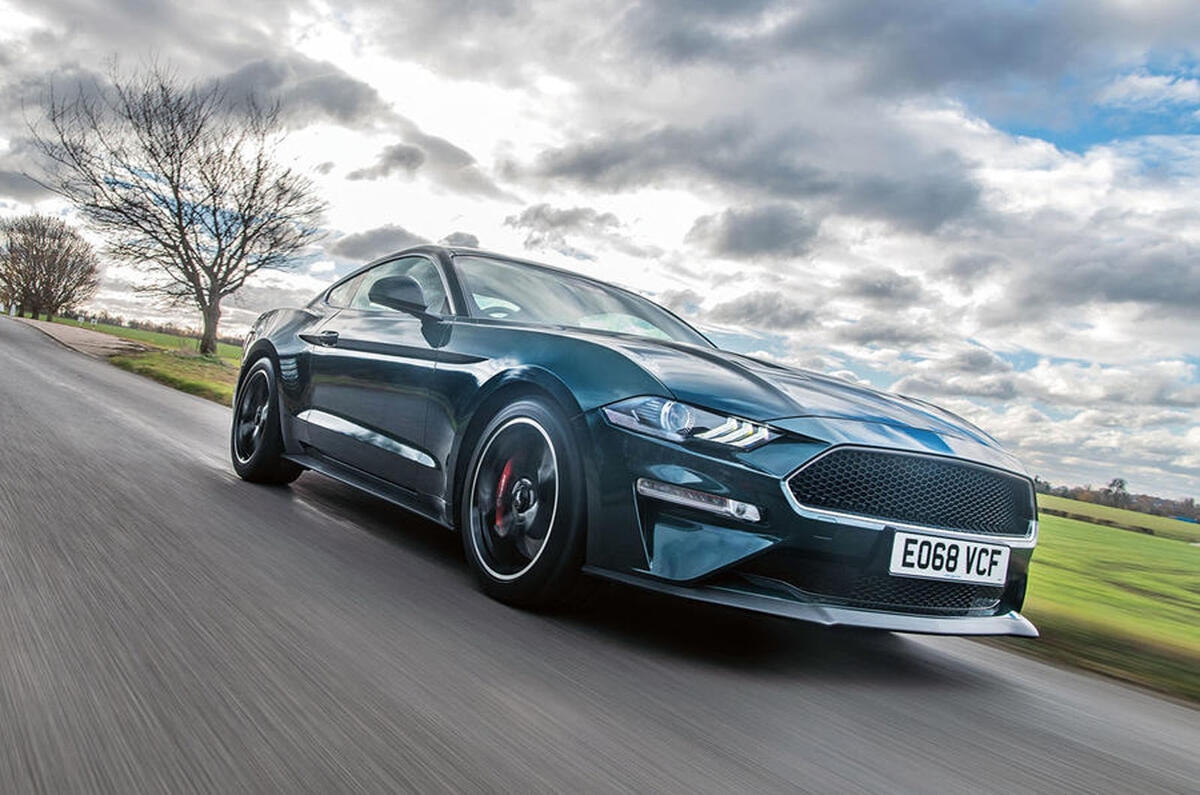
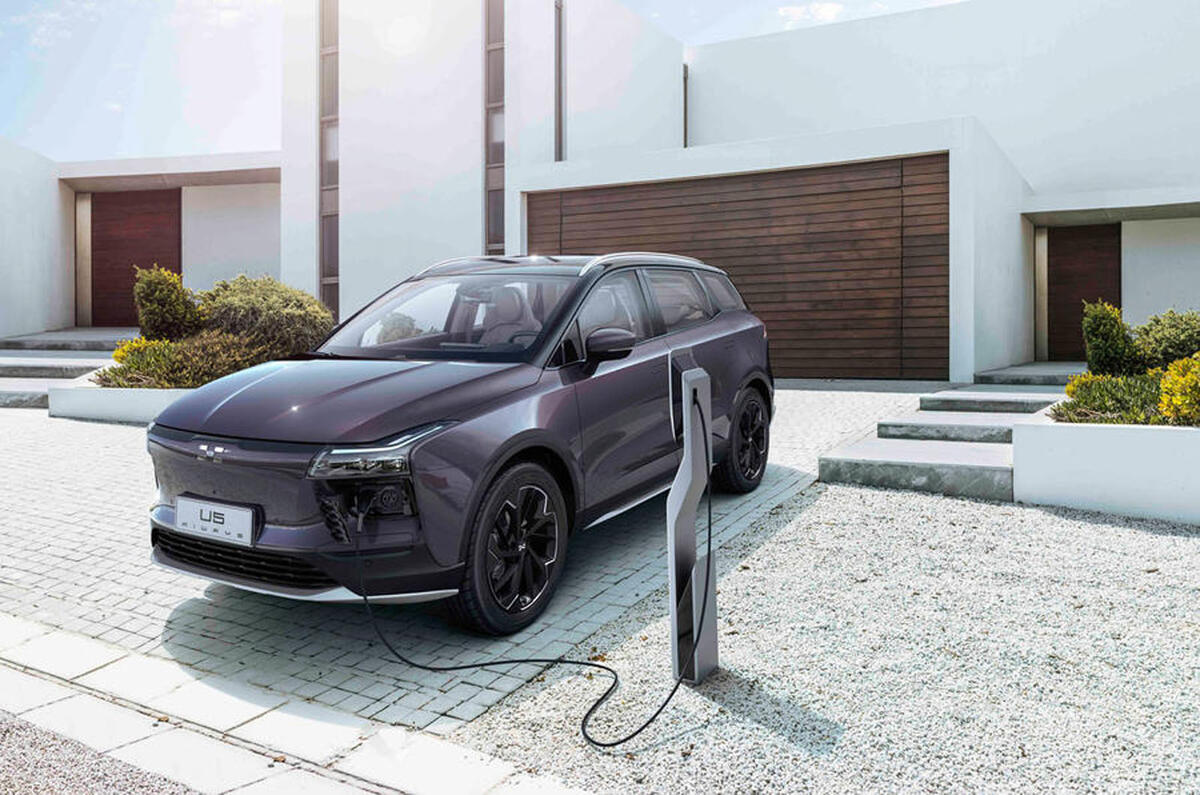
The electric cars market continues to grow significantly, albeit from a small base, and two of the most famous nameplates in the car business – the Porsche 911 and Ford Mustang – strengthened their hold on their respective supercar and sports car/coupé markets.
All these figures were supplied by industry analyst Jato Dynamics and are based on preliminary data for 53 markets, which account for 85% of the global total.
SUVs prove rugged as roll continues
This is the story of SUVs and their growing popularity. The formula of a raised driving position, rugged styling and practical passenger/ luggage spaces appeals around the globe, especially in markets with rough roads.
“But this positive result means difficult times for the regular popular segments: compacts, subcompacts, mid-size and especially MPVs,” says Munoz.
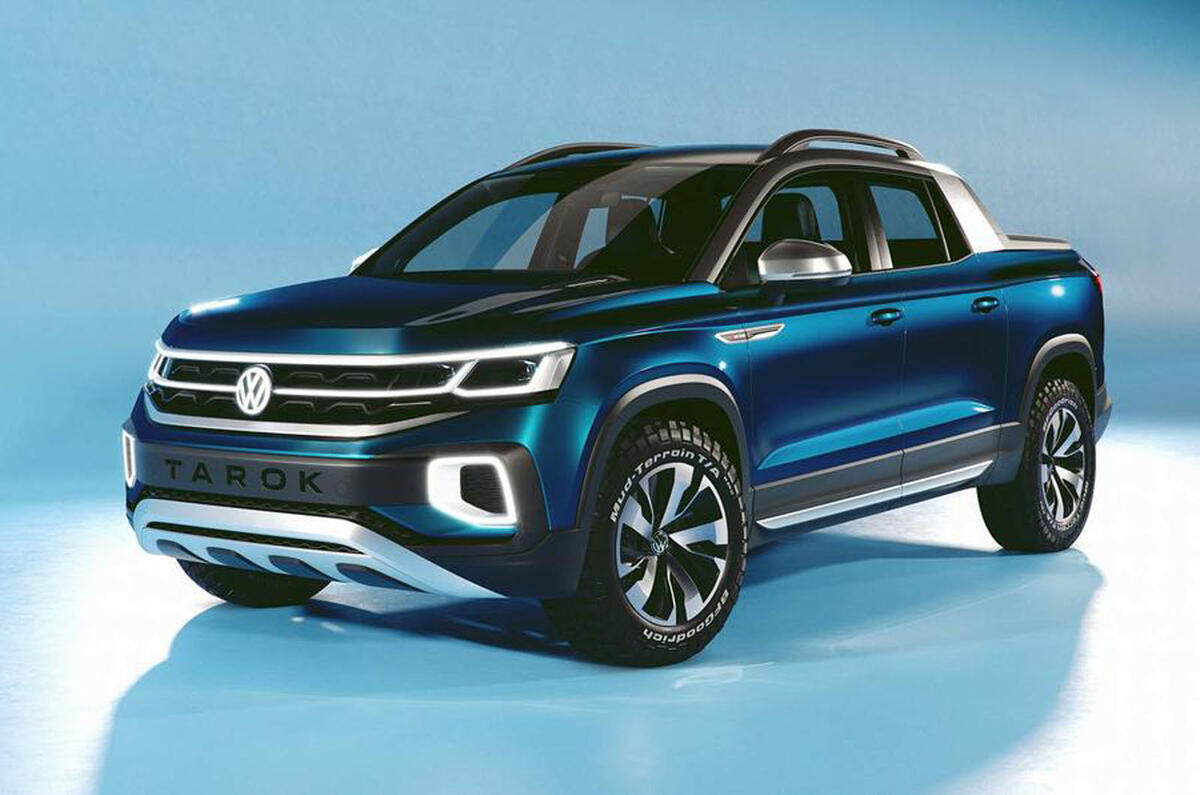
Sales of pick-ups, including US ‘trucks’, are booming not only in North America, but in Brazil and Thailand, too. Jato believes that the SUV boom is long-lasting and stable, not like other short-lived market trends.