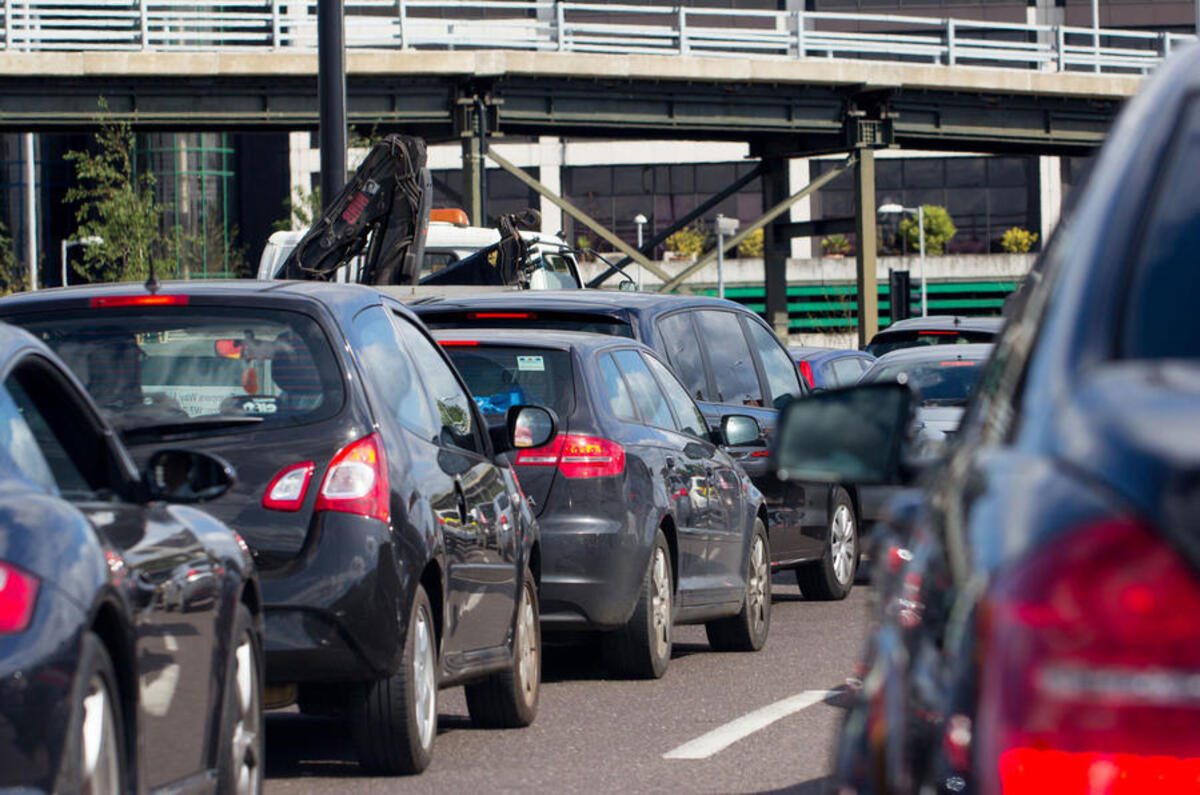

The government's increase in taxation of diesel-powered vehicles, which has come into force with the new tax year that starts today, affects every new diesel car on sale.
First announced in Chancellor Philip Hammond's Autumn Budget last year, the changes push new diesel cars registered after 1 April 2018 up a tax band and see diesel-powered company car drivers faced with a benefit-in-kind supplement tax increase from 3% to 4%.
Vehicles that conform to the Euro 6d standard of air quality are exempt from the new diesel VED supplement, but according to the government-backed Low Carbon Vehicle Partnership, "there are currently no new diesel cars on sale that meet this stricter standard".
All new diesel-powered cars will have to comply with Euro 6d from 2020; the cleanest new diesel cars on sale currently conform to Euro 6c, Europe's present required level.
Triumph to disaster: the rise and fall of diesel
The VED increases and company car rate changes don't apply to diesel vehicles currently on the road. Those cars will remain in their current tax bands.
Opinion: The government is wrong to penalise diesel drivers
The 2018 rules come alongside the new Real Driving Emissions test that measures pollution levels of cars on the road, as opposed to in a laboratory as in the old NEDC testing system, and run alongside the lab-based Worldwide Harmonised Light Vehicle Test Procedue (WLTP). The on-road RDE tests will be used to validate the results of the WLTP exams, with two steps set for how close the results of the two tests must be aligned on emissions output.
The new emissions tests are broader in scope than the older NEDC tests, and include a big focus on NOx emissions. The second step, which the government is using as the basis for its tax hike, gives cars a 'conformity factor' of 50%. To ensure cars meet this conformity level, they will have to ensure cars fall well below the currently allowed NOx limits.
The process is more stringent than the old lab-based NEDC (New European Driving Cycle) system. Current diesel cars are only required by European law to conform to RDE step 1 standards, meaning the Budget's requirement for step two could affect even the very latest models. This essentially means the government is penalising models that don't conform to a 2020 regulation from April 2018.