
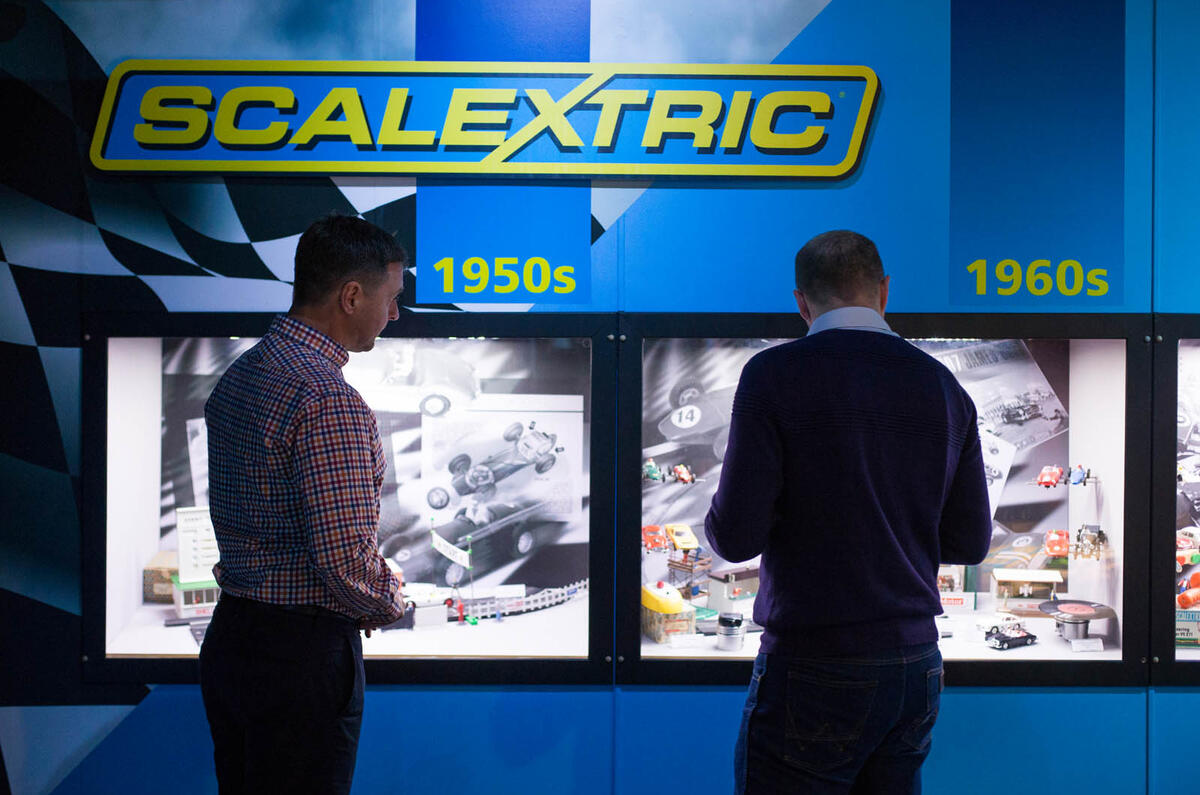
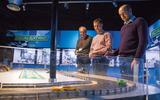


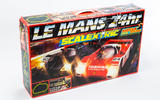
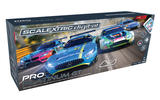
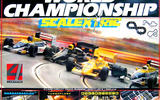

“This is very similar to the first one I designed,” says Jamie Buchanan.
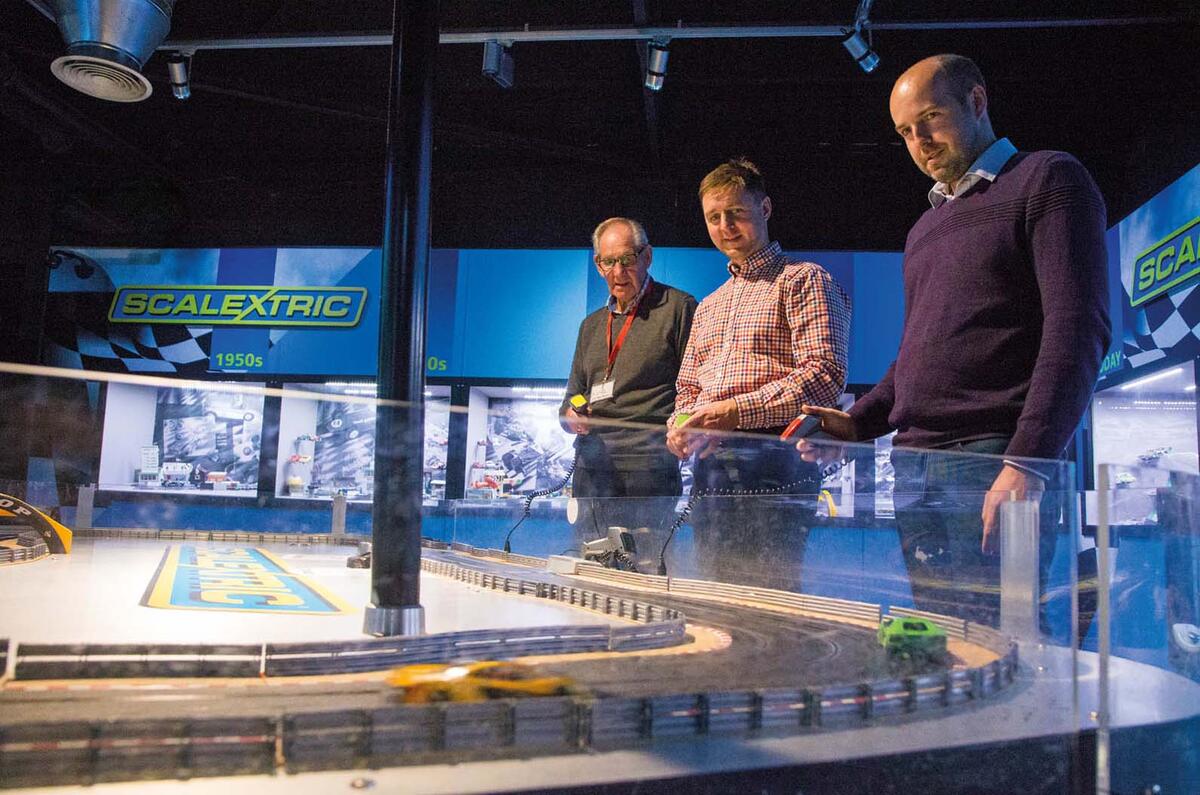
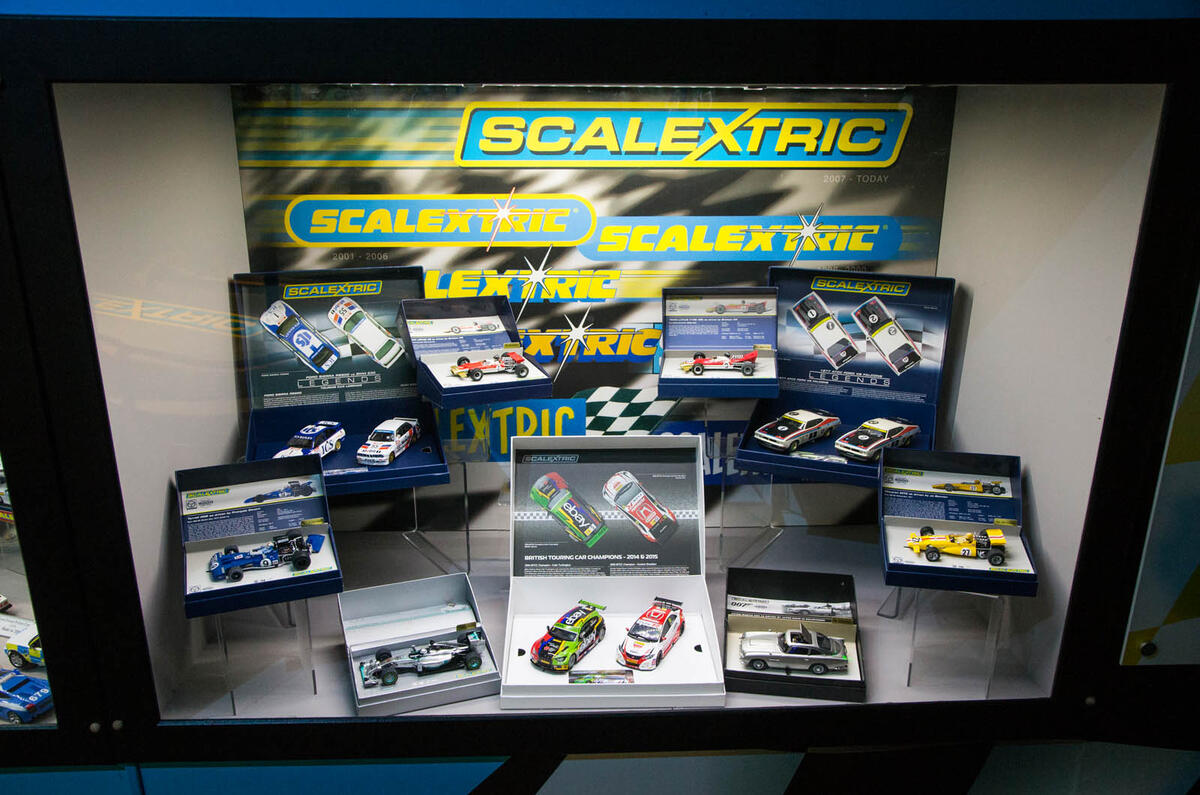
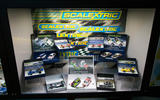
He’s pointing at a 1:32-scale 1990s Renault Laguna touring car that’s housed in one of the many display cabinets lining Hornby’s visitor centre in Margate, Kent.
We're here to mark the 60th anniversary of a toy that has enthralled young car enthusiasts and aspiring racing drivers the world over: Scalextric. “In those days, we would take countless measurements and photographs of every car,” says Buchanan, who in 25 years of working for the slot car brand’s parent company, Hornby, has graduated from being a designer to heading up product development.

“We would then plot these in two-dimensional CAD and a model maker would cut the profiles out of plastic to prove out our design with a prototype. Following this, a pattern maker would produce a wooden pattern of the shape of the car, which was then used as the basis for a mould.” The eventual production run could be completed in a week, but to get to that point would take as long as two years, so involved was the process of securing licences. designing the car to be as realistic as possible and making the mould tools.
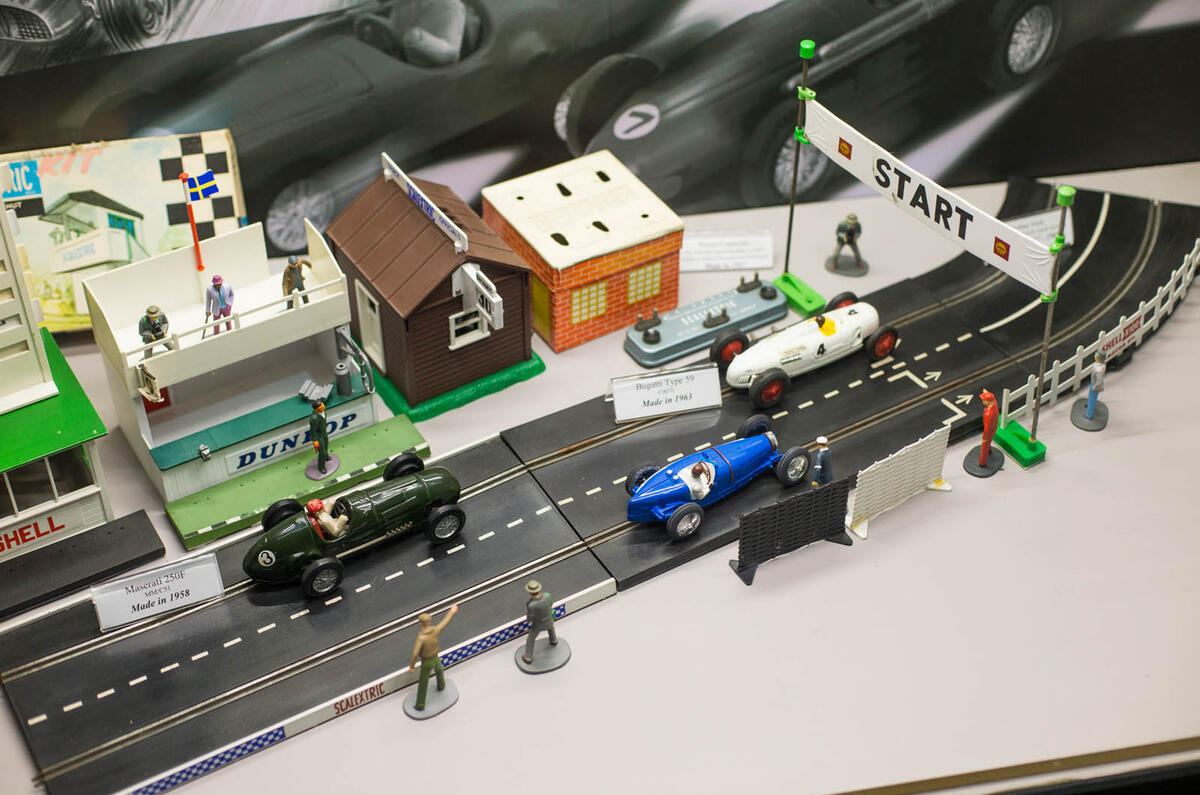
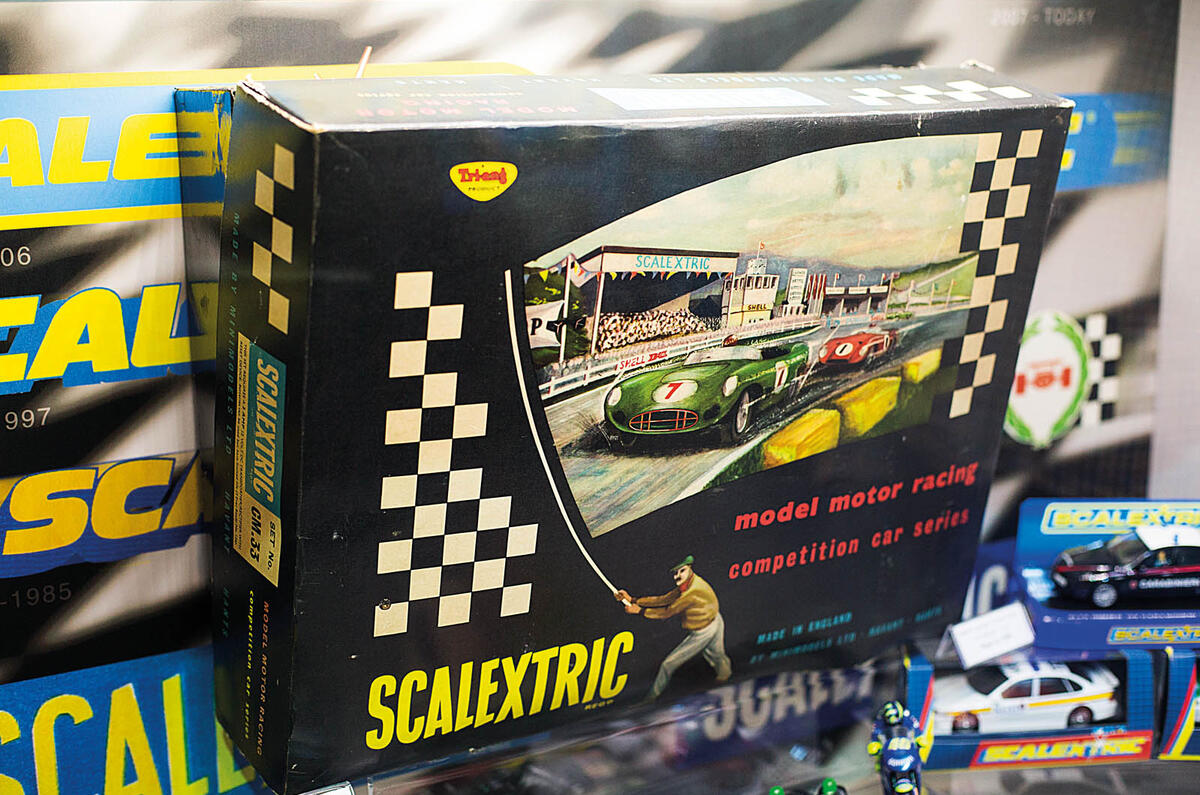
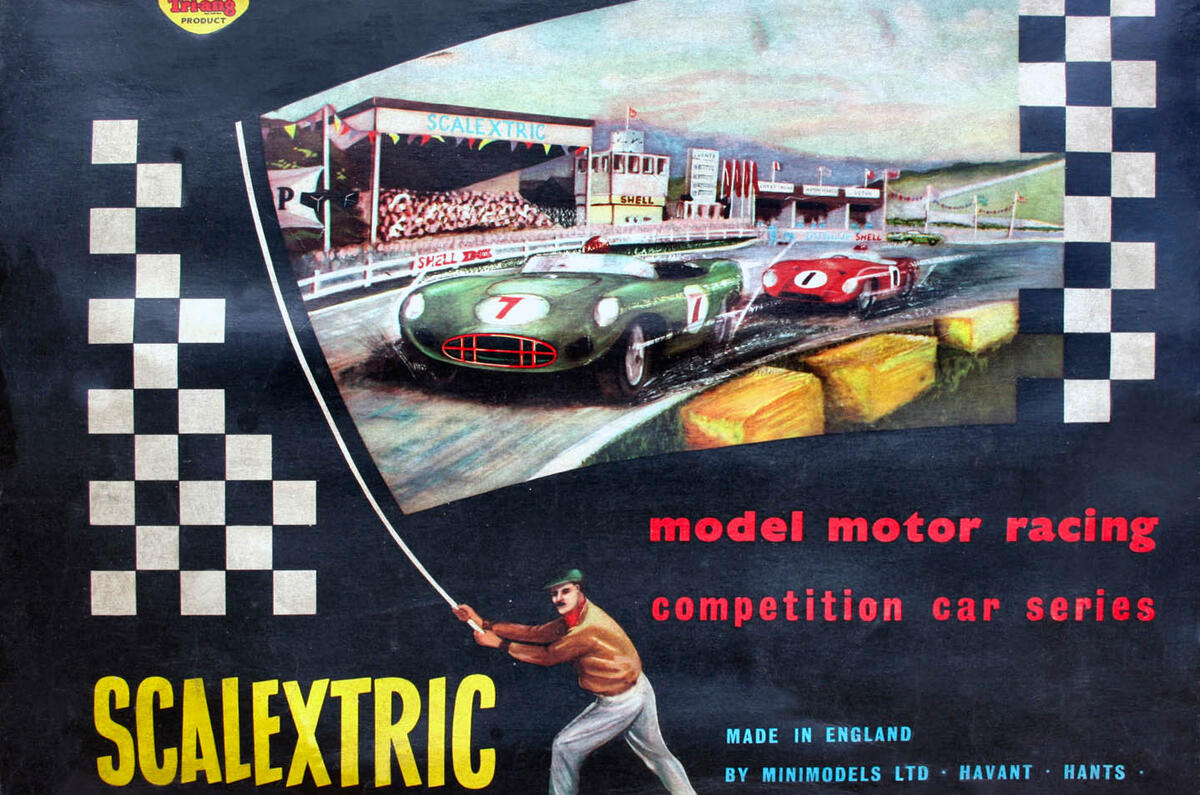
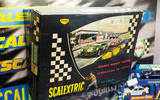
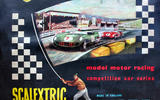
A similar desire for realism was evident in the Maserati 250F of the very first Scalextric set, which was launched at the Harrogate International Toy Fair in 1957 under the Minimodels brand. It was the invention of Bertram ‘Fred’ Francis, who had been seeking to broaden the appeal of his clockwork motorised Scalex toy cars. The answer was to add electricity – hence the ‘tric’ – so the cars could be driven around a track using a simple on/off button via a separate terminal box.

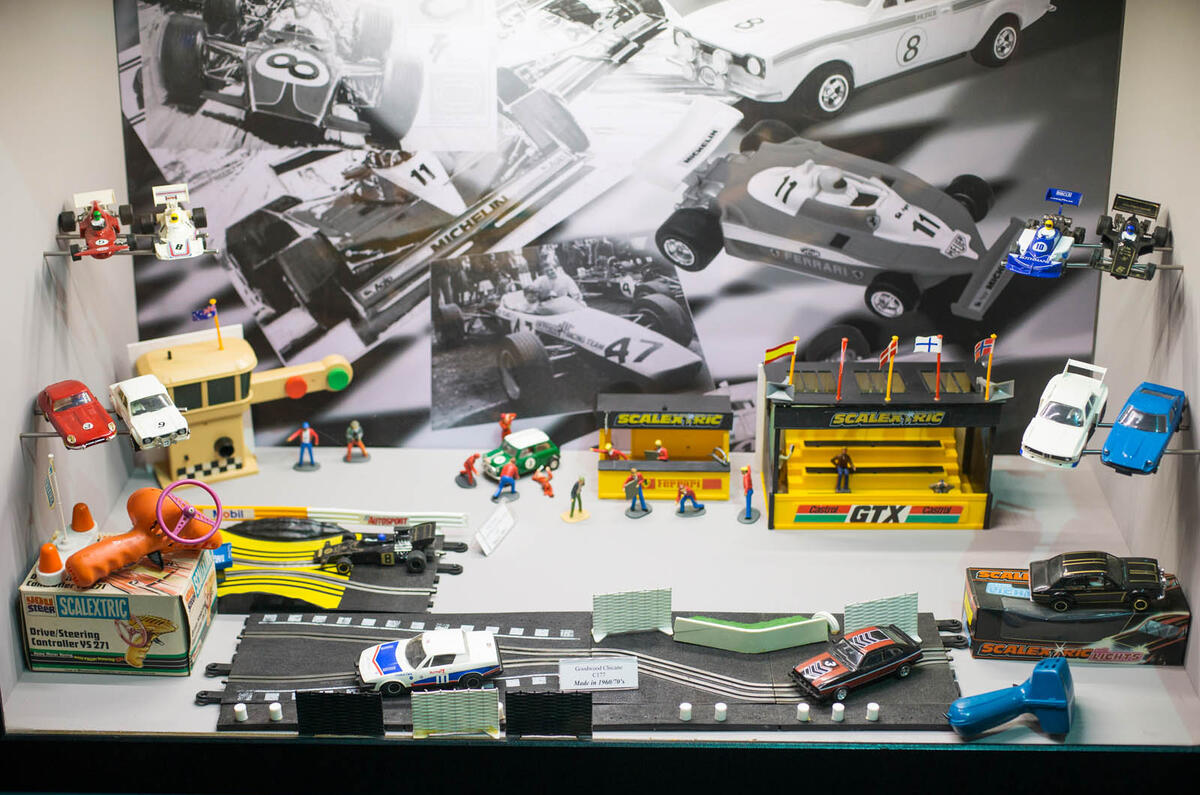
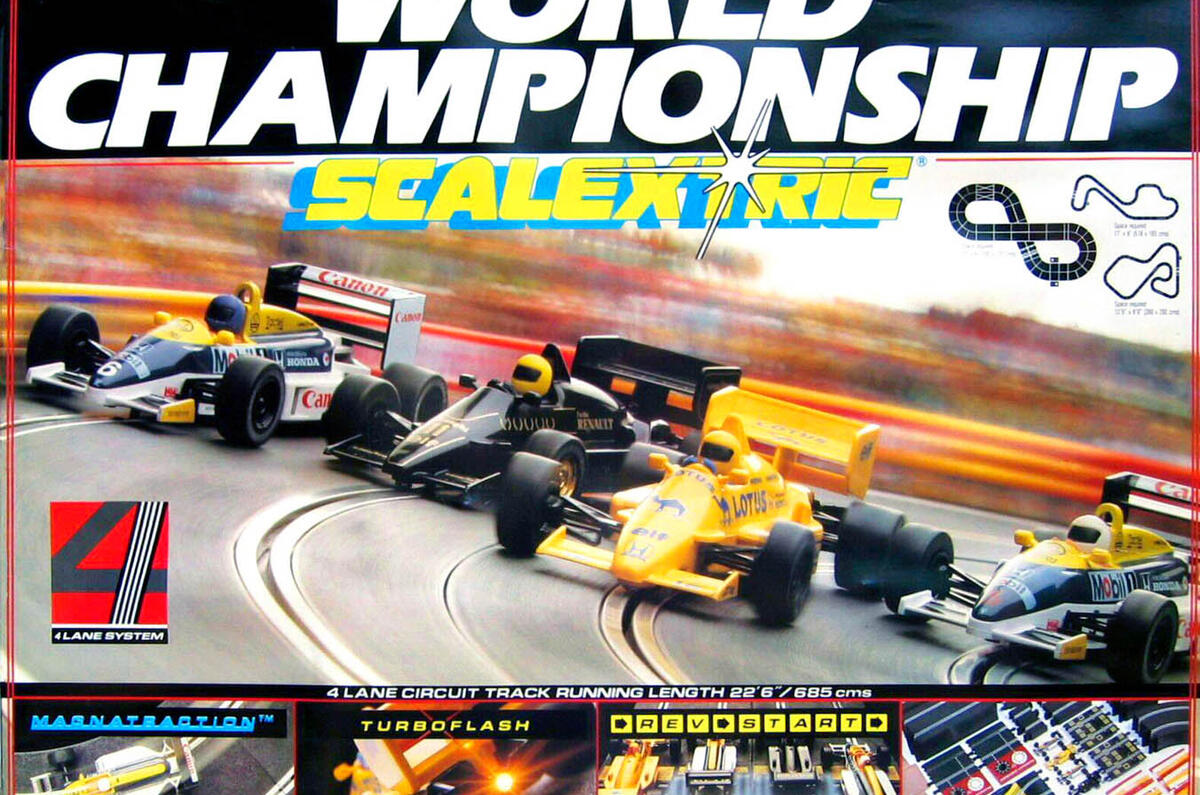
As the controllers evolved, so did the cars and their motors, meaning higher speeds and, inevitably, more crashes. To begin with, the flat rubber track was changed to a plastic one with dimples to give more grip, but it wasn’t until 1988 and the arrival of ‘magnatraction’ (a small magnet in the bottom of the car) that adhesion levels were truly addressed.