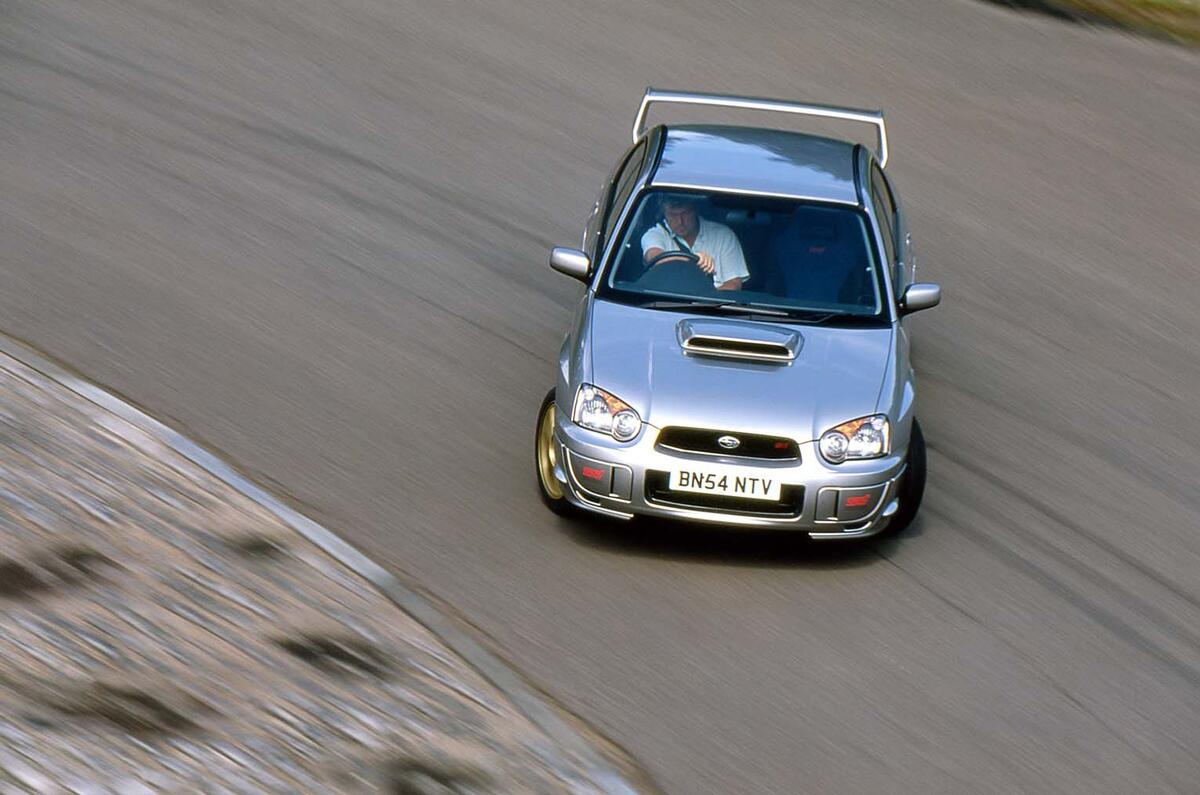
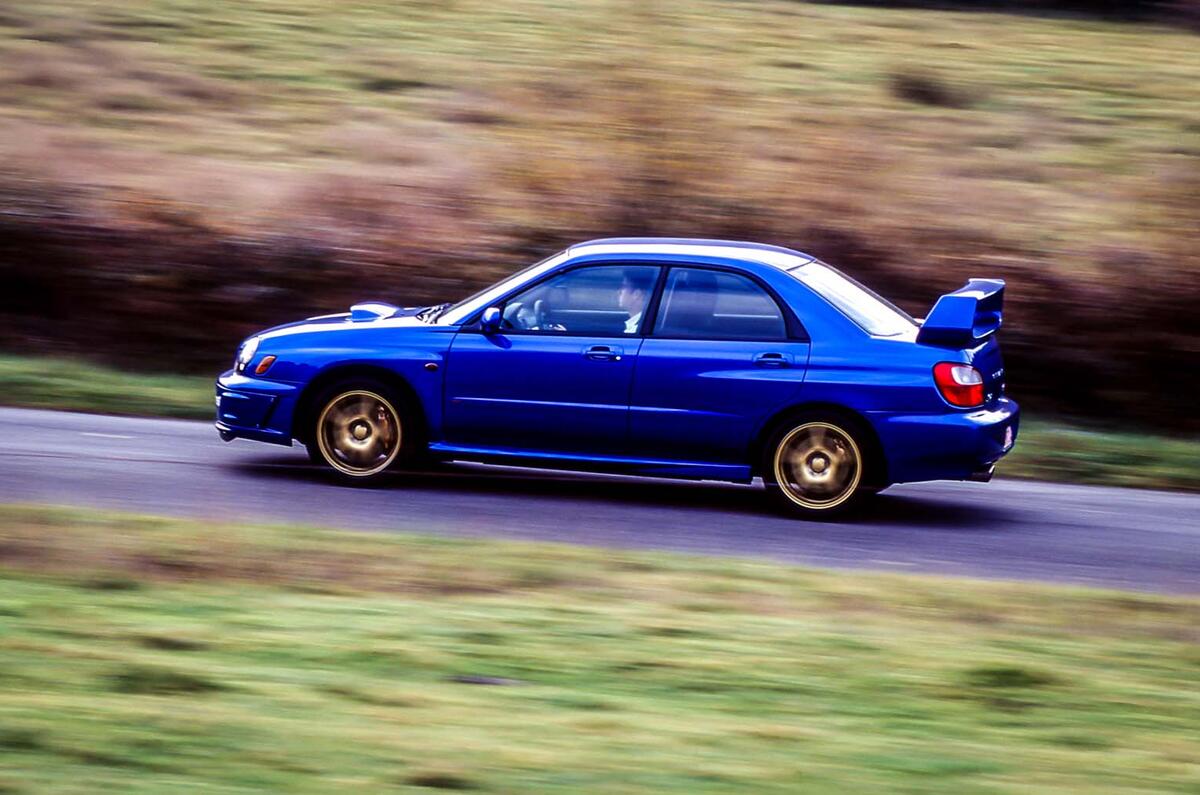
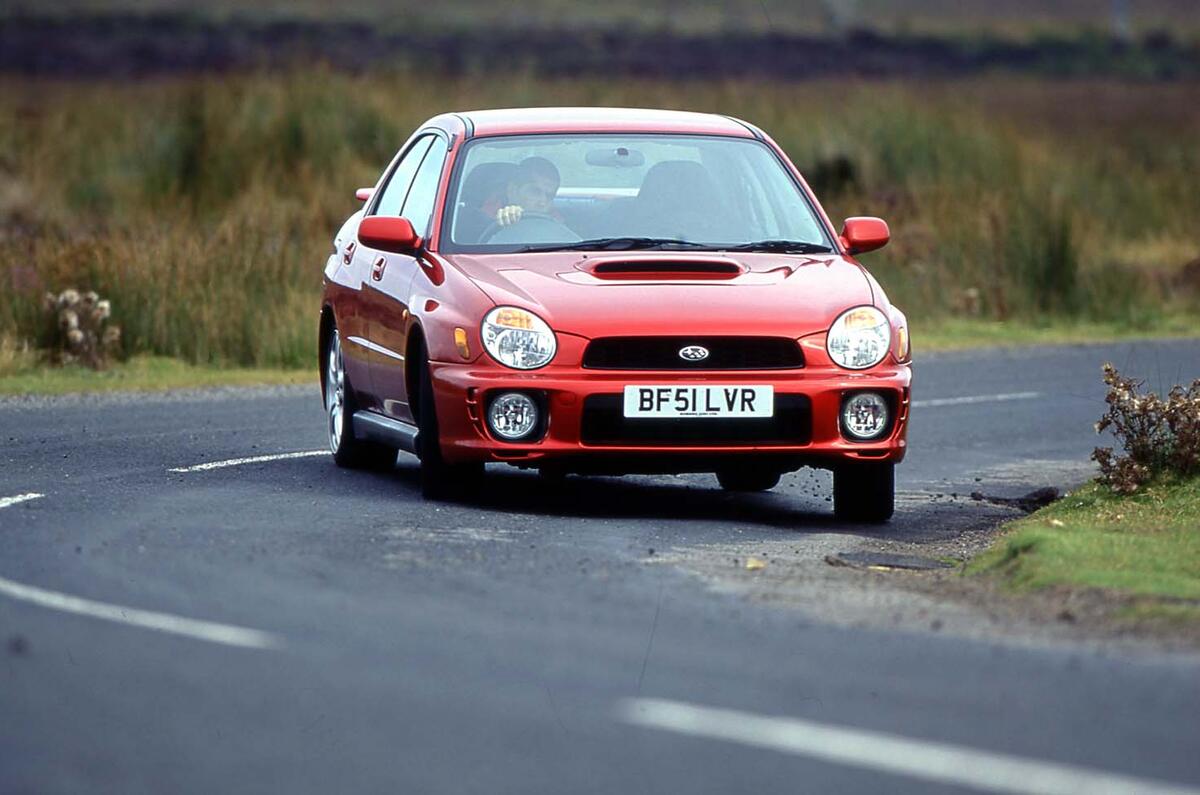
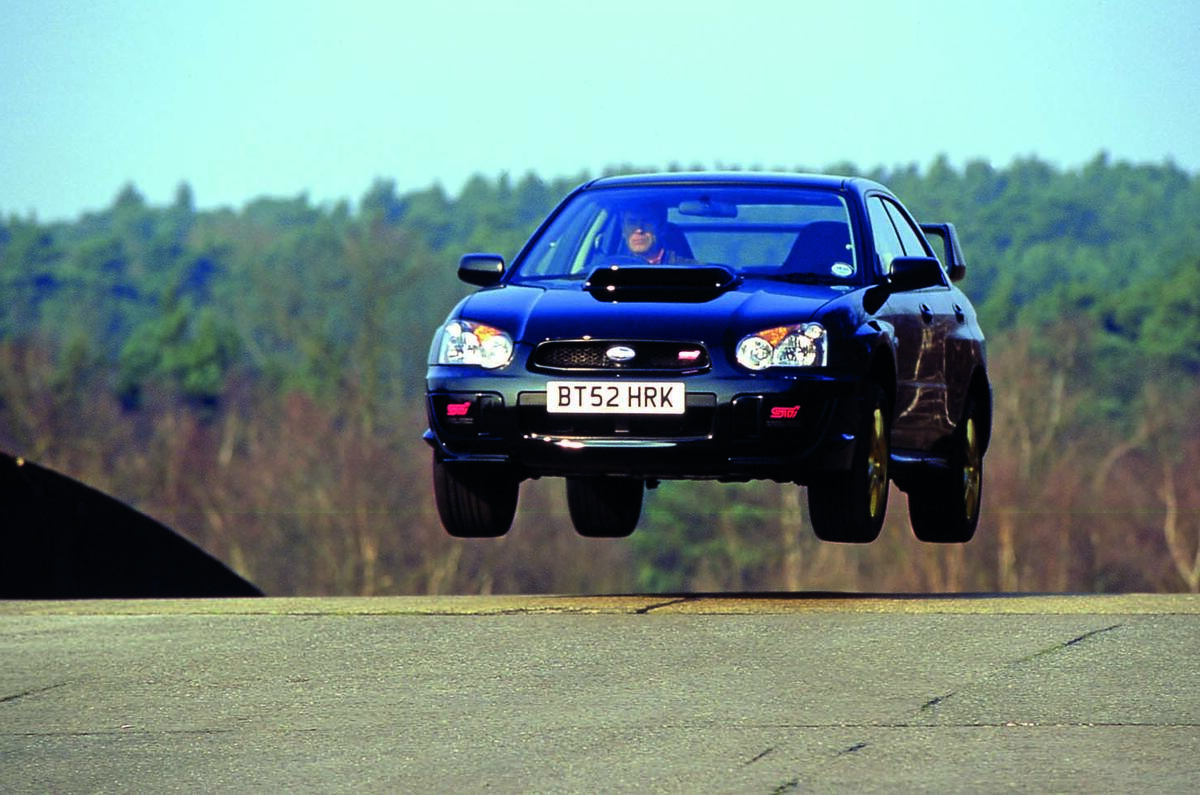
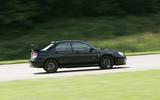
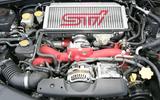
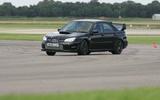
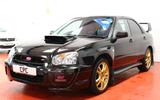
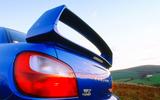
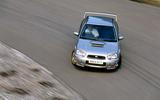
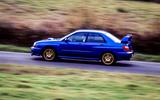
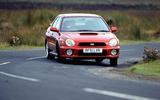
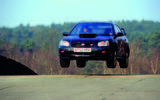
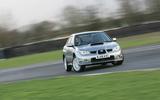

Is there a more bewildering car than the Subaru Impreza WRX and WRX STI of 2000 to 2007?
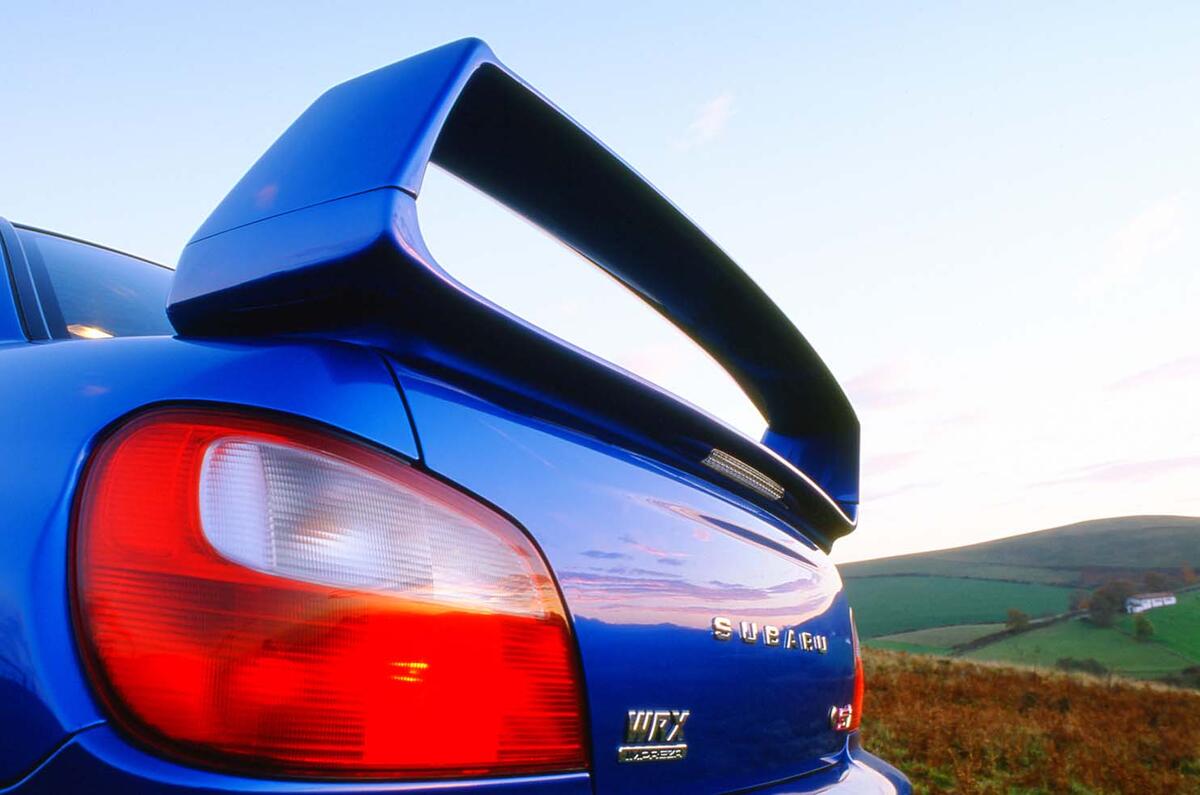
Not only are there three versions (two facelifts and a larger-engined model known as, according to their headlight design, bug-eye, blob-eye and hawk-eye), but there are also saloon, estate and wide-track bodies, not to mention Prodrive Performance Pack (PPP) variants and countless custom-tuned examples whose claimed power outputs inevitably tumble in the face of a rolling road. Add official special editions and it’s clear you need to know your Imprezas before you set foot on a seller’s forecourt.
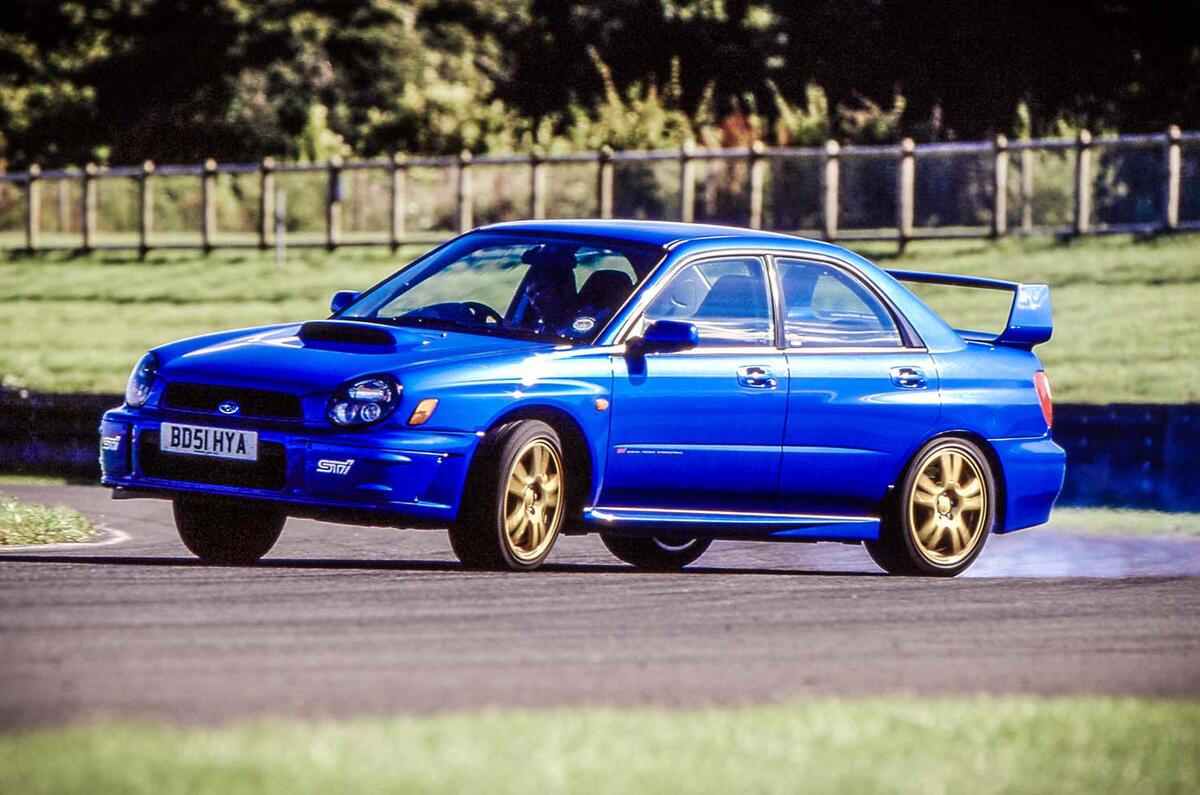
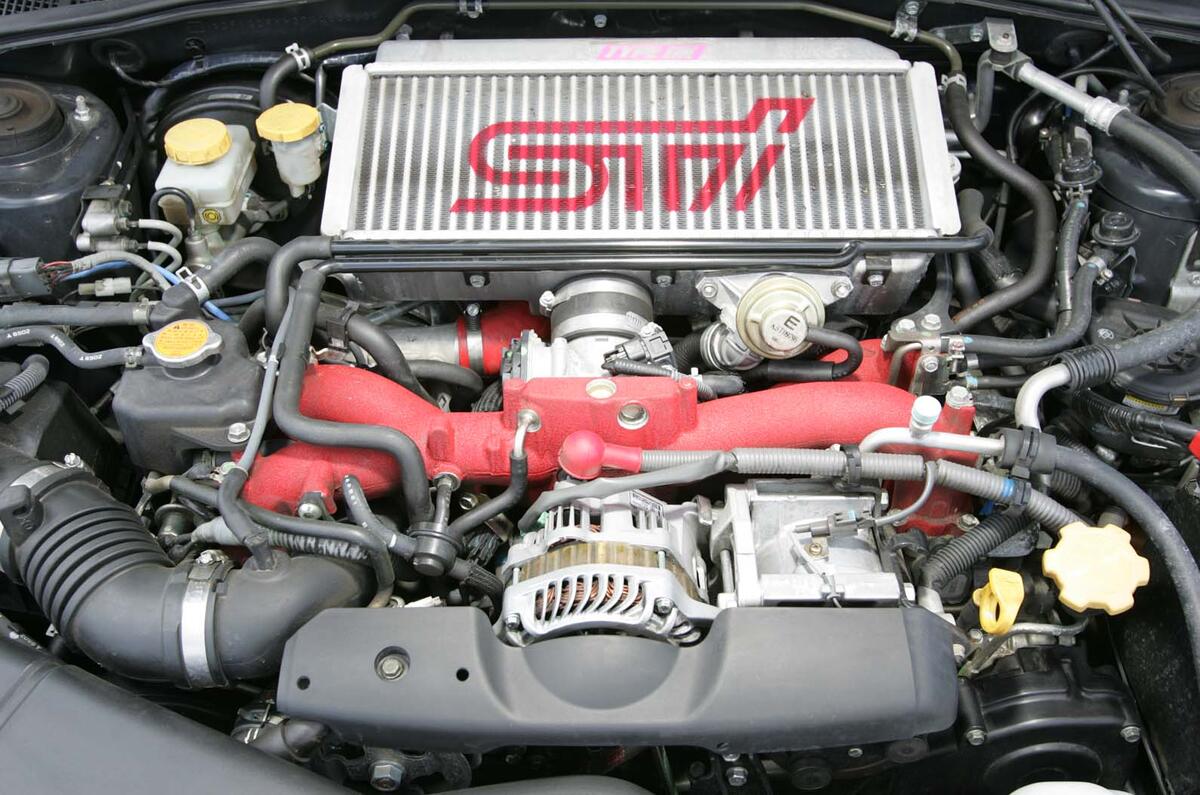
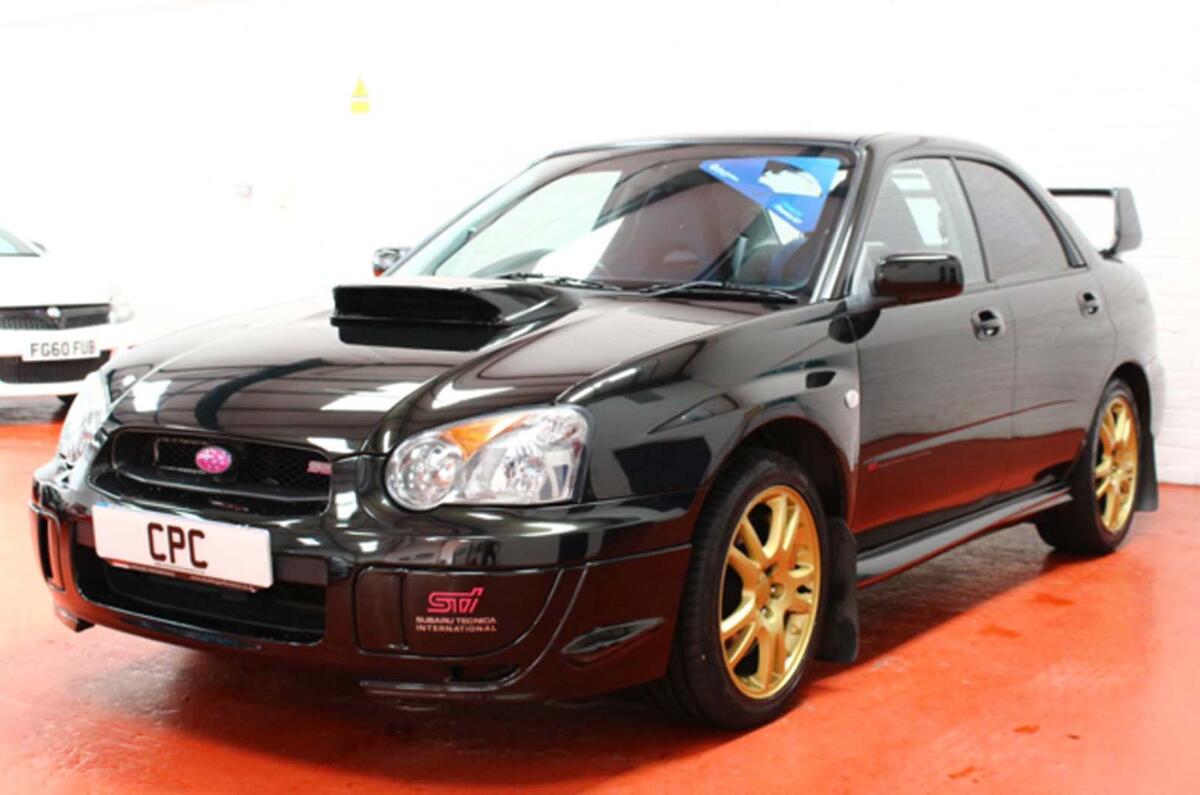
However, perhaps overwhelmed by instructions not to drop the ball, the designers did just that when they gave the new car a pair of ugly headlights. Immediately, it became known by enthusiasts as the bug-eye. A couple of years later, they gave the Impreza a fresh set of peepers, only to have the car renamed the blob-eye. At least engine power rose to 222bhp. More important, the WRX STI was rolled out. It produced 261bhp and had a strengthened six-speed gearbox in place of the WRX’s five-speeder. Experts reckon this engine is the best. The STI also got quicker steering and a limited-slip front diff.
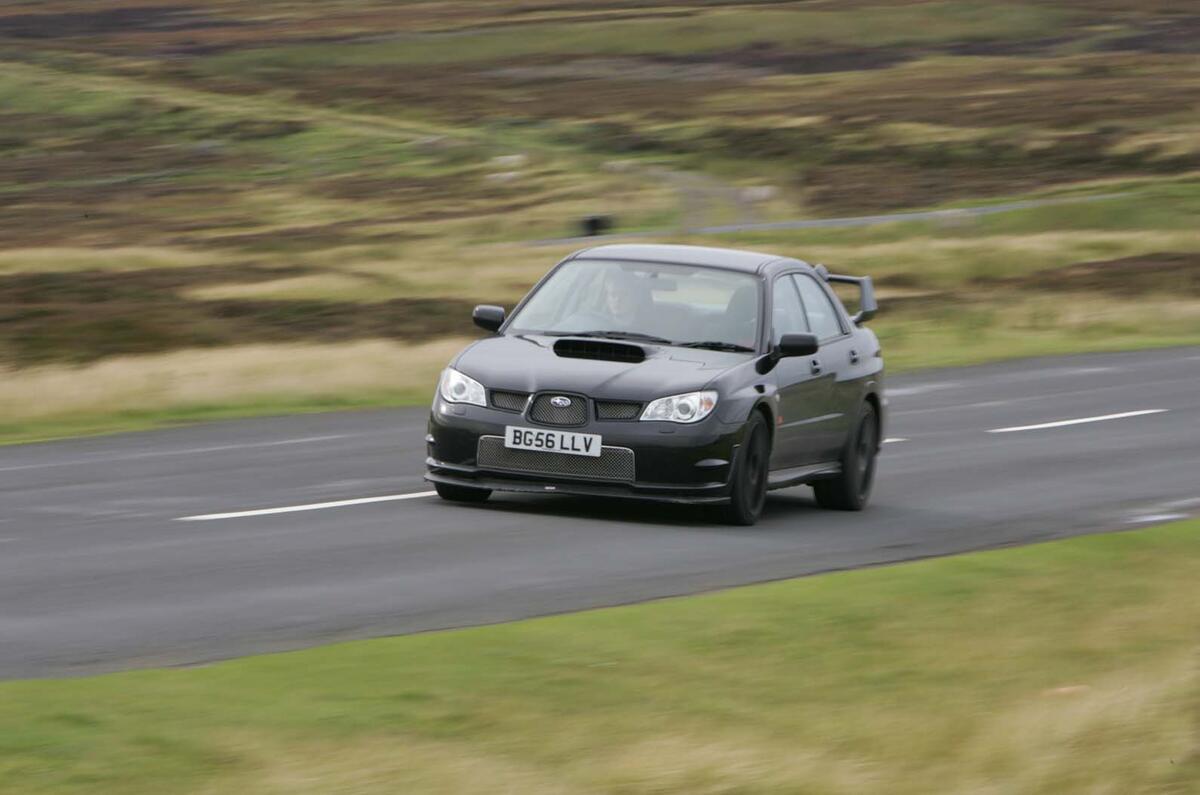
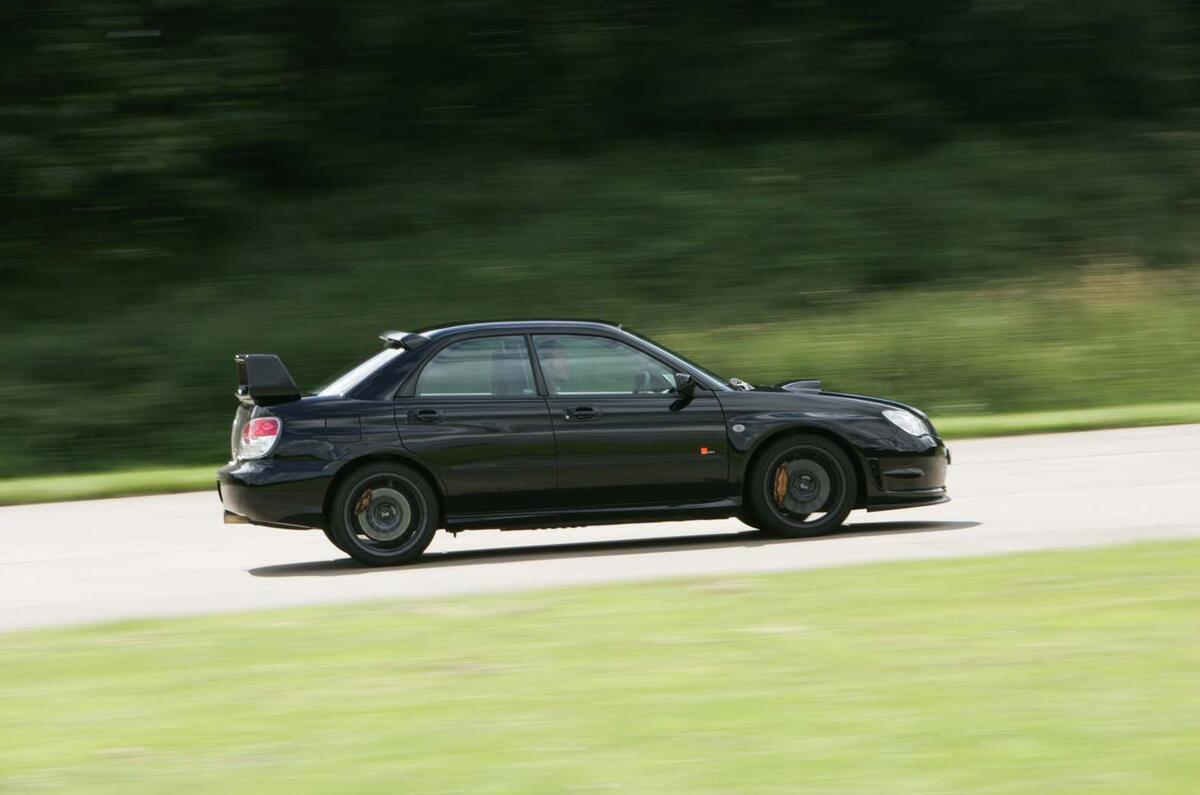
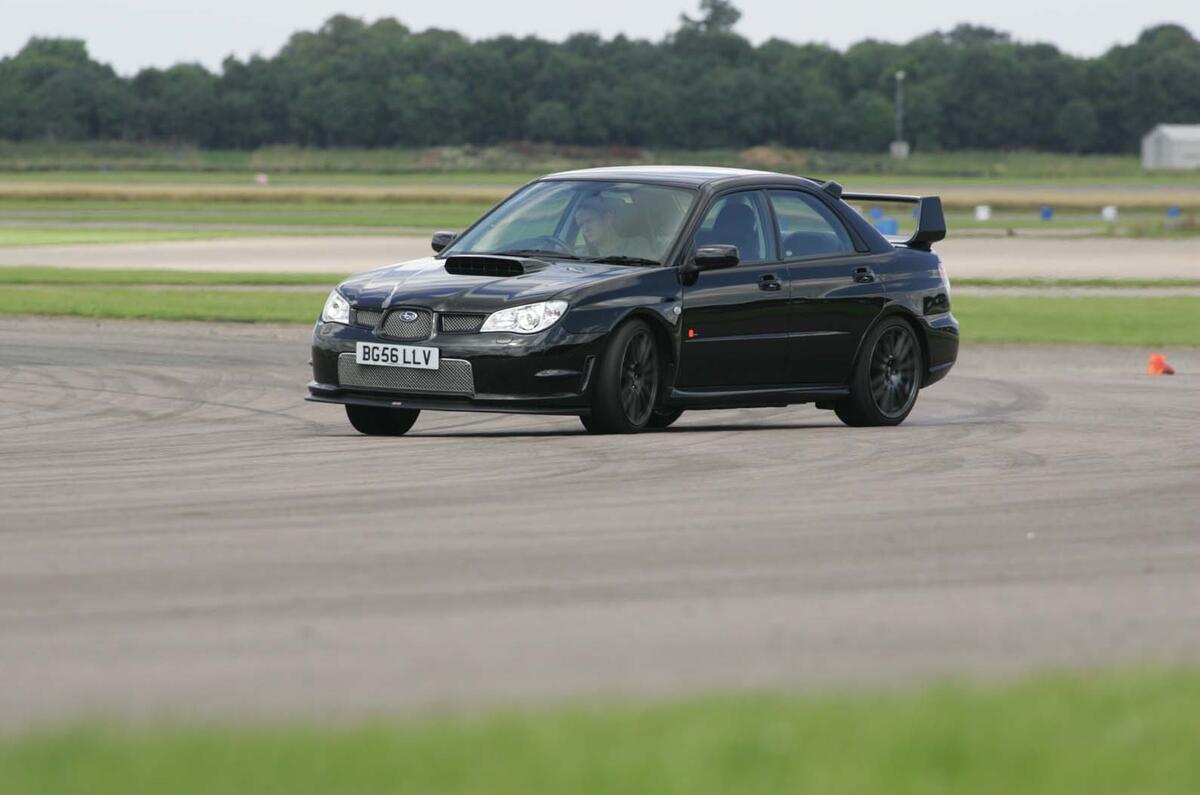
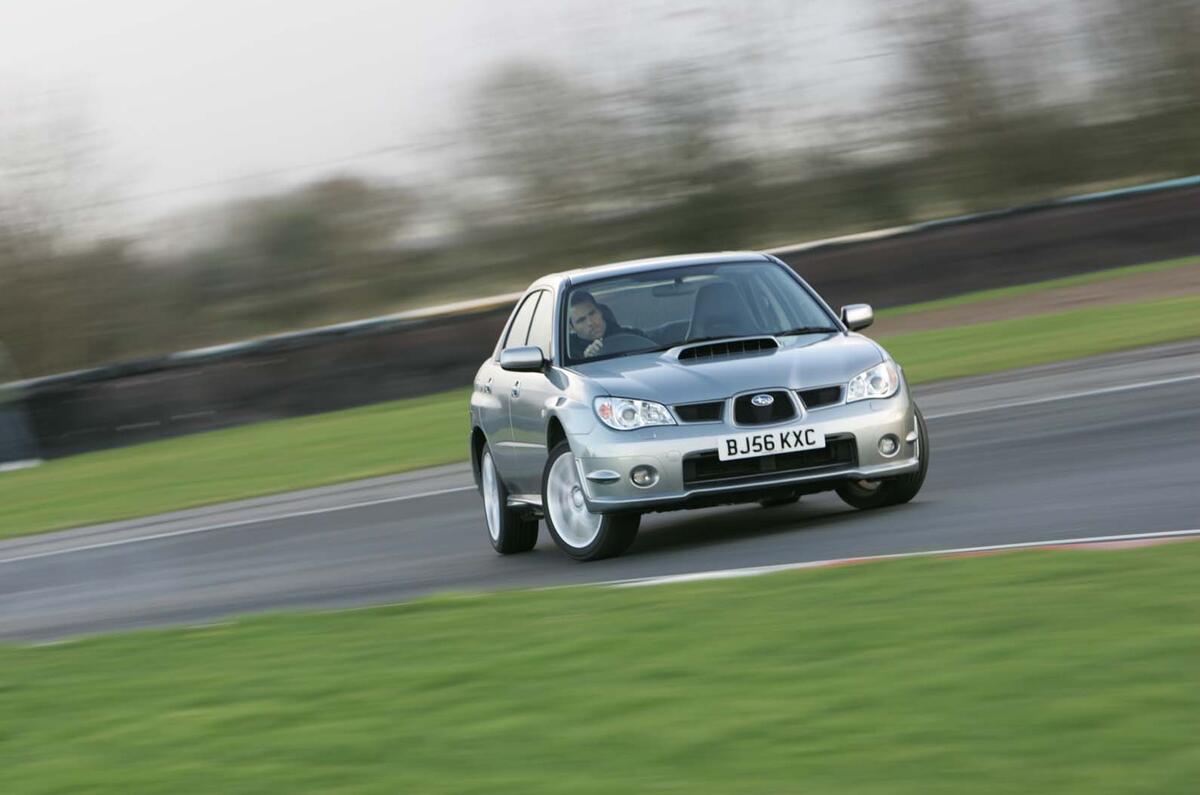
In 2005, Subaru hoped to turn the page on bug-eye and blob-eye with a third, heavily revised version that became known, more flatteringly, as the hawk-eye. Out went the venerable 2.0-litre turbo boxer to be replaced by a much modified but, some insist, more fragile, 2.5-litre unit. WRXs produced 226bhp and STIs 276bhp.
The hawk-eye also had a wider track, which is why it’s also known as, in the way Impreza owners like to call a spade a spade, the wide track.

Just to confuse you, the last of the blob-eye cars were known as STI 9s. Some reckon they’re the best of the best since they use the hawk- eye’s running gear and later cars’ switchable Driver Control Centre Differential (DCCD) – which allows the driver to send 65% of the power to the rear wheels – yet retain the 2.0-litre STI engine.