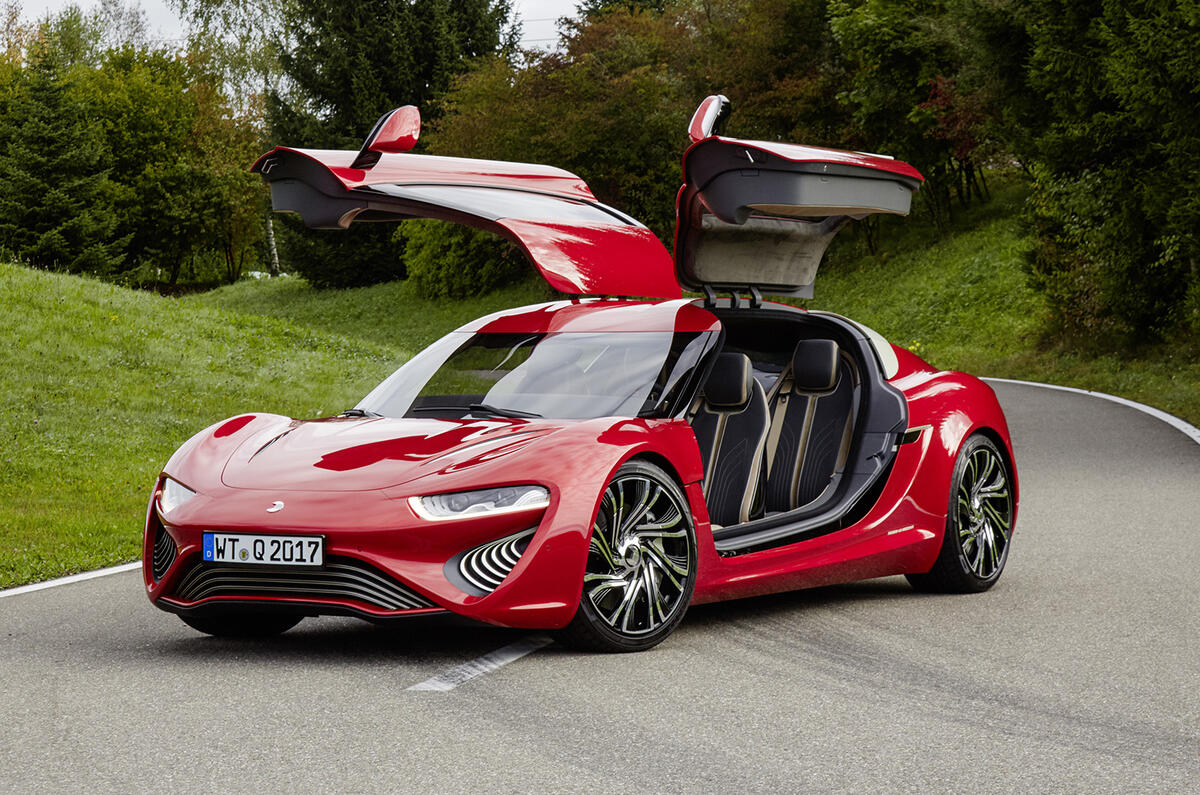
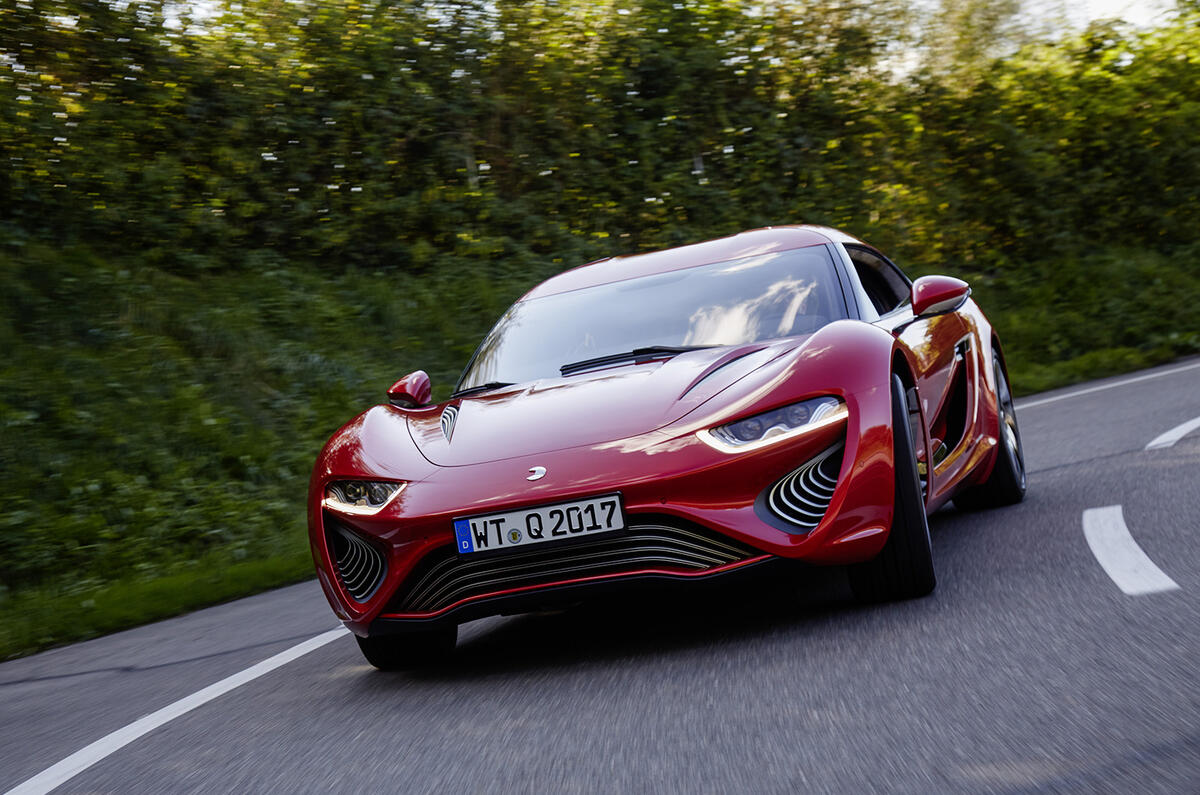
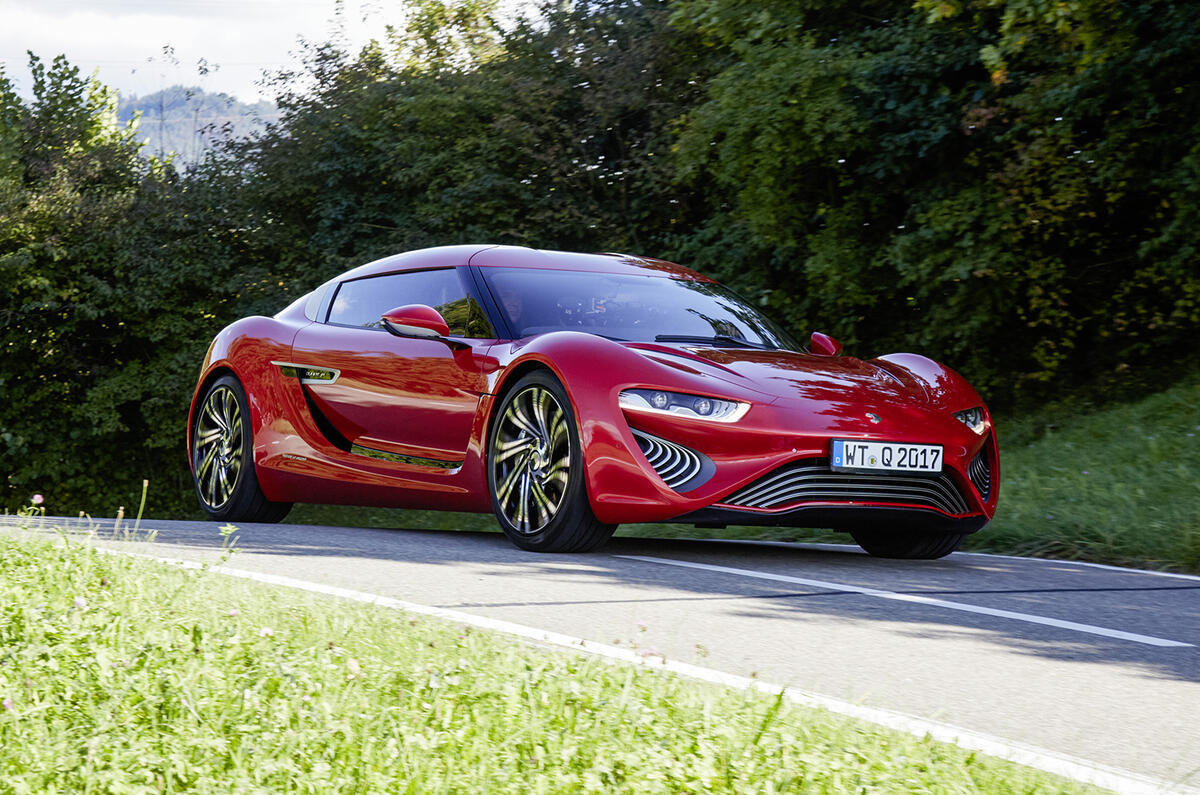
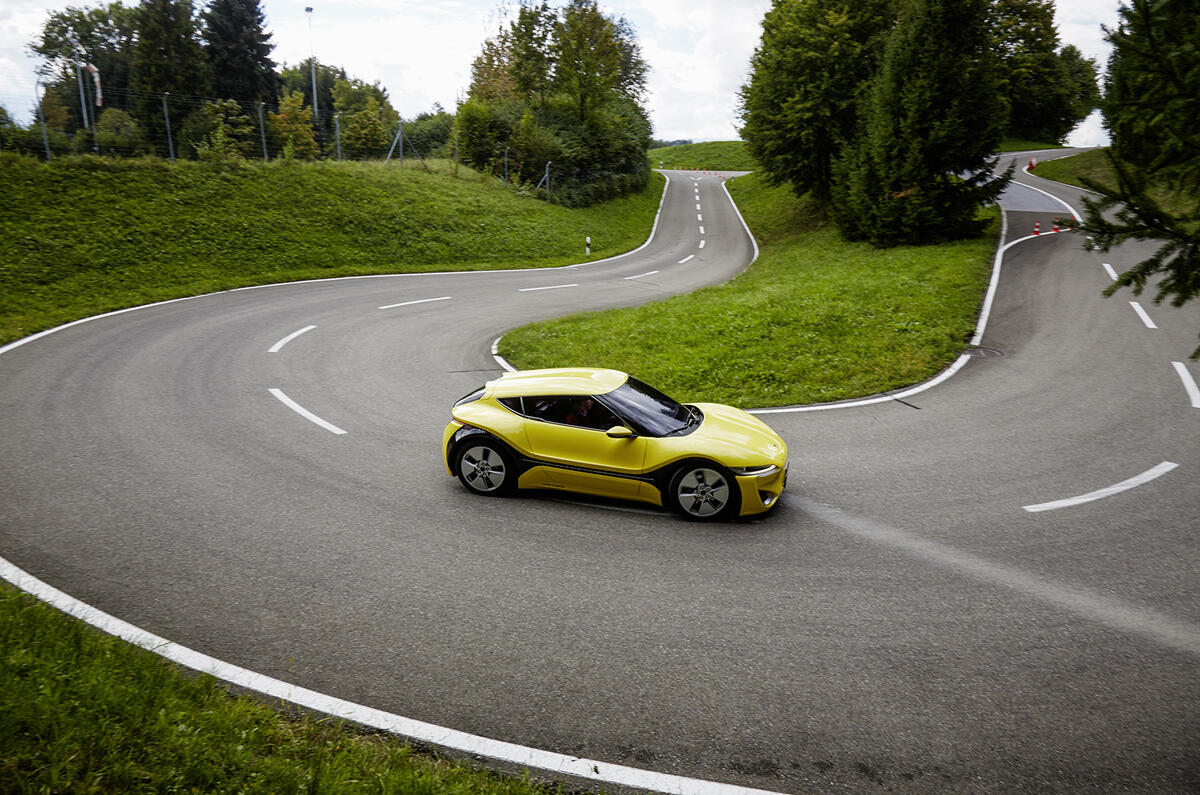
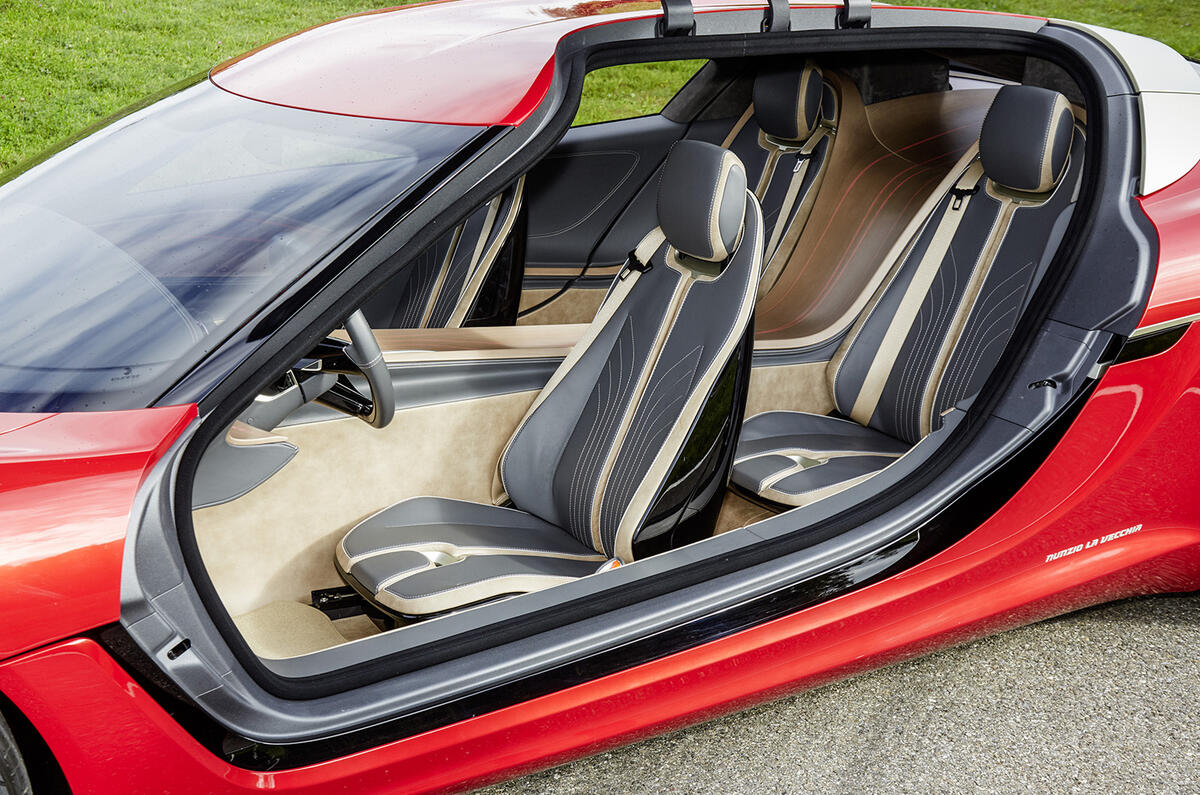
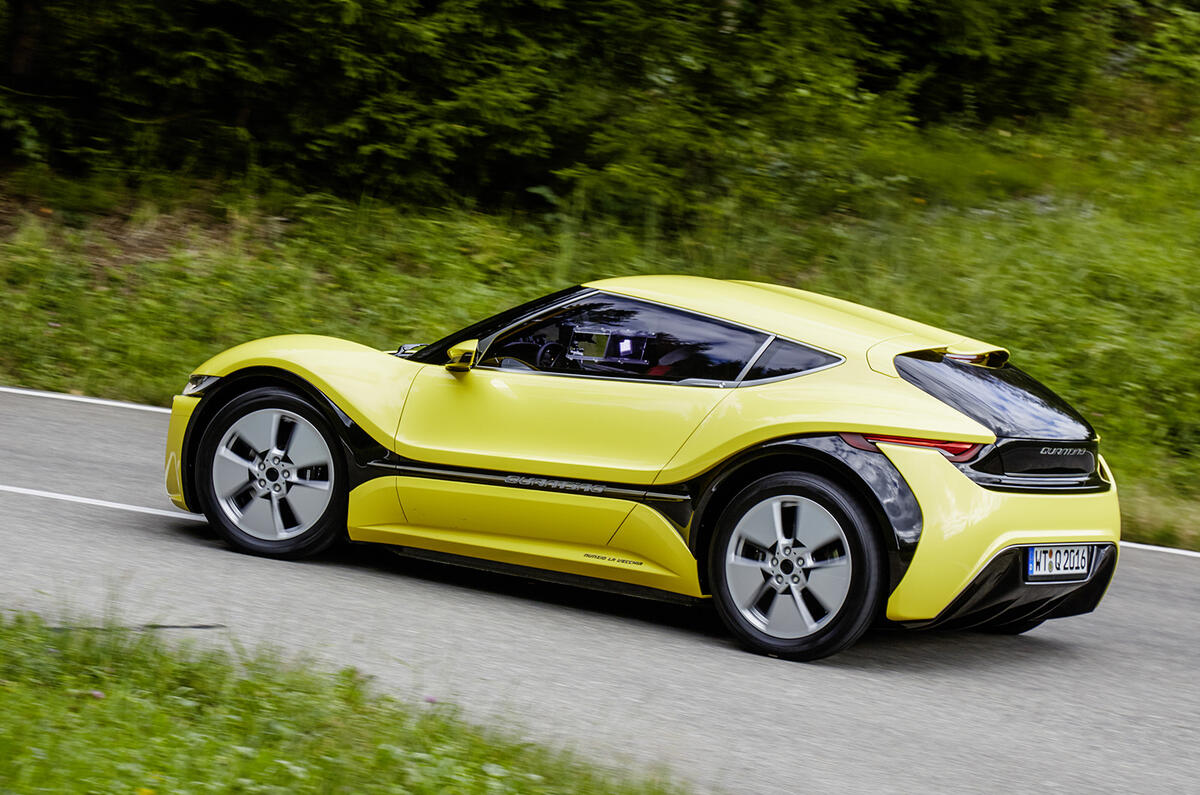
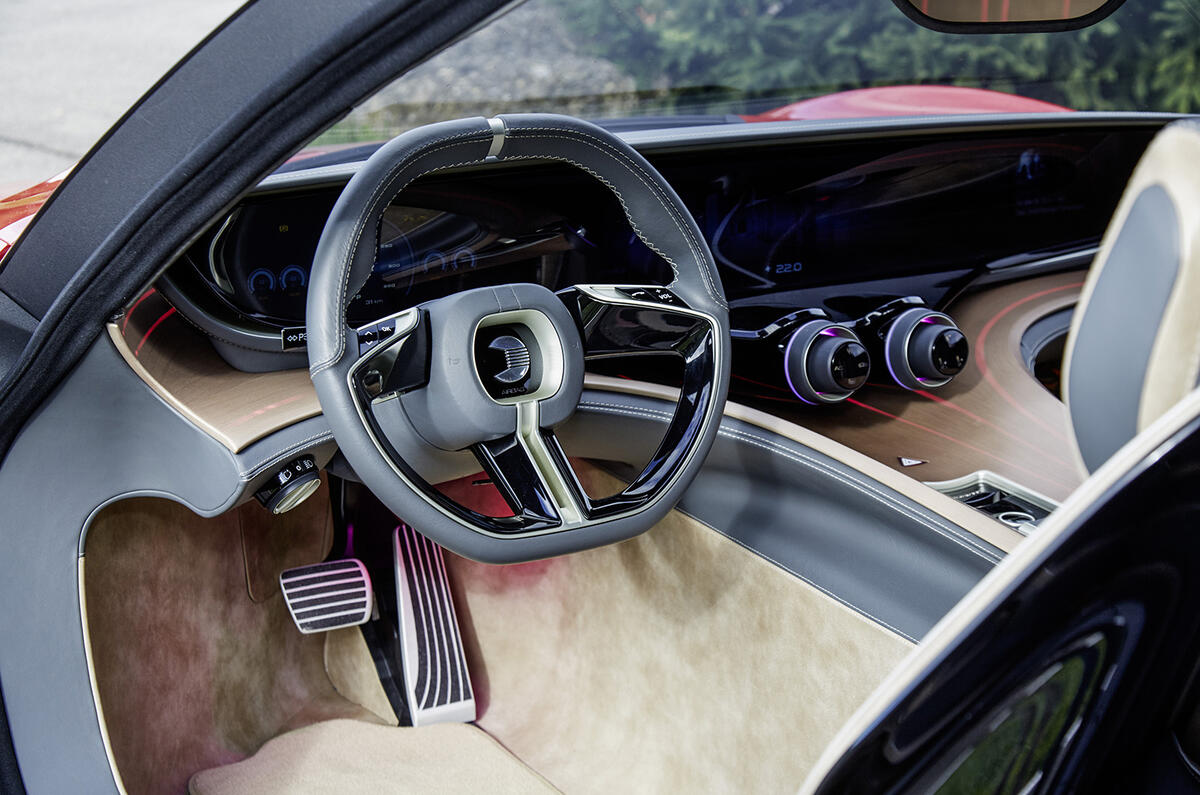
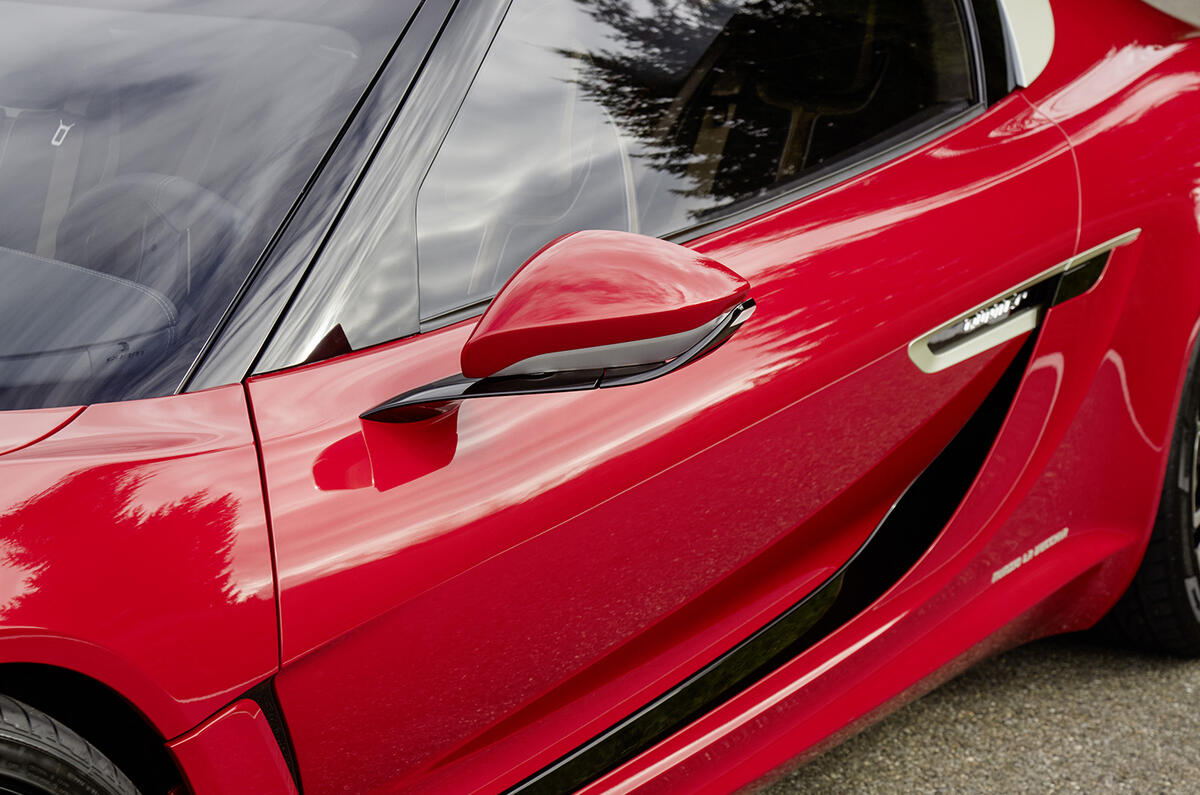
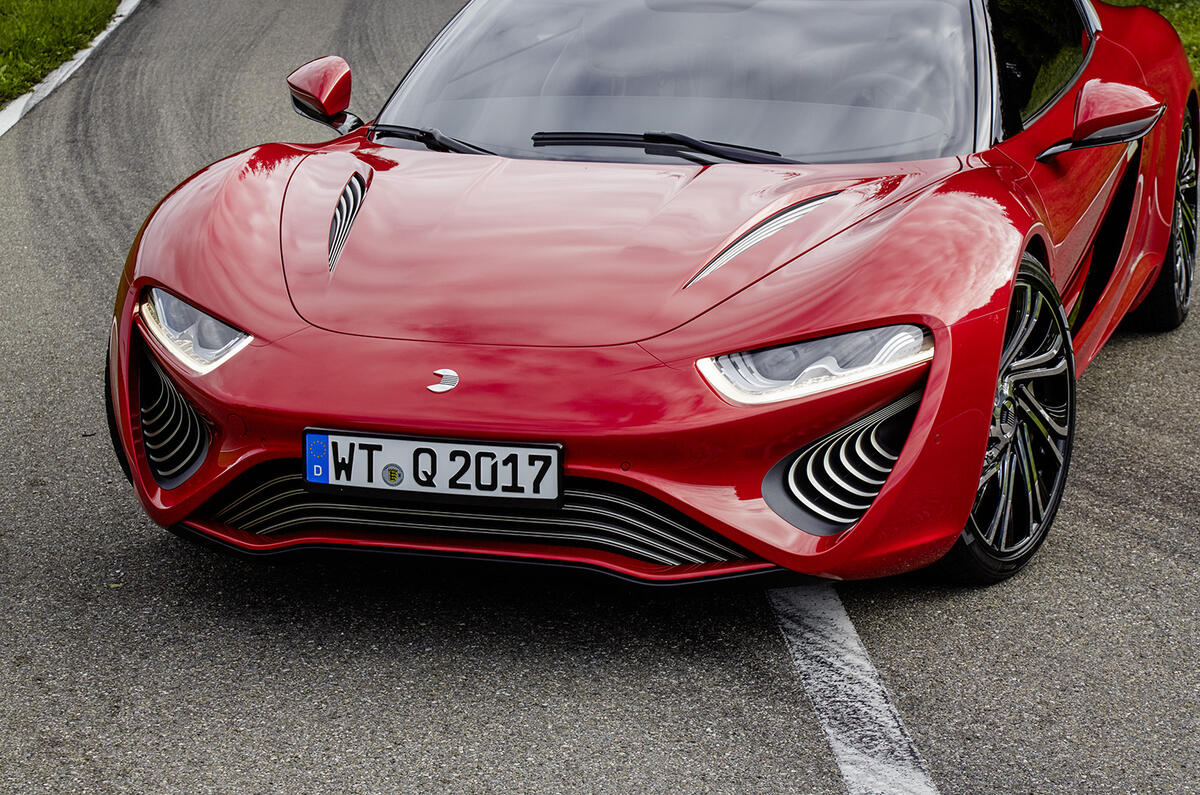
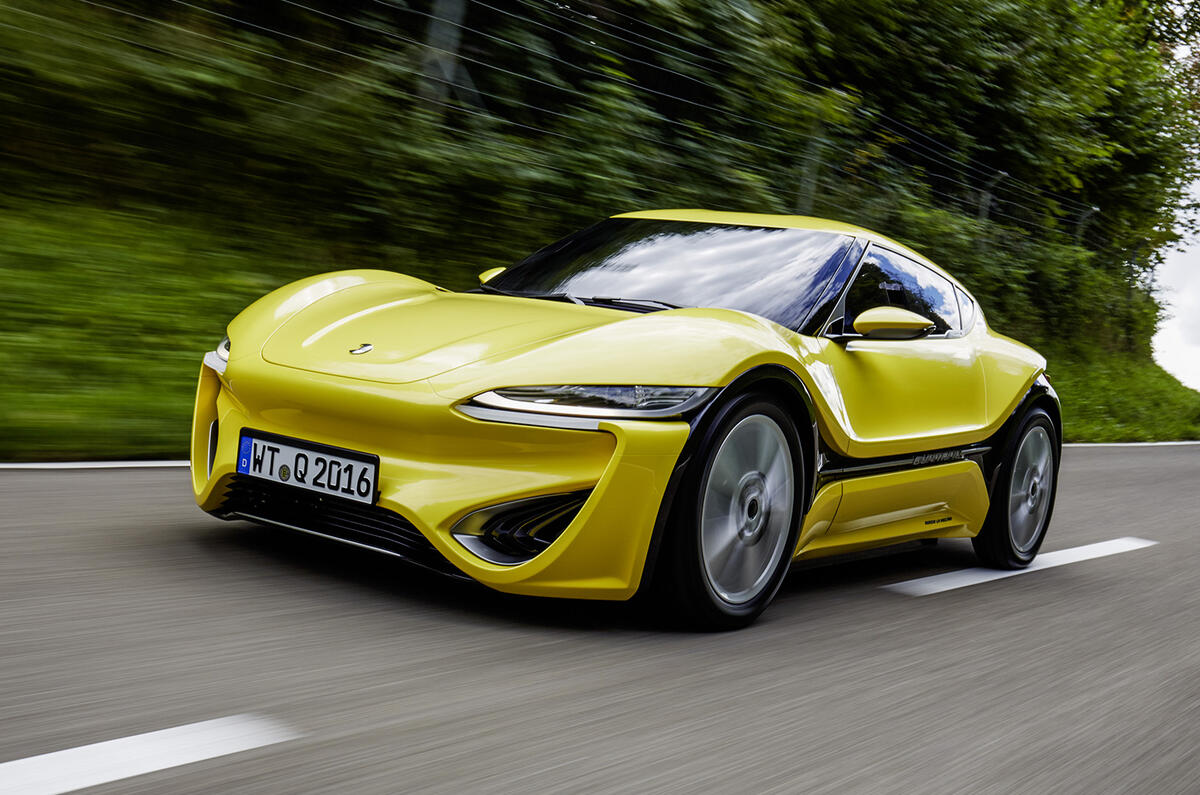
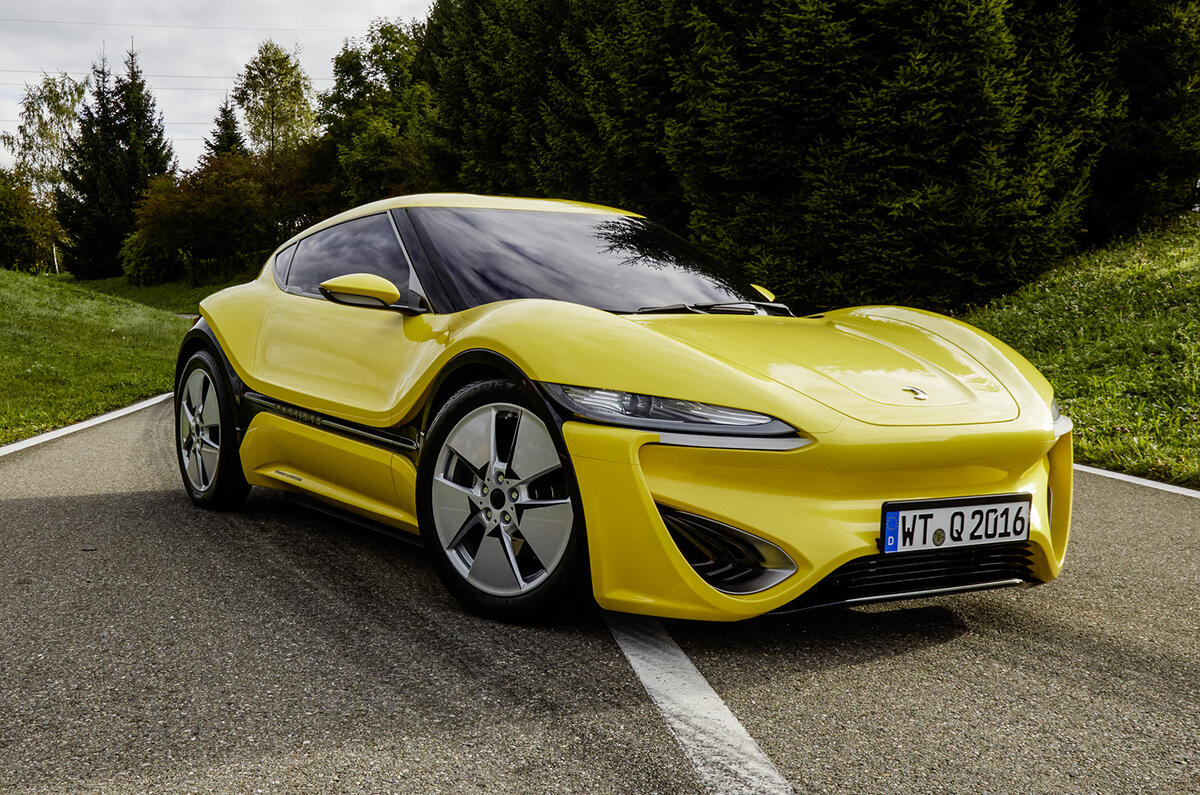





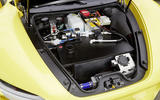










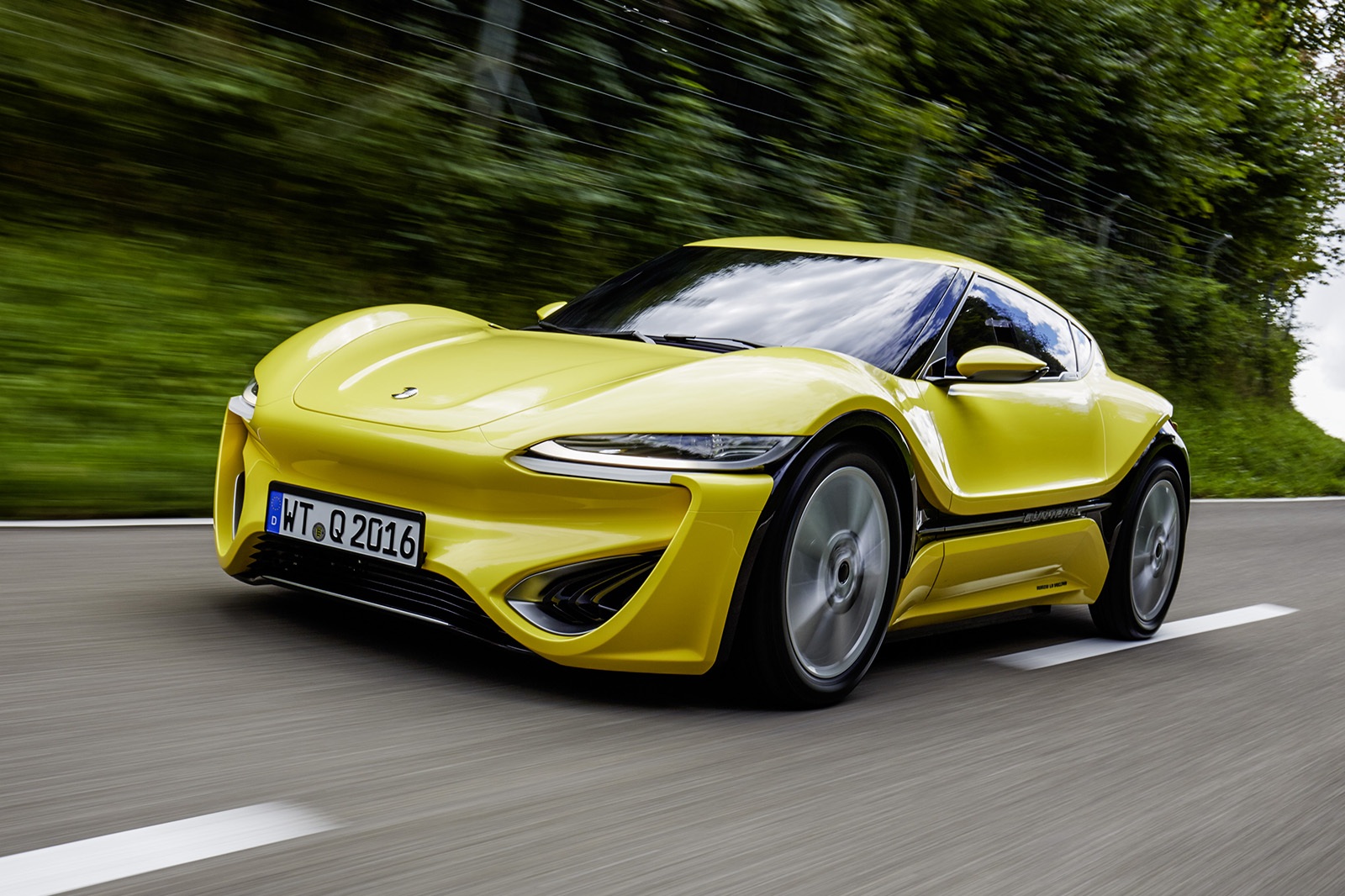
Research company Nanoflowcell, which revealed two electric car concepts powered by liquid-battery technology last year, is in talks with a “large manufacturer that is not German” about putting the Quantino concept into production.
The German/Swiss company’s technology boss, Nunzio La Vecchia, said the car could be rebranded and the technology could be licensed for other vehicles. “The car and the availability of refuelling could be a reality in four or five years’ time,” he said.
According to Nanoflowcell, which has administrative headquarters in London, the technology used by the Quantino and Quant FE concept cars could eclipse all others in a future minimal-carbon world.
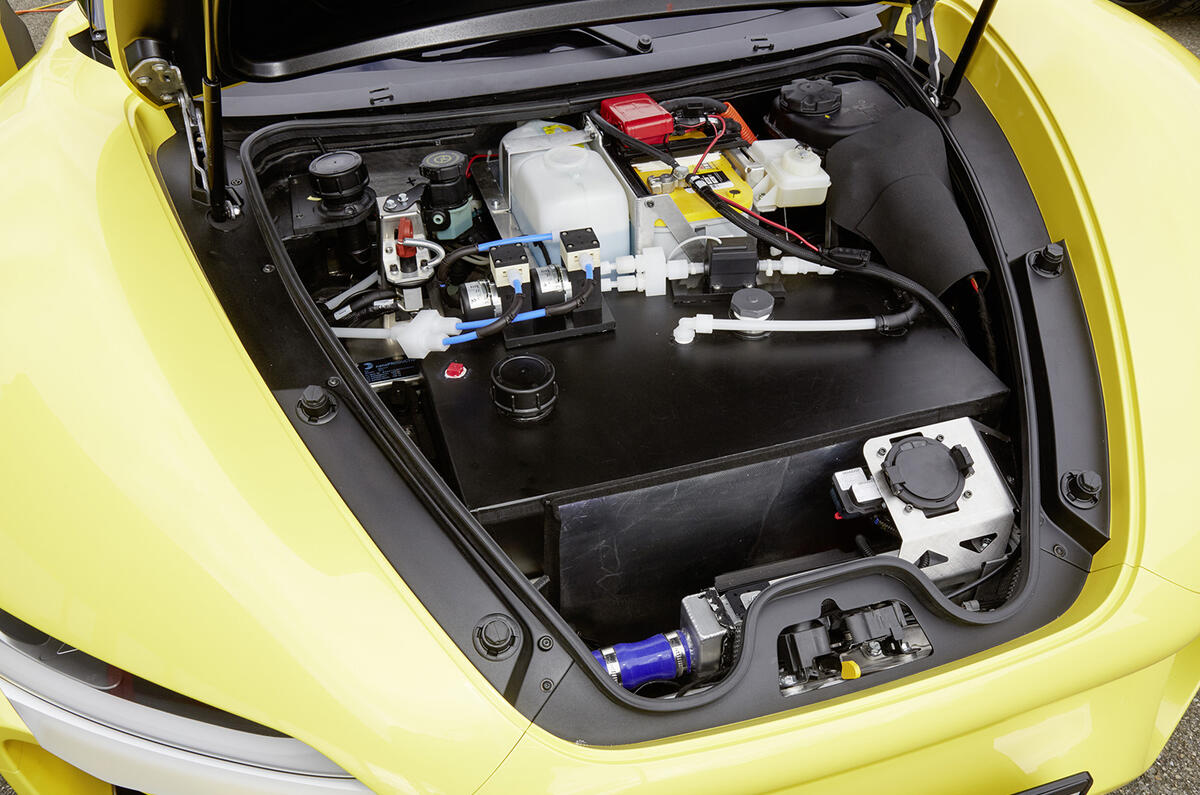
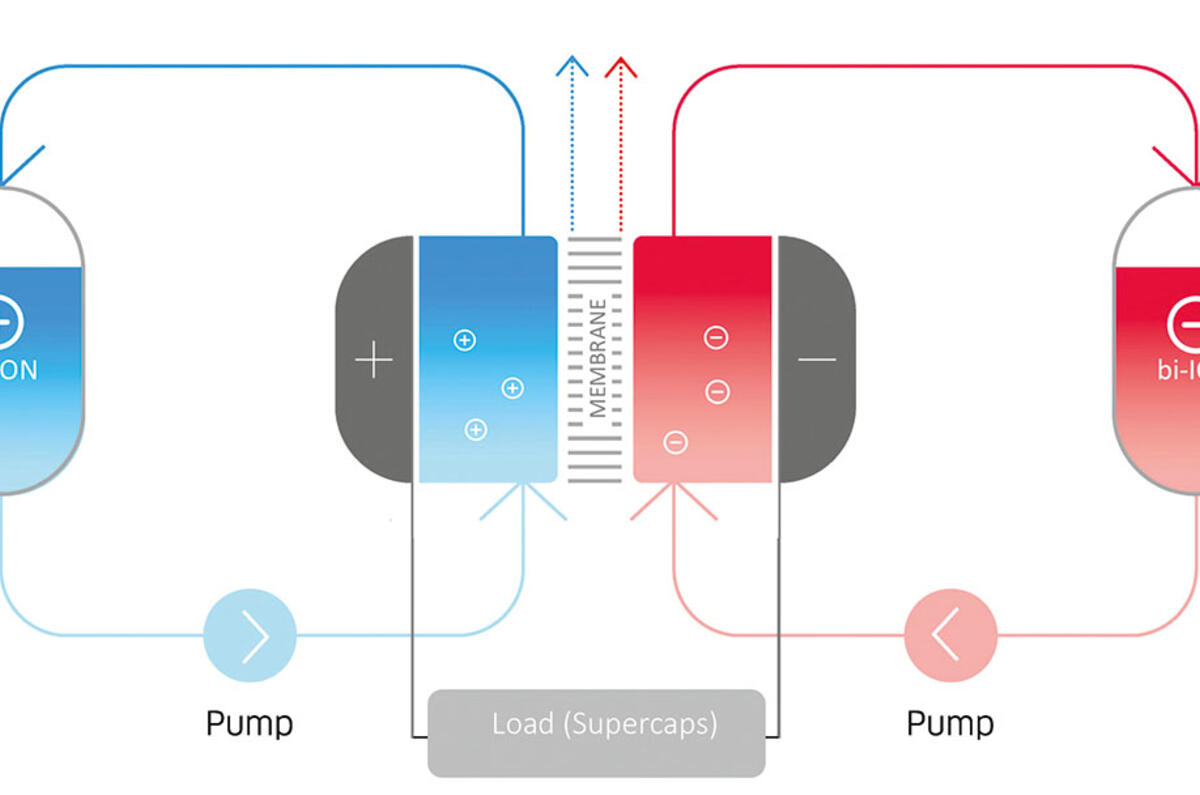
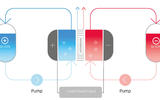
It uses positively and negatively charged liquids, stored in separate tanks as ‘fuel’, to generate electricity. These non-hazardous, easy-to-manufacture and easy-to-store electrolytes can be dispensed to vehicles as painlessly as hydrocarbon fuels currently are, so there is no need either for lengthy charging times or the infrastructure they require.
The cars were originally revealed at the 2015 Geneva motor show. Just before this year’s show, the now road-registered Quantino was driven non-stop for 14 hours on one ‘charge’ — an impressive feat for an electric car.
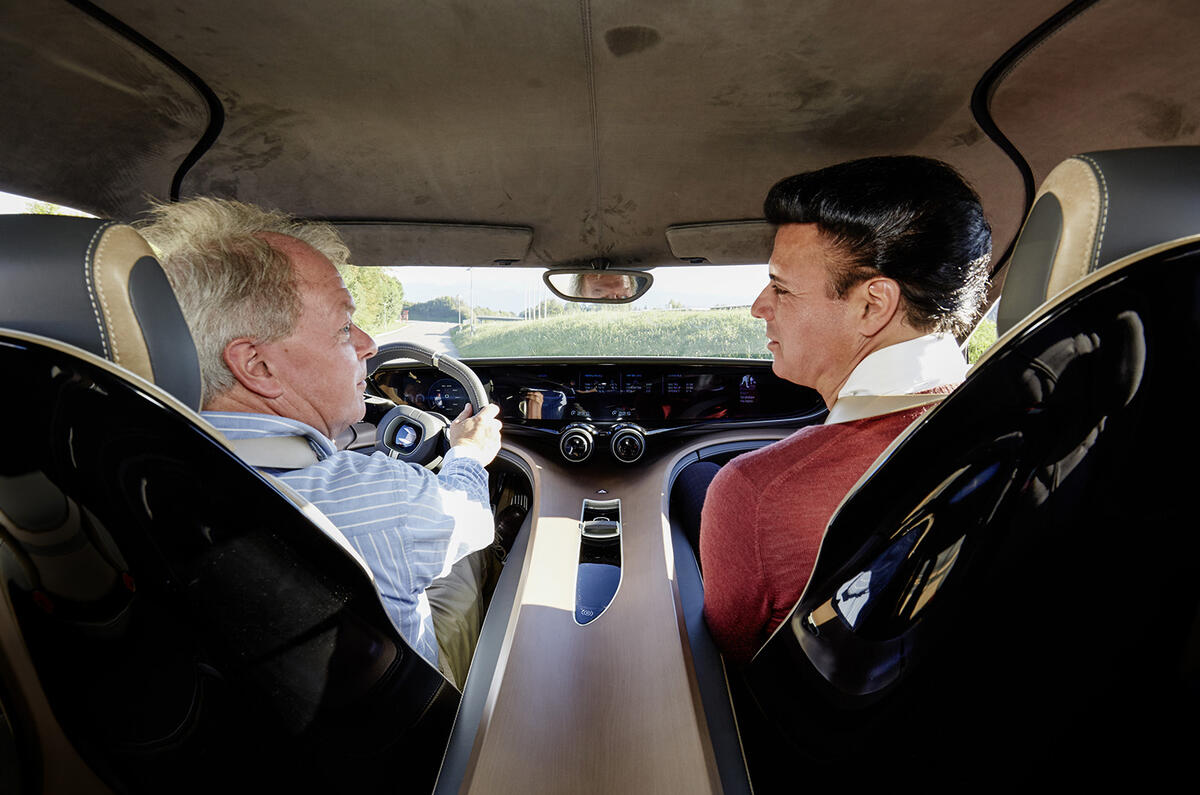
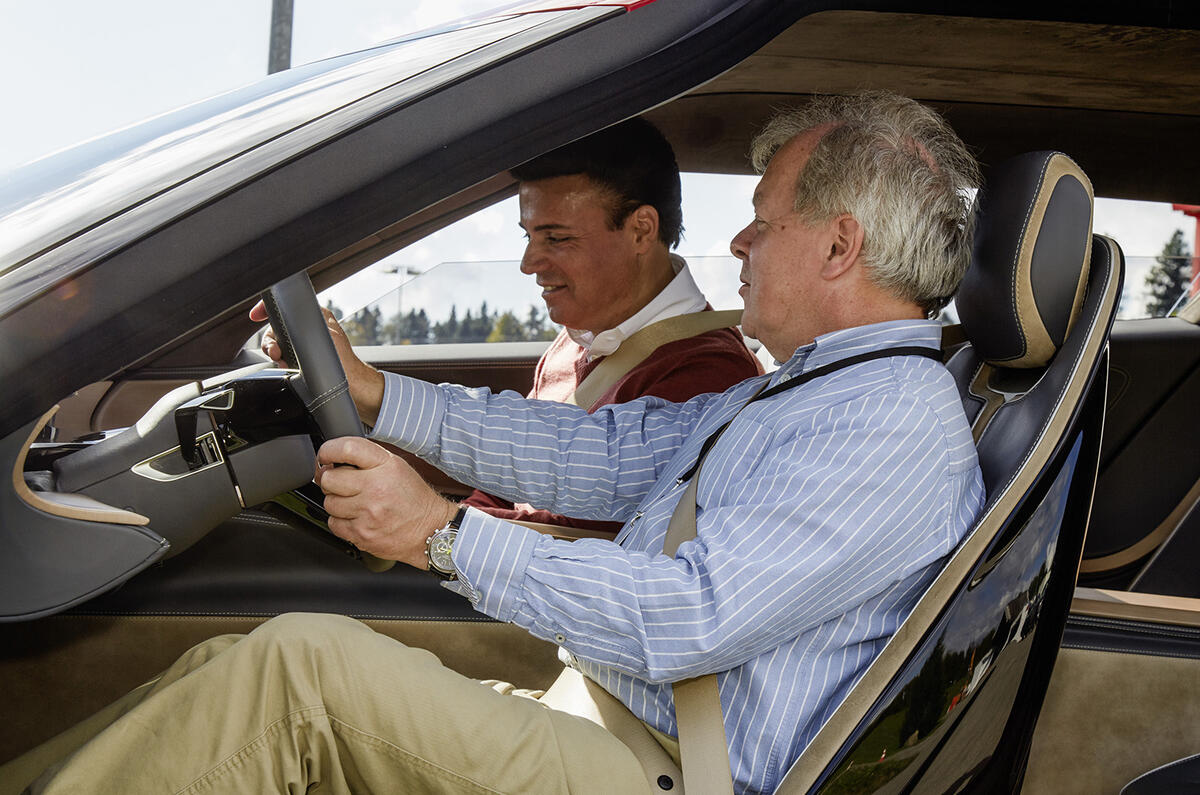
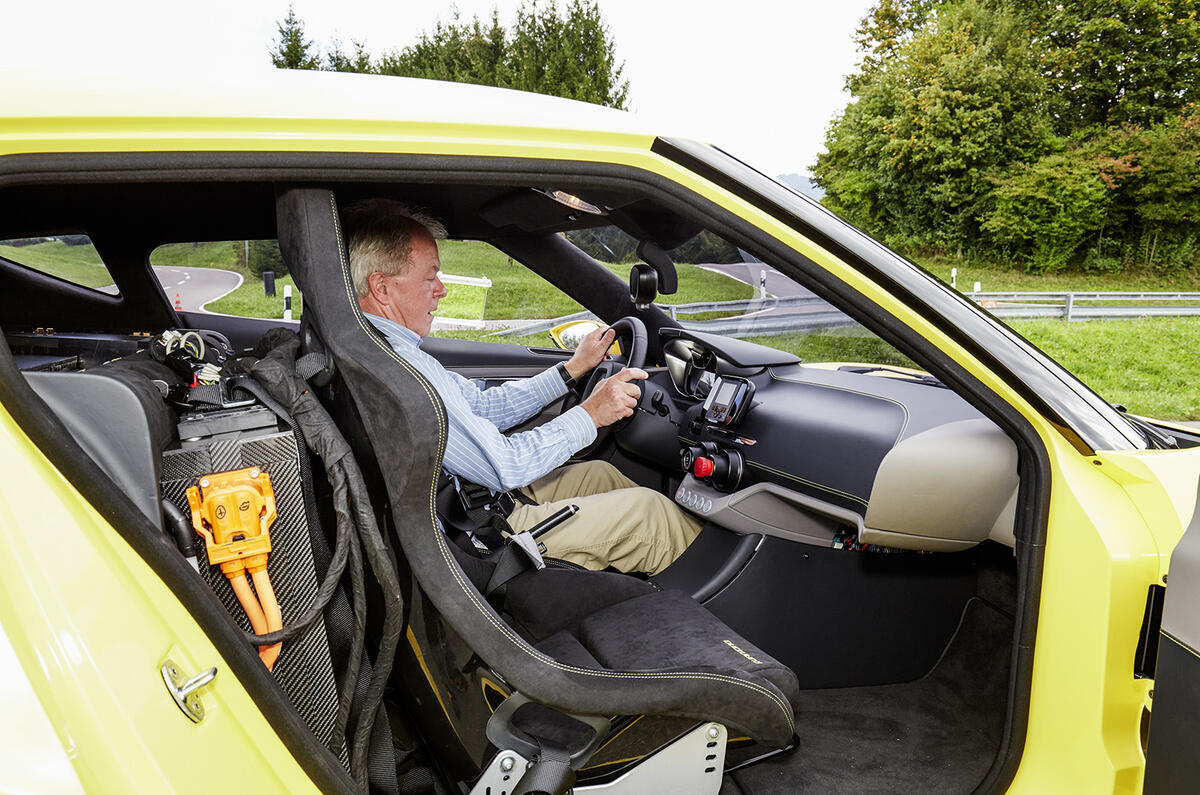
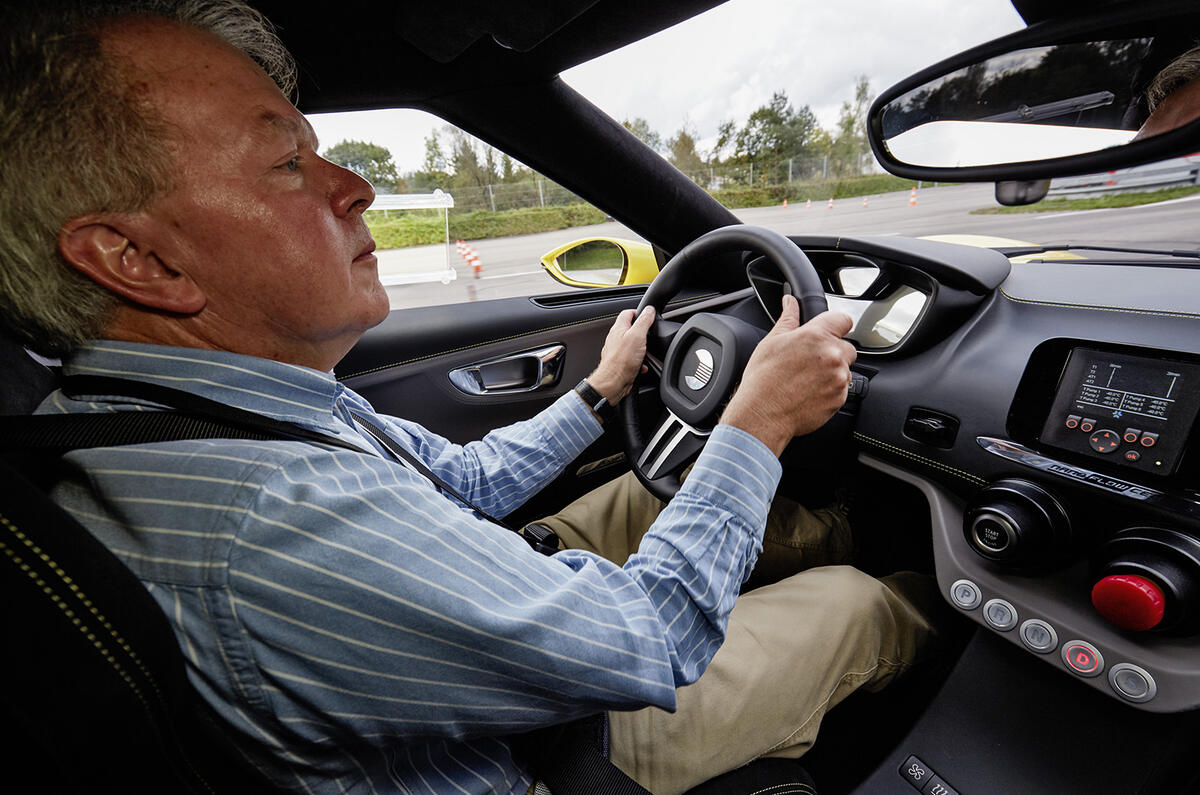
Now, in a test drive at the TCS test track near Zurich, Switzerland, Autocar has seen for itself that the liquid-battery technology works.
‘Redox’ liquid batteries like this were invented in the 1950s and improved by NASA in the 1970s, but the much greater energy density through single-use electrolytes is Nanoflowcell’s breakthrough.
That density, in energy stored per litre of fuel, is still far short of diesel oil at 600 watt-hours versus 10,000, but whereas a diesel engine loses up to 80% of its energy as heat, the Nanoflowcell system is claimed to be more than 95% efficient.