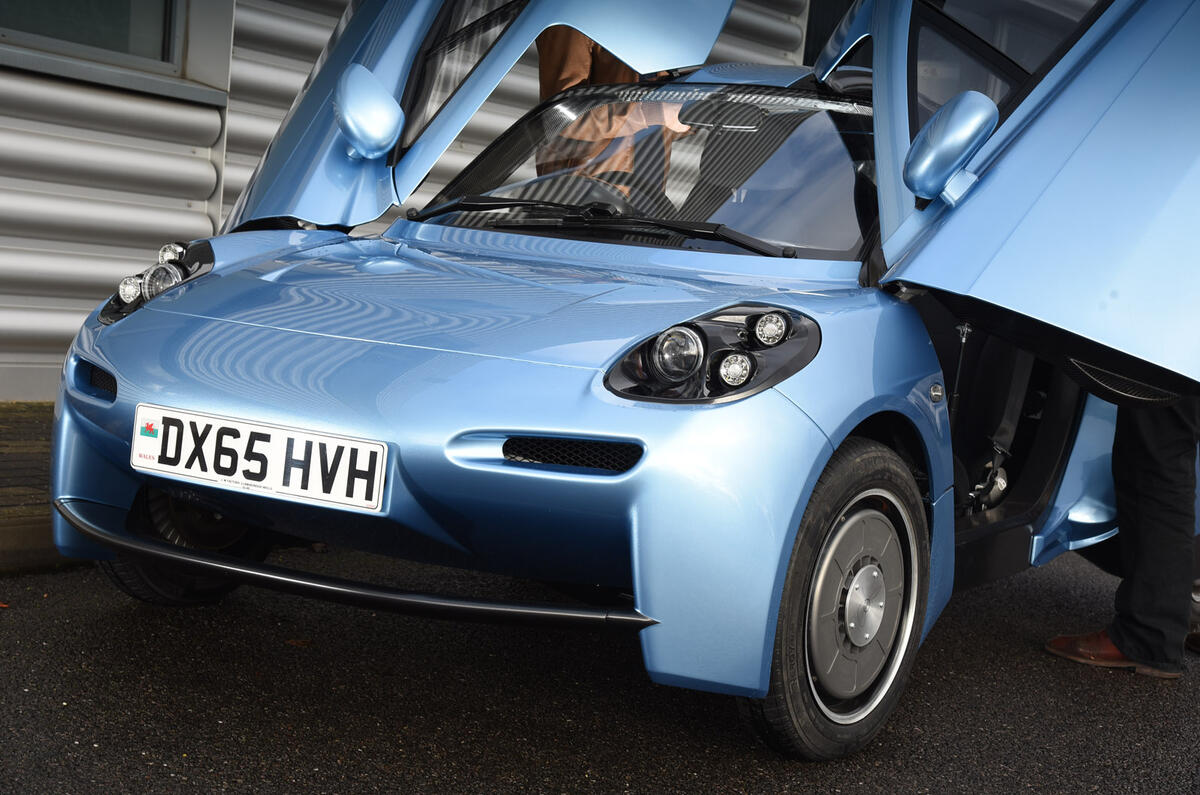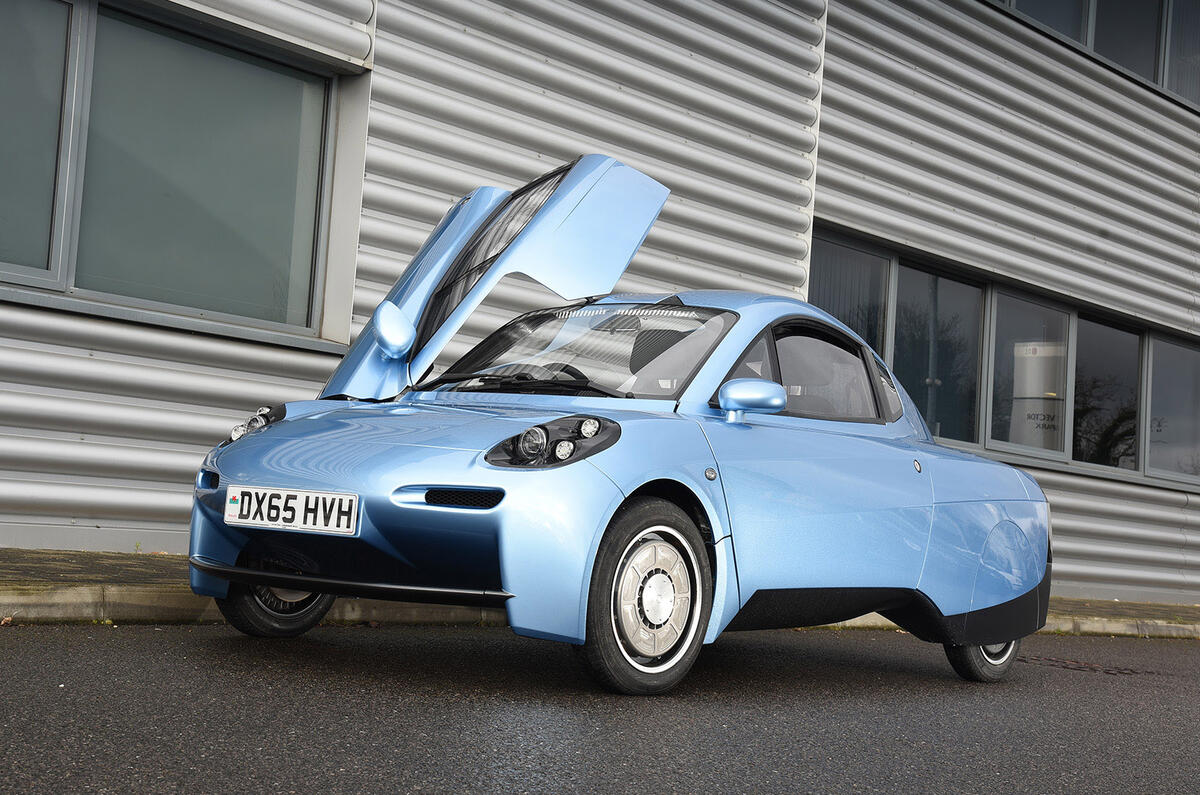
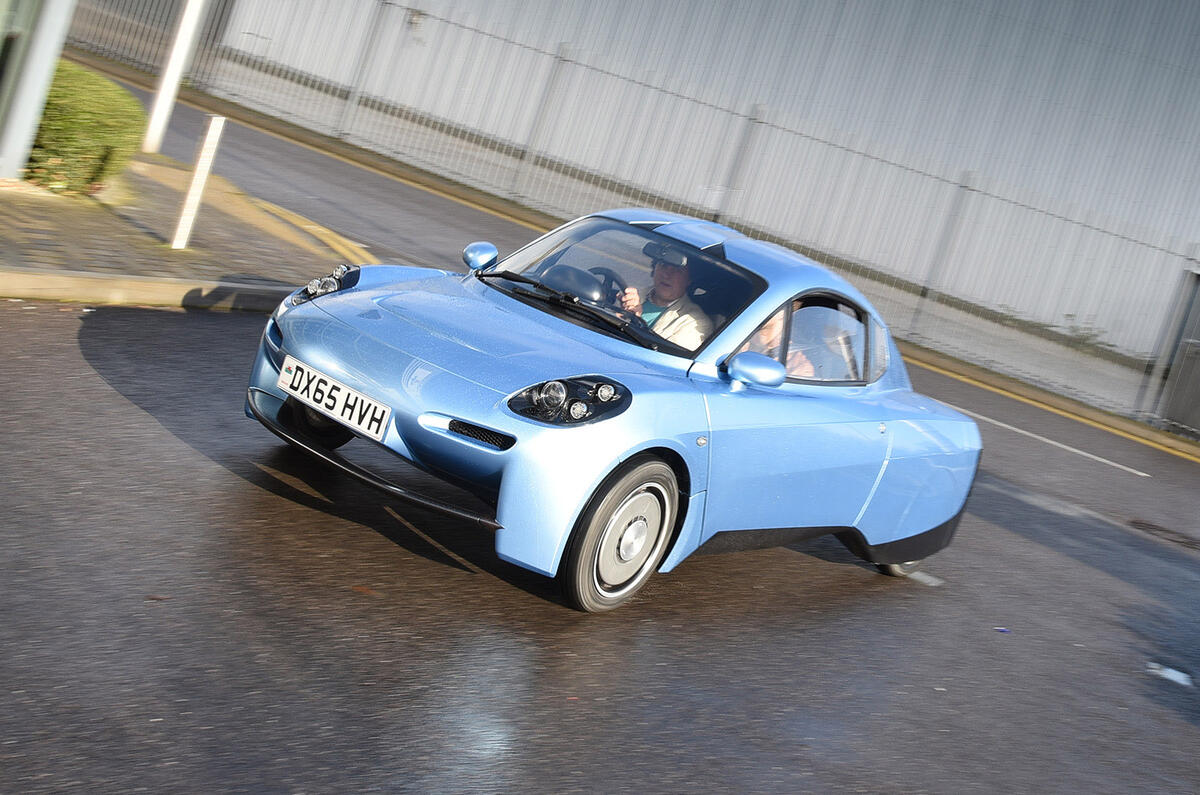
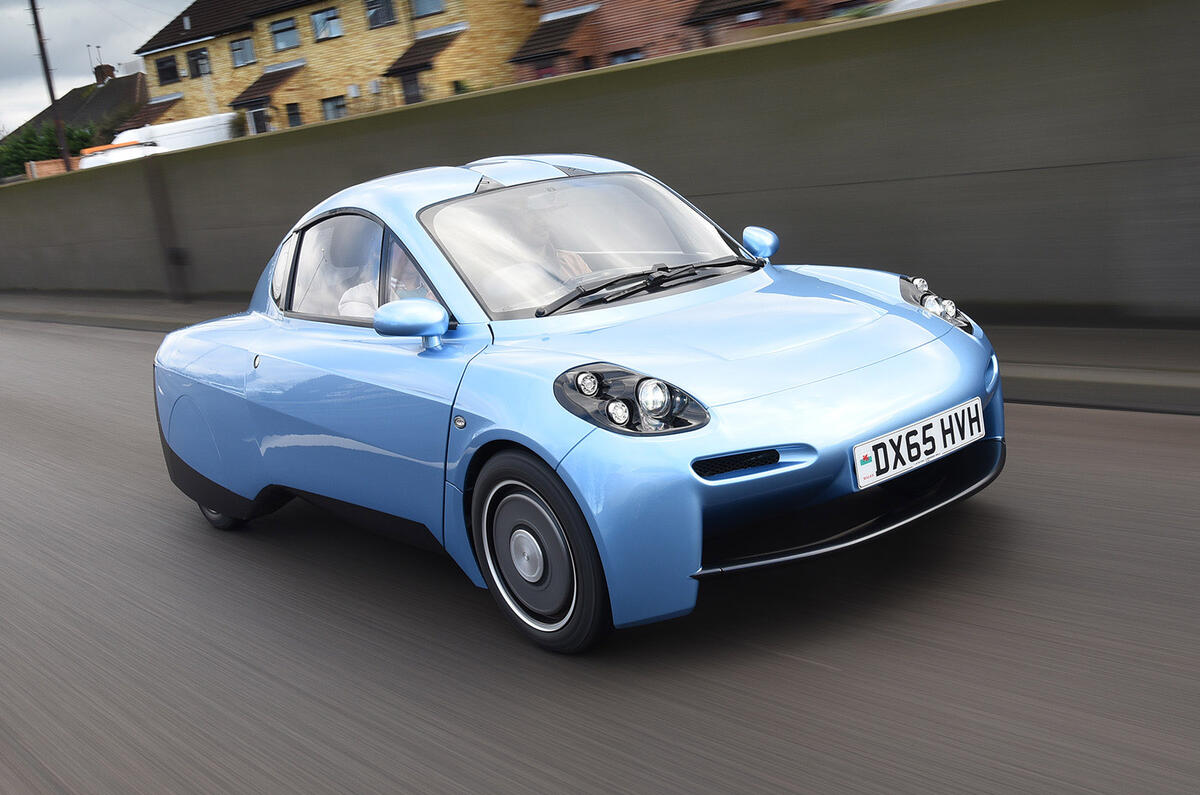
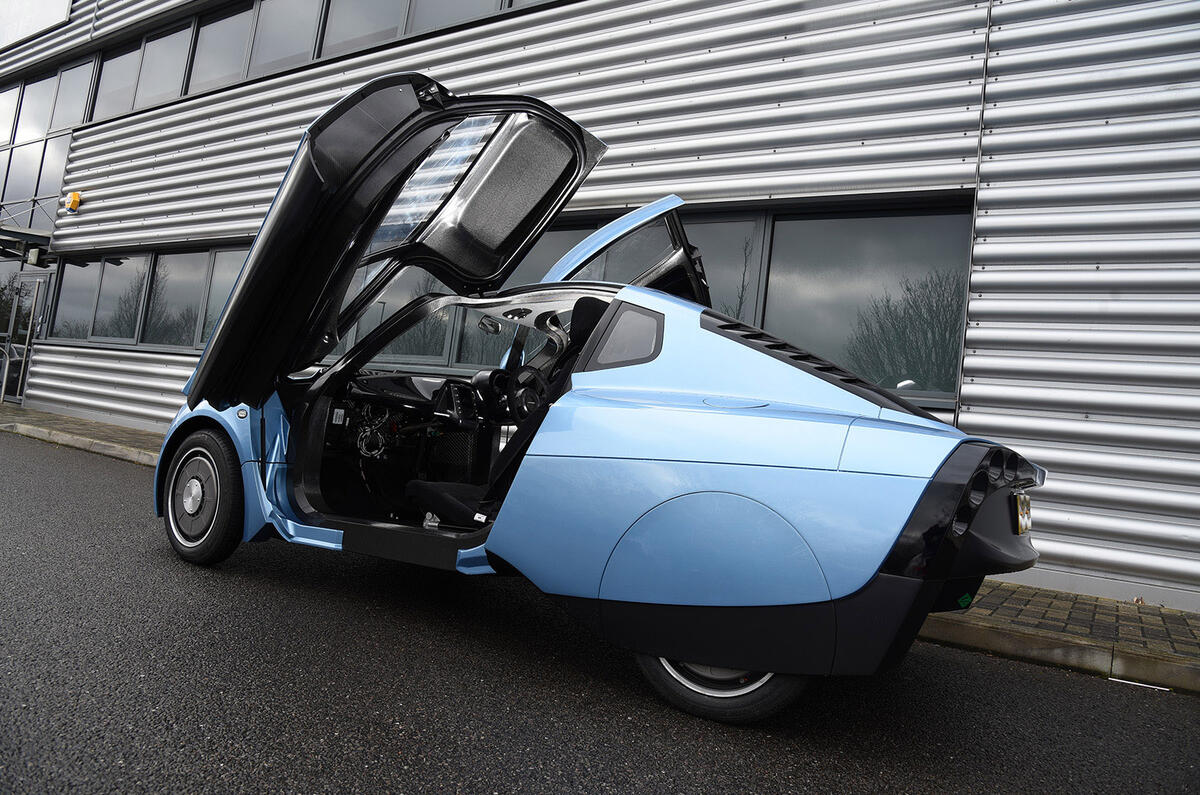
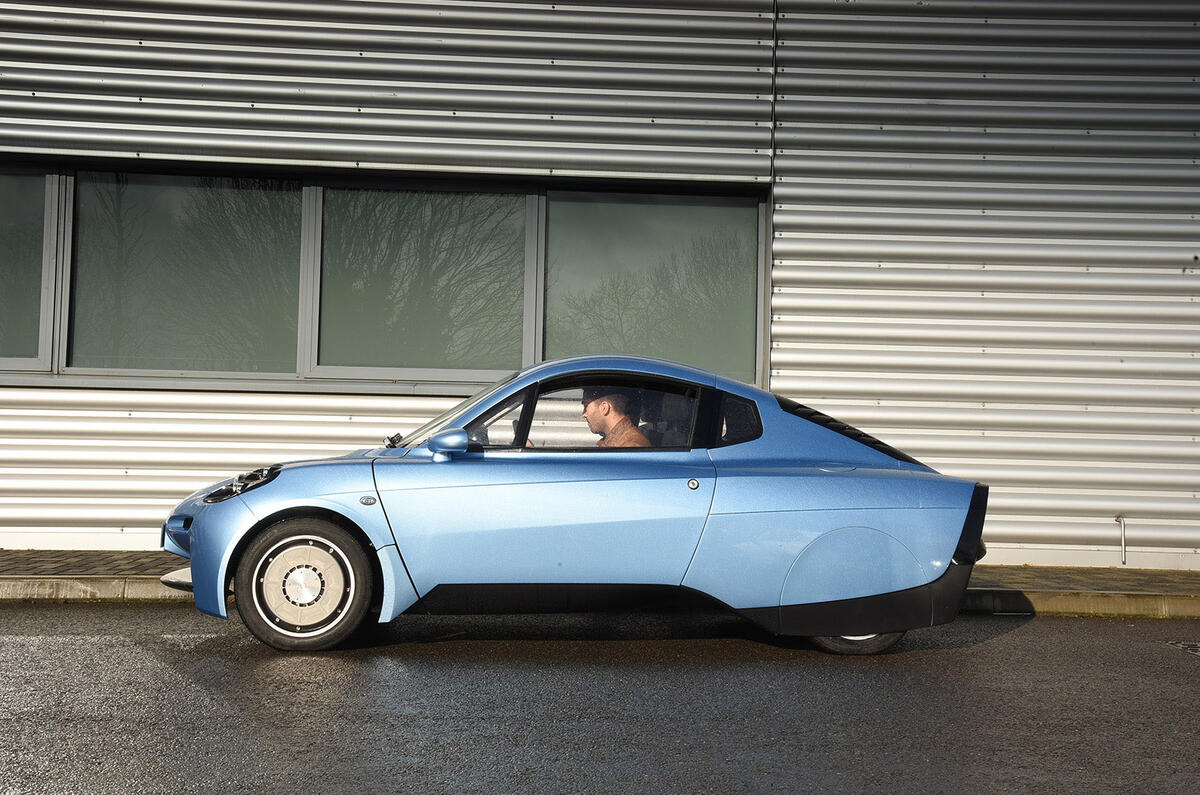
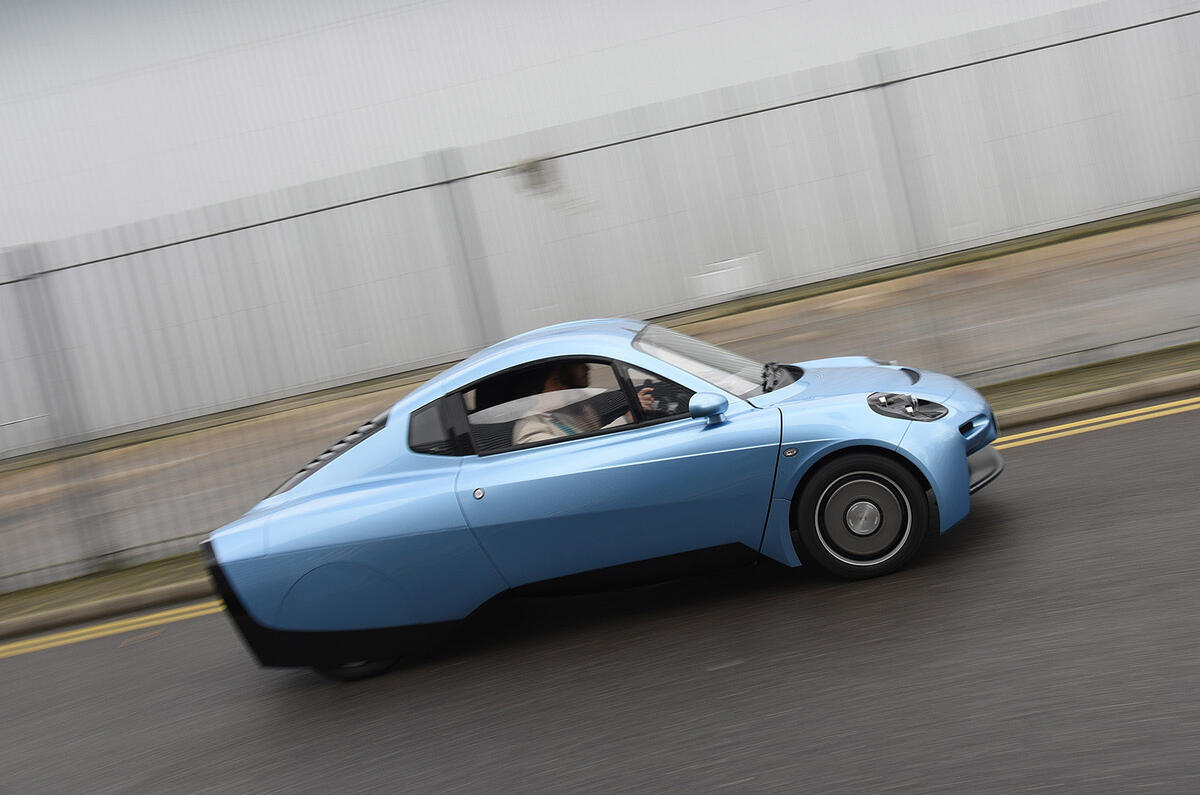
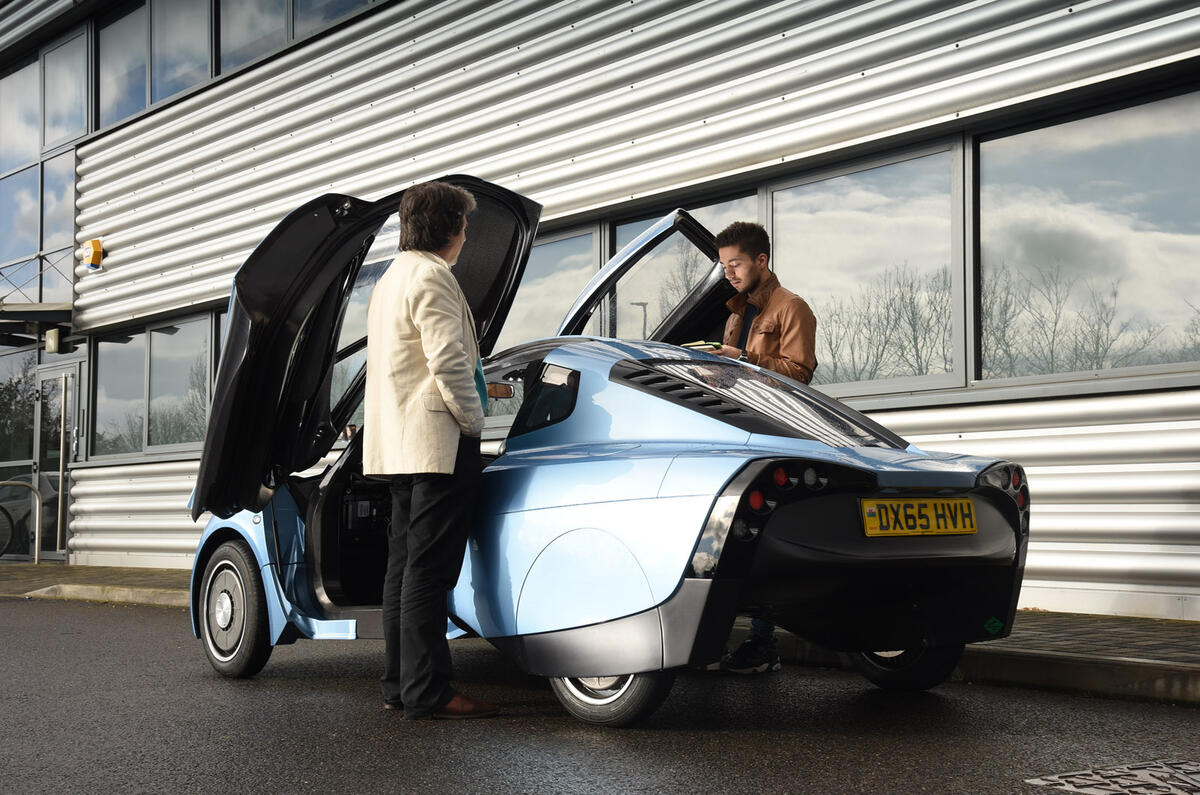
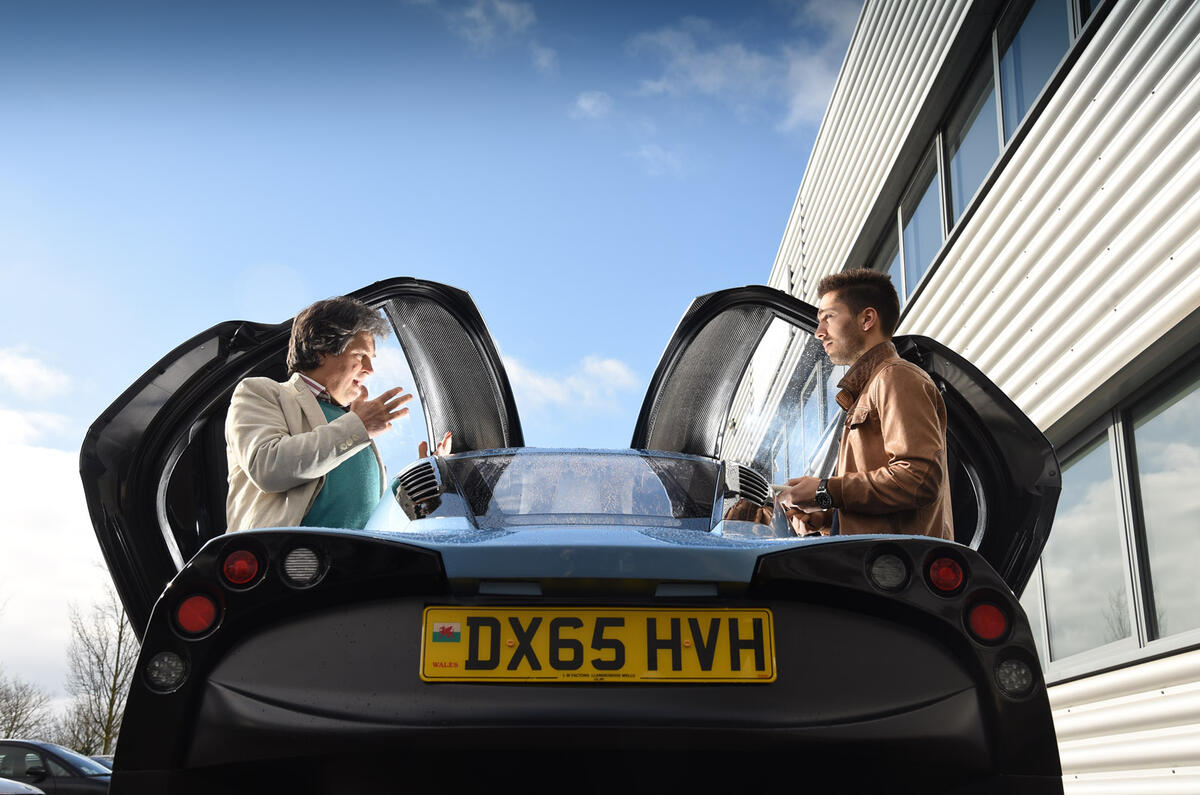
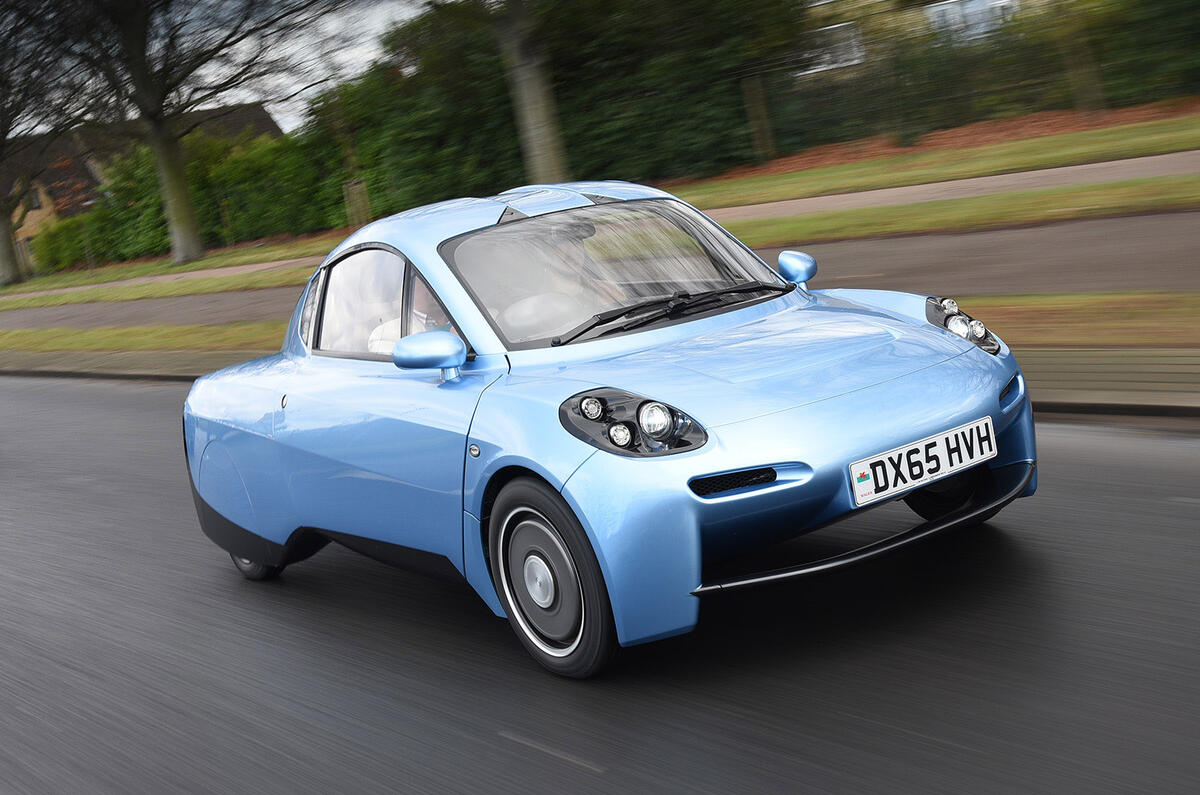
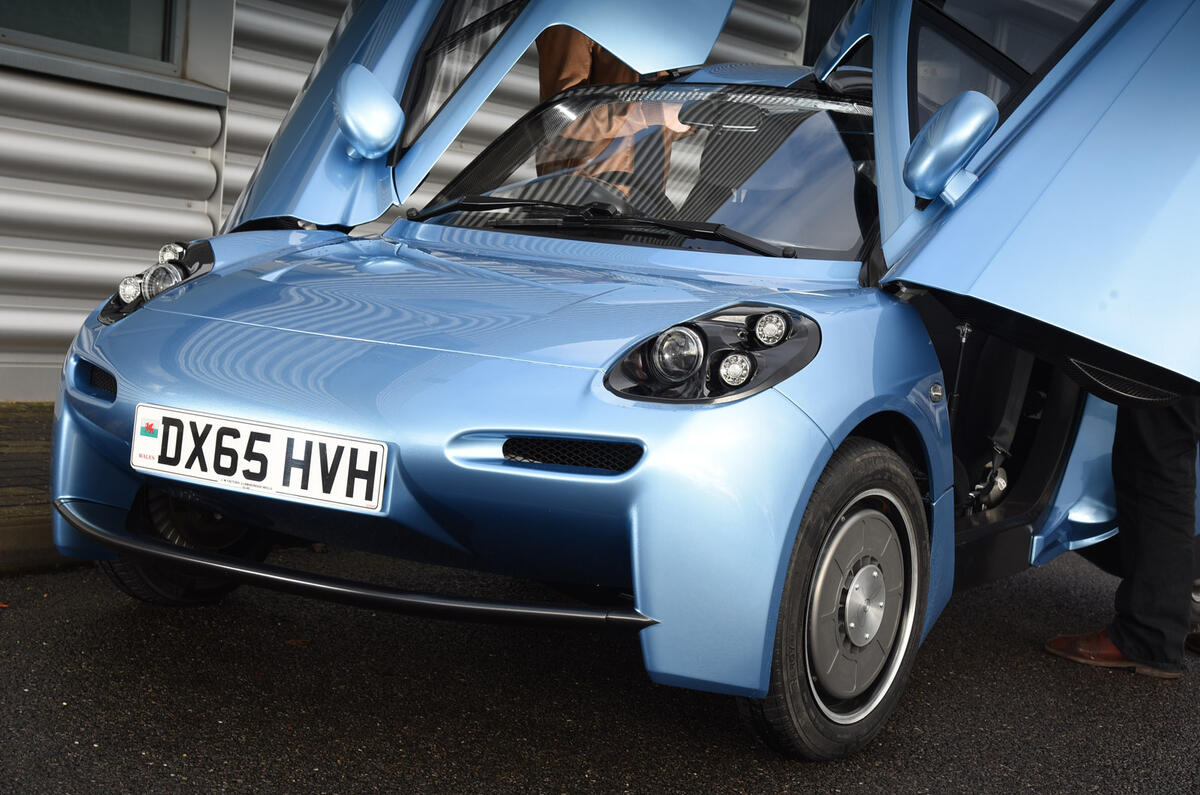
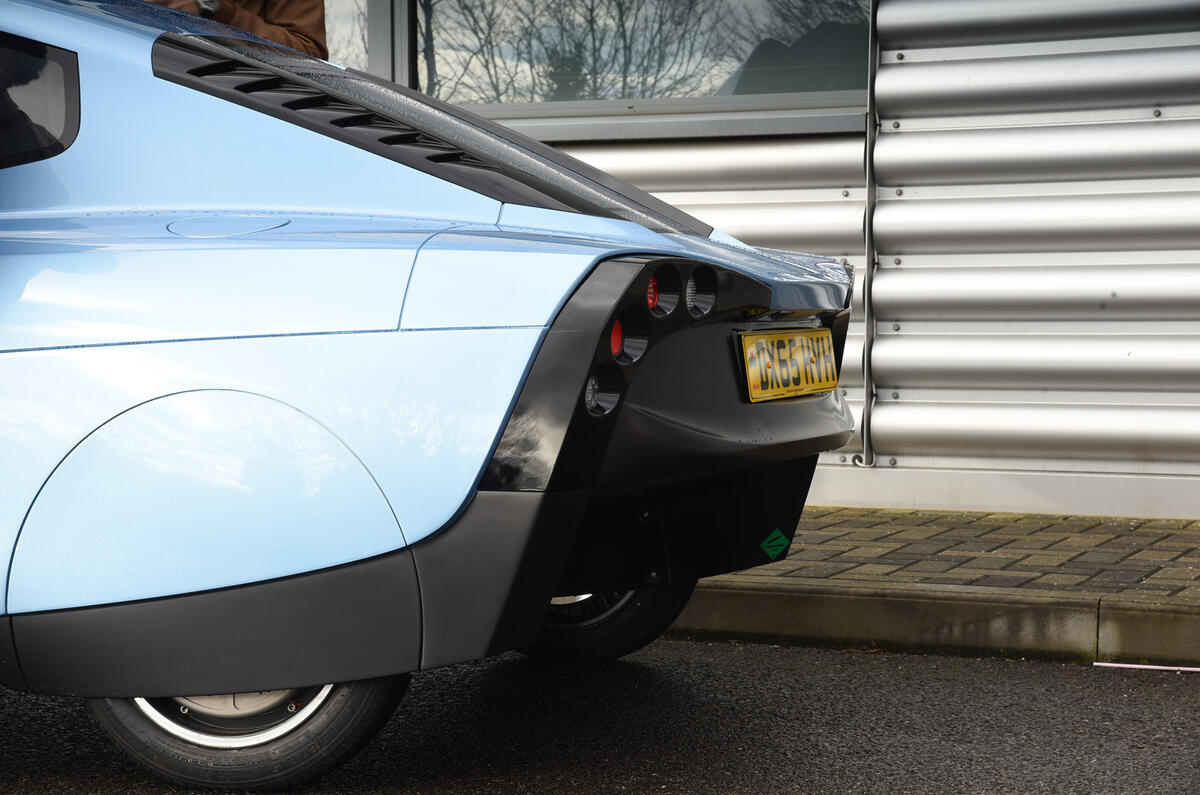
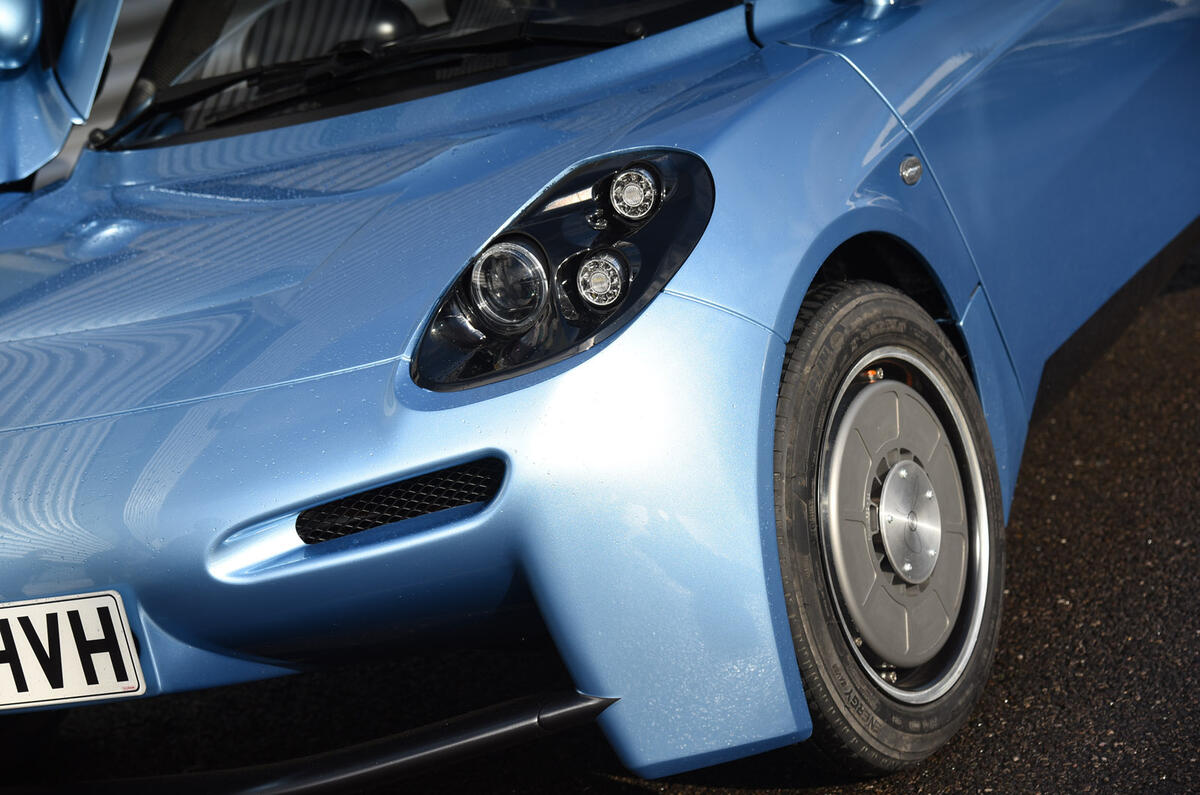
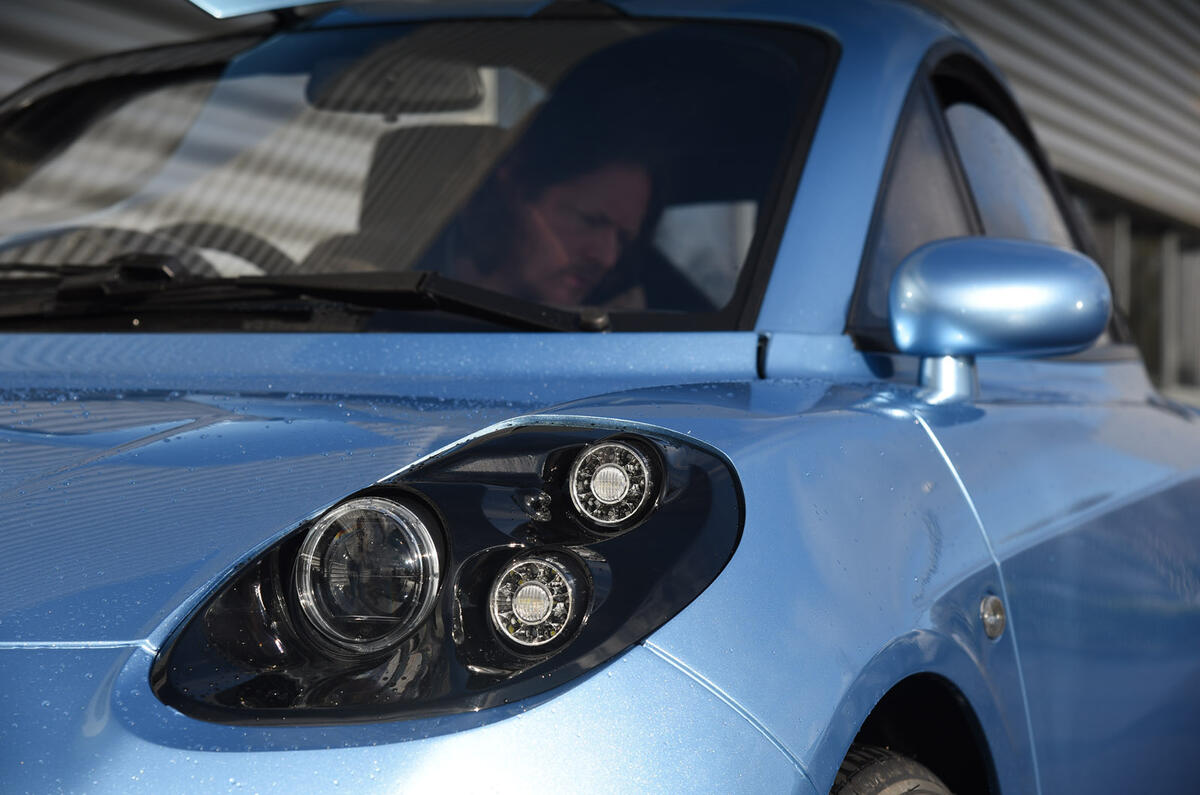
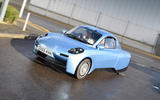
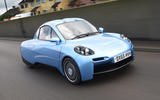
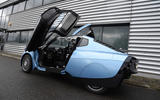
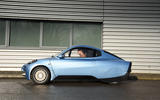
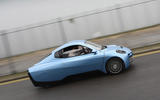
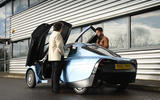

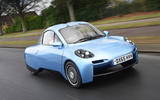
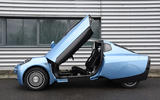
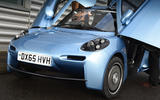
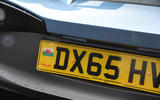
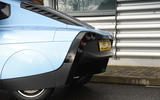
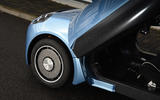
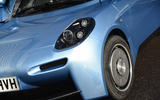
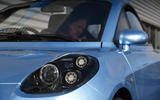
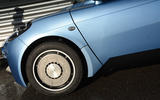
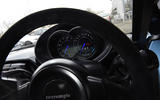
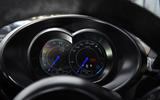
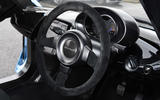
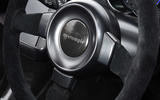
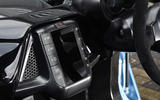
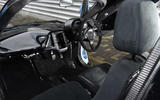

British car maker Riversimple has announced that it's ready to commence the Beta-testing stage of development for its new hydrogen-powered Rasa and has asked investors to get involved to help kick-start the programme.
The company plans to hold a 12-month trial period during which members of the public will run a Rasa as their own car and help it to iron out any issues before it goes into production.
If funding meets the required amount, a run of 20 Riversimple Rasas could be on British roads later this year in selected areas where suitable infrastructure (such as a hydrogen filling station) is within reach. If this development period is successful, Riversimple plans to produce 3500 Rasas in 2018, offered to drivers through a leasing scheme.
Autocar met Riversimple's founder earlier this year. Read on to find out more.
The car
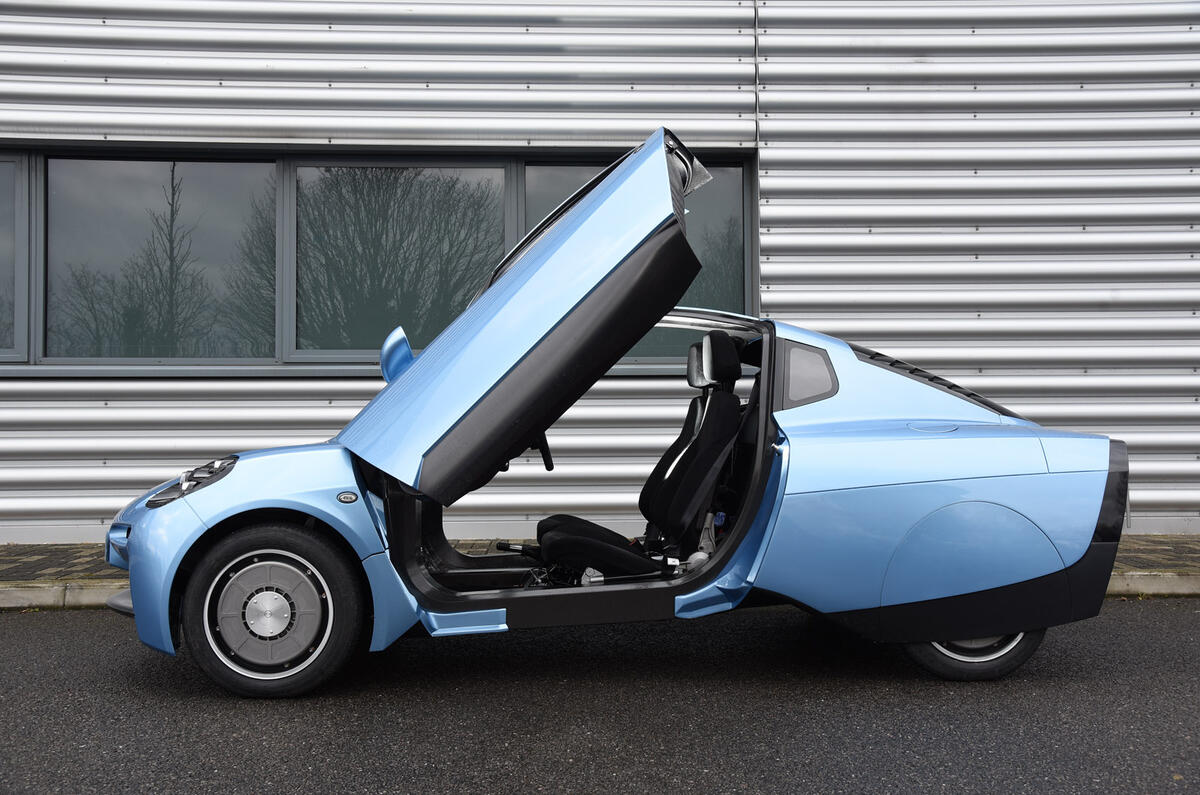
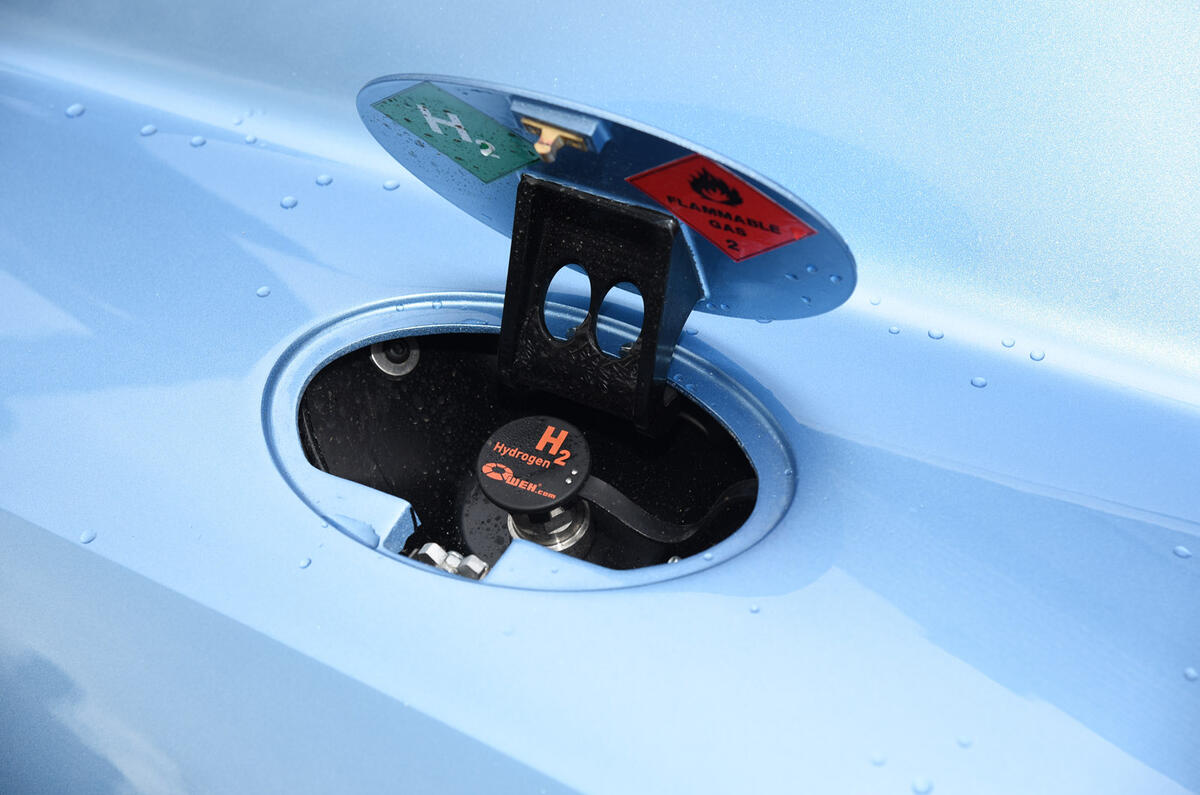
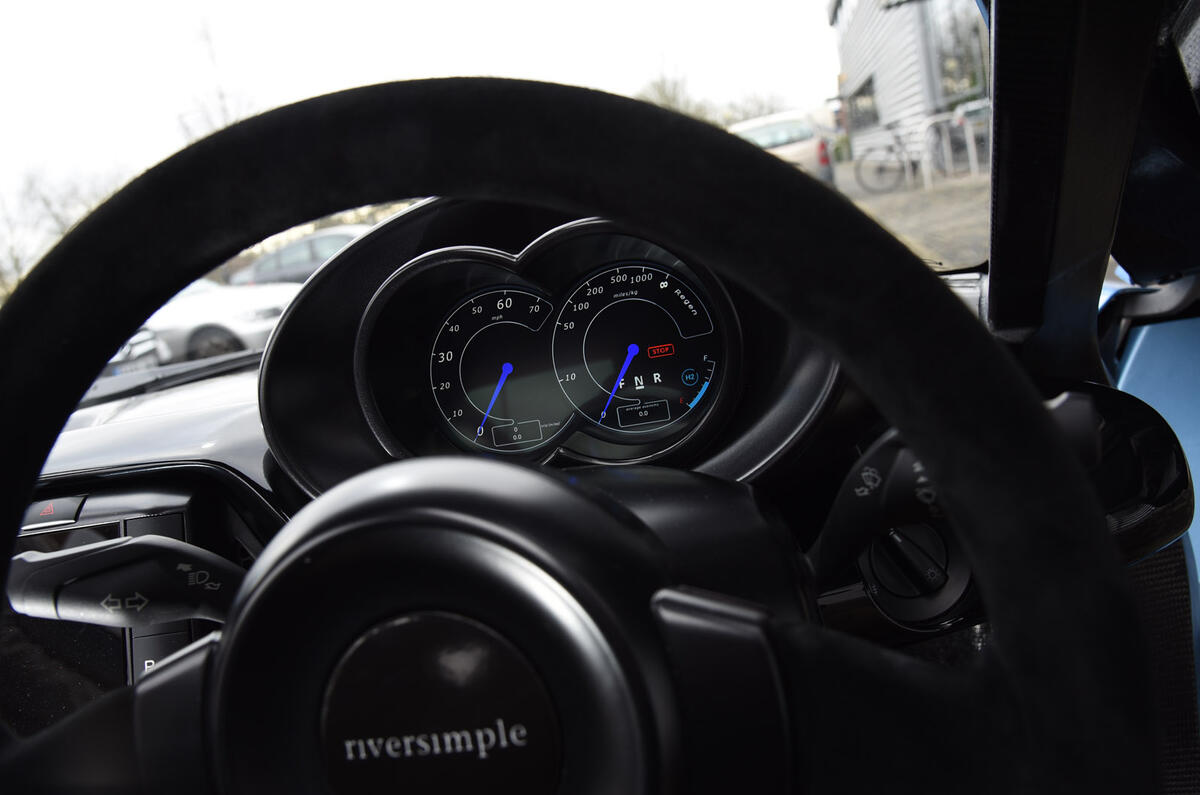
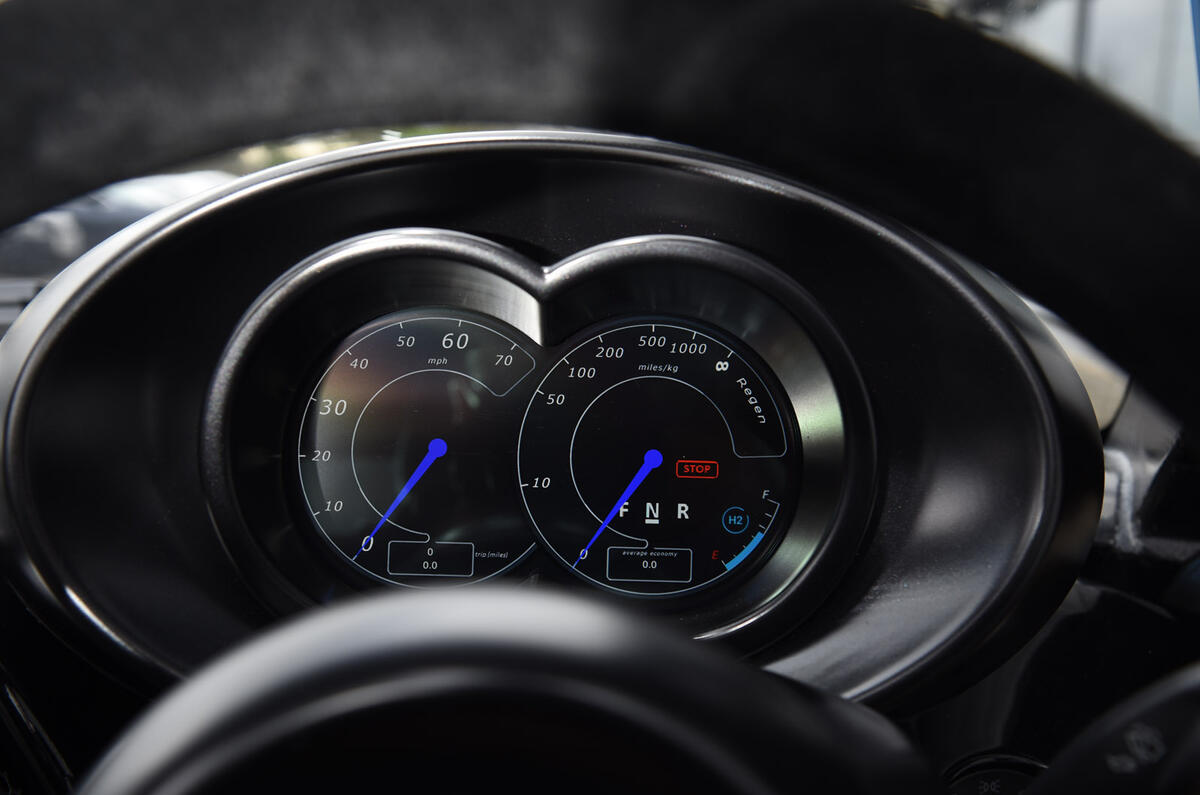
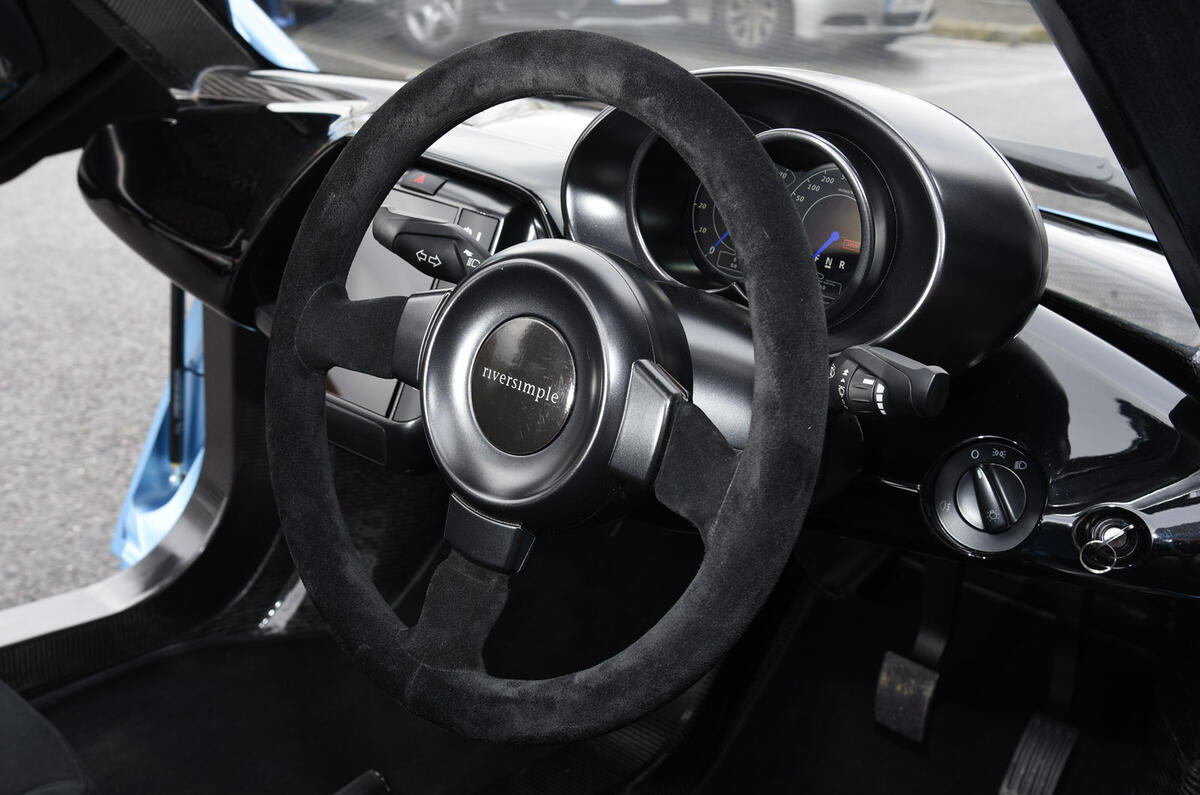
The two-seat Rasa produces nothing but water from its tailpipe and is capable of an estimated 250mpg and a 300-mile range from just 1.5kg of hydrogen.
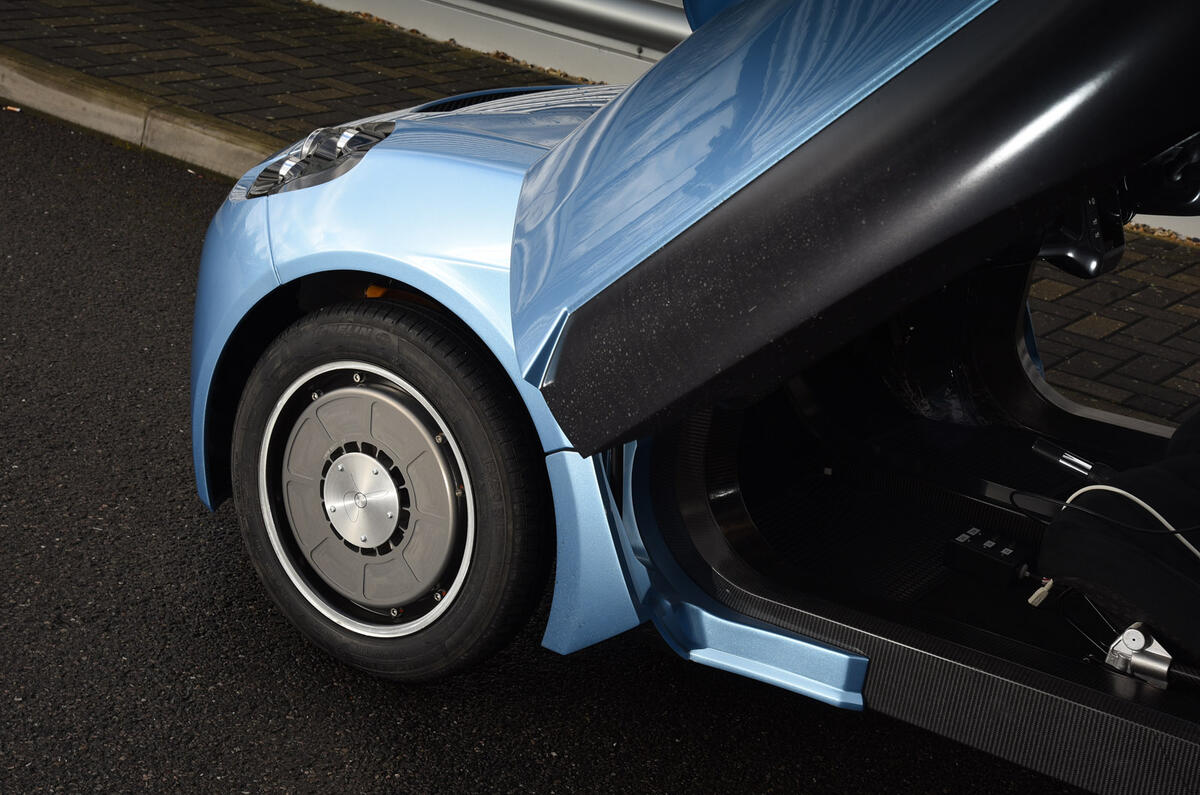
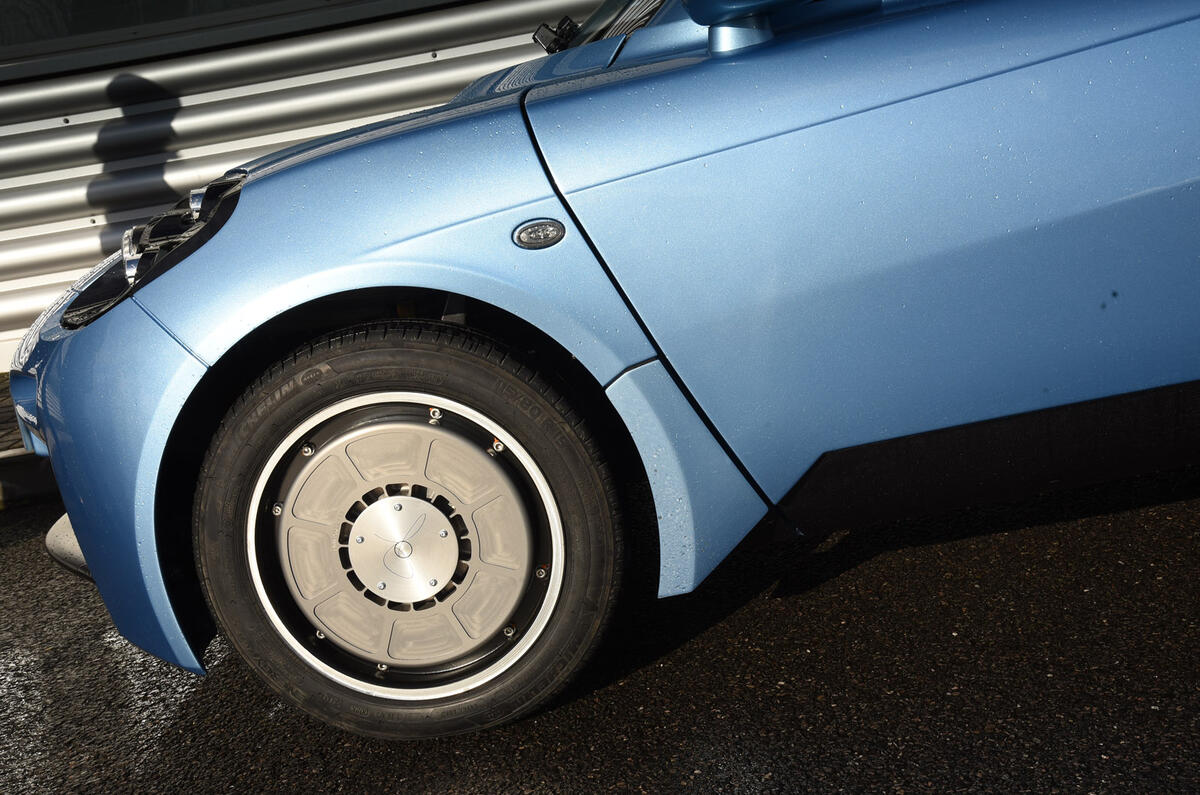
The Rasa uses an 8.5kW fuel-cell (equivalent to about 11bhp), which combines hydrogen with oxygen to form water and electricity. The electricity powers four motors that drive each of the car’s wheels, with a combined output of about 443lb ft of torque.
Each of the car’s electric motors works as a generator when the brakes are applied and can recover as much as 70% of kinetic energy during heavy braking. Under normal applications, around 50% is recovered.
The whole drivetrain has just 18 moving parts and is capable of accelerating the car to 60mph in a respectable 10sec. Top speed is limited to 60mph, but Riversimple says the car can comfortably cruise at this speed for long periods.