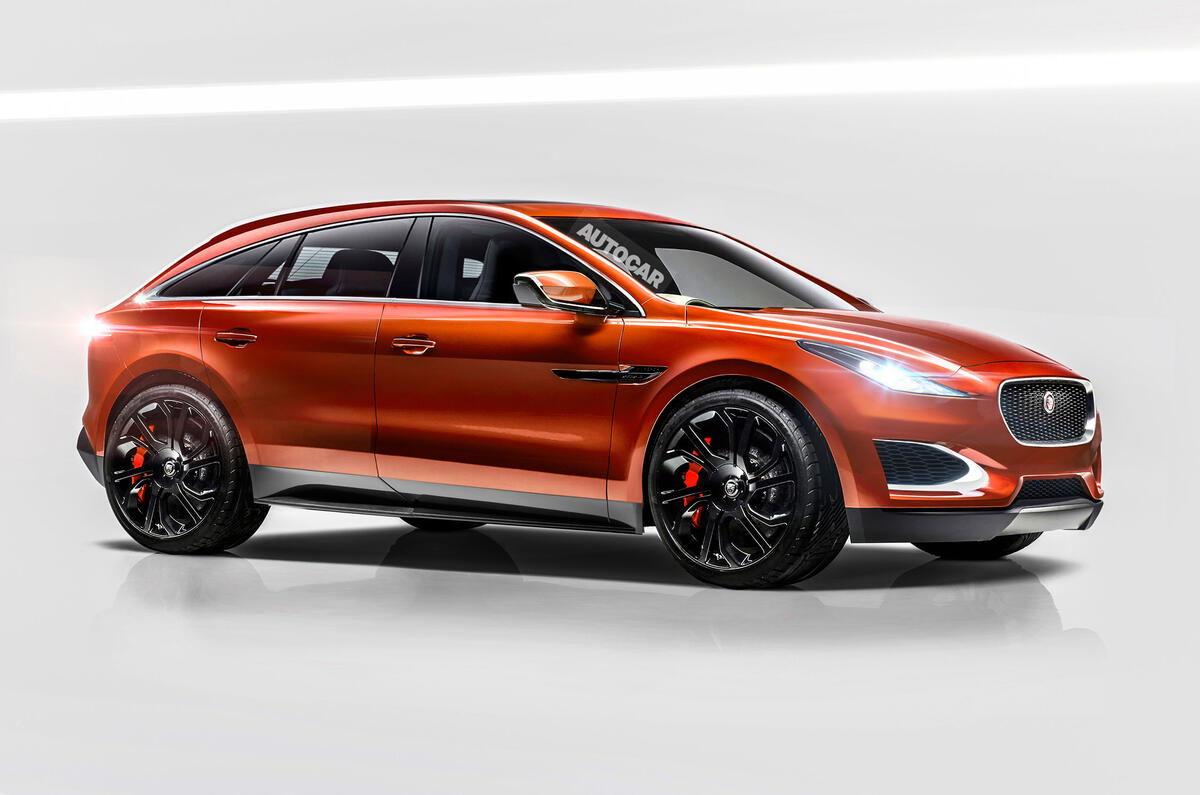
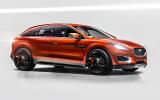


An all-electric Jaguar SUV will be revealed next year before going on sale in 2017 - and Autocar has learned that some of the most flamboyant styling touches of the C-X75 hypercar concept will be used on the new model as the firm seeks to ensure that it stands apart from rivals.
The Jaguar I-Pace has been revealed, take a look here.
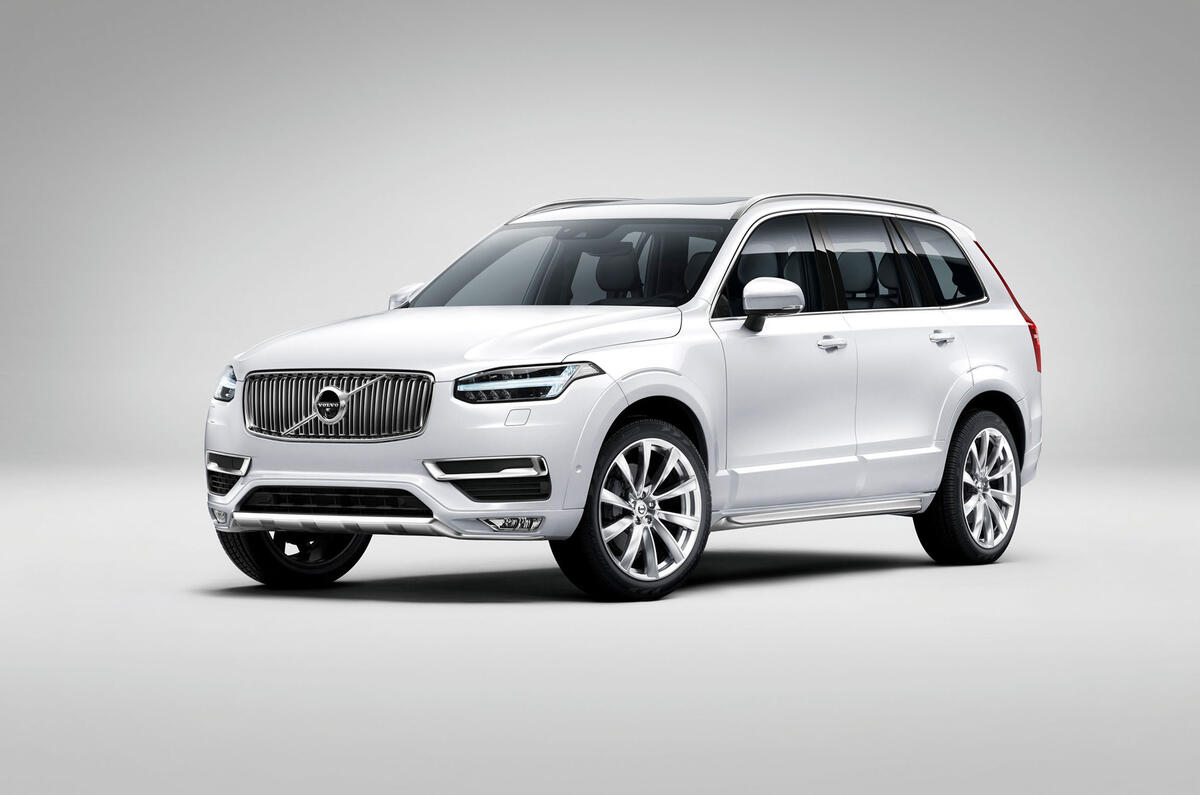
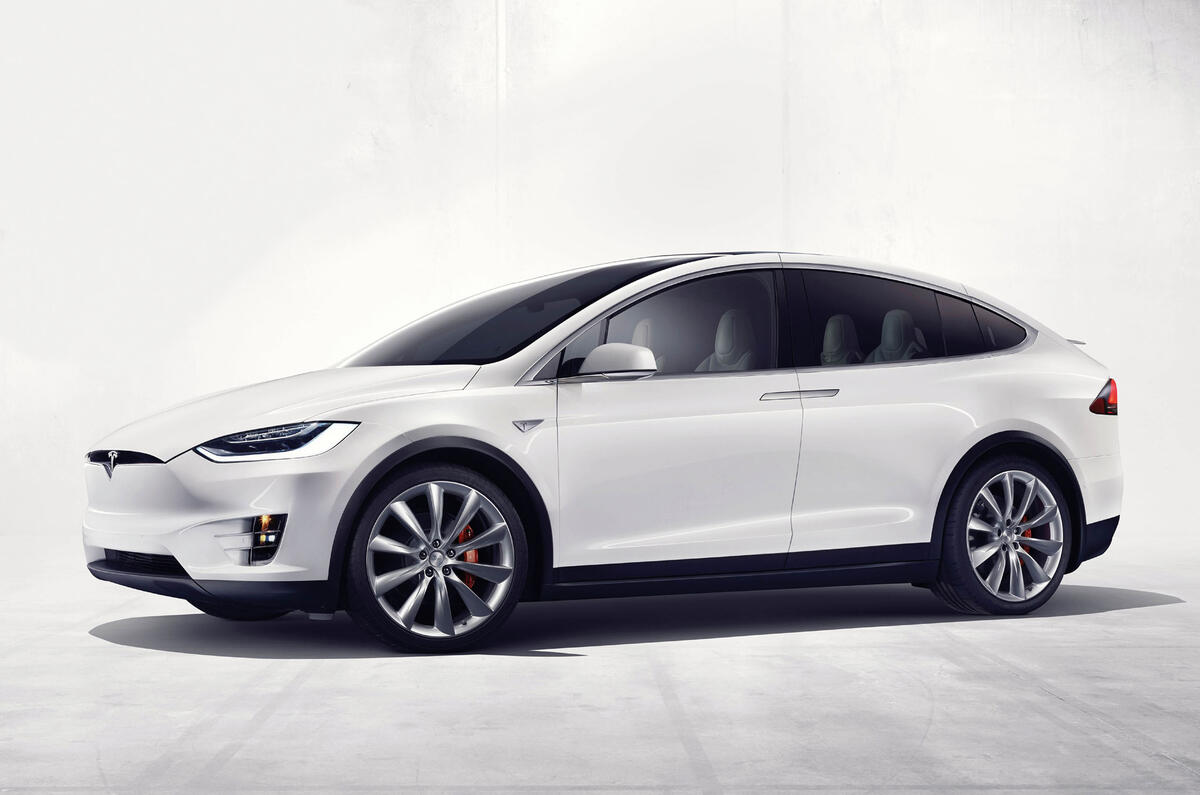
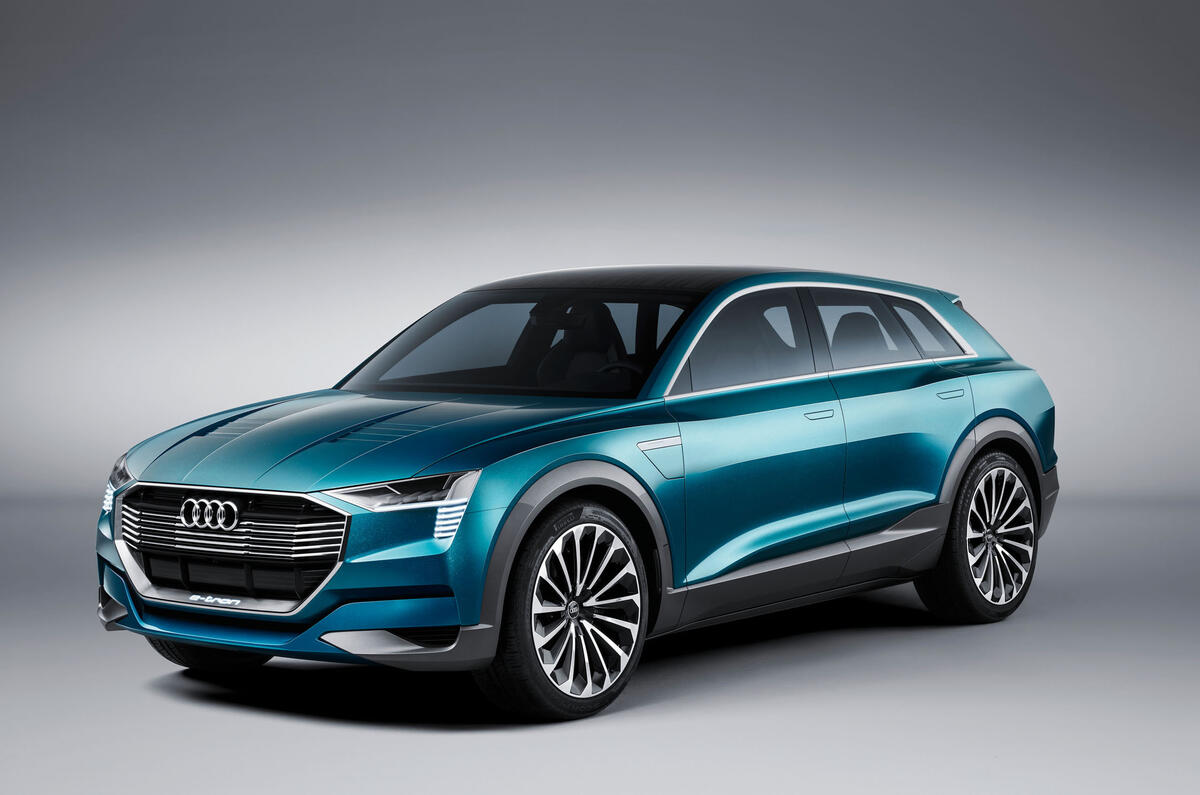
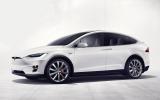
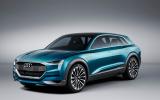
The car’s mooted launch date puts Jaguar in direct competition with Audi, which is planning to launch the production version of its all-electric Q6 e-tron quattro concept, first revealed at this year’s Frankfurt show, early in 2018. Both vehicles are set to offer a range of around 300 miles and cost about £60,000. However, the Tesla Model X will beat both to market, going on sale in the UK next year.
Beyond the bodystyle, price and target range, few details are known about Jaguar’s first EV. Sources suggest an electric motor will be mounted inboard at each corner, retaining the use of driveshafts, although there remains the possibility of Jaguar making a technology leap with in-wheel motors.
Parent firm Tata has previously pioneered the technology, and insiders say the company has made significant progress with overcoming the problem of the additional unsprung weight of in-wheel motors.
Jaguar hopes to outpunch all rivals, however, by giving the car the most distinctive styling of any EV on the market. It is understood that Tata has given the green light for Jaguar to pioneer the group’s all-electric technology and wants the brand’s first such model to deliver a distinctive statement of its intent to lead in electrification. The styling is said to be revolutionary, in the way that the BMW i brand sits separately from the firm’s mainstream models.
It is reported that this fact played a key role in the decision to allow the C-X75 to be used in the latest Bond film, Spectre. The car, which was built as a concept for the 2010 Paris show, was powered by four electric motors driven by diesel-fed gas turbines and had an electric range of about 30 miles. It was announced that up to 250 production cars would be made, powered by a downsized turbocharged petrol engine.
Although prototypes were made in conjunction with the Williams F1 team, the project was cancelled at the height of the economic downturn in December 2012.
Now, however, the C-X75’s enduring popularity - driven by its appearance in the Bond film - and its original role as a standard bearer for ground-breaking technology are set to be harnessed in the design of the all-electric SUV.