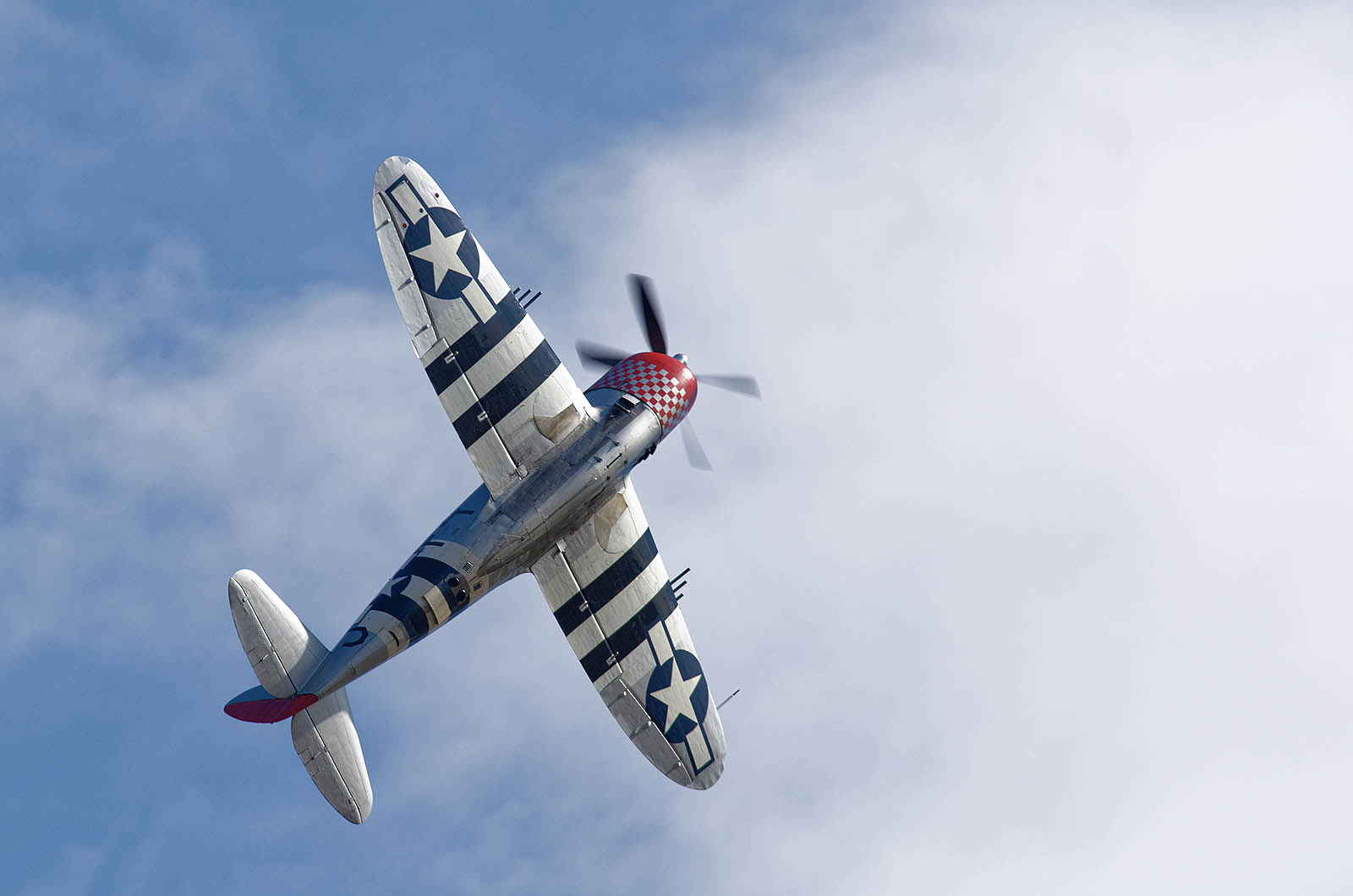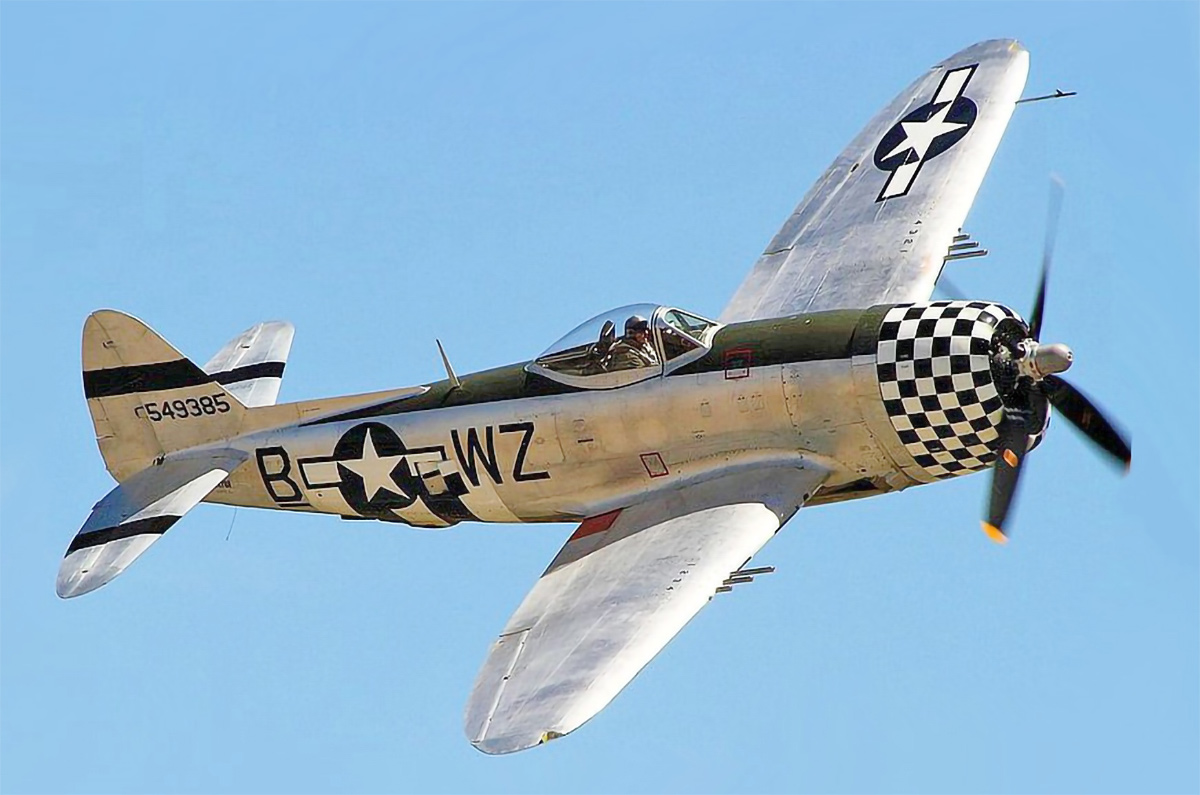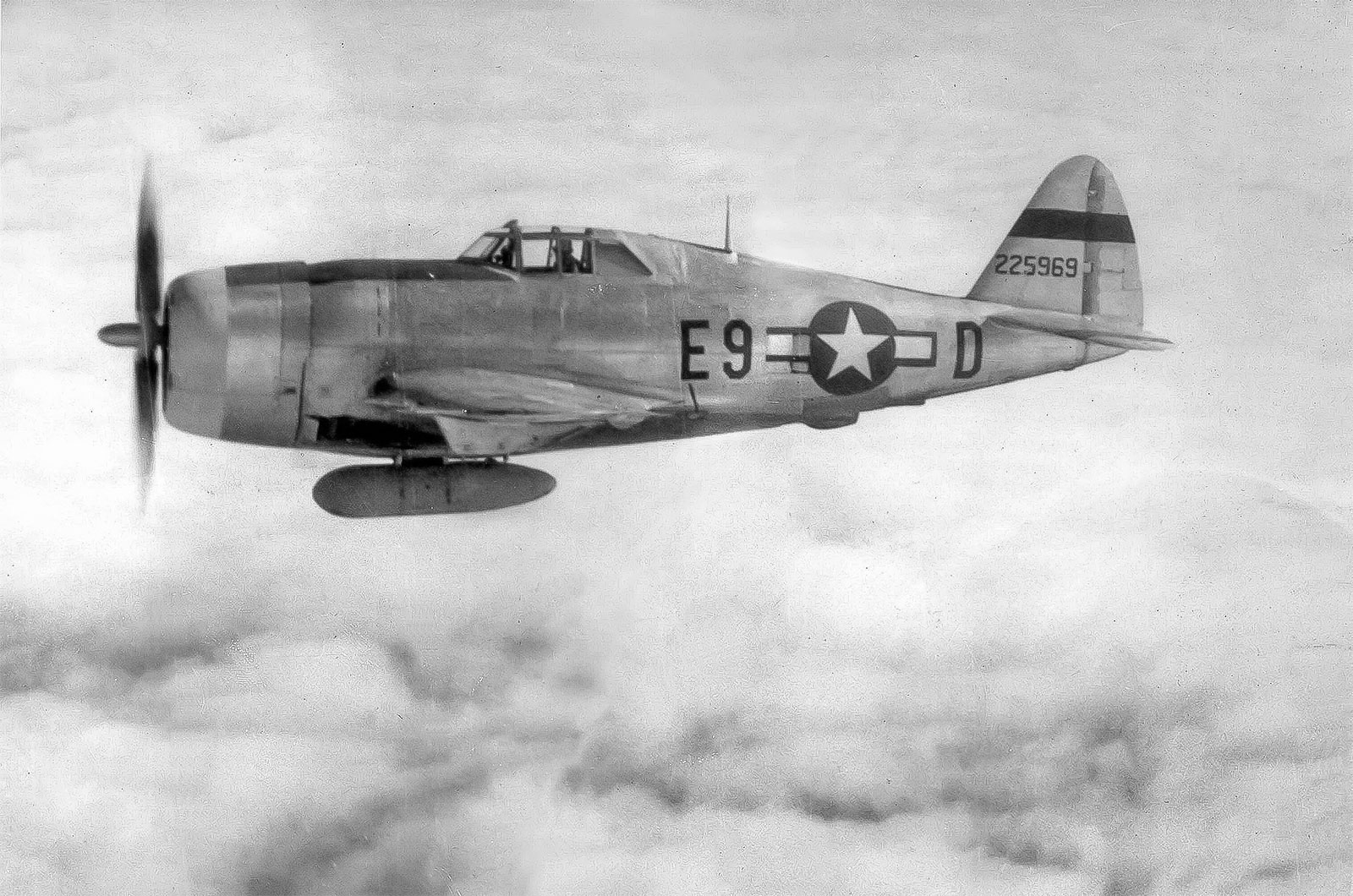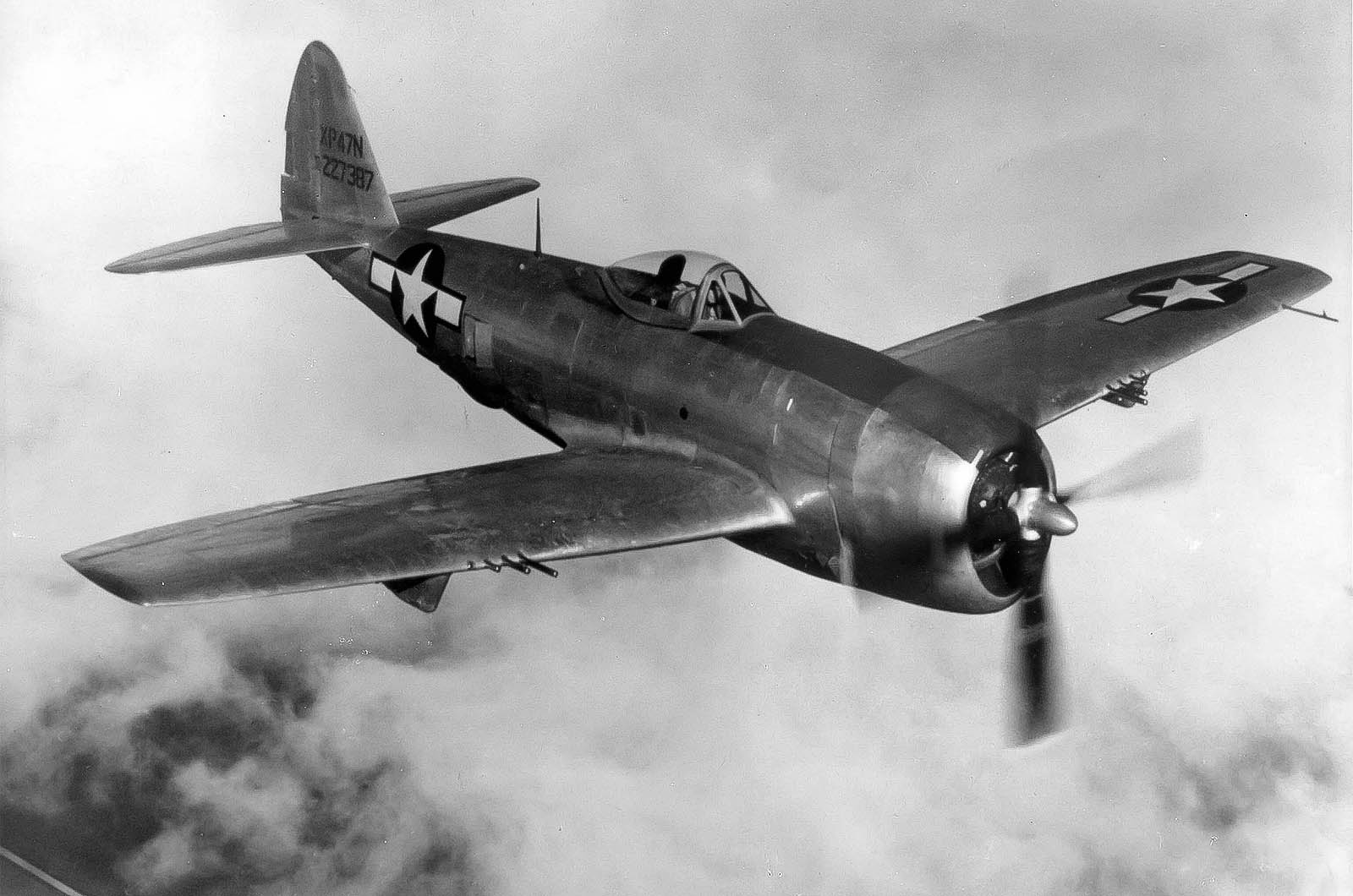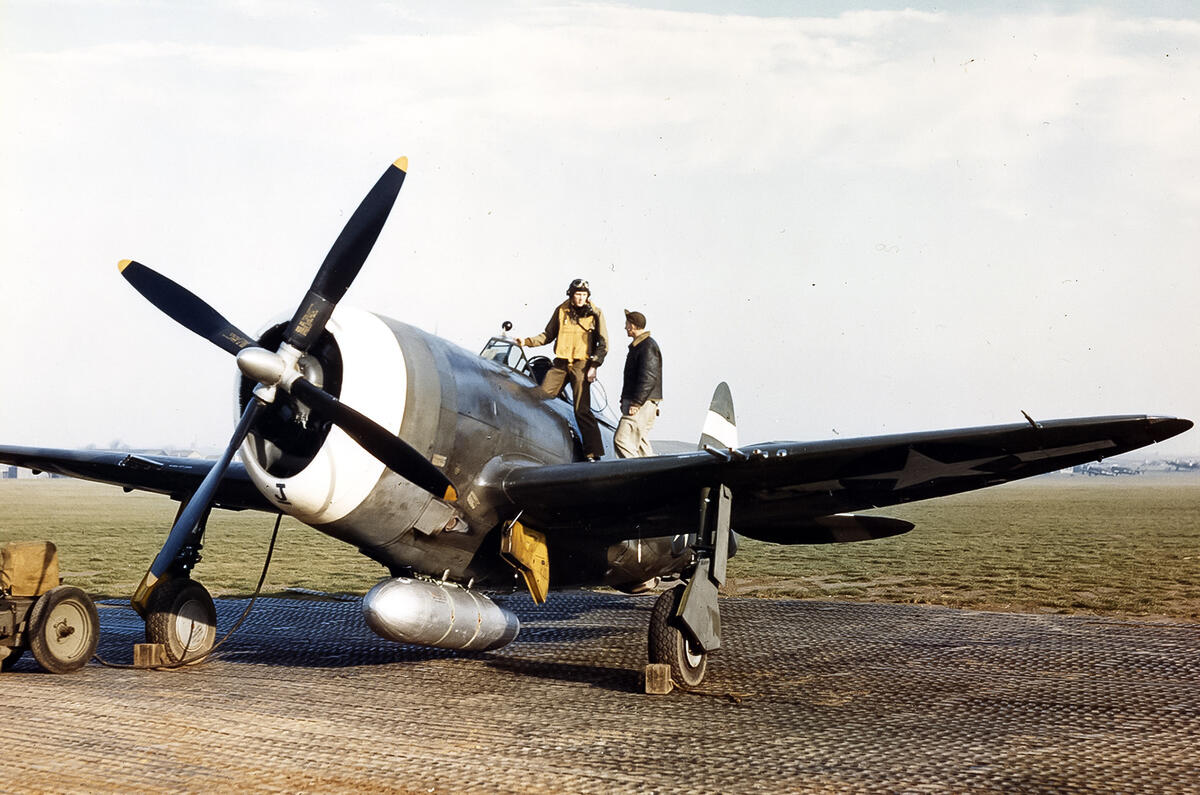

The P-47 Thunderbolt was the most versatile fighter aircraft of the Second World War.
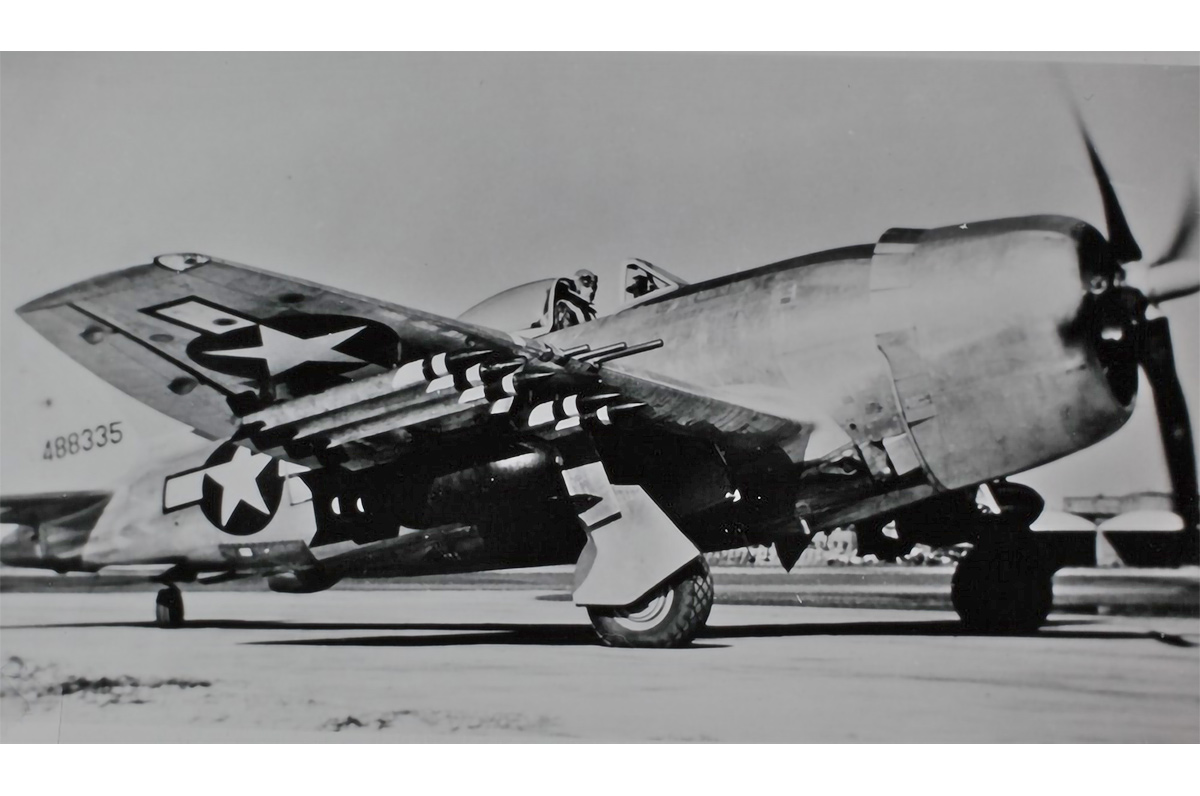
It was not “best in class” in any category, however, it was very good in just about every category. Fast, long-legged and well-armed, it was also the most survivable fighter of the entire war. In scale and concept, the P-47 was a design outlier, and was different from every other fighter of the war.
Somehow, the unusual Thunderbolt came together in a magical way that resulted its outstanding operational record. Myth and misconception surround the aircraft, and much of this leads to an under-appreciation of what the aircraft actually accomplished. This article will dive into some of those misconceptions and look at the real capabilities of this ferocious flying juggernaut.
9: The Size is the Prize:
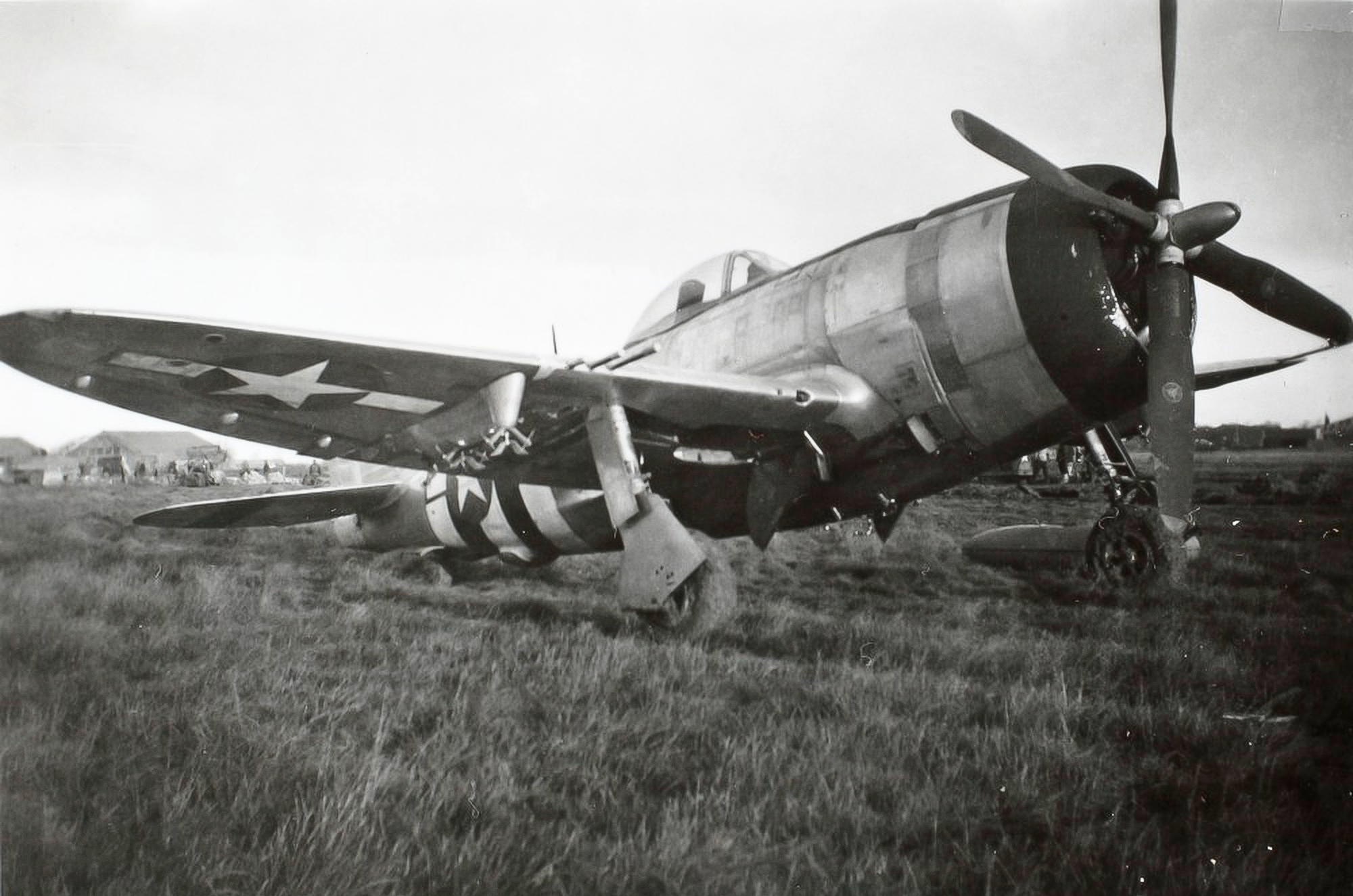
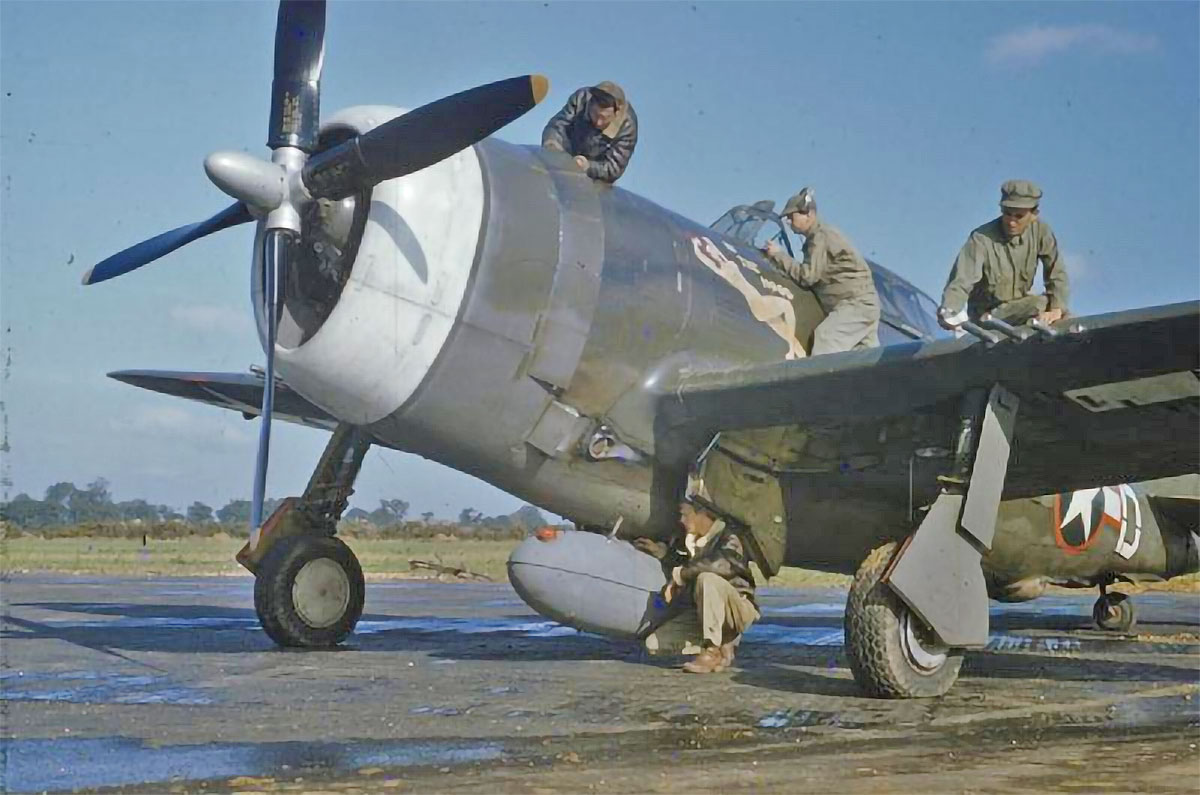
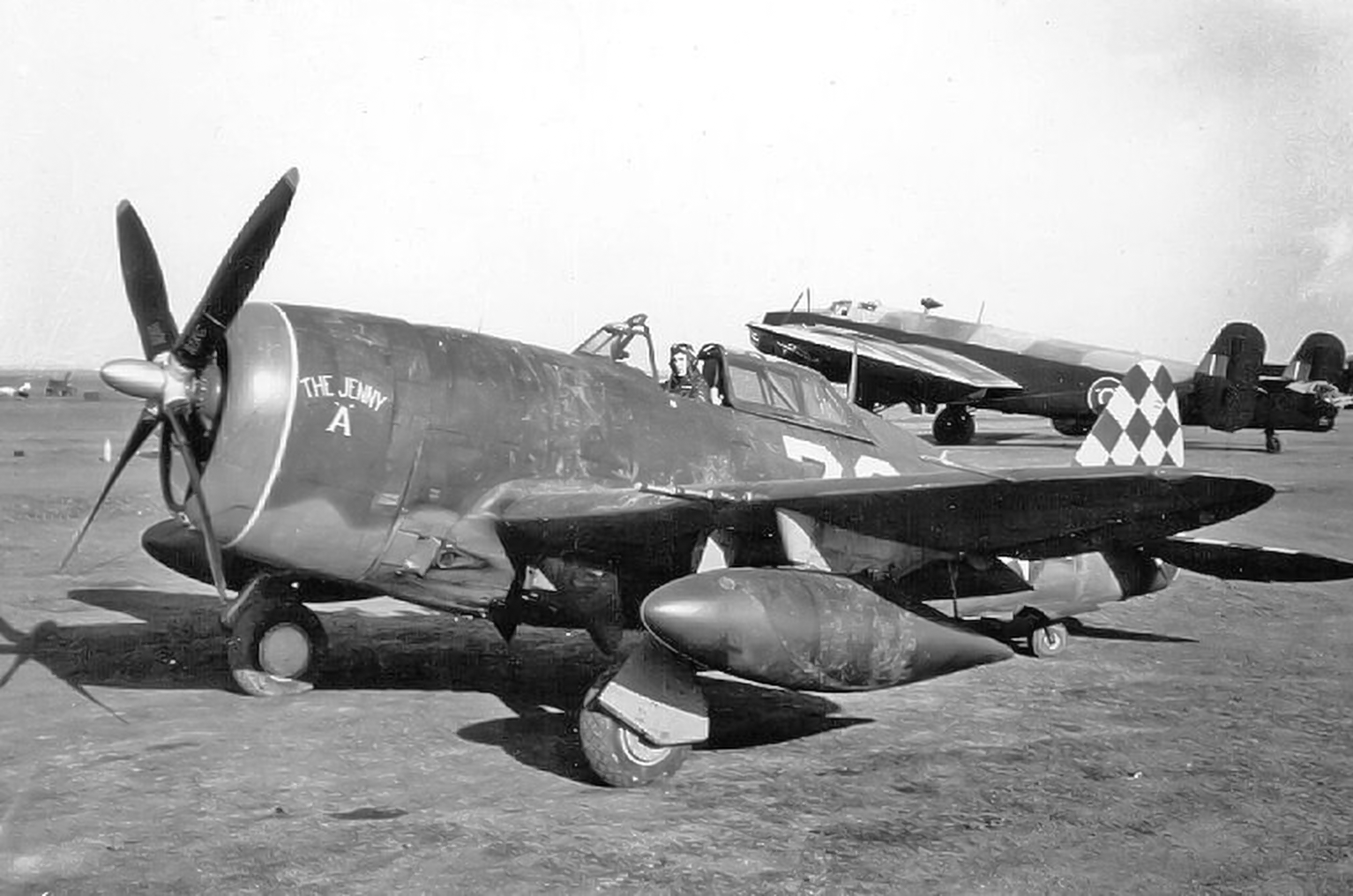
The P-47 is the largest single piston-engined fighter ever built. And it is indeed large and heavy! Its empty weight is similar to or greater than every other contemporary single-engine fighter’s maximum weight. It is over twice as heavy as the original Spitfire and Me 109 fighters.
There is a common misconception that large size and weight correlates with low performance. The perception is that a larger aircraft will be slow, lumbering, not very manoeuvrable, and ineffective.
9: The Size is the Prize
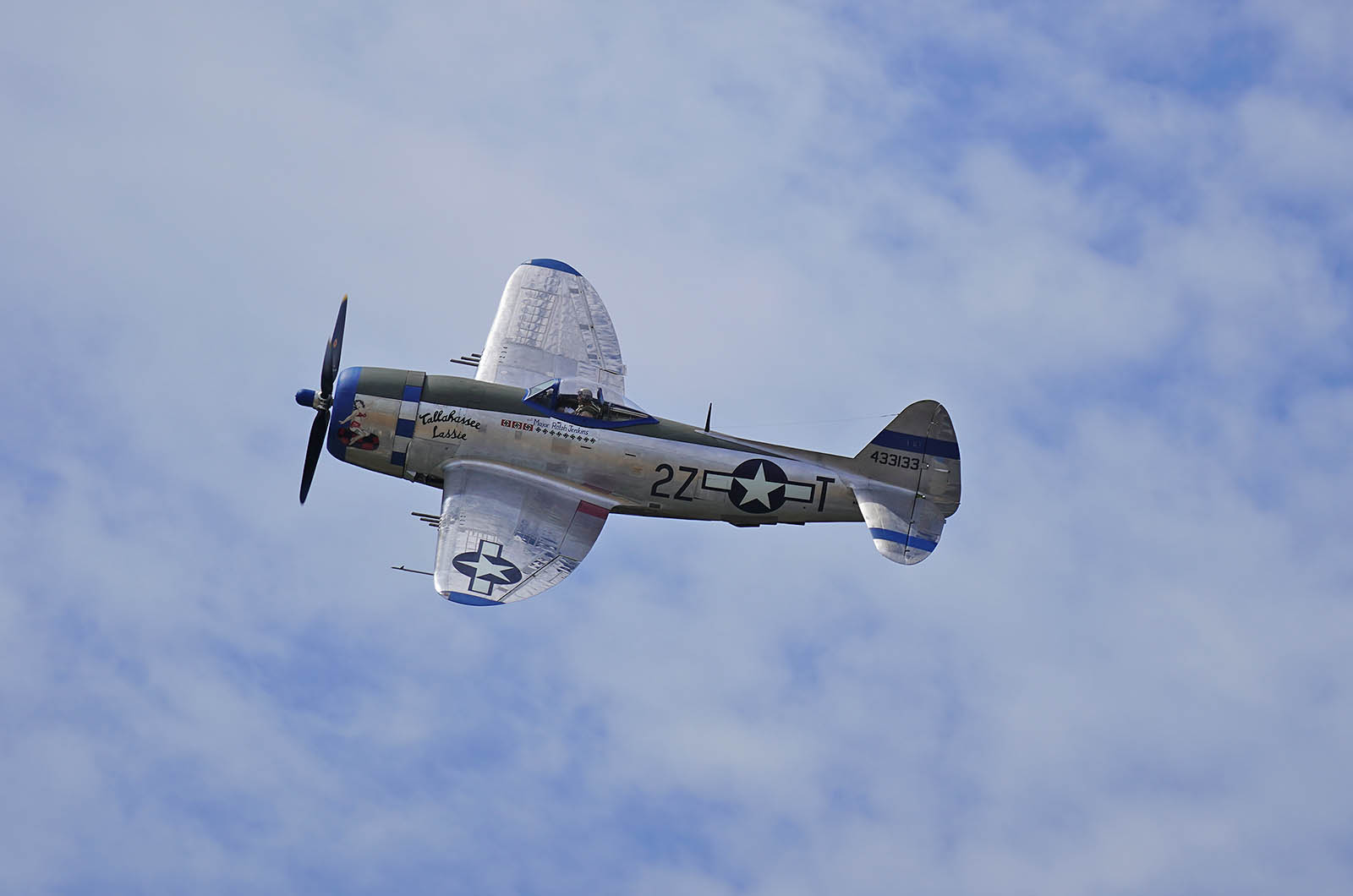
Both manoeuvrability and speed are the key performance qualities of a good fighter.
The second parameter, power-to-weight ratio, states the power of the engine relative to the weight of the aircraft, measured in horsepower per pound or kilowatts per kilogram. This parameter is directly related to the top speed of the aircraft, but also to the takeoff and climb performance.
A high power to weight ratio results in an aircraft that will climb and cruise faster than a competitor with a lower ratio. The bottom line is that size and weight of an aircraft do not determine the aircraft performance. It is quite possible to build a large and heavy high-performance fighter, as long as it has the right sized wing, and a big engine.
8: A Beast of a Fighter needs a Beast of an Engine
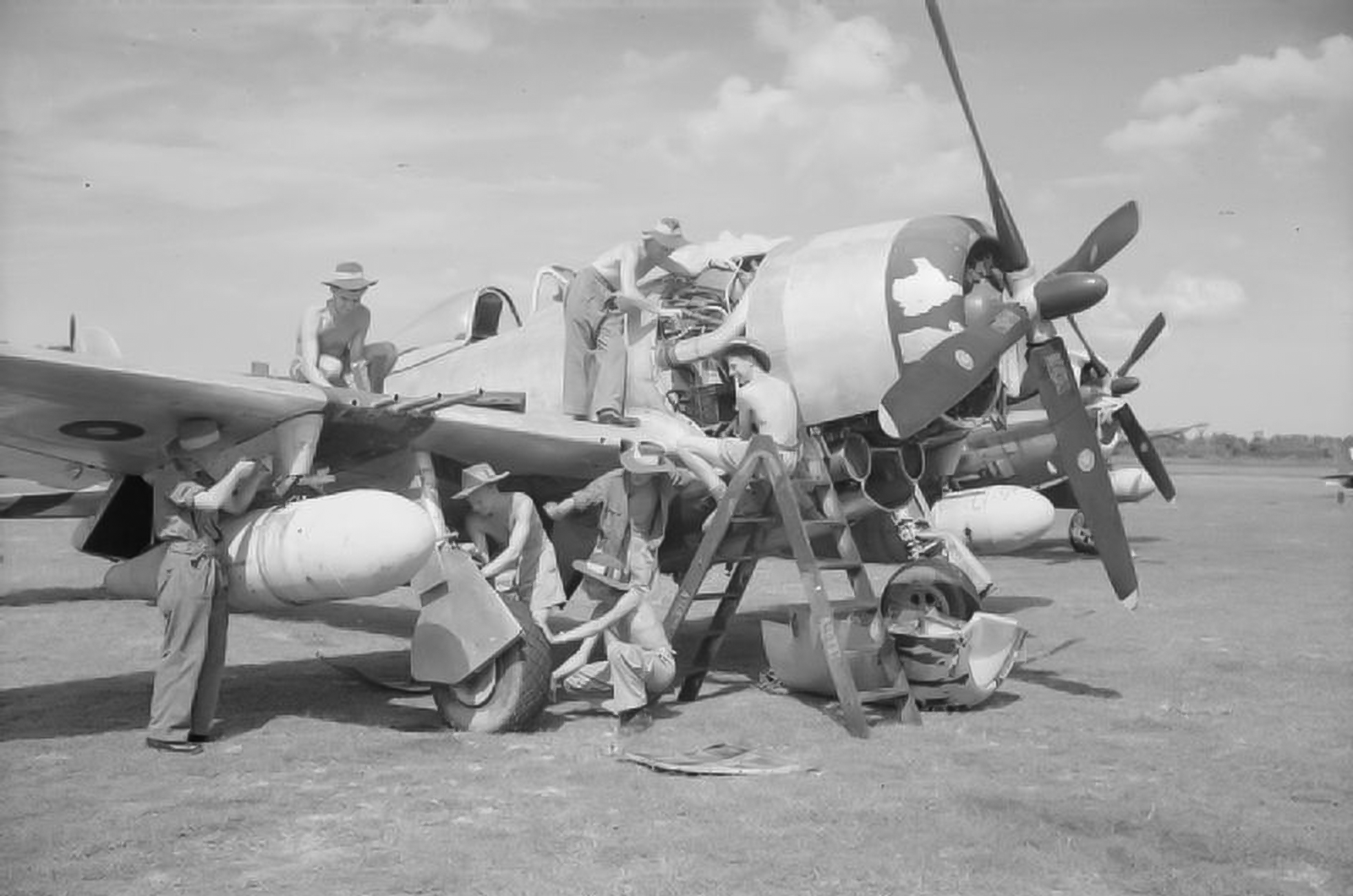
The P-47’s designer Alexander Katvelli turned to the new R-2800 twin-row radial engine being developed by Pratt & Whitney as the only viable powerplant. This engine had over 50% more displacement than the Allison, and initially had 33% more horsepower. A problem that plagued US fighters of the day was the lack of sufficient power and performance at higher altitudes.