

Whether it takes the form of a big, heavy bruiser or a light, nimble roadster, what makes a great driver’s car is a conglomeration of several characteristics.
These are characteristics that road testers have been doing their best to unravel since Autocar first began writing reviews a century ago.
Although decent performance has an important part to play, it isn’t all about power and acceleration but also feedback, responsiveness, agility, ride quality, body control, grip, balance, poise and driving position – all those things that engage a driver and make them feel comfortable at the same time.
Now we’re seeing the biggest technology changes in the shortest time in the 130-odd years since the first Benz turned a wheel. So what will happen to the driver’s car? Will there be any fun to be had in 20 or 30 years’ time? Perhaps the best place to start is with what we have.
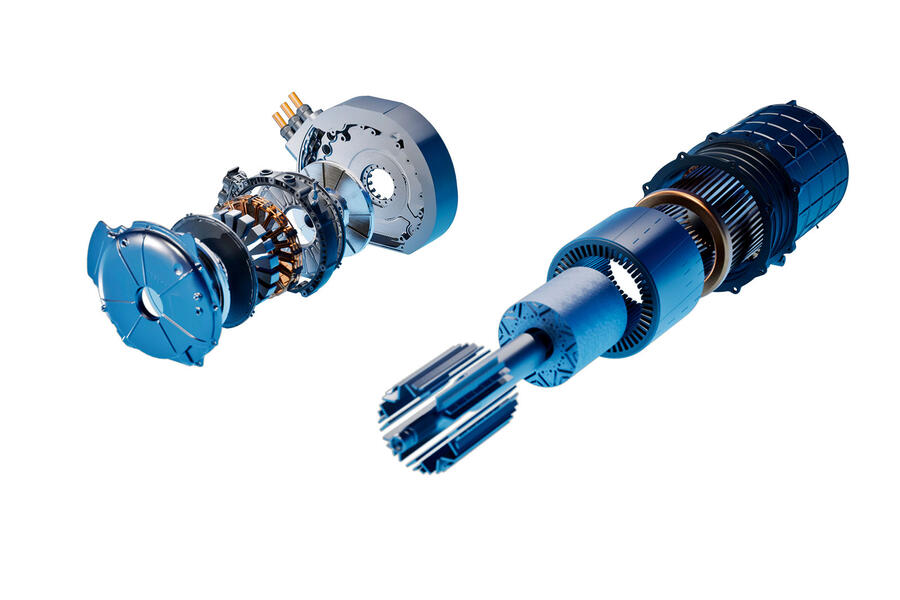
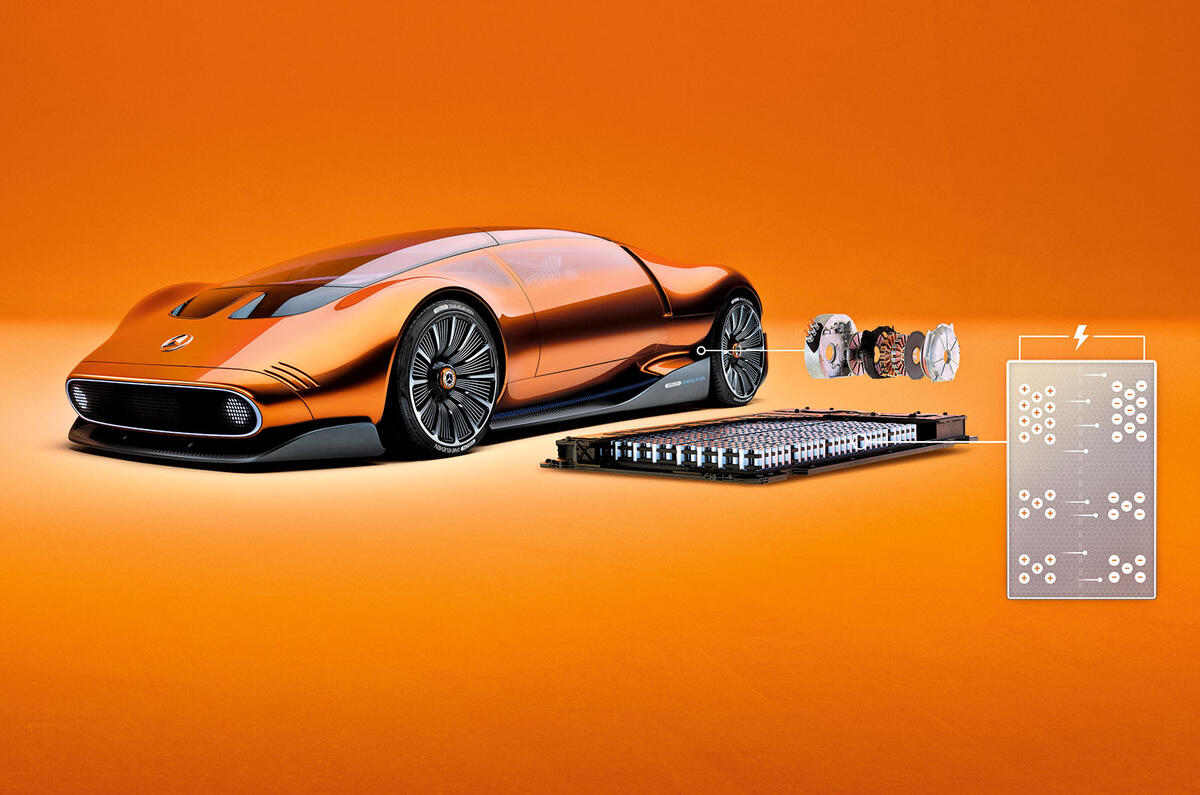
Electric motors have all the attributes that engineers have been trying to get combustion engines to deliver ever since they were invented, namely as much torque as possible from low revs, power, efficiency and refinement. Modern electric cars' AC motors do all of that seemingly without trying, which makes them the perfect choice of powerplant for any car.
Their relative simplicity made them attractive to the early pioneers of motoring, but the difficulty then was storing enough energy to power them. To a lesser extent, the same issue applies today, tangled up as it is with cost and weight. But it’s unlikely to be that way in 30 years’ time, what with the ongoing rapid advancement of battery tech.
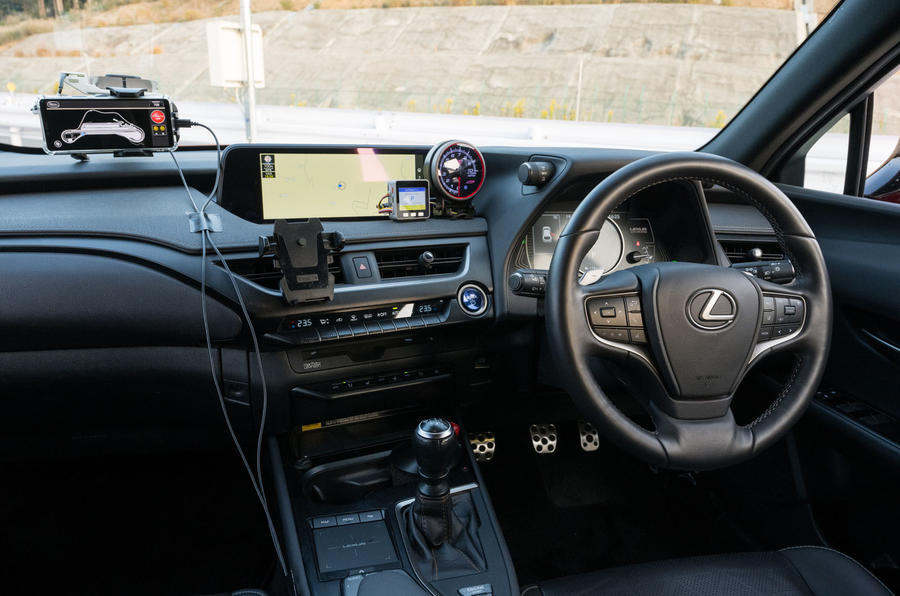
Gearbox types come and go. The manual was largely replaced by the automated manual, followed by the dual-clutch automatic, but for many keen drivers, the yearning for three pedals and a stick never waned.