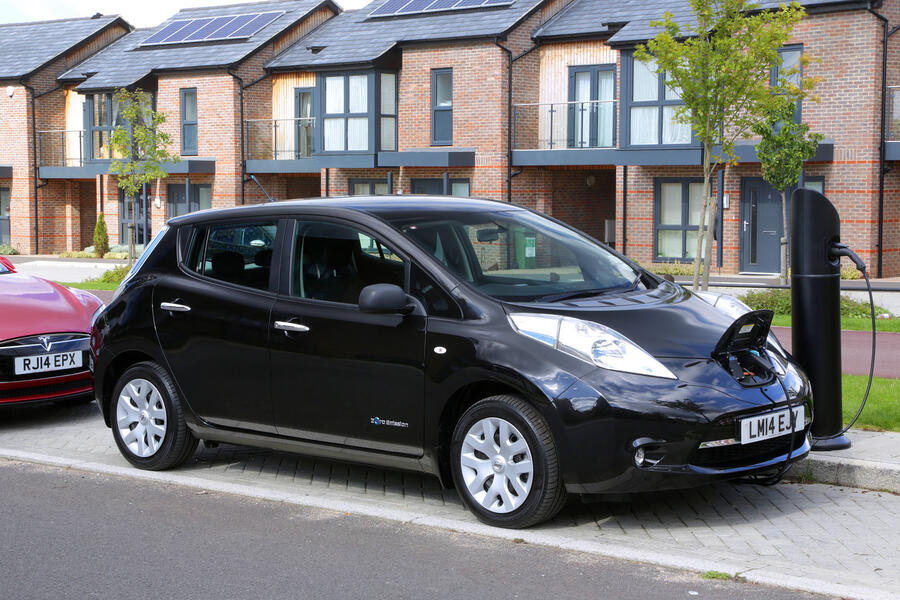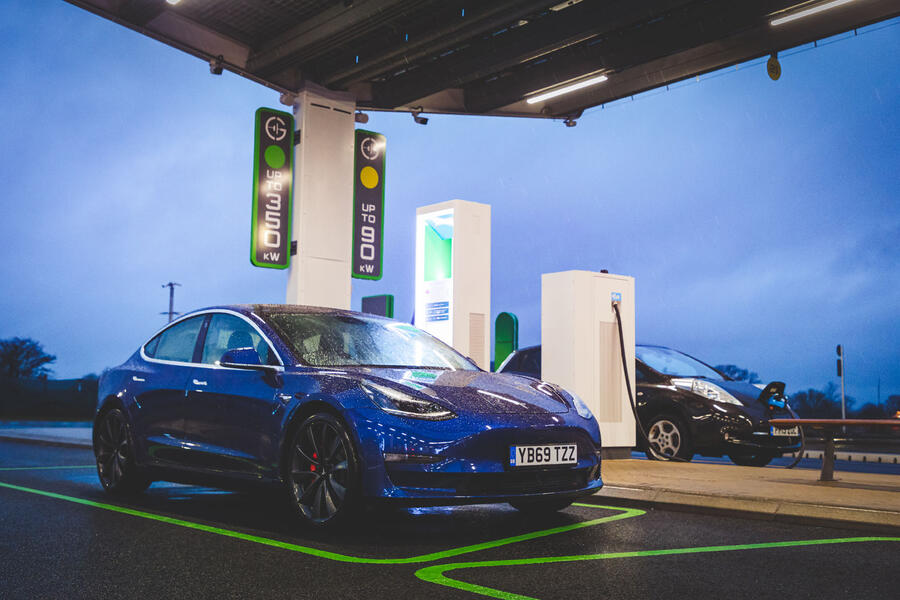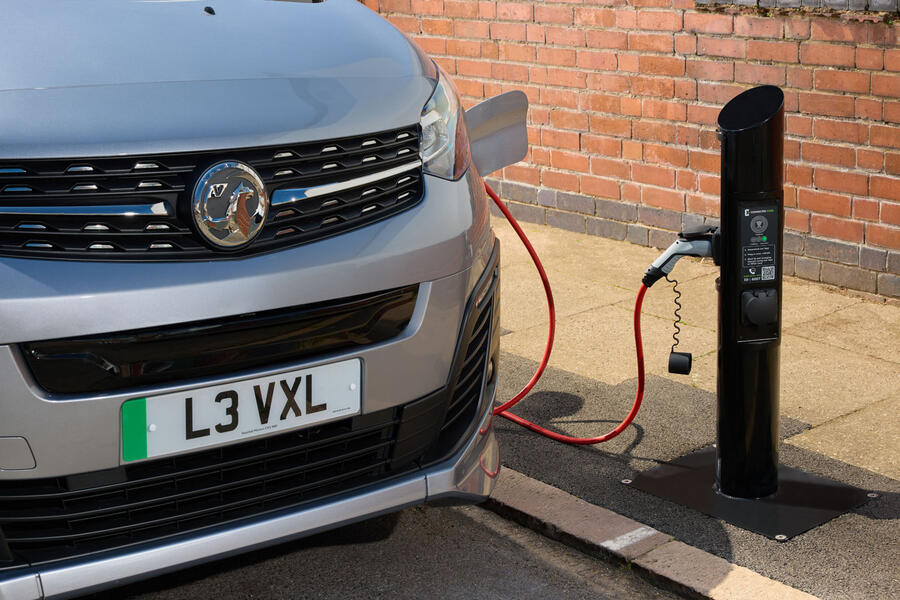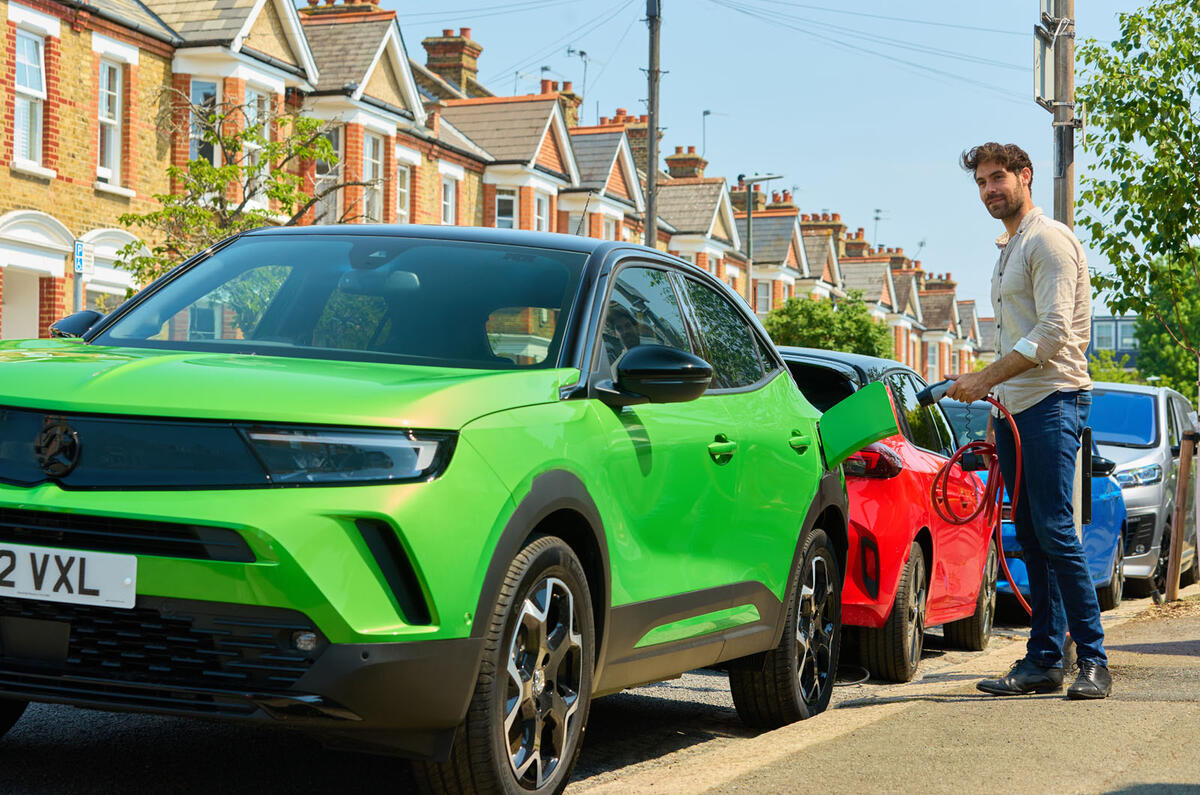

More than two-thirds of UK councils have yet to install any kerbside EV chargers, with just over six years to go until the UK government’s ban on the sale of new pure-combustion cars comes into effect.
An investigation conducted by Vauxhall as part of its new 'Electric Streets of Britain' campaign found that 69% of councils do not have an on-street charge point and that 71.6% lack a published strategy for on-street residential charging.
Of the councils that responded to the investigation, 45% stated they had no plans to install residential on-street chargers this year.
Data published by Zapmap and the Department for Transport (DfT) on 26 July 2023 revealed that, as of 1 July, just 34% of the UK’s 44,020 public charge points were designated as on-street chargers.
The Energy Saving Trust estimates that 80% of electric car charging is done from home, and a 2022 survey by Zapmap found 84% of existing EV drivers have a home charger. However, roughly 40% of UK households do not have a driveway or access to dedicated off-street parking where they could install a private charge point, forcing them to rely on public charge points. This rises to 60% of households in urban areas.
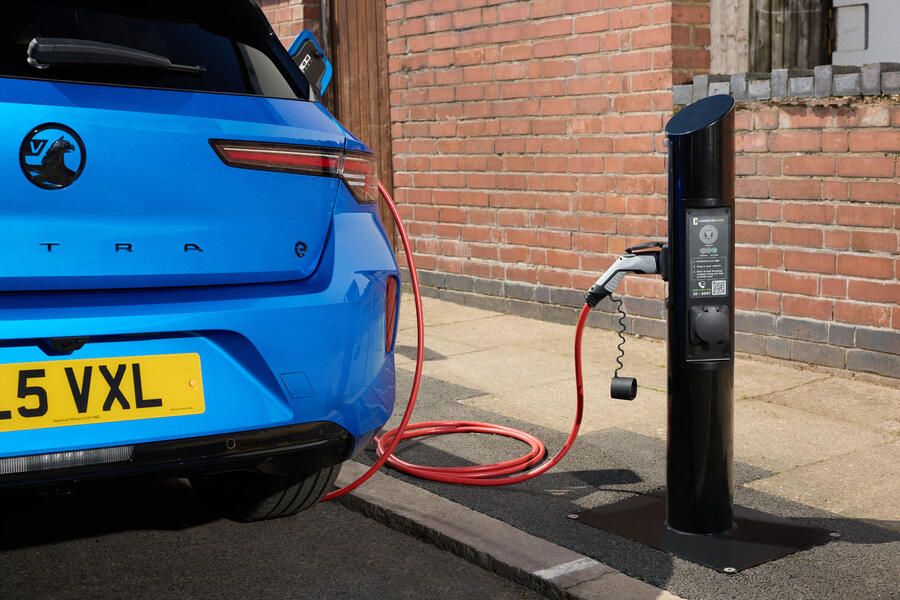
From 2024, 22% of all new cars sold in the UK must be zero-emission vehicles, which will place additional pressure on the public charging infrastructure. This proportion of sales is mandated to rise annually, reaching 80% in 2030 and 100% in 2035. For vans, the requirements will start at 10% in 2024 and hit 70% in 2030.
Sales of new electrically unassisted petrol and diesel cars will be banned in 2030, while sales of new hybrids with a "significant zero-emission capability" will be outlawed five years later, adding further demand on the charging infrastructure.