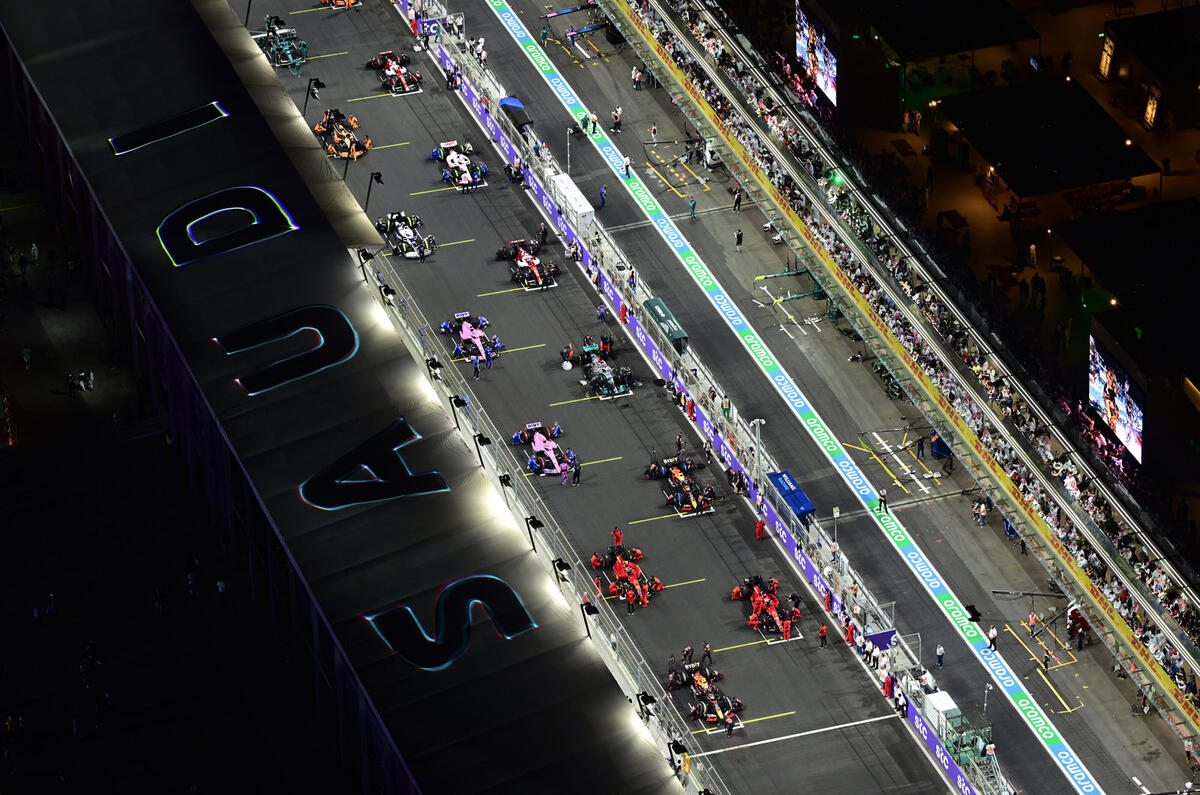

Formula 1 walked a strange and troubled gauntlet in Saudi Arabia.
The weekend began with a frightening missile strike on a nearby oil refinery, narrowly avoided ending in a driver boycott; was shaken by Mick Schumacher’s nasty accident in qualifying; then finally began to shine when sport returned to centre stage, courtesy of a thrilling duel between Max Verstappen and Charles Leclerc.
The last part was utterly breathtaking, but still F1’s senior stakeholders must surely on Sunday night have exhaled in a collective sigh of relief.
Verstappen vs Leclerc: the best of F1
Signs are the much-vaunted car regulation reset is working a treat following a grand prix that kept up an increasingly enthralling F1 narrative arc. This year, switch Verstappen vs Sir Lewis Hamilton for Verstappen versus Leclerc, thanks to Ferrari’s welcome rebirth and Mercedes-AMG’s alarming fall. Now a reviving elixir is sweetening the bitter aftertaste of last season’s botched Abu Dhabi climax, as a pair of 24-year-olds renew a rivalry that dates back to the days when they raced karts as kids.
As Red Bull chief technical officer Adrian Newey put it, there’s so little to separate F1’s top two teams right now. But pleasingly, Red Bull and Ferrari are finding their speed in entirely different ways: the former has a clear straight-line speed advantage, the latter what appears to be the better-rounded package in these early rounds.
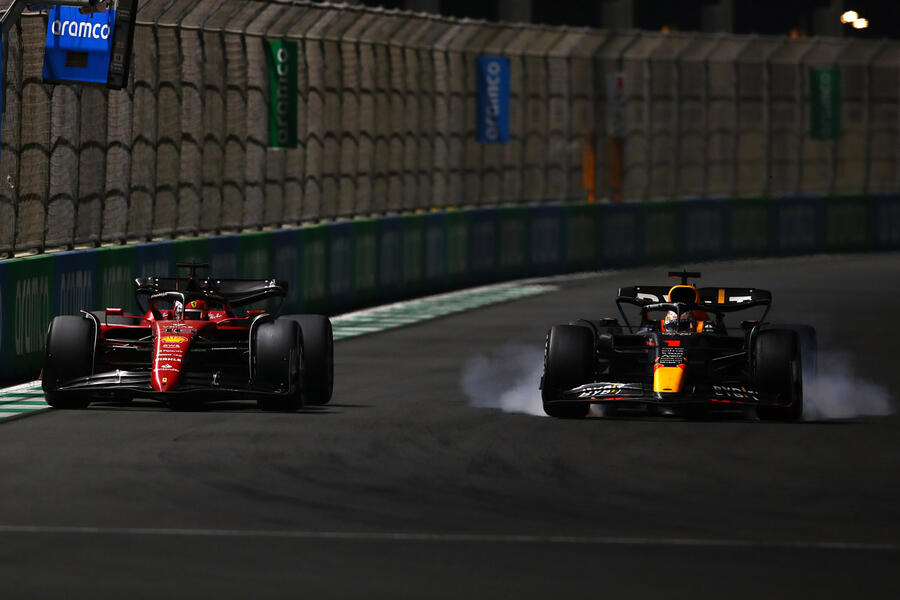
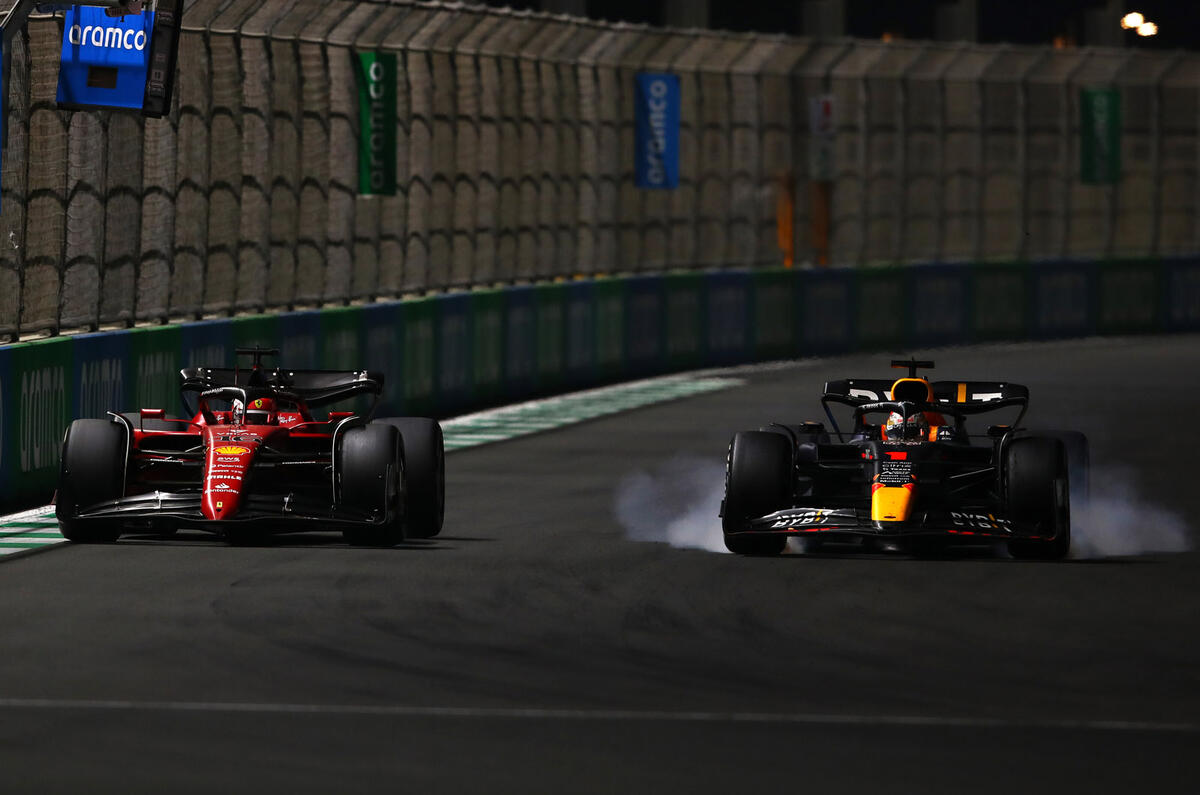
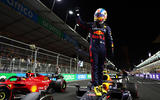
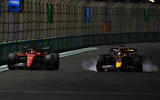
On the fast Jeddah Corniche circuit, that resulted in an enthralling duel as Leclerc boxed clever to use a counter-attack DRS defence to retain his lead, until Verstappen unlocked his killer punch four laps from the flag. How Bahrain GP winner Leclerc then closed for retaliation, only to be thwarted by his straight-line shortfall, bodes well for a battle that looks set to swing from circuit to circuit, race to race.