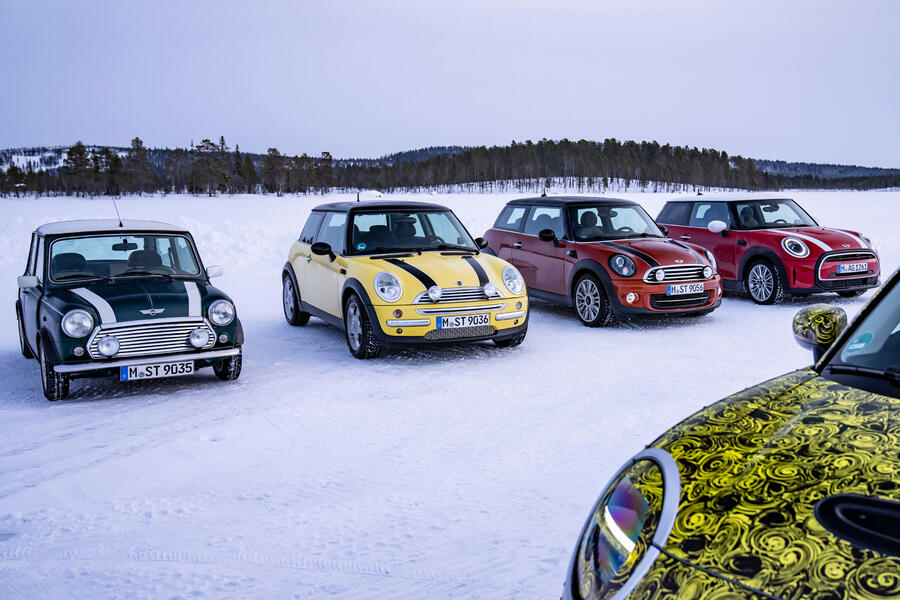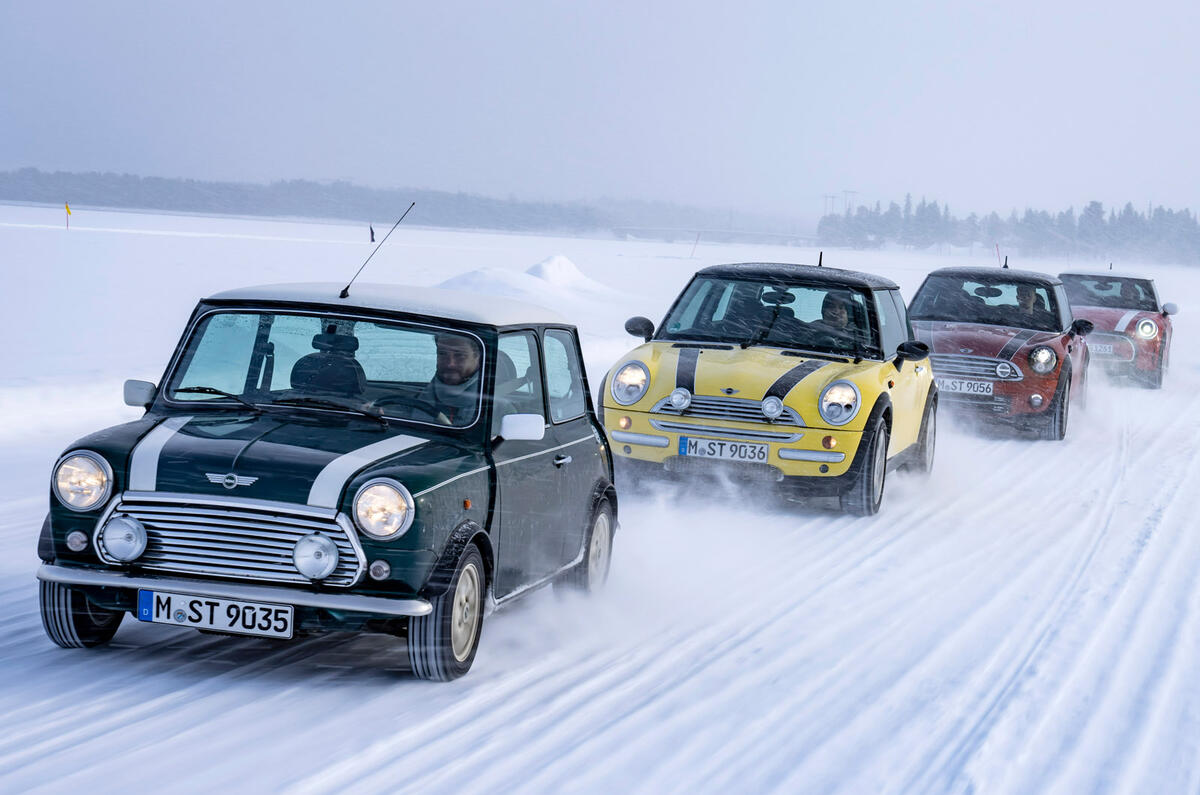
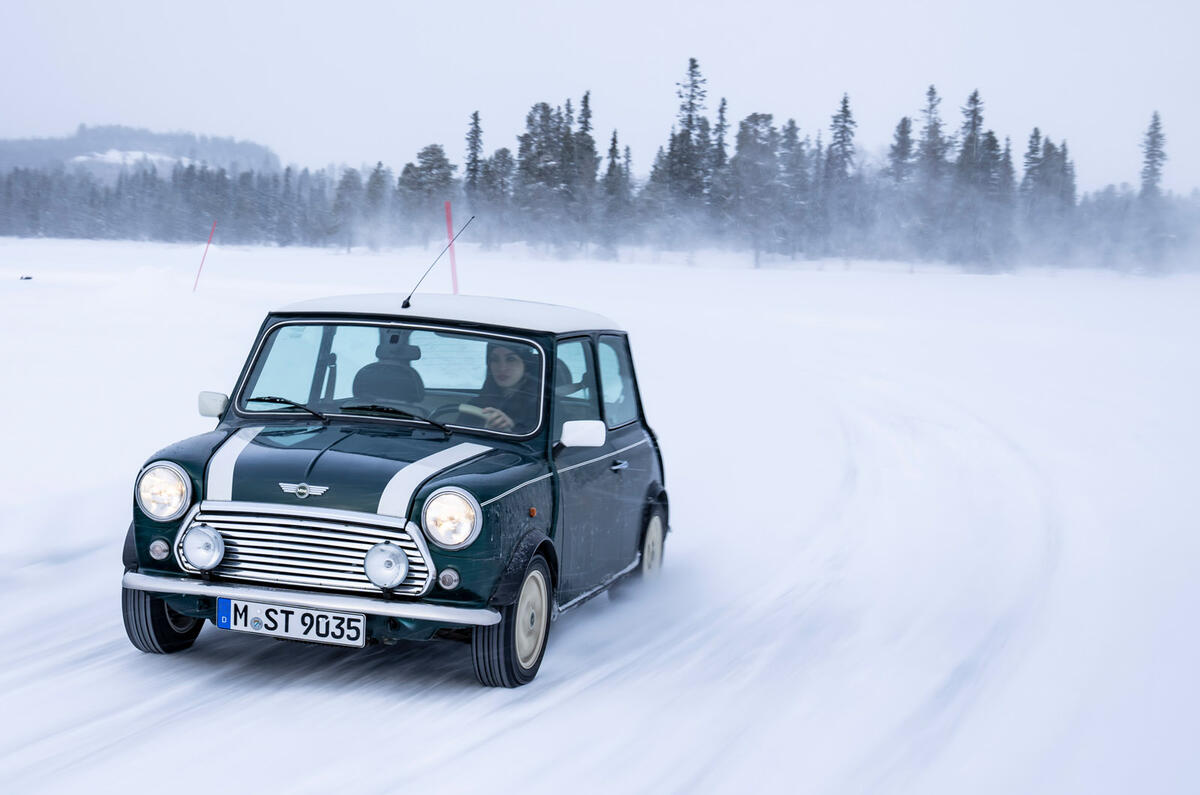
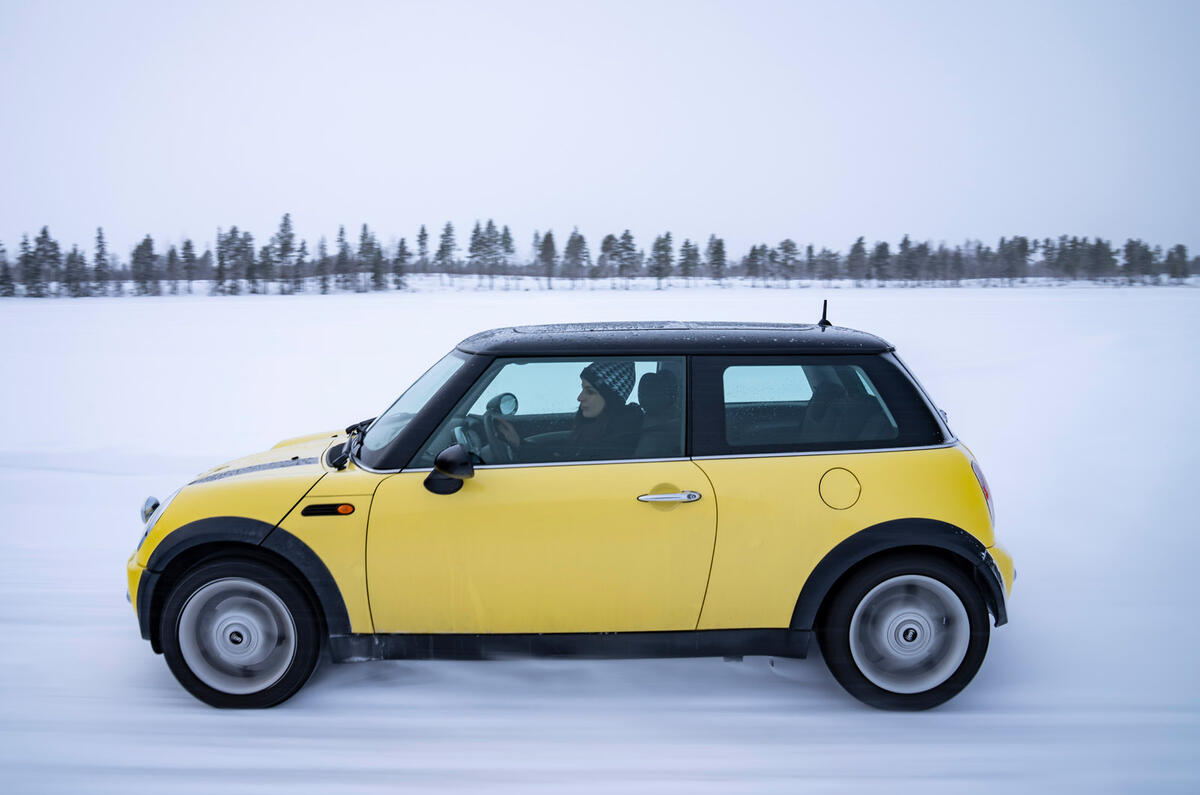
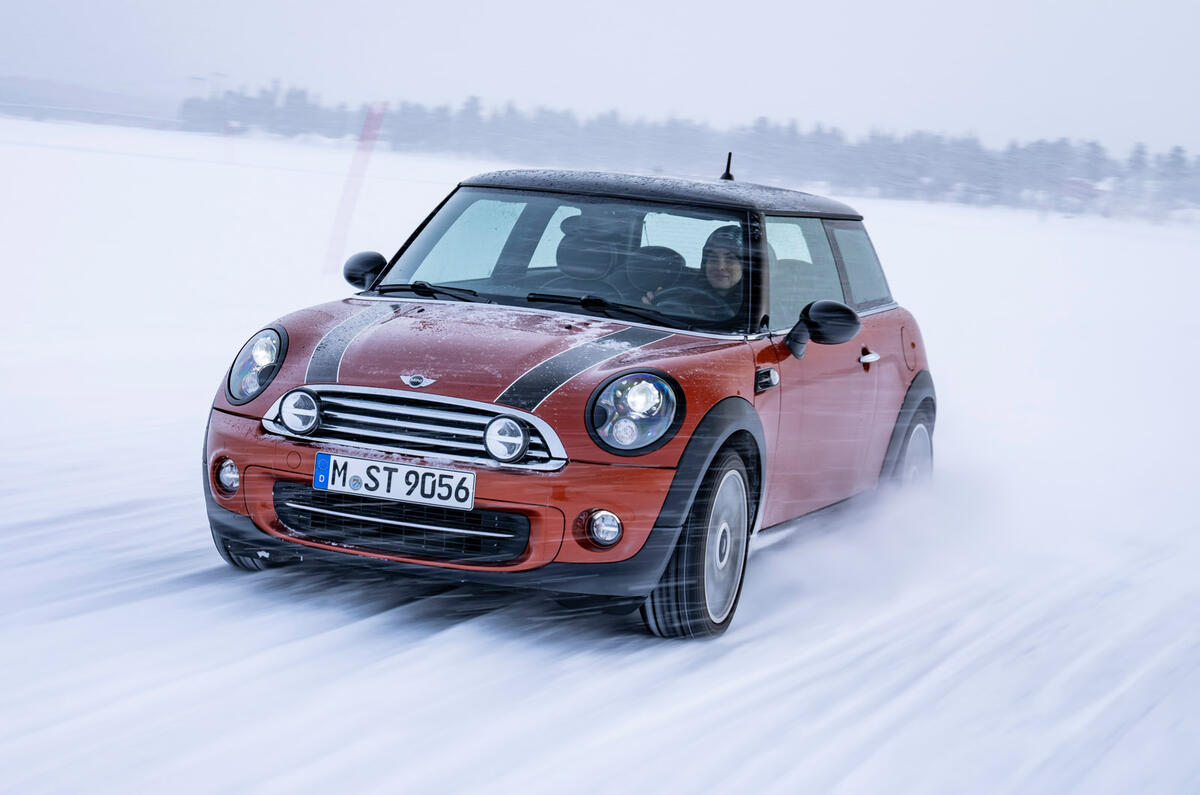
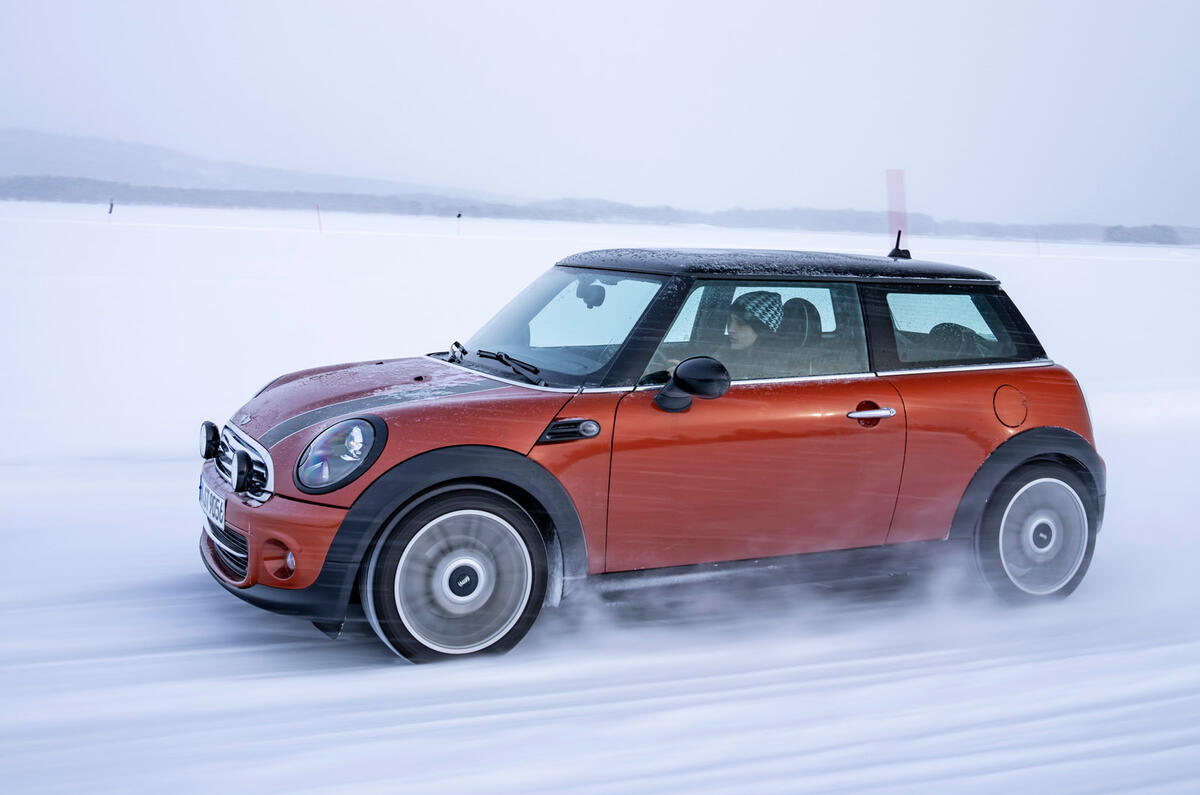
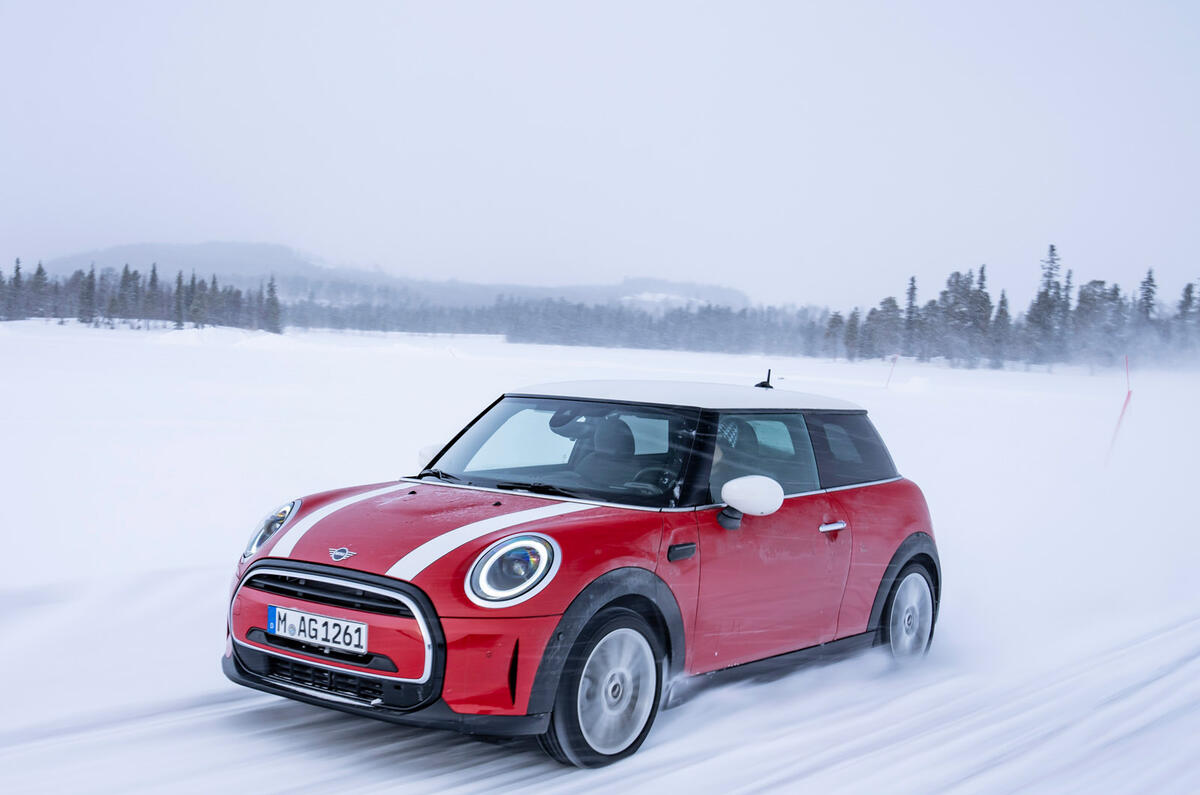
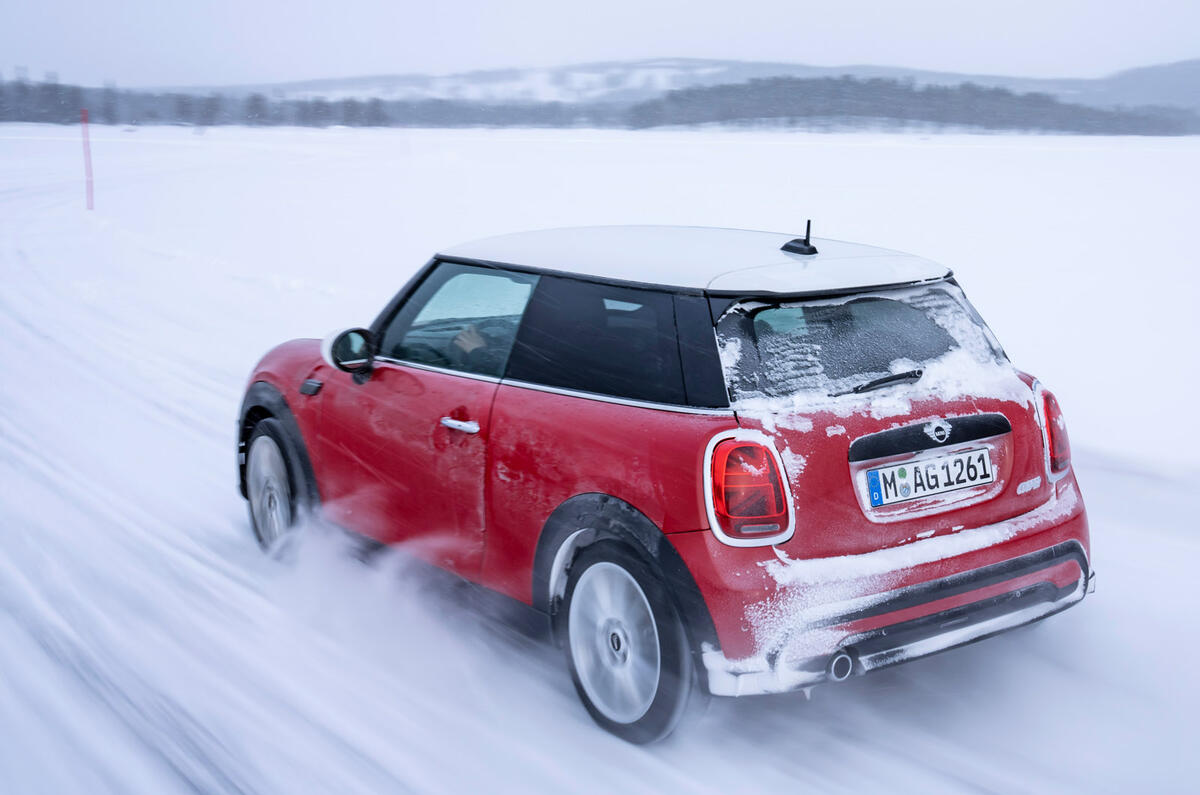










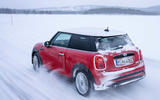





A frozen lake deep inside the Arctic Circle might not be the last place you’d expect to see a classic Mini - but it’s definitely not the first.
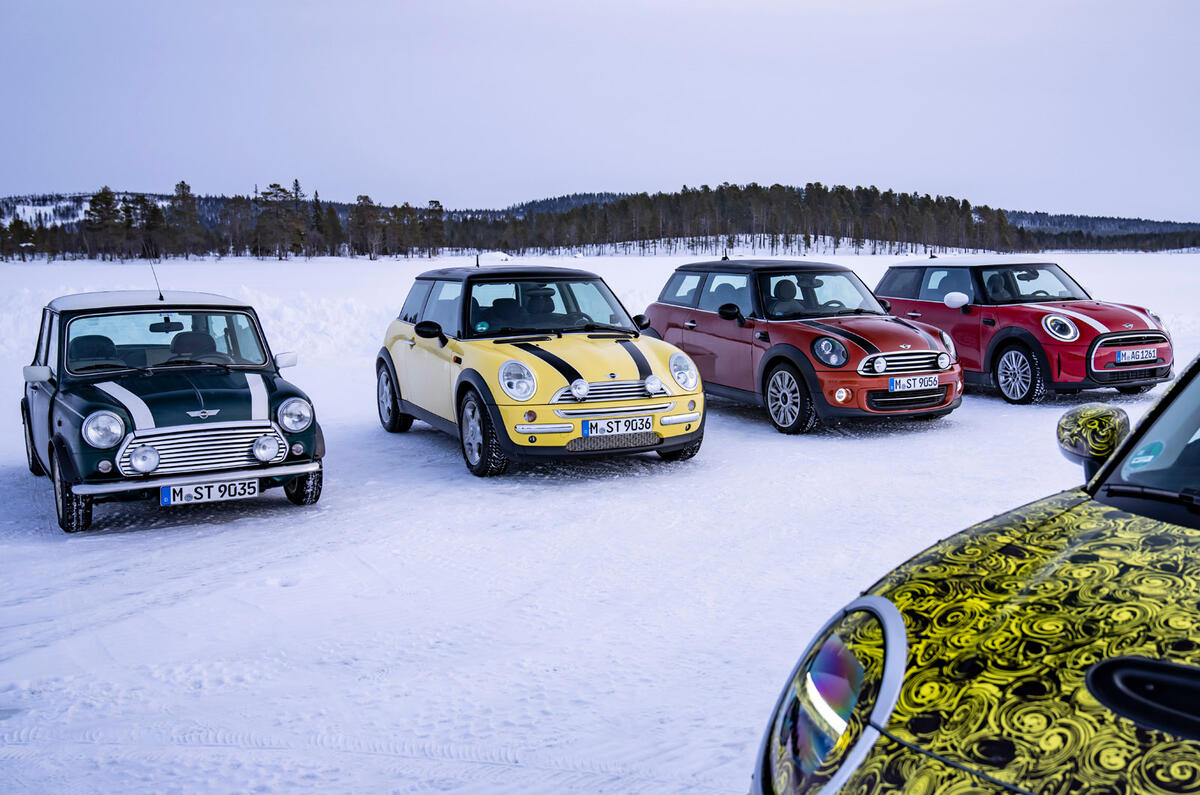
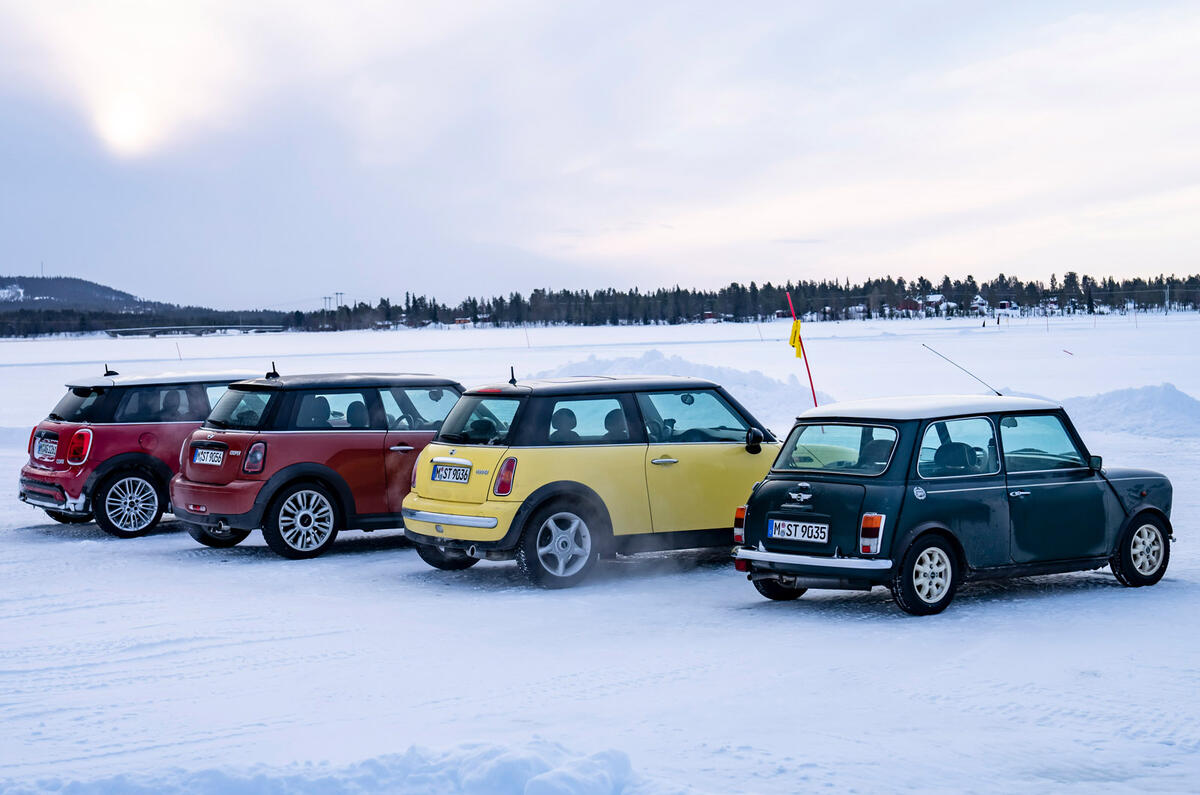
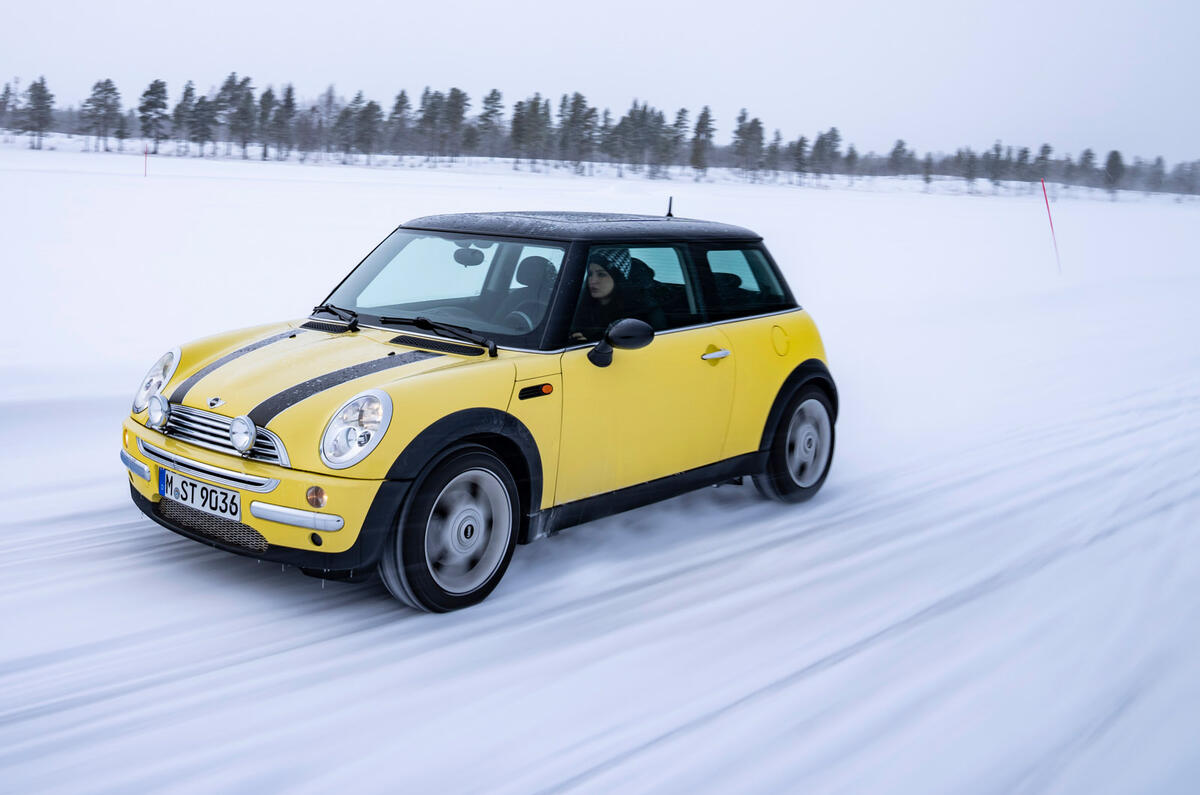
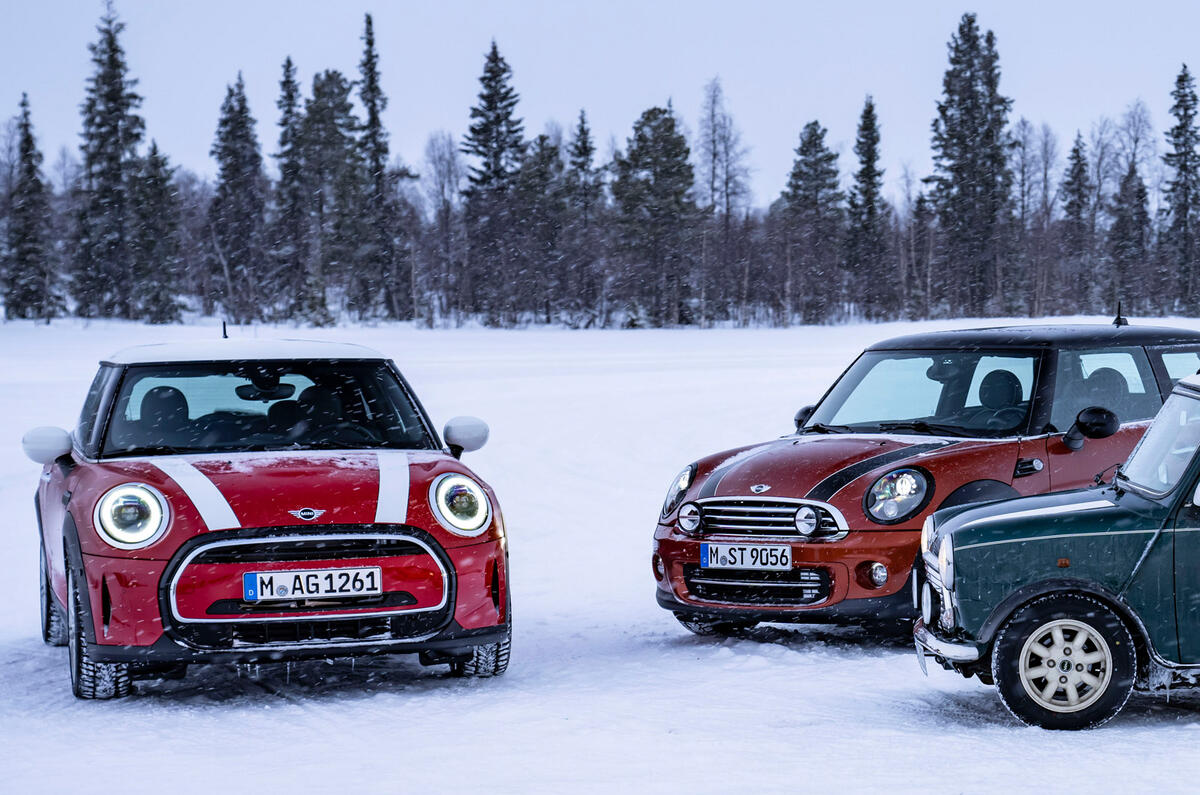
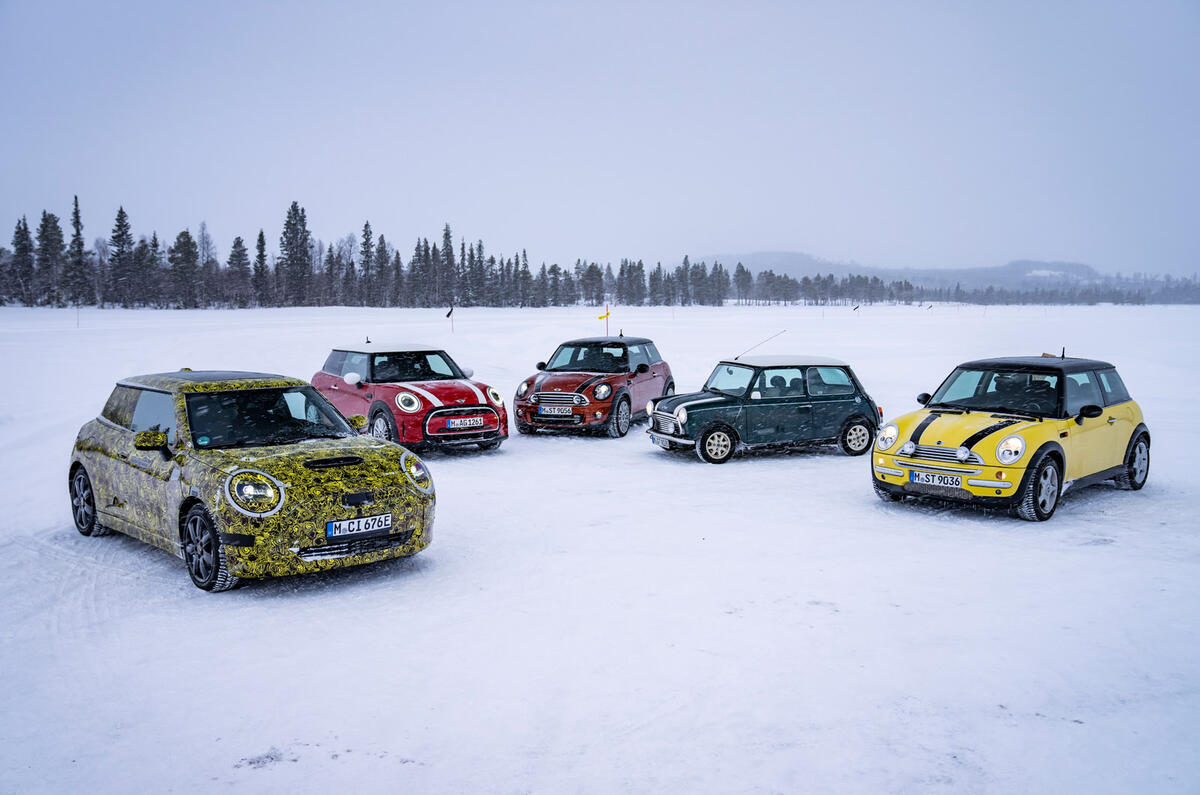
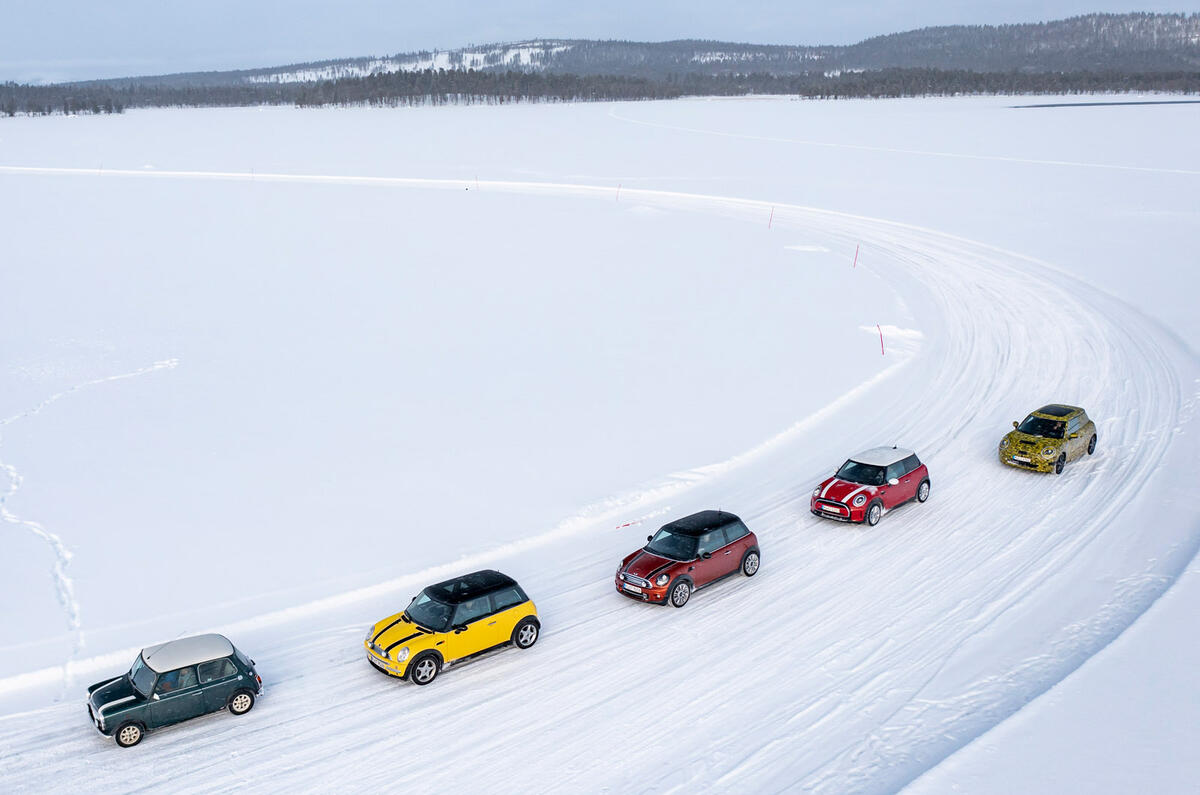
The Issigonis-designed classic would surely be more at home nipping through Knightsbridge than navigating around snowdrifts, As would the three more modern Minis lined up behind it. But there’s method to the madness.
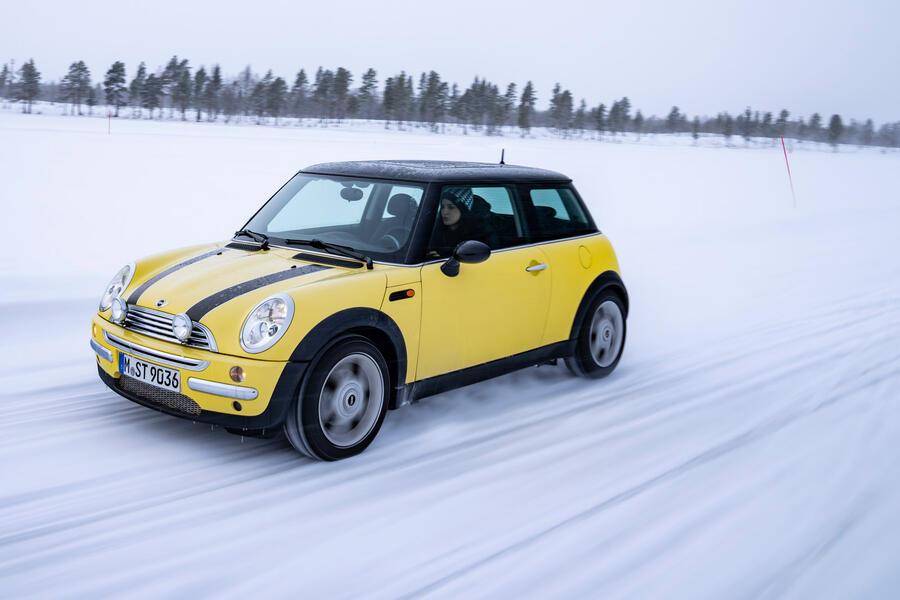
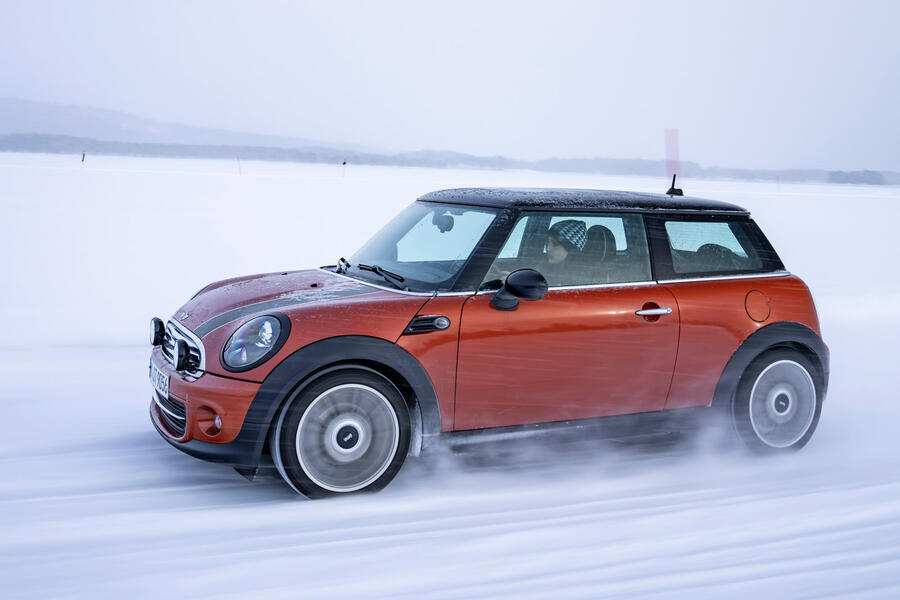
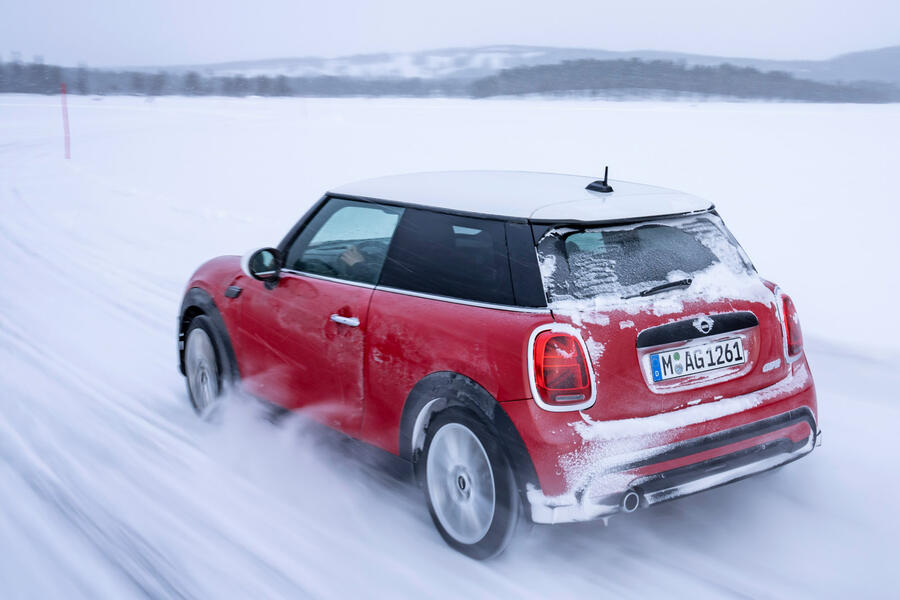
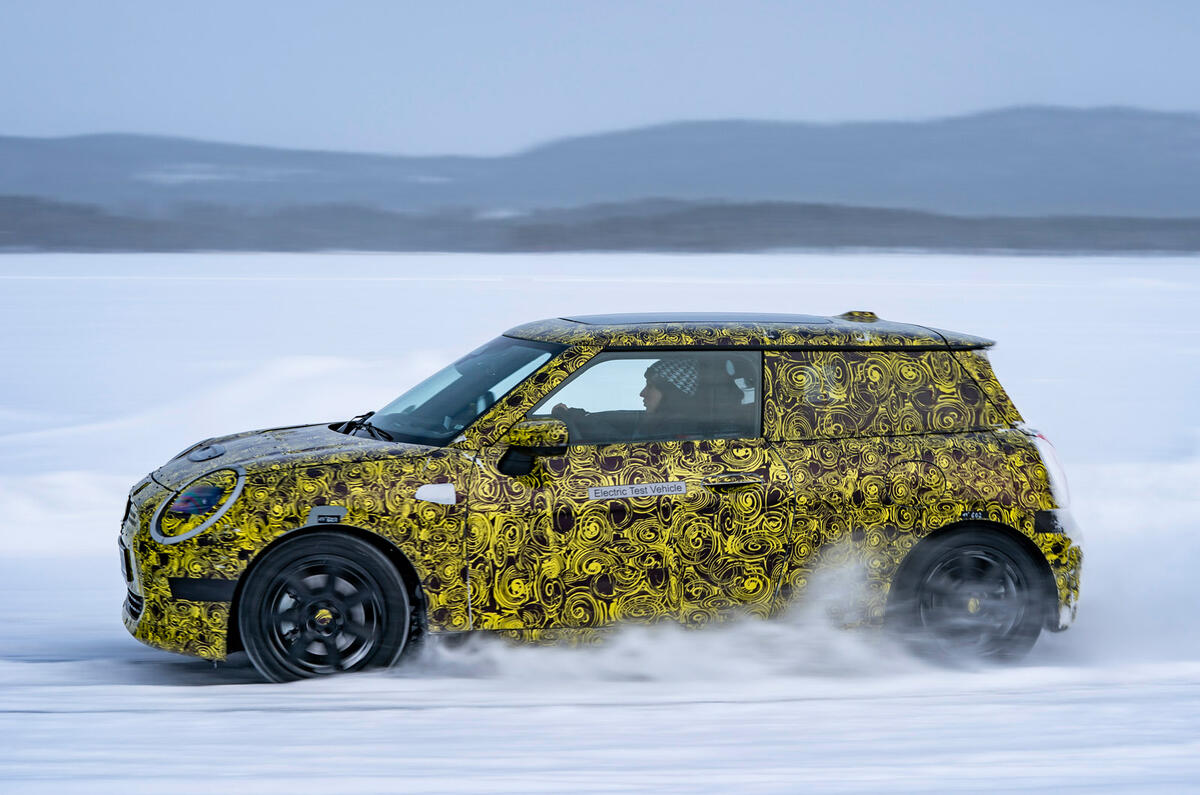
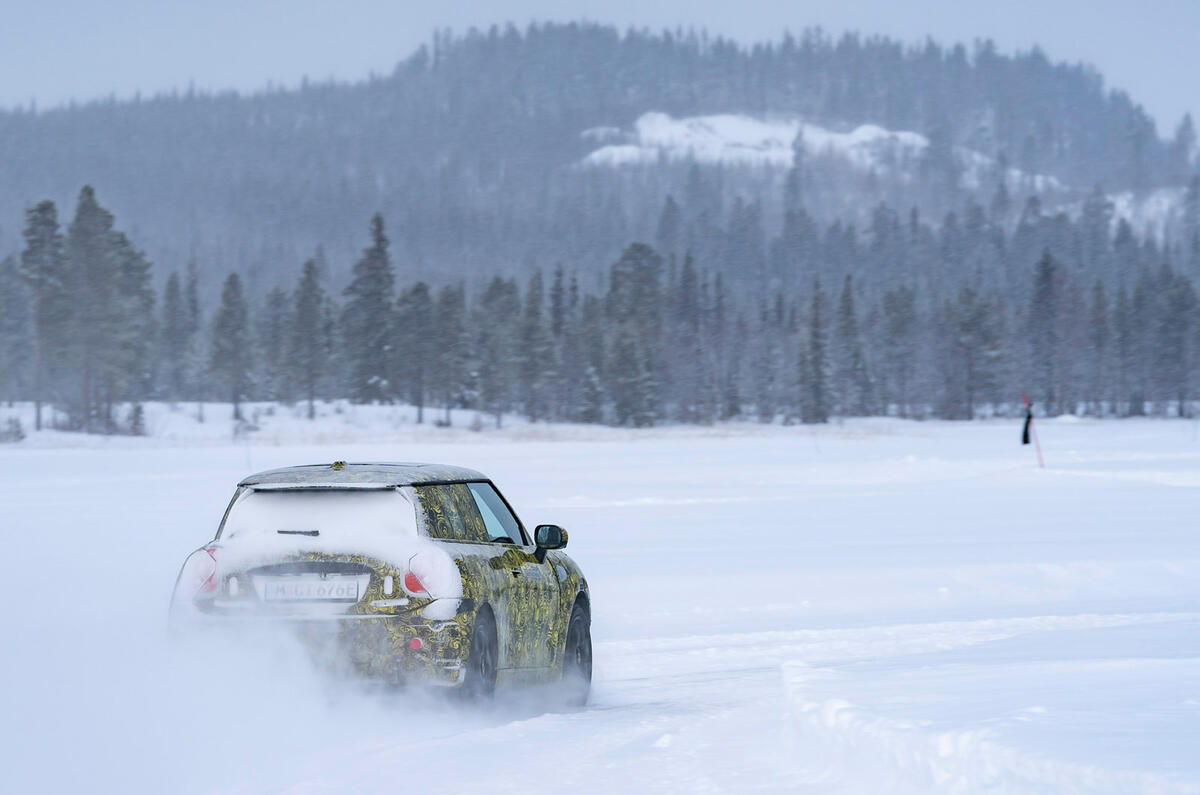
All four versions of the iconic British supermini have been gathered to demonstrate the progress made by the next-generation electric Mini hatchback, due on the road in 2023. It’s in Sweden undergoing cold weather testing, and we’d been invited for a poke around an early development prototype.
A few laps of the icy test track in what came before is as good a context as any for what customers can expect when the new car arrives next year.
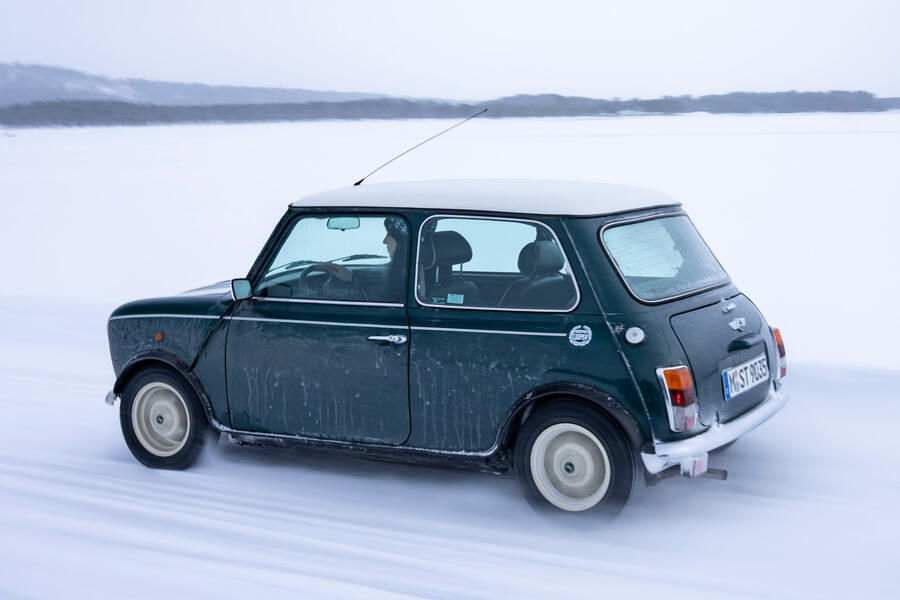
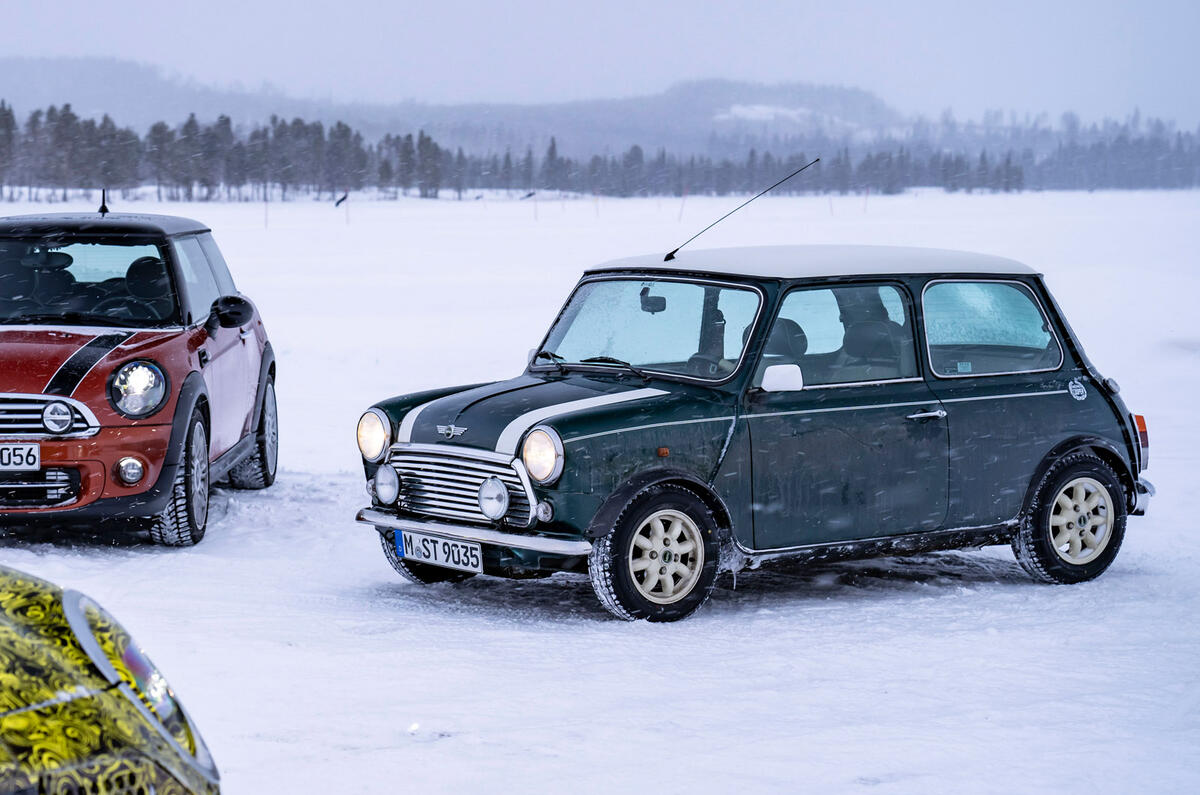
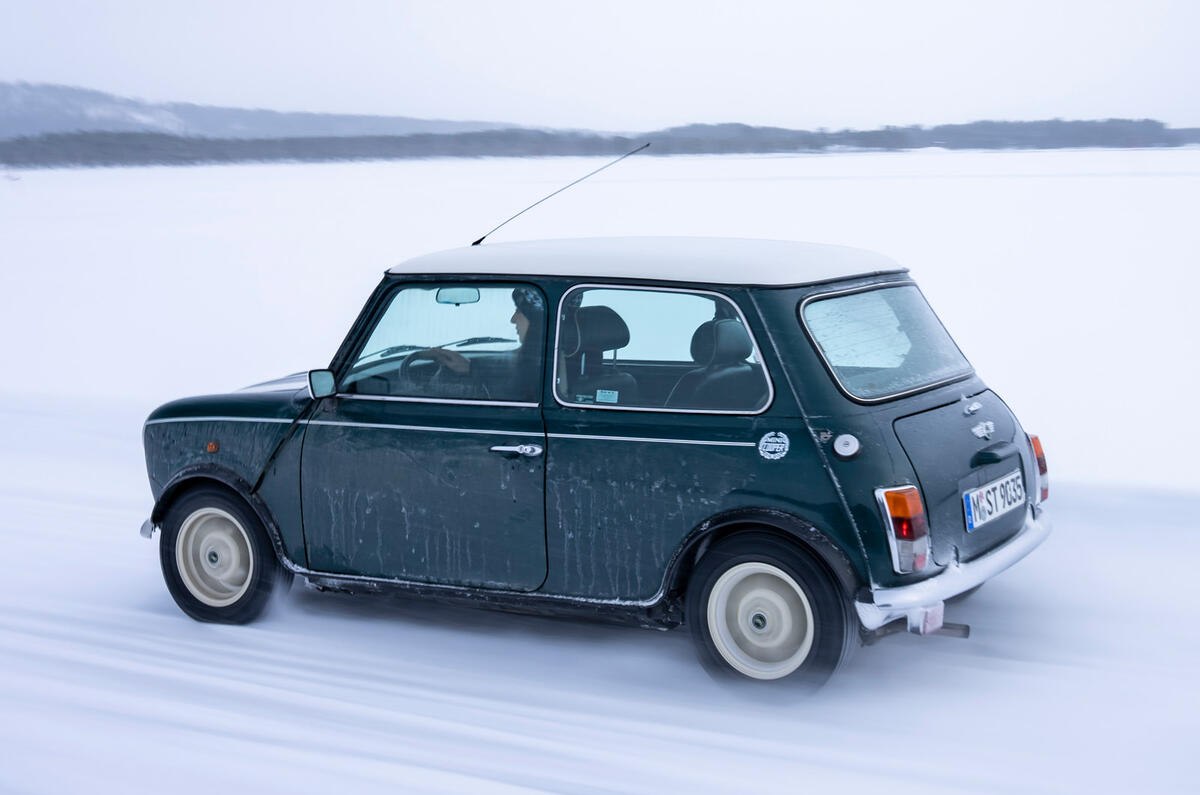
1997 Mini Cooper
The story of the original Mini has already been told plenty of times, so there’s no need to repeat the obvious here. Alec Issigonis, transverse A-Series, front-wheel drive, Paddy Hopkirk, Monte Carlo, affordable motoring for the masses, icon, etcetera – you know the drill.
But no matter how well-known the original Mini is, it remains an unusual experience to drive one today. At 6ft2, getting into this tiny car feels somewhat like folding myself into a child’s pedal car, legs open to clear the curiously airbagged steering wheel and hunching to see out of the windscreen rather than just look at the header rail.
It didn’t help that the seat adjustment was stuck, but previous original Mini experiences suggest it’s the kind of driving position that wouldn’t get signed off in a modern car. All the pedals have a disconcertingly short travel, and the gearchange is long and vague.