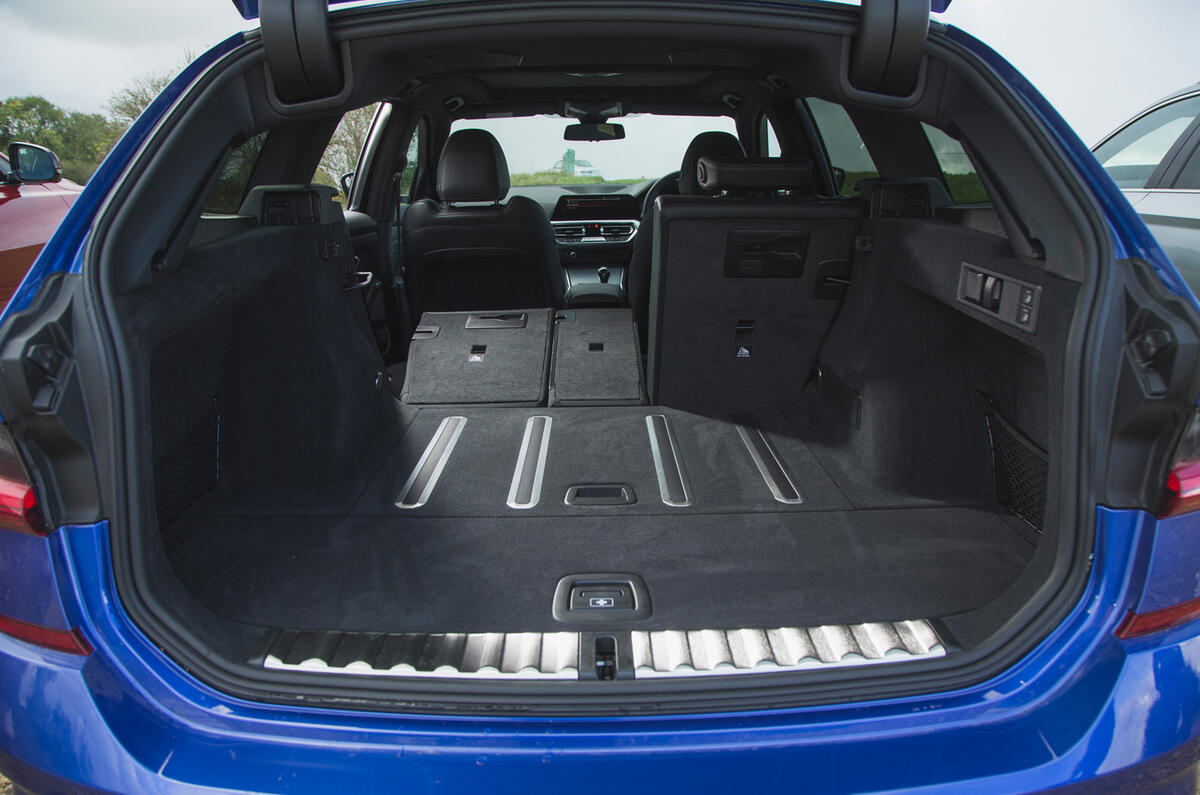
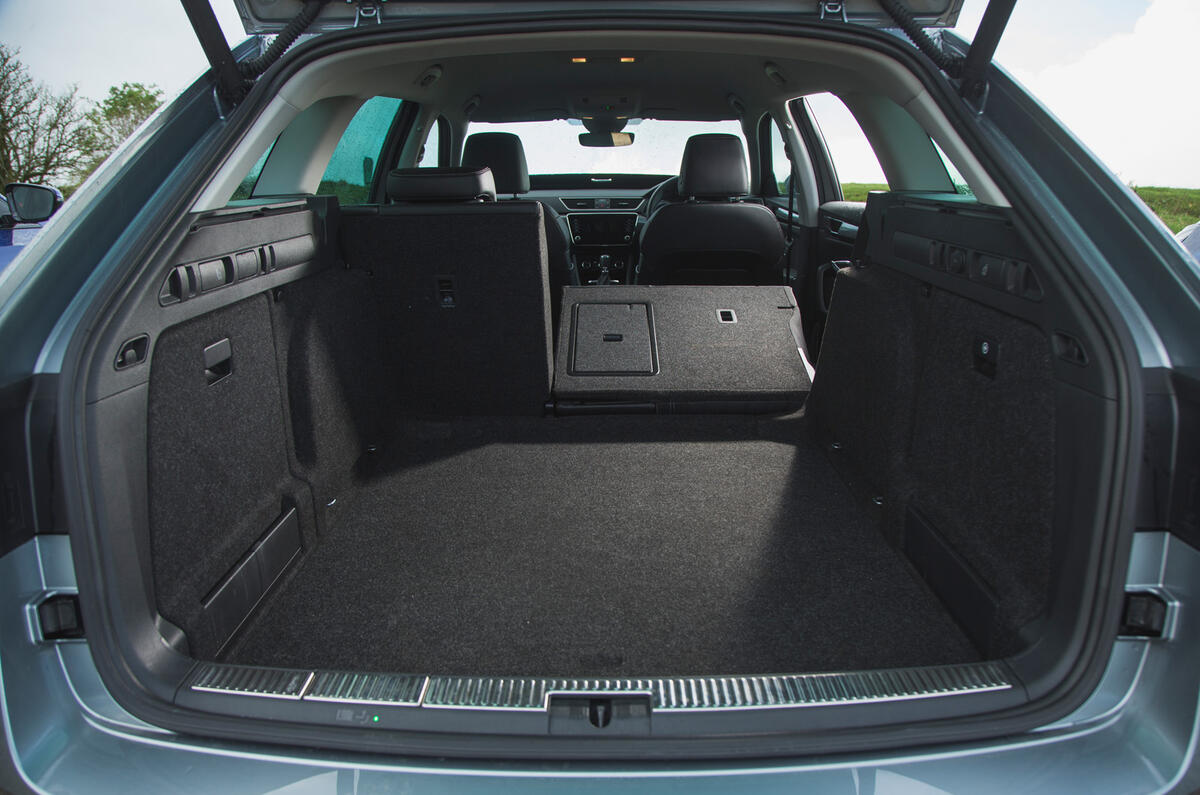
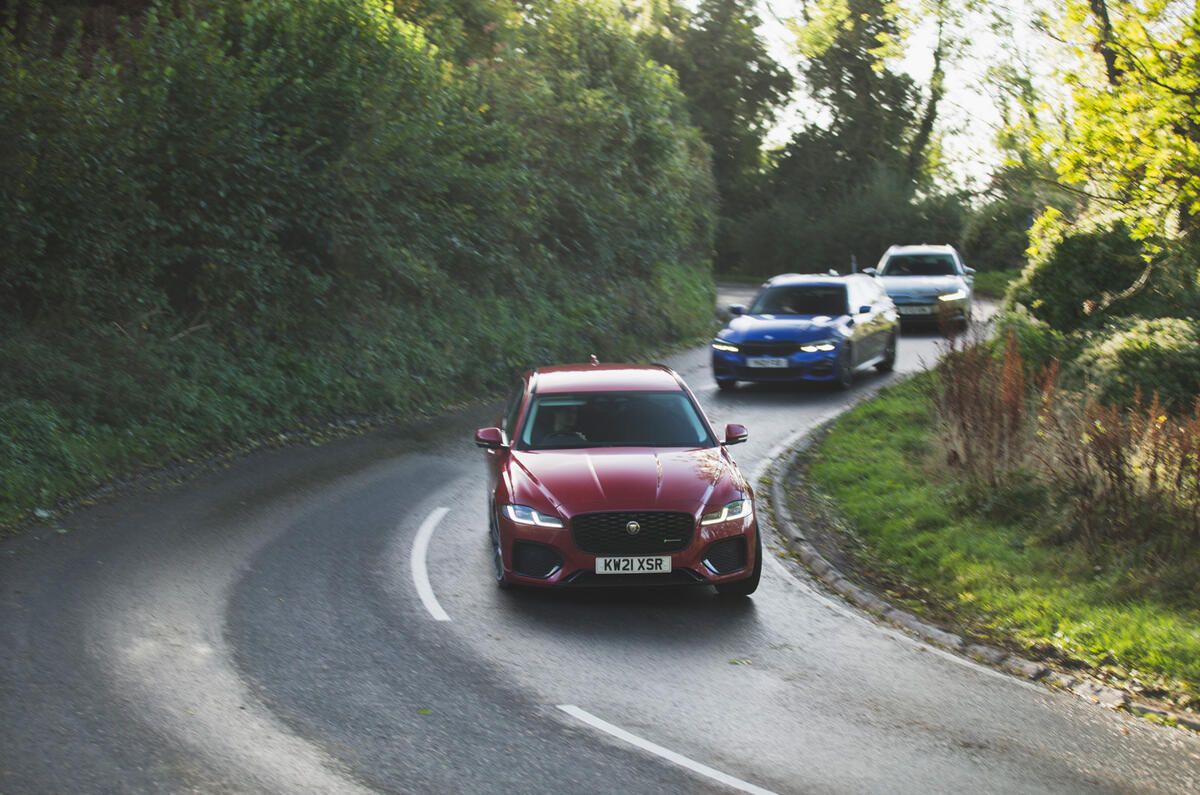
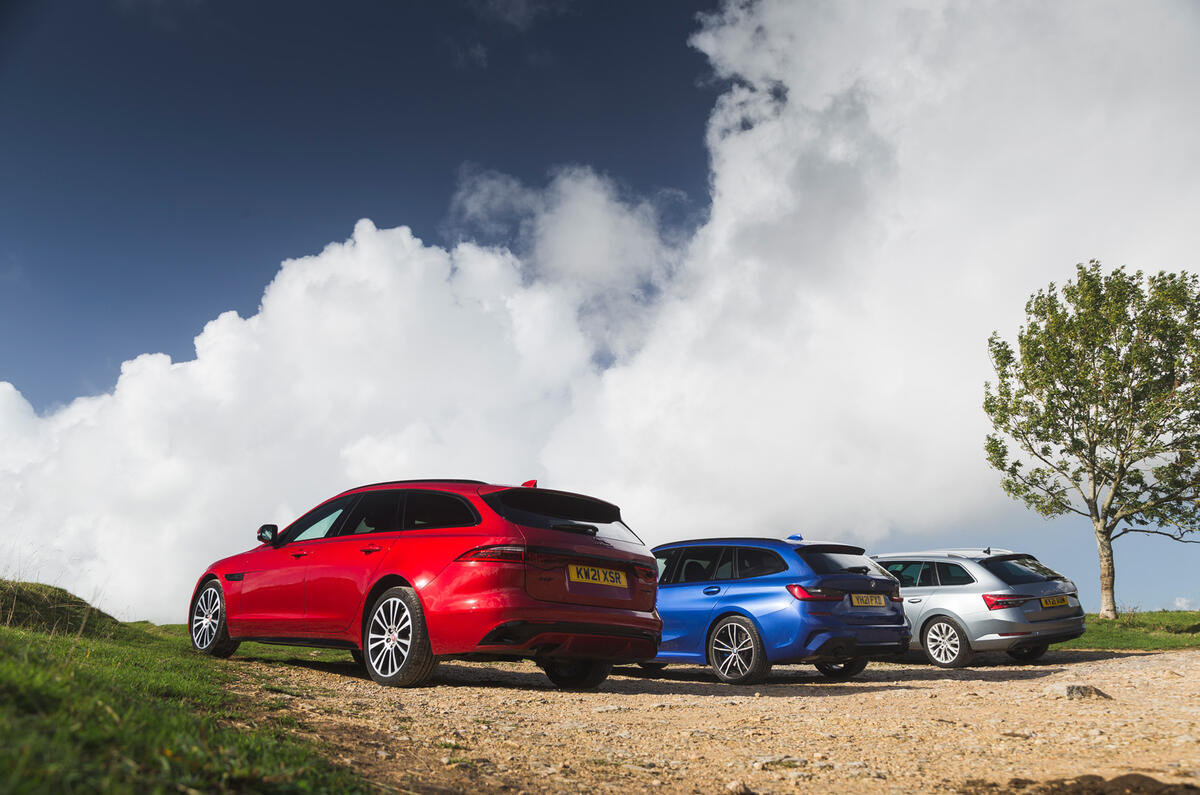
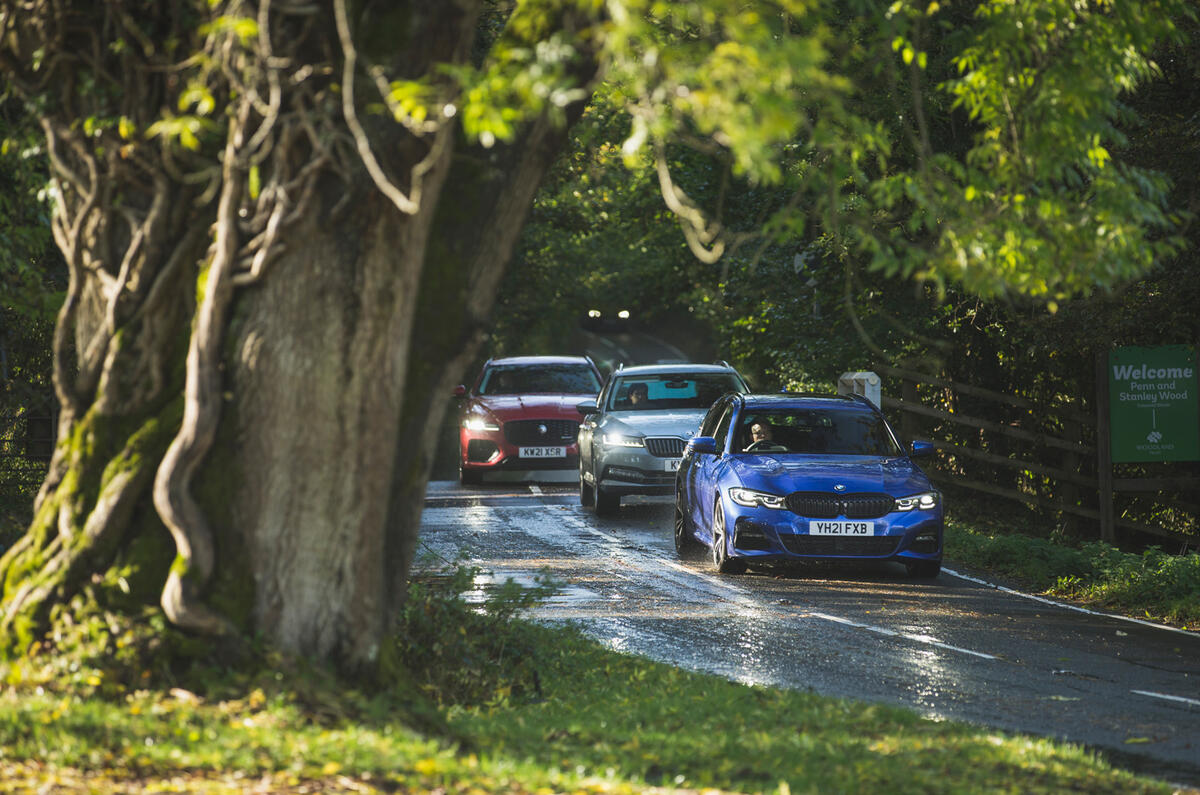




The seemingly never-ending SUV boom has left a trail of destruction in the sales charts, with everything from city cars to executive cars left fighting for their lives on the showroom floor as buyers make a beeline for their bulked-up, off-the-beaten-track-biased brothers.
With almost every class and niche being given an injection of ride height and a big dose of chunky body cladding, the fate of less overtly outdoorsy offerings looks increasingly precarious. The stark truth is that if it doesn’t look like it will tackle the north face of the Eiger as comfortably as the North Circular, most buyers don’t get that excited.
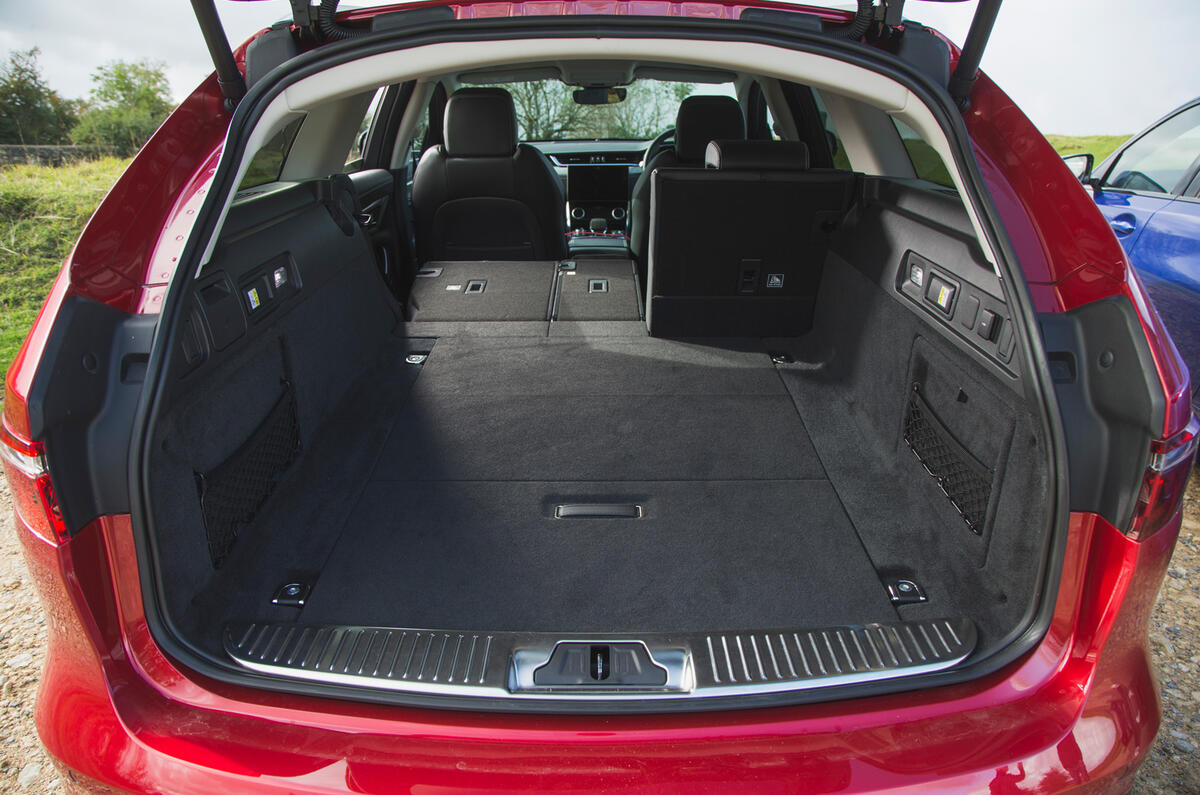
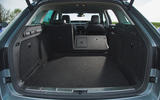
And perhaps no sub-species has been harder hit than the estate car. Once the obvious option for those wanting more space for growing families or to indulge in hauling large objects or outlandish lifestyle pursuits, load-luggers have been increasingly usurped by SUVs that look bigger and more versatile on the outside, yet rarely deliver any more carrying capacity.
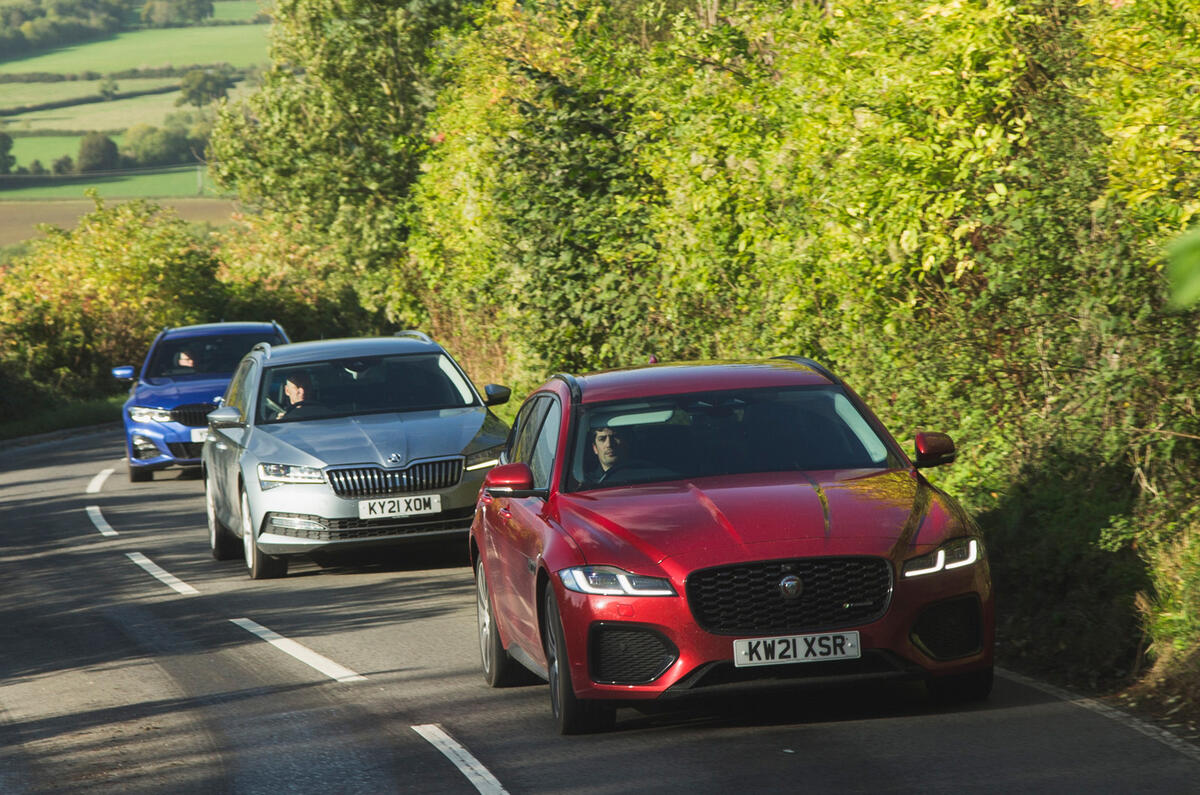
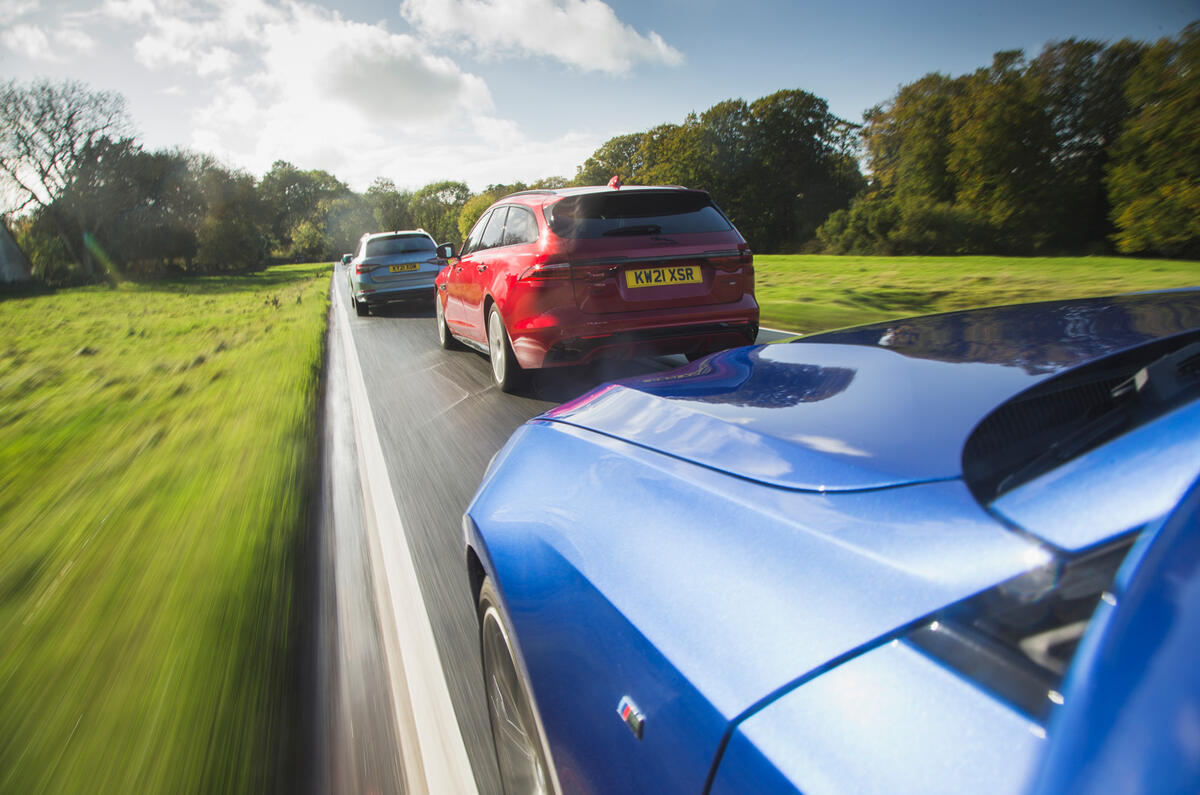
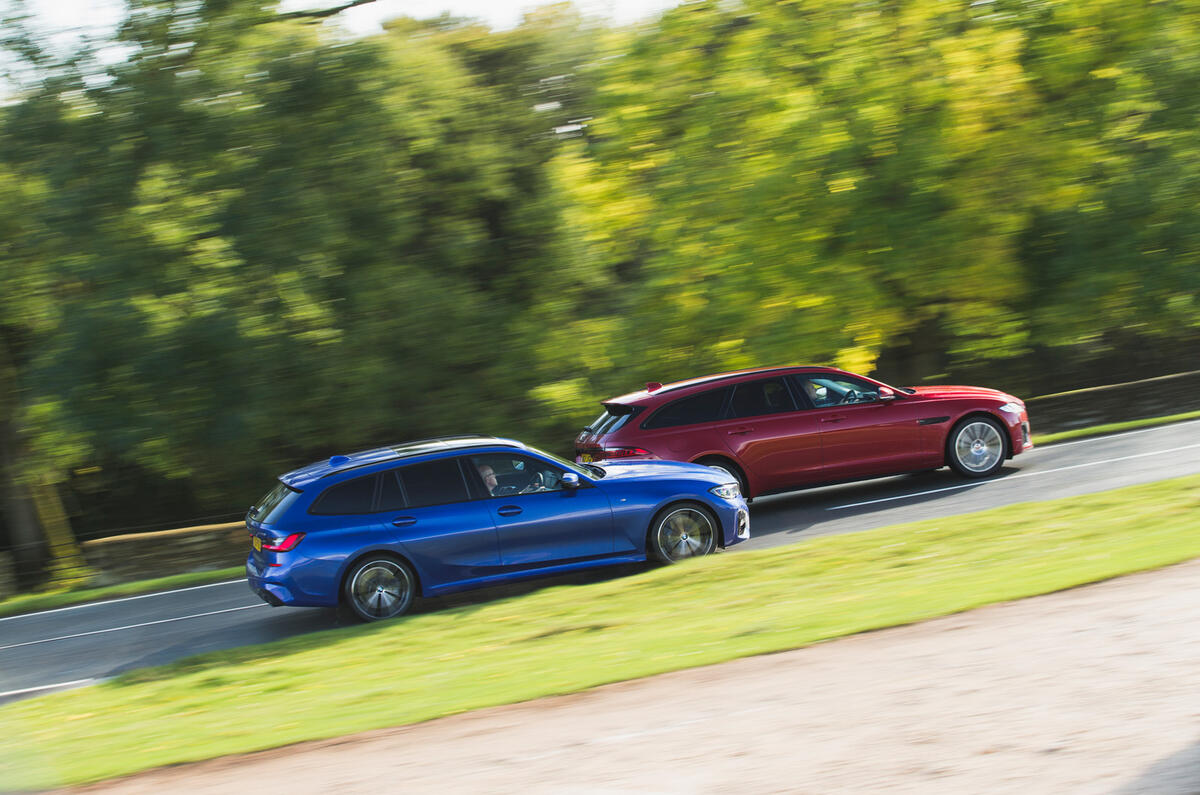
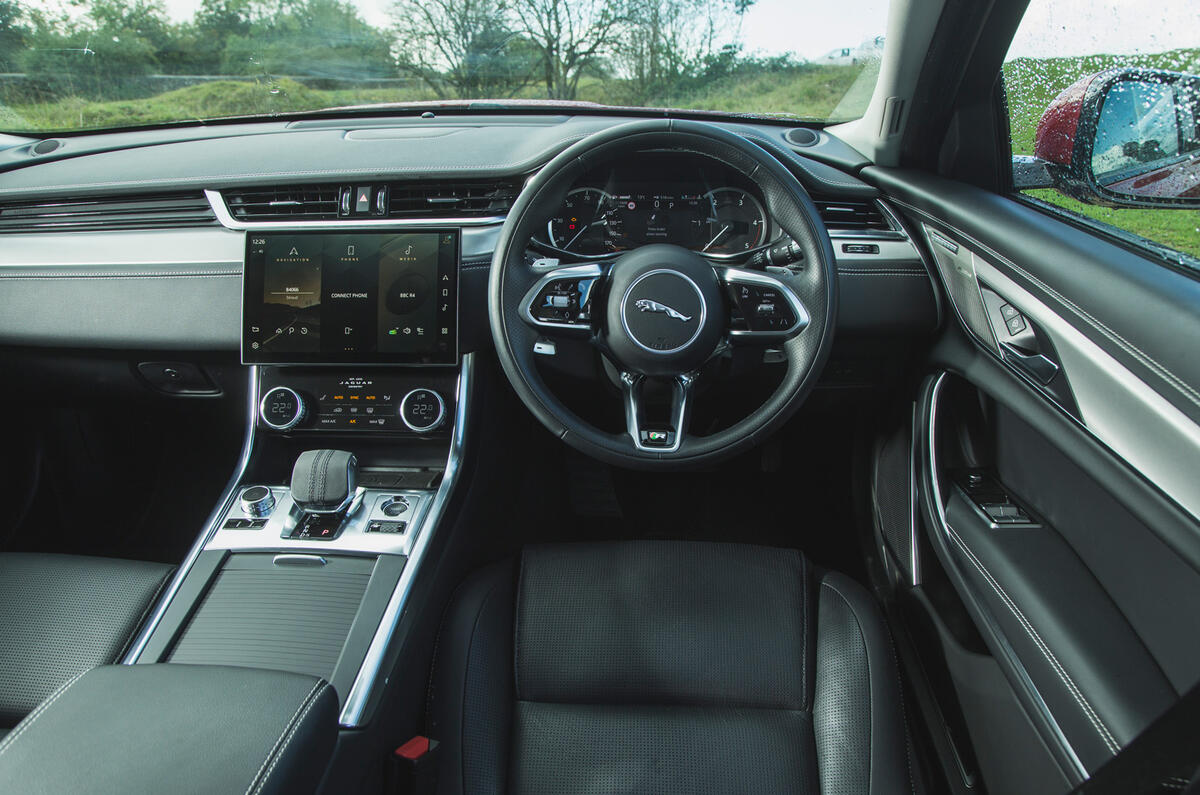
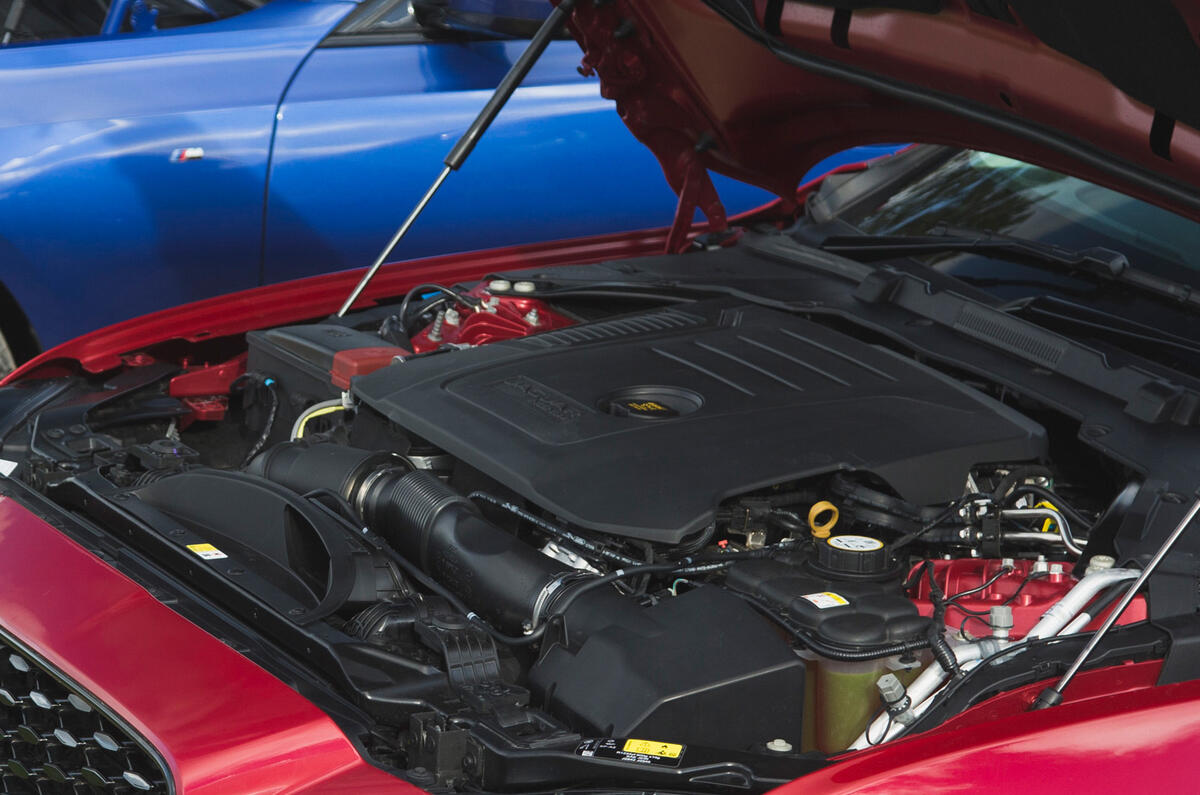
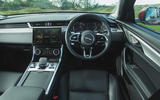
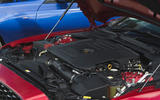
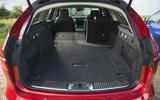
Even so, not everyone has given up on these wonder wagons, and certainly not Jaguar, which recently refreshed its XF Sportbrake. As you would expect, there are sharpened looks, a classier interior and a range of engines that give greater performance while using less fuel. So far, so predictable. However, it’s not just the sheet metal that has been massaged: the prices have been, too, but not in the way you would think.

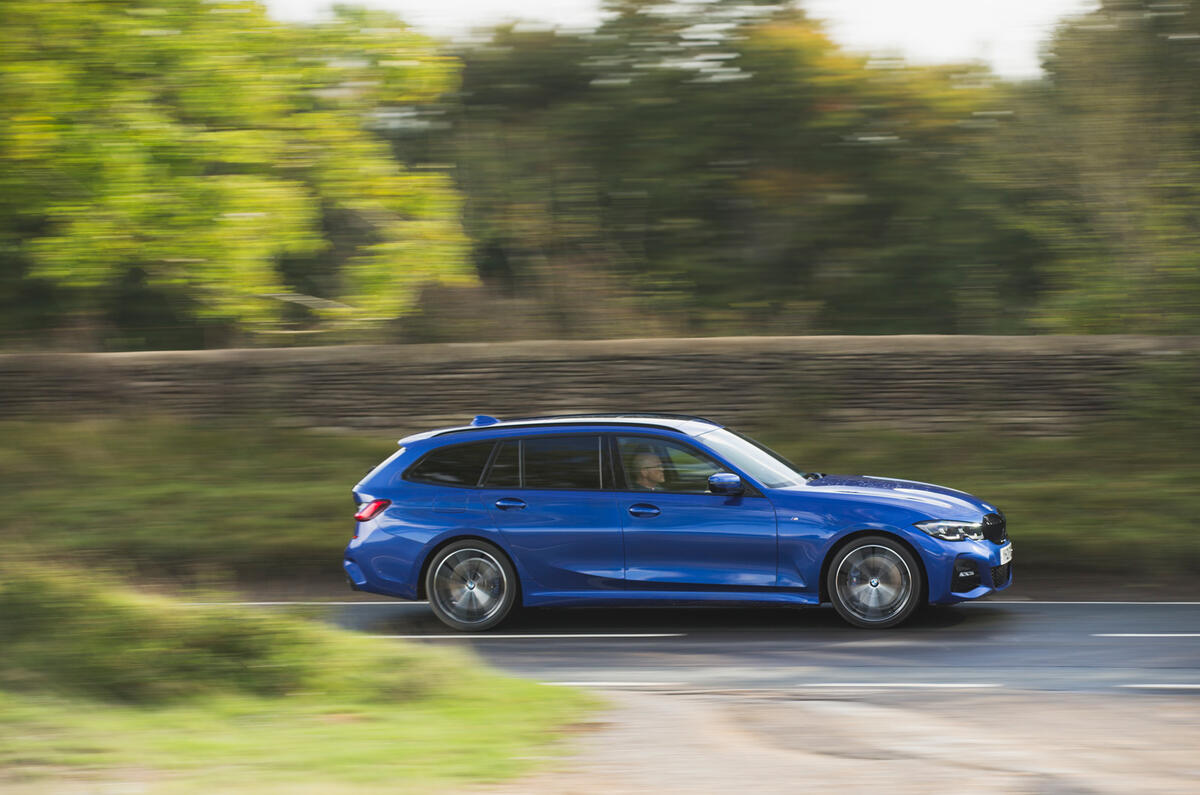
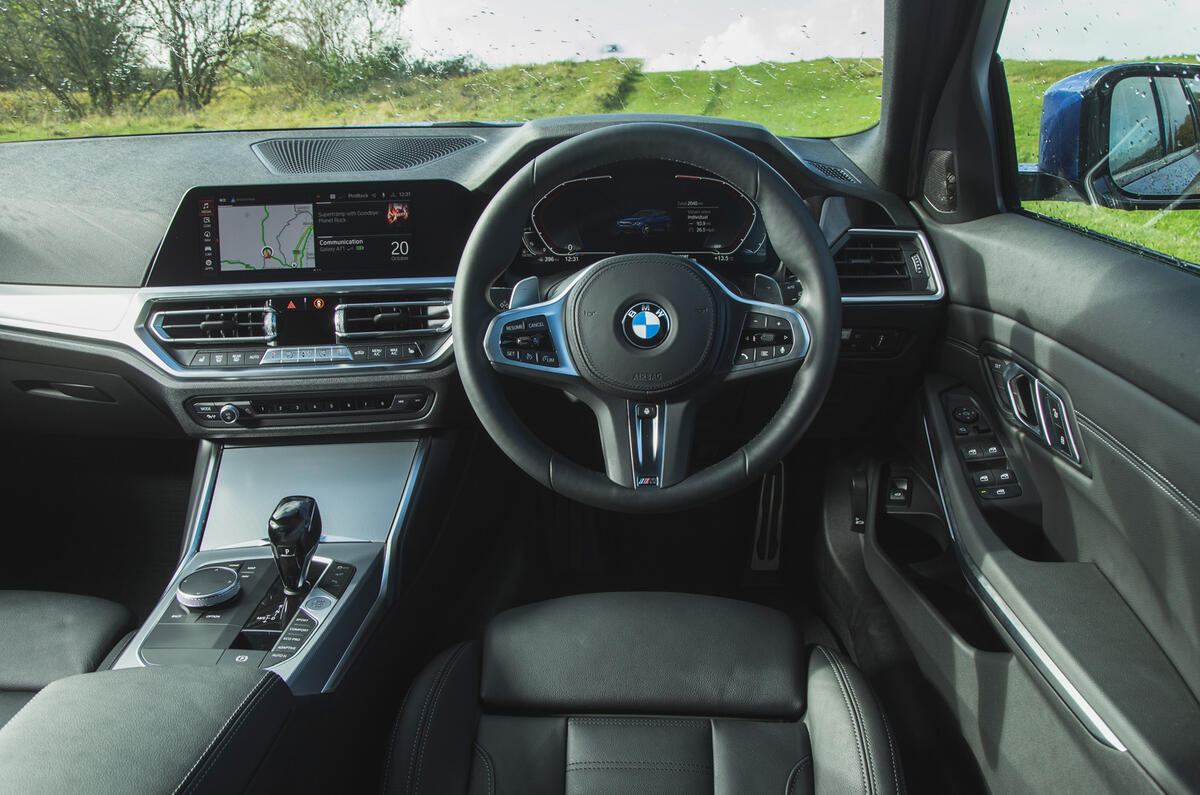
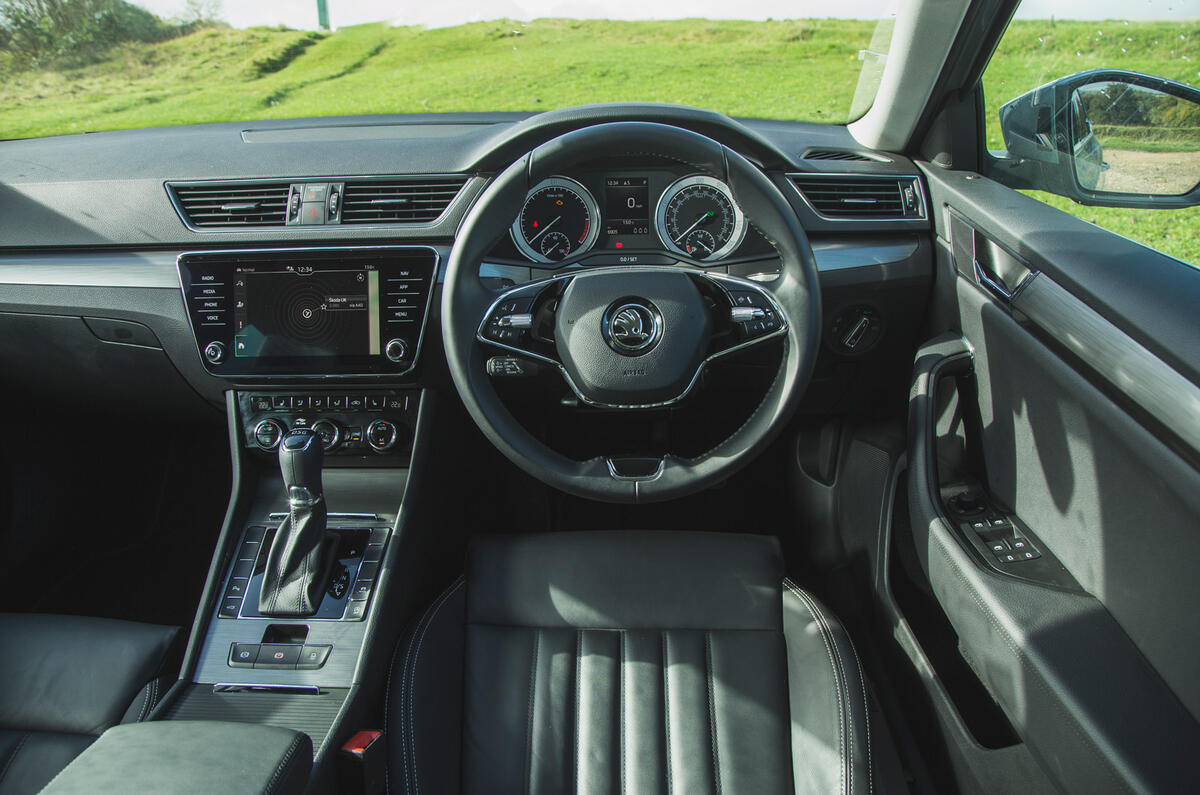
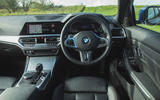
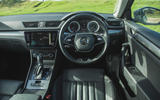
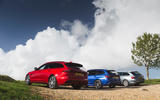
You see, unlike almost every product and service at the moment, the cost of owning this big cat has actually gone down. As in the past (think the E-Type going up against the Aston Martin DB6 or the XJ40 against the W140 Mercedes S-Class), Jaguar has gone back to its more-for-less roots. In fact, the accountants at Coventry have taken a rather large knife to the numbers, which throws up some interesting possibilities, particularly when it comes to rivals.