
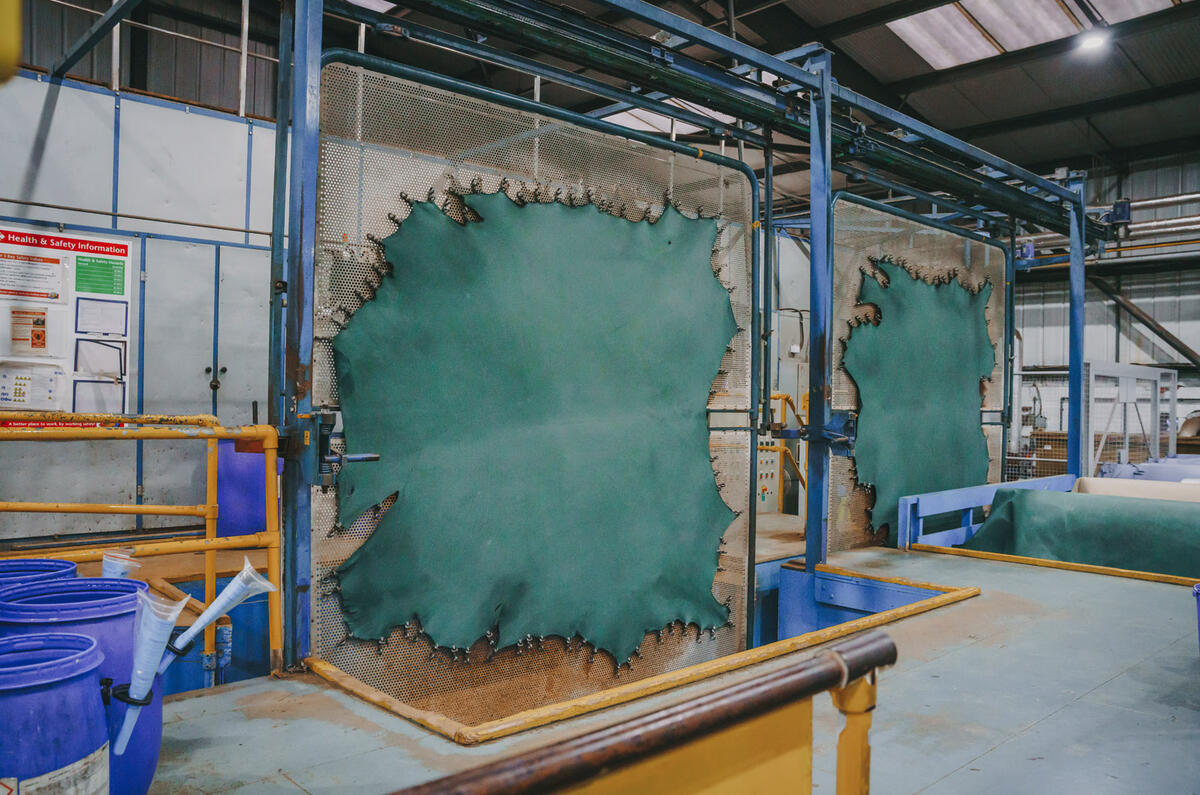
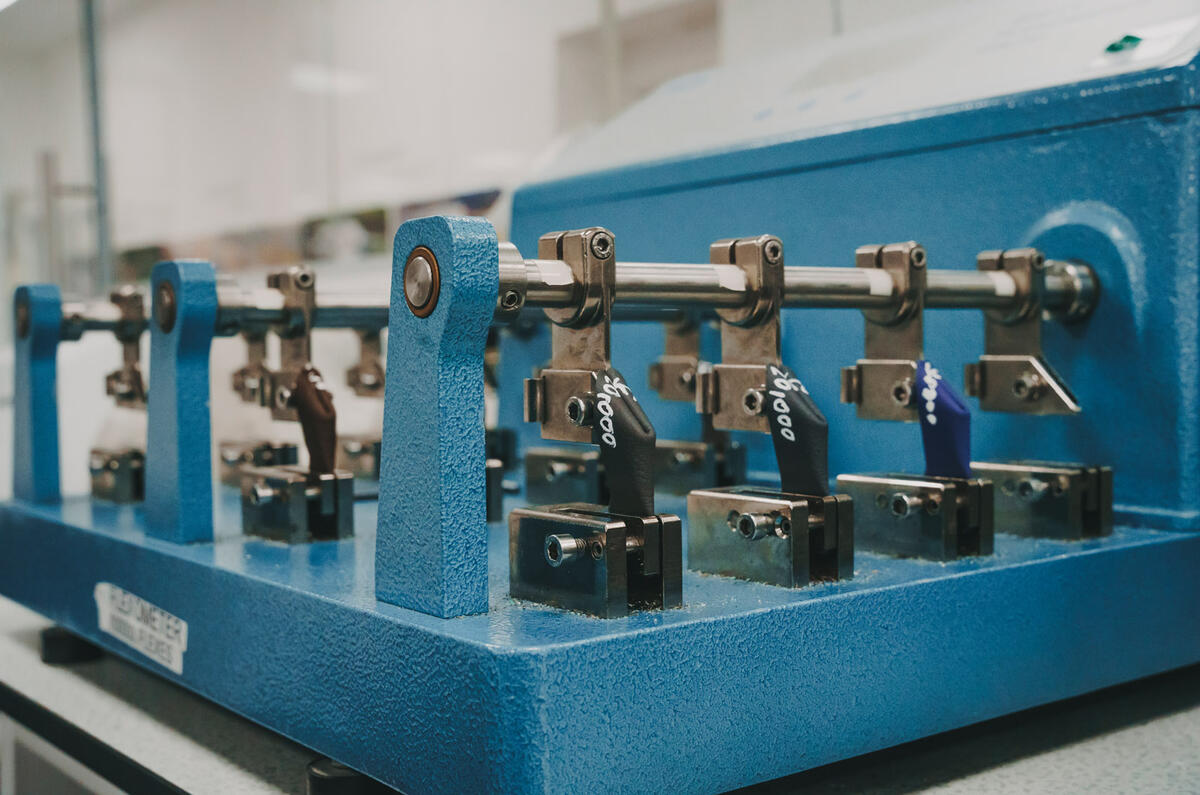
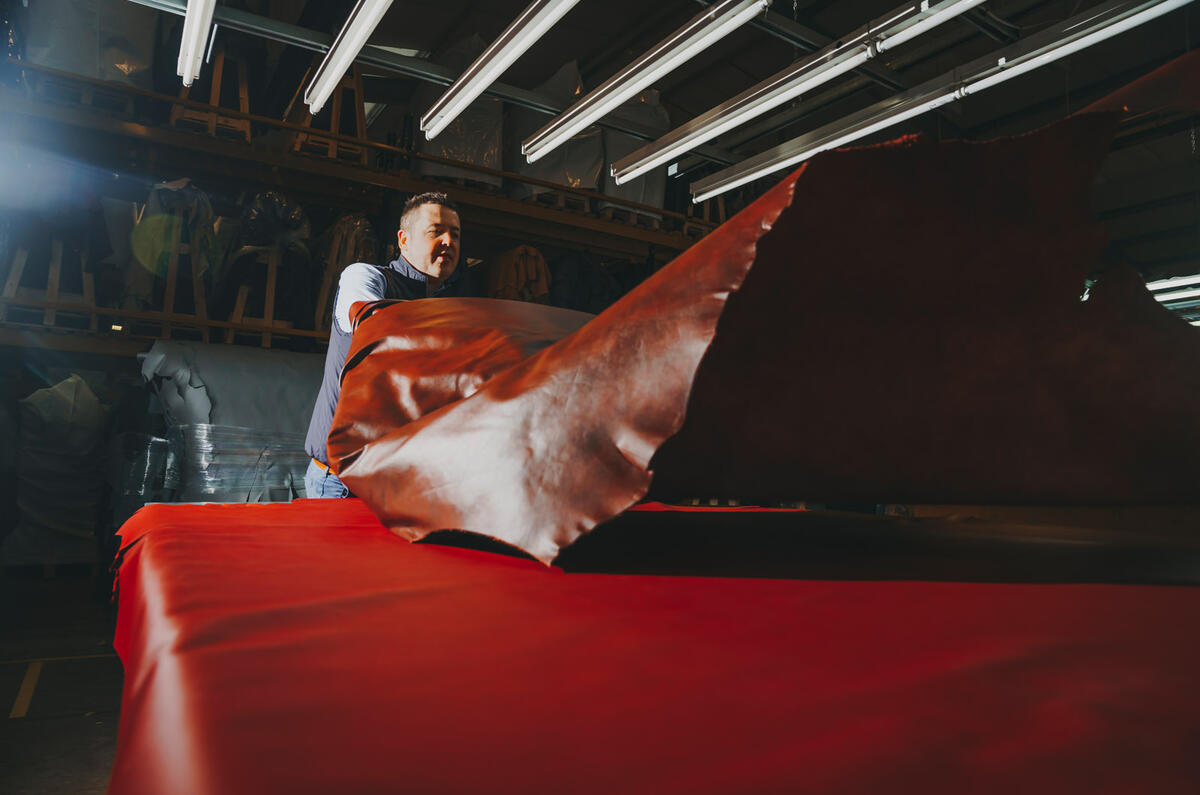
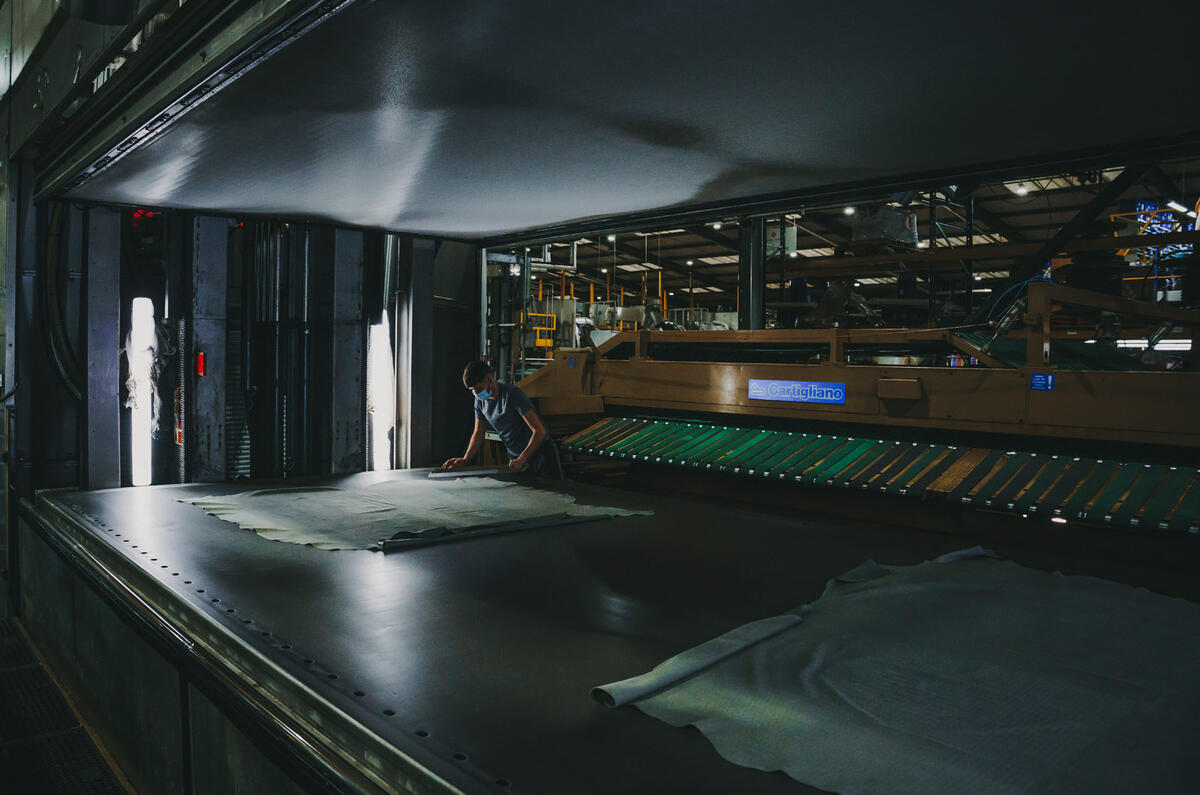


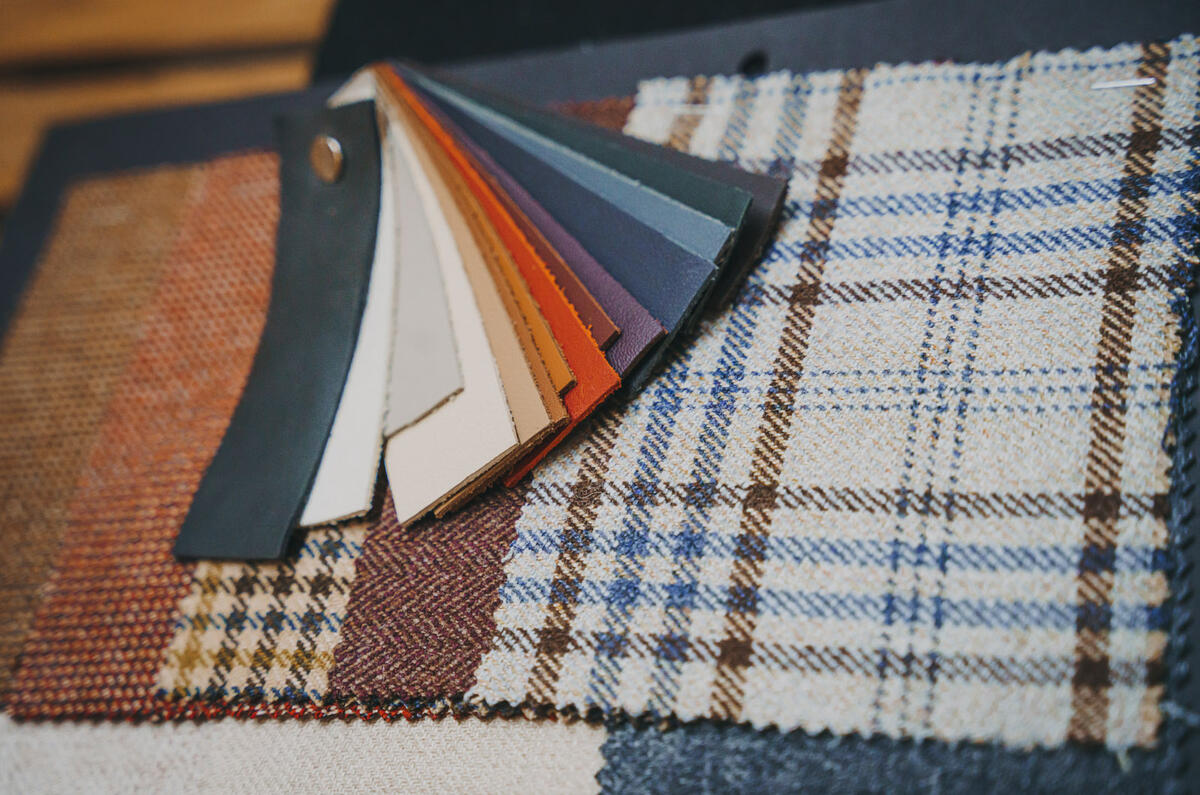
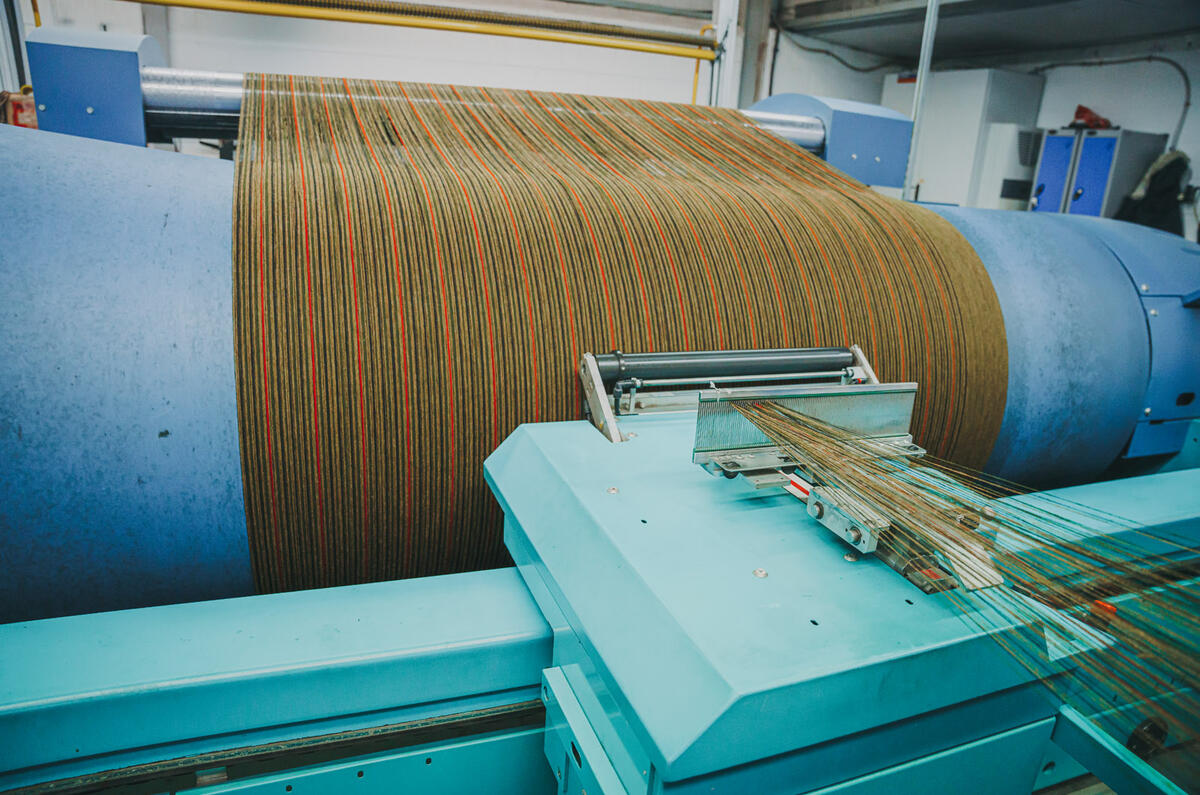
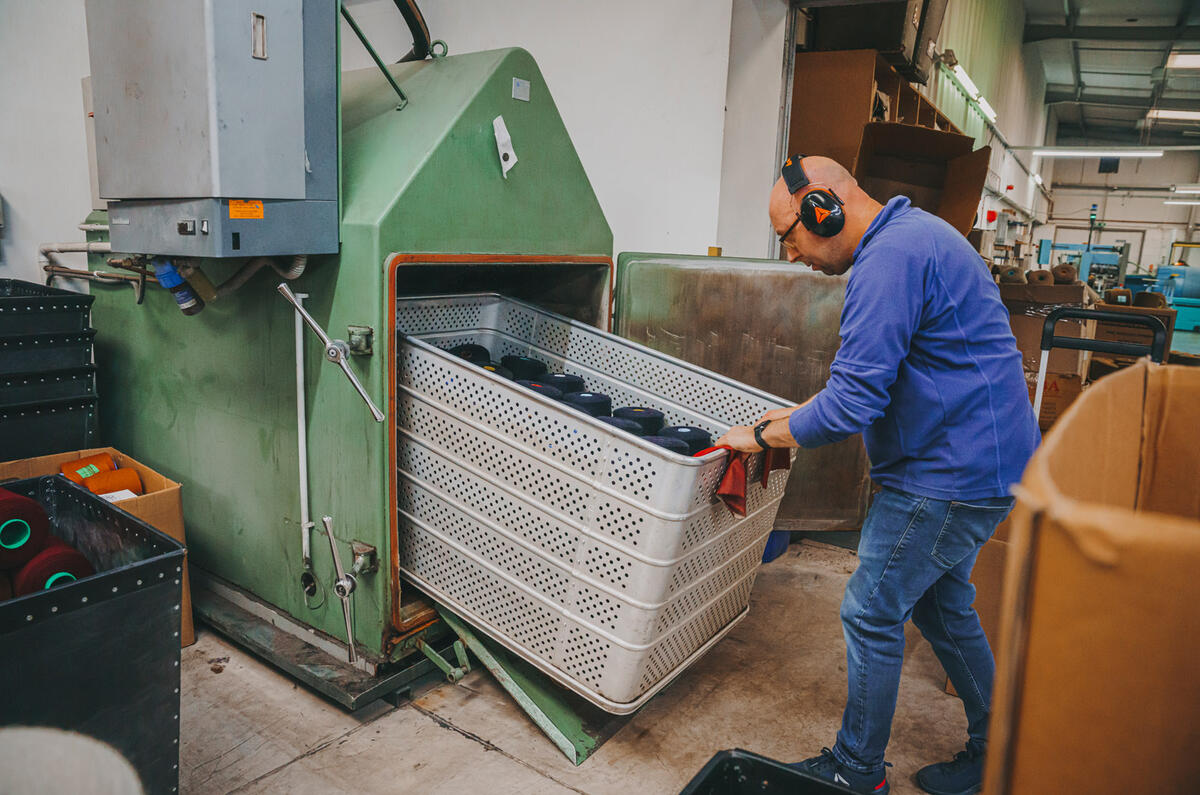
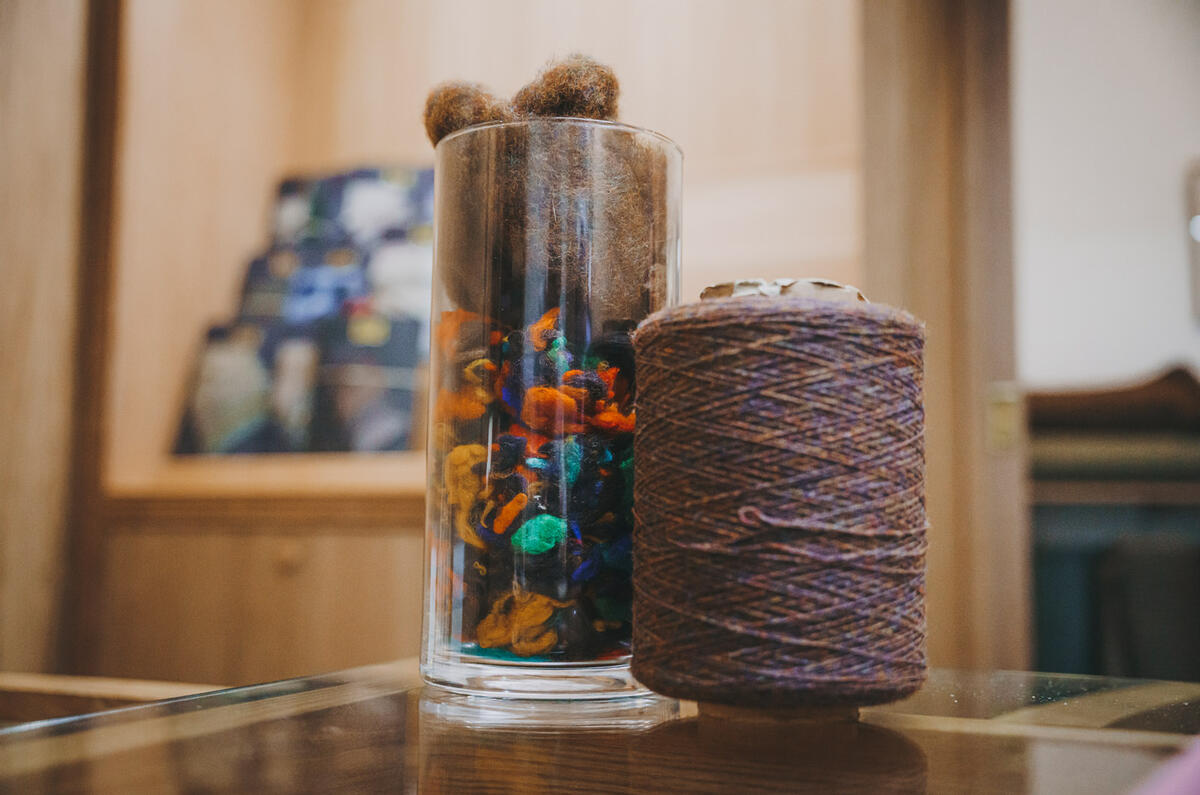
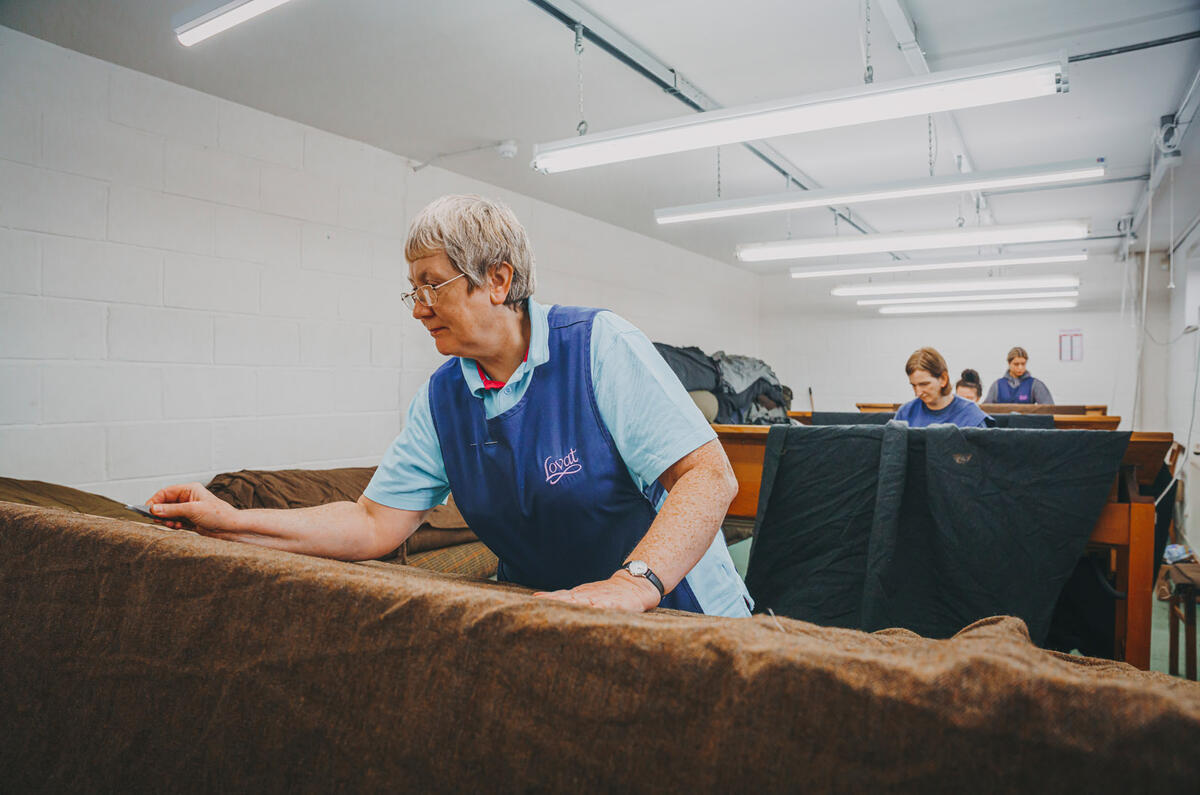
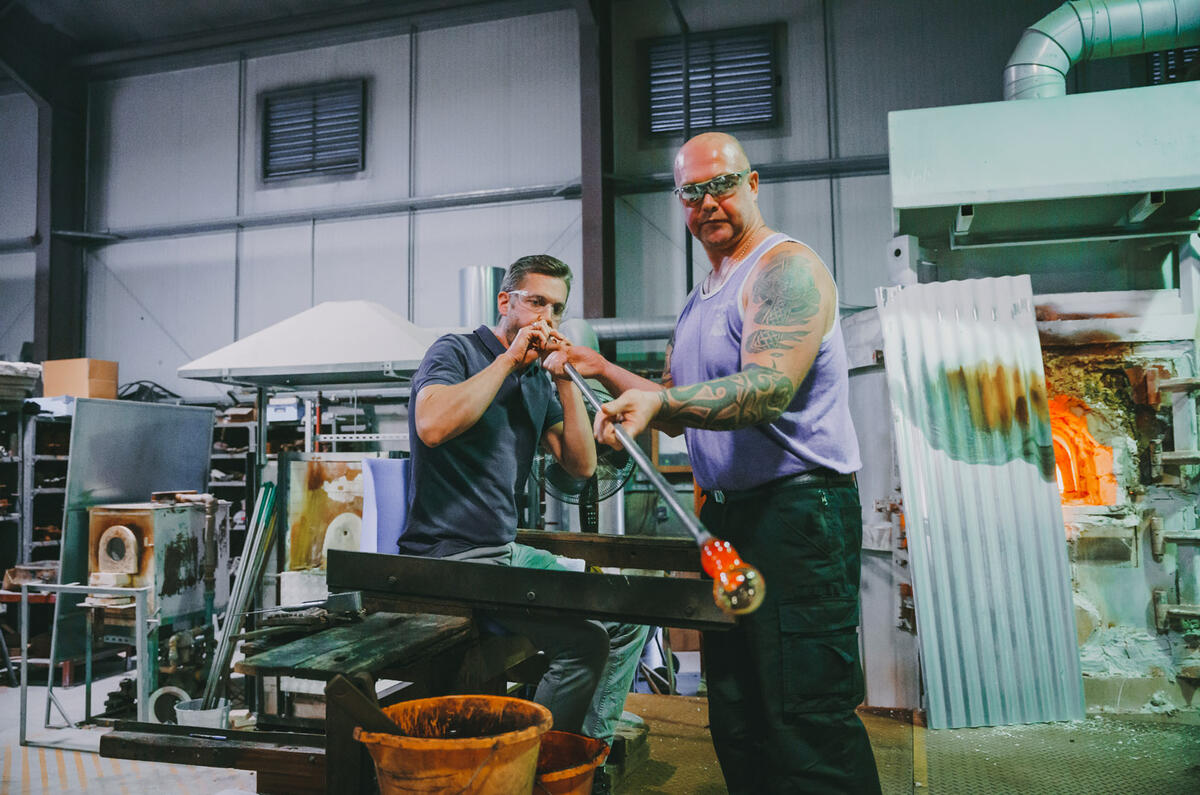

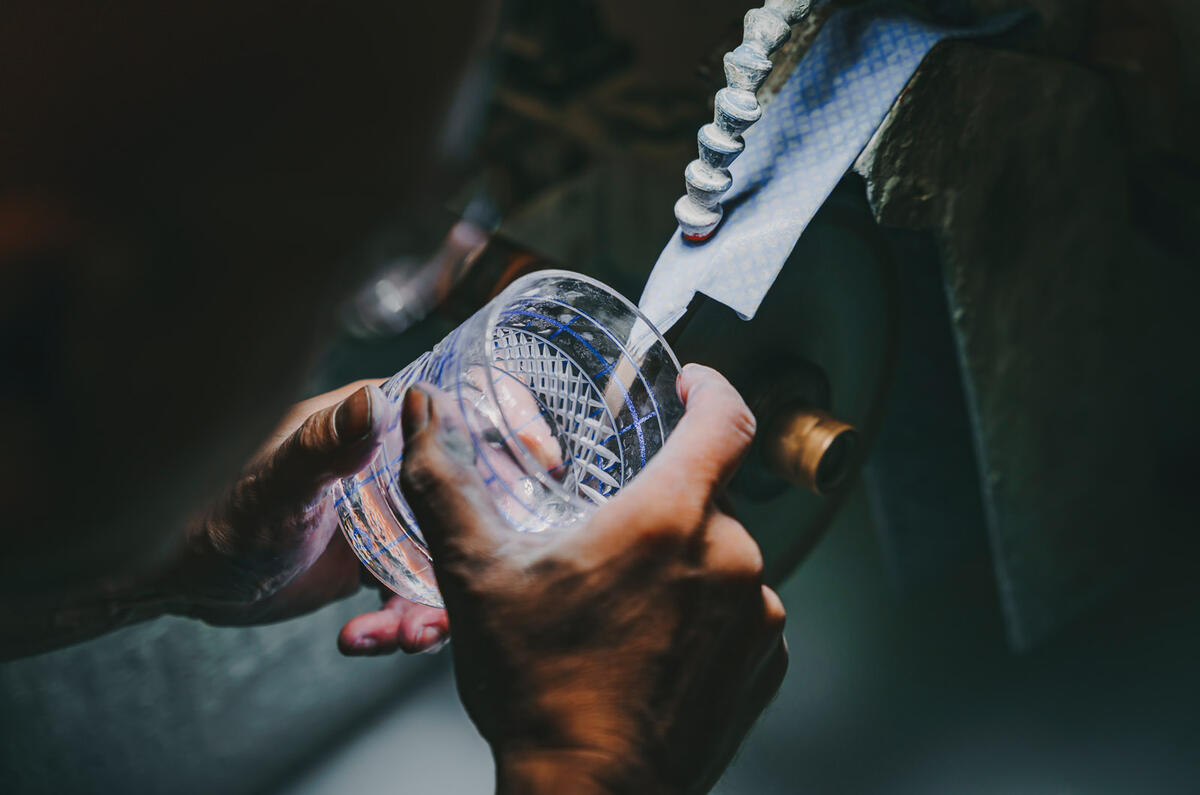
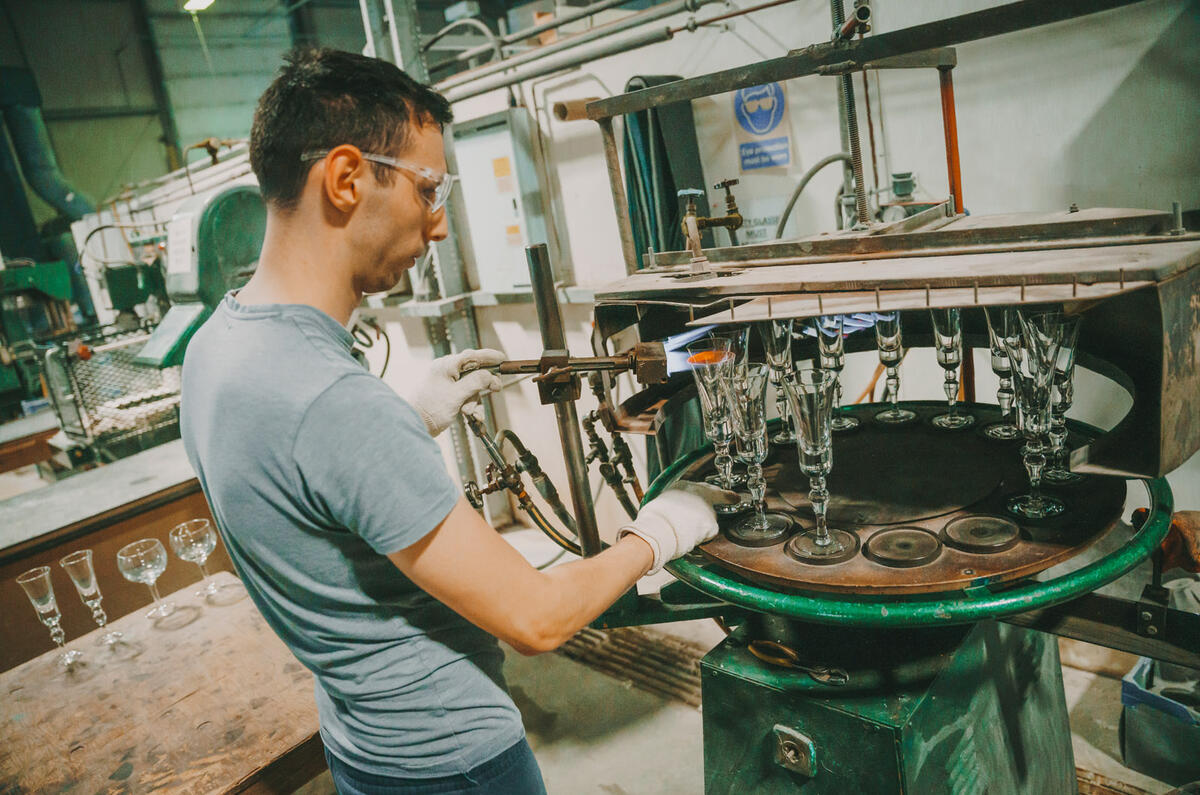
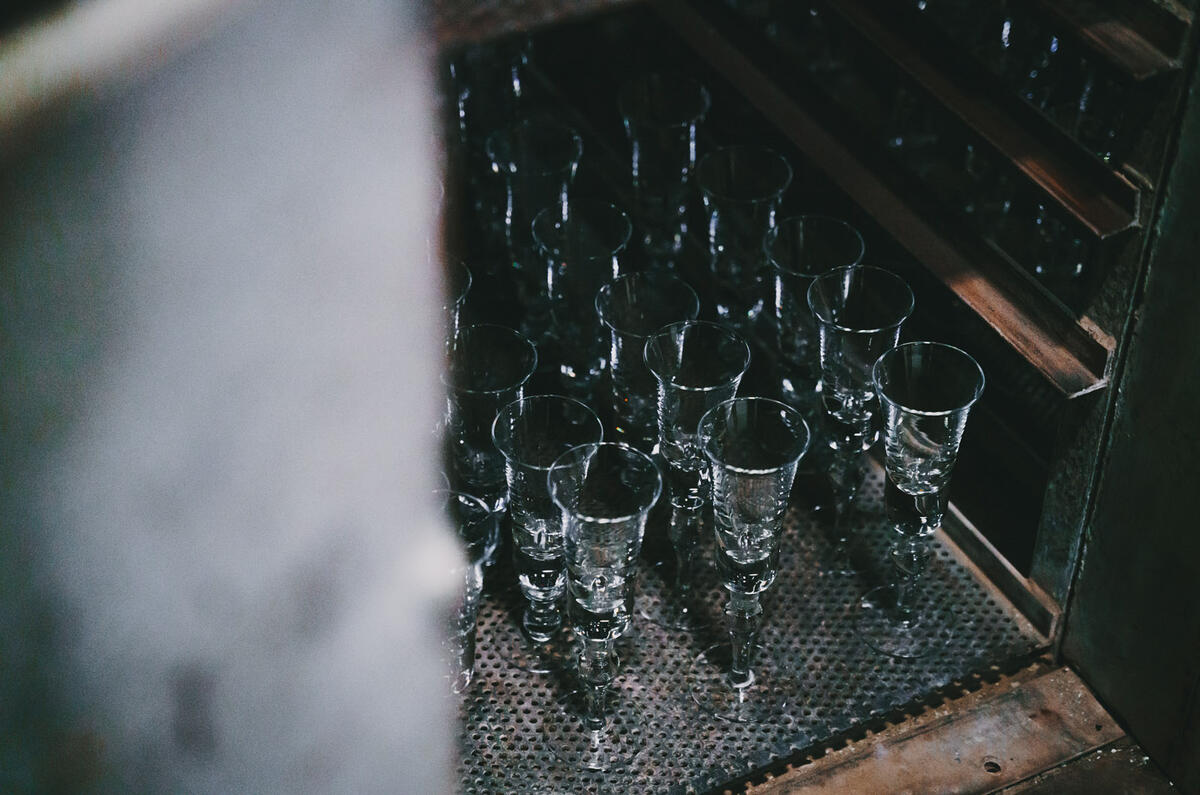
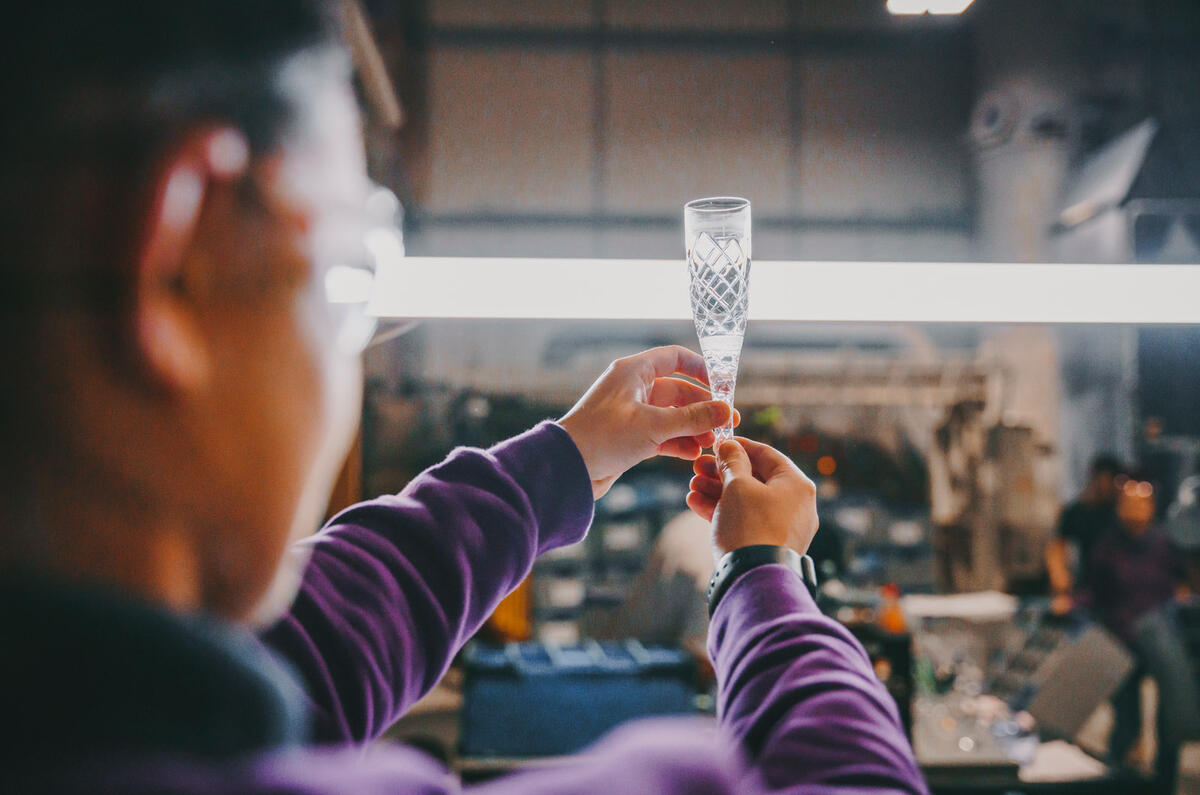
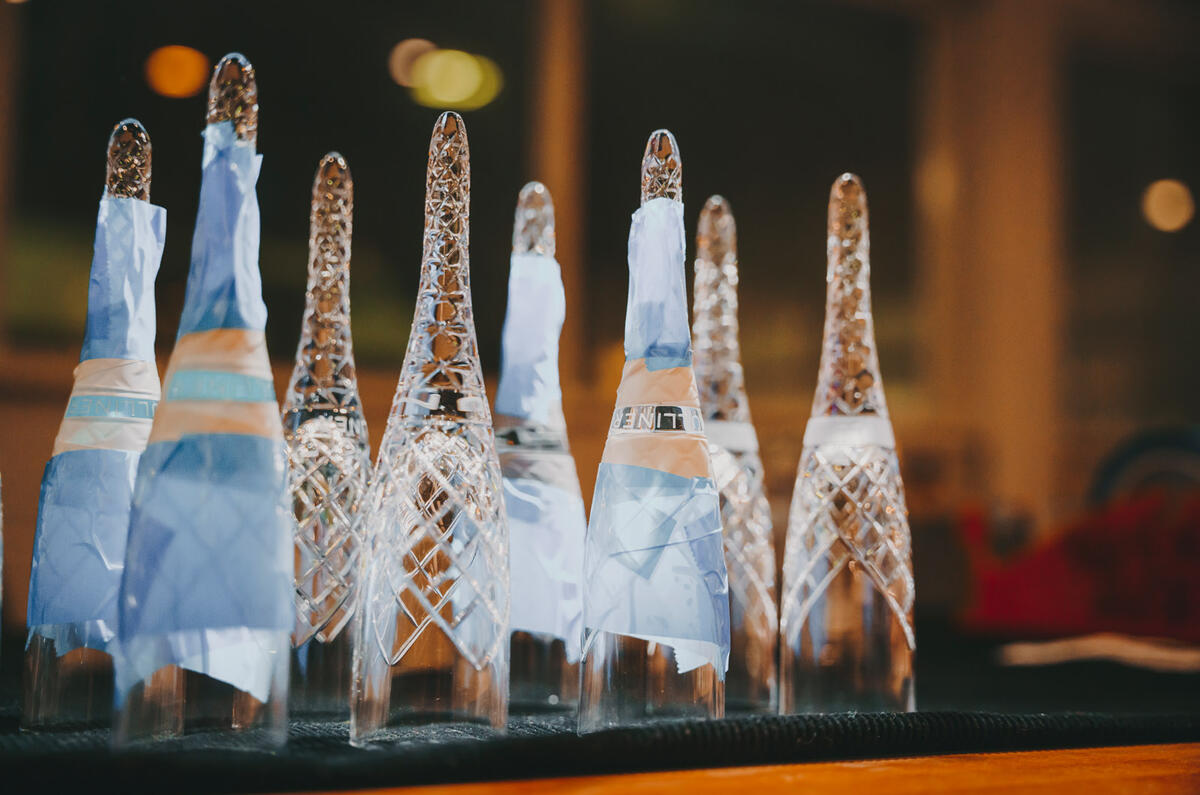
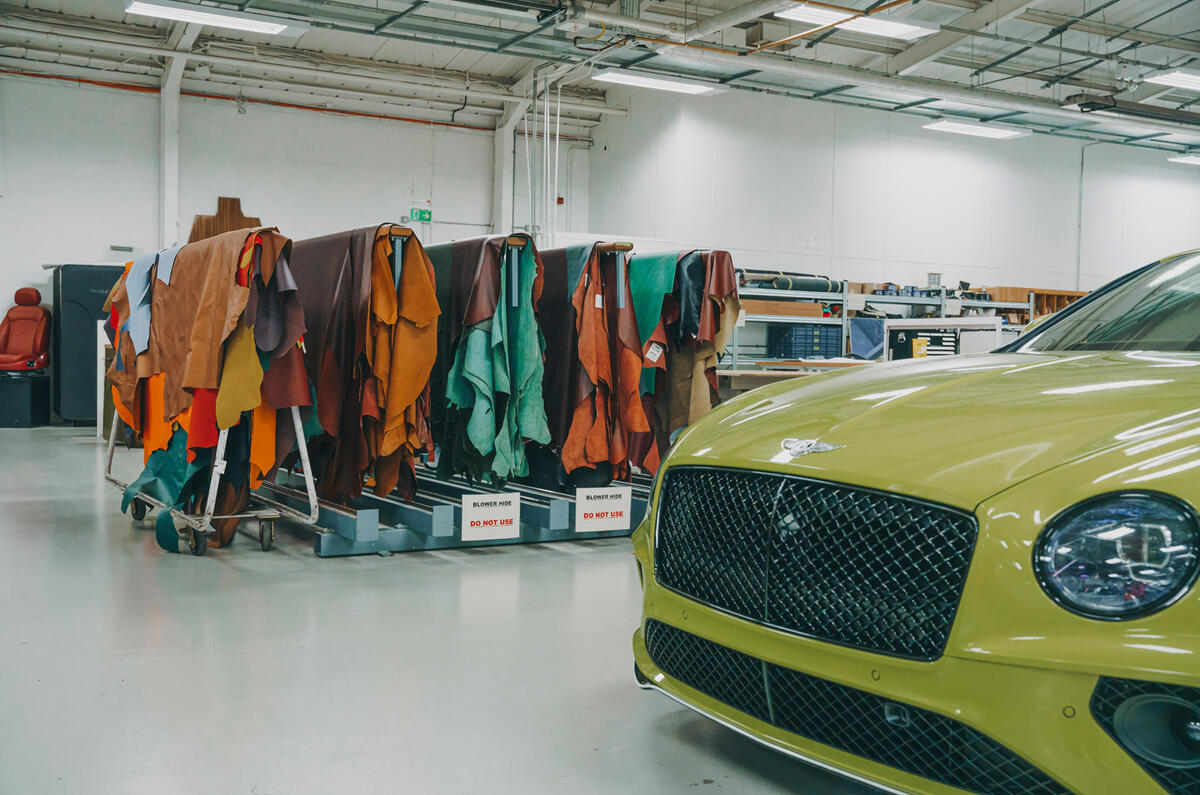

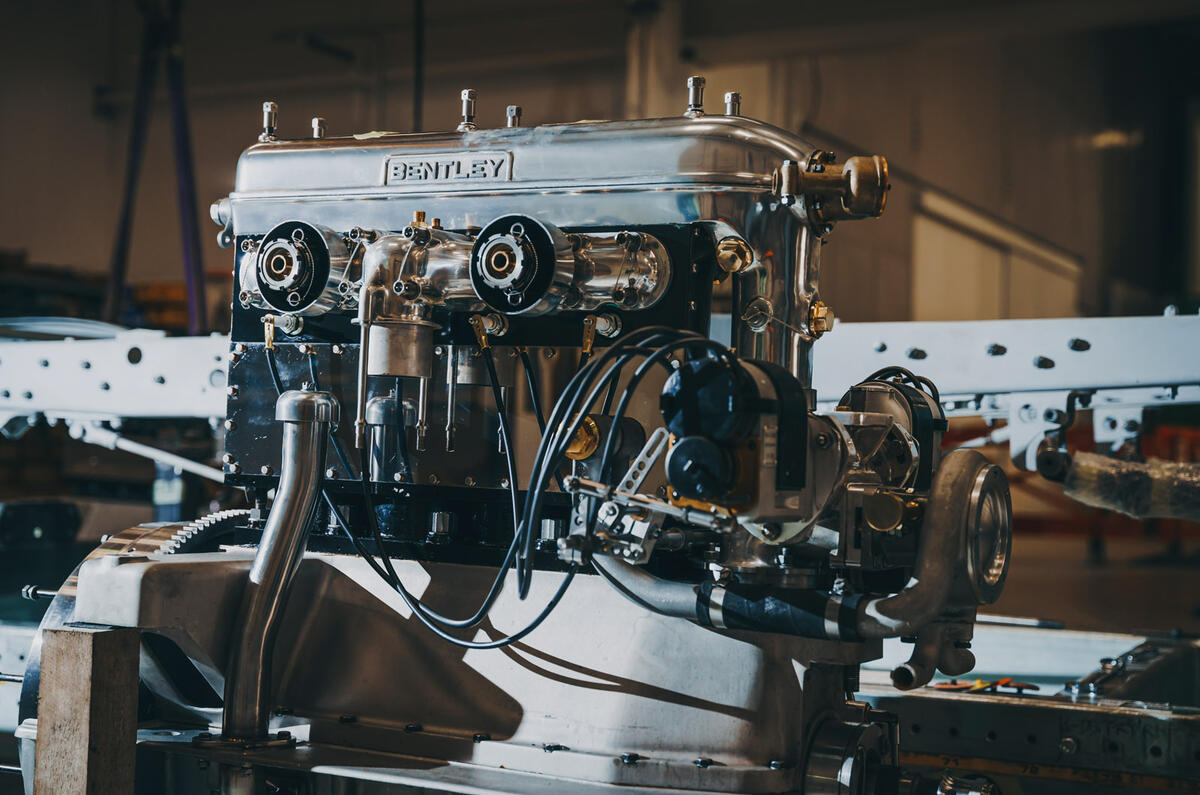
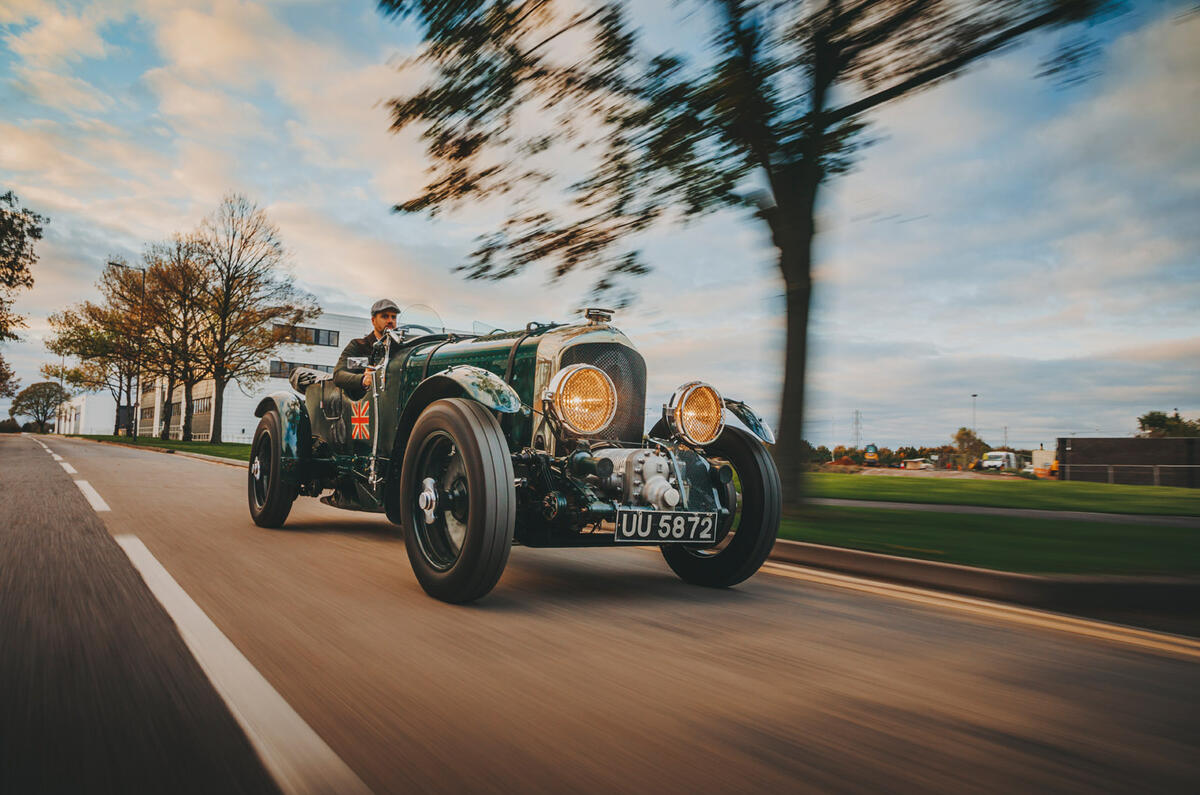
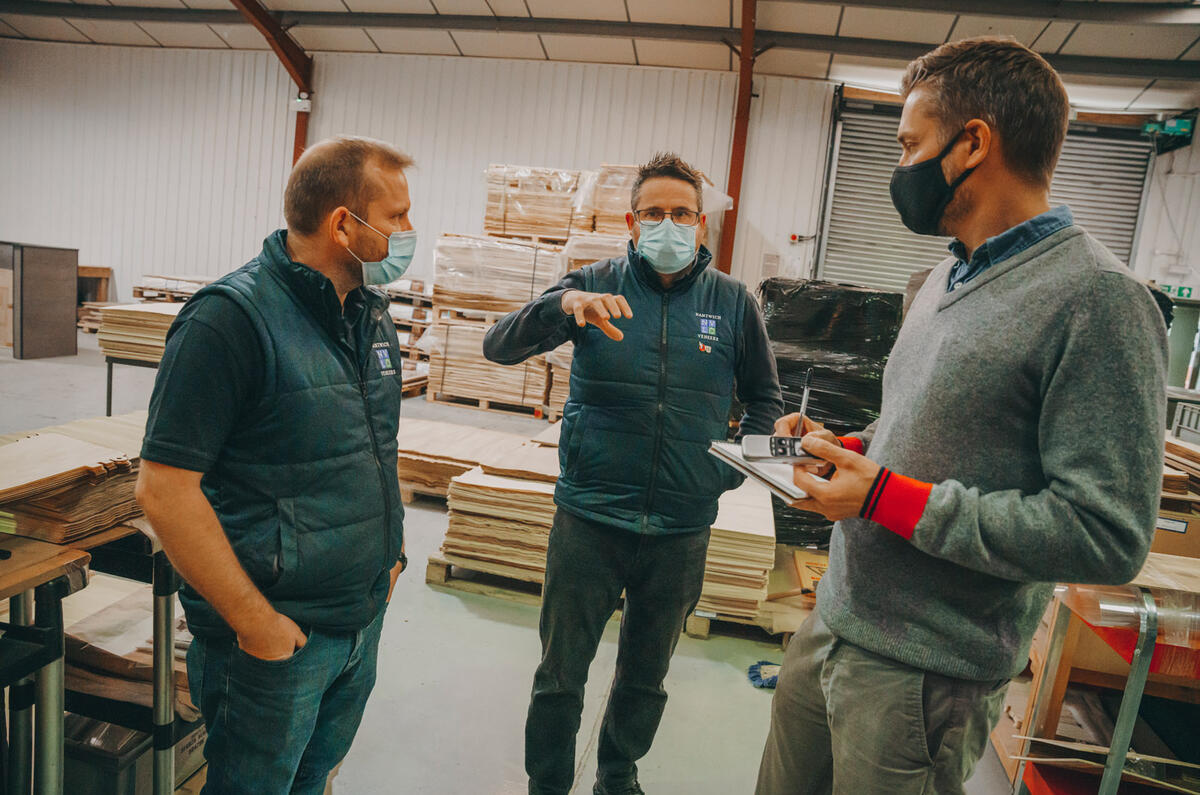
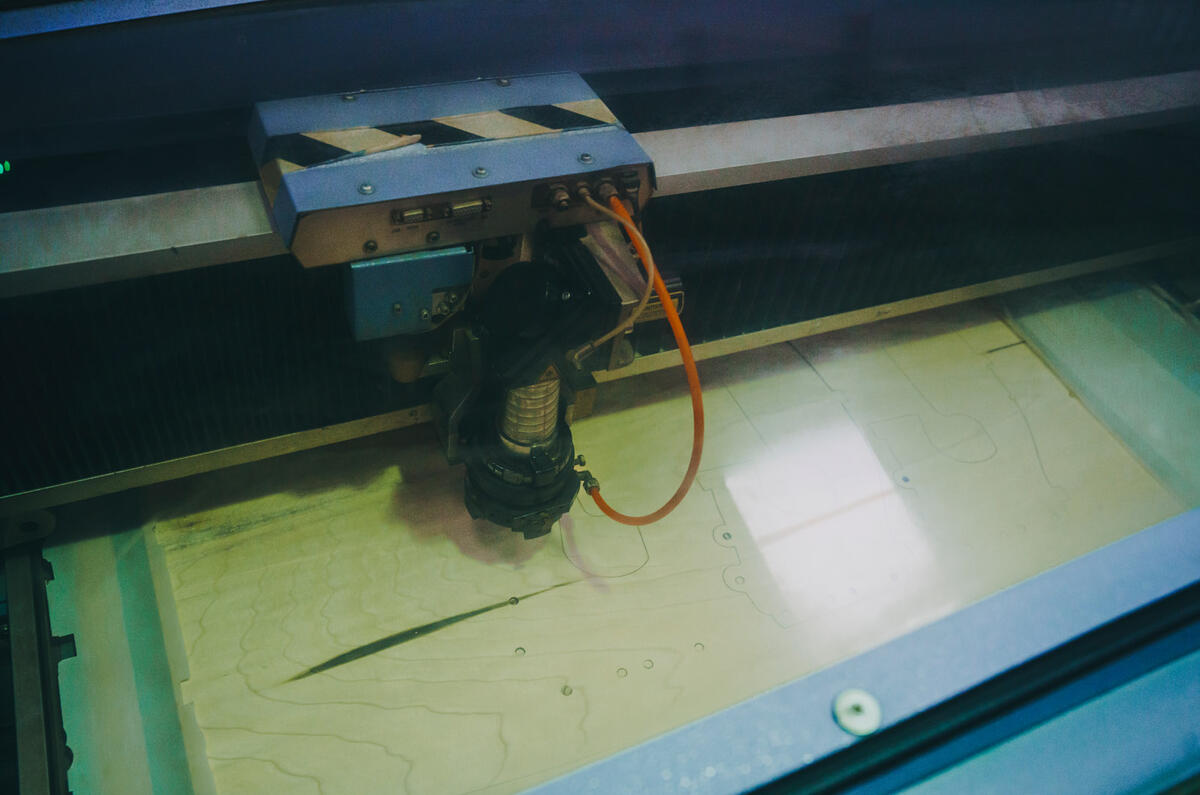
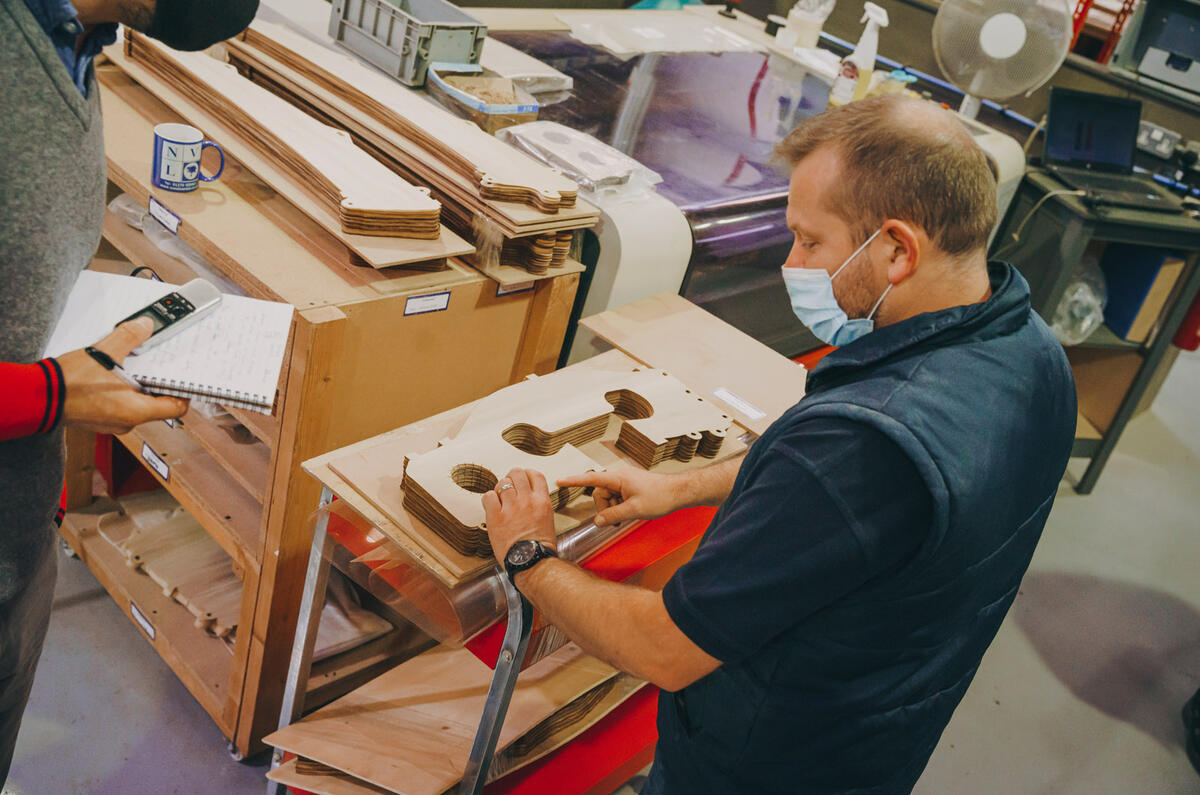
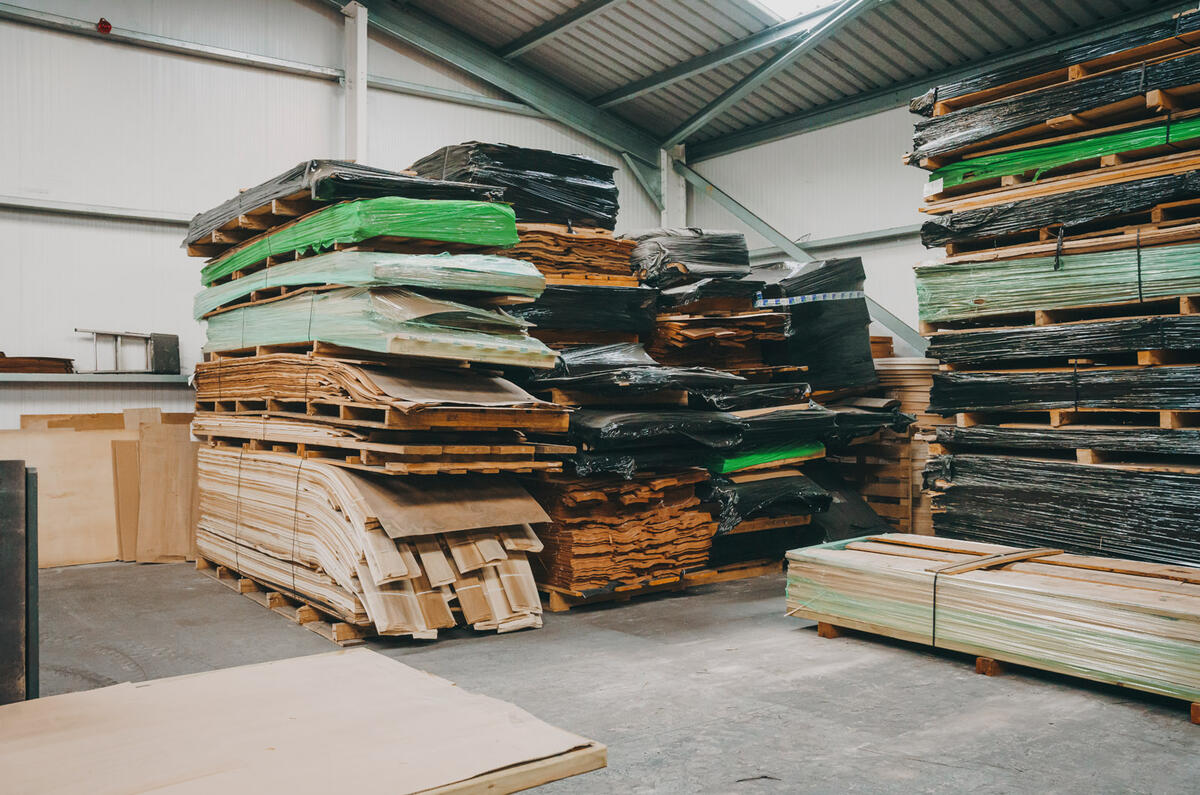
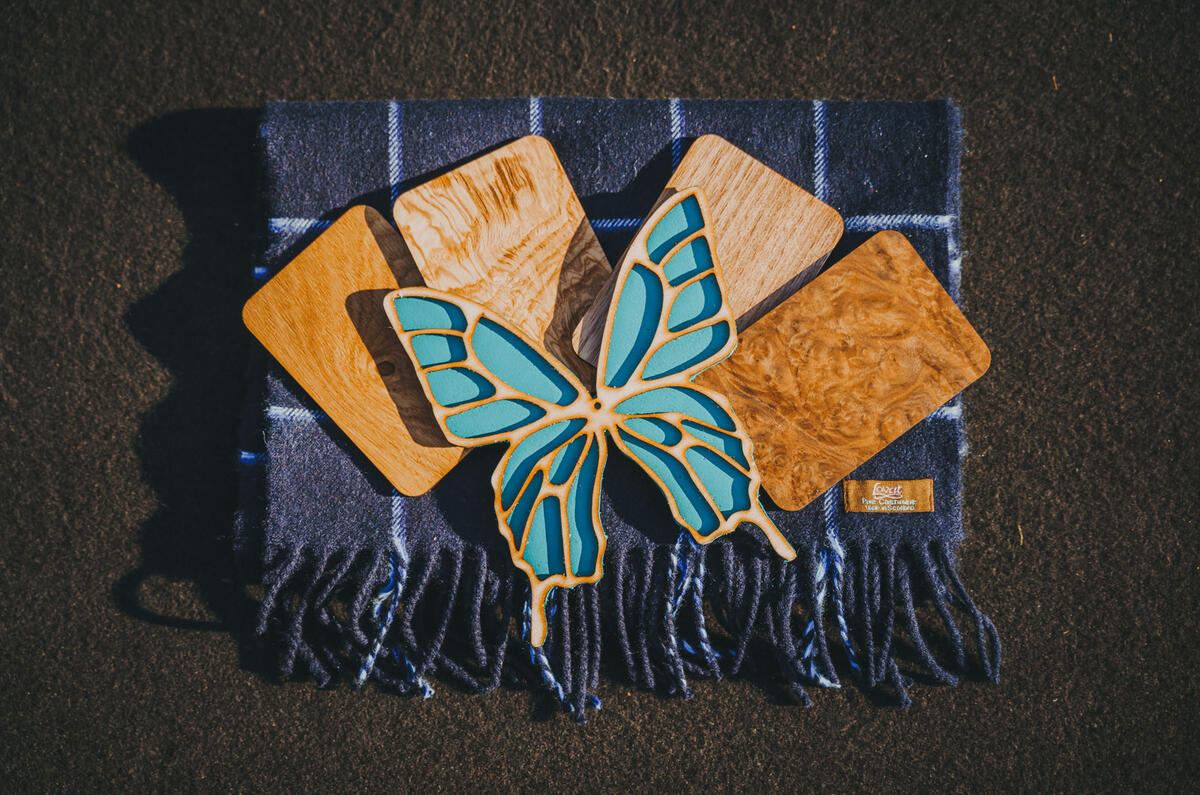















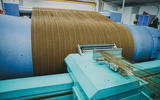
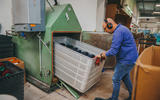

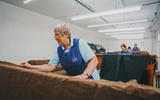








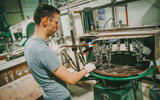


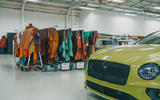













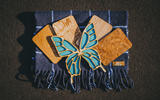

Within the likes of a Bentley, nature’s proceeds of timber, wool, hide and more are crafted from raw material into sophisticated and elegant yet functional finishes. They come together to create a cabin of atmosphere and comfort where synthetic materials might otherwise leave you cold. Yet the origins of these finishes are easily taken for granted. So we’re going on a road trip to discover the what, where, how and who of Bentley’s luxury interiors.
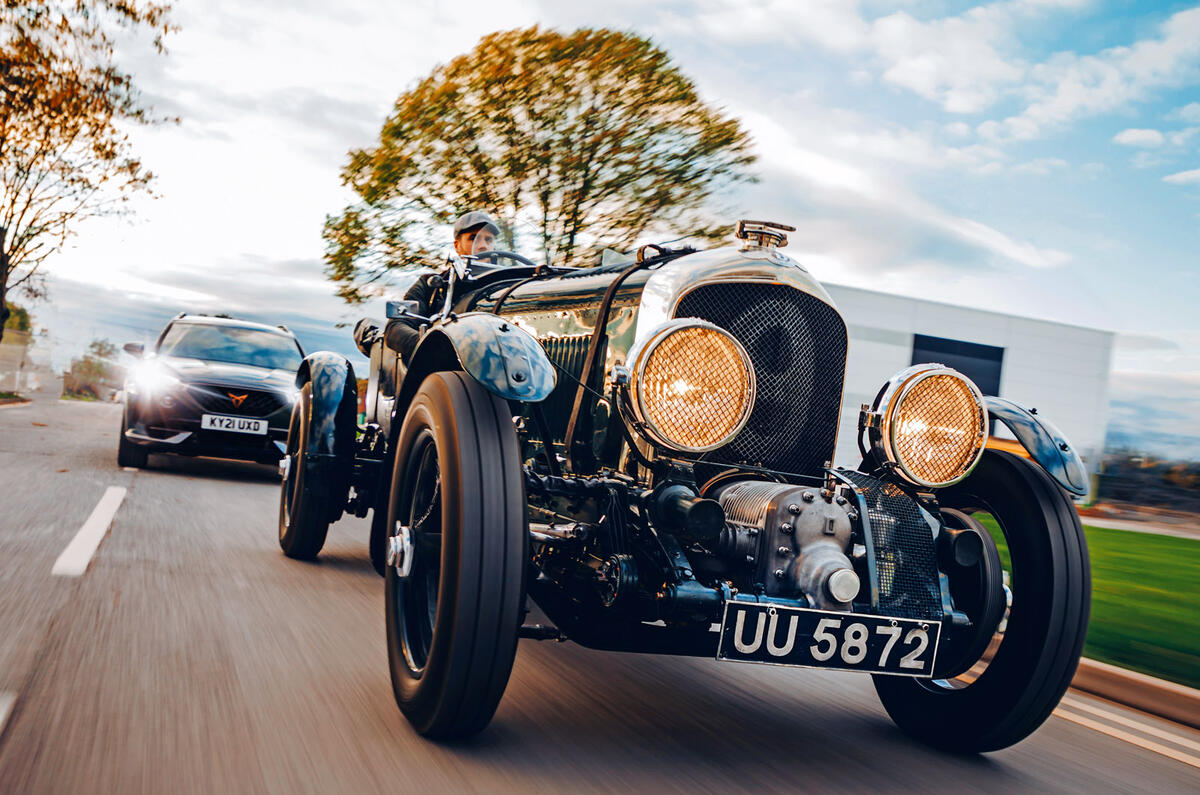
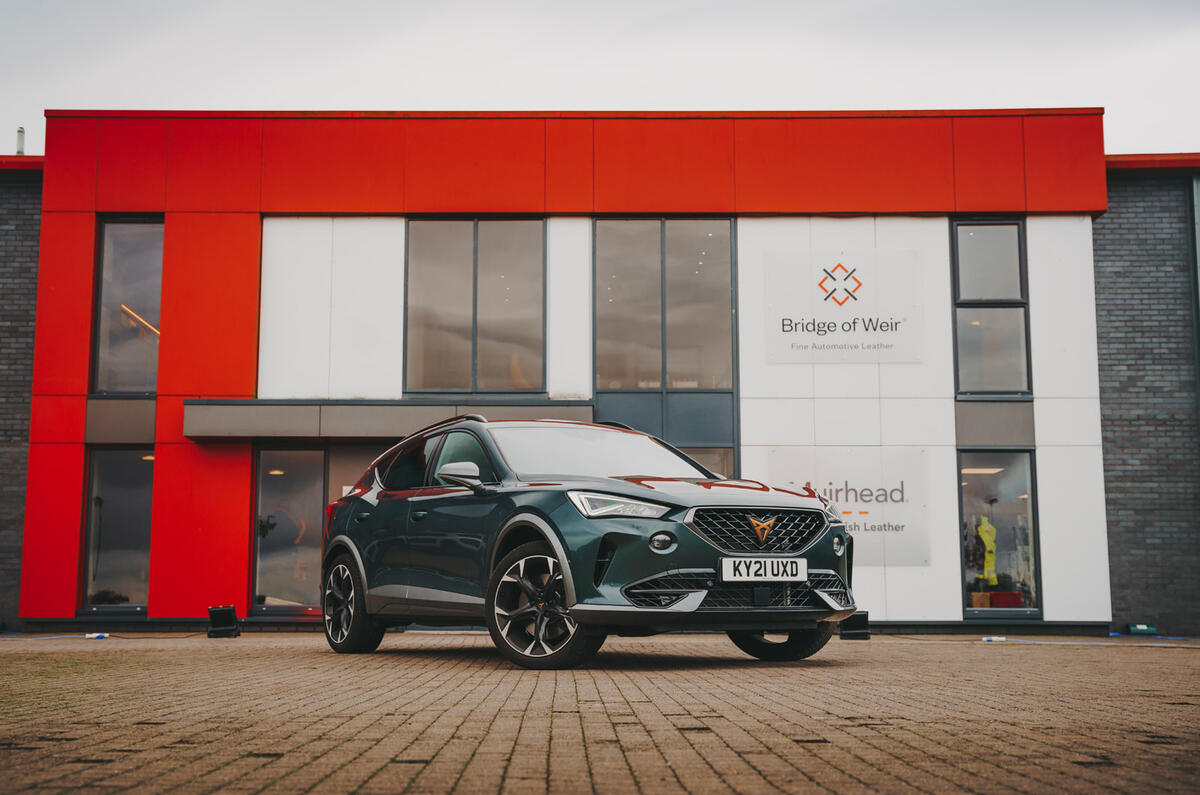
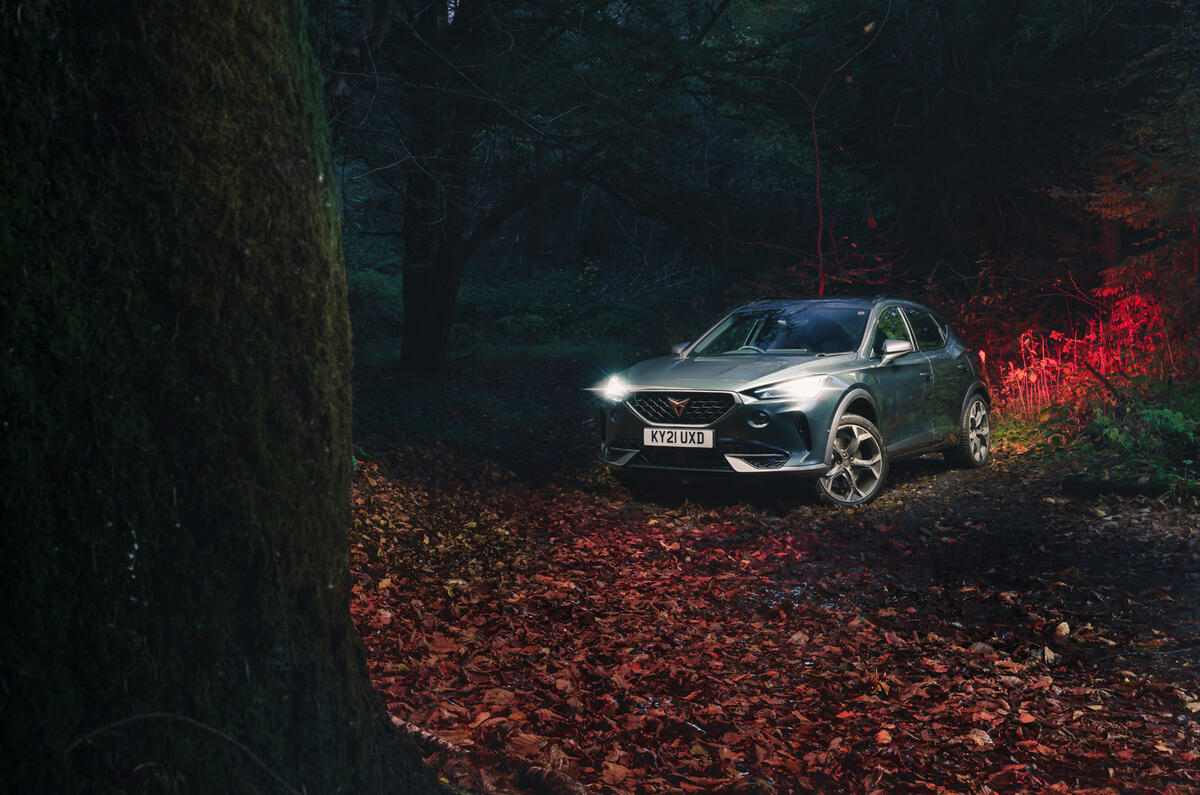
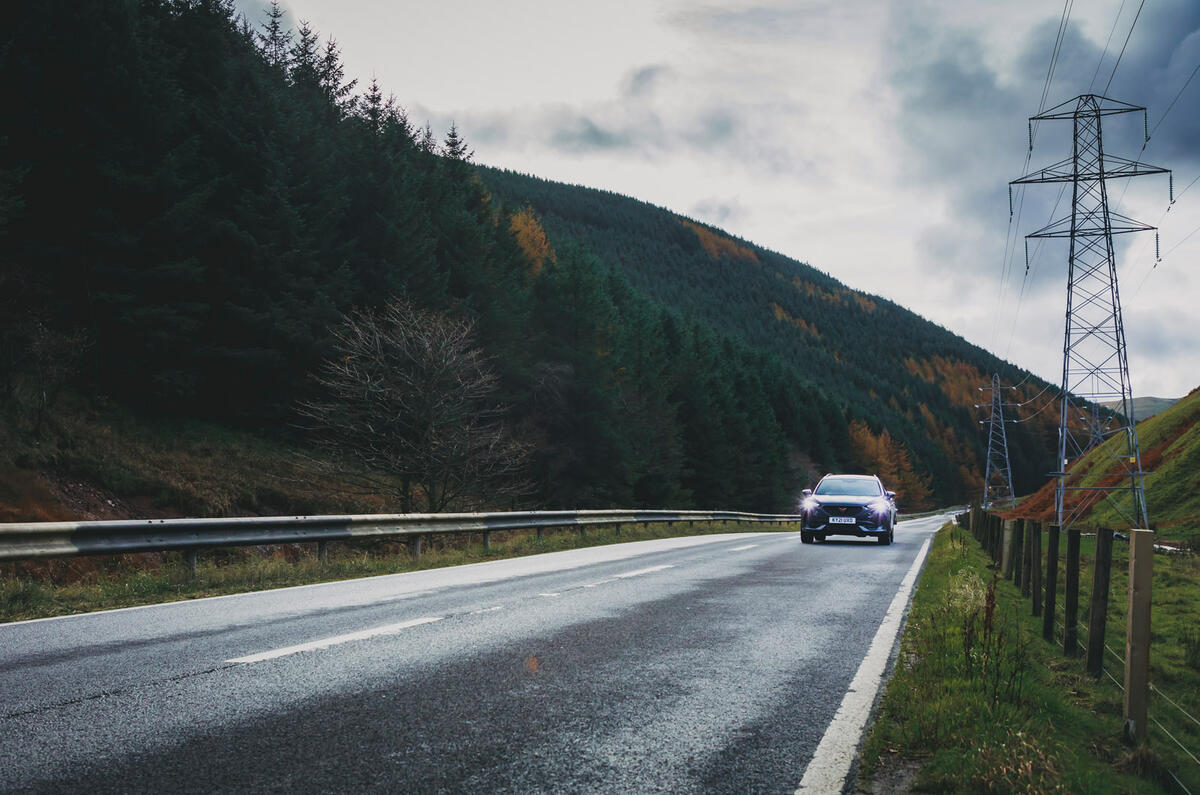
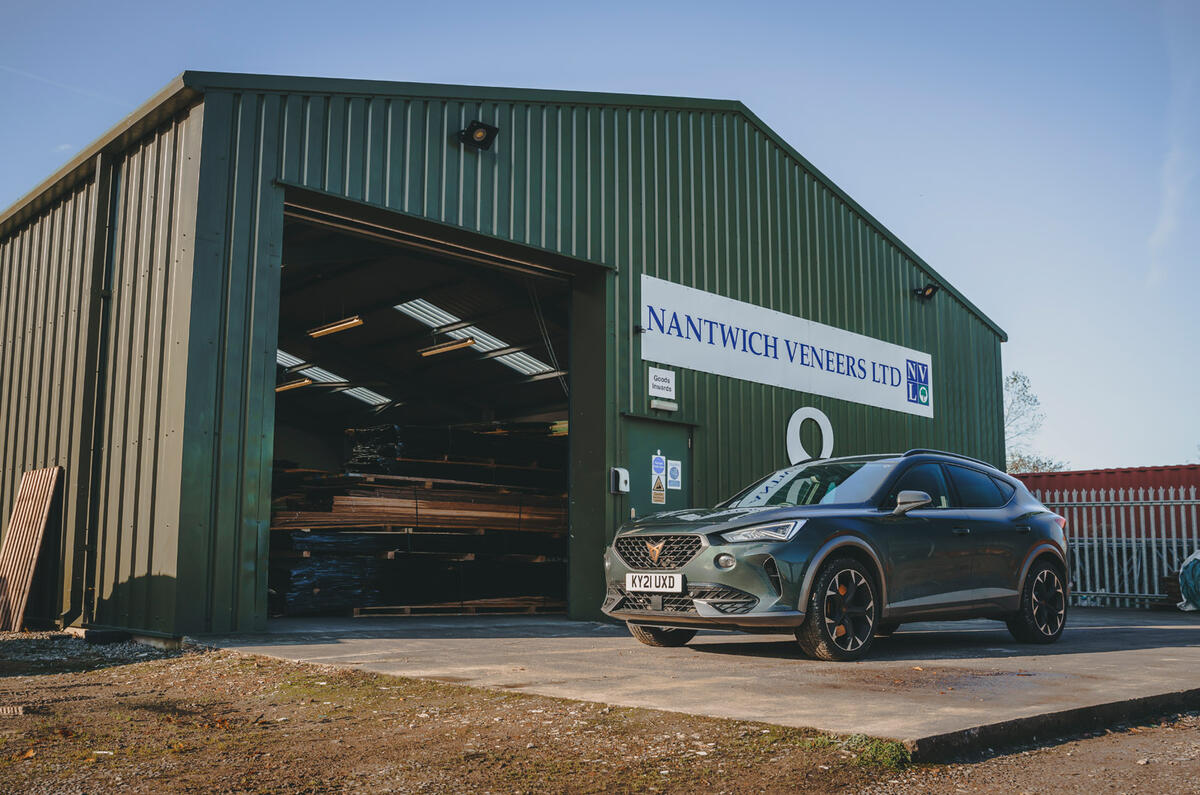
We’ll visit four manufacturers that supply Bentley, and then finish up at Mulliner, home to Bentley’s most rarefied products and whose carriage-building roots in 1760 make it the oldest surviving name in the Volkswagen Group’s portfolio. By way of contrast, we’ll be driving a Cupra Formentor crossover from the VW Group’s youngest brand, Cupra, spun out from Seat in 2018.
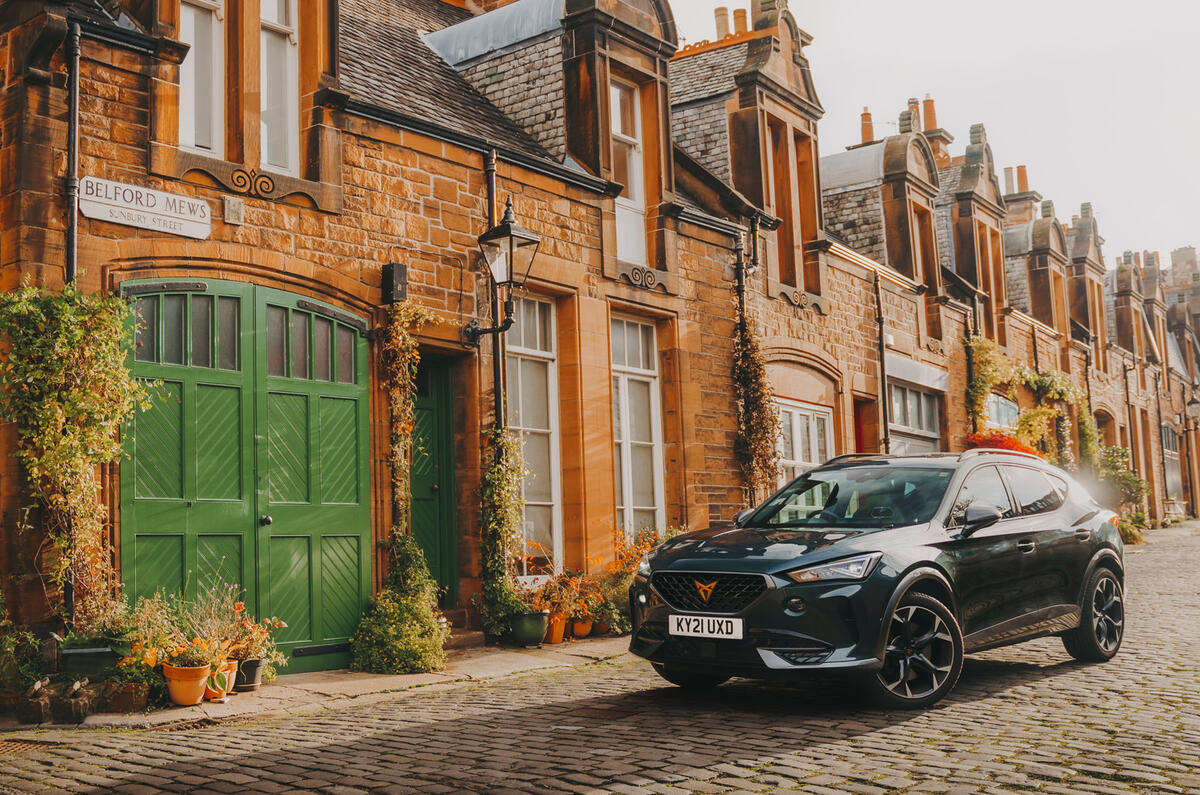
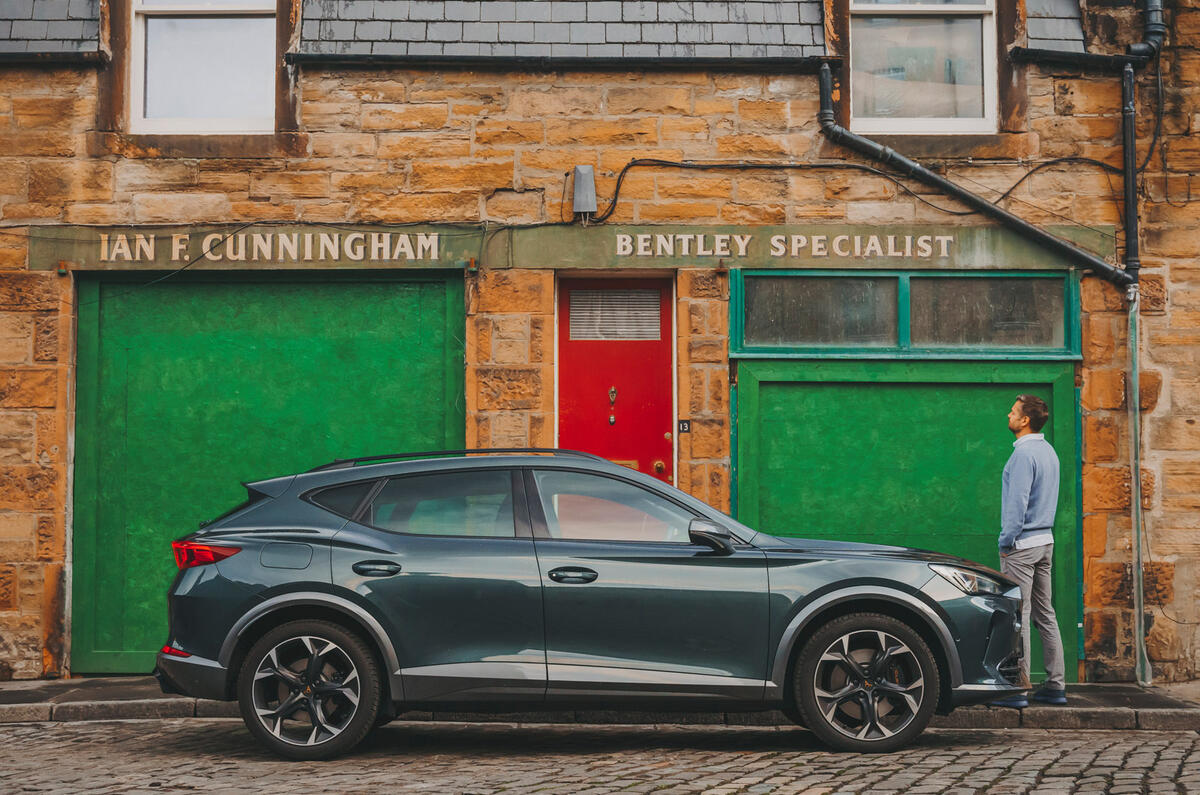
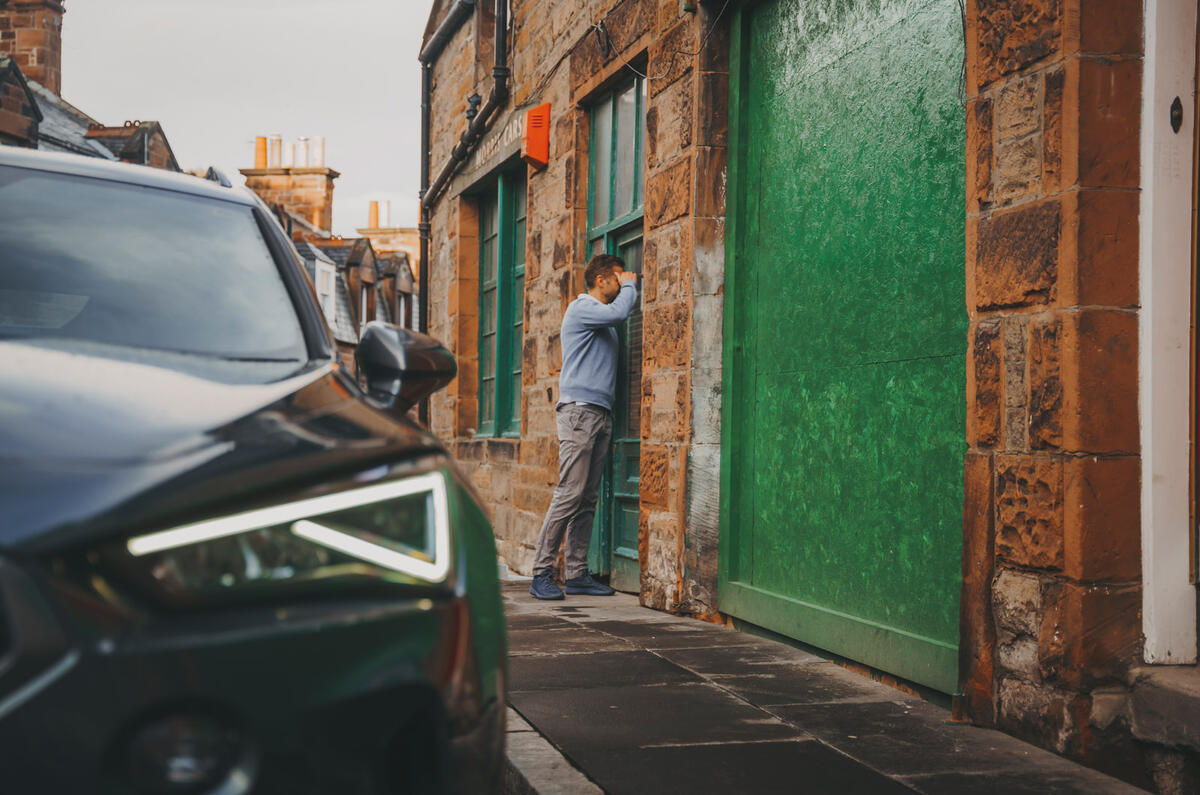
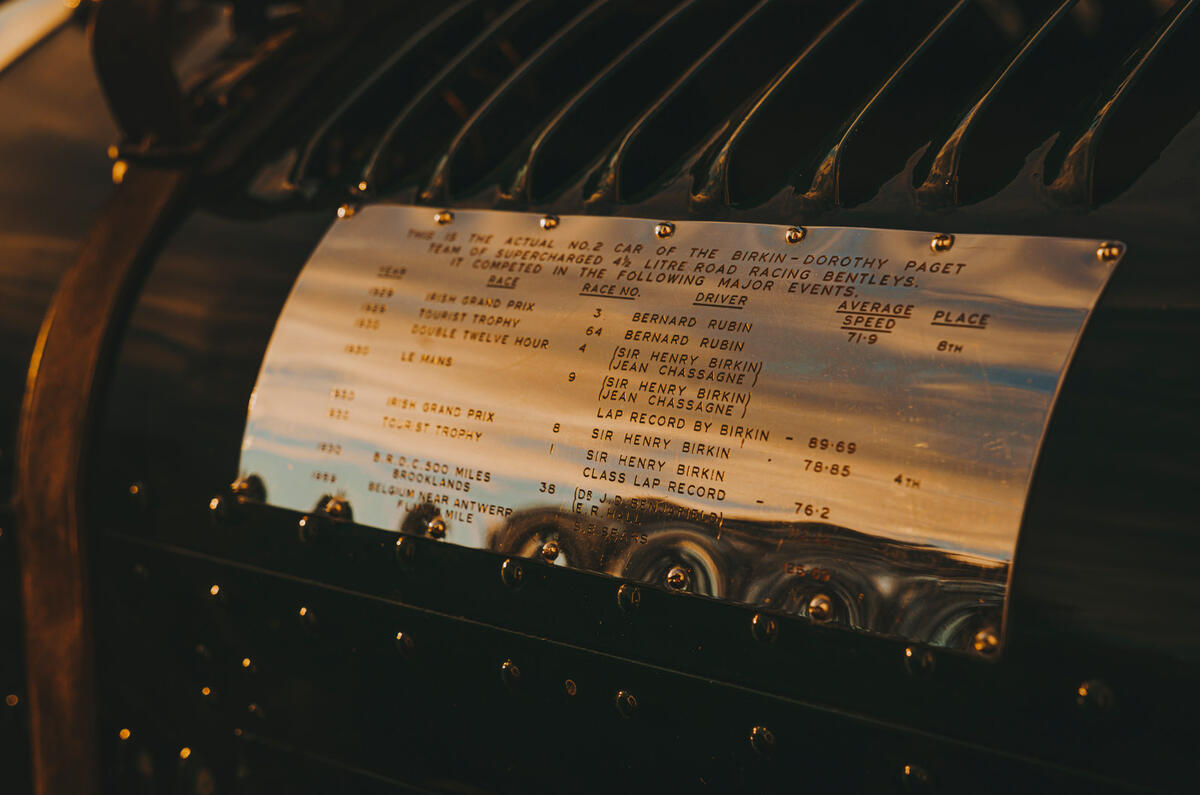
We start in my corner of Edinburgh, the Dean Village, which has its own four-wheeled history and links with Mulliner. We pose the Formentor outside what from 1934 to 2001 was the Bentley specialist workshop of Ian Cunningham senior and then junior. Both were trained in-house by the manufacturer and cared for countless Bentleys – including several Blowers – plus the Queen’s Scottish f leet and famous racers including Ecurie Ecosse’s 1956 Le Mans-winning Jaguar D-Type.

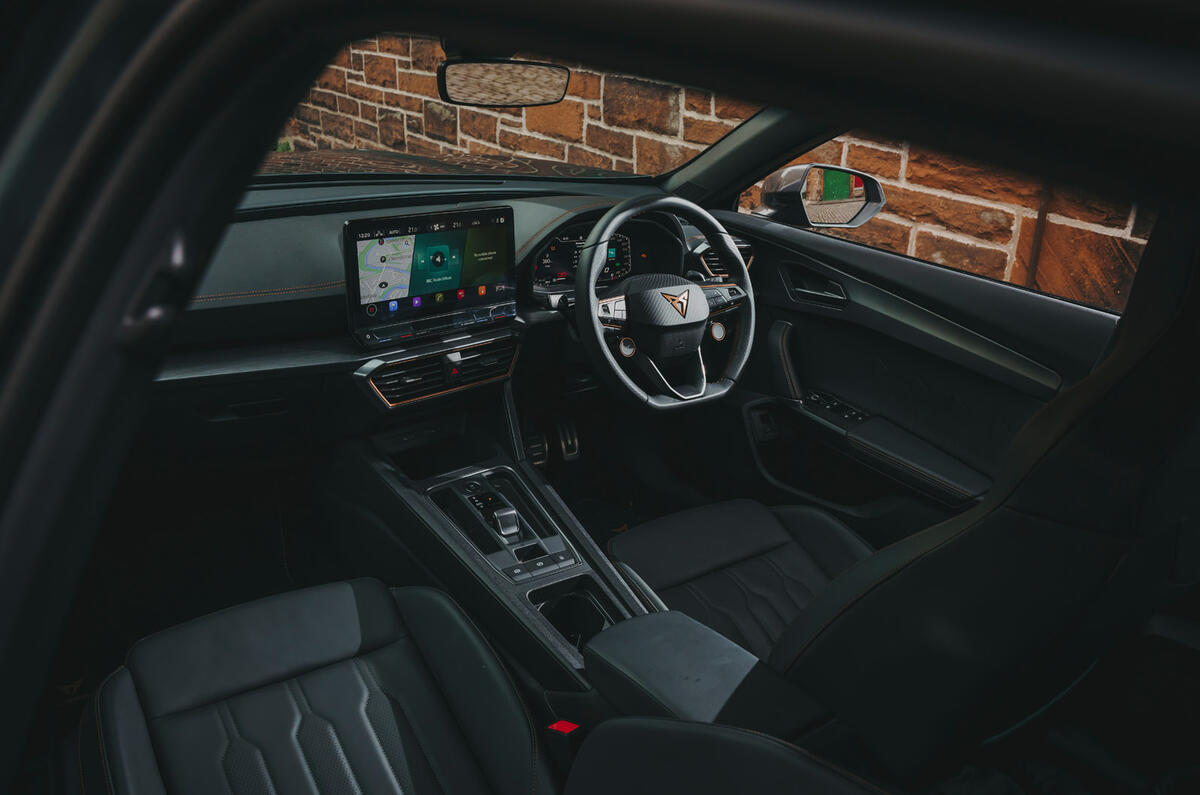
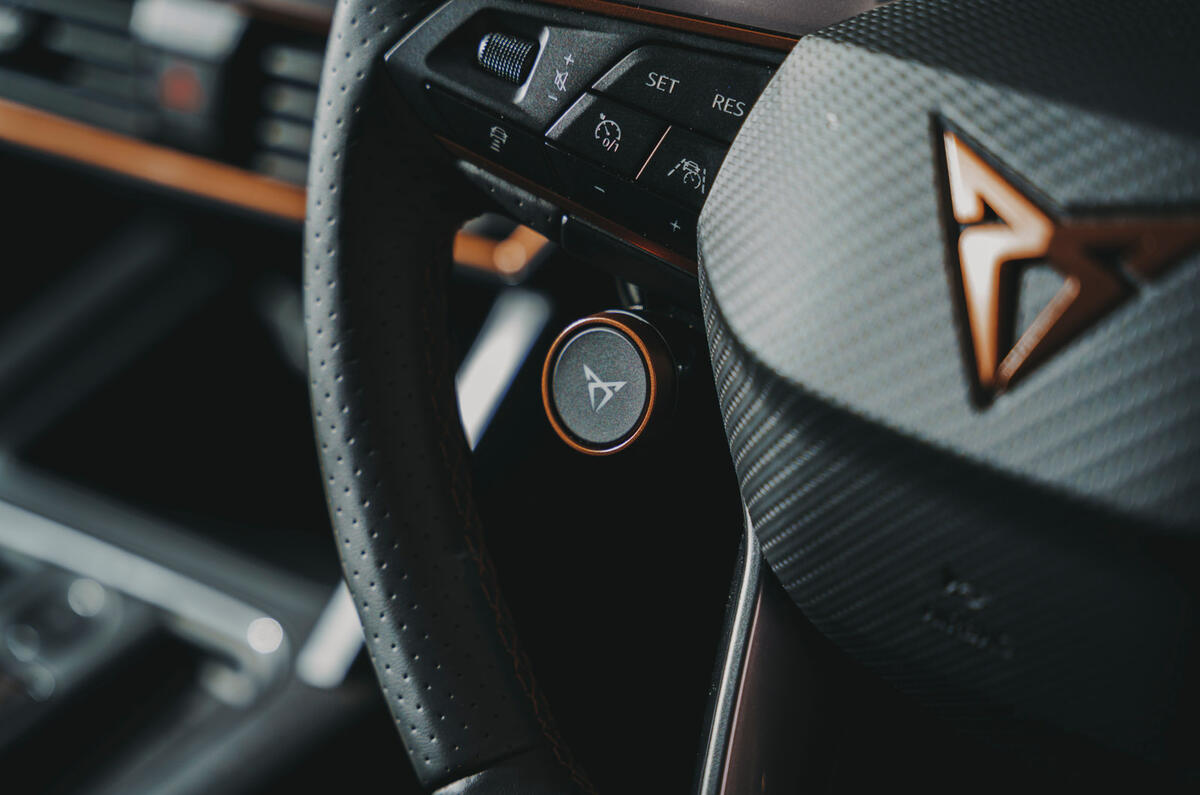
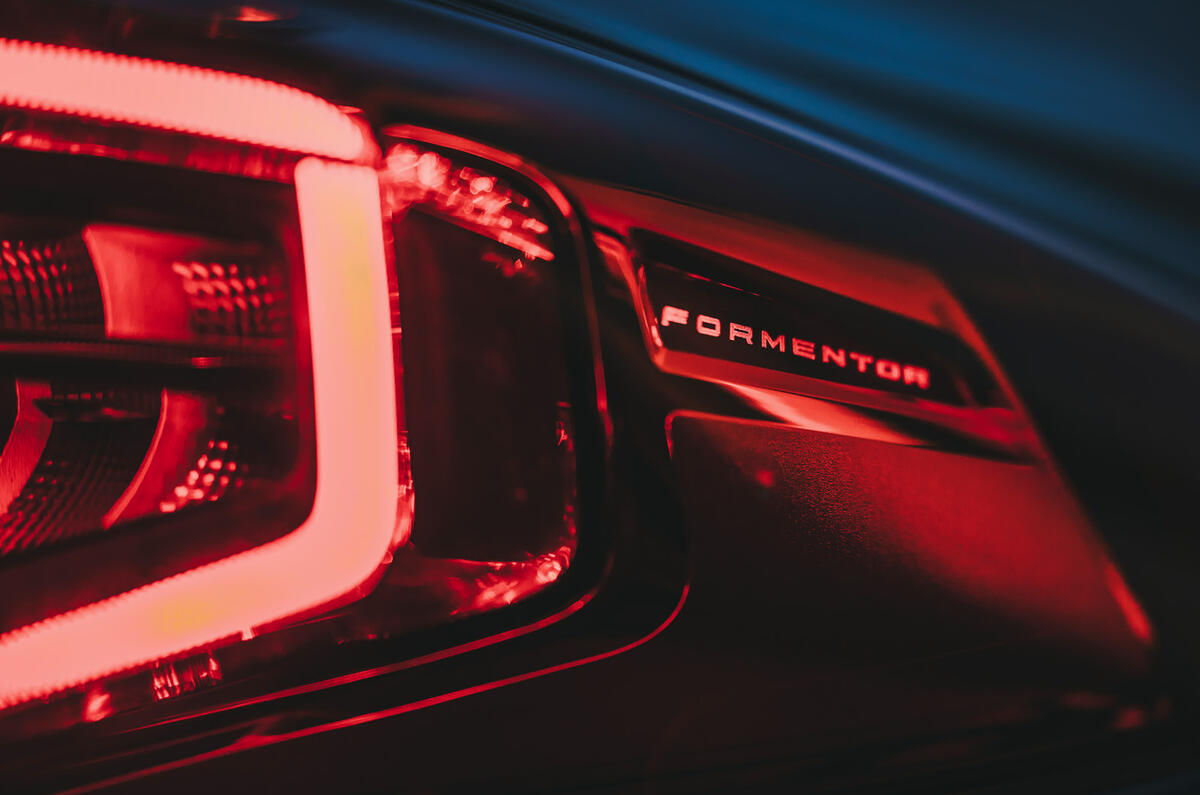
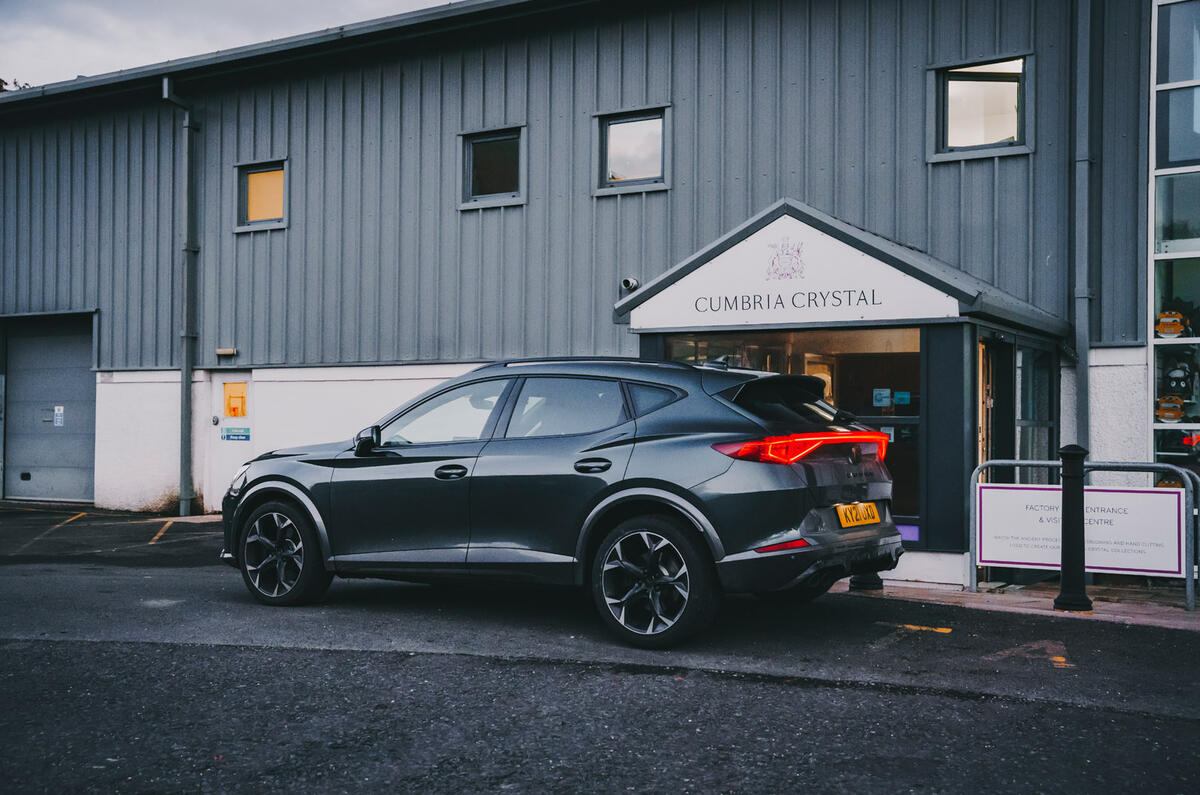
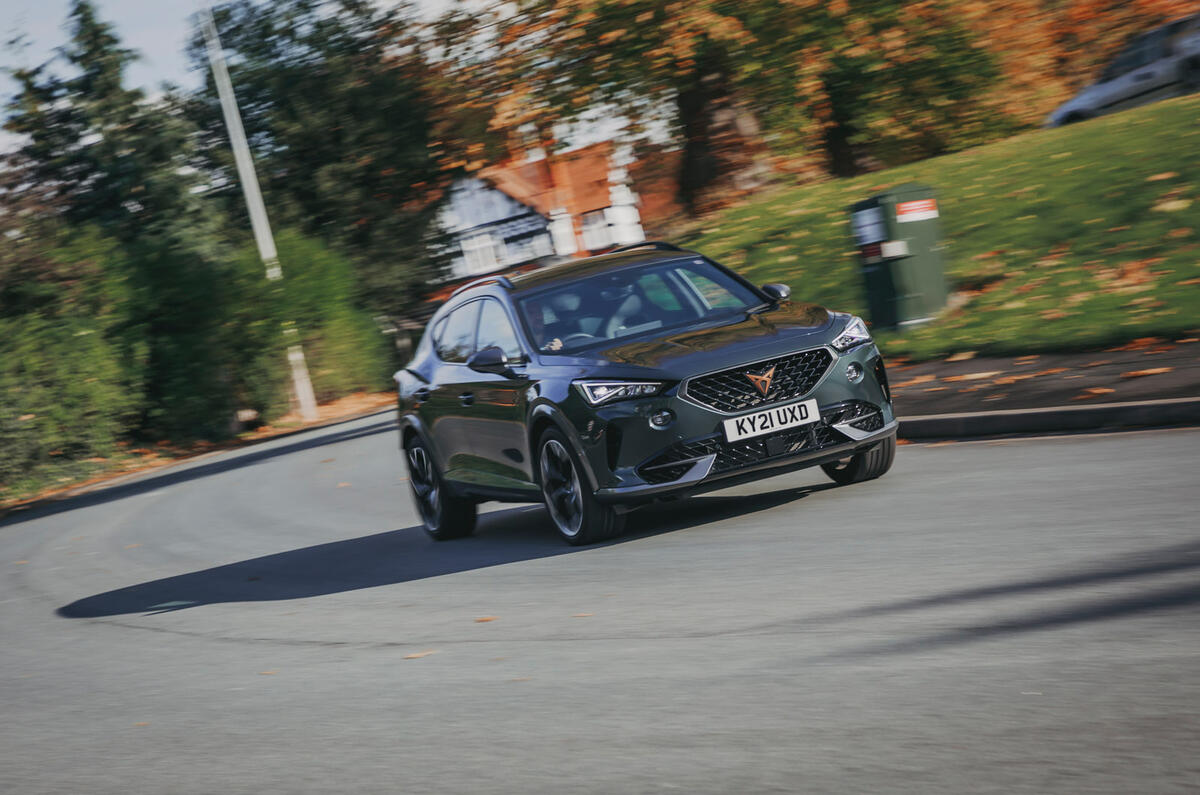
The Cupra’s angular form and piercing LEDs are stark against the building’s weathered frontage. The car has a brooding, high-tech aesthetic outside and in, accentuated by ‘Dark Camouflage’ paintwork and black nappa. It comes in VZ2 spec and the UK market’s most powerful engine choice, the VW-familiar EA888 2.0 TSI with 306bhp.
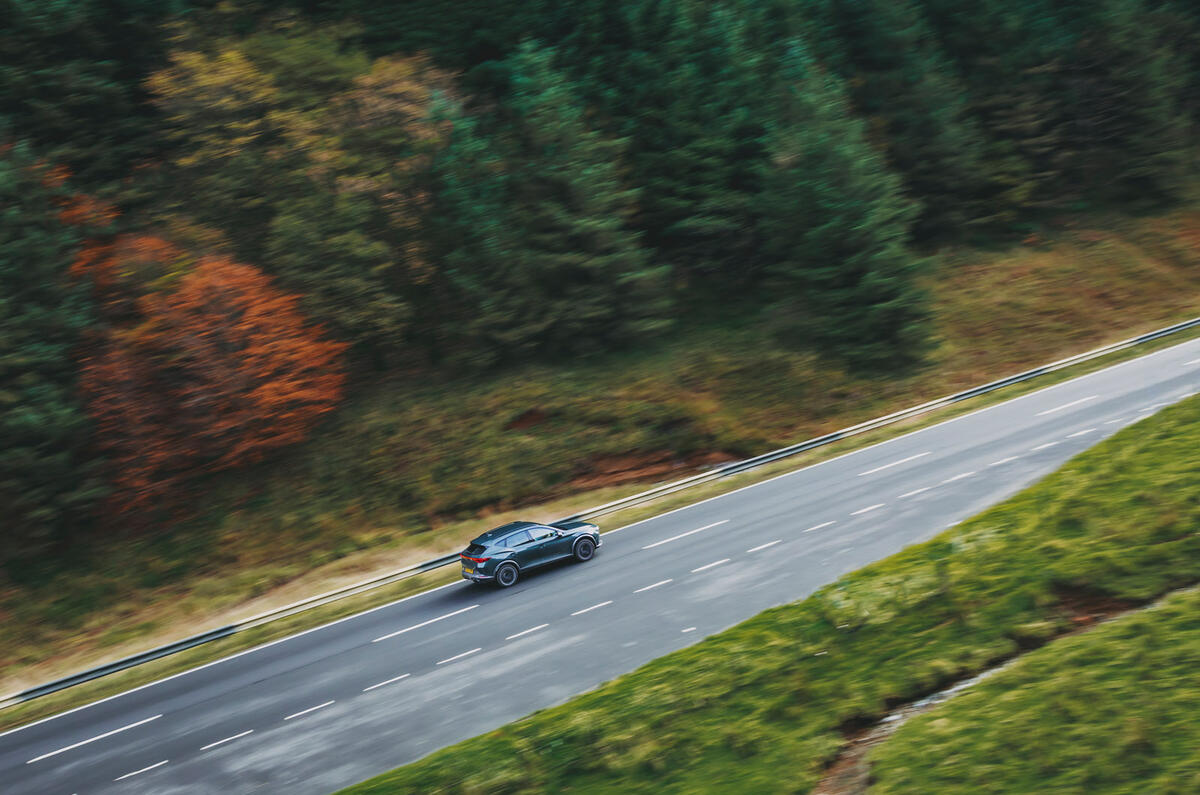
Exploring those credentials will wait, though, as we select Comfort mode to slip westbound out of town. Adaptive dampers softened, Edinburgh’s notoriously fractured roads are for the most part gently parried while the seven-speed DSG gearbox smudges us towards the M8.