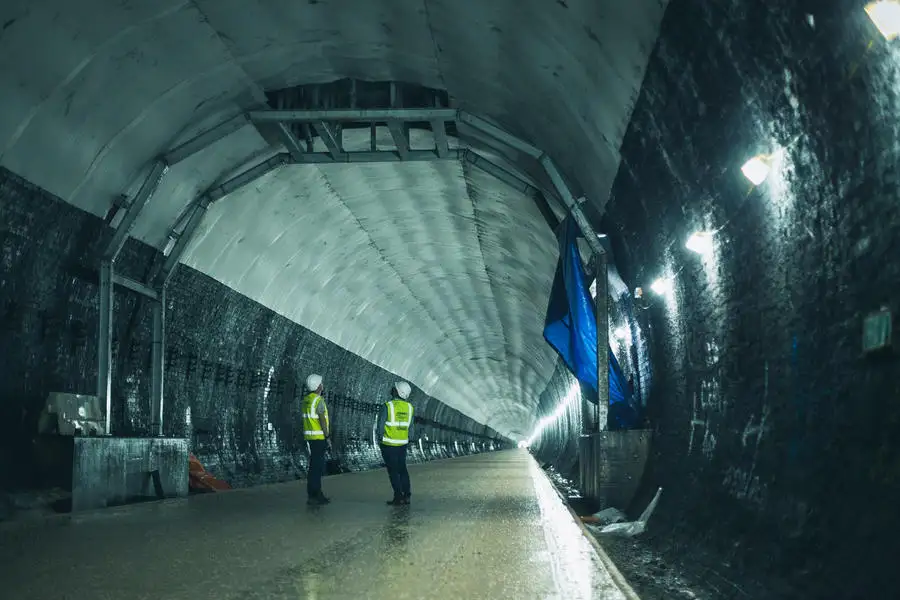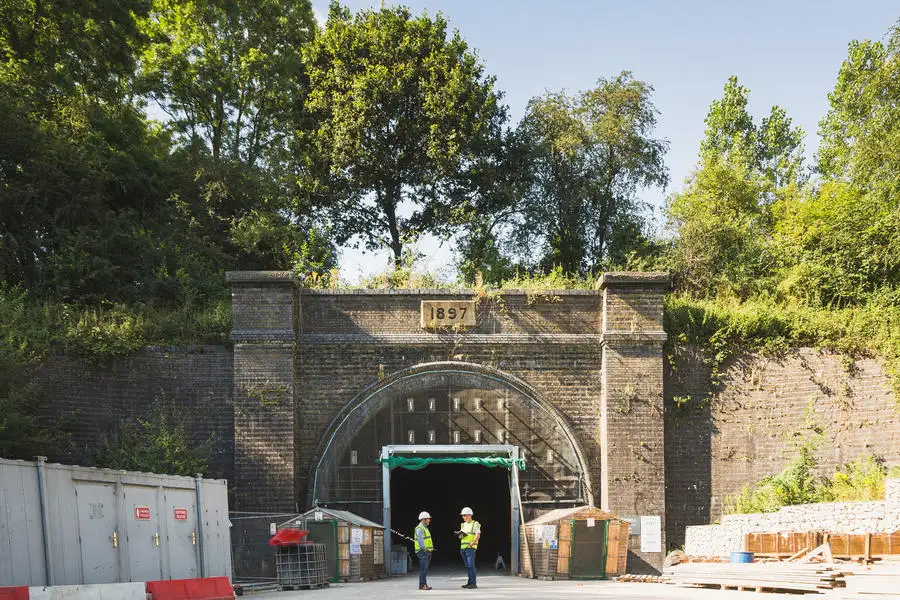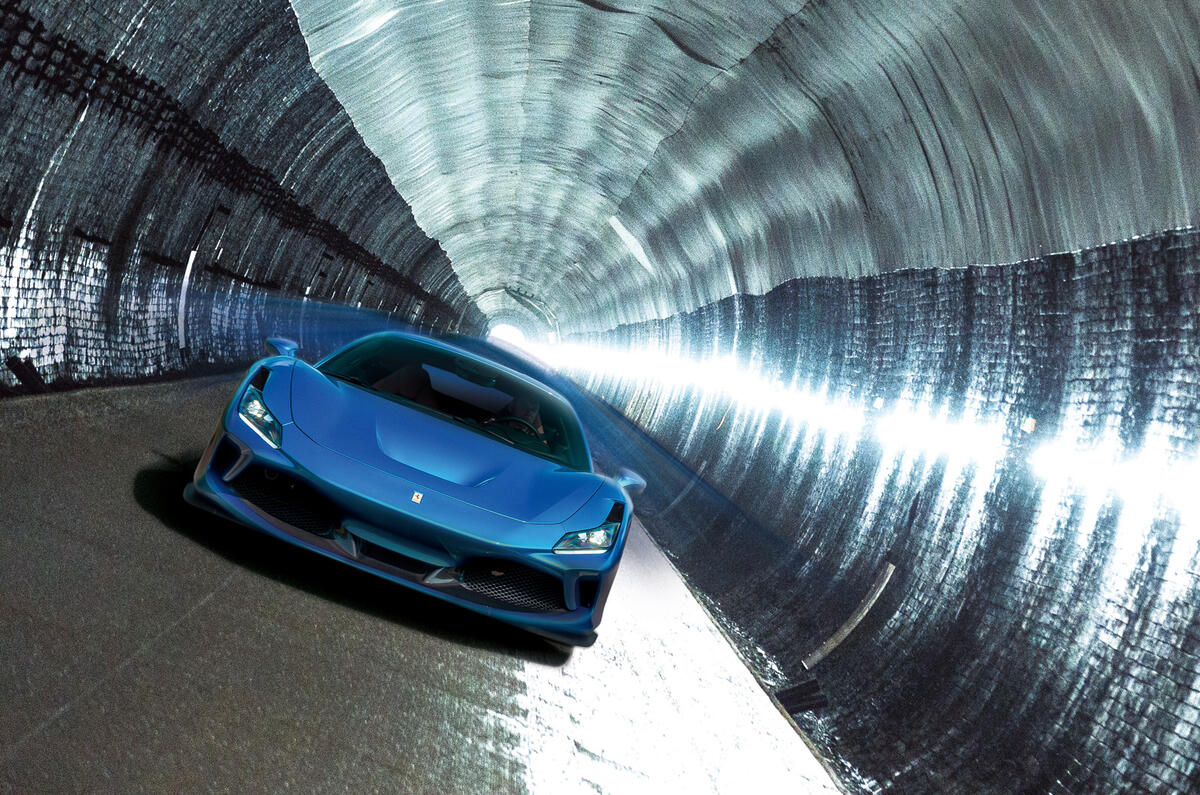
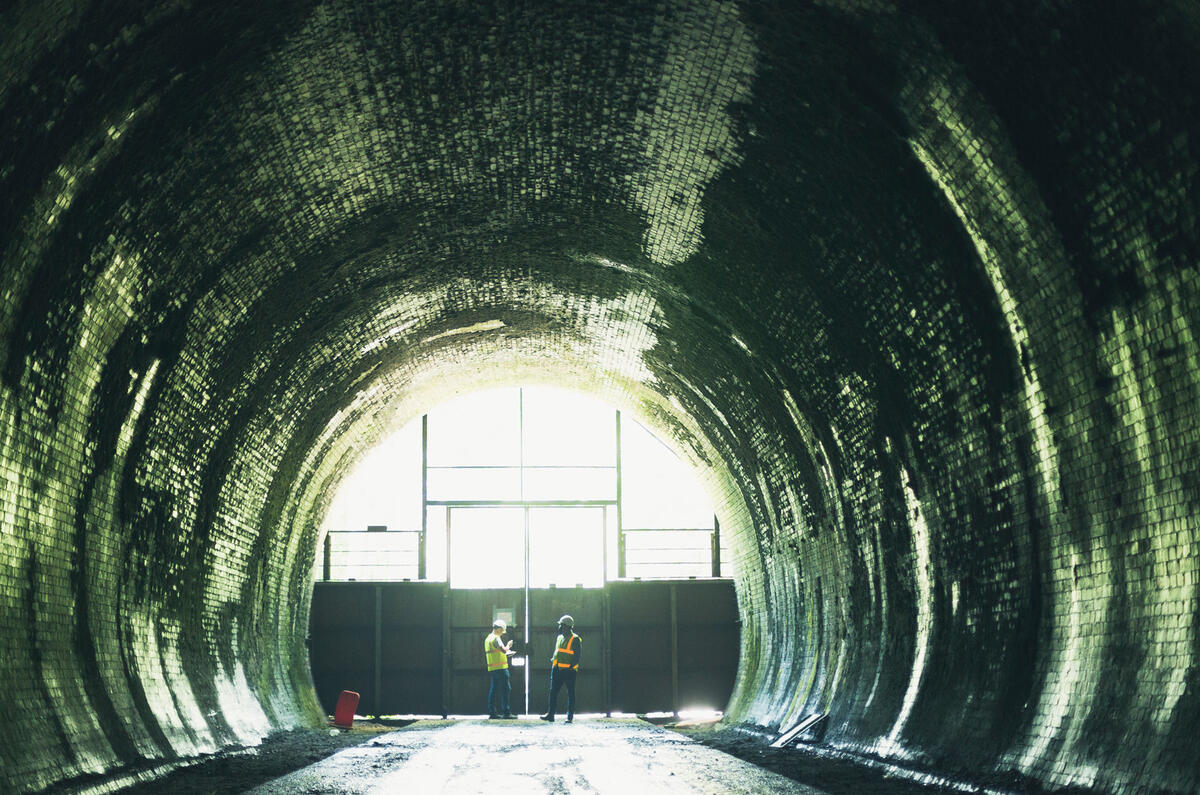
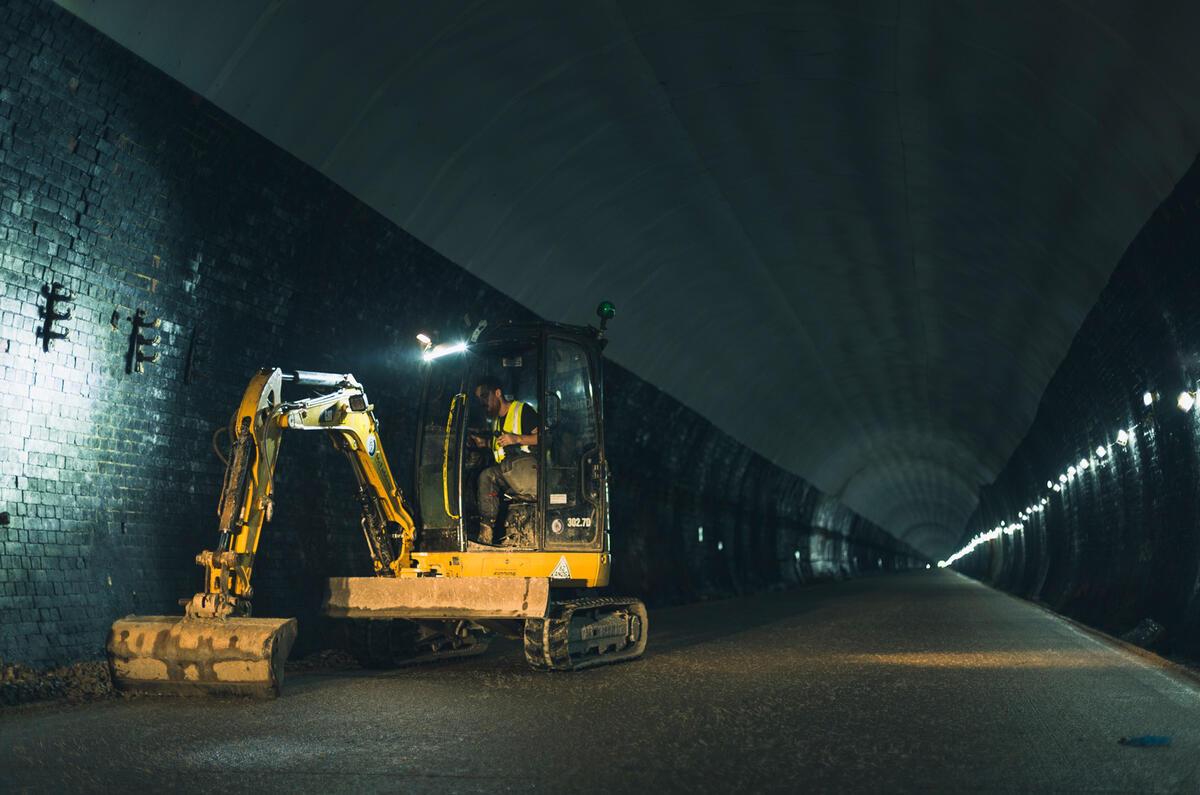

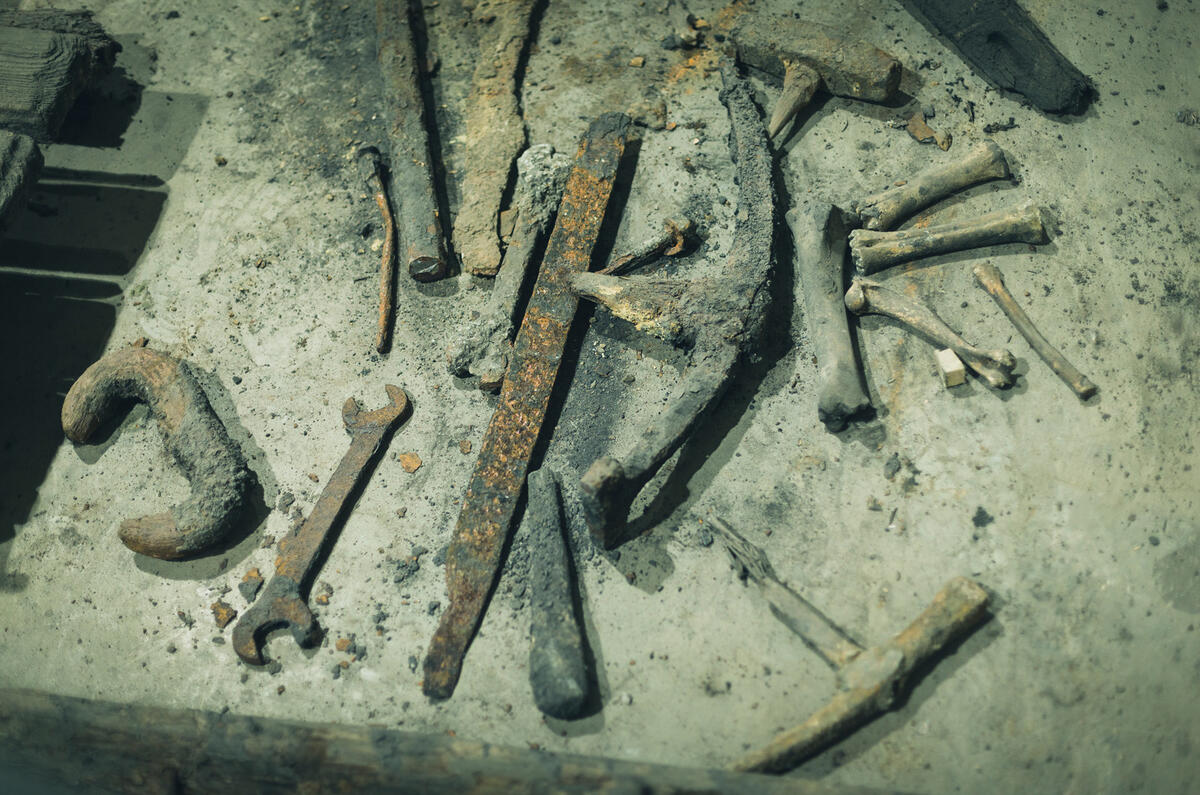
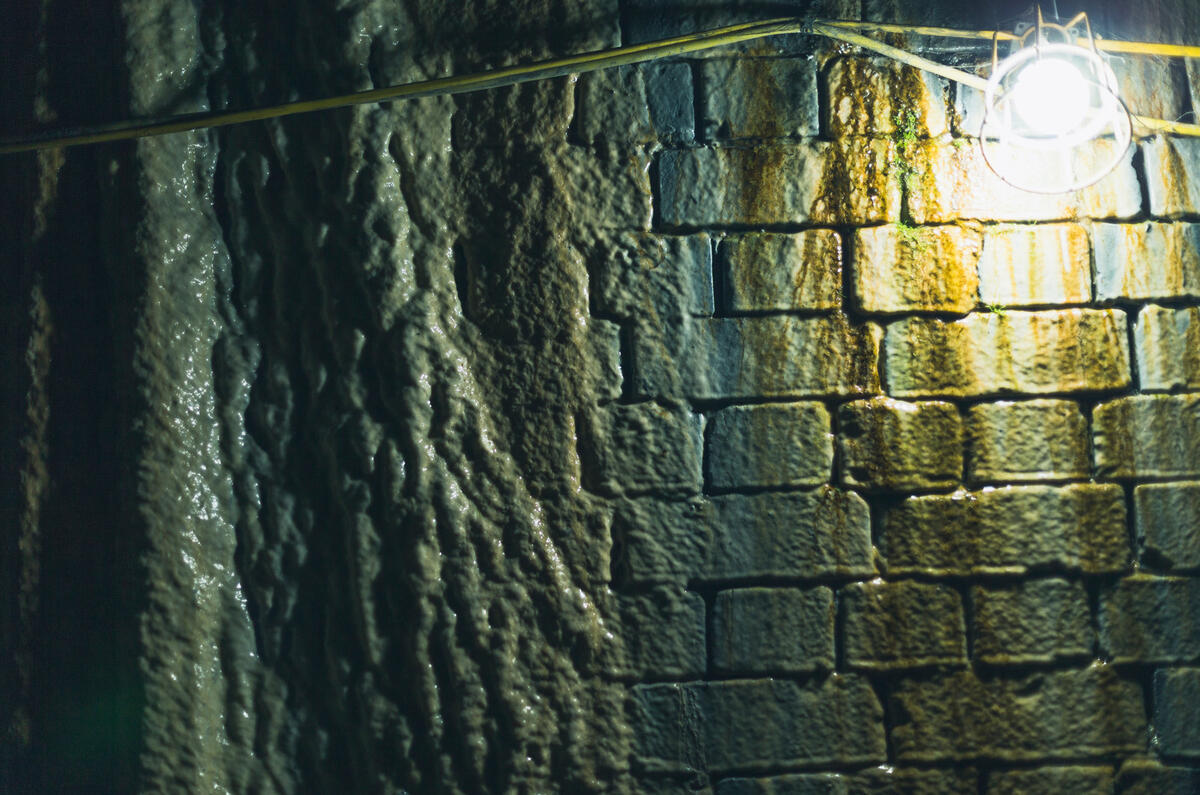

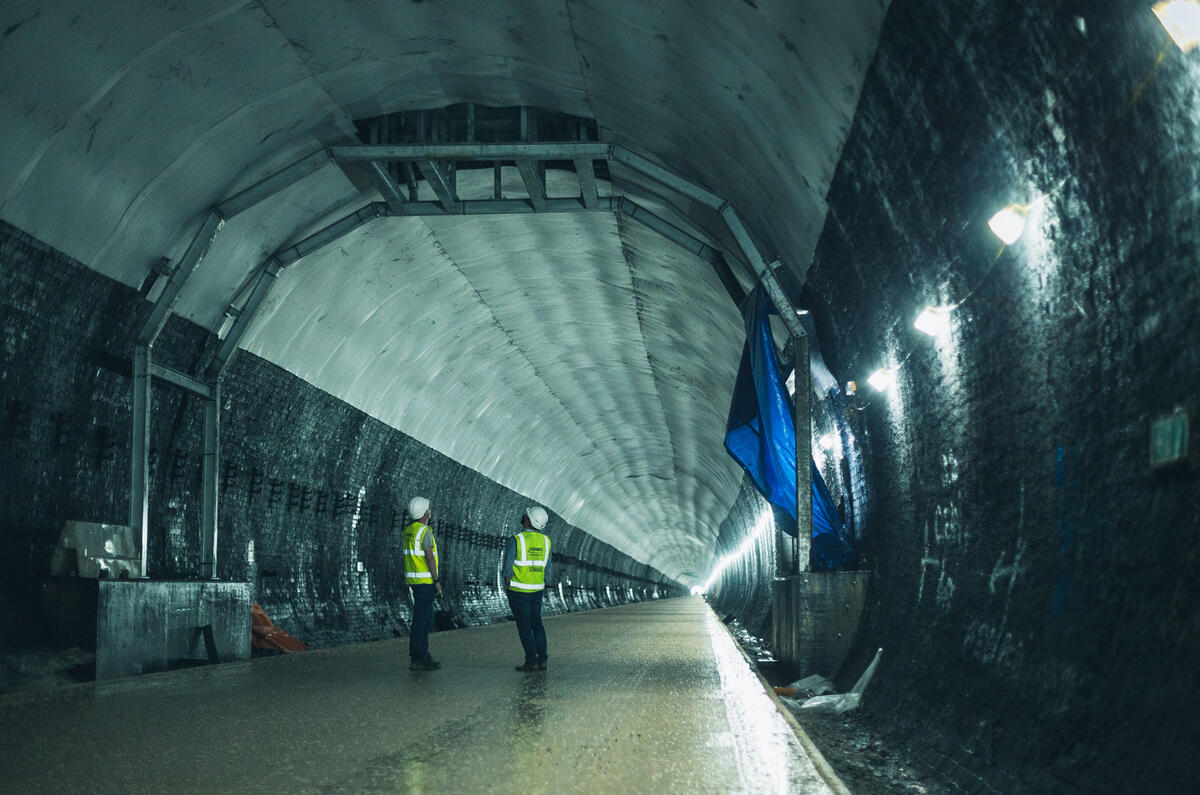
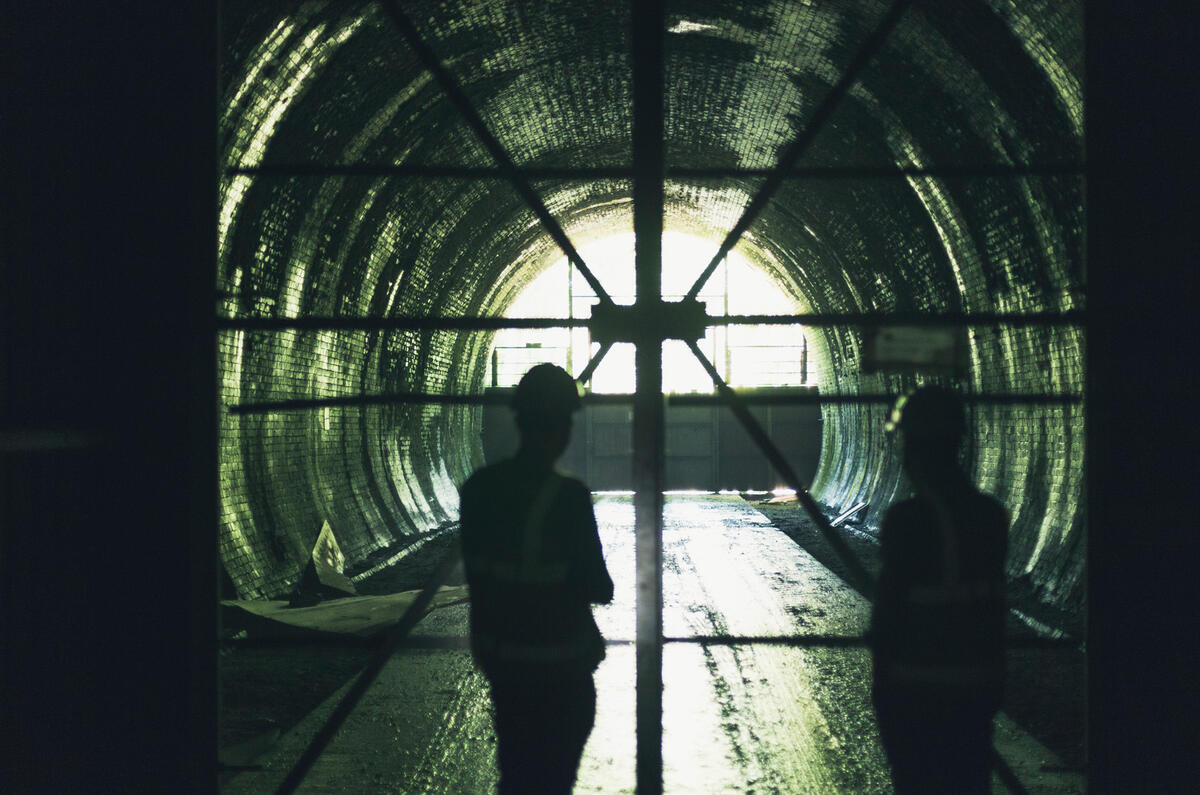









Less than a tenth of the way into Catesby Tunnel’s 1.6-mile extent, it’s obvious that a large, dark hole is going to pose a photographic challenge. But standing within the vast, dripping structure that runs beneath one of the prettier parts of rural Northamptonshire, it’s equally clear that writing a story about this fascinating project is going to be a serious ask as well. This isn’t a tale about what’s here but of what isn’t. Although it’s soon to be used at the cutting edge of aerodynamic research, Catesby Tunnel isn’t a wind tunnel. Rather, it’s best thought of as a non-wind tunnel – one where conditions will be as calm and consistent as possible. And that makes it a genuinely radical advance.
The earliest wind tunnels were built for research purposes in the 19th century, but it was the arrival of aircraft that created an urgent need to study the effects of moving airflow. The Wright brothers used a basic wind tunnel to help develop their revolutionary Flyer of 1903. But aerodynamics reached the automotive industry far later. The earliest cars were too slow to require detailed understanding of the effect of the air flowing over them, as was demonstrated by both their generally tall, upright structures and the insect-spattered goggles of the people who drove them.
It took the pioneering work of German professor Wunibald Kamm to prove the benefits of studying airflow. He led the creation of the first full-size automotive wind tunnel in the world, opened near Stuttgart in 1930 and still in use today. The shortened tail of the revolutionary 1938 BMW 328 Kamm Coupé was proof of the benefits of the new science, being much more efficient than the standard 328. Decades later, as motorsport entered the era of aerodynamic downforce, so the importance of wind tunnels grew again, although the speeds involved meant that almost all were built to smaller scales and used downsized models.