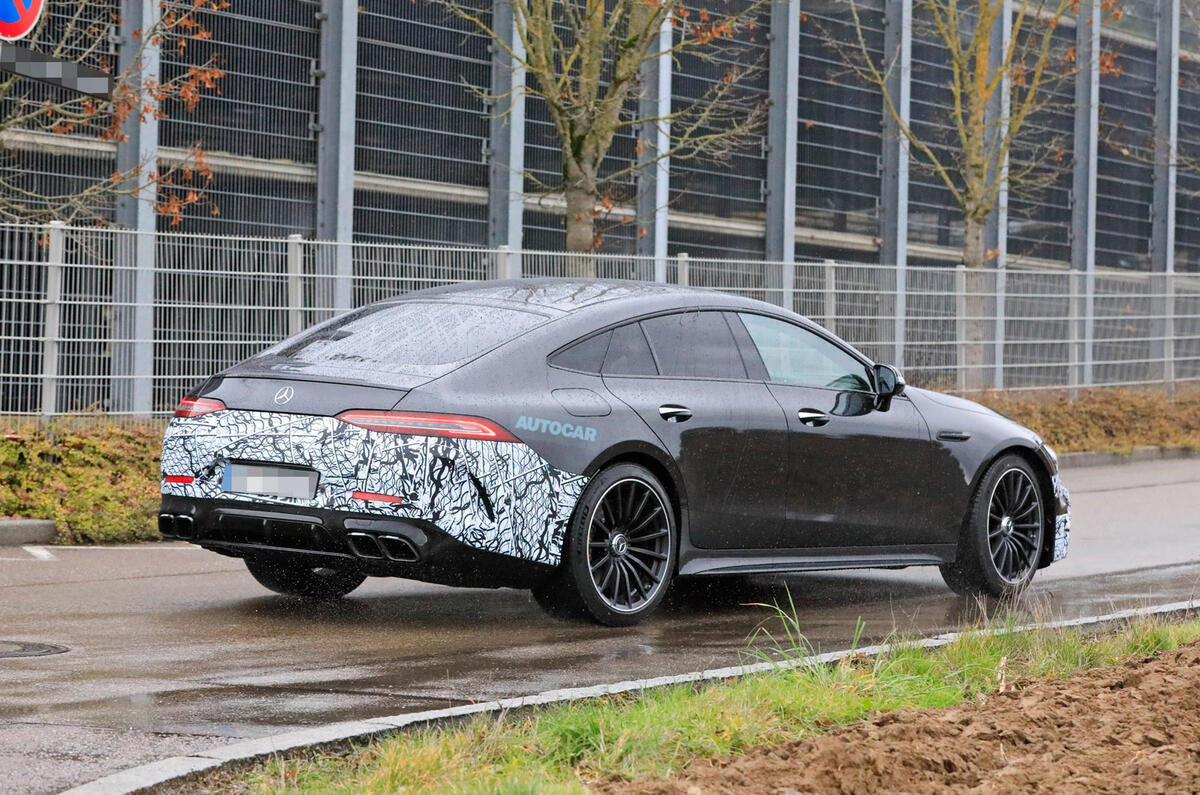
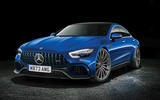
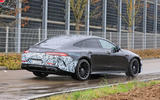

The new Mercedes-AMG GT73e 4Matic+ EQ Power+ 4-Door Coupé will pack “more than 800bhp” in a bid to position it at the top of the four-door sports car ranks when it hits UK showrooms this year.
The range-topping performance saloon will be the first in a series of new plug-in hybrid Mercedes-AMG models to feature what is known within the firm as a “P3 plug-in hybrid” system, which should enable the GT73e to cover 0-62mph in less than 3.0sec and exceed 200mph. The new flagship model will rival the Porsche Panamera Turbo S E-Hybrid and command a premium over the current, non-electrified GT63 – with prices likely to start upwards of £150,000.
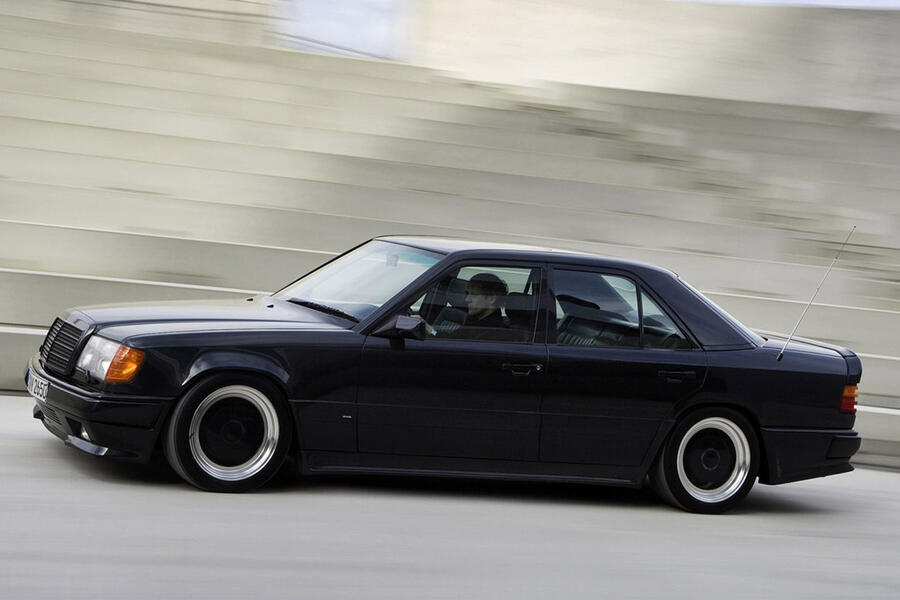
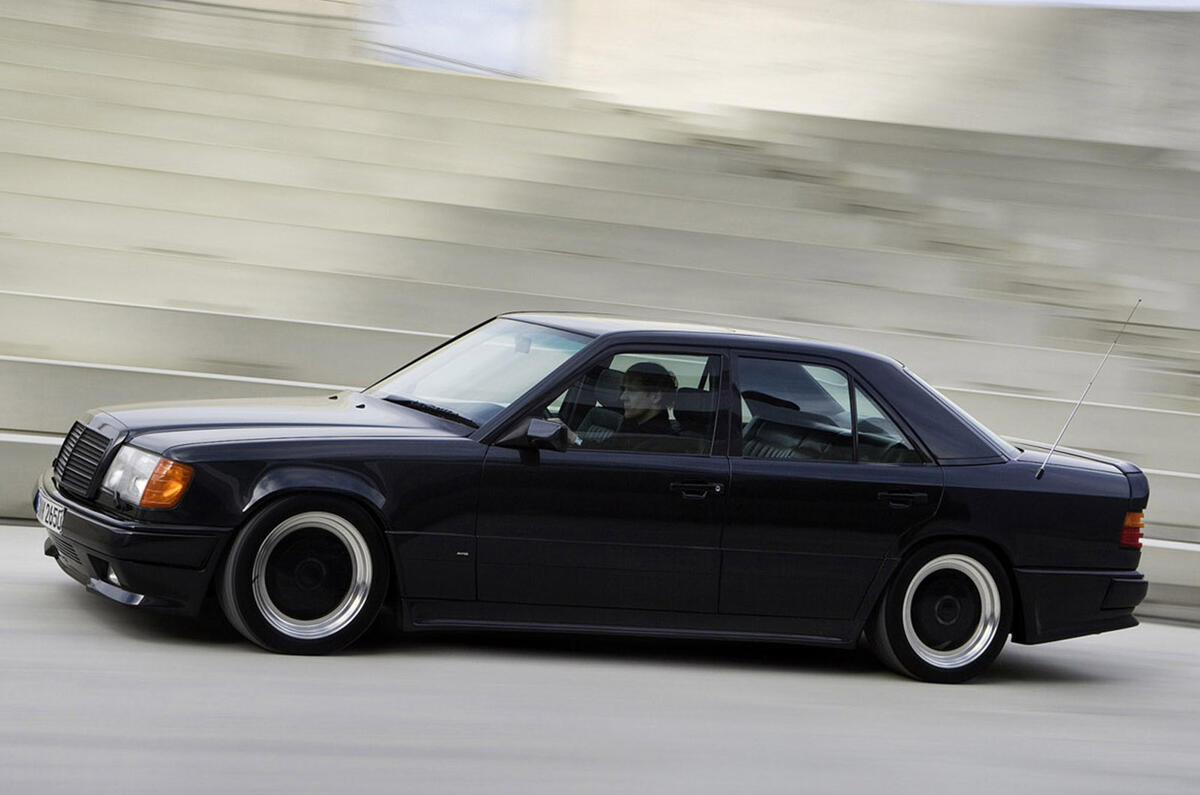
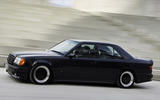
As well as representing the beginning of a new electrified era for AMG, the GT73e could also serve as a spiritual successor to the company’s debut model: the outlandish 300CE Hammer super-saloon, which cemented AMG’s reputation for endowing big saloons with supercar pace.
The GT73e’s new P3 plug-in hybrid system uses an electric motor integrated into the rear axle to provide what is described as a “significant” performance boost to the petrol engine, a mildly updated version of the GT63’s twin-turbocharged 4.0-litre V8, combined with a fully variable four-wheel drive system.
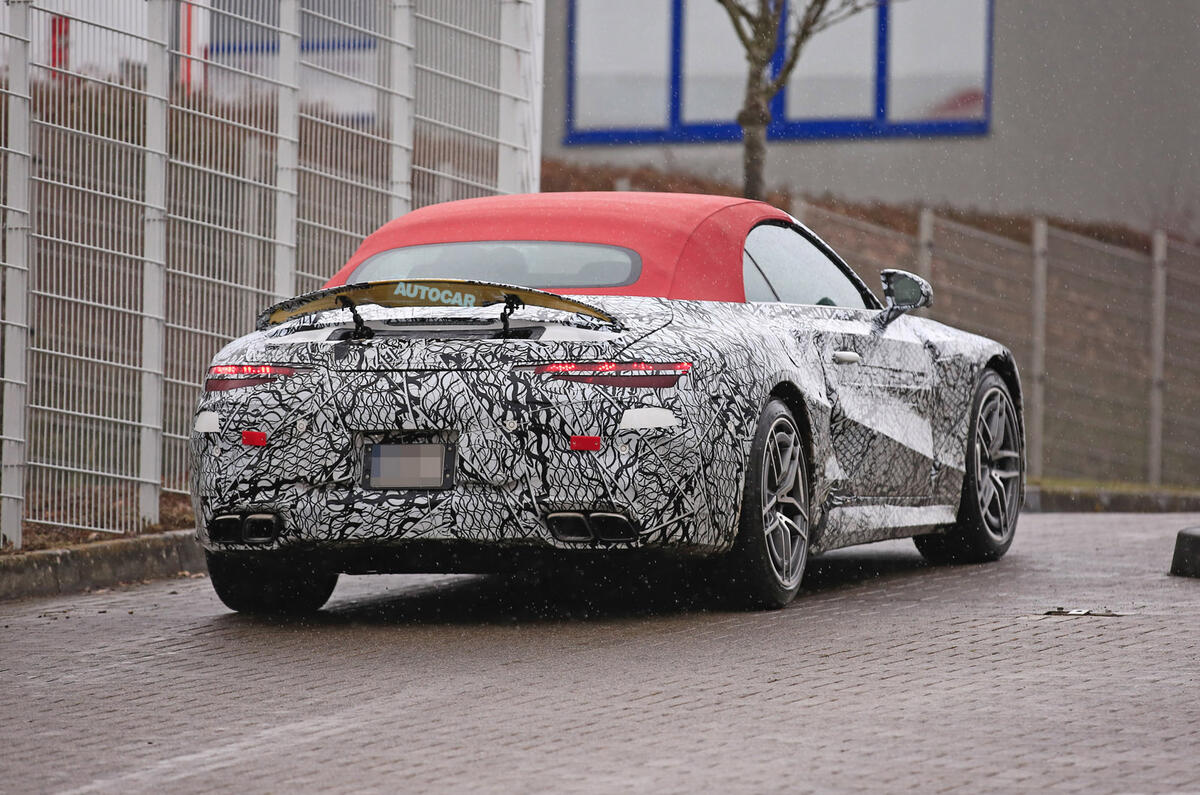
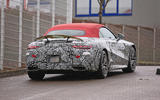
In addition to the GT73e, the P3 PHEV system is set to be used by new 73-badged versions of the latest S-Class and upcoming SL grand tourer. It will also underpin the petrol-electric successor to the C63 4Matic, although, as first reported by Autocar, it will be used in combination with a turbocharged 2.0-litre four-cylinder engine, rather than a large-capacity V8.
The P3 PHEV layout will initially be reserved exclusively for Mercedes-AMG models. All existing PHEVs from parent company Mercedes-Benz use the P2 PHEV system, which sites the electric motor within the gearbox housing – a layout also used on the Panamera Turbo S E-Hybrid.
The new GT73e’s P3 PHEV system provides scope for a larger electric motor than is possible within the packaging constraints of the P2 system, offering direct drive to the rear wheels in pure-electric mode and enhanced torque vectoring in hybrid mode.