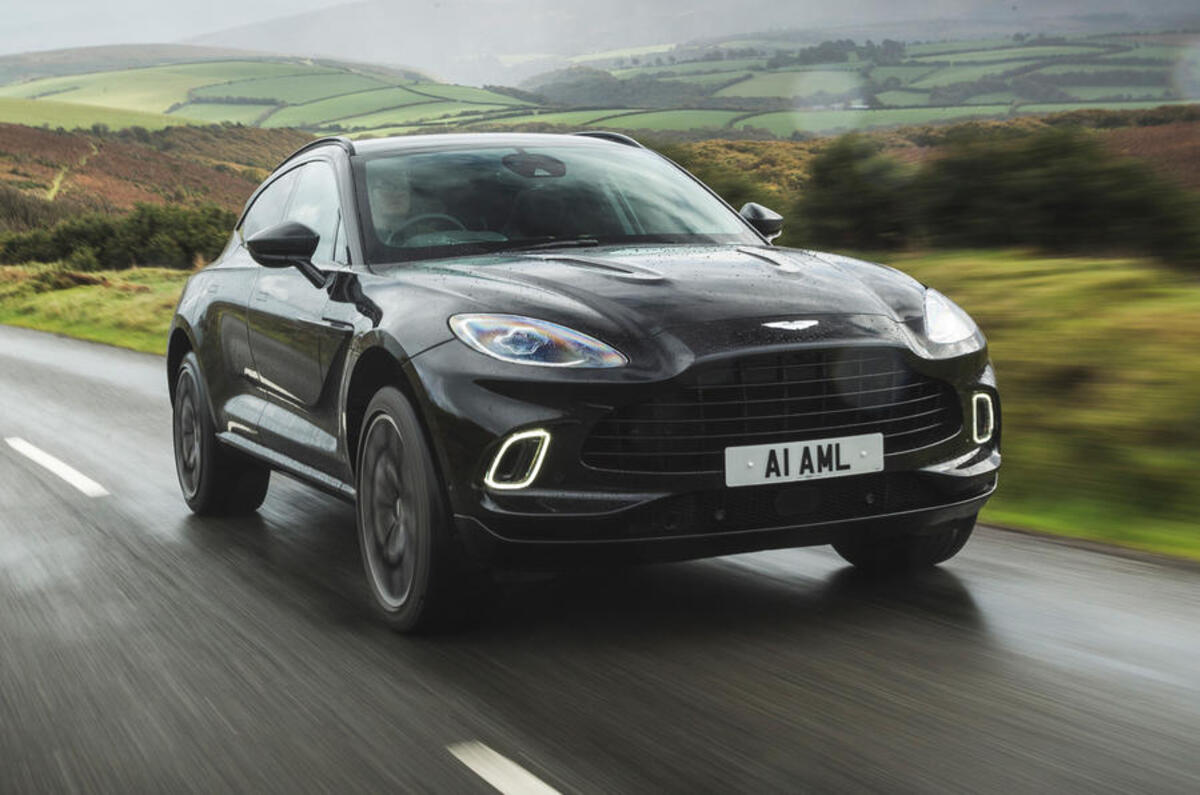
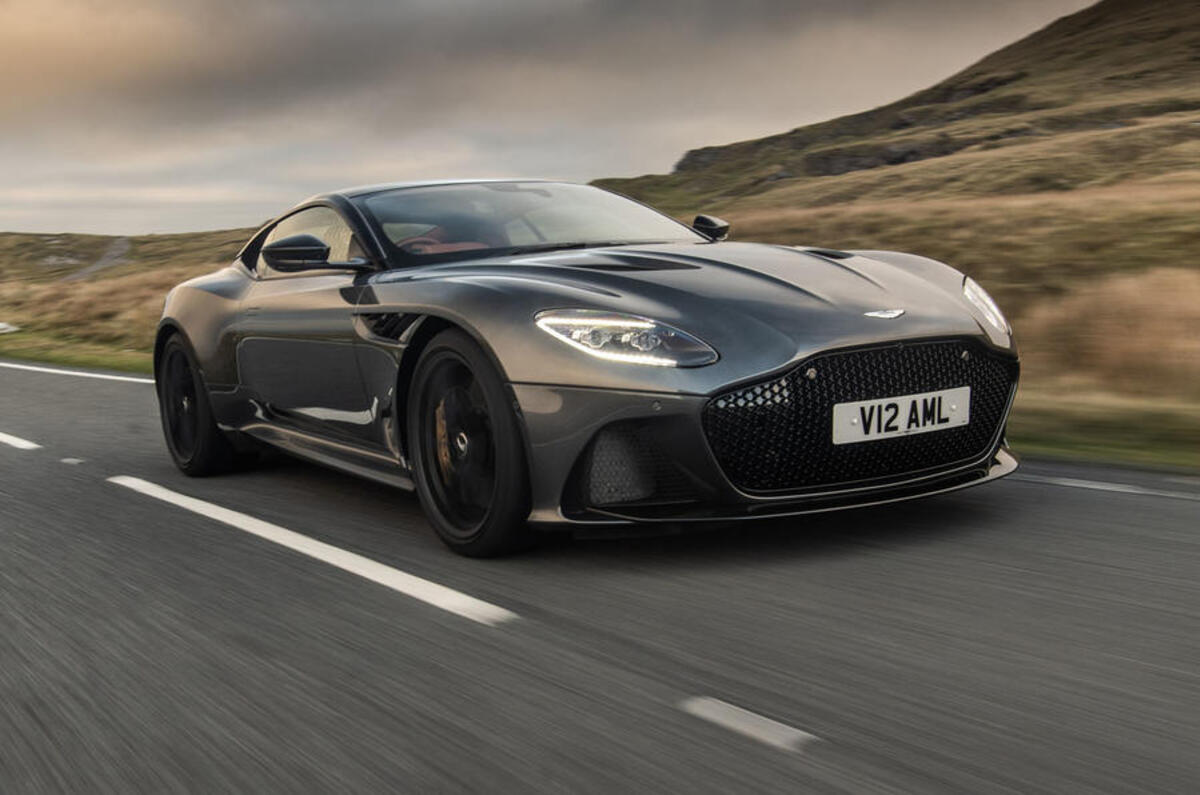



Aston Martin sales dropped sharply in 2020 as a result of the pandemic, but strong demand for the new Aston Martin DBX SUV sparked a recovery in the final quarter.
The British firm counted 4150 retail sales across the year, down 32% on 2019, and wholesale volume - sales of cars to dealers - dropped 42% from 5862 units to 3394.
As a result, annual revenue declined to £611.8 million from £980.5m year on year and Aston Martin made an operating loss of £323m. However, this includes £98m of "adjusting operating items, largely the impairment of capitalised R&D due to technology and cycle plan changes".
The DBX accounted for more than a quarter of total sales, with 1171 units sold in Q4 – the marque's strongest quarter in 2020. Along with the sale of 32 'special' models, up from 10 in Q3, and a "reduction in total customer and retail financing support", Aston Martin saw a 3% quarterly revenue growth and positively adjusted its EBITDA (earnings before tax, interest, depreciation and amortisation) forecast for the year.
A total cash reserve of £489m at the end of the year was a significant boost over December 2019's £108m, which the firm attributes to "refinancing to strengthen financial resilience and support growth ambitions".
Net debt was down year-on-year from £988m to £727m, with shareholder equity rising from £330m to £804m, following billionaire Lawrence Stroll's acquisition of a 16.7% stake in January and then Mercedes-Benz boosting its stake to 20%.
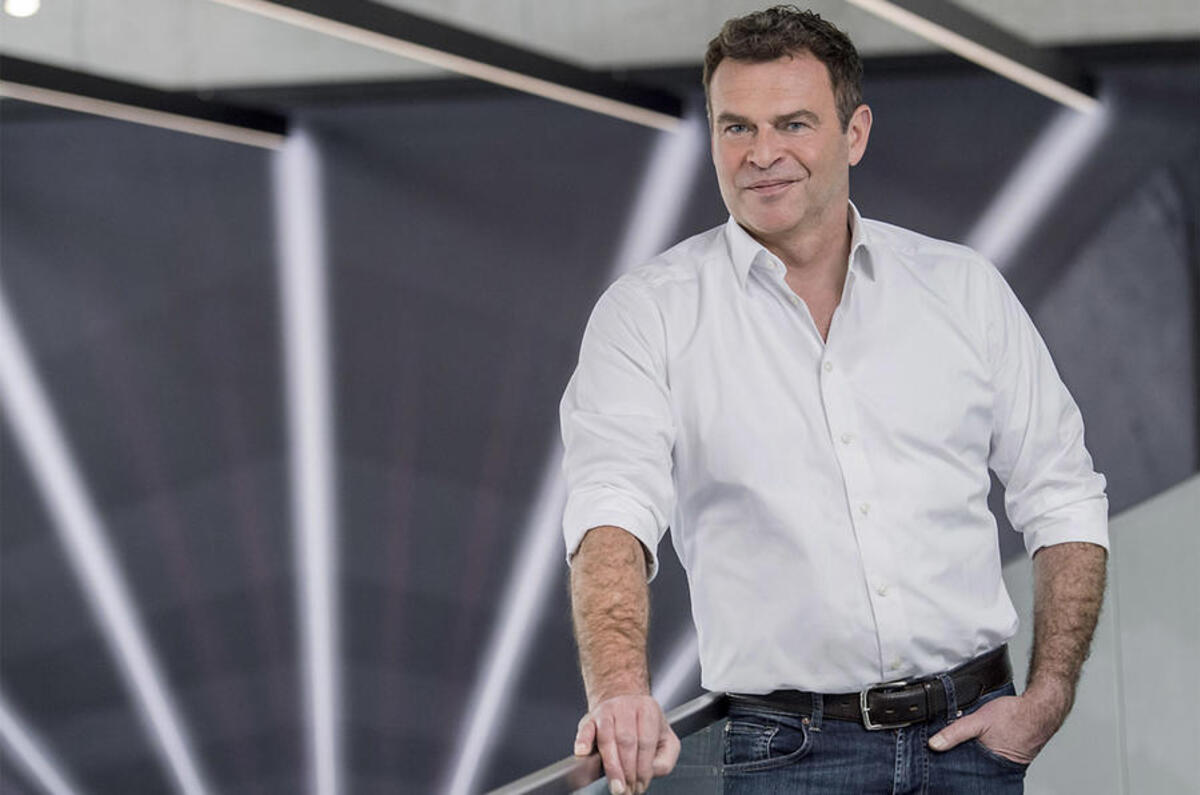
New Aston Martin CEO Tobias Moers has given the first details of a new 'Project Horizon' strategy to "drive growth, agility and efficiency" in the wake of the pandemic. Priorities for the firm this year include beginning deliveries of the long-awaited Valkyrie hypercar in the second half and launching new derivatives of the DBX in the third quarter.