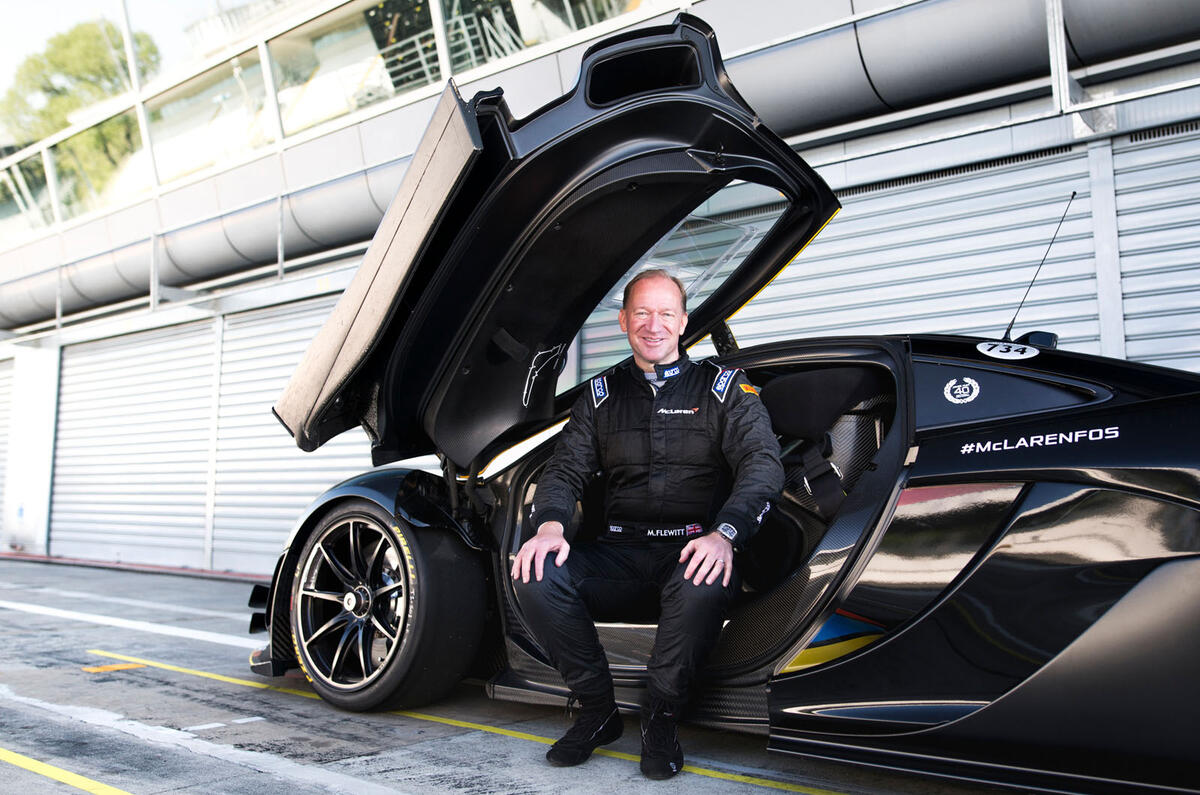



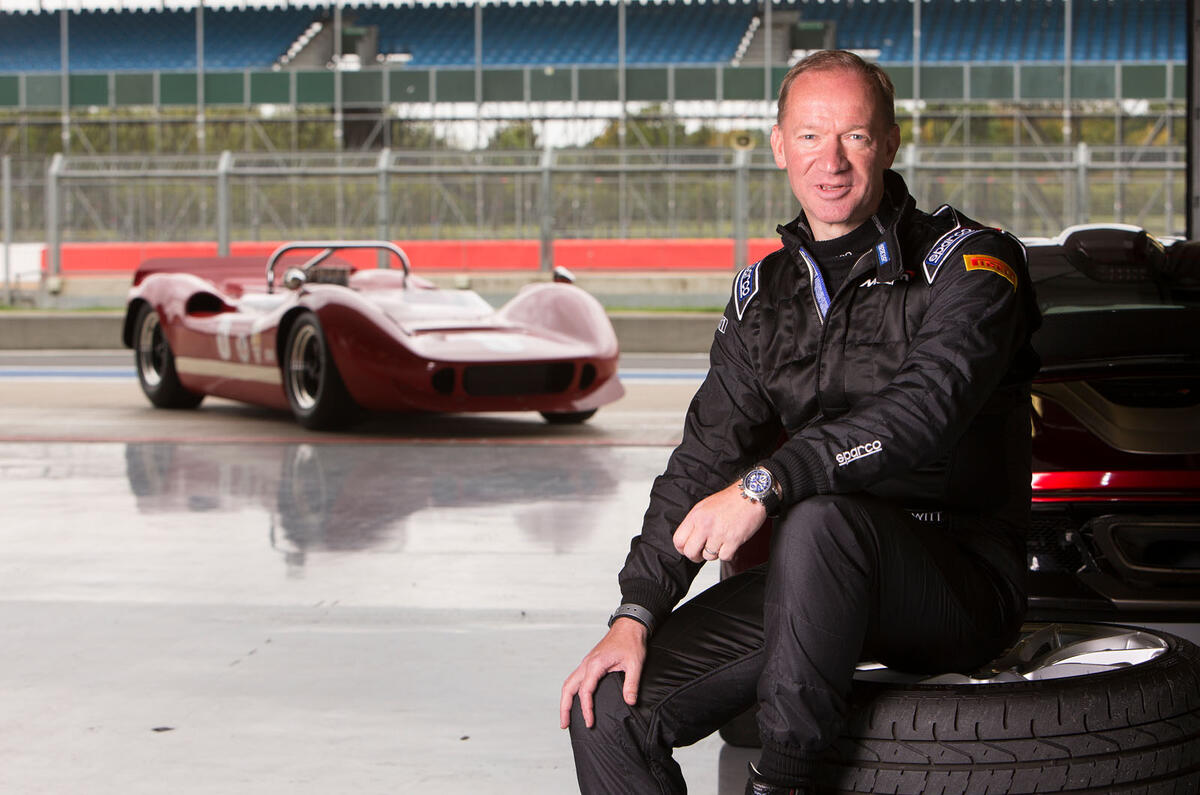
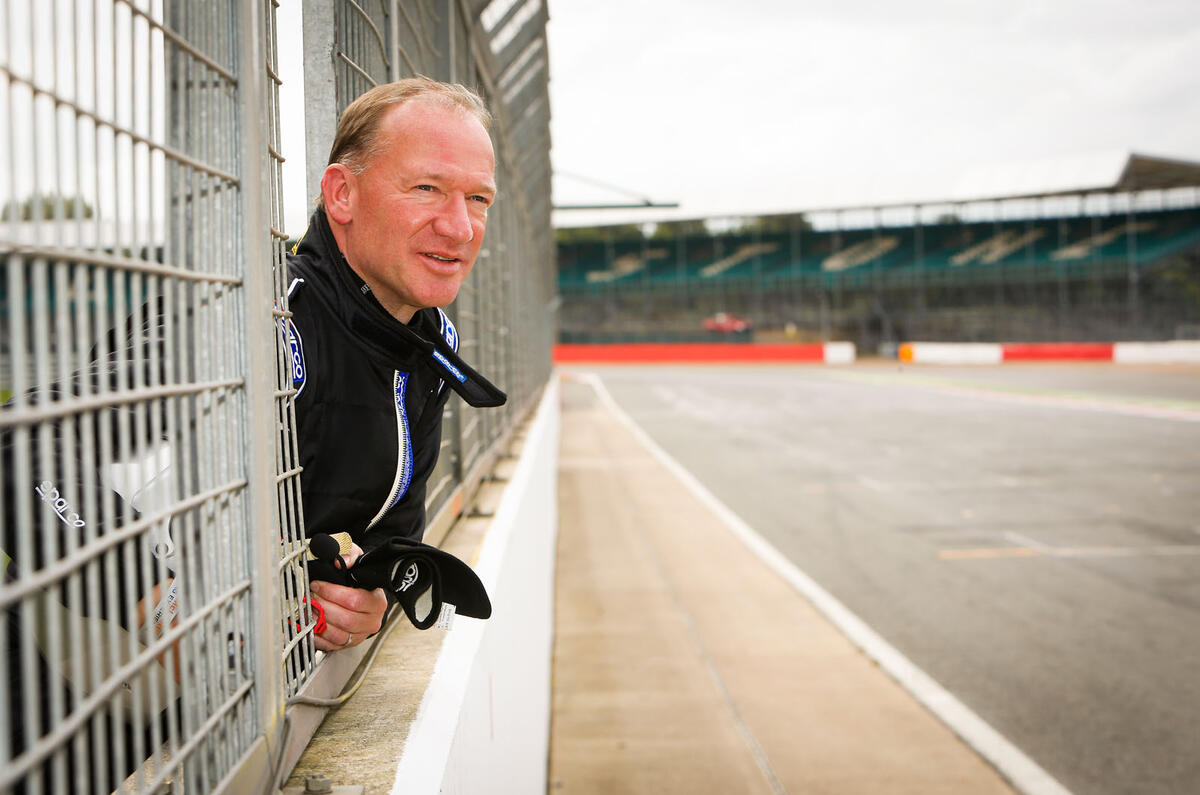
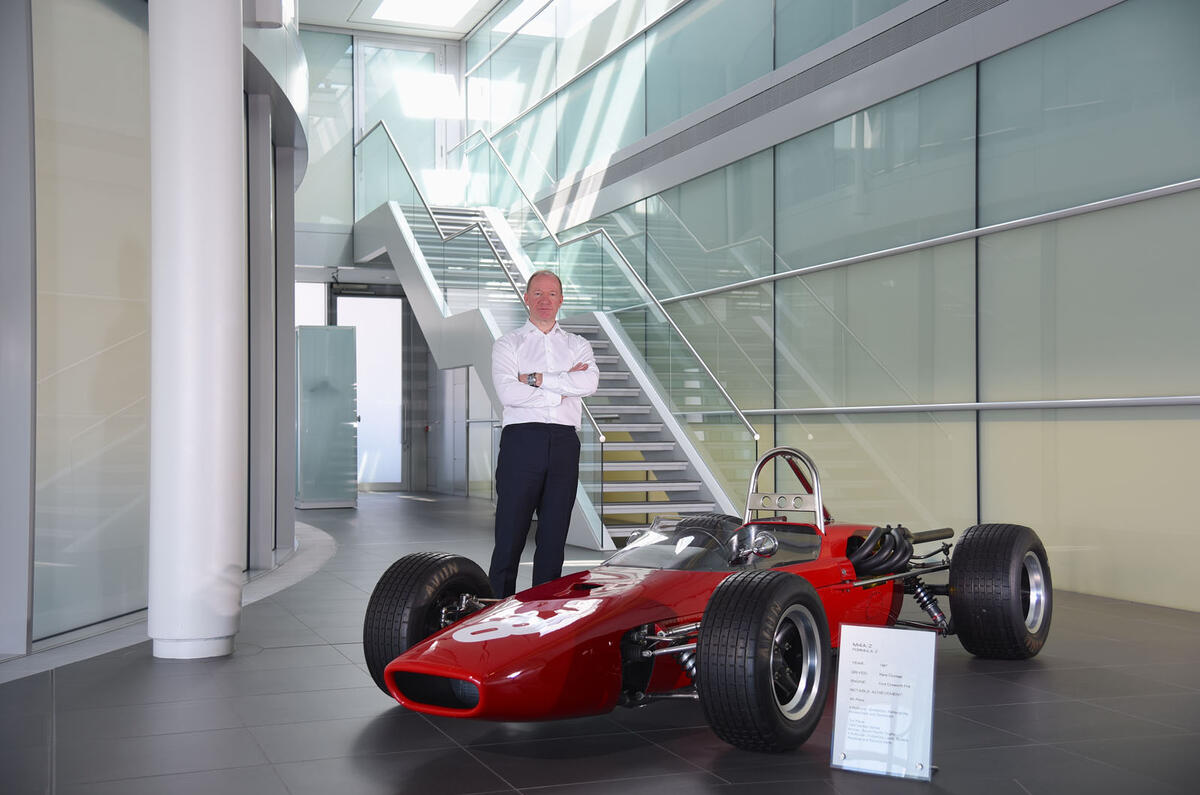

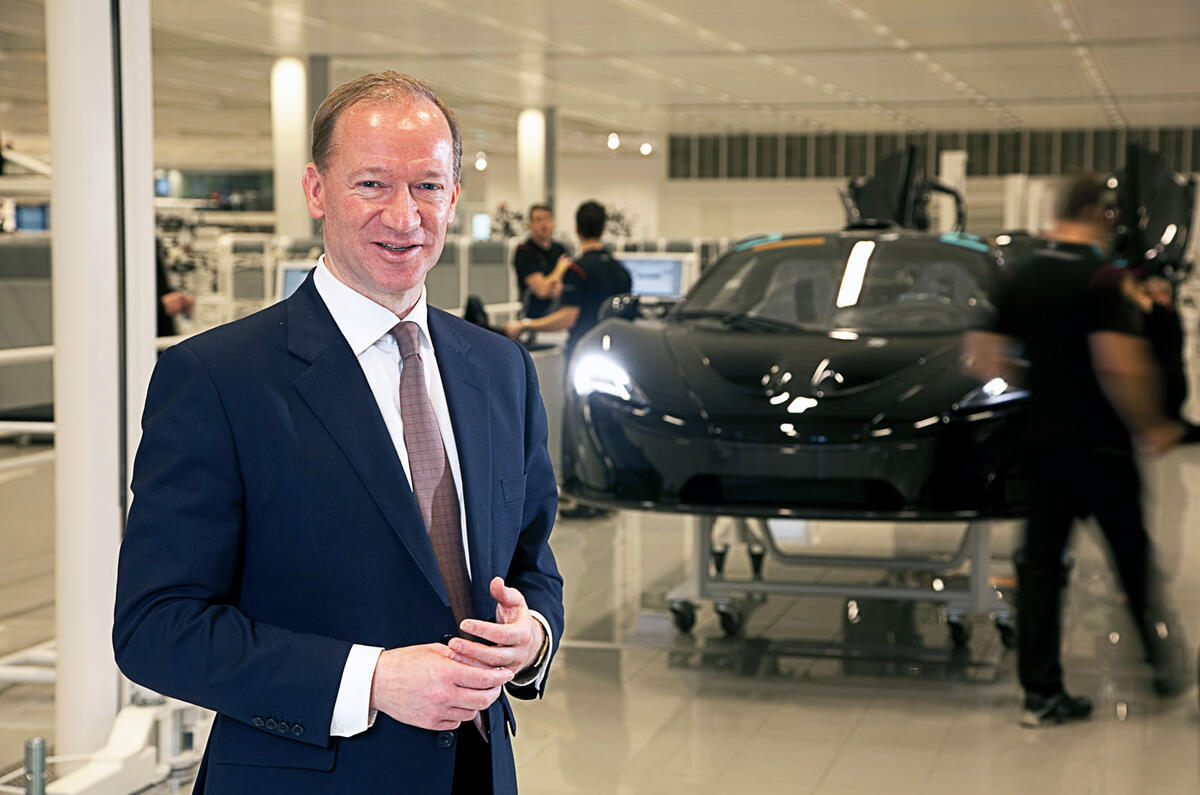




















Mike Flewitt, boss of McLaren Automotive since 2013, is a rarity among car company CEOs as an instinctive and passionate lover of cars both at work and when his time is his own.
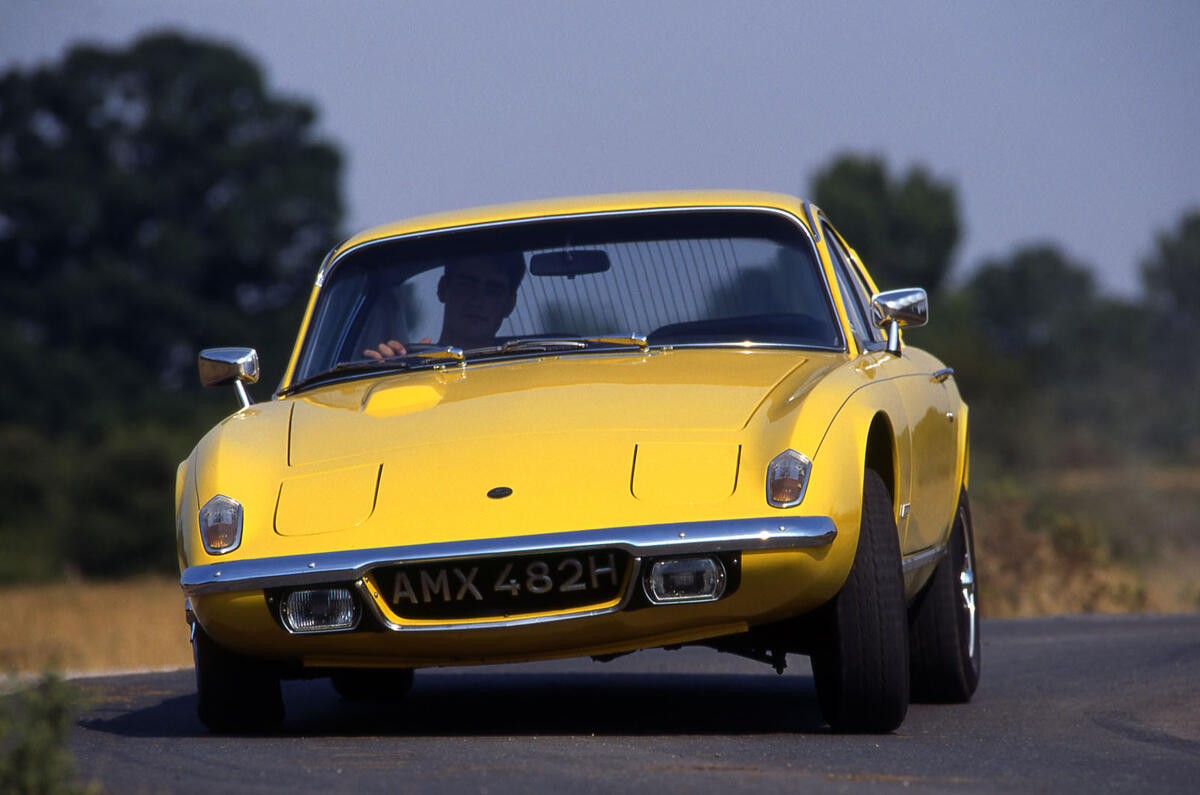
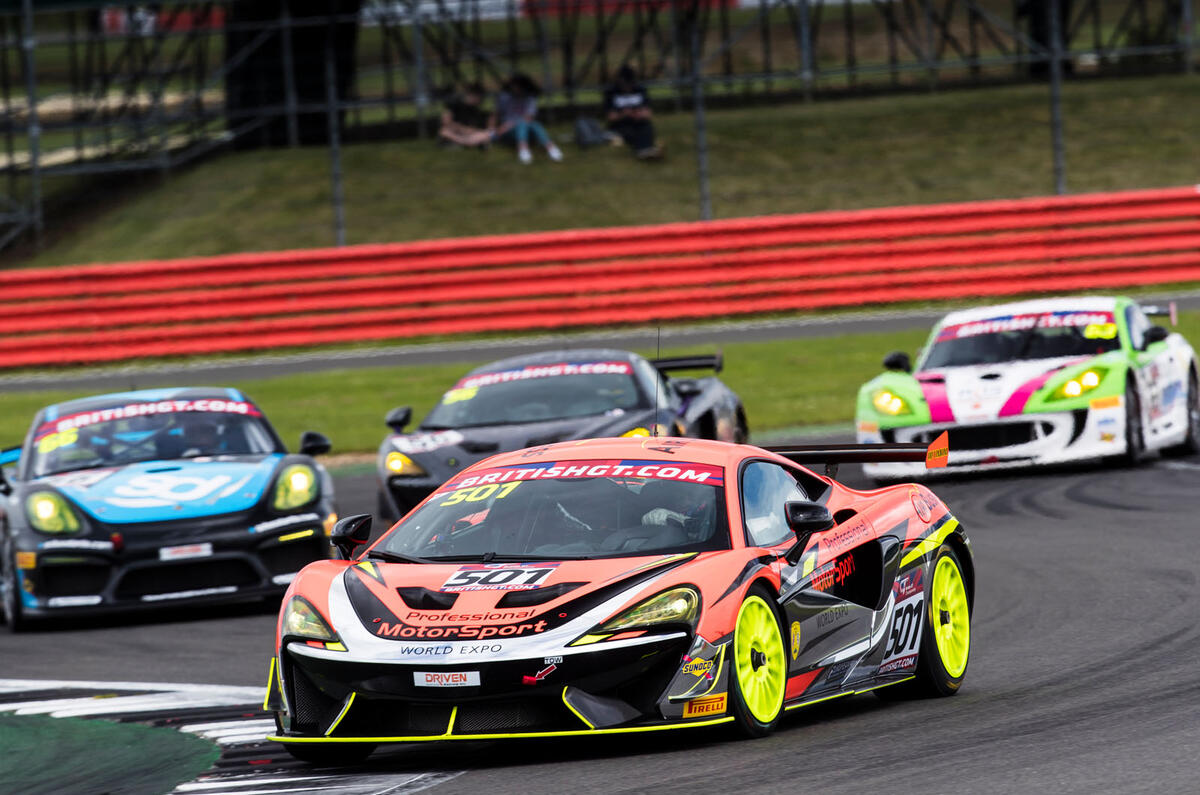
Many contemporaries seek the ‘car guy’ label, but few can justify it to the extent that Flewitt does, reading and researching car stuff for fun, racing his classic Lotus collection on weekends or supporting his wife Mia’s ever-more remarkable progress to the top step of the podium in the British GT Championship.
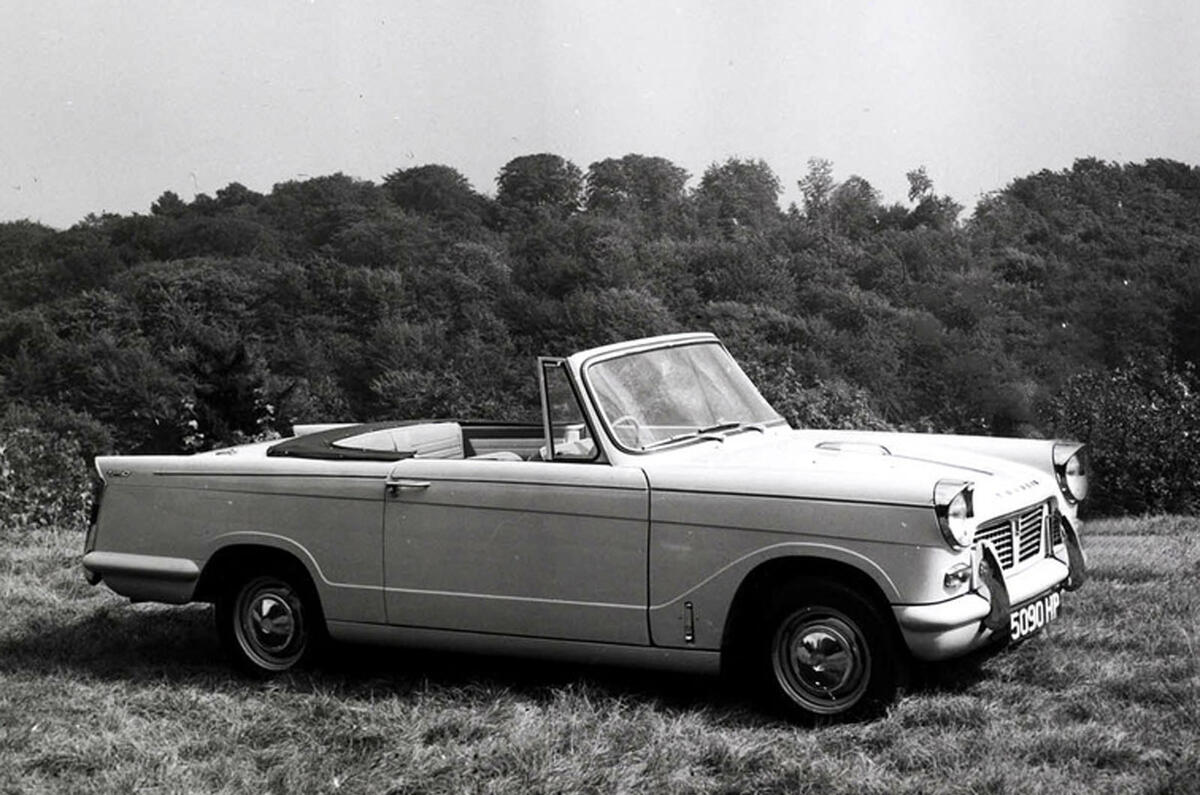
It wasn’t always like that. Nobody in Liverpool-born Flewitt’s family had any special love of cars. His father was an academic and his mother a teacher. Neither of his siblings (the elder brother who is now a judge and the younger sister who got into teaching) showed much automotive interest. Mike, although always mechanically interested as a child, was more likely to be fettling bicycles than dreaming of cars like many of his contemporaries. But a saffron-yellow Triumph Herald changed all that.
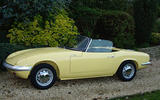
1962 Triumph Herald 13/60 Convertible

Young Flewitt was working in a local sports shop to earn pocket money and unexpectedly came into a £200 insurance payout when his best bicycle was stolen. To replace the bike, he bought the Herald for £250 from a lady who also worked in the sports shop – because it seemed “kinda cool”. An Austin-Healey Sprite Mk4 would have been even cooler still, he recalls, but a teenager’s insurance premiums would have cost more than the car. Still, the Herald played the key role of getting Flewitt into cars.
“I absolutely loved that car,” he says. “It was pretty decent to drive and dead easy to work on because of the separate chassis and the way its whole front body section lifted away. I enjoyed solving the sort of problems you could see and touch – still do. I had an extremely oily Haynes manual that I used to follow religiously. Working on that Herald taught me to love cars, and now they’re my whole life.”
The Herald took 19-year-old Flewitt off to the University of Liverpool to study economics, but he soon found the experience “lacked relevance” so after a year he started work in the Ford factory at Halewood, 10 minutes from home, at first fitting rear parcel shelves on the production line. Soon he was accepted as a technical apprentice, which involved regular trips to Ford HQ in Essex plus college training on day release. That set him on a 12-year Ford journey from trainee through foreman, supervisor and manufacturing engineer (he began studying again at the University of Salford in his late twenties) to area manager.