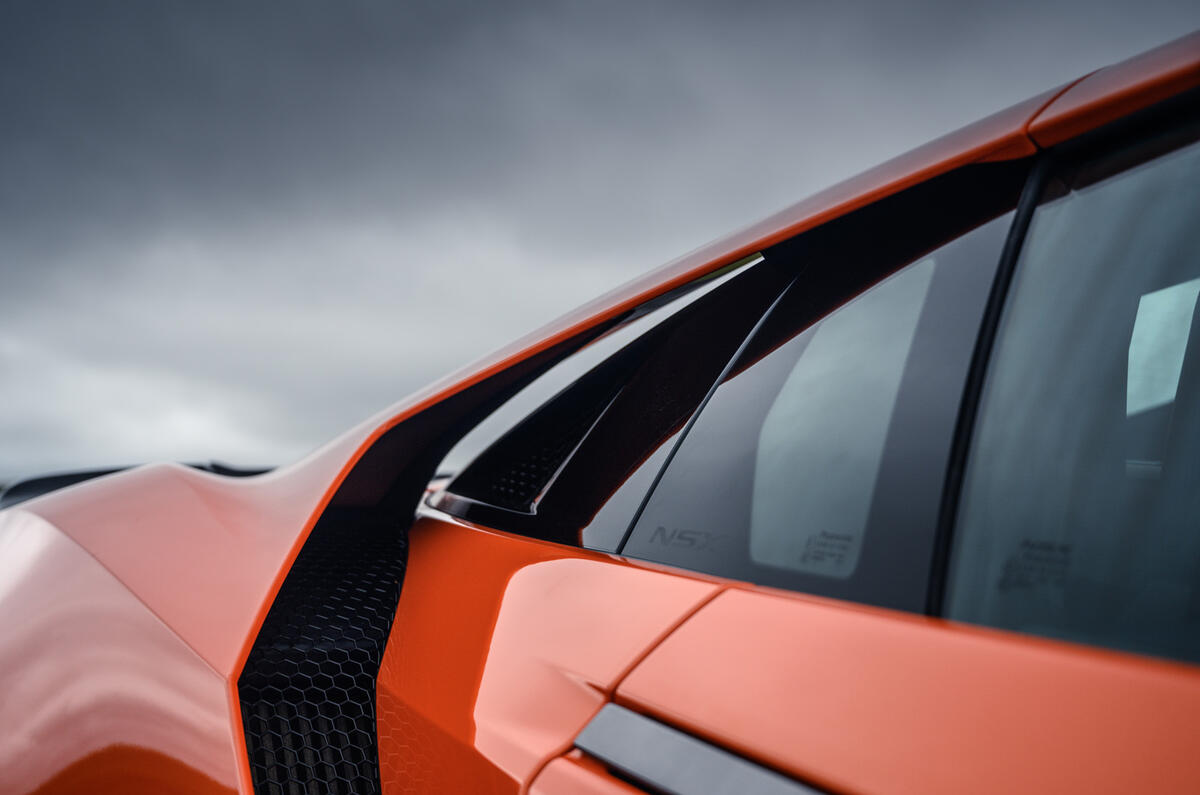
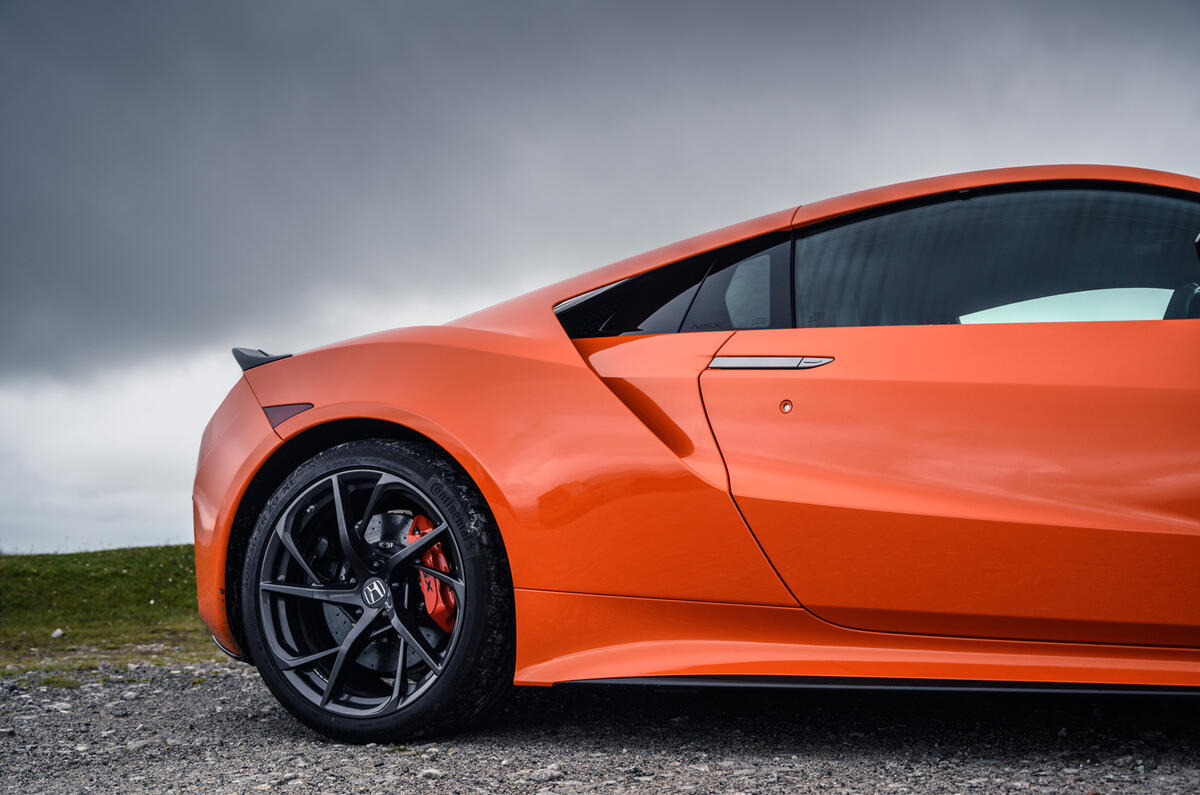
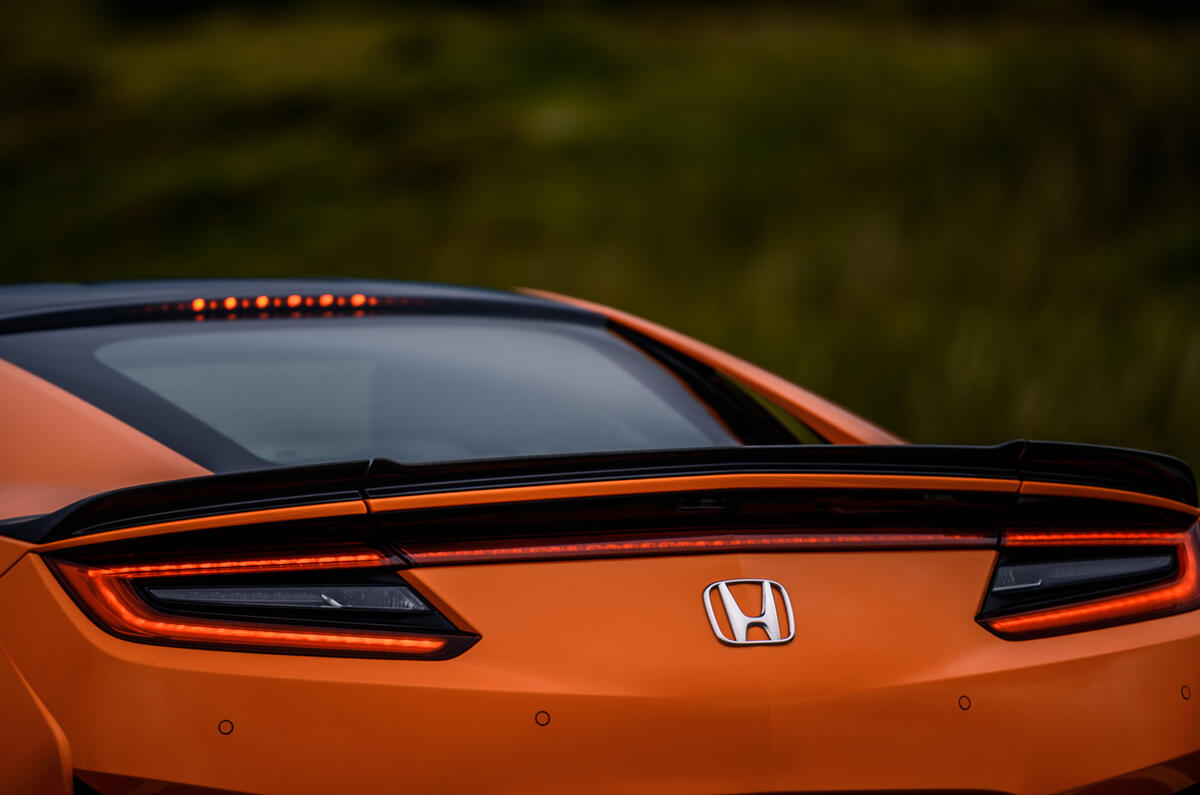
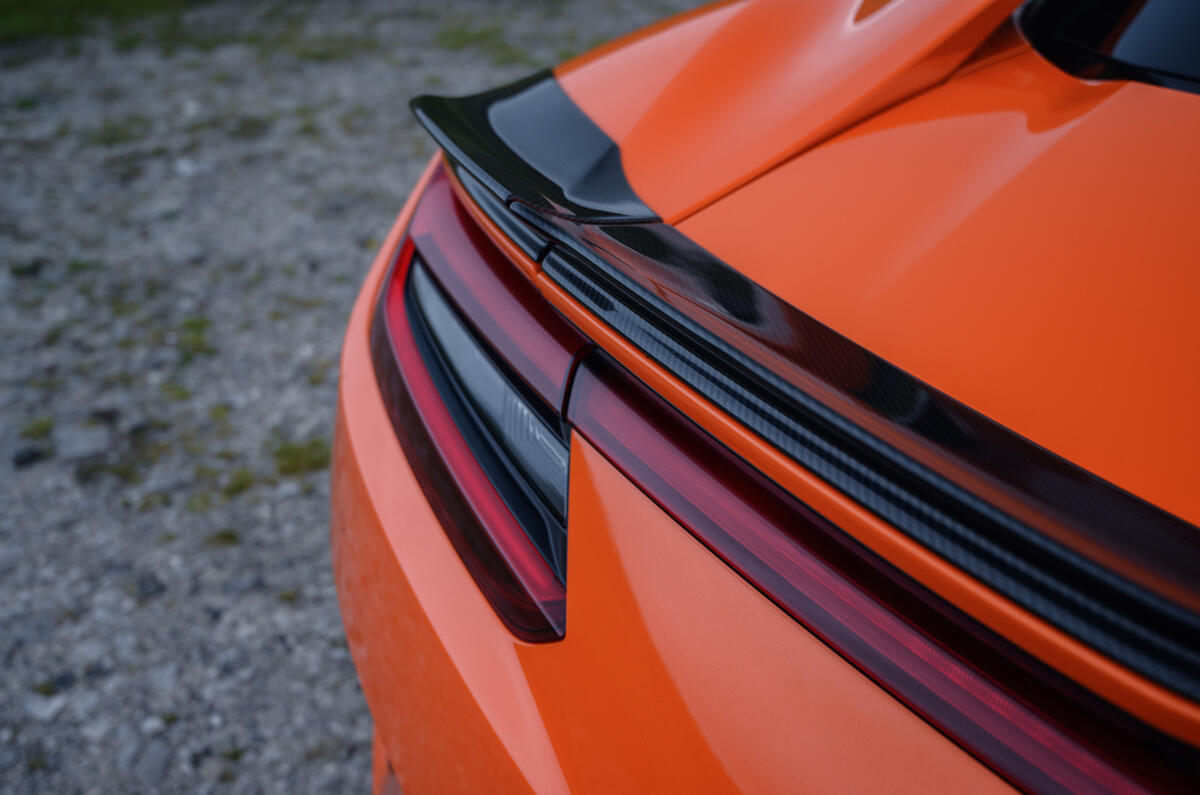
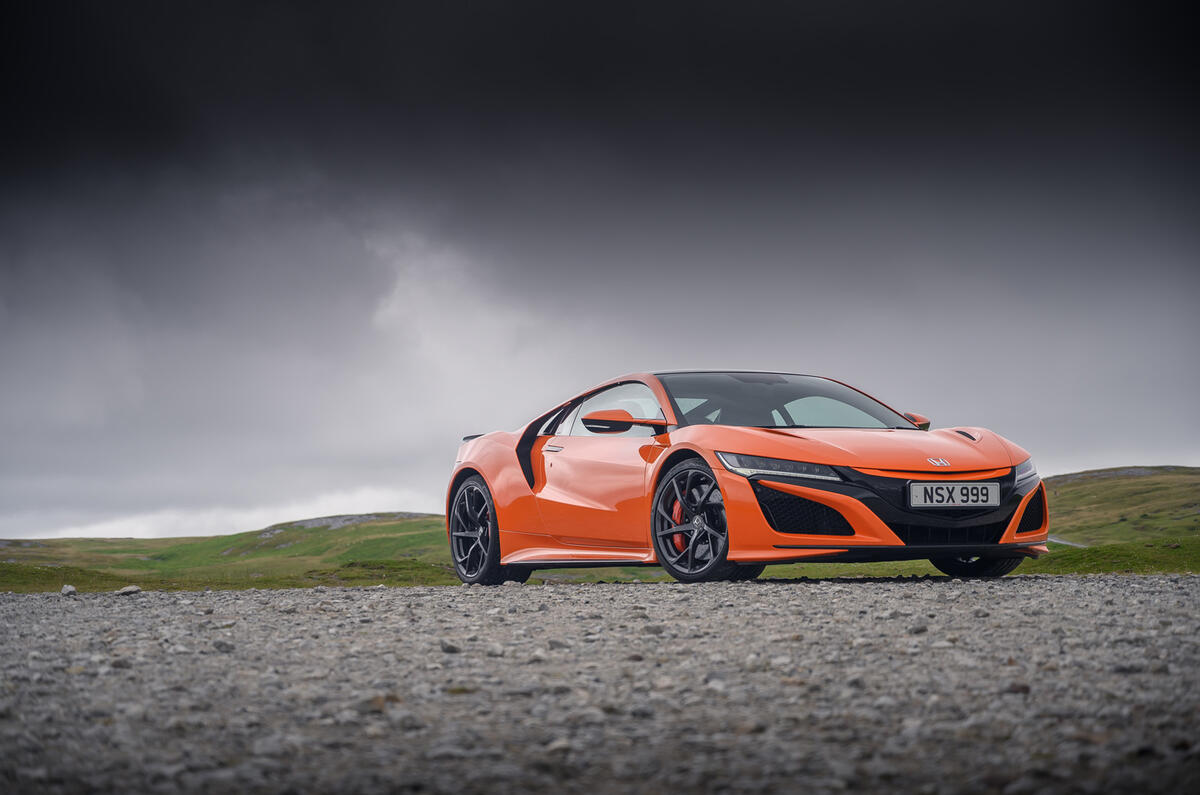
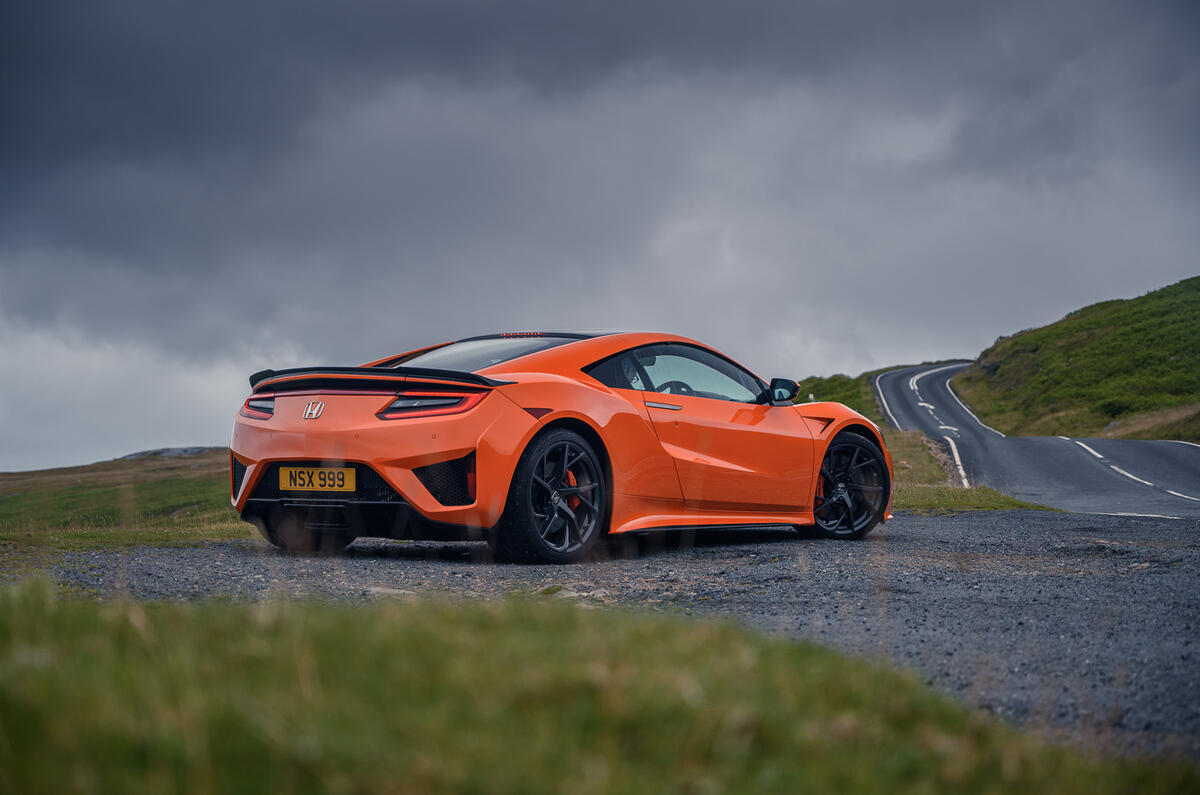







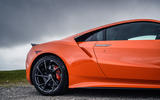

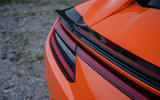
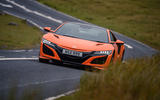
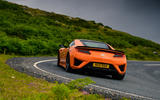





Given that it has been touted as the future of the fast car by more than a few industry commentators, it’s fair to say the formula of the mid-engined, four-wheel-drive hybrid supercar has yet to gain the traction that might be expected, considering how long it has been around.
Leaving aside limited-edition models like the Porsche 918 Spyder, the first was the BMW i8, which limped off sale a few months ago, six years after it appeared to represent the brave new world. I drove one for a year and loved every minute, but the market didn’t concur.
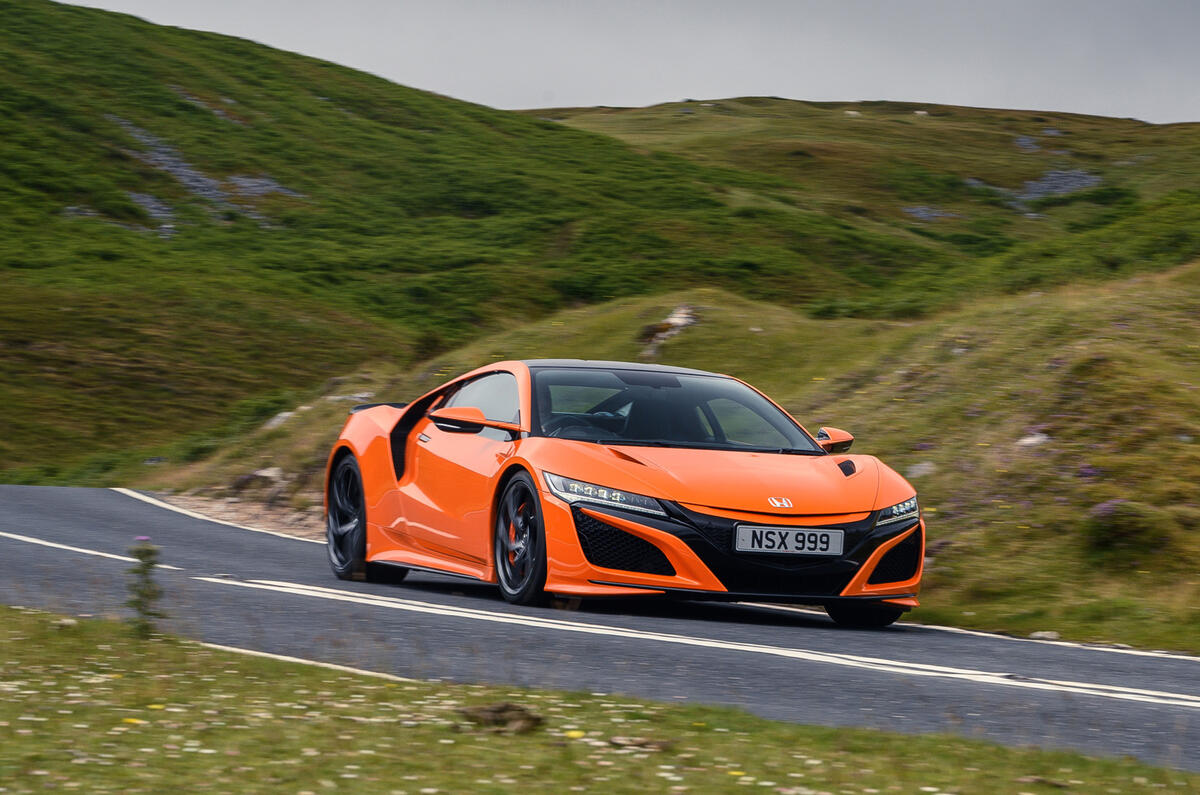
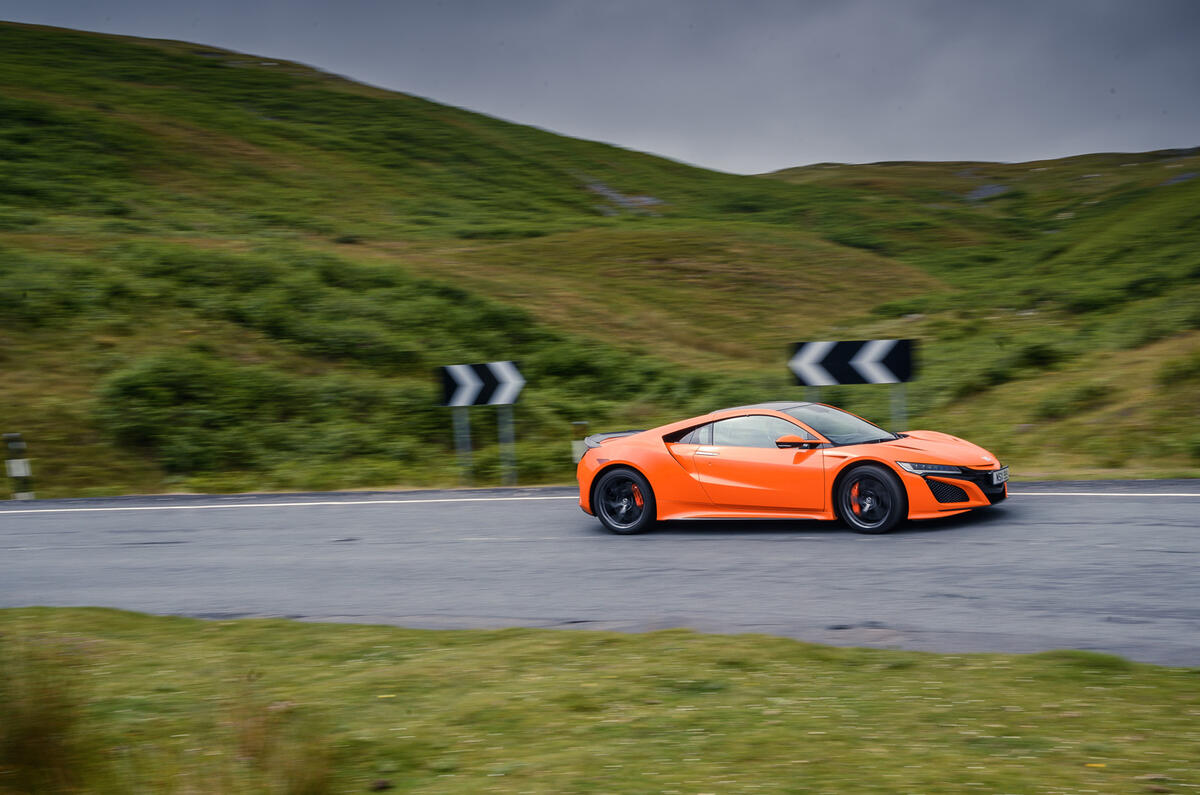
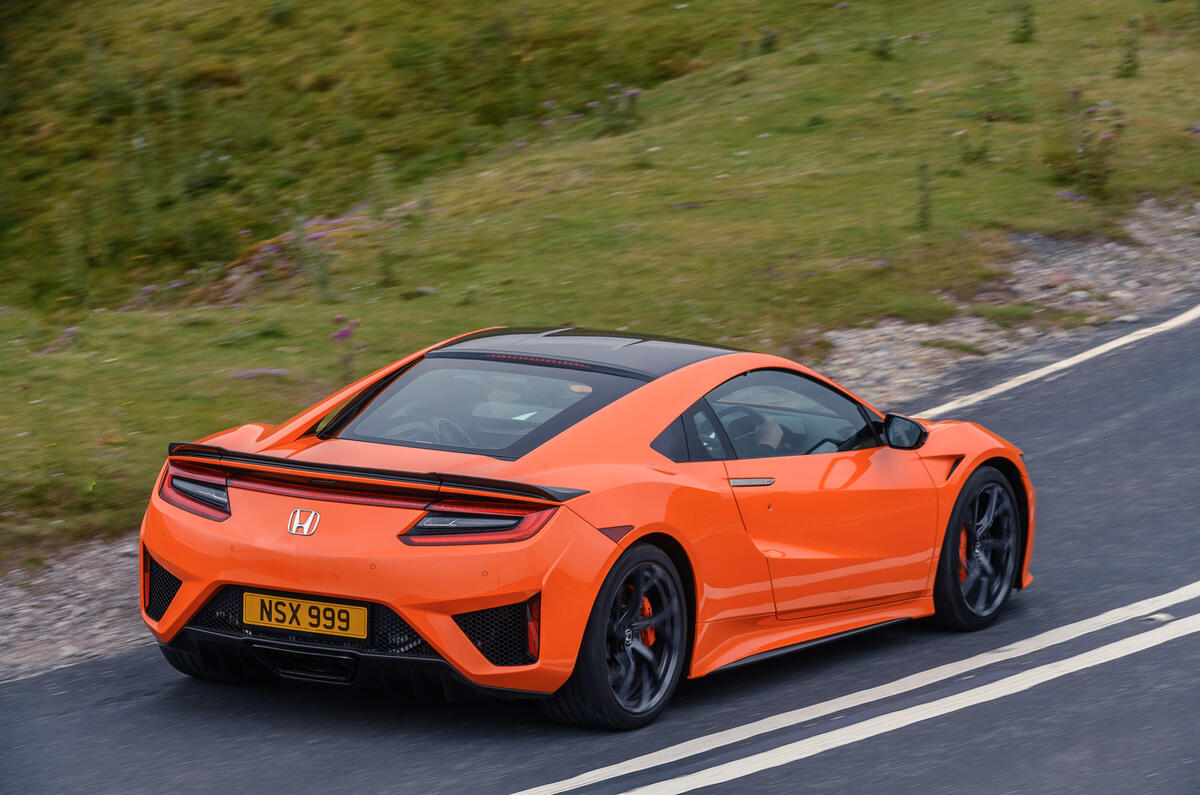
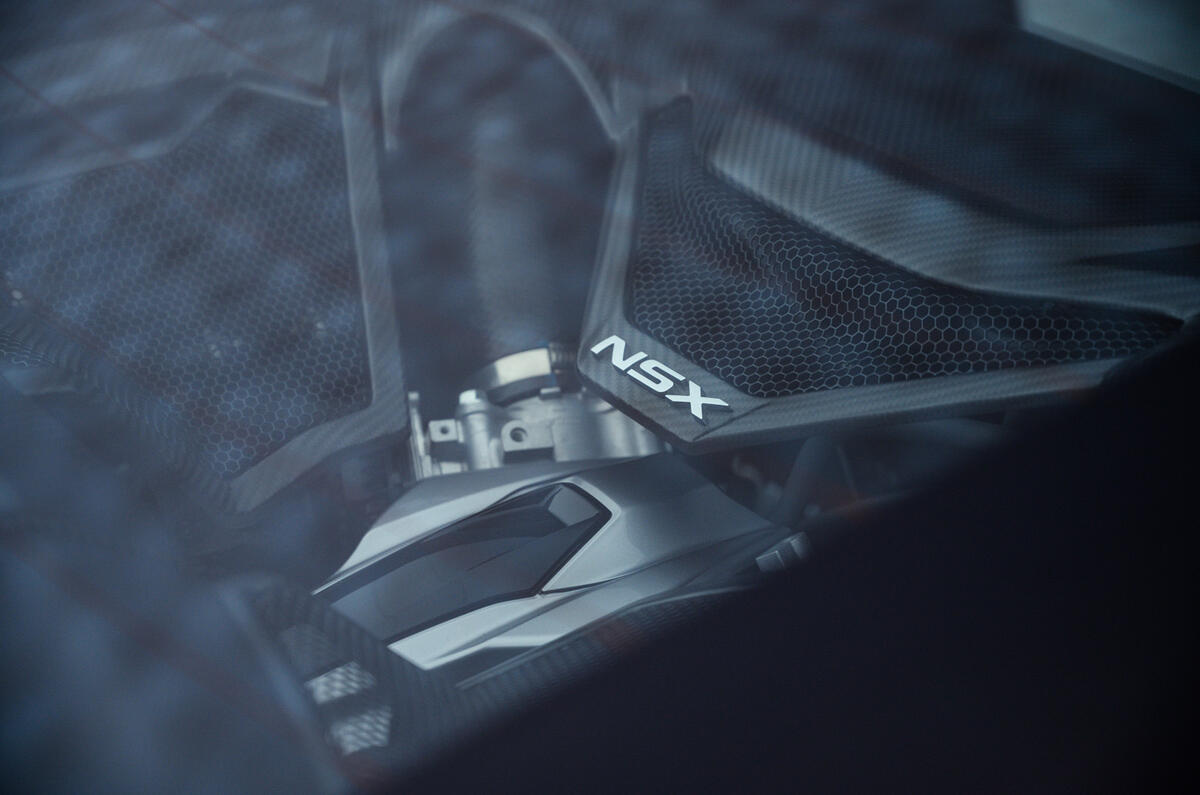
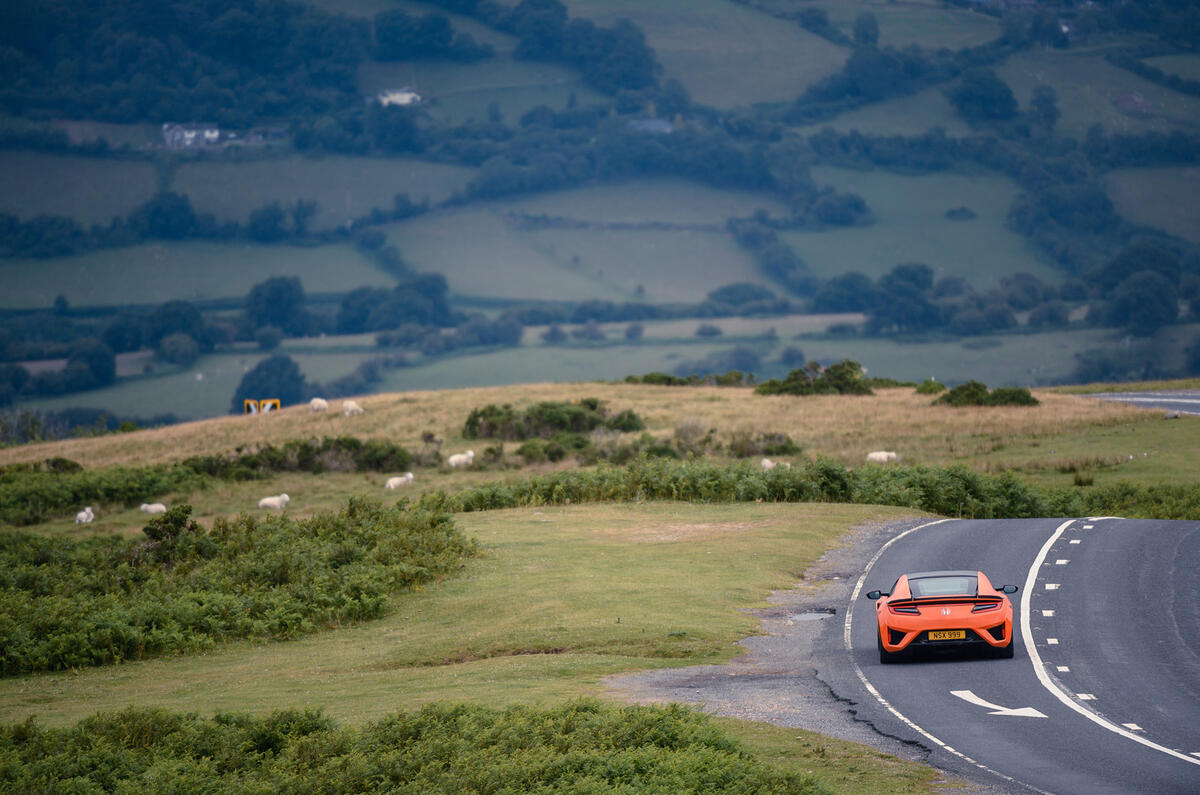
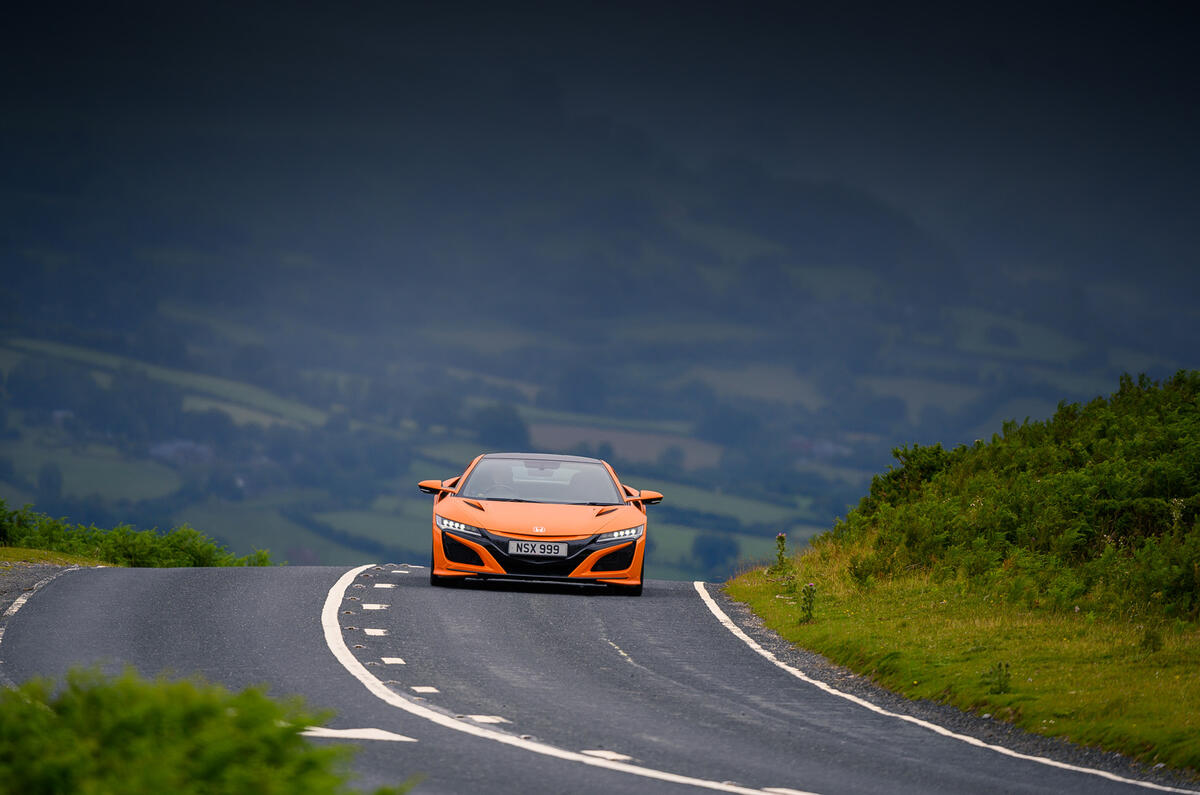
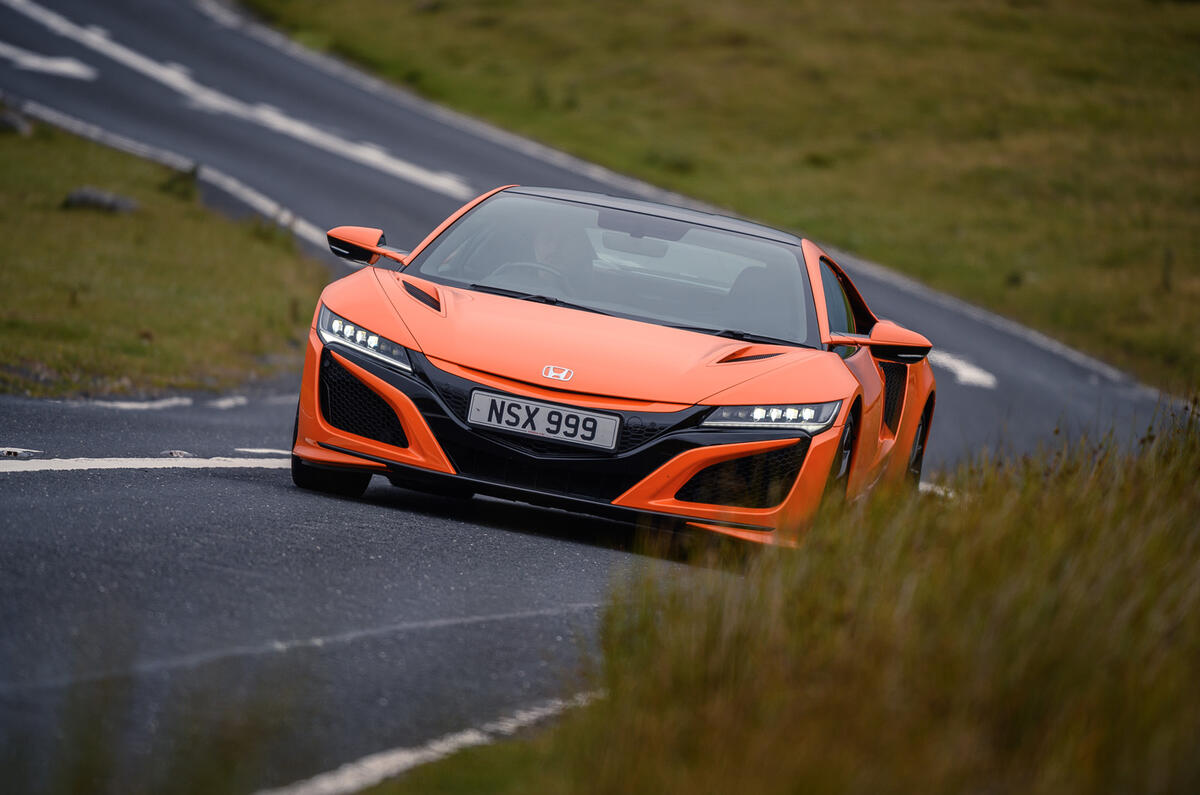
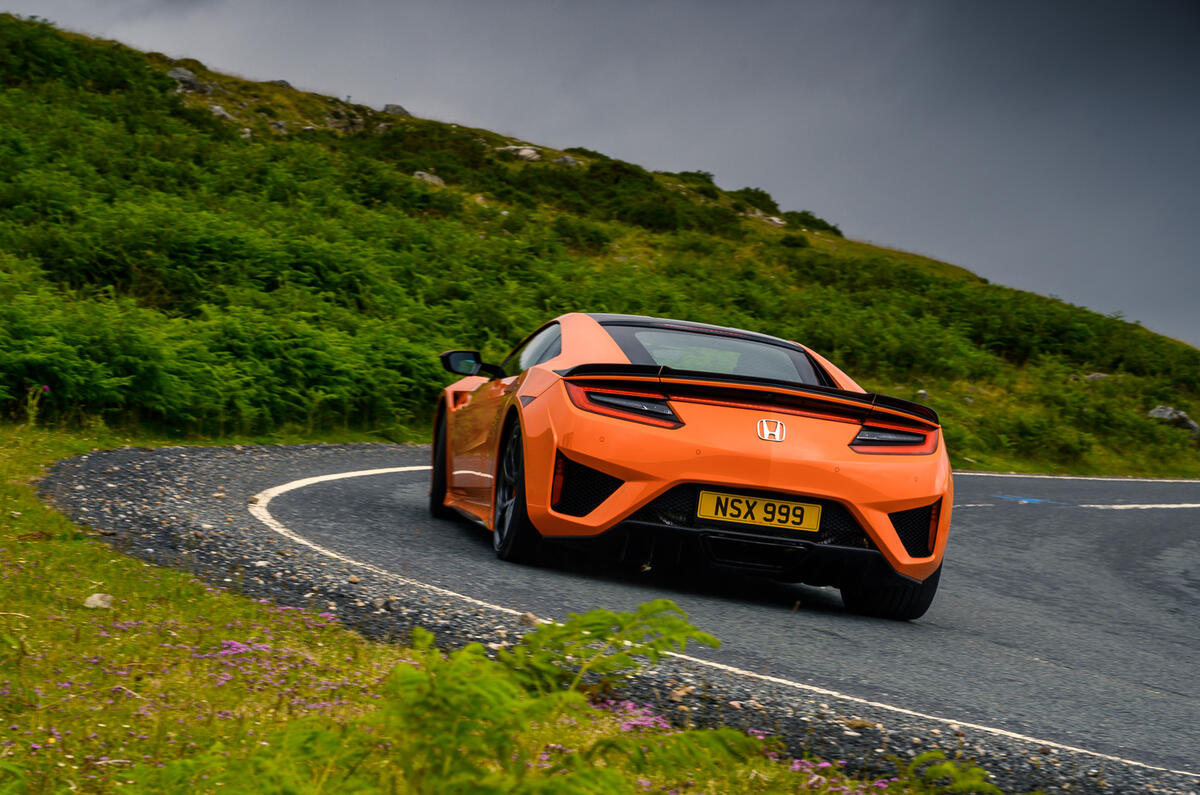
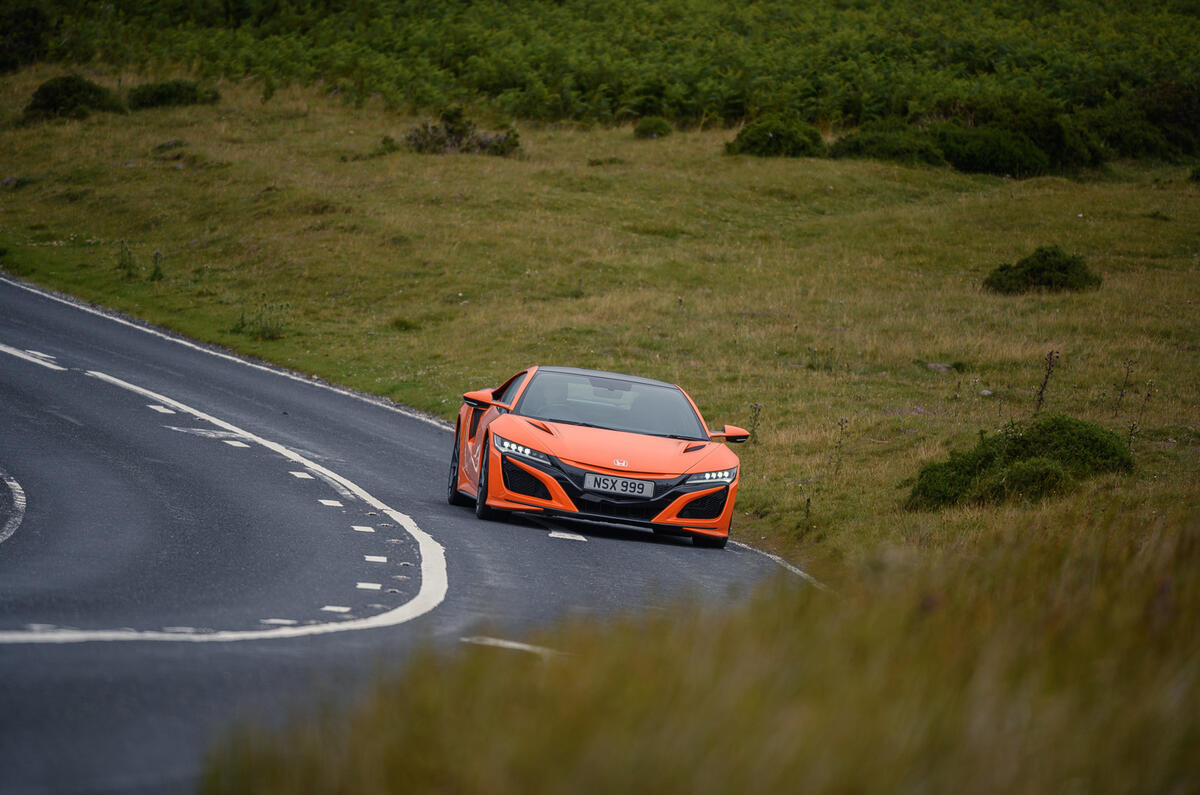
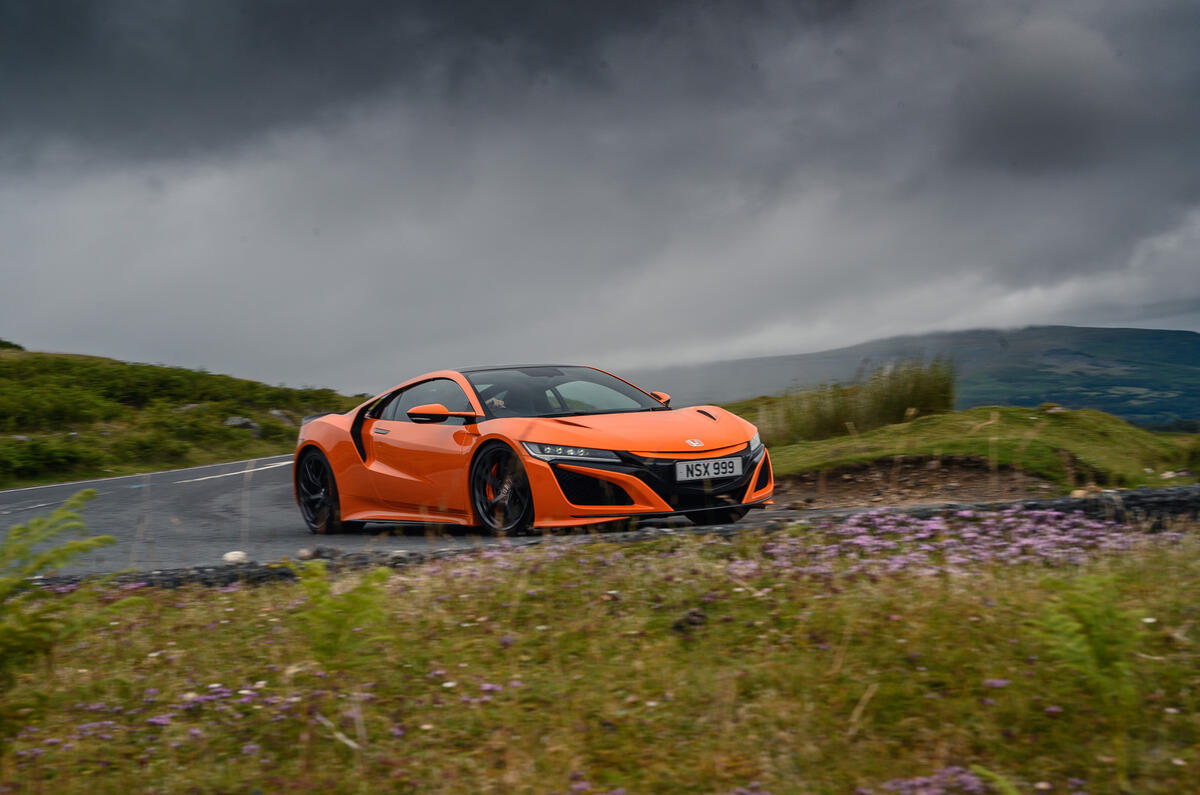
Nor does it appear enamoured with the only other hybrid supercar there has been since (at least until the Ferrari SF90 Stradale arrives in the UK). That car is the Honda NSX. It went on sale here at the end of 2016 and, according to DVLA data, just 79 had been taxed a year later. Today the figure stands at 117, which equates to fewer than 30 cars per year.
The truth, or at least part of it, is that it’s not good enough just to have the right idea; it has to be introduced at the right time, too. I will go to my grave convinced that the i8 was one of the most visionary mass-produced cars. But just as De Havilland’s Comet pioneered commercial jet aviation only for Boeing to steal its thunder (and profits) with the 707, so too will it be for others to learn from BMW’s courage in attempting to blaze a genuinely new trail.

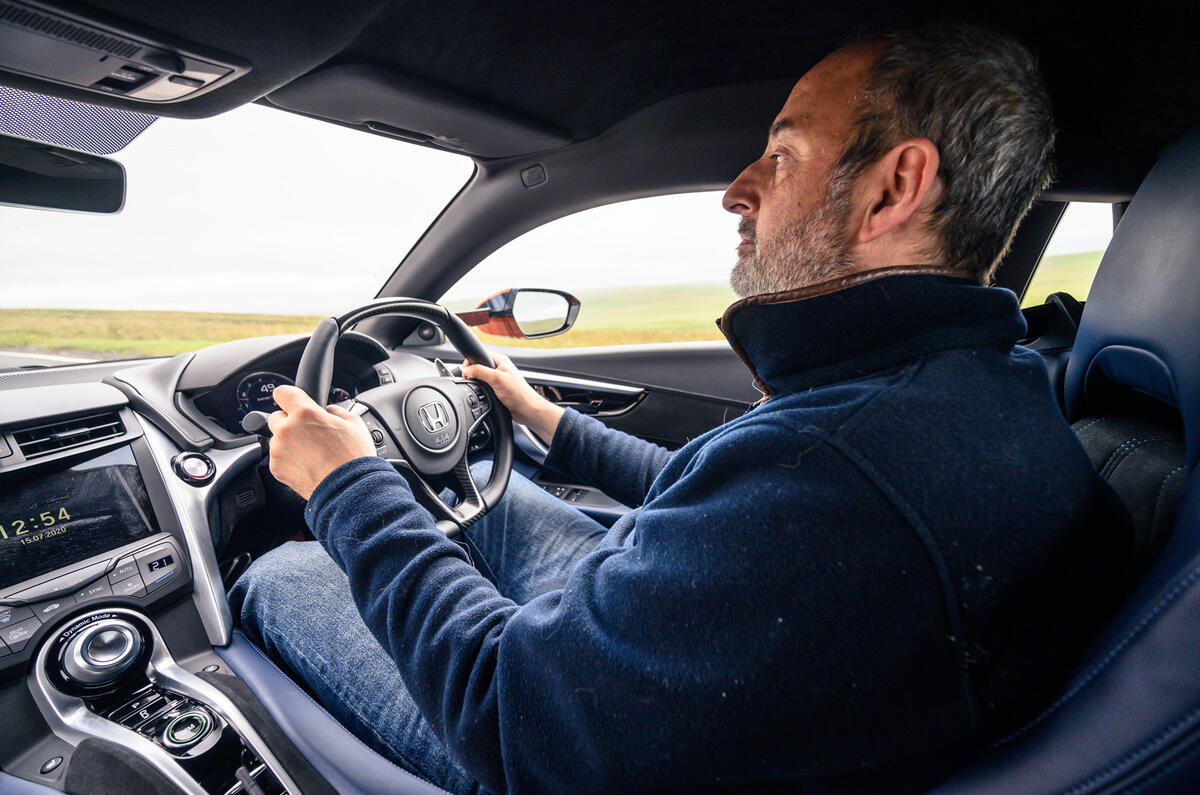
The problem is the concept is fundamentally flawed, and you only need look at the NSX to know it. Despite the fact that this car is a closed-circuit hybrid rather than a plug-in hybrid, which saves weight and space, it’s still heavy and not in the least spacious. Interior room is just adequate for my 6ft 3in frame, but the boot is sufficiently tiny to challenge any notion of touring. And it weighs 1770kg, which is plenty.