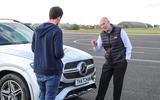

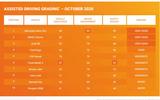

Thatcham Research and Euro NCAP have jointly launched a new grading system for driver assistance tech to reduce confusion around its capability.
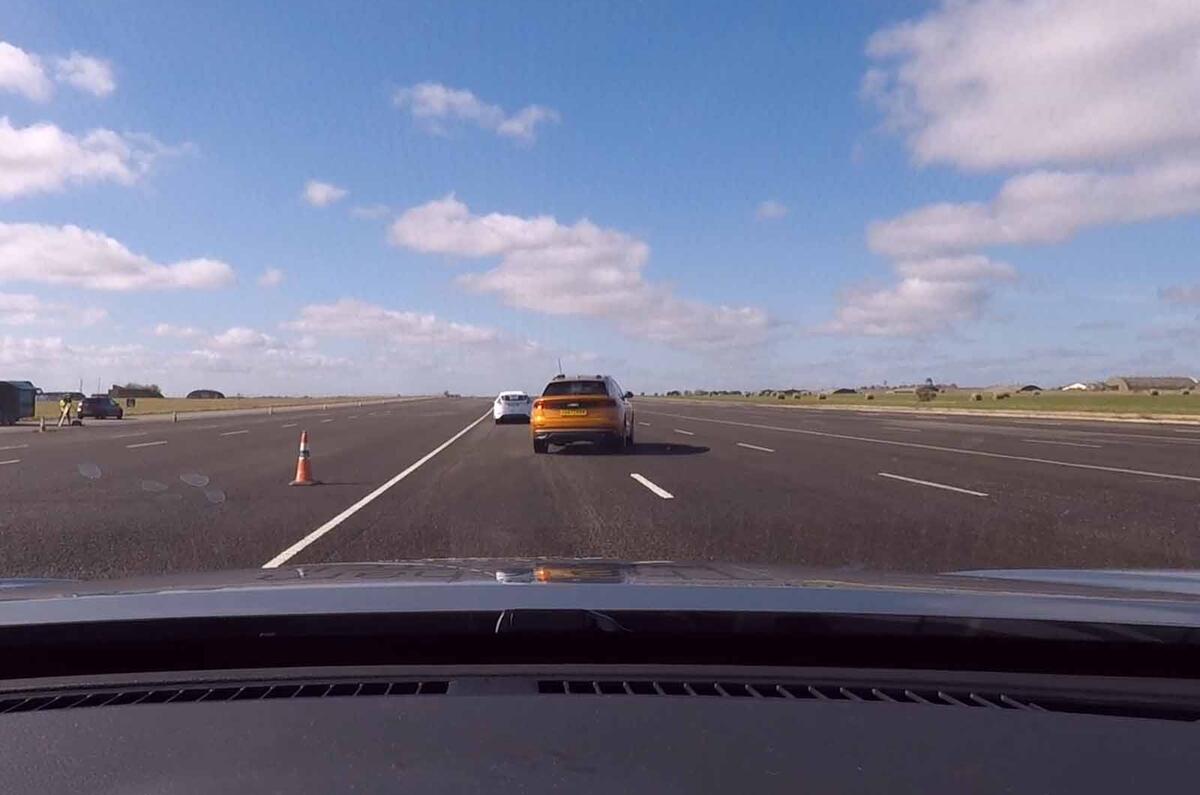
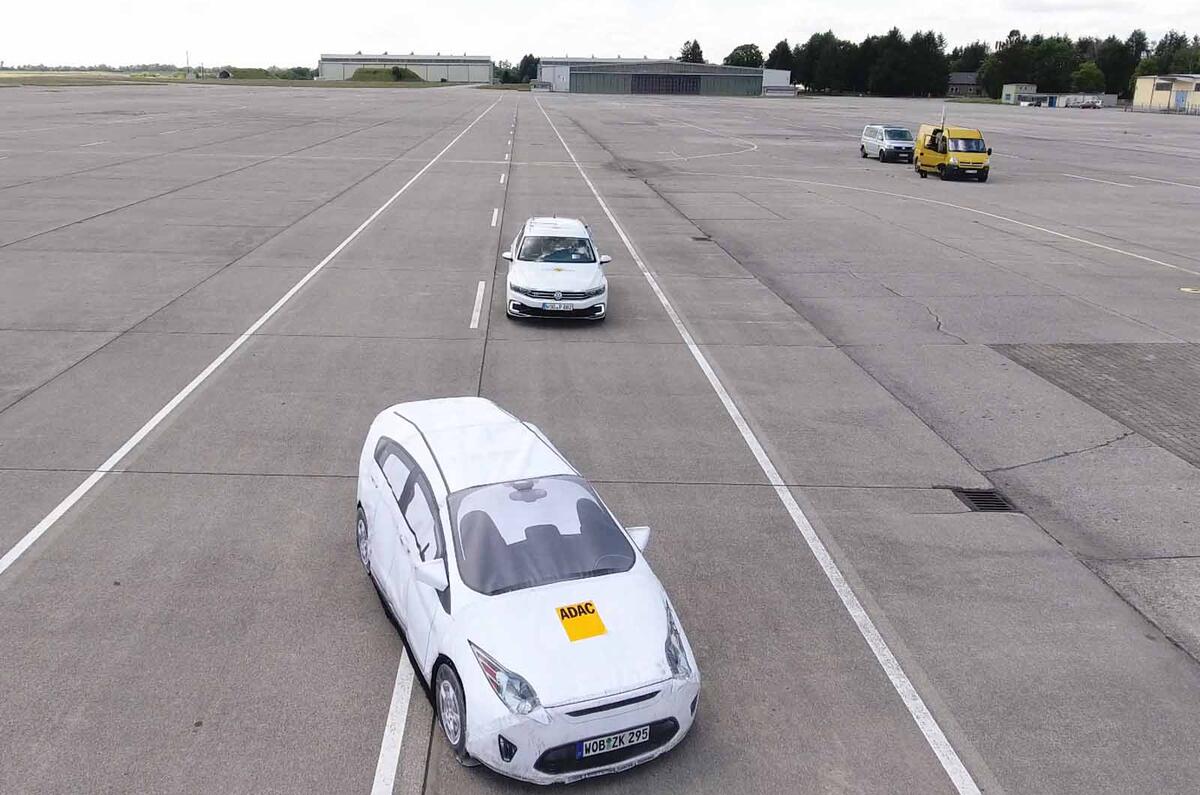
The Assisted Driving Grading will supplement Euro NCAP’s traditional crash test and feature-based star rating system, providing scores for the effectiveness of the driver assist tech on offer, its ability to keep the driver engaged in the process of driving and its performance in an emergency.
The safety bodies will also consider the way the systems are marketed by each manufacturer, determining whether they encourage the driver to put too much faith in them.
“The systems that are currently allowed on our roads are there to assist the driver - but do not replace them,” said Matthew Avery, Thatcham’s director of research.
“Unfortunately there are motorists who believe they can purchase a self-driving car today. This is a dangerous misconception that sees too much control handed to vehicles that are not ready to cope with all situations.”
Avery also claimed that legislators, insurers and manufacturers cannot move to the next step of automated driving if the full capability of assisted driving tech is not understood clearly by consumers.
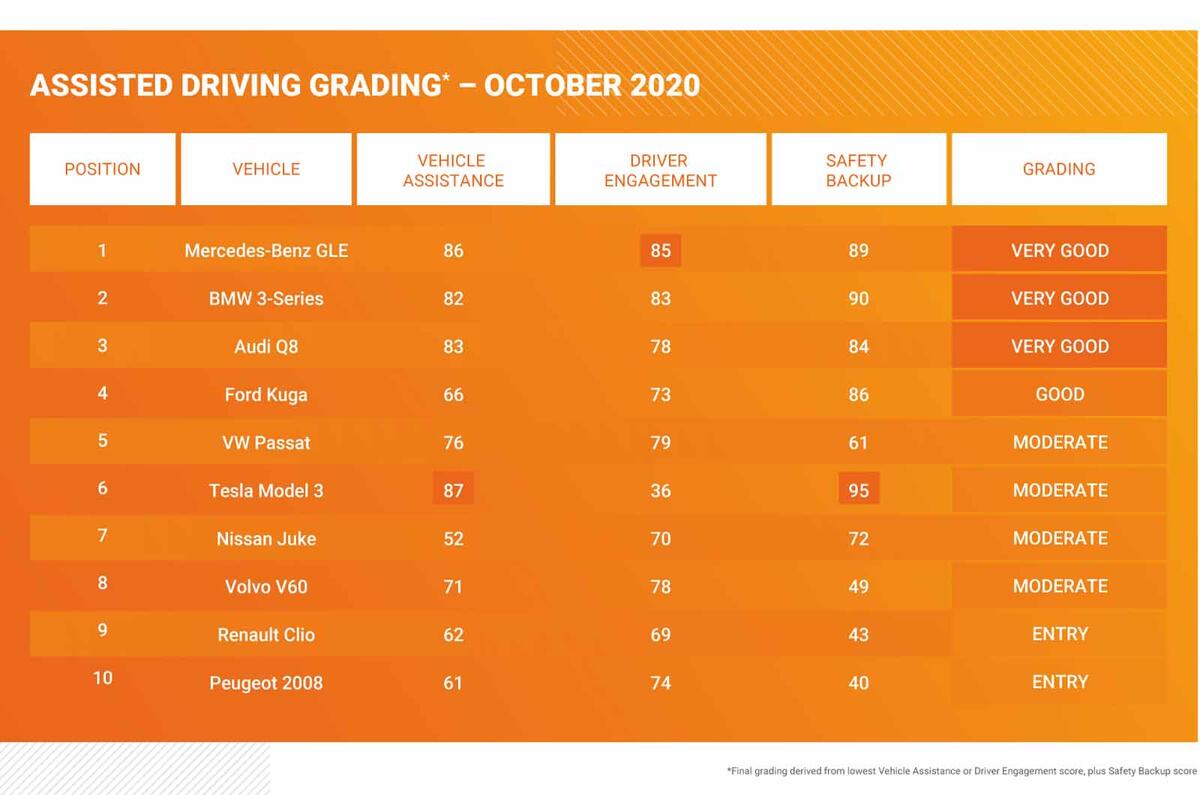
The Assisted Driving Grading uses a sliding points scale across multiple categories, with 200 points awarded. The points awarded in testing put the car into four categories: Entry (between 100-120 points), Moderate (over 120 points), Good (over 140 points) and Very Good (160 points or more). Cars that score below 100 points are classed as Not Recommended.

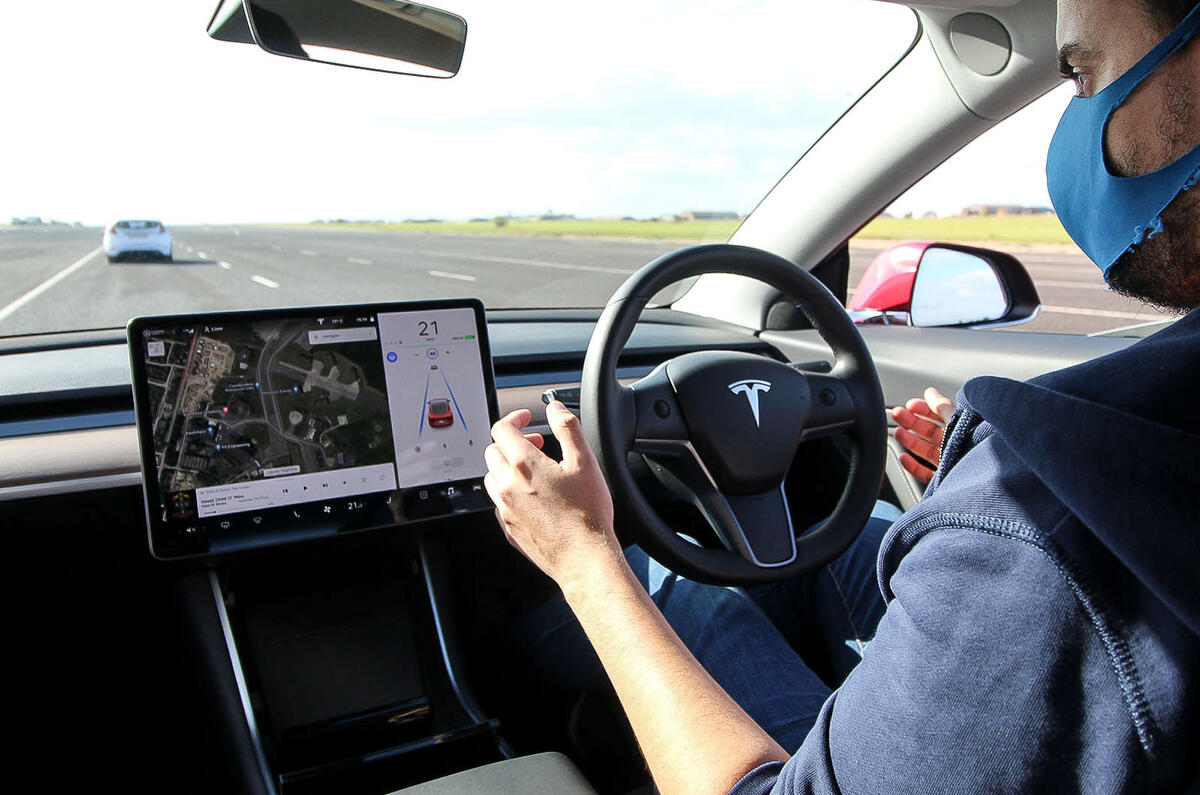
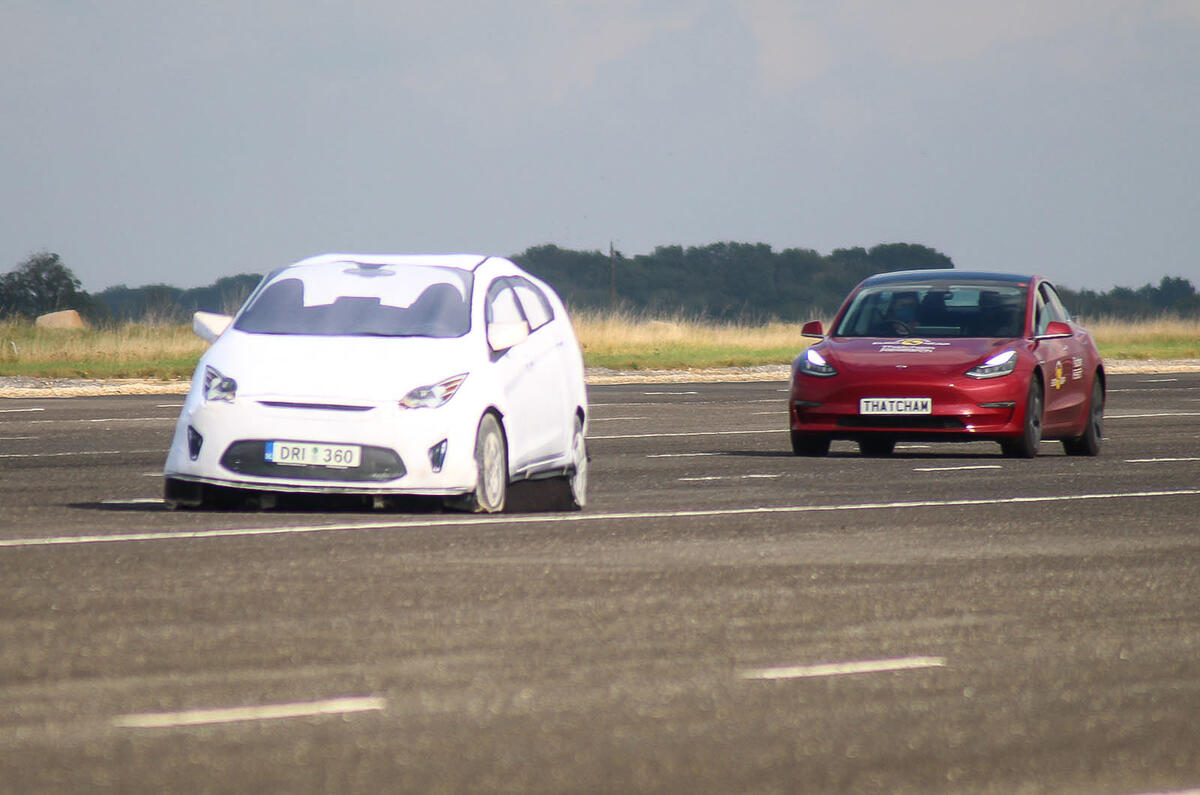
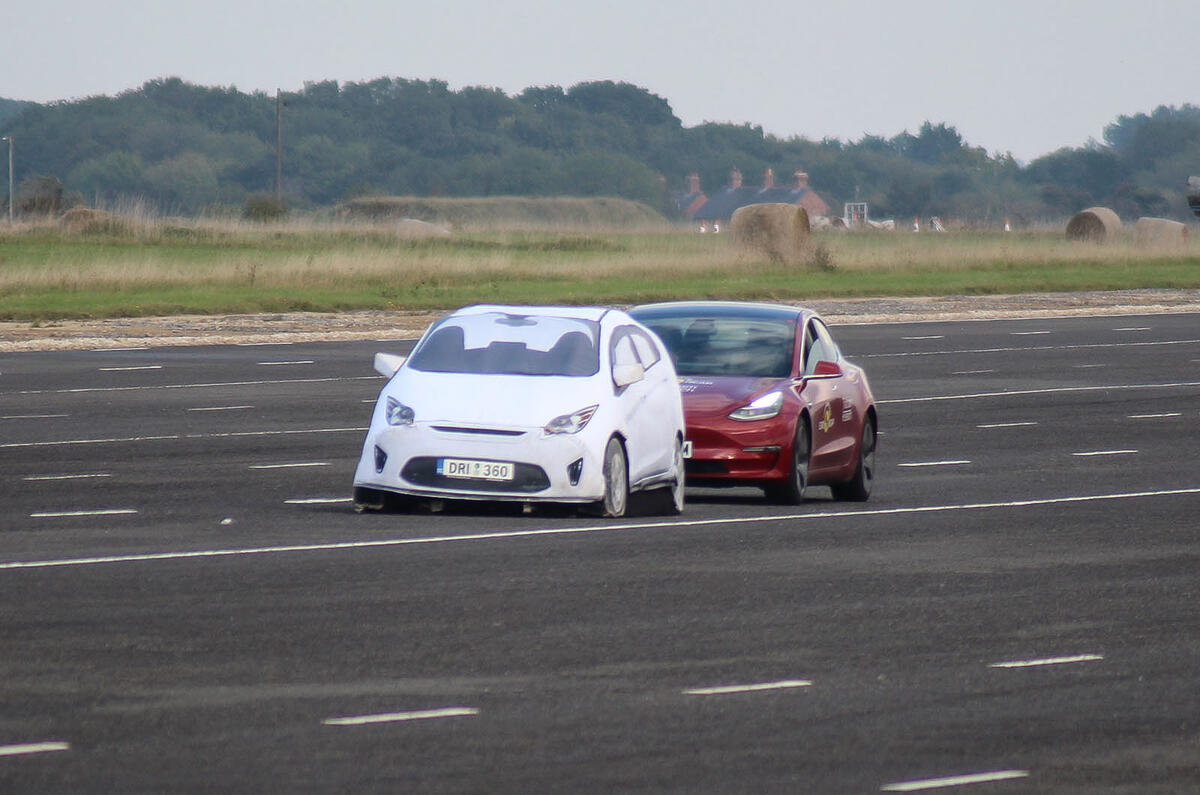
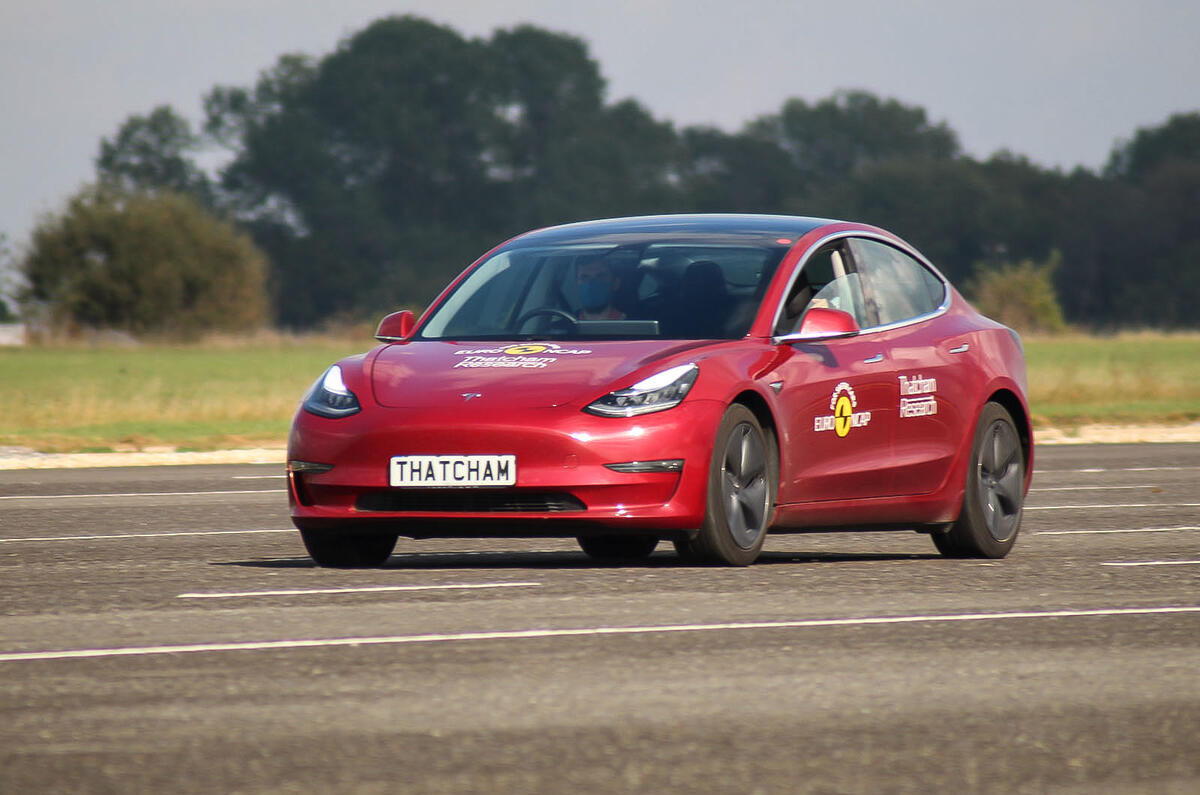
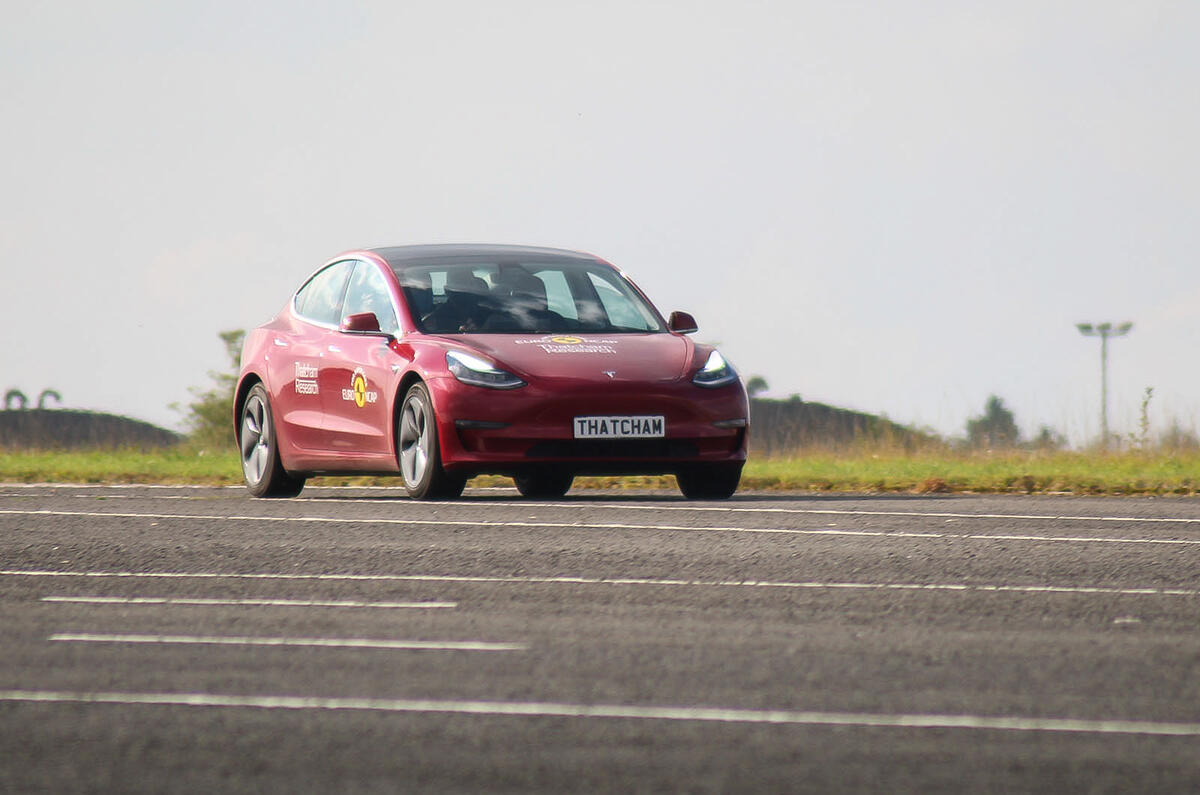
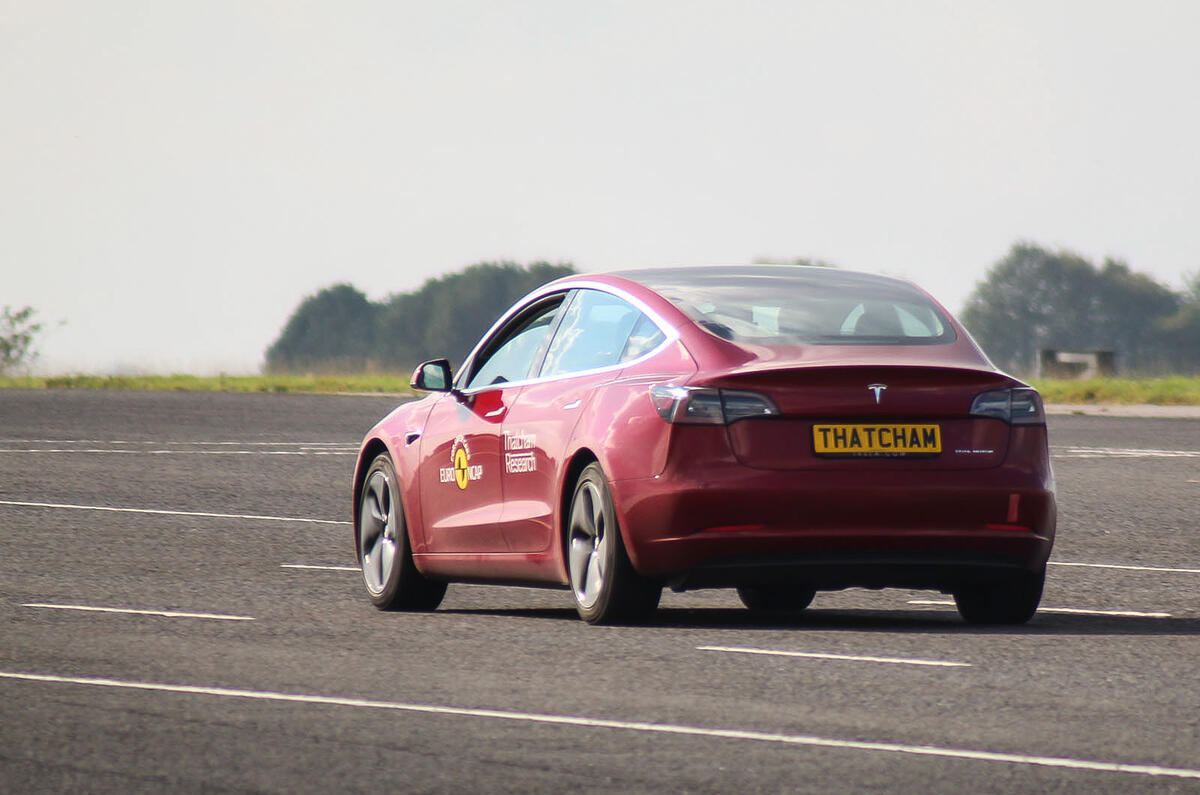
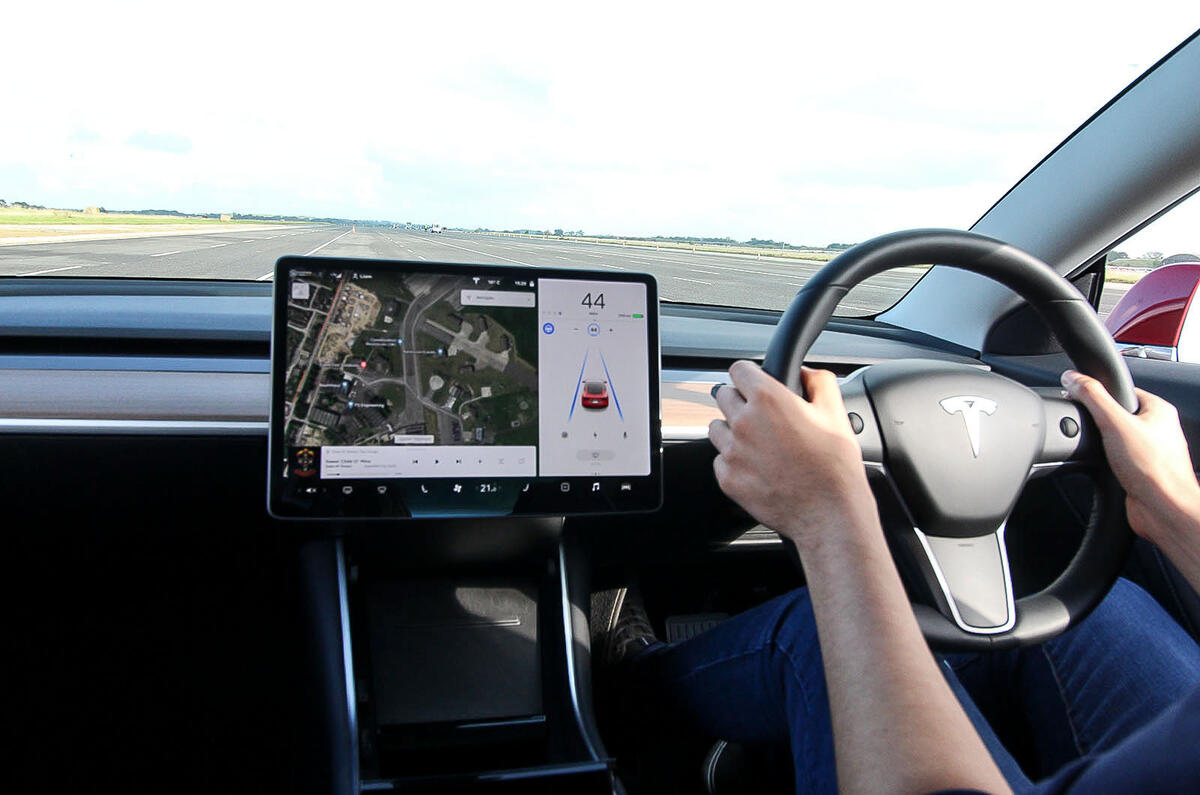
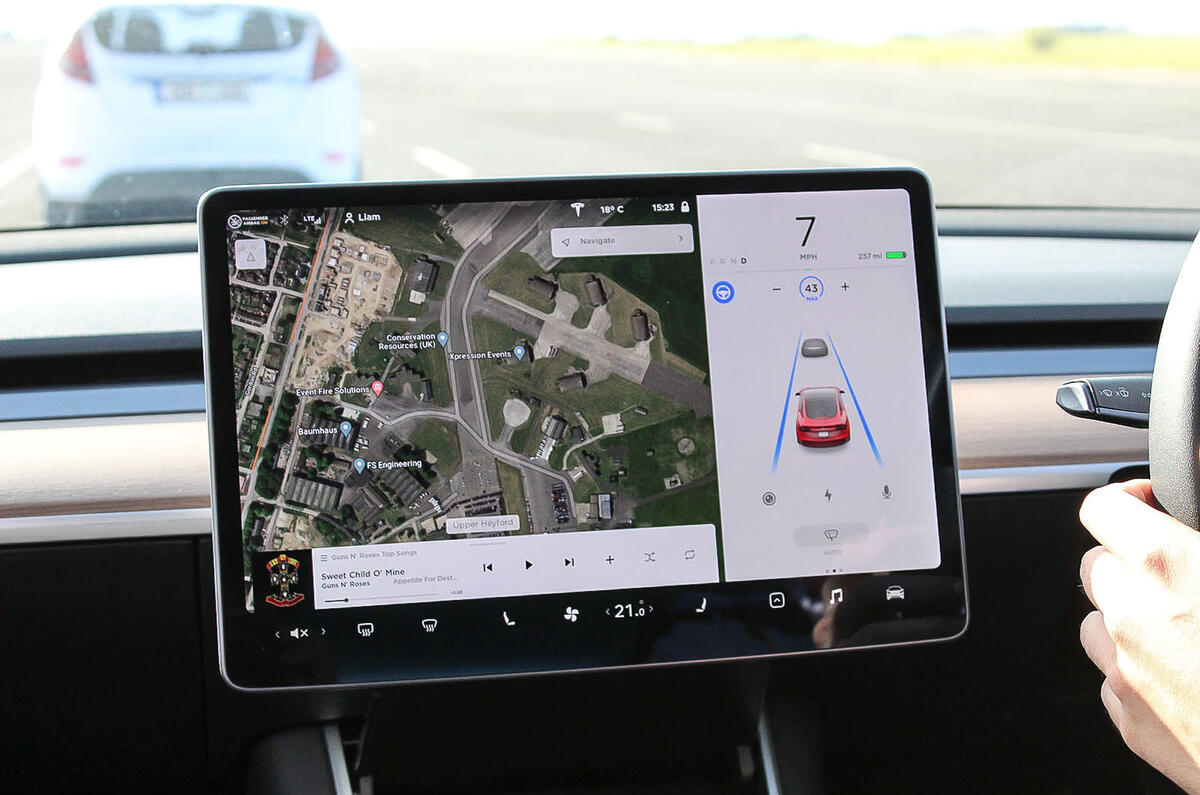
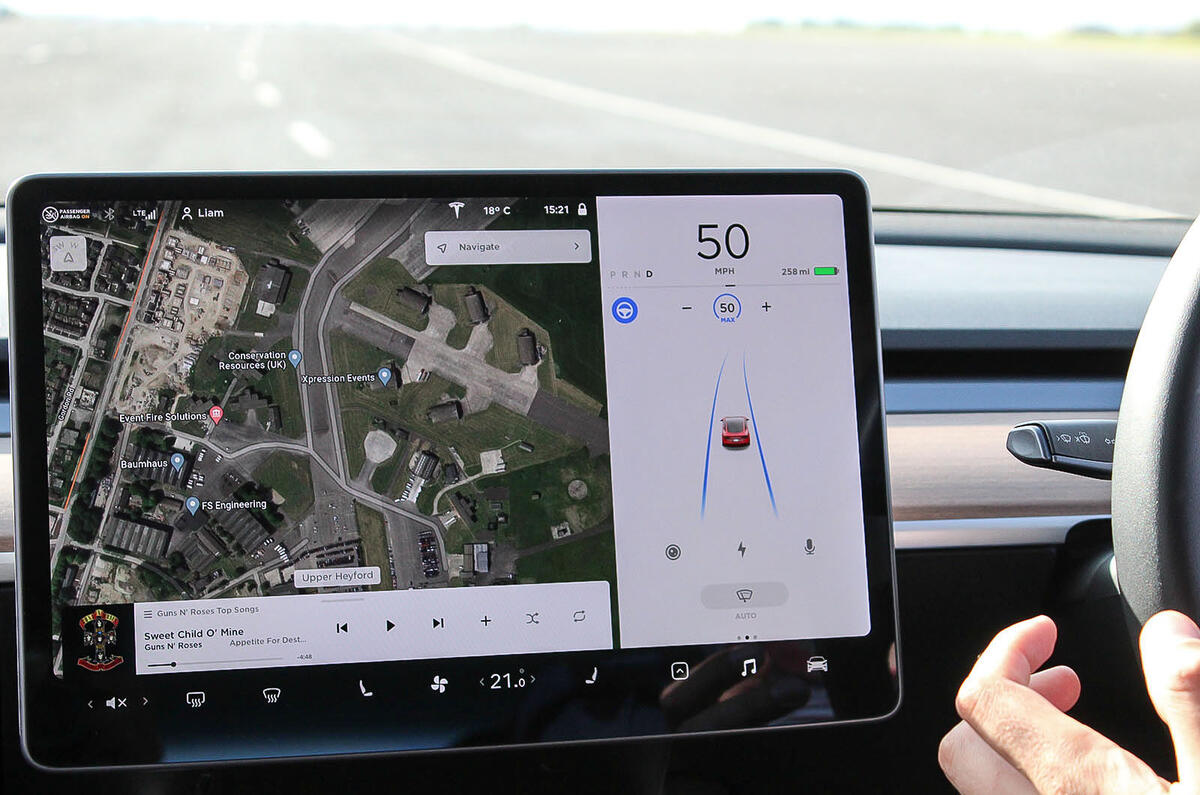
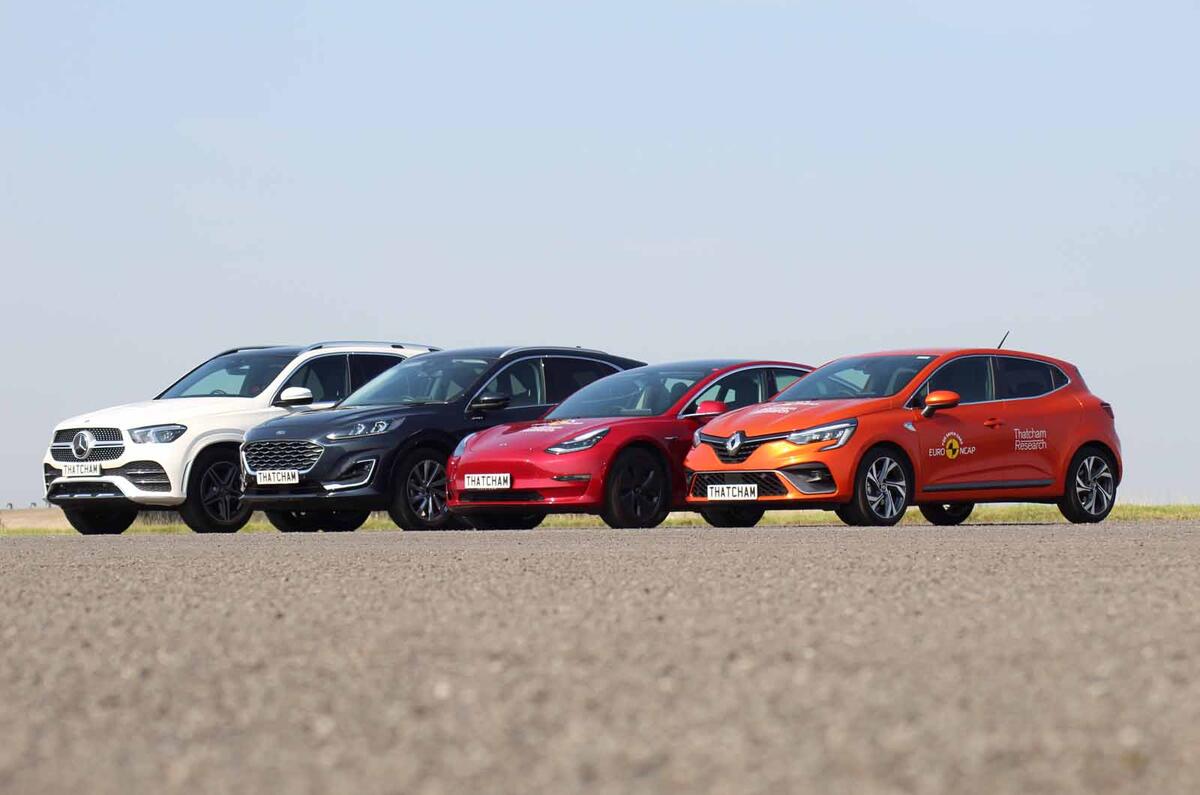
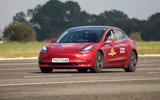
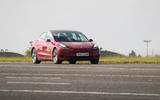
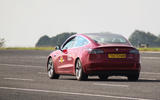
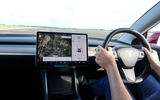
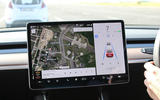
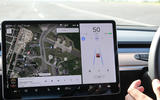
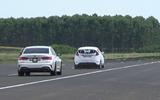
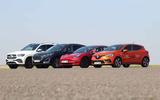
The first batch of 10 results issued includes the latest Renault Clio (awarded an Entry rating as an effective but basic system), the Tesla Model 3 (given a Moderate score and criticised for reduced driver engagement and misleading marketing) and the Mercedes-Benz GLE (which achieved the highest rating of the cars tested so far).