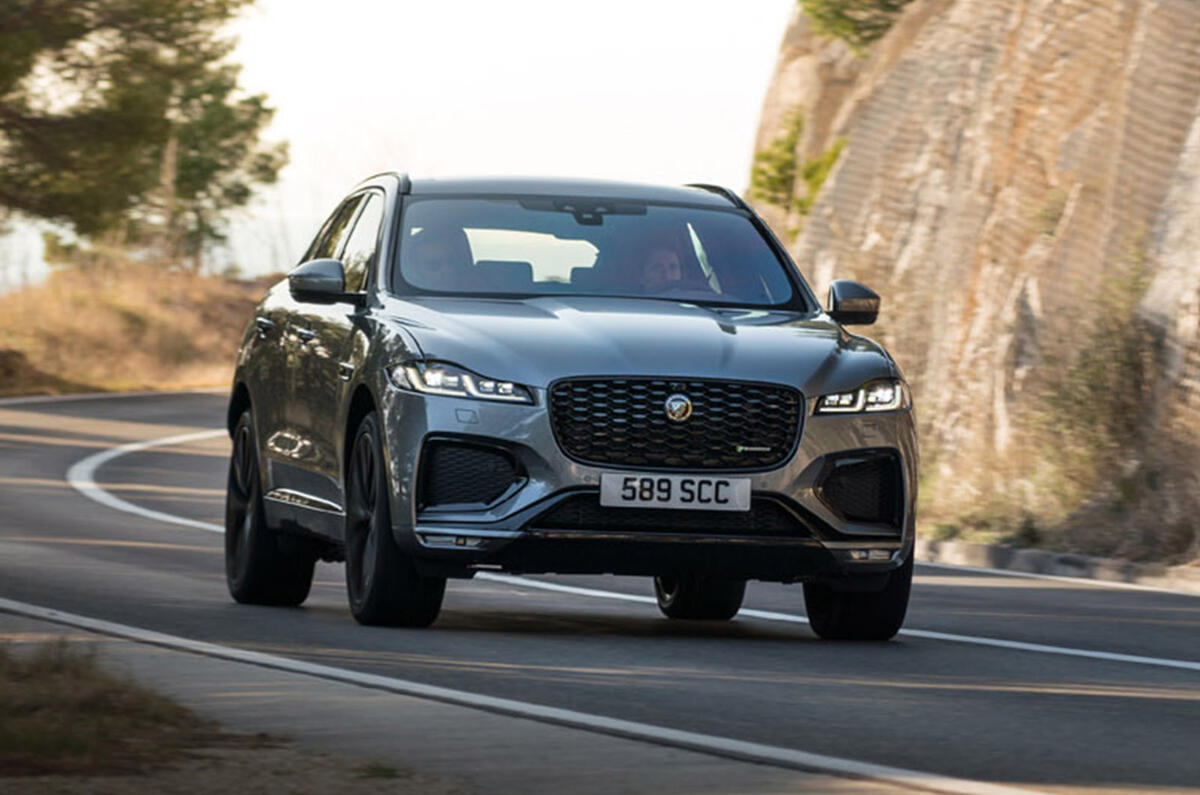
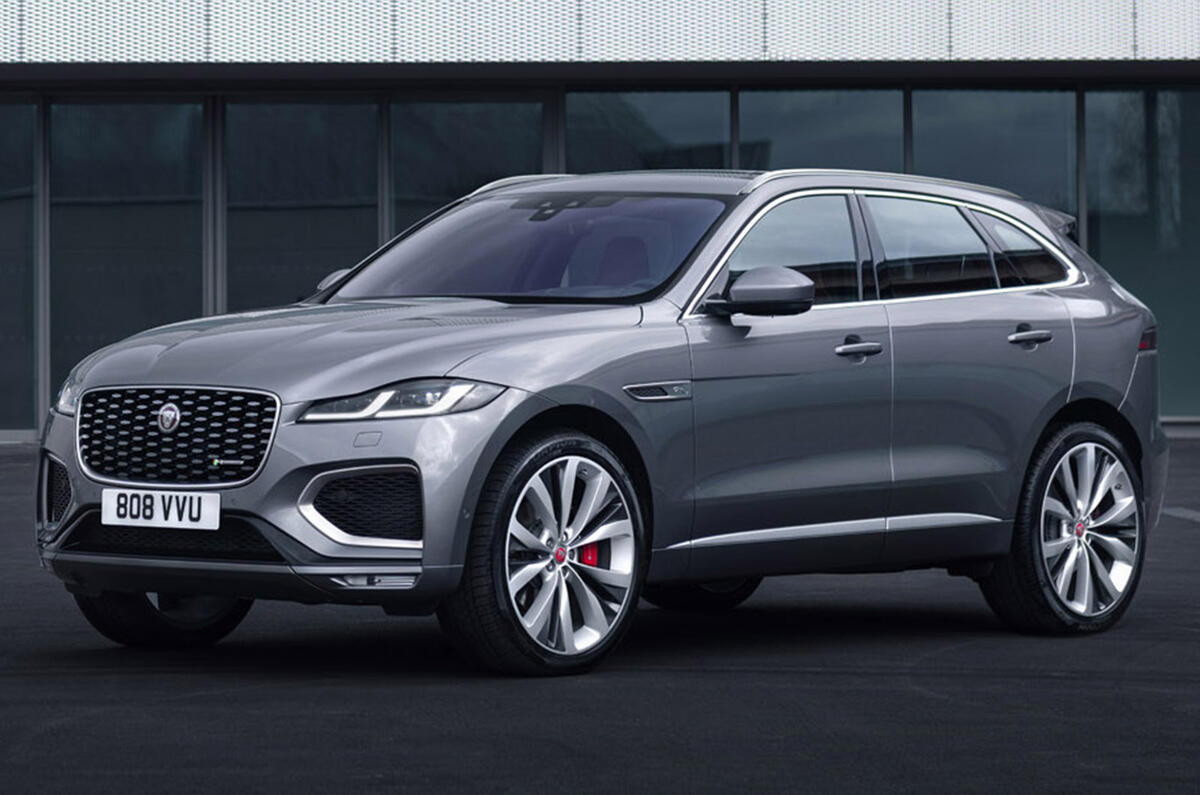

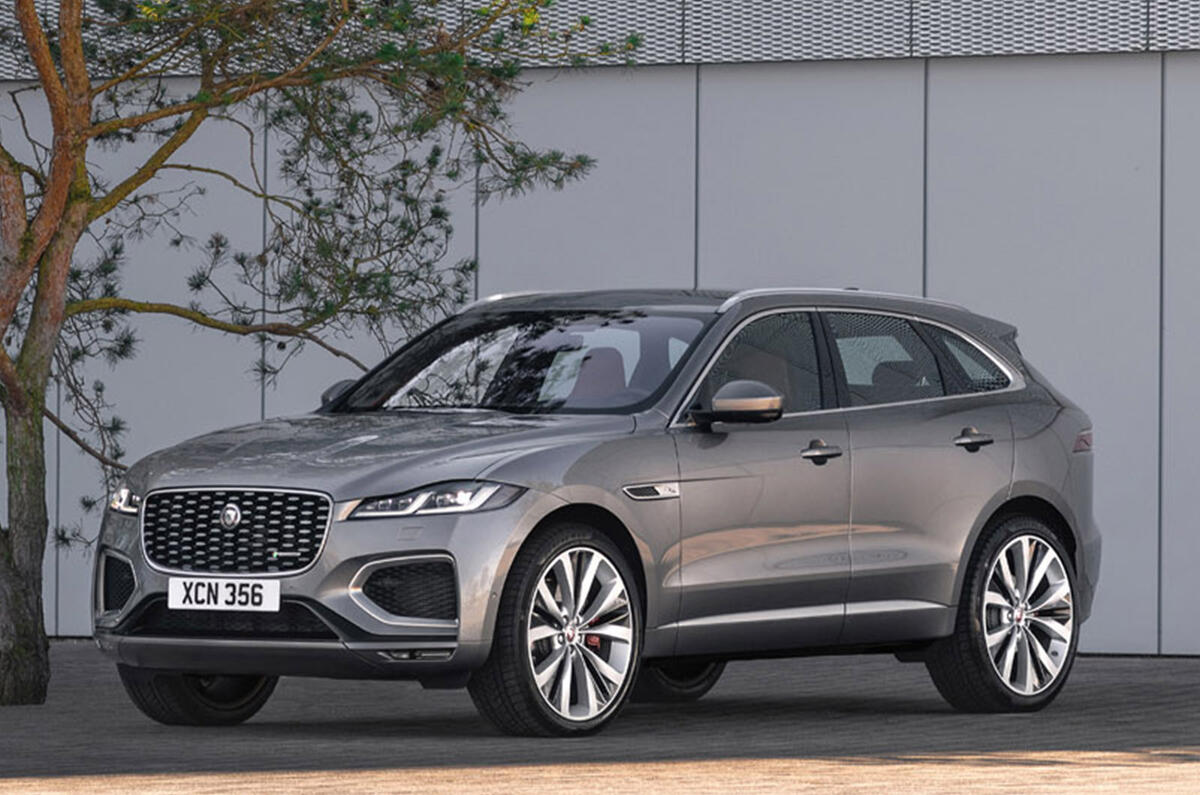
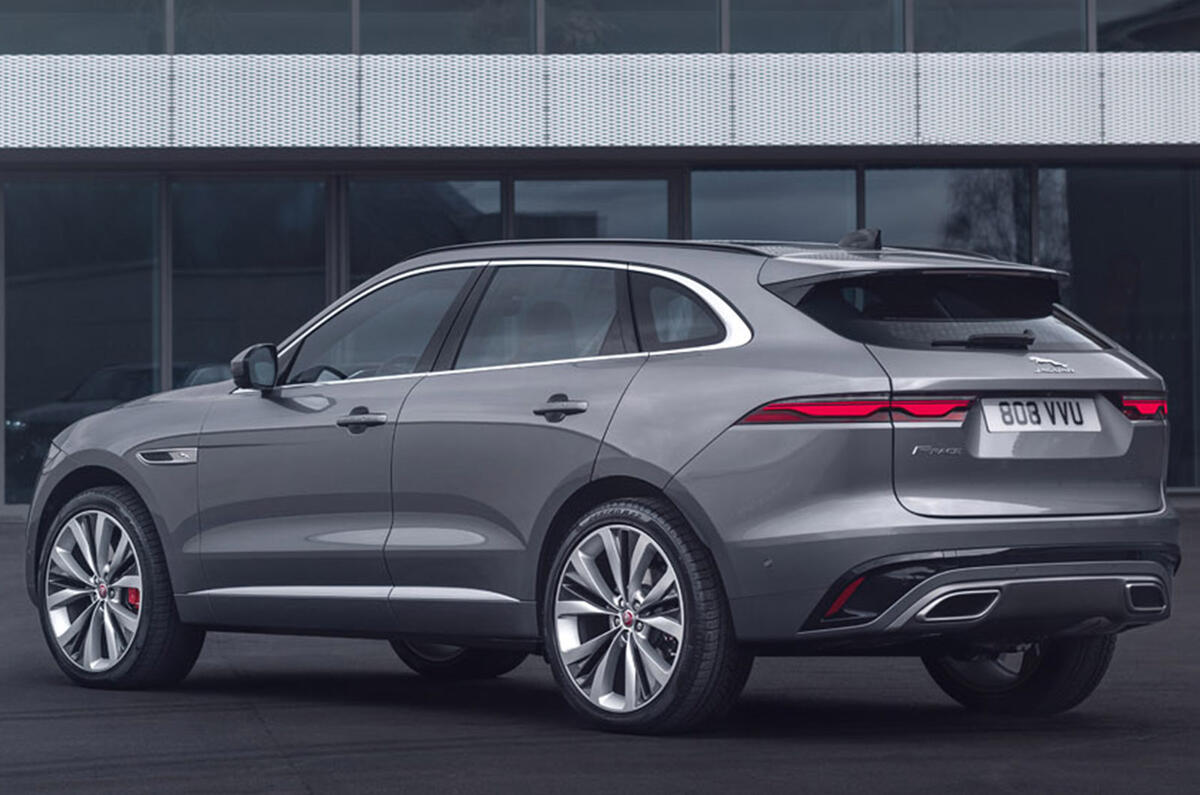

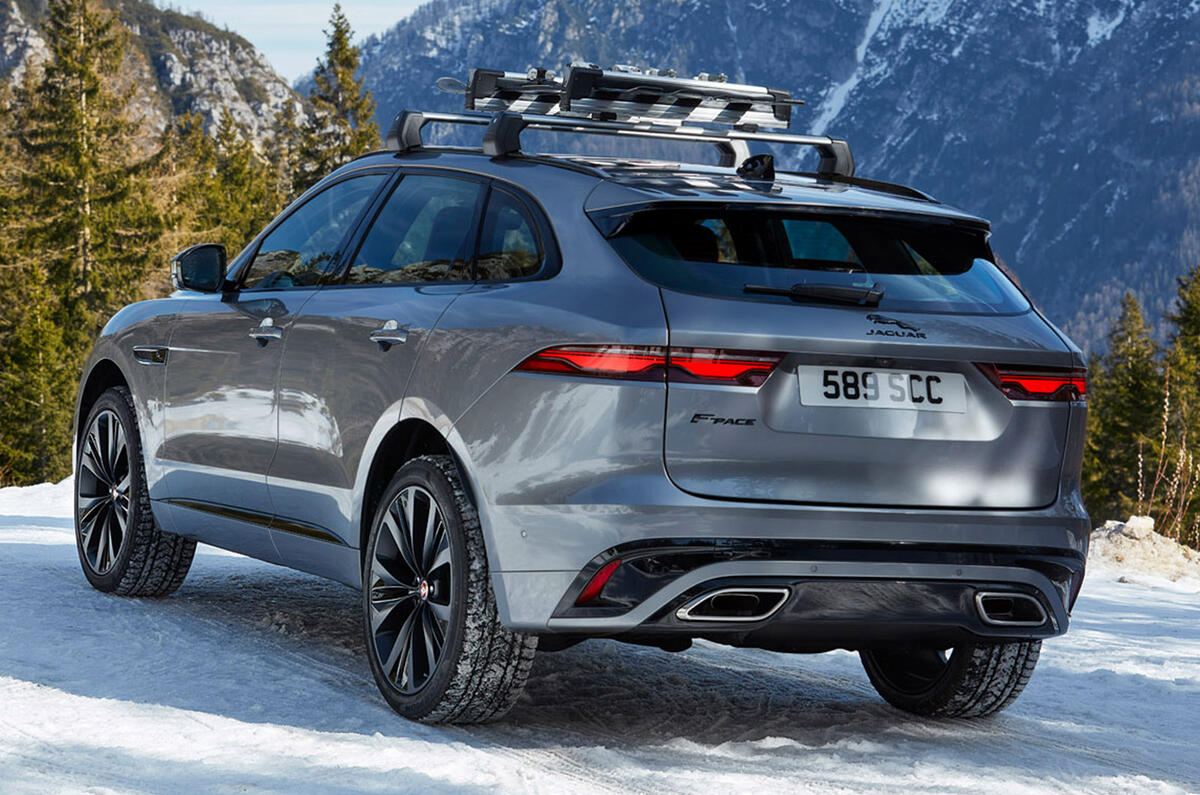
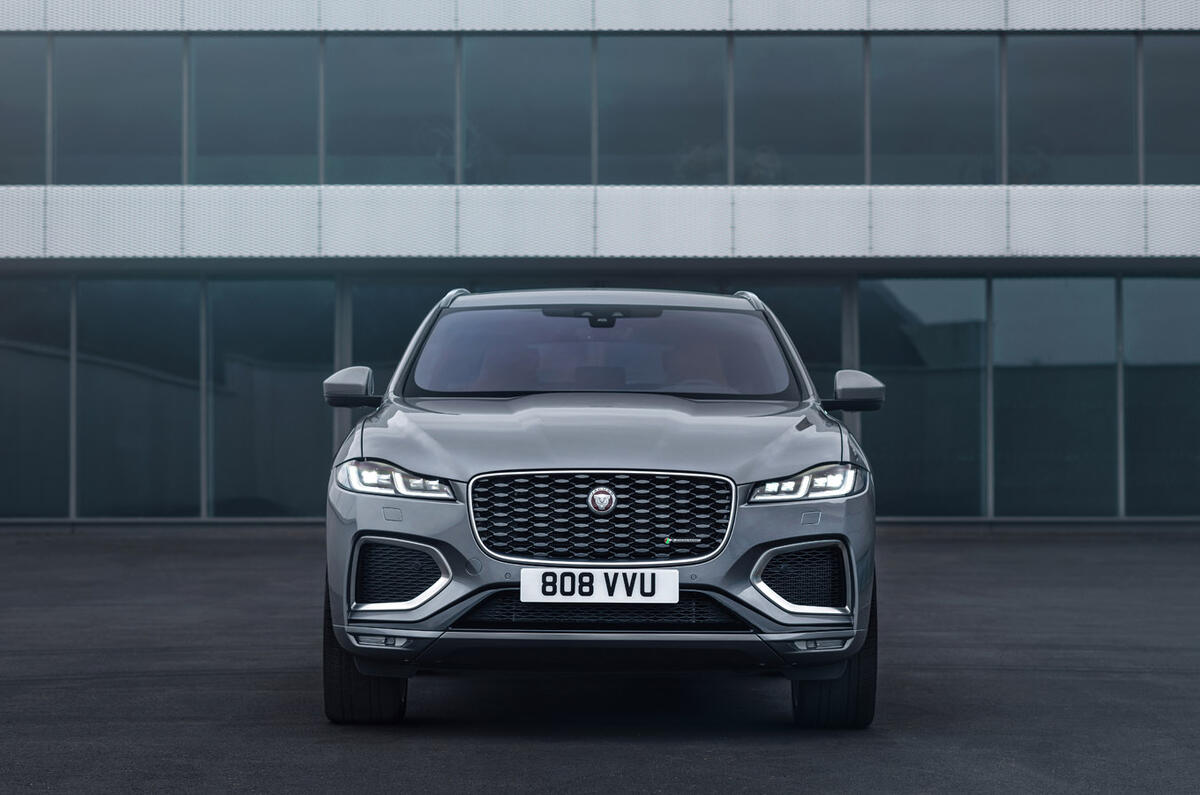












The refreshed Jaguar F-Pace, which includes a new plug-in hybrid variant and an overhauled interior, hints at the design of a future generation of Jaguar models.
Jaguar exterior design boss Adam Hatton said: “We’ve had a good era [of design] from 2013’s Jagaur Jaguar F-Type and a generation of cars that came from that. This F-Pace refresh is a step towards what we’re talking about for the future.”
The most pronounced exterior tweaks are slimmer LED headlights and tail-lights, new bumpers, a reprofiled bonnet and a larger grille with a diamond mesh design.
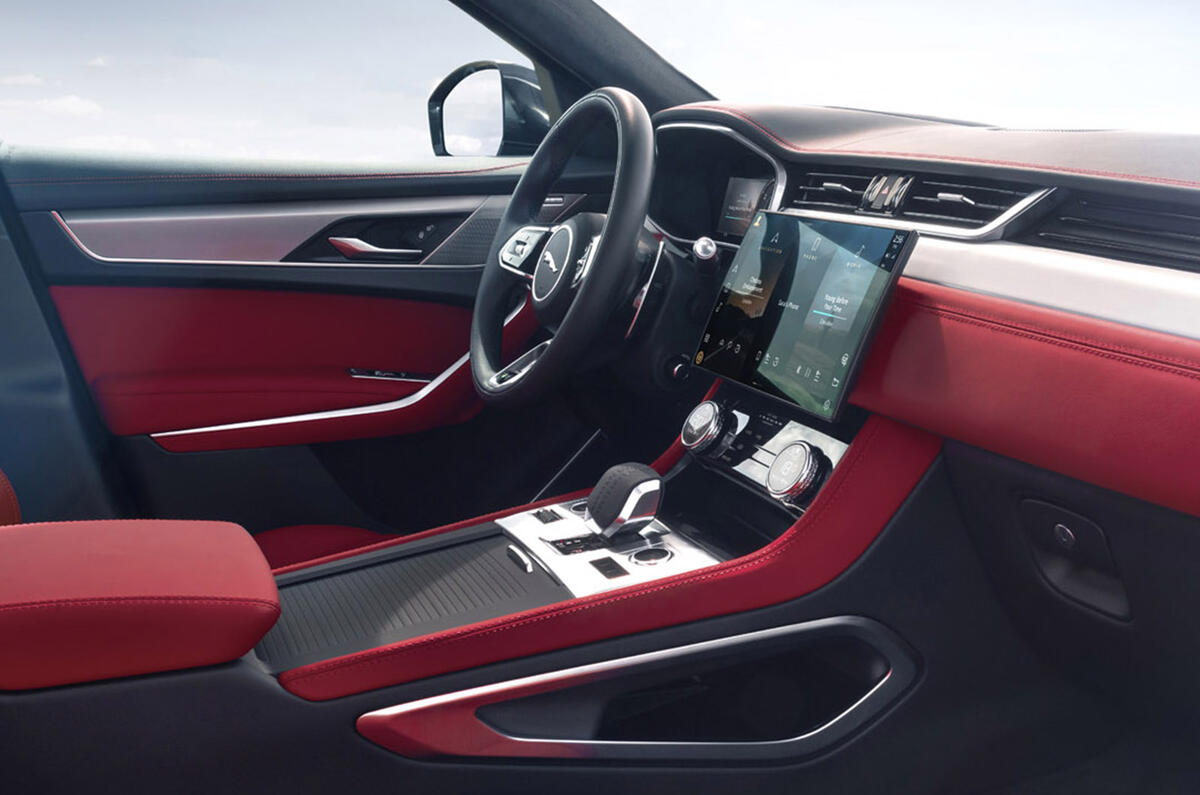
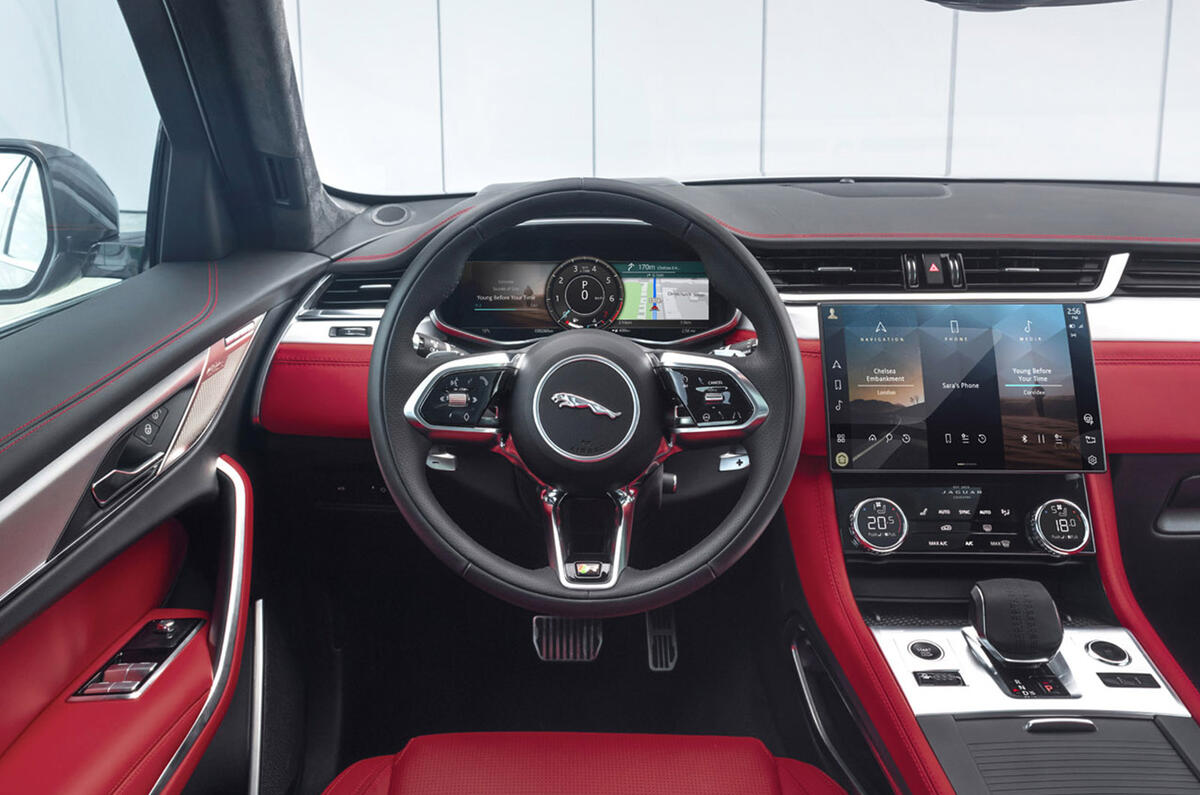
However, the F-Pace’s cabin is where the most attention has been paid. As interior design chief Alister Whelan put it: “When the interior [of the outgoing F-Pace] came out, it was a good interior but not a great interior. We really needed to take it to the next level.”
Whelan cited three key criticisms of the interior from customer feedback: too many hard plastics, limited storage and the infotainment system, all of which the brand believes it has addressed here.

“There are no scratchy plastics in this car anywhere,” said Whelan. Alongside better-quality trim, the F-Pace adopts the Jaguar I-Pace’s steering wheel and luxury headrests from Range Rovers. “The comfort of this interior [versus the old car’s] is chalk and cheese,” said Whelan.
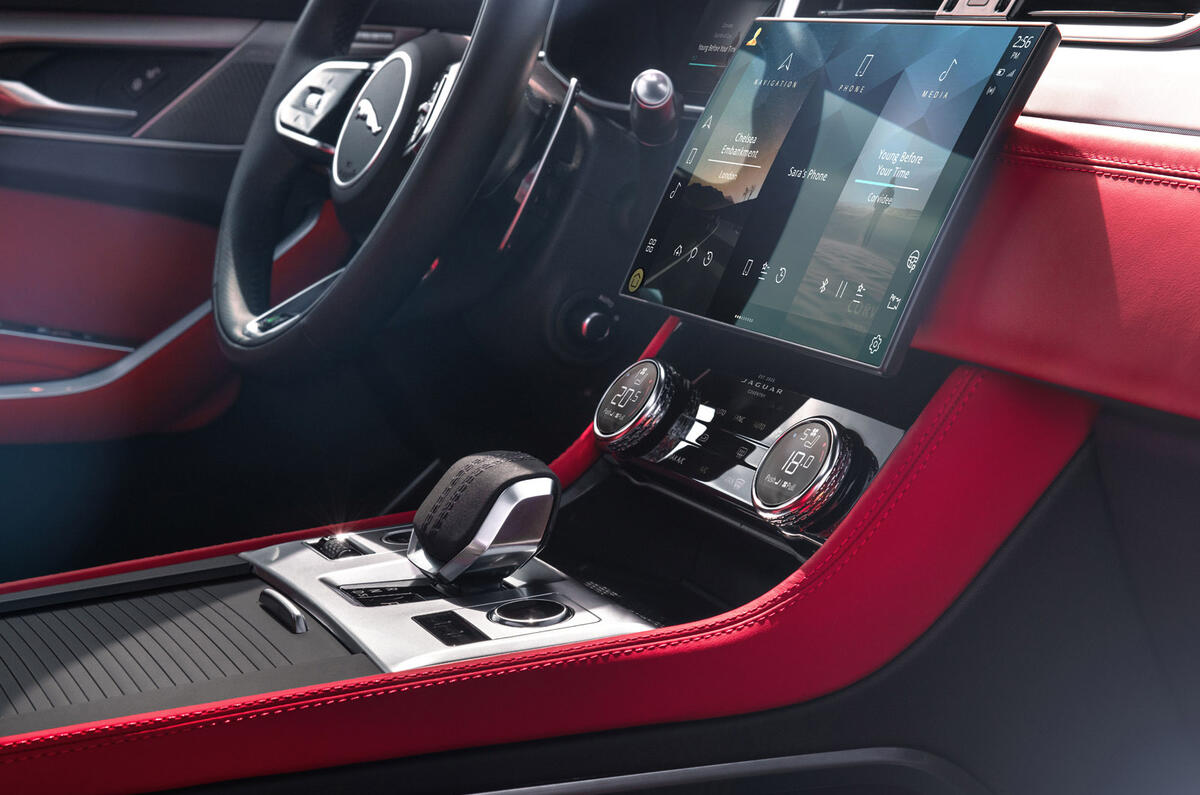
There is more room in the centre console for both the cupholders and, with no manual gearbox to intrude on space, a new, lower stowage section.
The infotainment system is the most dramatic difference. Using the Pivi Pro system first seen in the new Land Rover Defender, the F-Pace introduces a tablet-like 11.4in curved touchscreen not yet seen in other models. Other new tech includes over-the-air updates, wireless charging and cabin air ionisation.