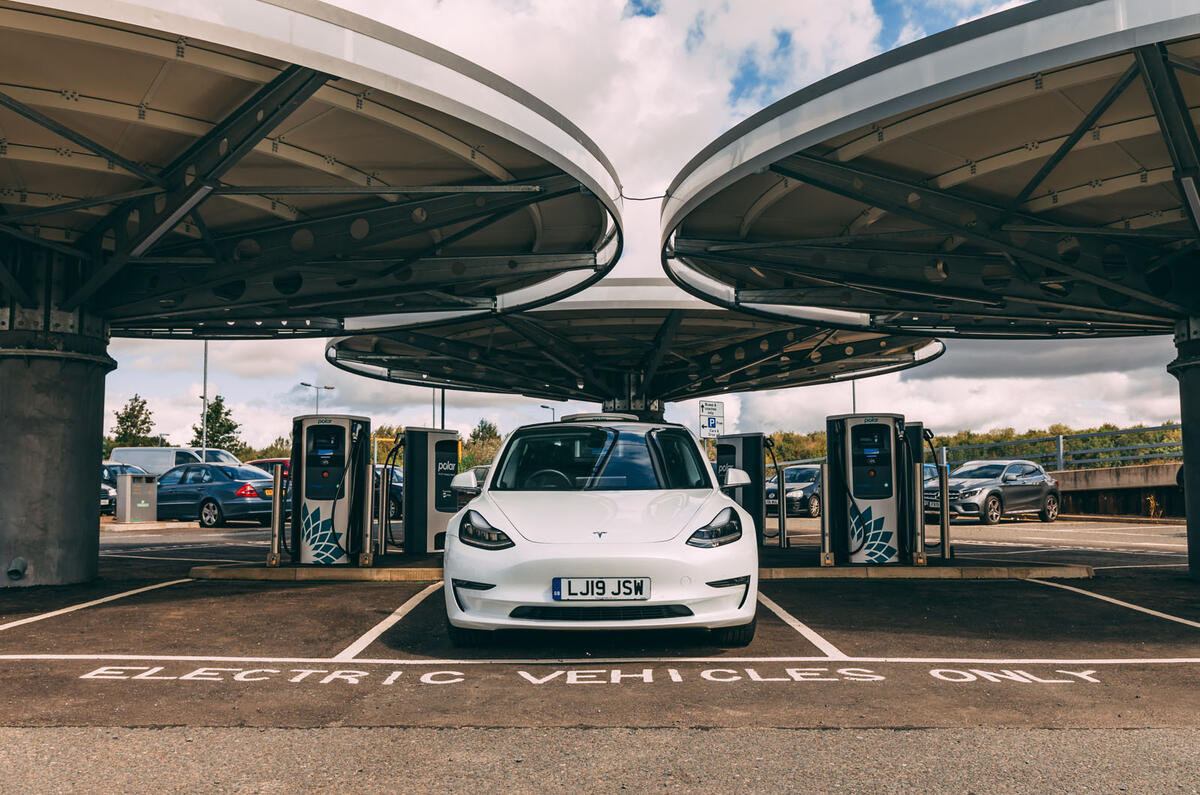
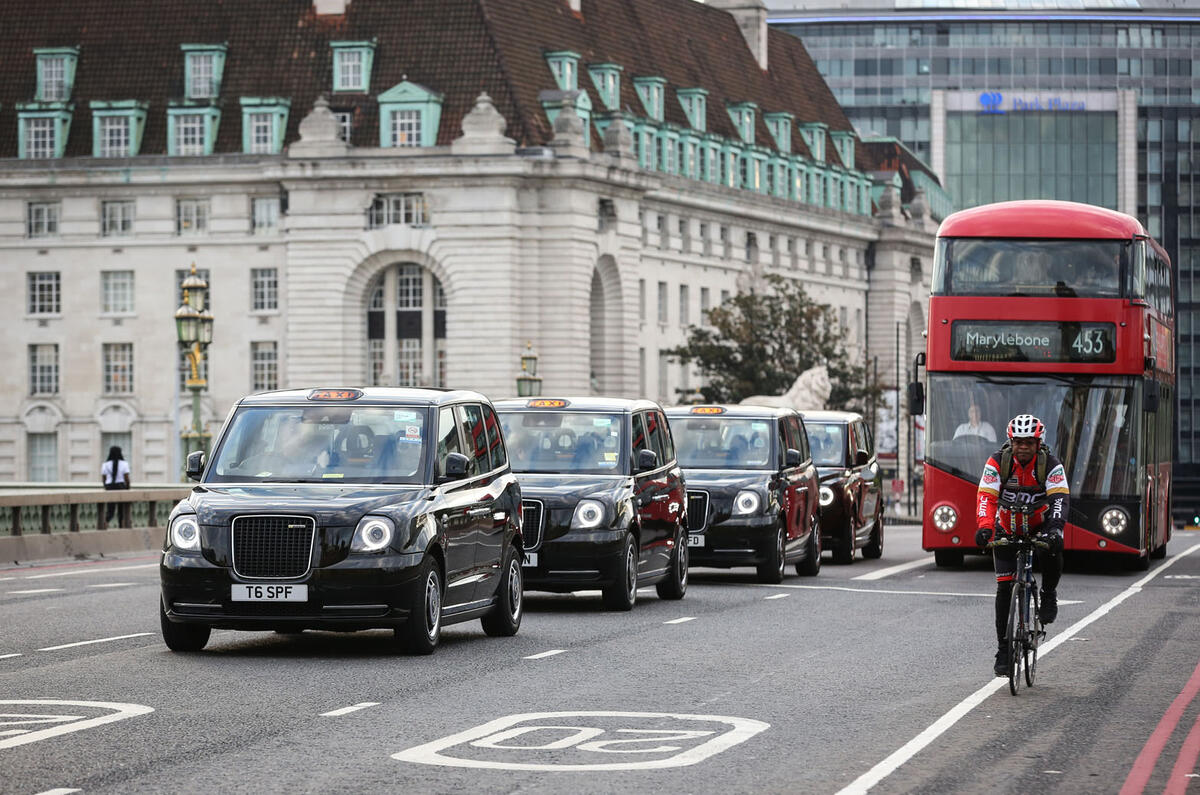
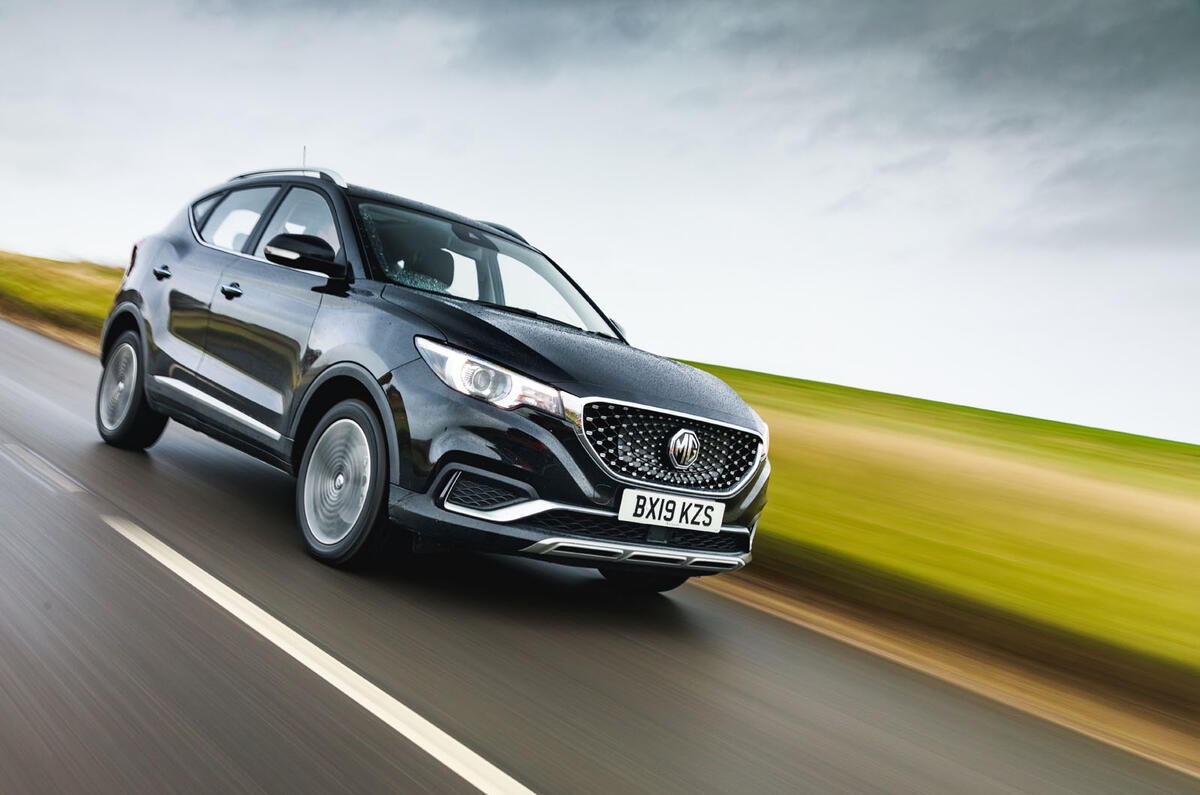




It’s a sad truth that the environment suffers in good times and bad. The latter because there’s less money to throw at solutions, the former because economic growth tends to come at the expense of the atmosphere – something that a switch to electric vehicles was meant to help.
To a large degree, it was legislation rather than consumer demand driving the mass uptake of EVs before this crisis. The legislation isn’t going away any time soon, so it’s likely that the steady upward trend will have to continue if car makers are to avoid potentially massive fines. Rather than boom, though, it may now just track requirements.
With hard economic times ahead, the subset of user-choosers who are happy to pay a premium to go electric, as almost all must do, will undoubtedly shrink. The only counterbalance on the horizon is a potential government-led scrappage scheme, which would surely have to incentivise low-emissions cars to gain any support.
Will lower oil prices kill EV sales?
Not much. People on lower incomes who habitually buy five- to 10-year-old models may have easier times for a while, at least until oil demand grows to more normal levels and prices rise again. However, the rapidly increasing pressure on car makers to reduce their fleet average CO2 emissions will induce them to work even harder to make EVs as attractive as possible – which may mean stopping price rises at the very least. A momentum and a logic has been established for EV sales to rise, and oil prices are unlikely to affect that very much. It’s even arguable that EV prices may be the ones to fall, because rival electric models are now competing for popular market slots for the first time. Given that all manufacturers need to sell for the sake of their CO2 fleet averages, prices could come under pressure.
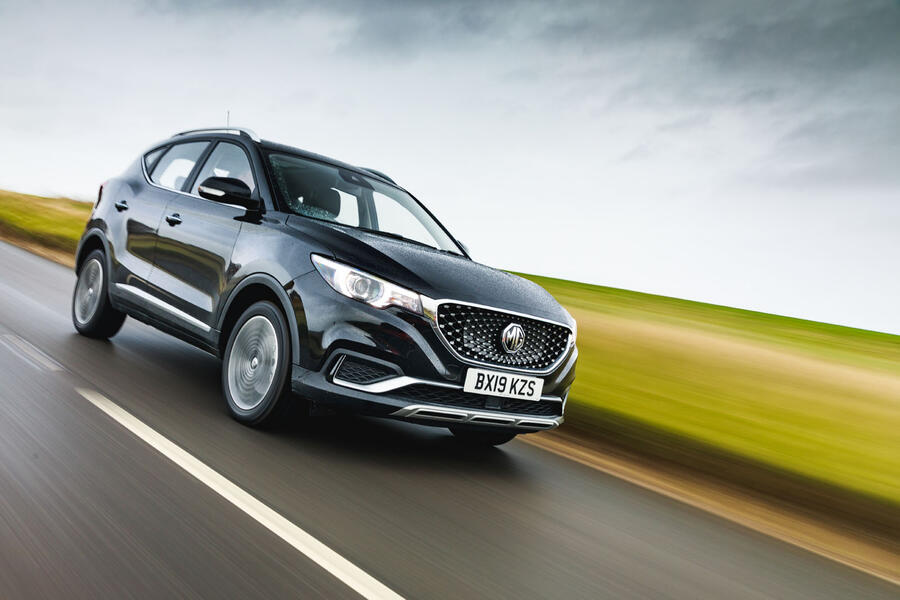
How can car makers still invest in electrification after another huge hit on their bottom line?