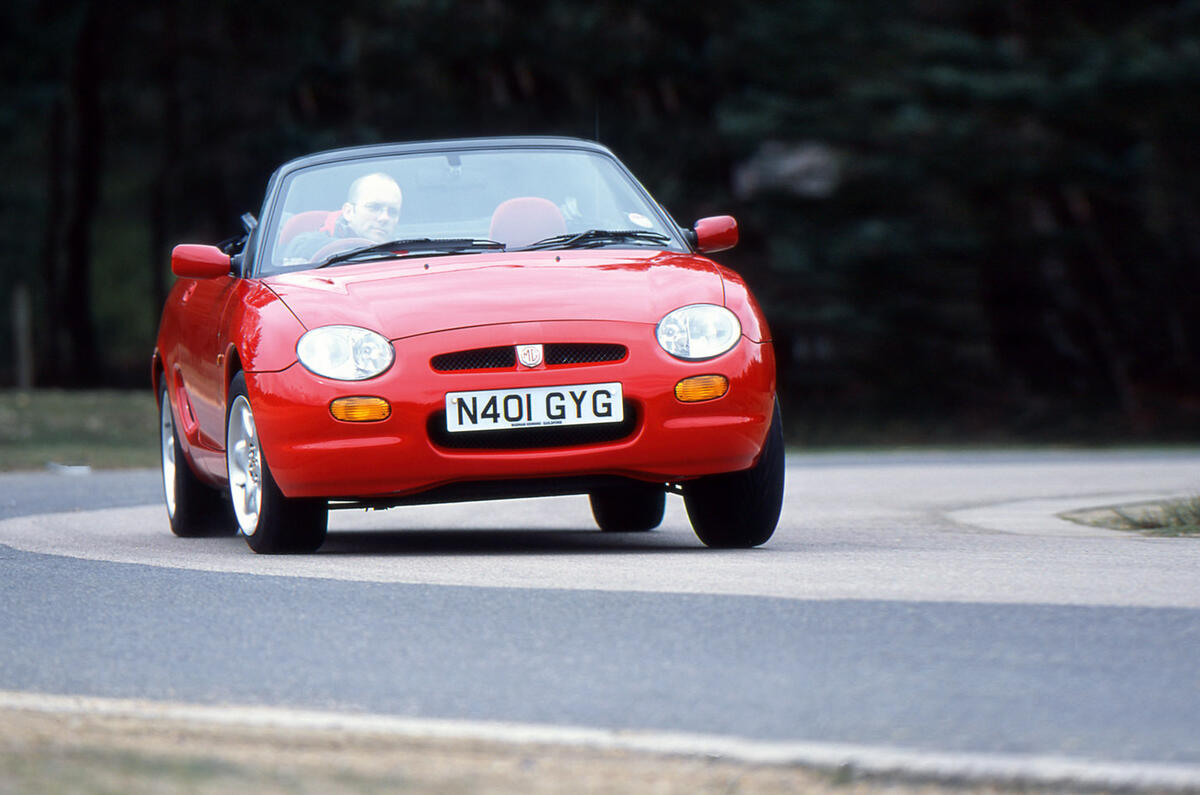
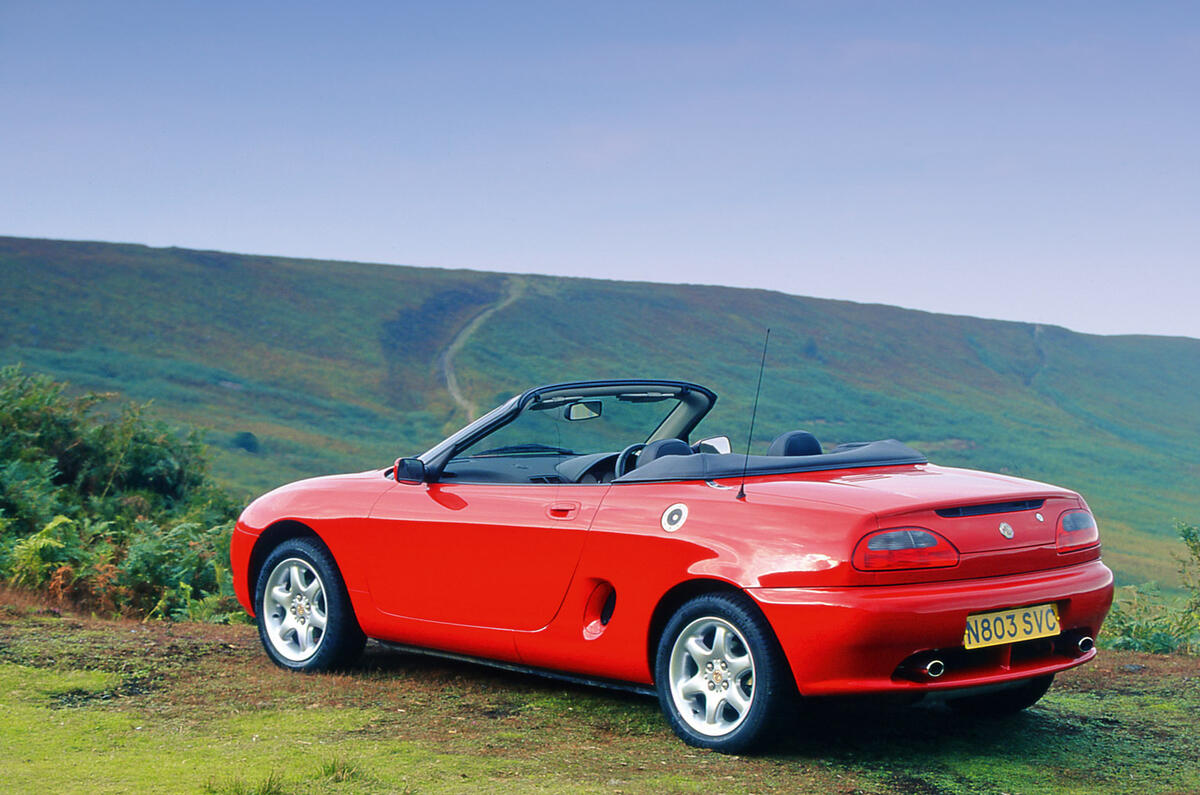
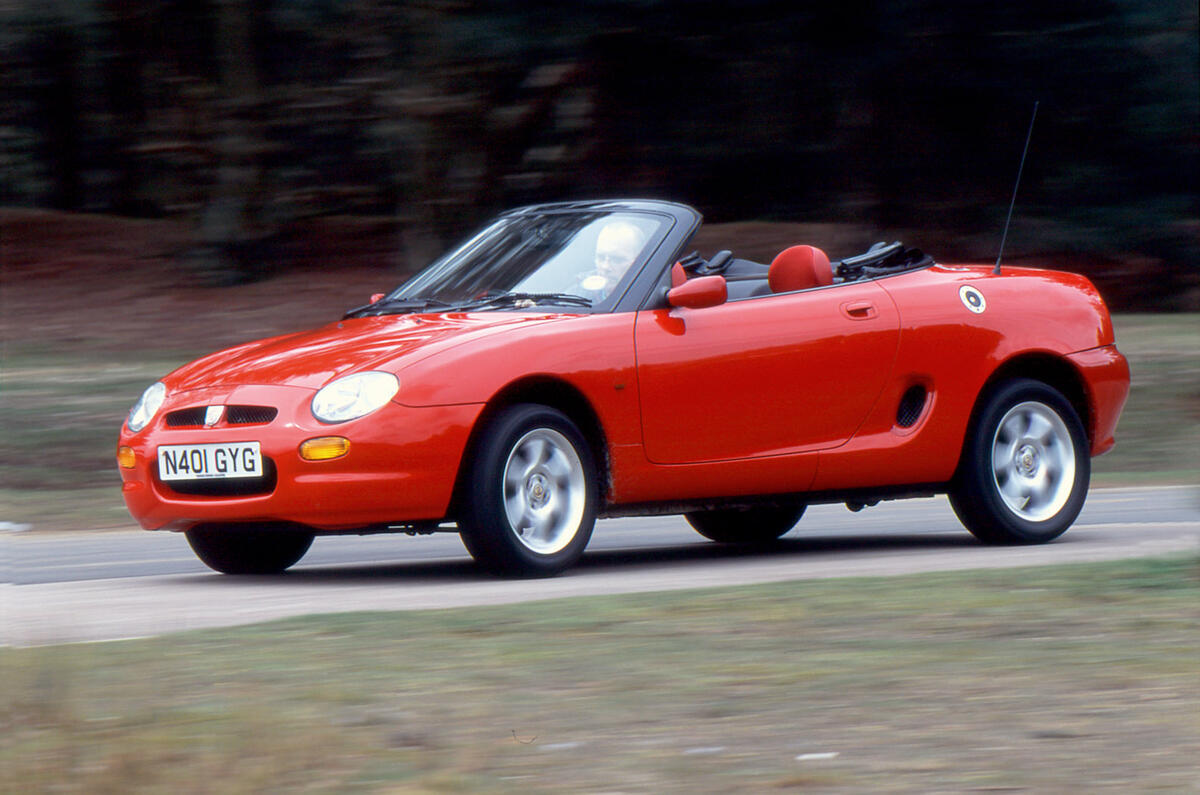
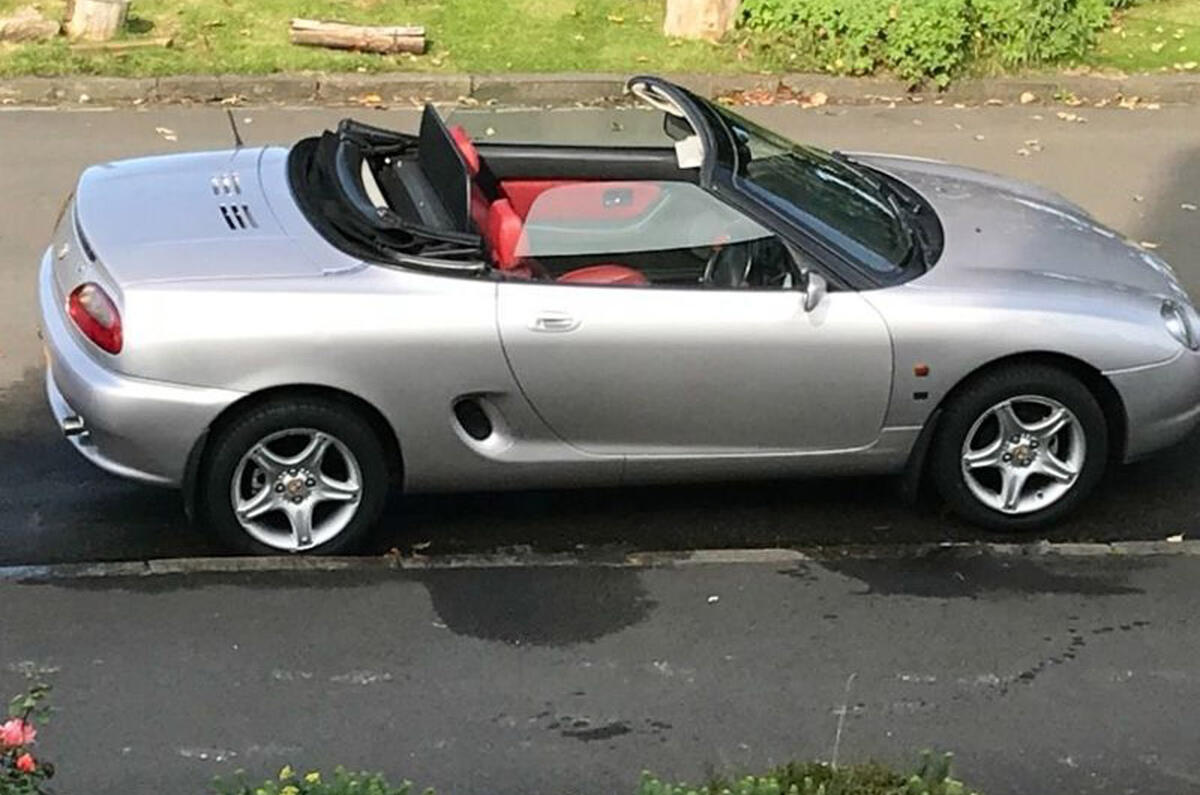





In a market swamped with compact SUVs, you wouldn’t be blamed for craving a blast in something small, cheap, fun to drive and quick off the line, and the MGF fills this shrinking niche perfectly.
It arrived at an exciting time for diminutive, mid-engined British sports cars as it went toe to toe with the Lotus Elise (even if it was a little-known front-motored Japanese roadster called the Mazda MX-5 that really came to define the segment). The F arrived to high praise in 1995, received a facelift four years later and soldiered on until 2002, when it was replaced by the closely related TF. The MGF, it is worth remembering, also fought off competition from the Audi TT and BMW Z3 to become the UK’s top-selling affordable sports car.
To receive the latest industry news, please click here to sign up to the Autocar Business newsletter
It was initially launched with one engine: a 1.8-litre K-series producing 118bhp. Another 1.8-litre, a variable valve control engine with 145bhp, was added to the range from 1996. The nature of the F’s mid-engined layout and optimal weight distribution enabled the car to deliver engaging, precise handling, while an innovative Hydragas suspension setup gave a class-challenging ride. All engines were fitted with a PG1 five-speed manual transmission before the introduction of a Steptronic automatic arrived as part of a 1999 facelift. This brought Formula 1-style paddle shifts but contributed to reduced performance and was not as popular as its manual counterparts.

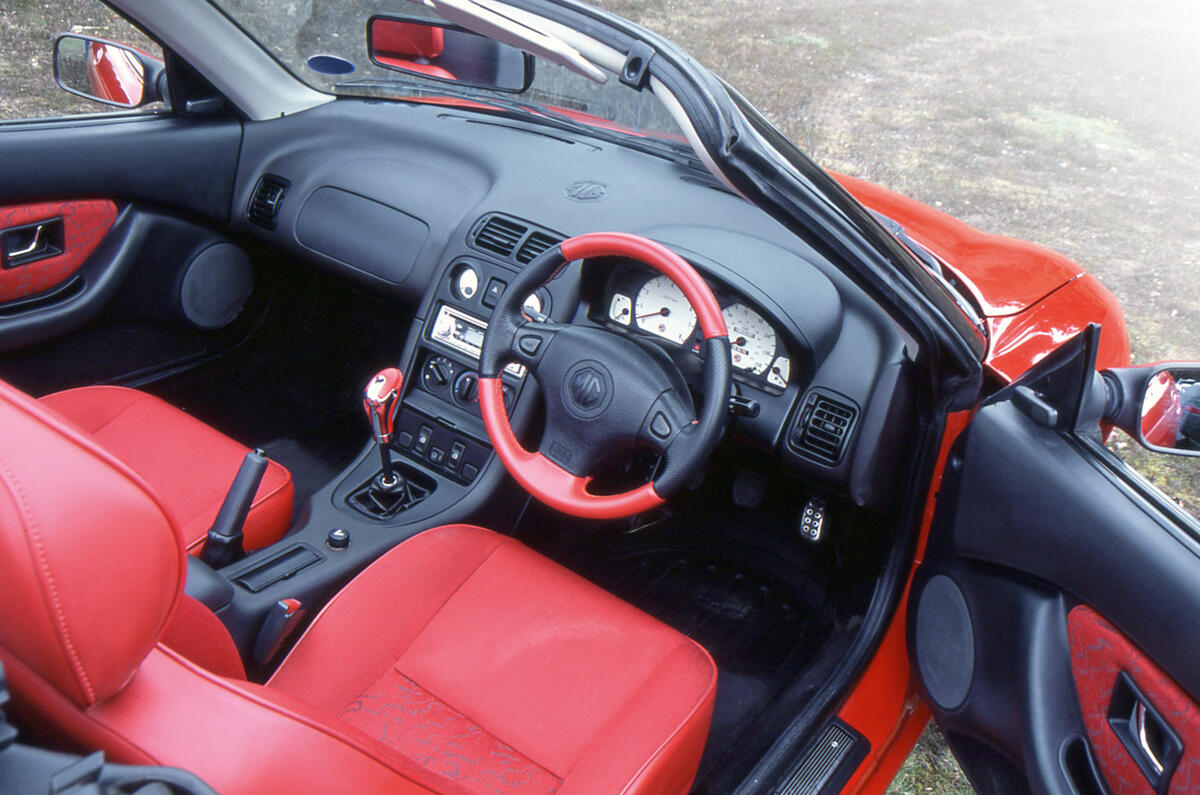
The facelift also ushered in a cabin redesign, with an updated centre console, new comfort-oriented seats, alloy or optional wood door inserts, and improved switchgear to counteract long-voiced criticisms of its build quality, which had tainted its character since launch. New alloy wheel options were offered, too.