











Welcome to Autocar’s extended coverage of the Tokyo motor show, one of Japan’s biggest automotive events and the first chance to see many of the cars Japanese manufacturers will be bringing to Europe in the next few years.
Show report
This year, Tokyo bore witness to car makers’ lively imaginations, demonstrating a transition beyond the ubiquitous role of electrification to a more futuristic vision for the automotive industry.
Toyota made the biggest statement, not even featuring a car on its stand - despite revealing many for the show. The nearest it came to a car on its stand was the funky e-Racer, a two-seat fun-to-drive car intended to emphasise the firm’s belief that a future with autonomous cars will still have room for driving enthusiasts.
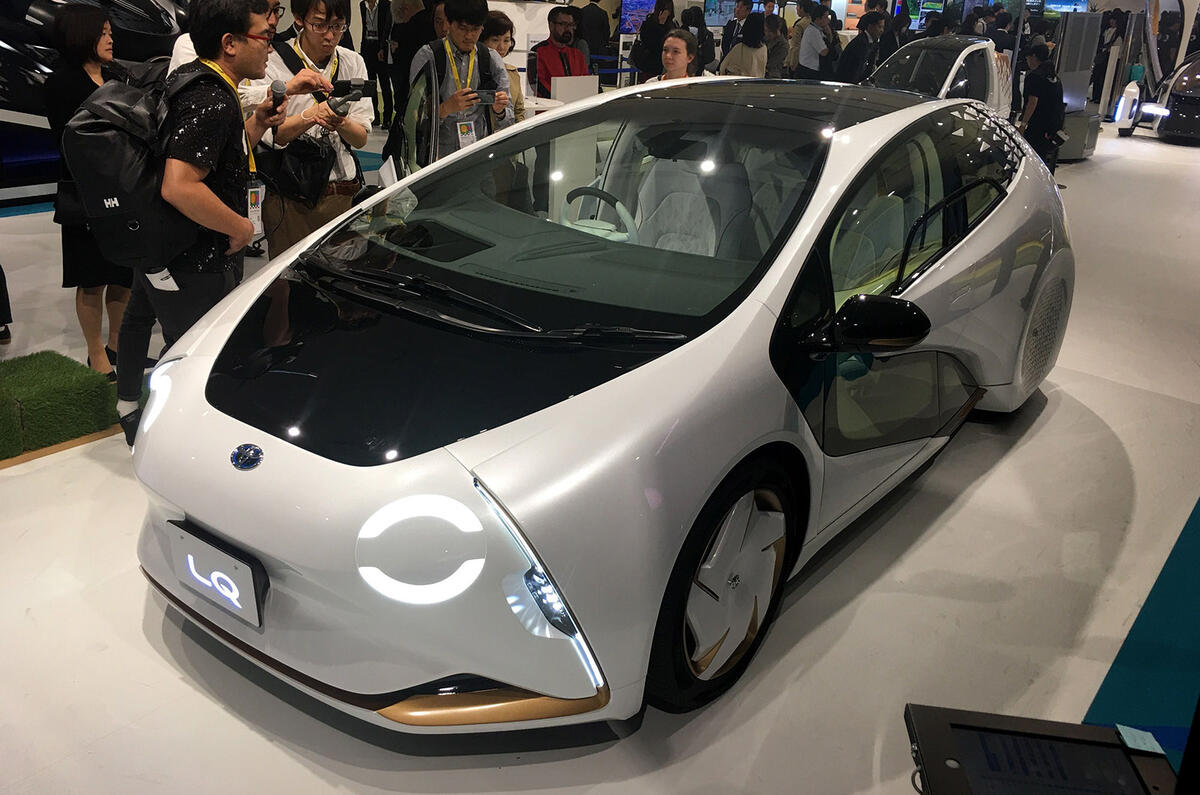
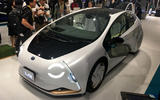
If you looked hard enough, the Toyota LQ self-driving hatchback was hidden among an interactive part of the show, which also included a giant screen and people live-gaming racing in the Japanese Super GT race series. The LQ is proof if you ever required it that autonomous pods need not be bland.
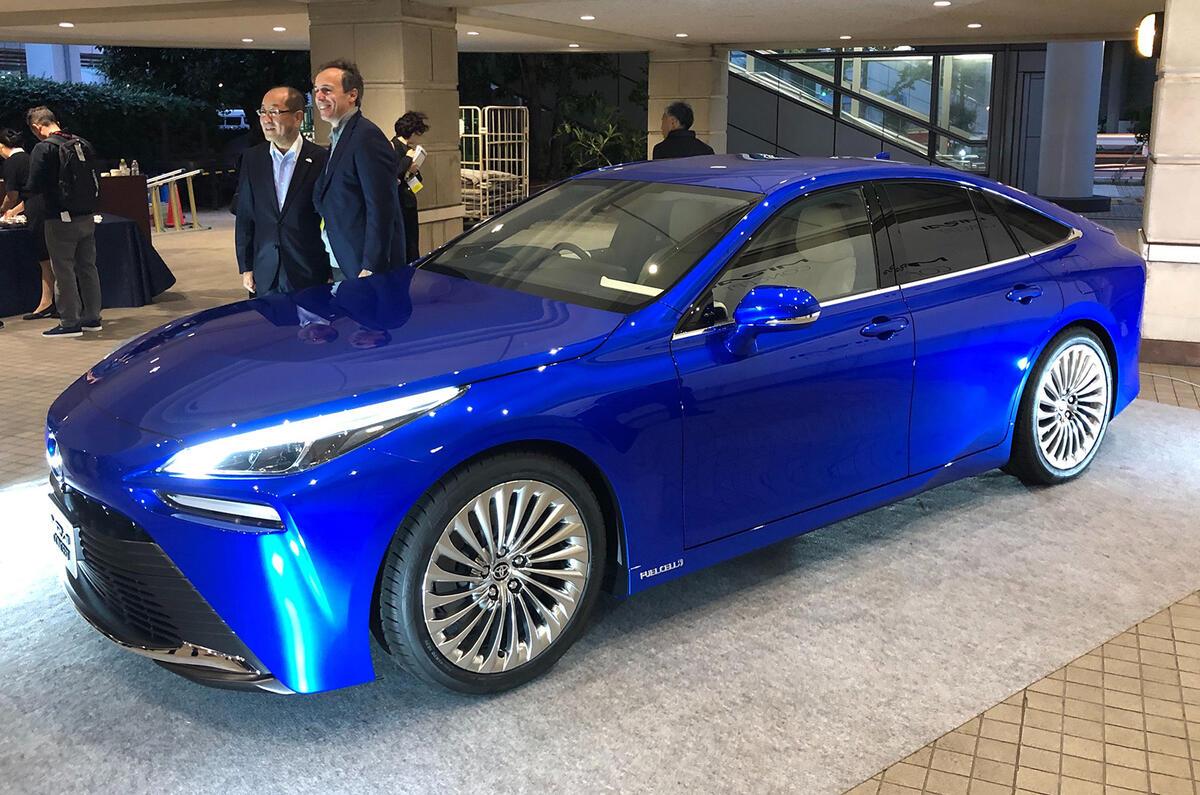
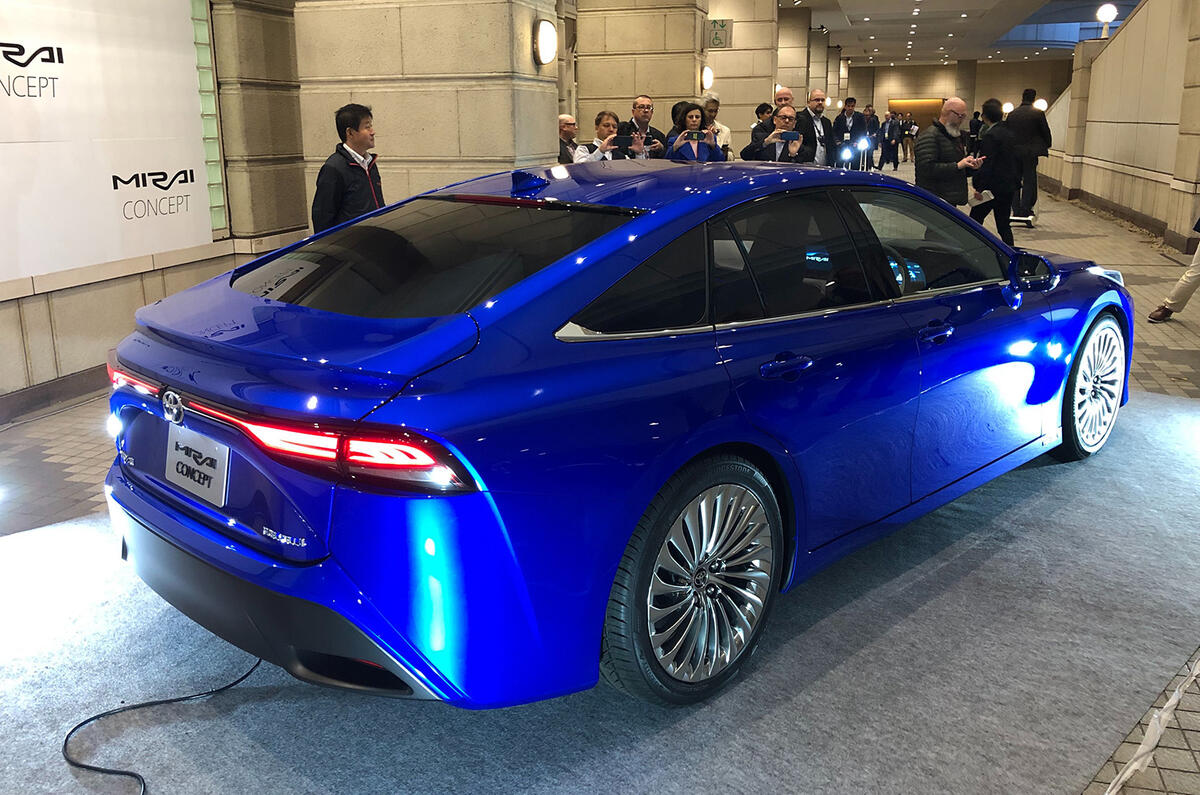
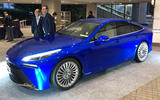
More production-ready is the Mirai concept – to arrive in production form in 2021 – which has come on leap years in styling over the current model.
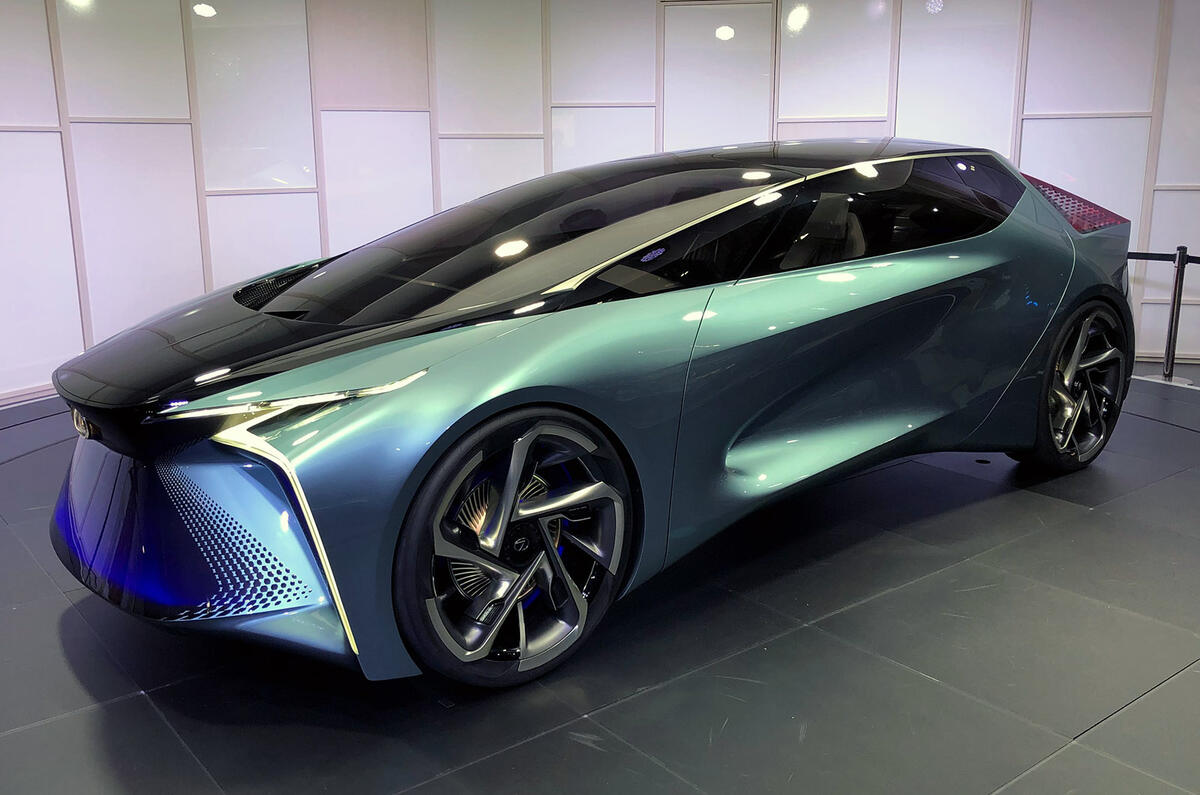
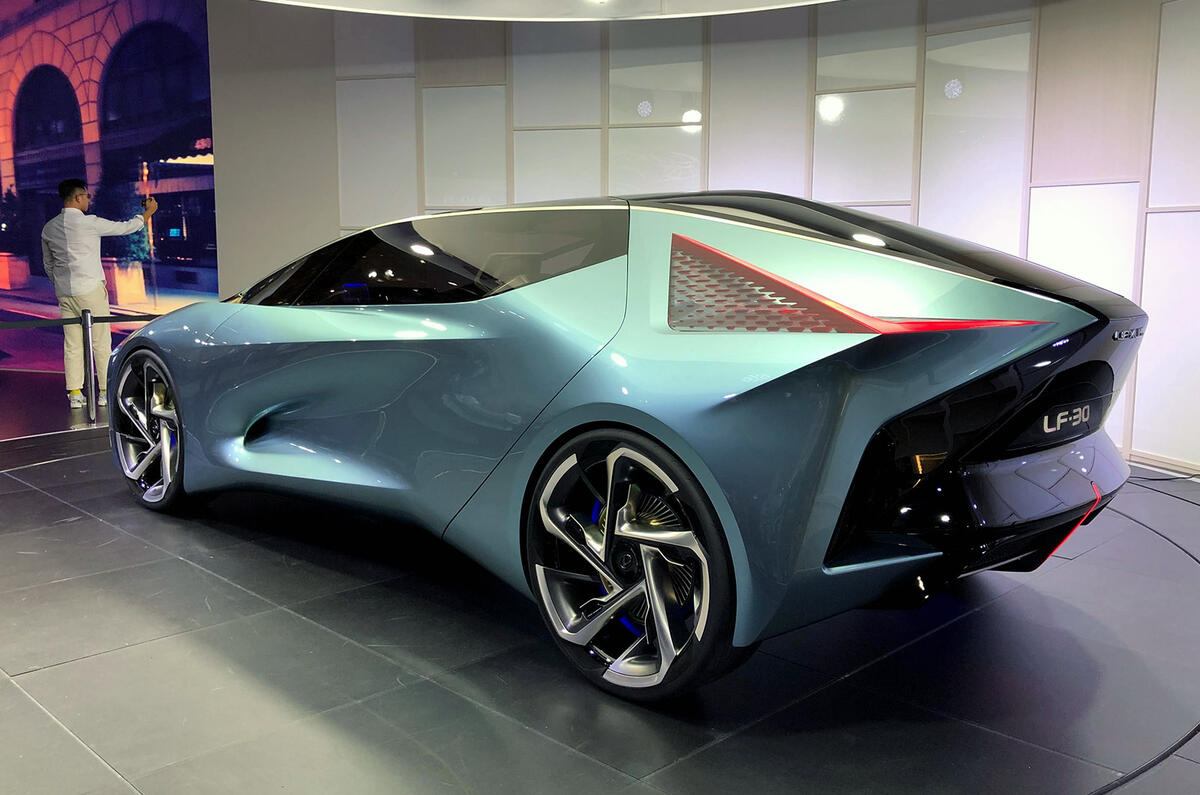
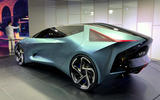
Back to the space age: Toyota’s premium brand Lexus showed the LF-30 Electrified concept car complete with roof-mounted doors and a dramatically short rear. Despite the futuristic design, which hints at Lexus design in 2030 and beyond, it is underpinned by a new electric platform to be used on Lexus and Toyota EVs from 2022, making it more immediately relevant.
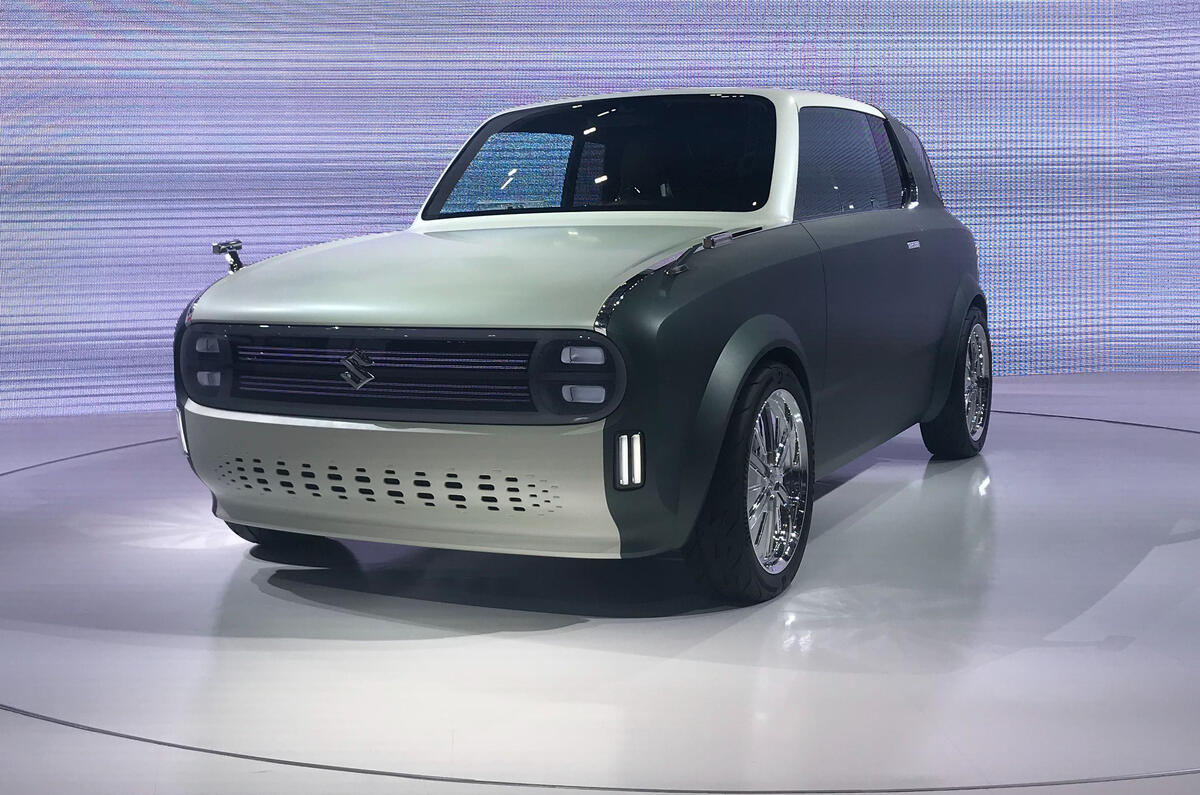
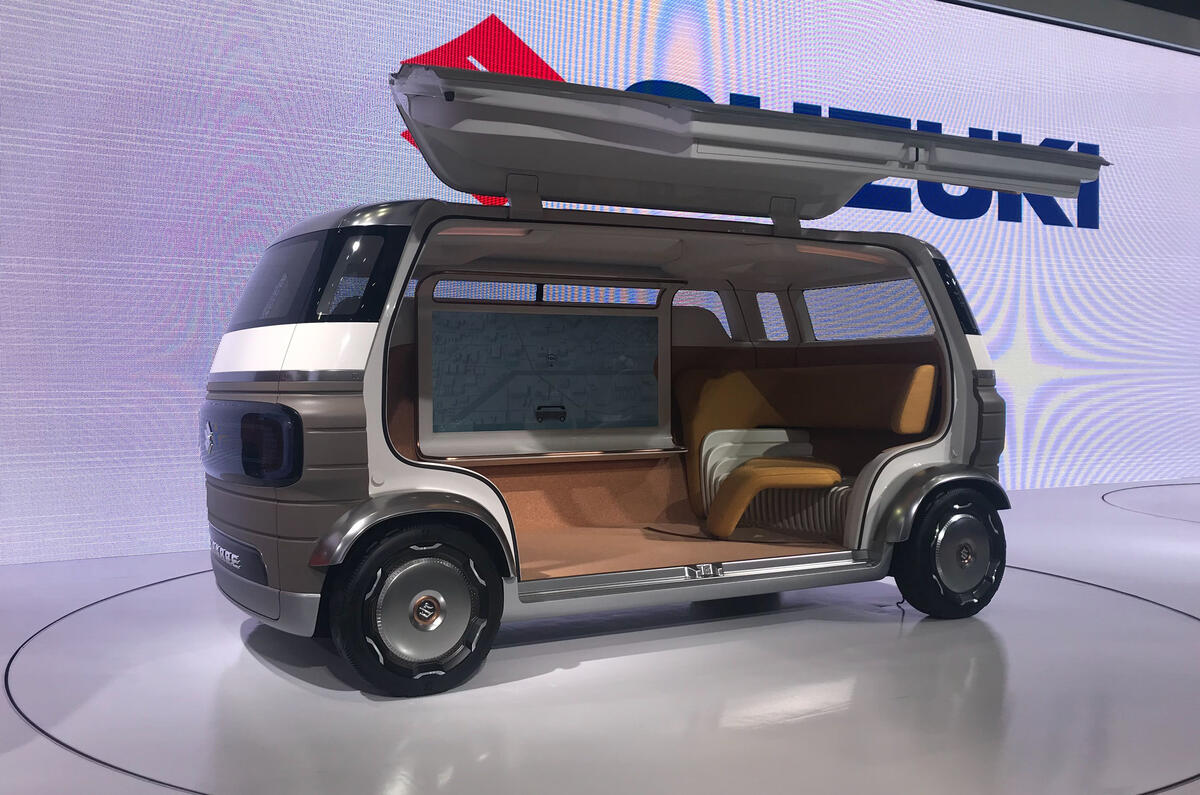
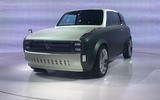
Suzuki revealed three concepts, including the Hanare autonomous pod and the compact Waku SPO. All have retro styling, intended to hark back to Suzuki’s heritage, the brand’s designer Takafumi Ogisu told me, but the most interesting was the Waku for its ability to change body shape. At the press of a button, the estate rear of the car moves into the boot space, morphing into a coupé.
The idea, said Ogisu, is that you can enjoy driving when it’s a coupé model, while in estate form it is more practical with more rear passenger space. Unsurprisingly, there are no plans for production, but it presents an interesting case for the future of motoring, in which we could both enjoy driving but also sit back and let the car drive us.
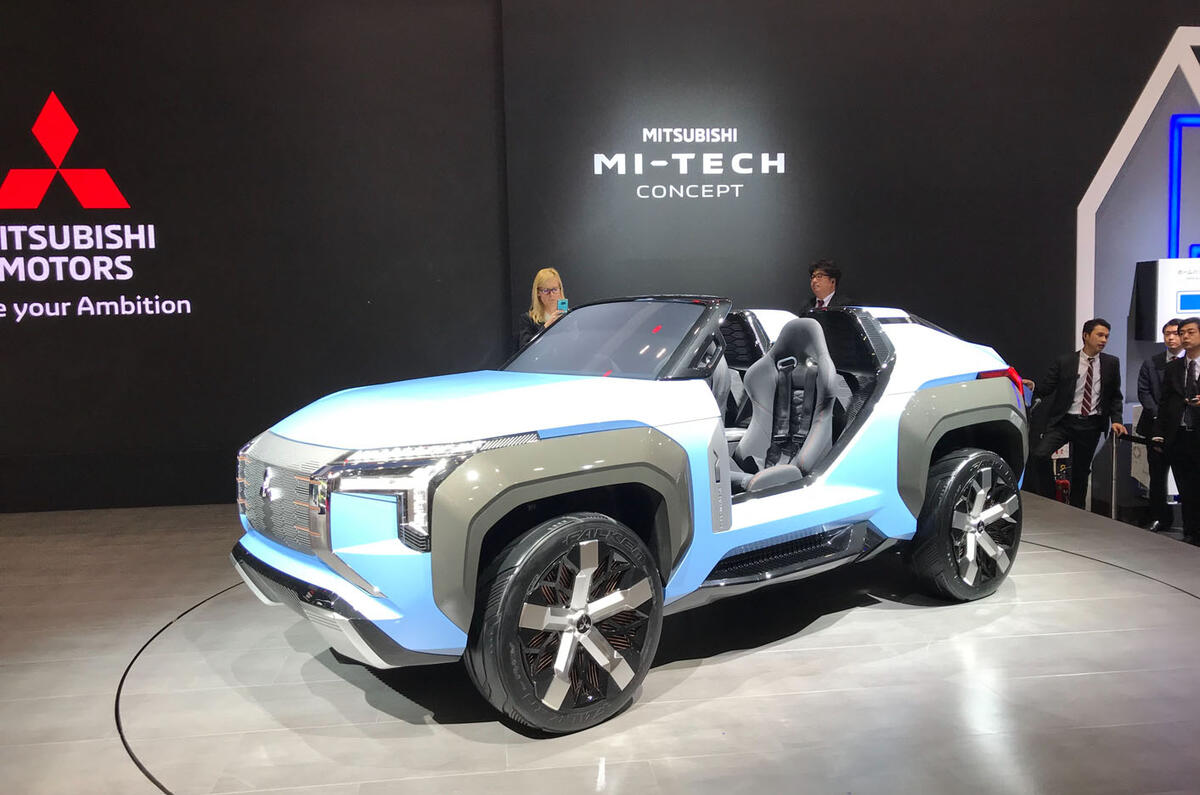
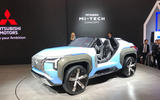
Another exciting design was Mitsubishi’s Mi-Tech compact SUV concept, which hints at the styling of the next ASX due in 2021. It previews new technology: a downsized plug-in hybrid range-extender system that replaces the petrol engine used in Mitsubishi’s existing plug-in hybrid drivetrain with a gas-turbine engine-generator.