




Concerns are being raised about the usable lifespan of EVs, with specialist companies reporting some cars reaching ‘end of life’ battery capacity after just eight years – and some hitting that point even sooner.
Silver Power Systems (SPS), a specialist in battery performance analysis whose software tracks and monitors battery data and health, says it has observed wide variations in performance, especially within fleets.
“Across even a single fleet, variations in battery health can be up to 10%,” said Pete Bishop, founder and chief technology officer at SPS. “Considering that in most commercial applications, 80% battery capacity is deemed to be end of life in operational terms, 10% degradation represents half a vehicle’s life.”
However, the definition of what constitutes ‘end of life’ depends on how the vehicle is being used, as Liam Mifsud, programme manager at SPS, explained: “Someone operating a specialist vehicle will probably keep it for longer and not regard 80% as end of life. If they don’t drive far, a private vehicle owner may also be happy with that capacity. However, we’ve noticed that when a battery gets to 70%, it degrades more rapidly.”
SPS’s findings echo those of Geotab, a telematics provider. It also measures vehicle batteries’ state of health but goes further by publishing its findings in its Electric Vehicle Battery Degradation online tool.
Its data is based on 6300 fleet and consumer EVs, represented across 24 makes and models.
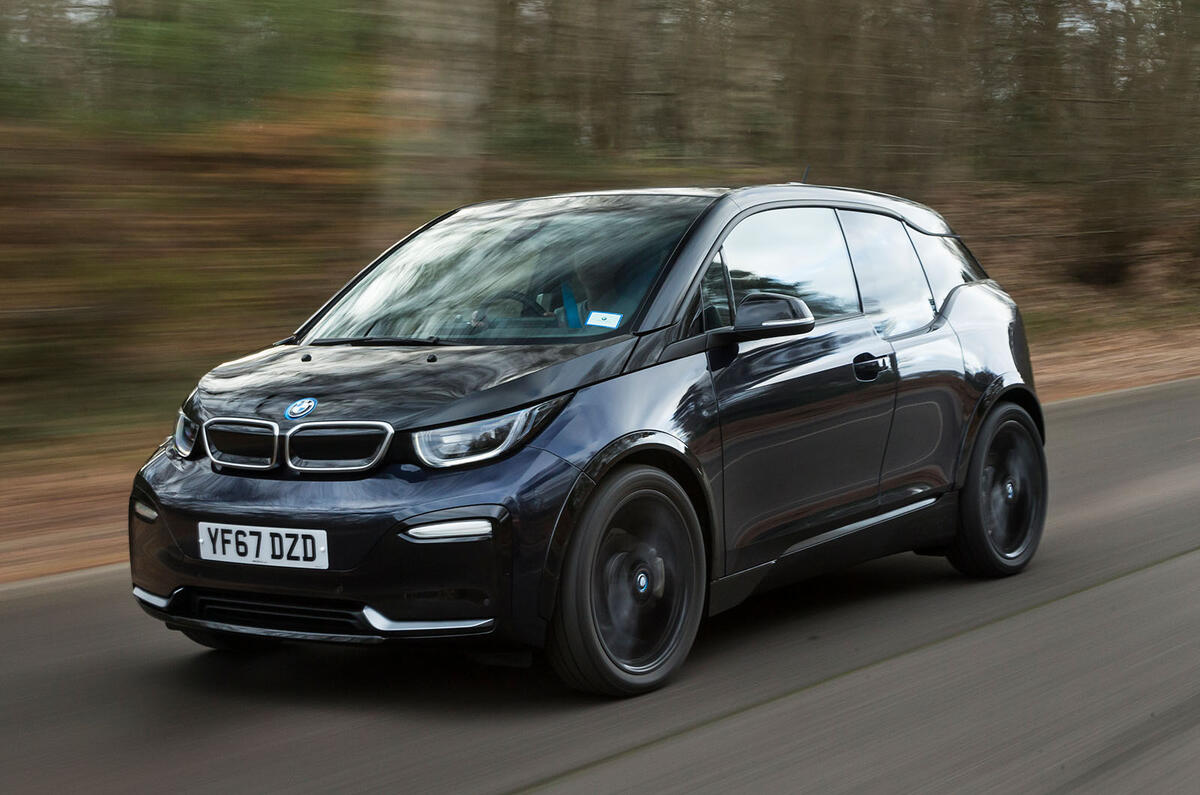
According to Geotab, average battery degradation over a six-and-a-half-year timeframe is 13.5%. Among those recorded by the tool are three model years of BMW i3, with the oldest, from 2017, recording a battery degradation figure of 16% after a little less than three years.