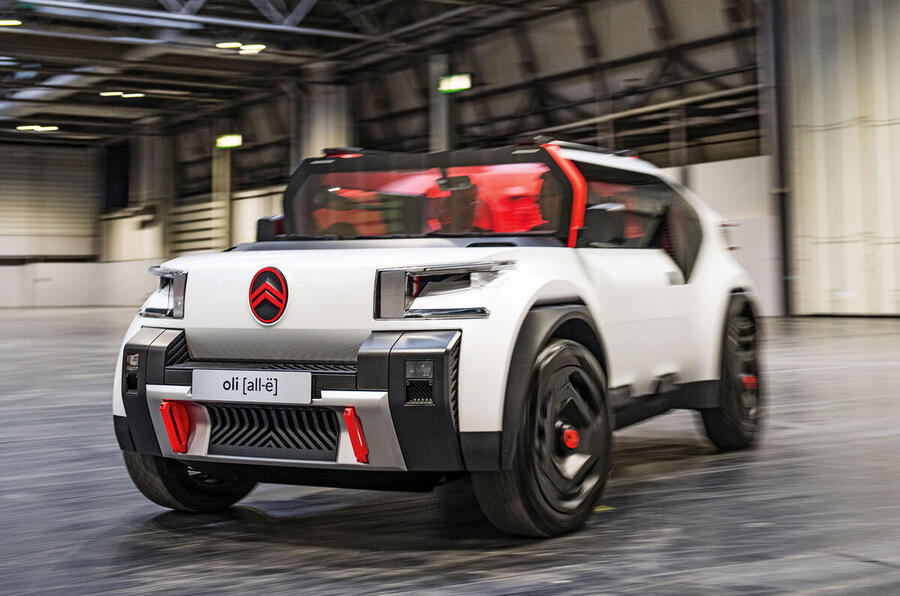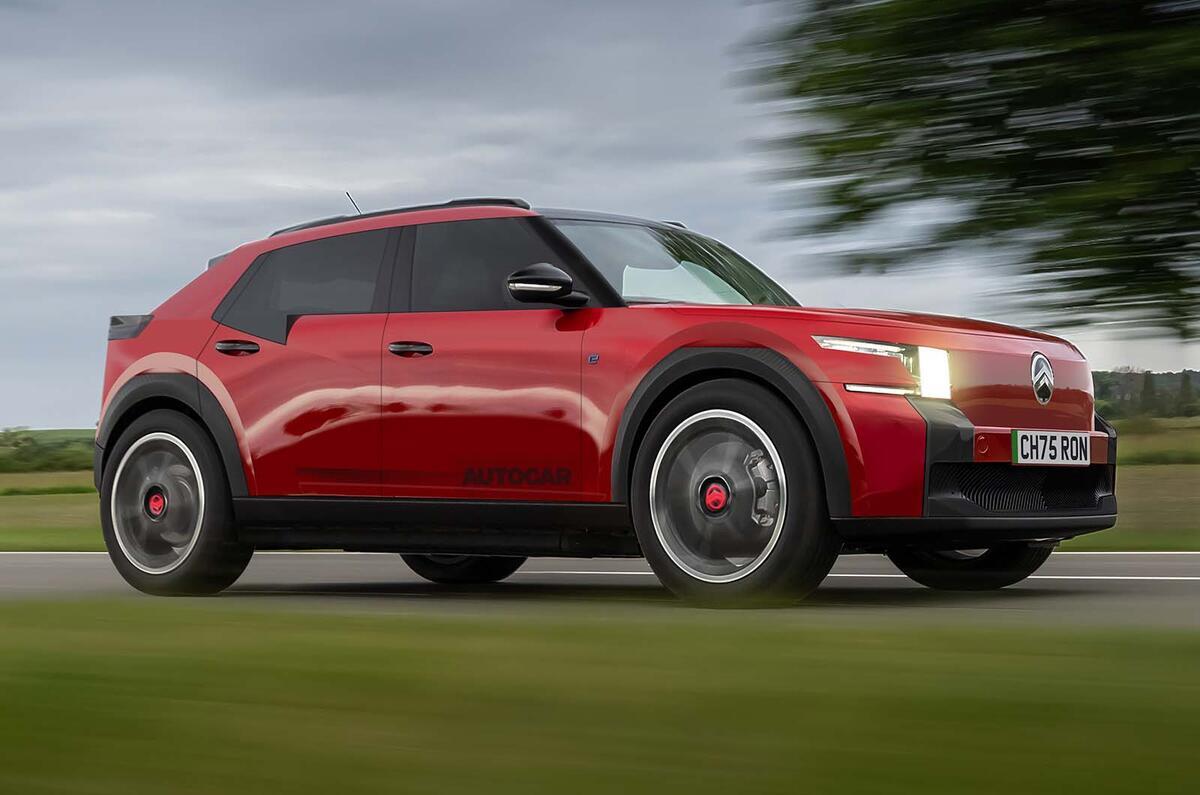

Citroën is open to using its new low-cost Smart Car platform for larger models as it seeks to bring down the cost of new cars in a fightback against them being laden with unnecessary technology.
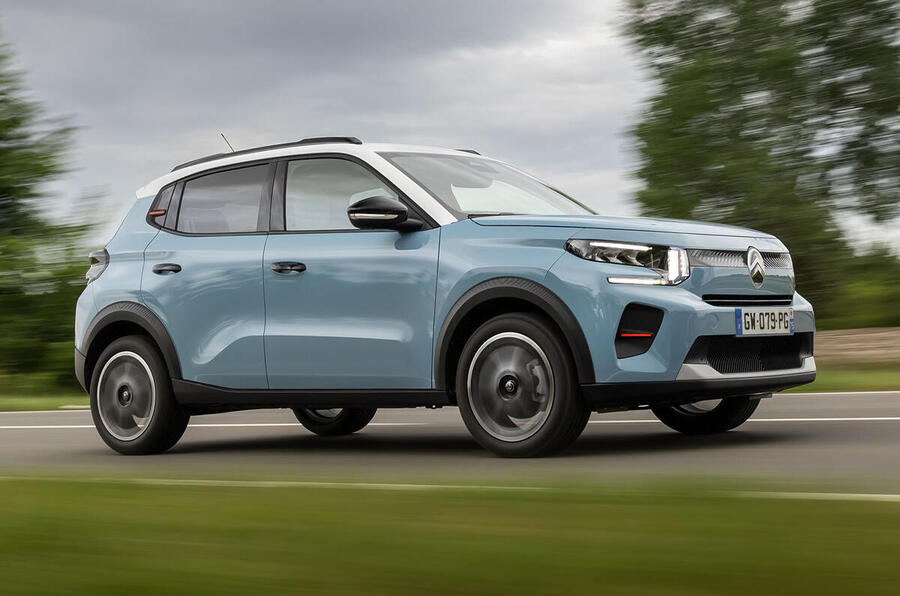
CEO Thierry Koskas told Autocar in a press conference following the new Citroën C3’s nomination to the Car of the Year 2025 shortlist that the rising costs of new cars would mean buyers of larger models would also look to benefit from cost reductions that the brand is bringing to the supermini segment with the C3’s new Smart Car platform.
He said there are “no limits” to scaling up the Smart Car platform to be used in C-segment models [C4-sized] in the future and this is a “direction we would like to explore”.
“What we’ve said about the B-segment [C3-sized] and the need for essential cars with the right level of features, one day there will be a case for in the C-segment. Larger families interested in space but at a reasonable price. There is the opportunity to do bigger cars and this is an option we would like to do.”
Koskas said the Smart Car platform and the models based on it, starting with the new C3 and ë-C3, had been designed in a similar way to how Dacia creates its products: by setting the cost first, then allocating a budget to each individual component.
He explained: “When we started the development of the car, everybody knew how much they had to spend. Each component had an objective and target, because if you don’t do it globally, that doesn't work. You need to target everyone and to make everyone accountable in every parameter to meet the target cost.”
Pushing this philosophy into bigger cars would also mirror the behaviour of Dacia, which is moving into the C-segment for the first time in 2025 with the Bigster SUV.