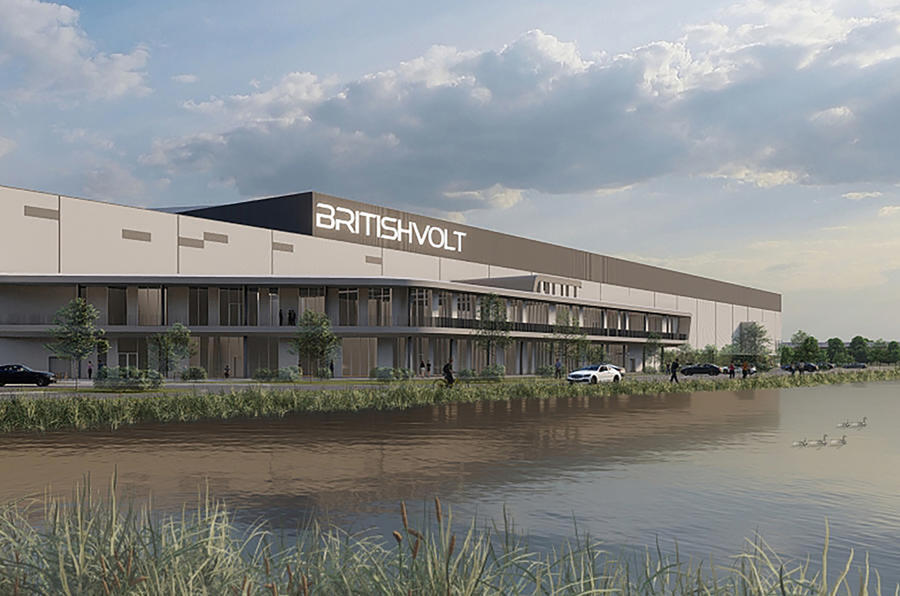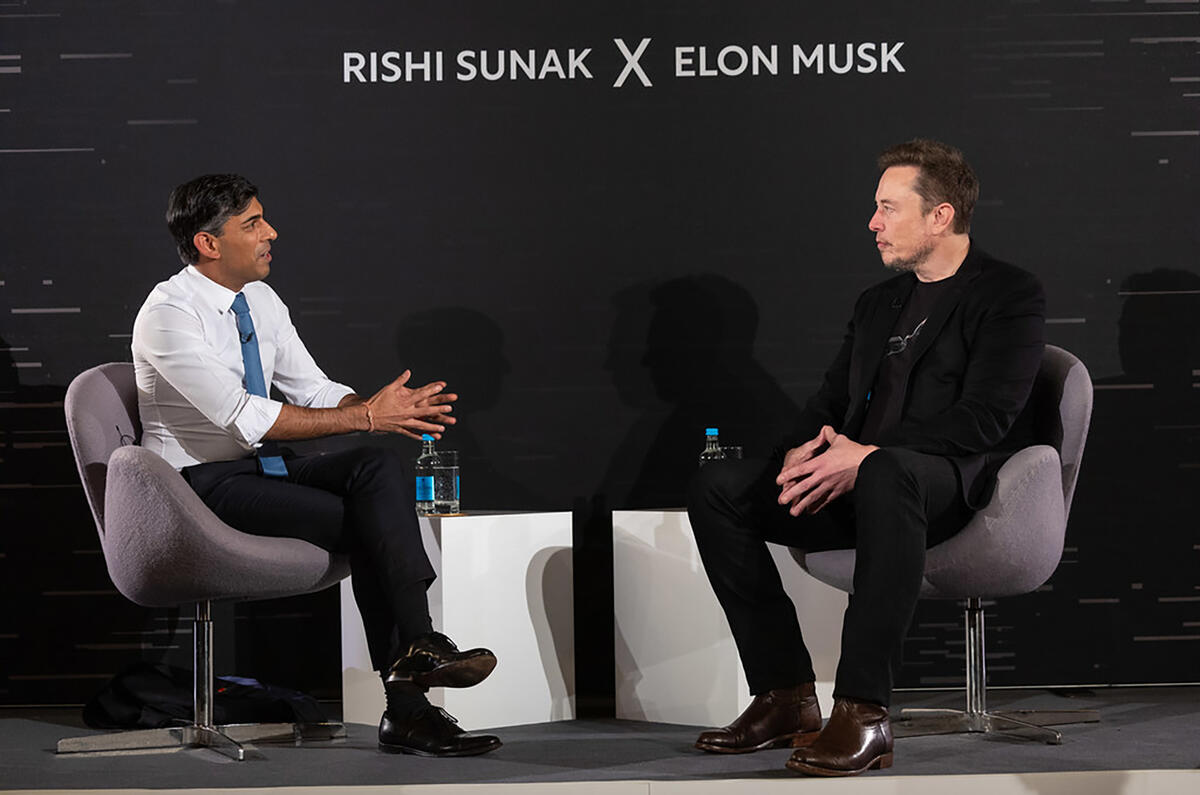

The UK could still get a Tesla gigafactory after CEO Elon Musk revealed that the company would be picking a location for a new European plant “towards the end of 2023”.
Previously, Musk chose Germany over the UK and was said to have avoided the UK because he was worried about the impact of Brexit on automotive trade.
This was despite the government working hard to persuade Musk of the UK’s potential, including offering multi-million-pound grants and a location in Somerset (subsequently taken by Tata Motors for its gigafactory in 2023).
Gigafactories are in big demand. They are a critical part of the global EV transition, producing the batteries for electric cars that millions of people will get into over the next decade. For a country, their development can mean billions in investment, resulting in potentially tens of thousands of jobs.
In Europe, this demand is particularly high, as nations seek to nurse their highly important – and influential – automotive industries into the battery age, with minimal impact on workforces.
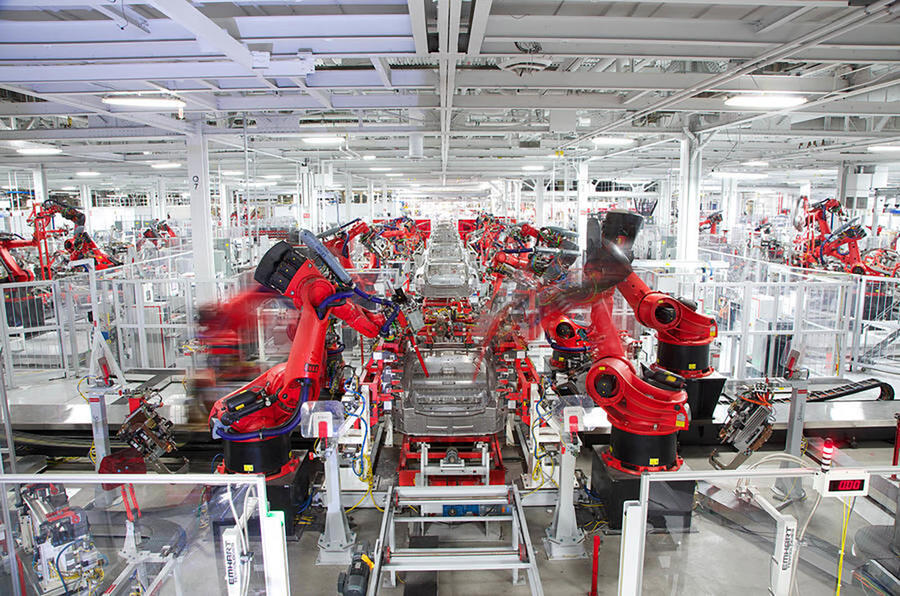
As one of the largest producers of EVs globally, Tesla is now among the biggest developers of gigafactories and has locations across the US, Mexico, China and Europe. Its European plant is in Germany – known as Giga Berlin – and was first announced in 2019 as a multi-billion project.
The factory opened in March 2022, produces 500,000 vehicles a year and employs around 10,000 people. It’s been a great success for Germany, which had to compete against many other European countries all vying for Tesla’s investment, including the UK.
Has the UK charmed its way back?
There is reason to believe that, perhaps, UK prime minister Rishi Sunak may have finally managed to win over Elon Musk.