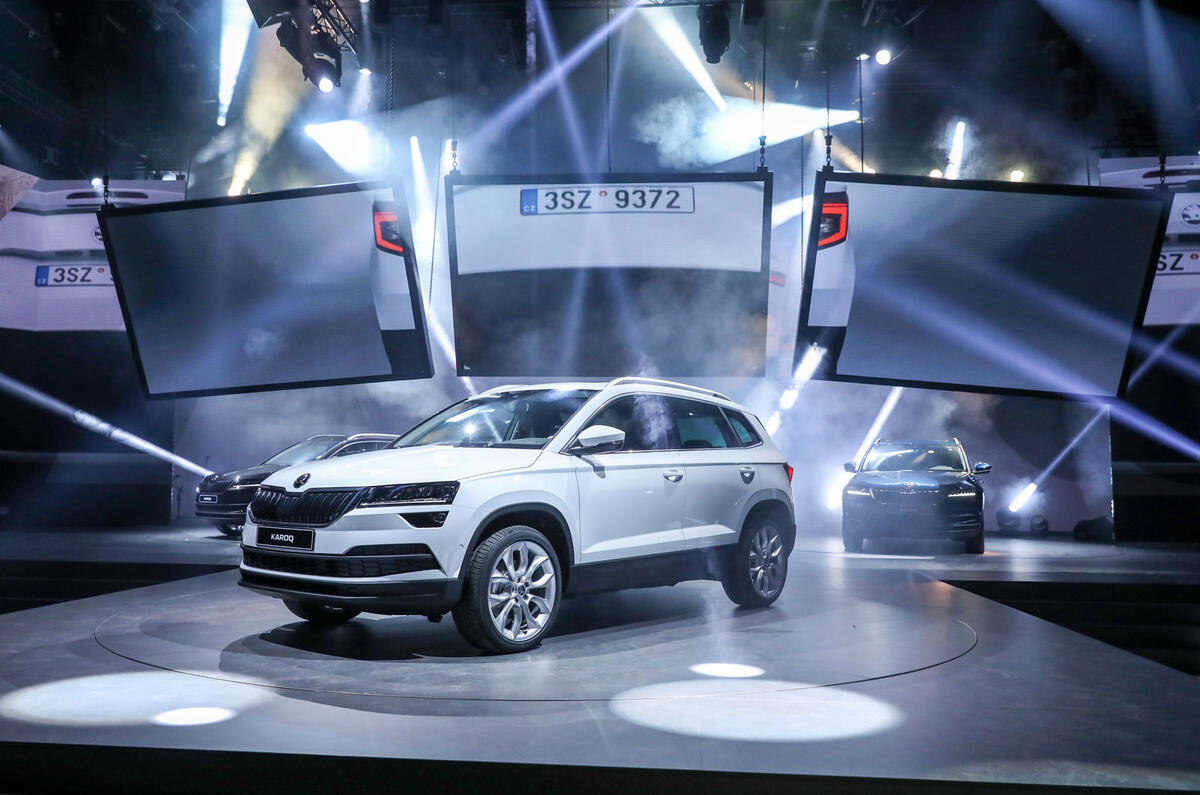
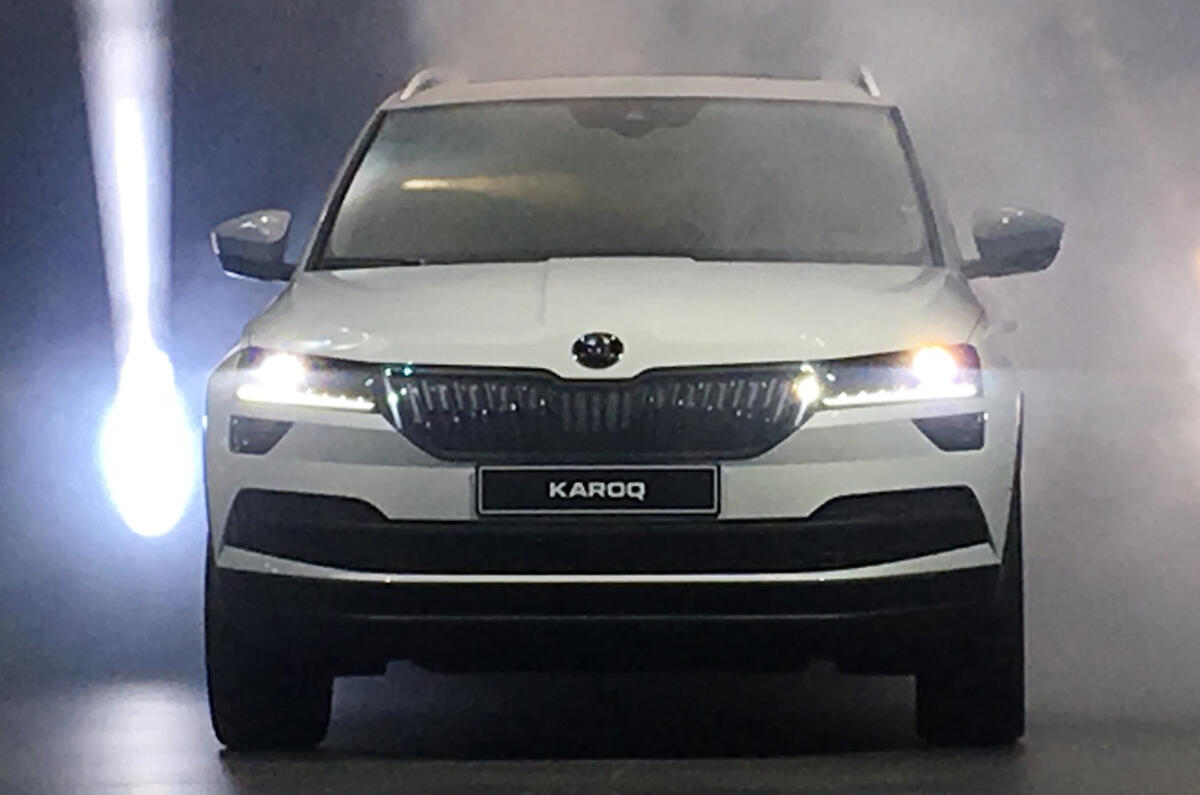
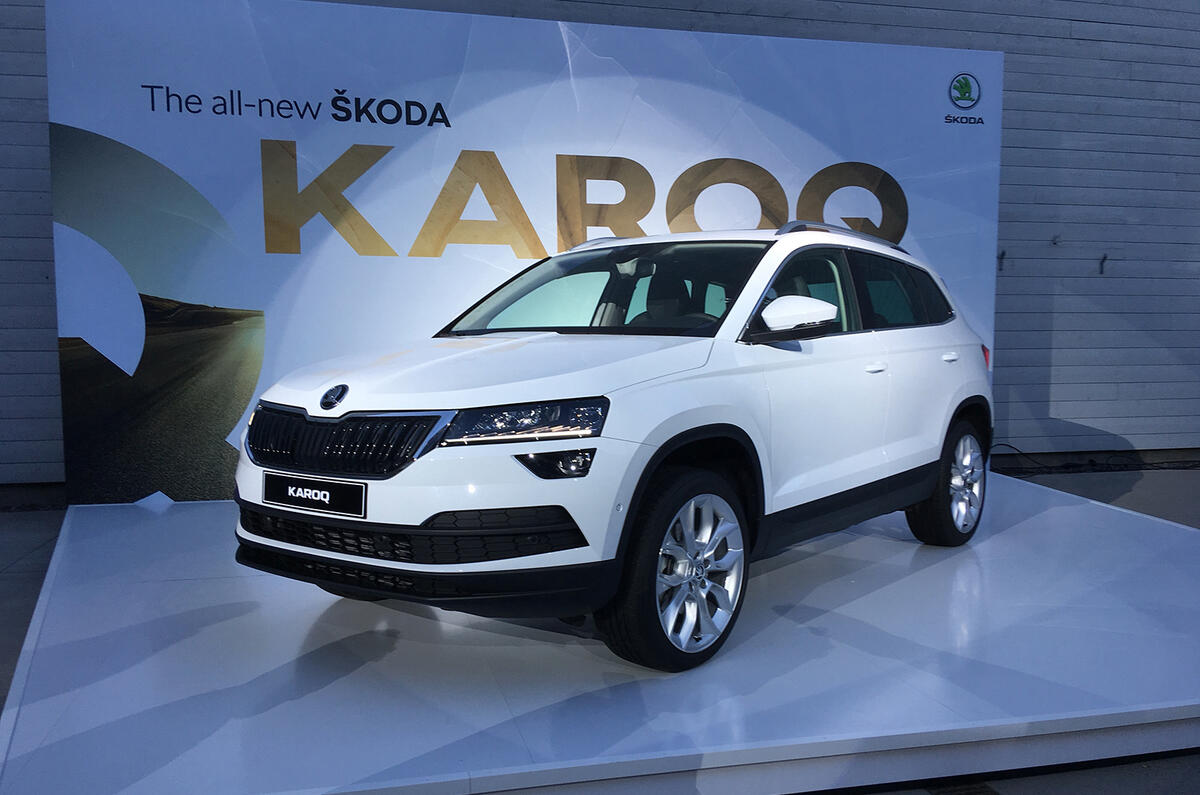
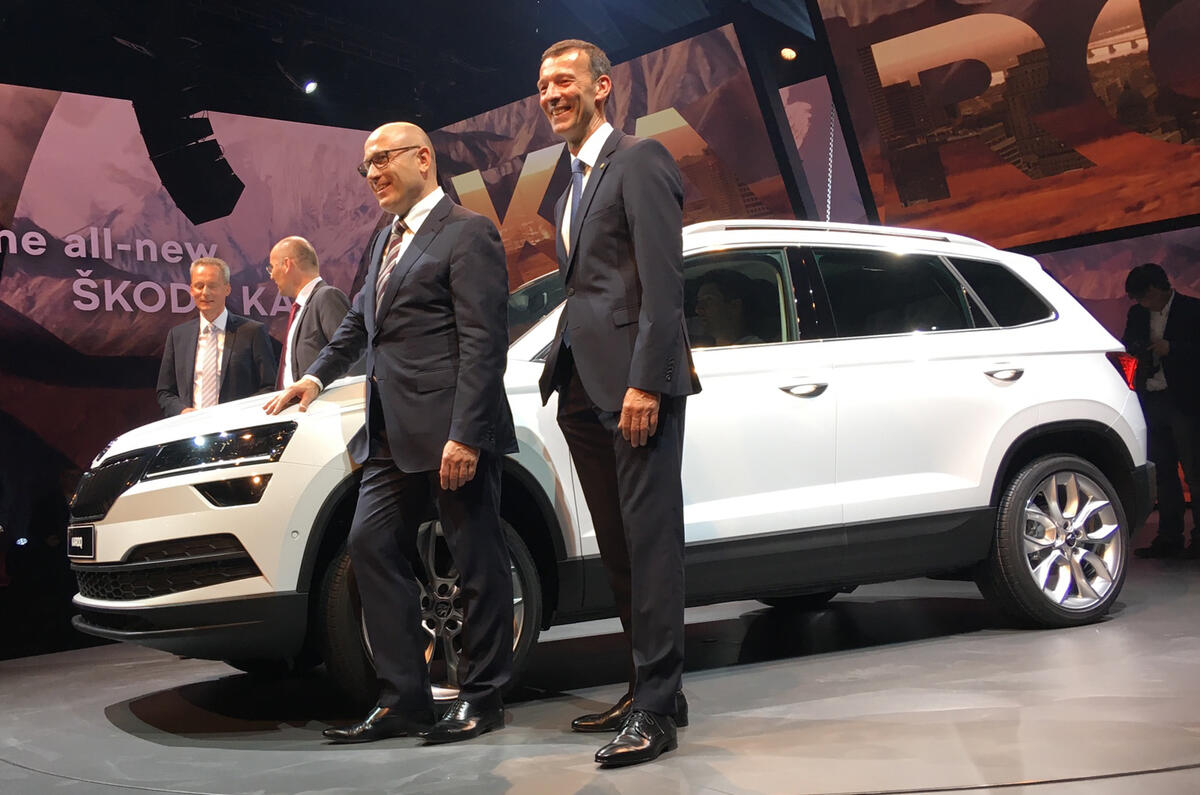
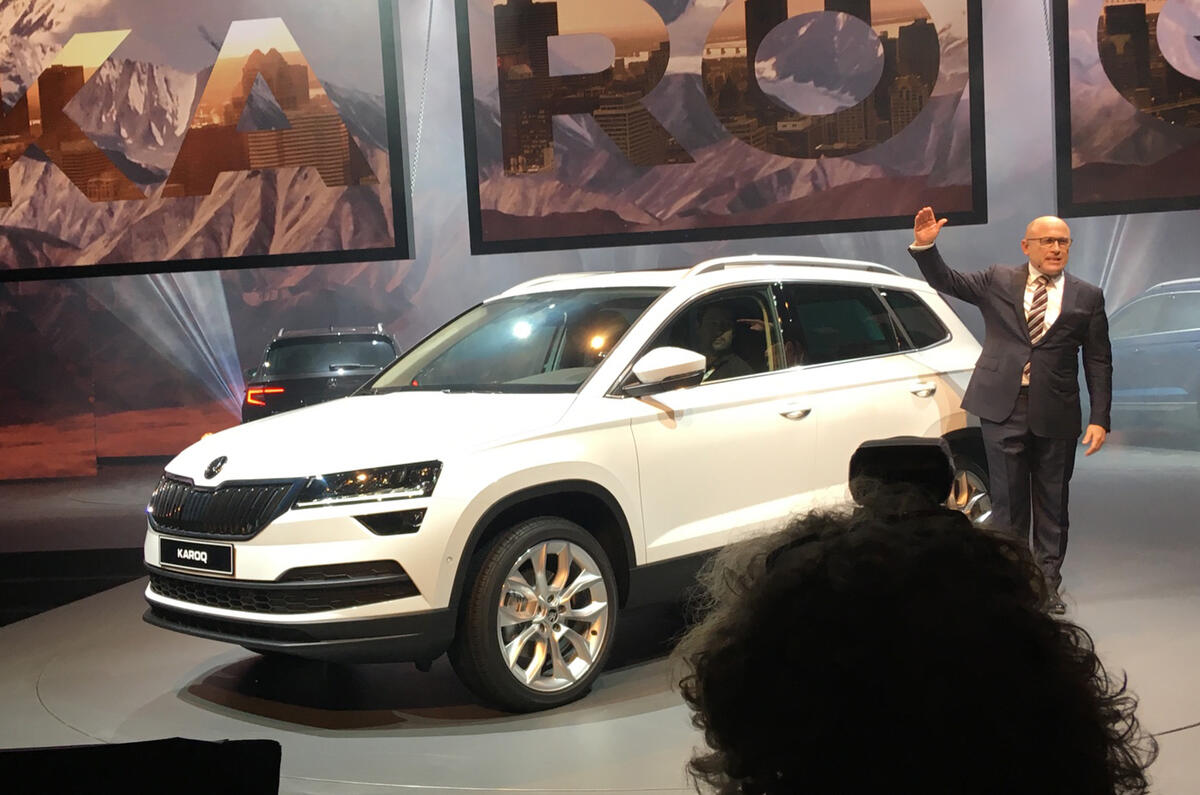
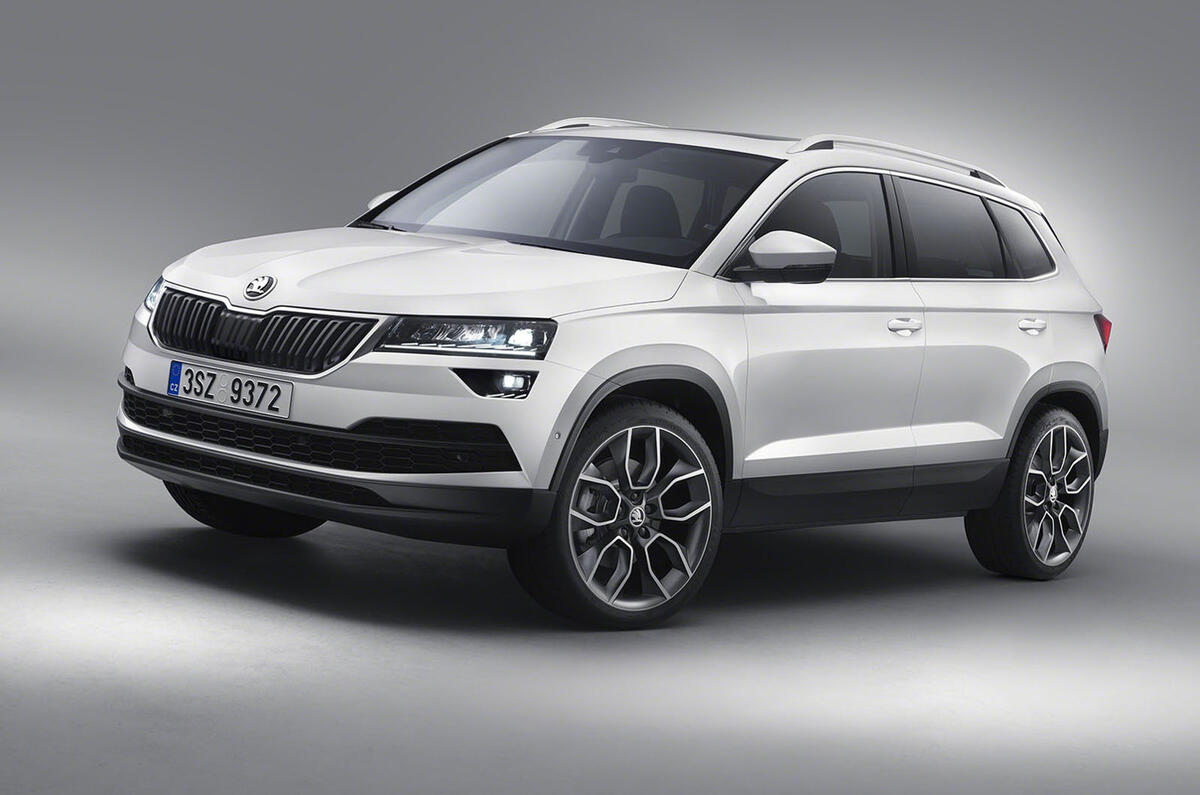
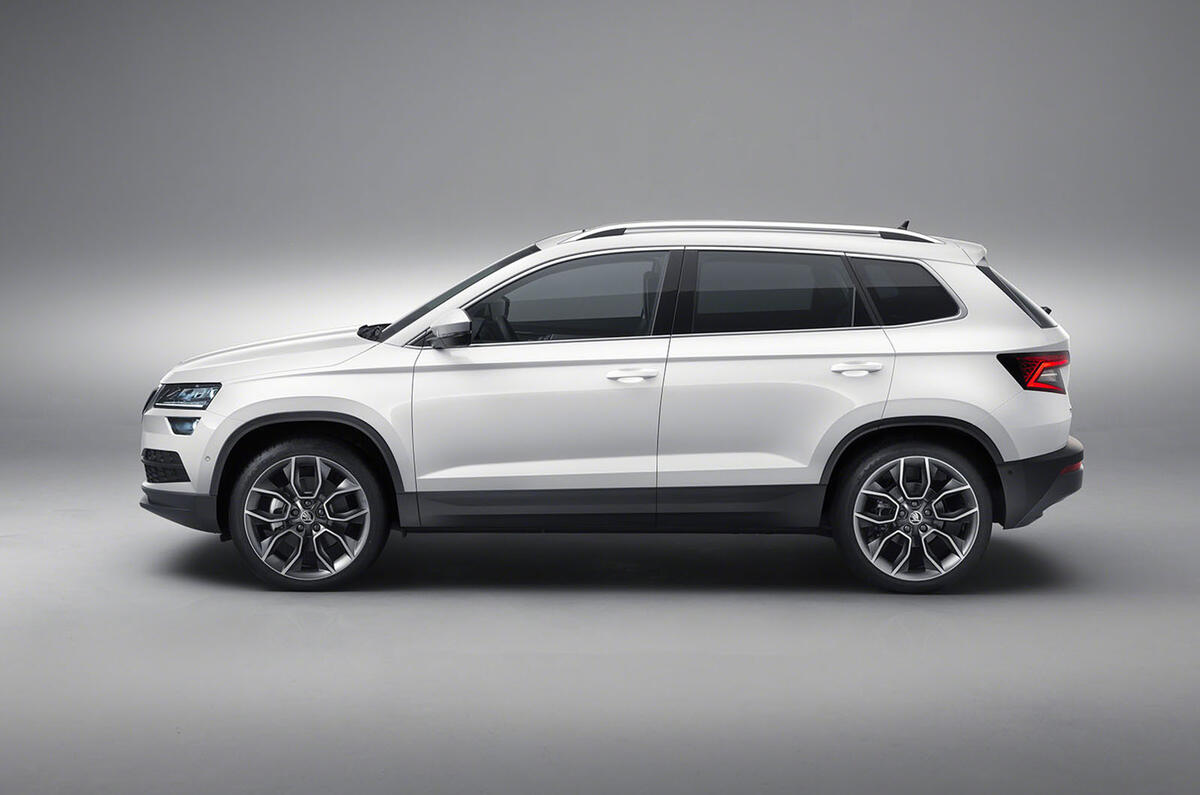
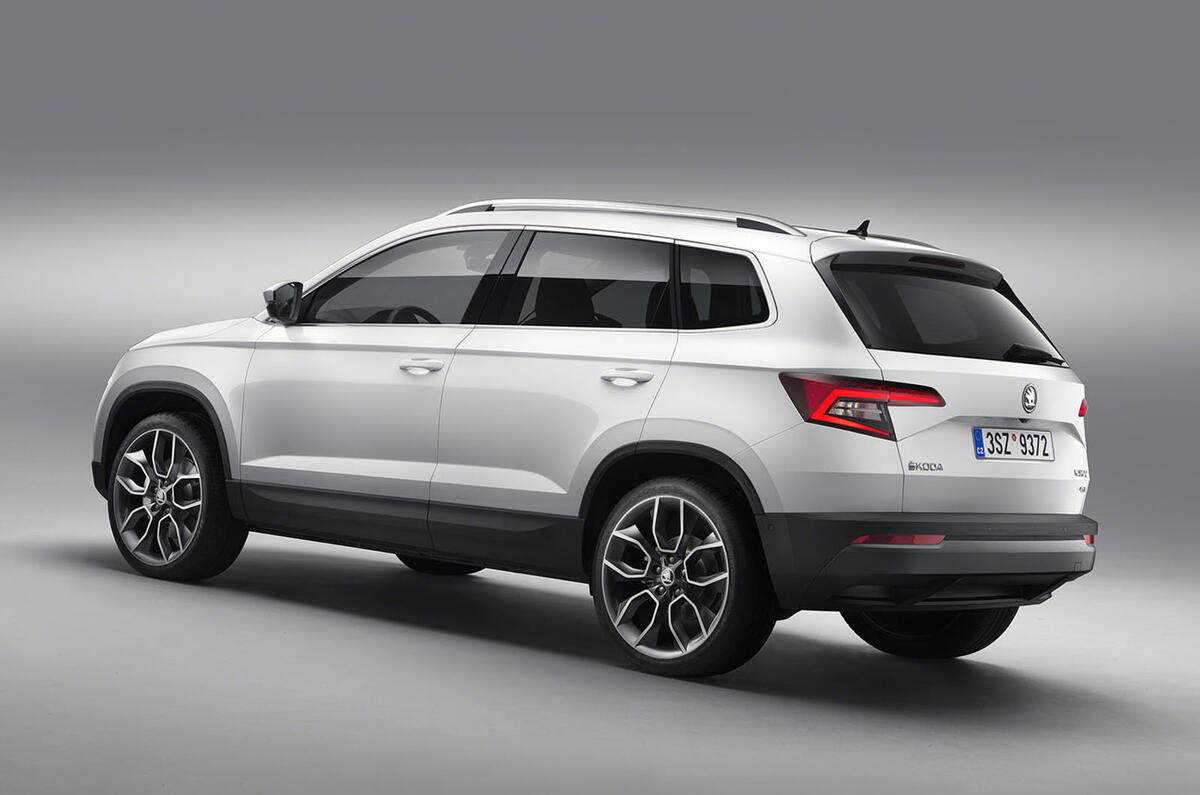
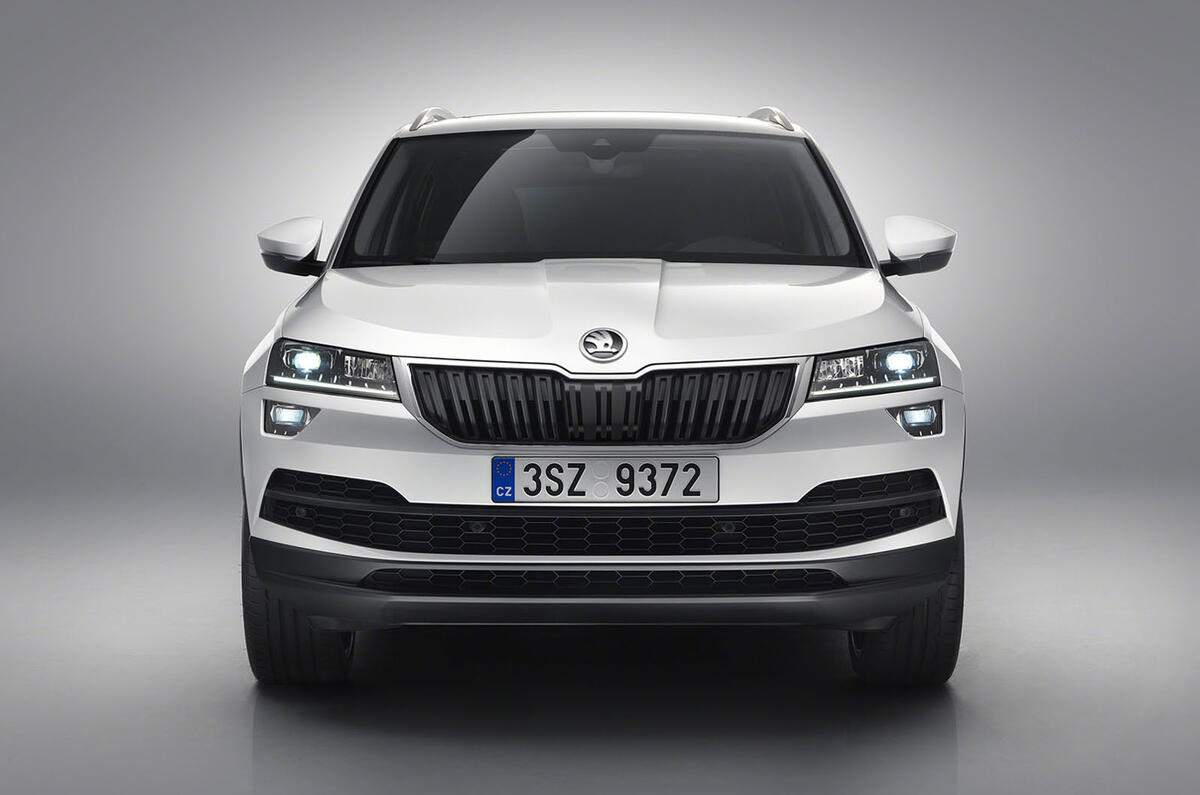
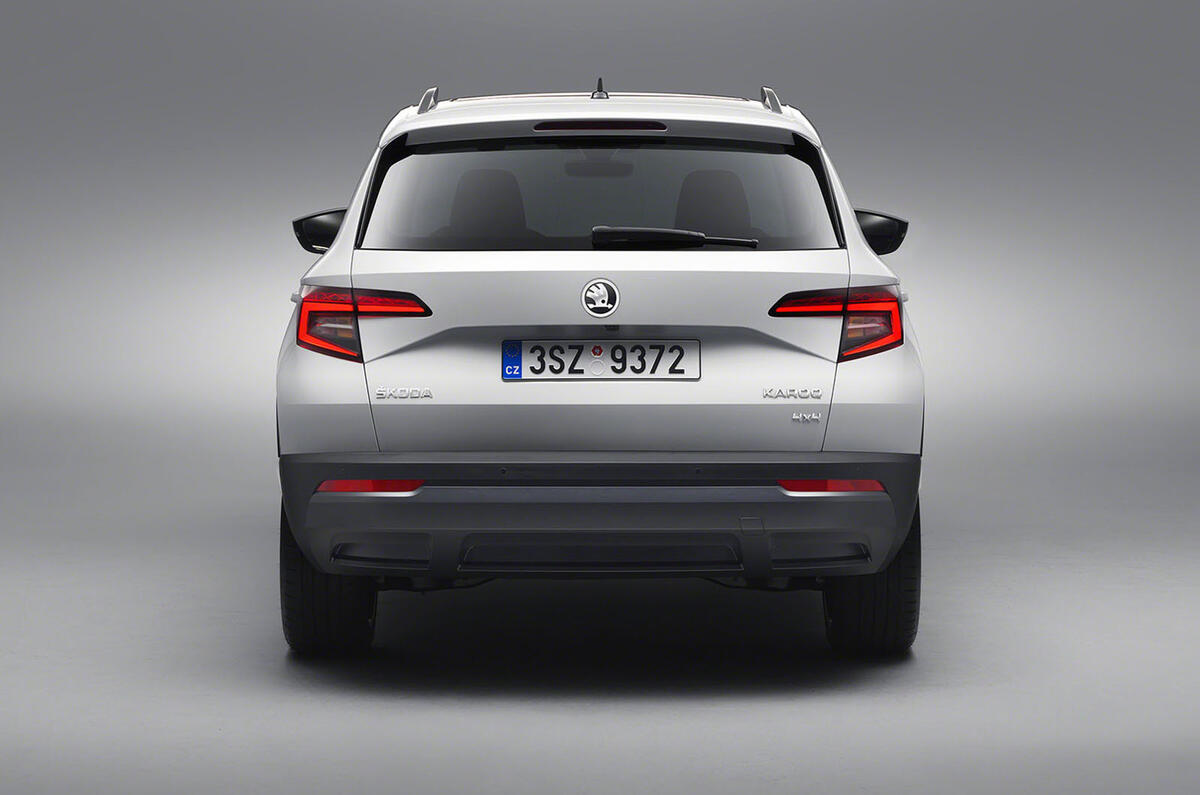
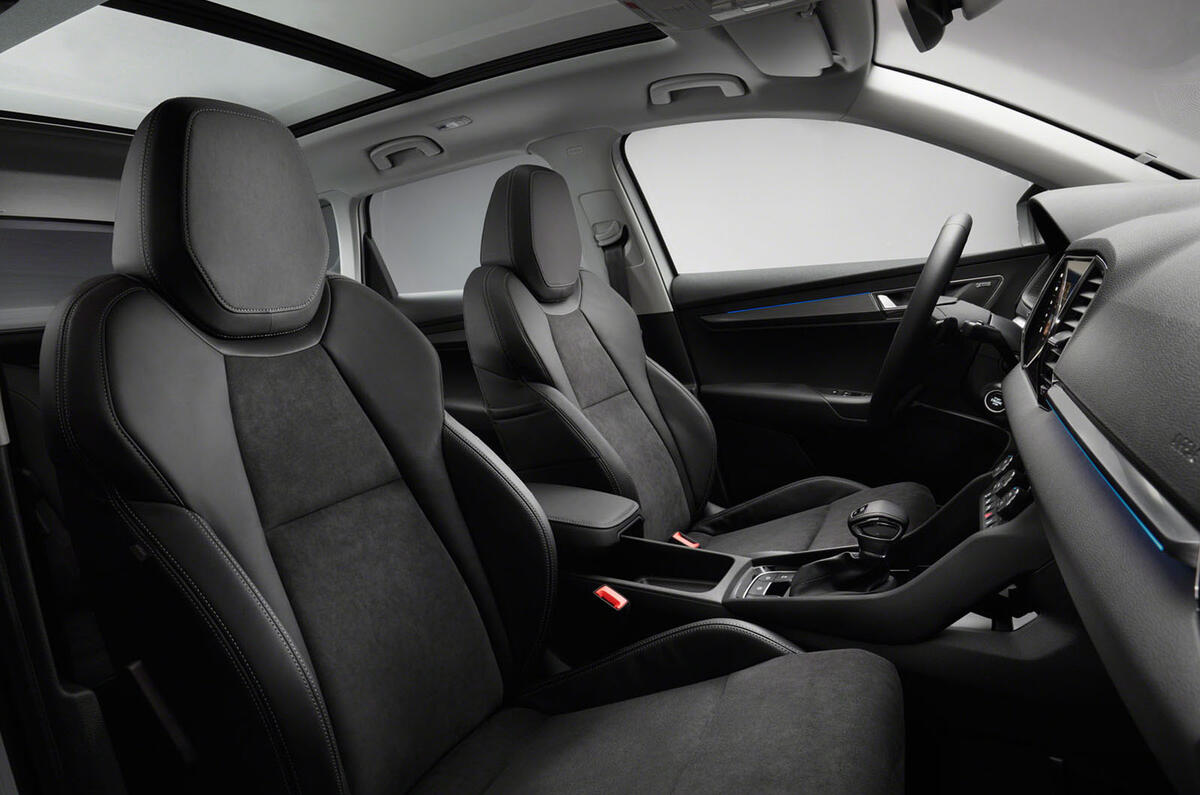
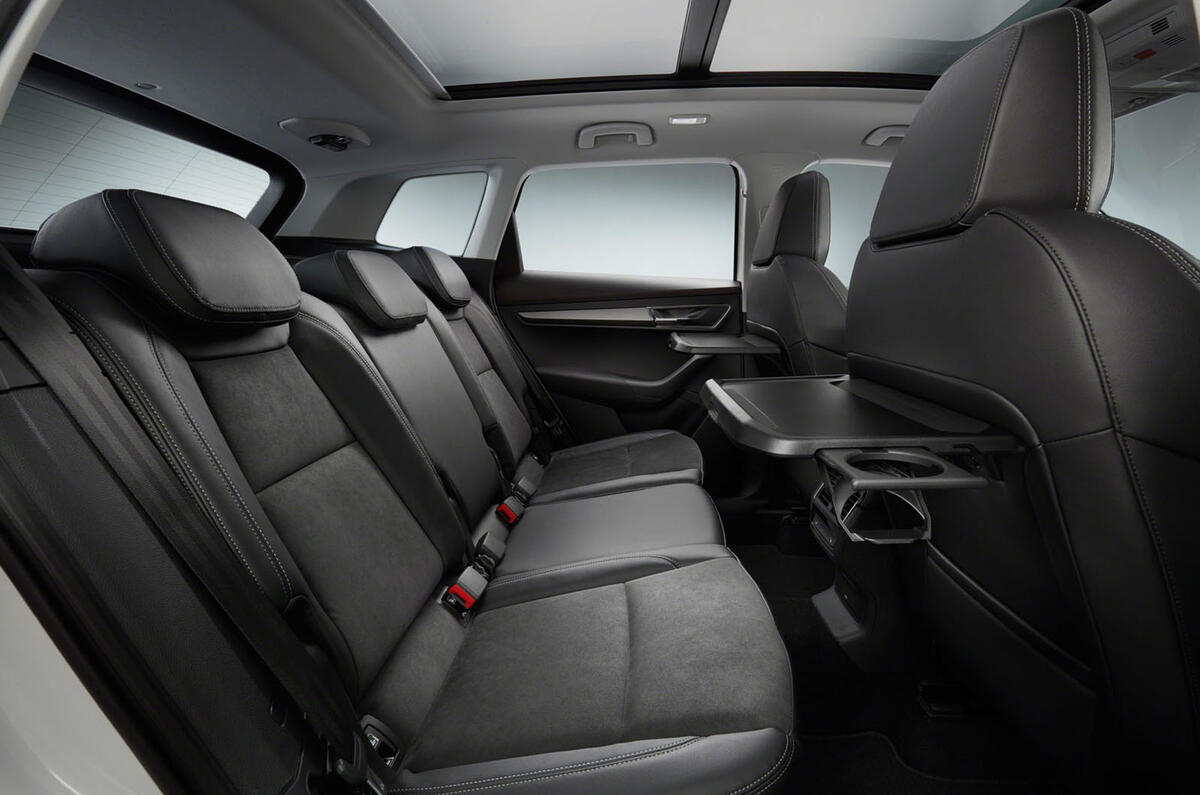
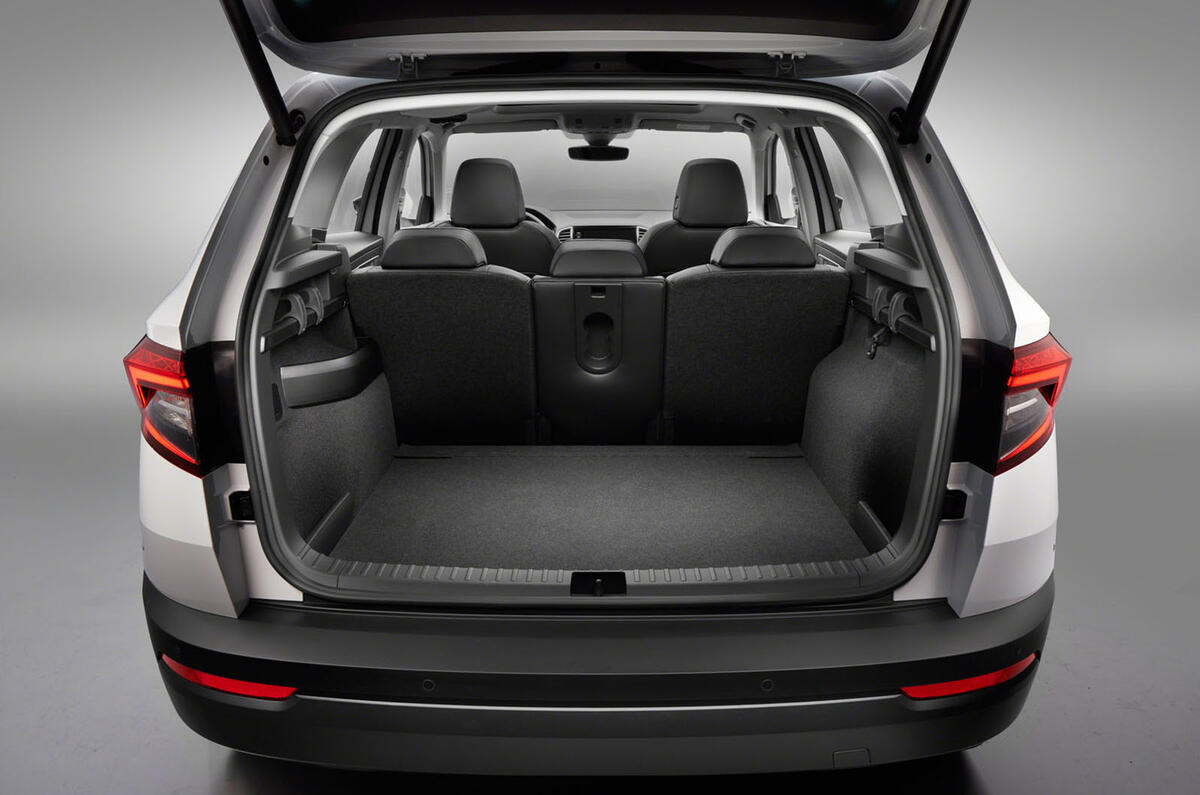
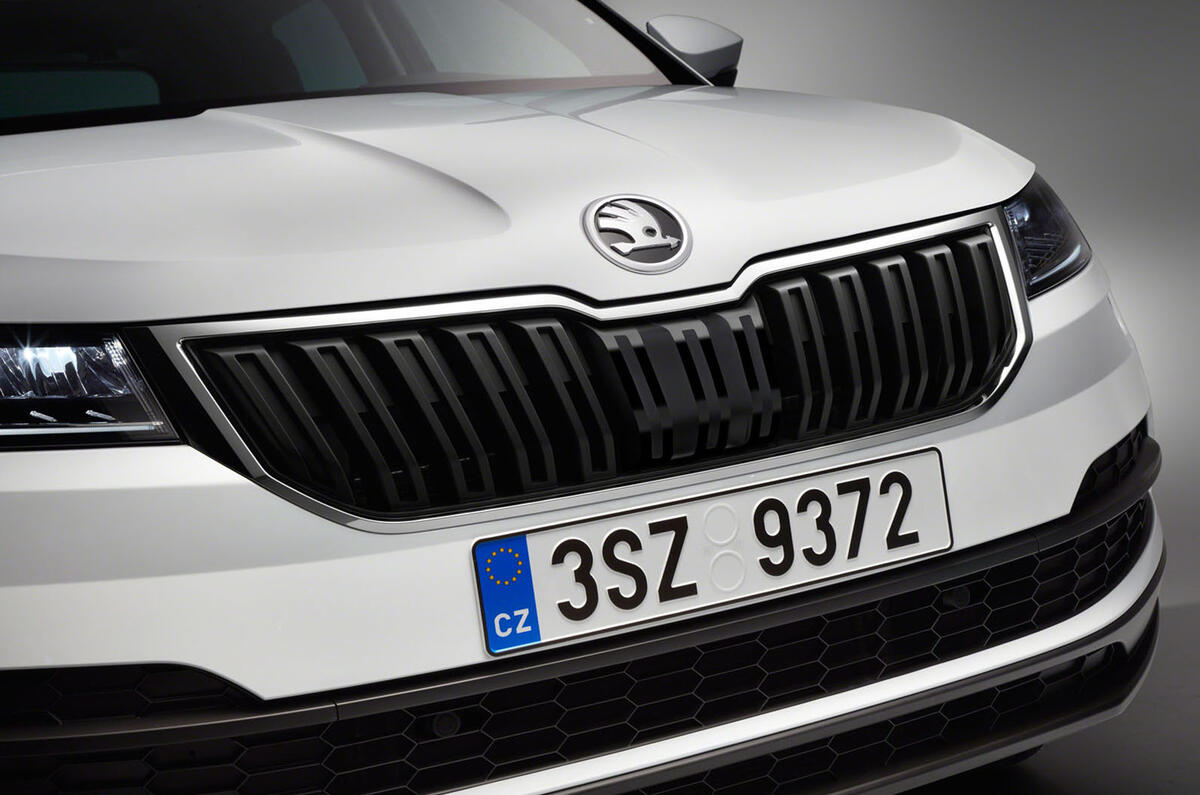
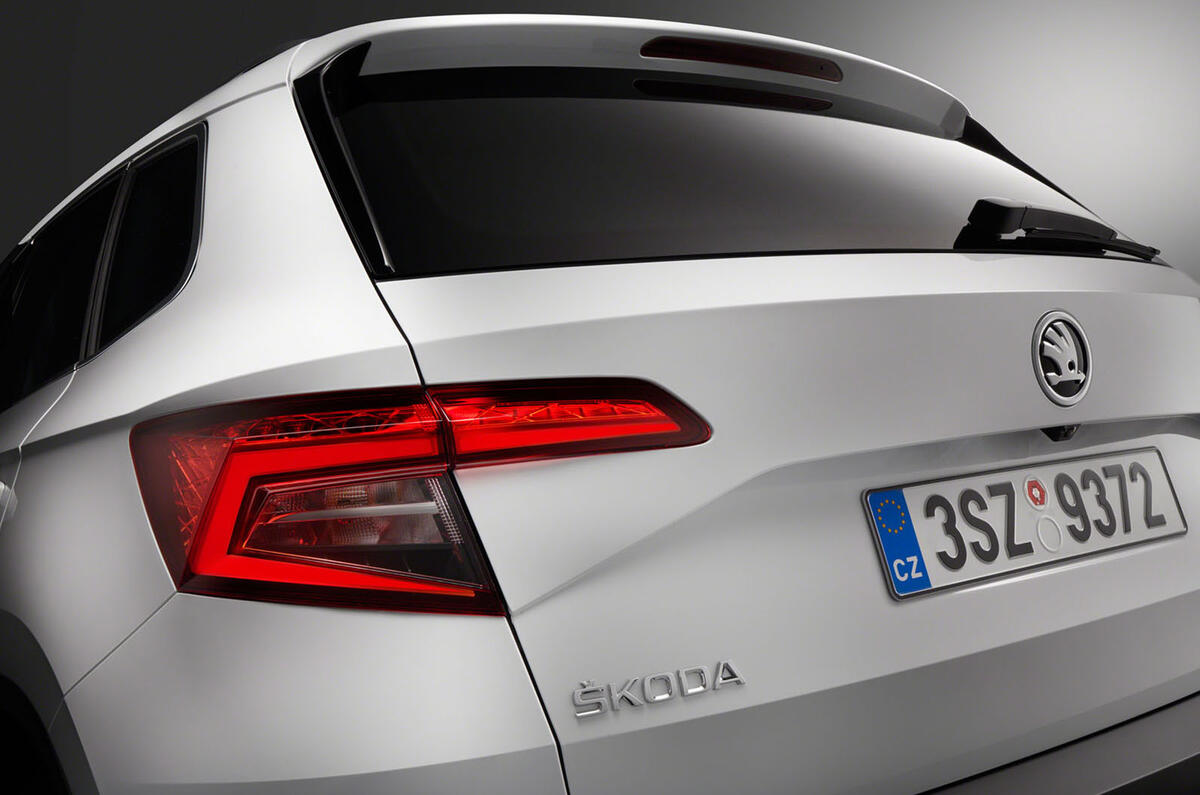
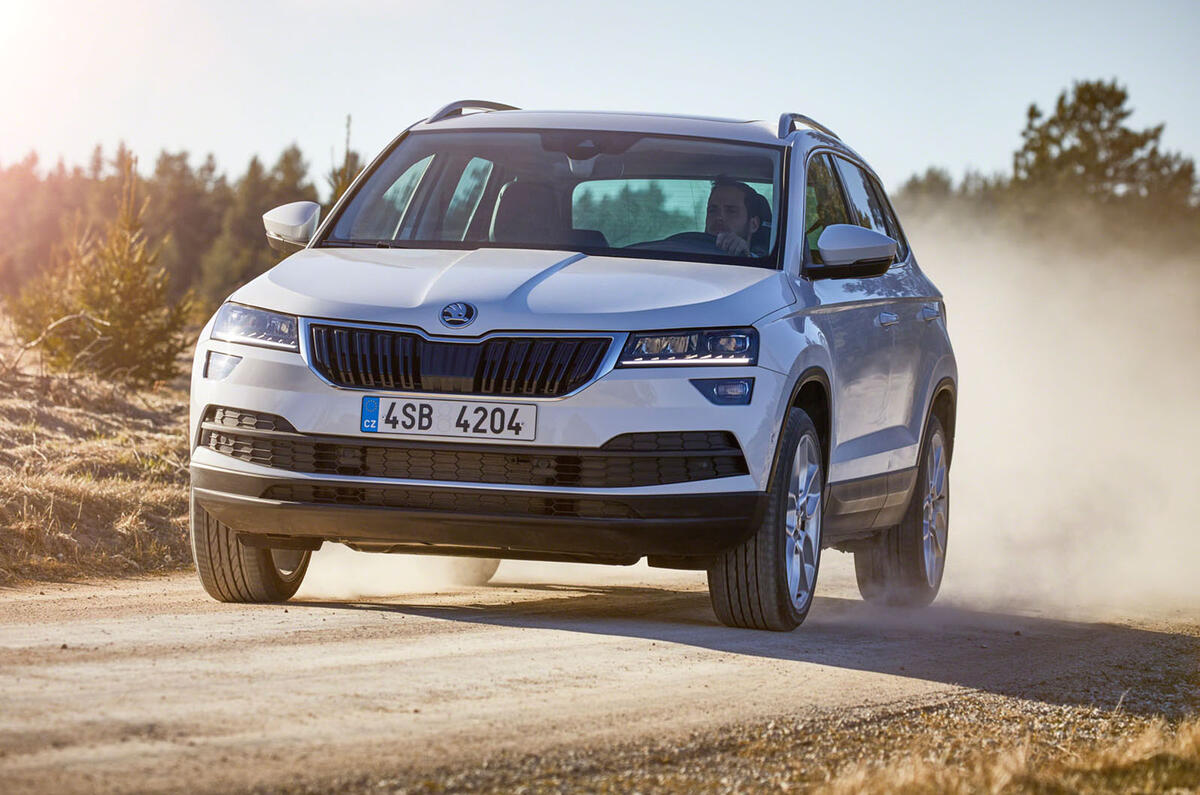
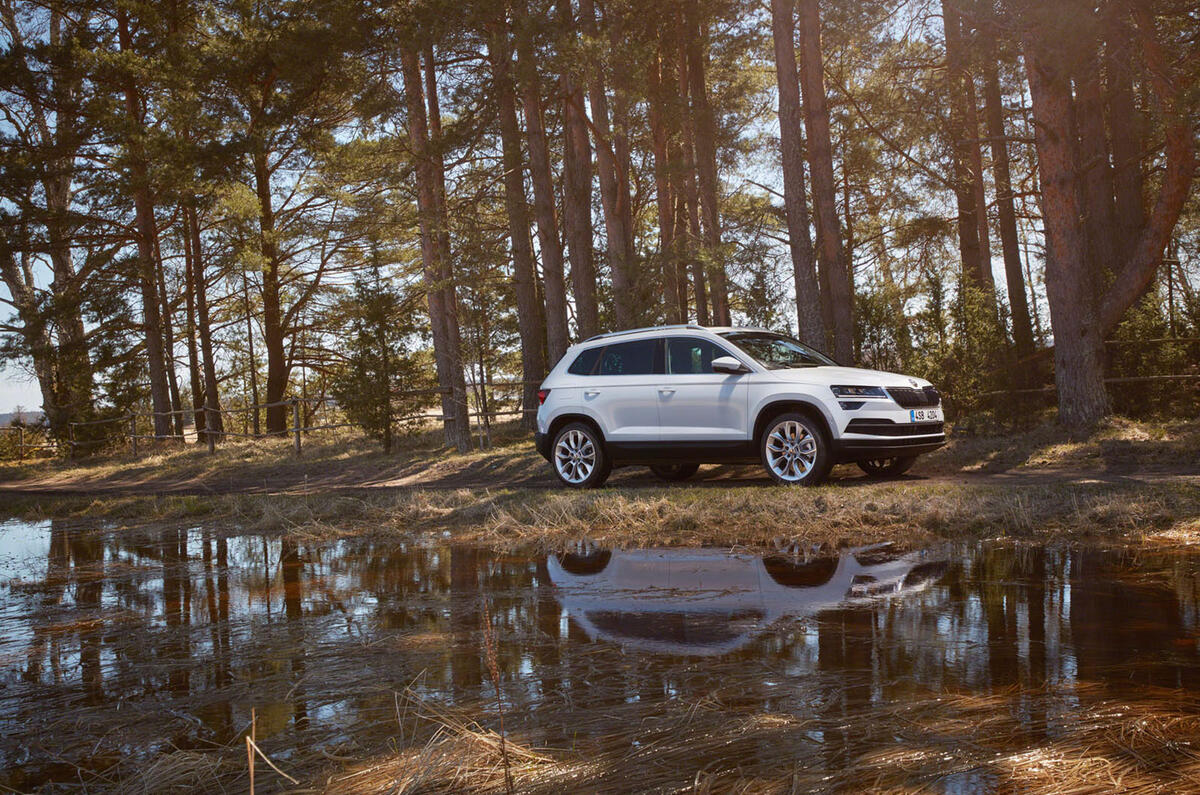
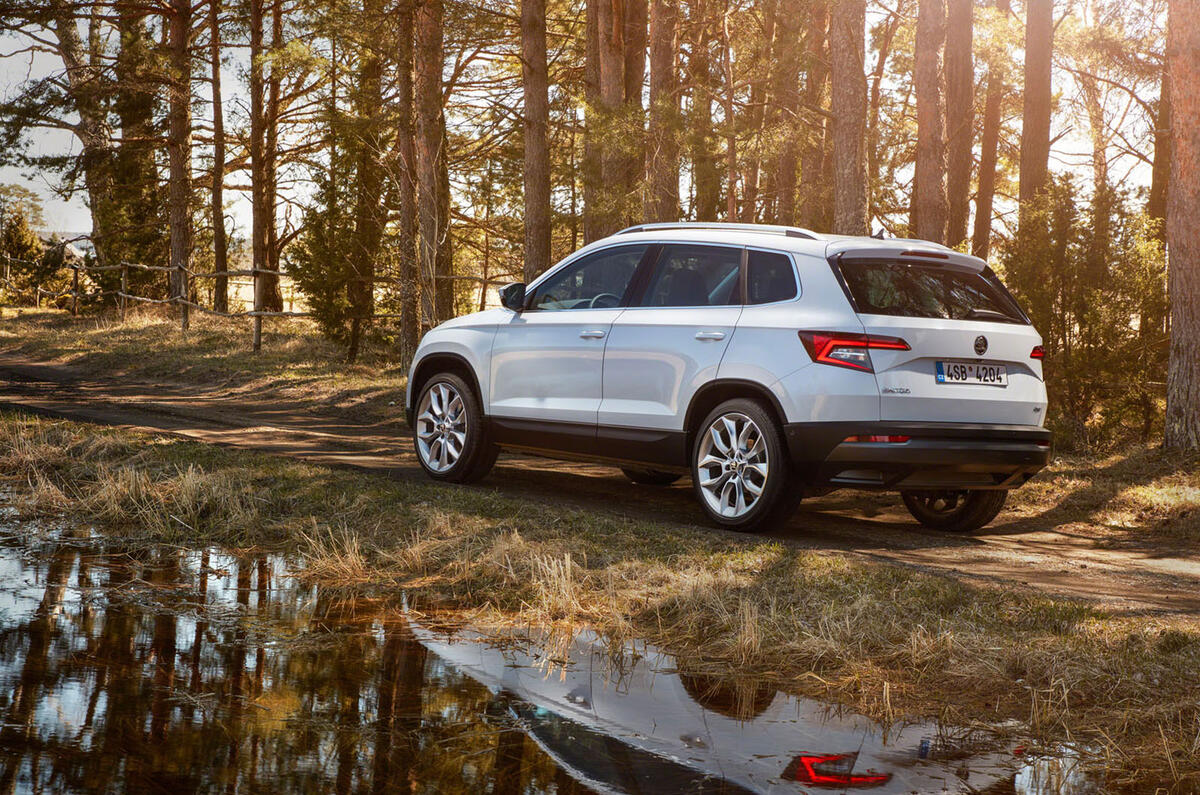
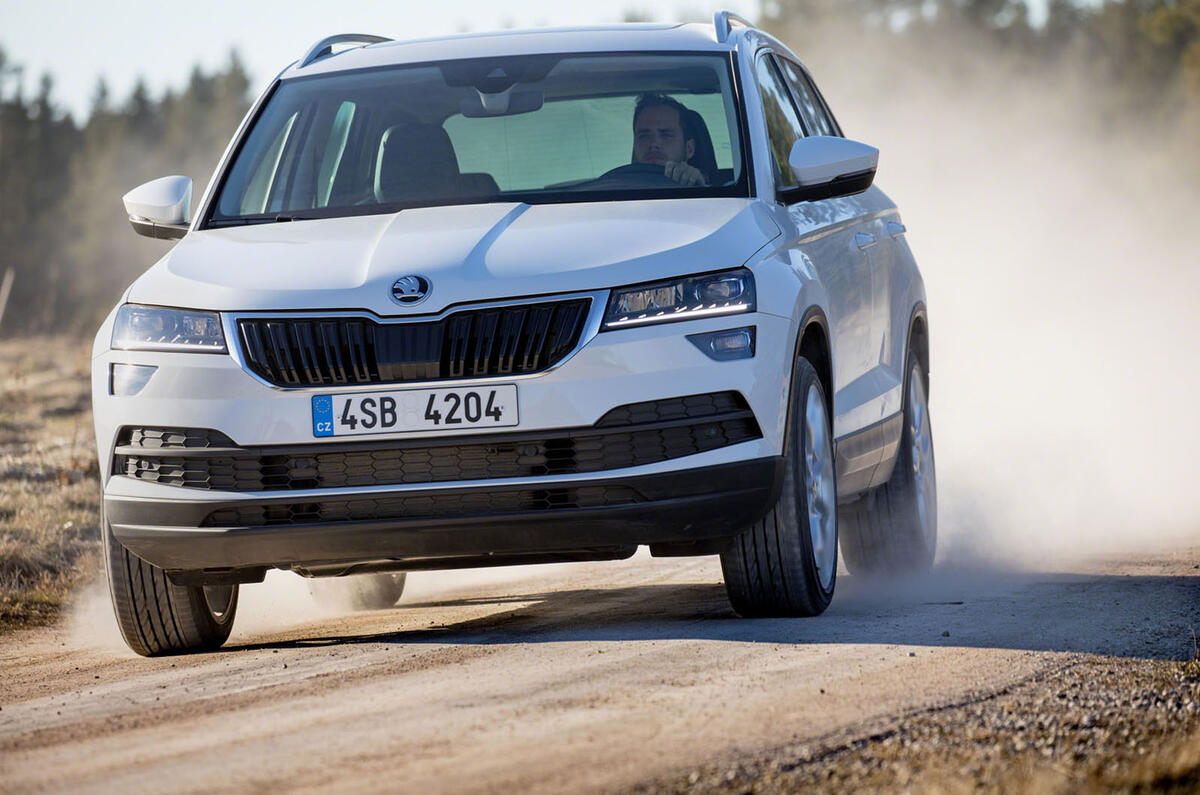
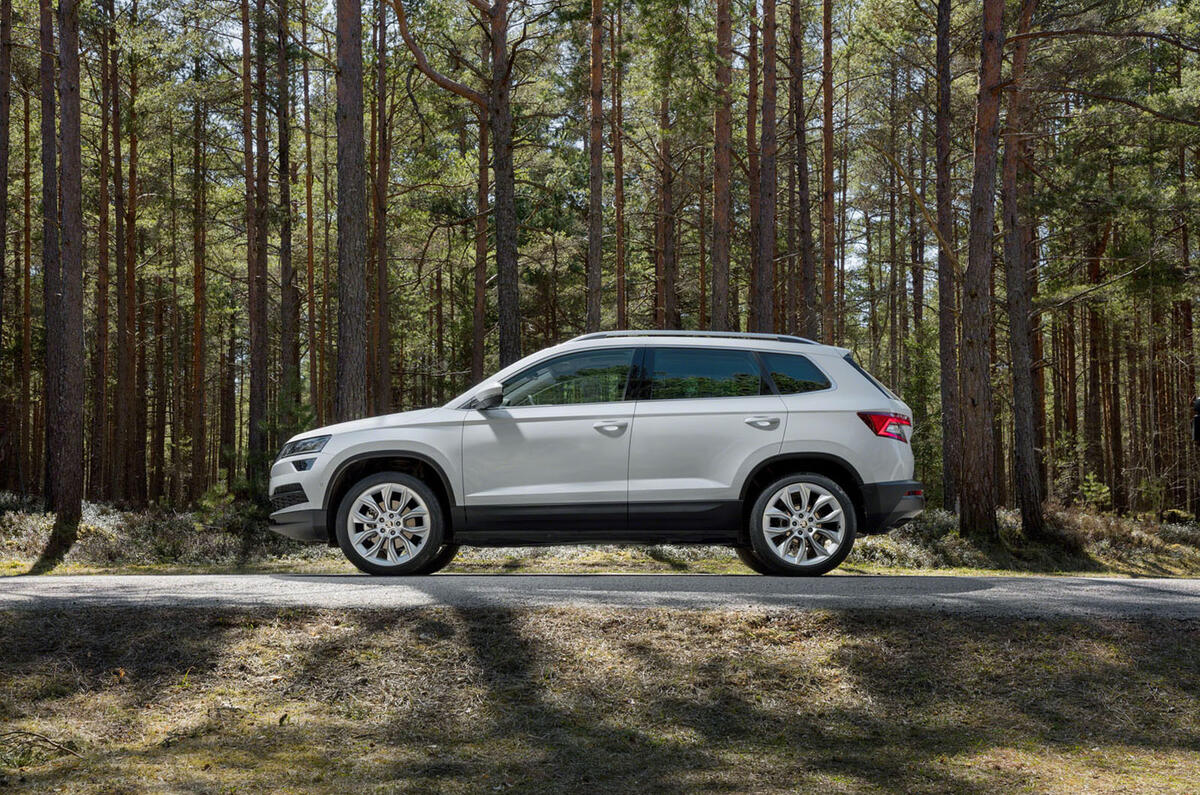
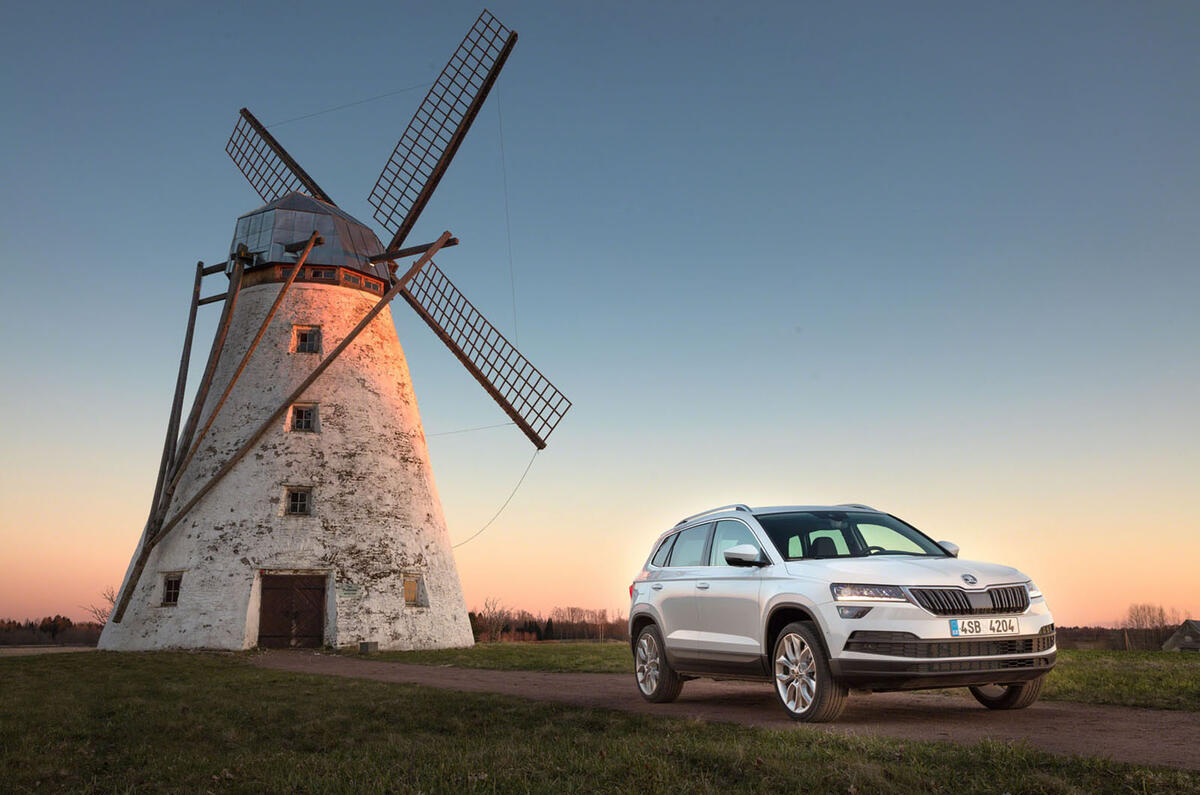
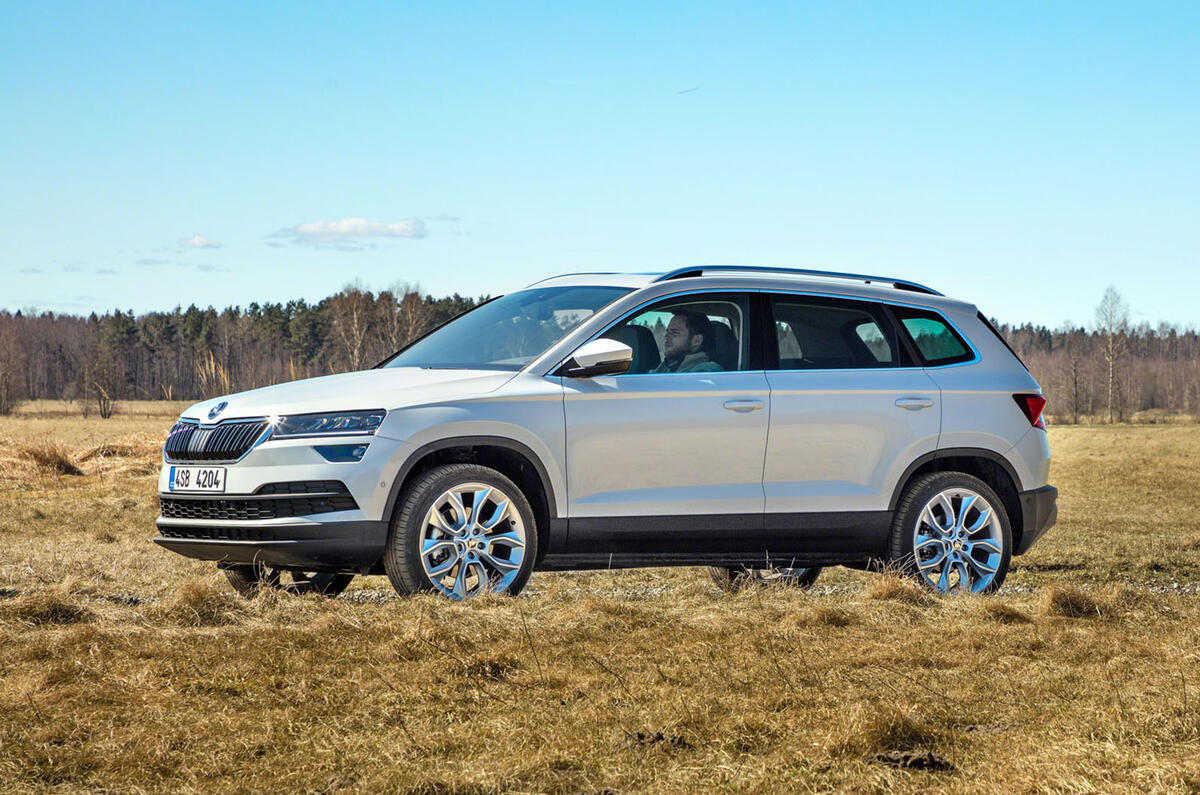
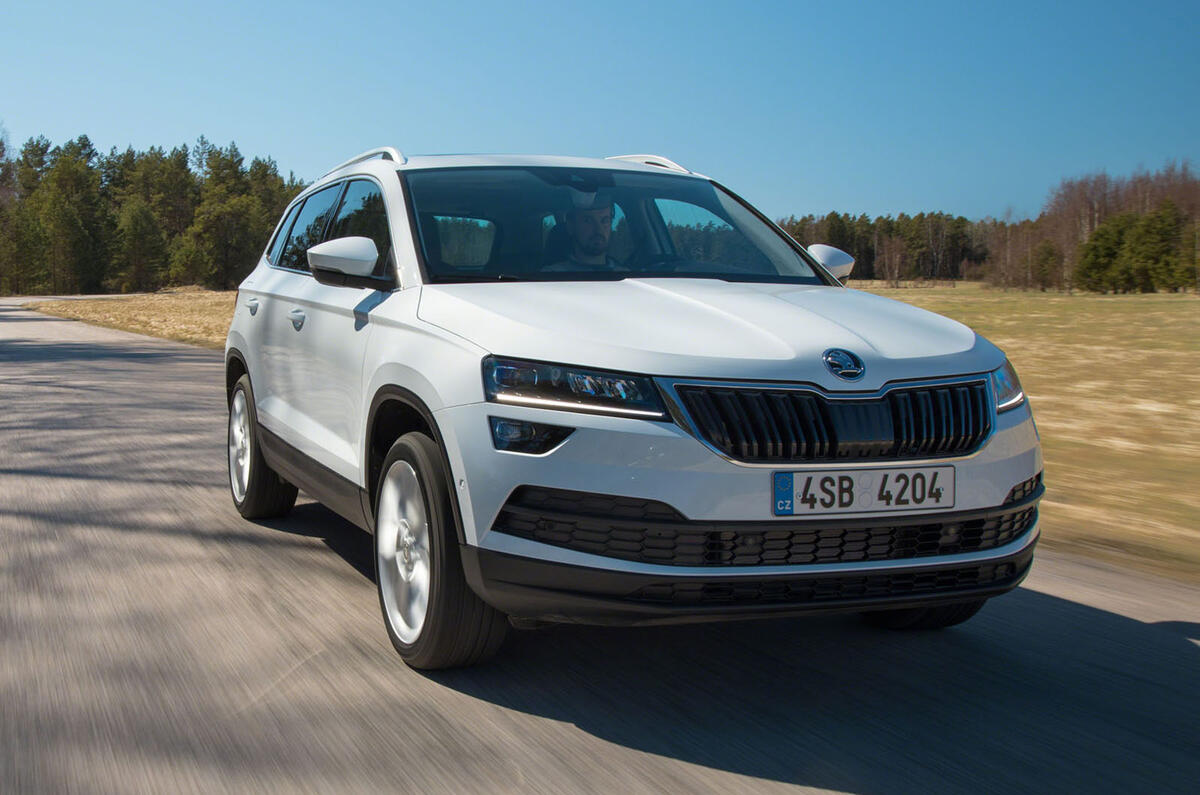
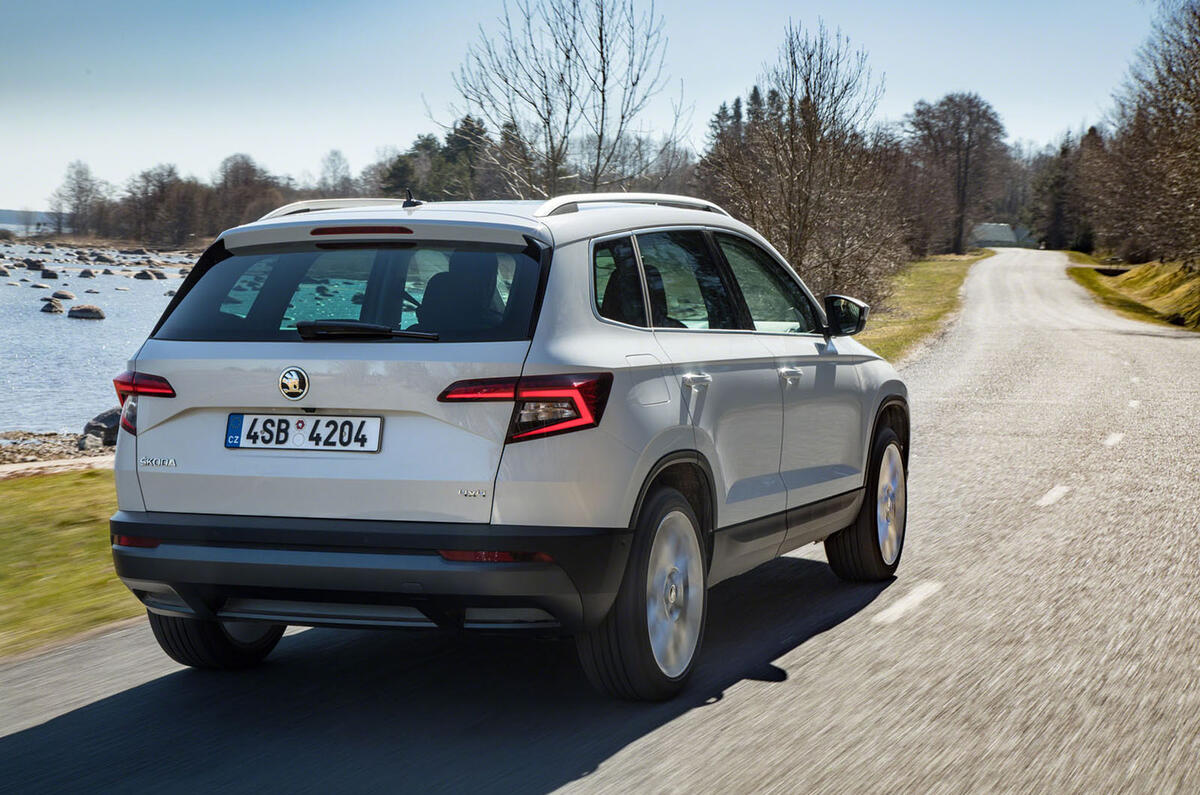






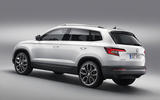

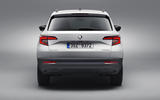


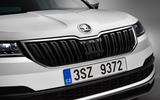
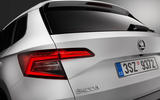
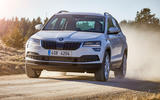
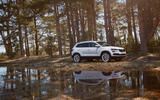
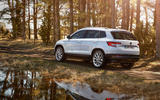
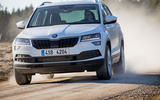
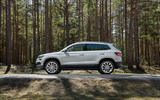
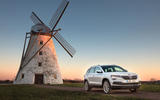
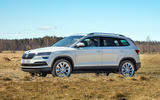
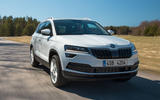
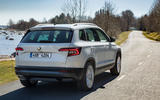

The new Skoda Karoq compact SUV, which replaces the Skoda Yeti (2013-2017) in the Czech manufacturer’s line-up, will start from £20,875 when it goes on sale.
The Karoq is Skoda's challenger in Europe's fastest growing market segment, going up against the likes of the Nissan Qashqai. The entry-level price is more than £1500 higher than the Qashqai, although the Karoq gets 17in alloys, AEB, dual-zone climate control, LED rear lights, rear parking sensors and a driver fatigue monitor as standard. Sales for the car will begin on 3 October.
Just three specs will be available at launch: SE, SE L and Edition, while the range maxes out with the £31,690 2.0-litre TDI 4x4 with DSG. That's £840 less than the range-topping Qashqai. DSG is a £1300 option across the range.
Skoda predicts that the top-selling spec will be mid-range SE L, while the best-selling engine will be the 1.5-litre TSI. Virtual pedal - sensor-based boot opening, a Canton sound system upgrade and park assist are expected to be the most popular options, while the petrol-diesel split will be 65% in petrol's favour - similar to the Yeti.
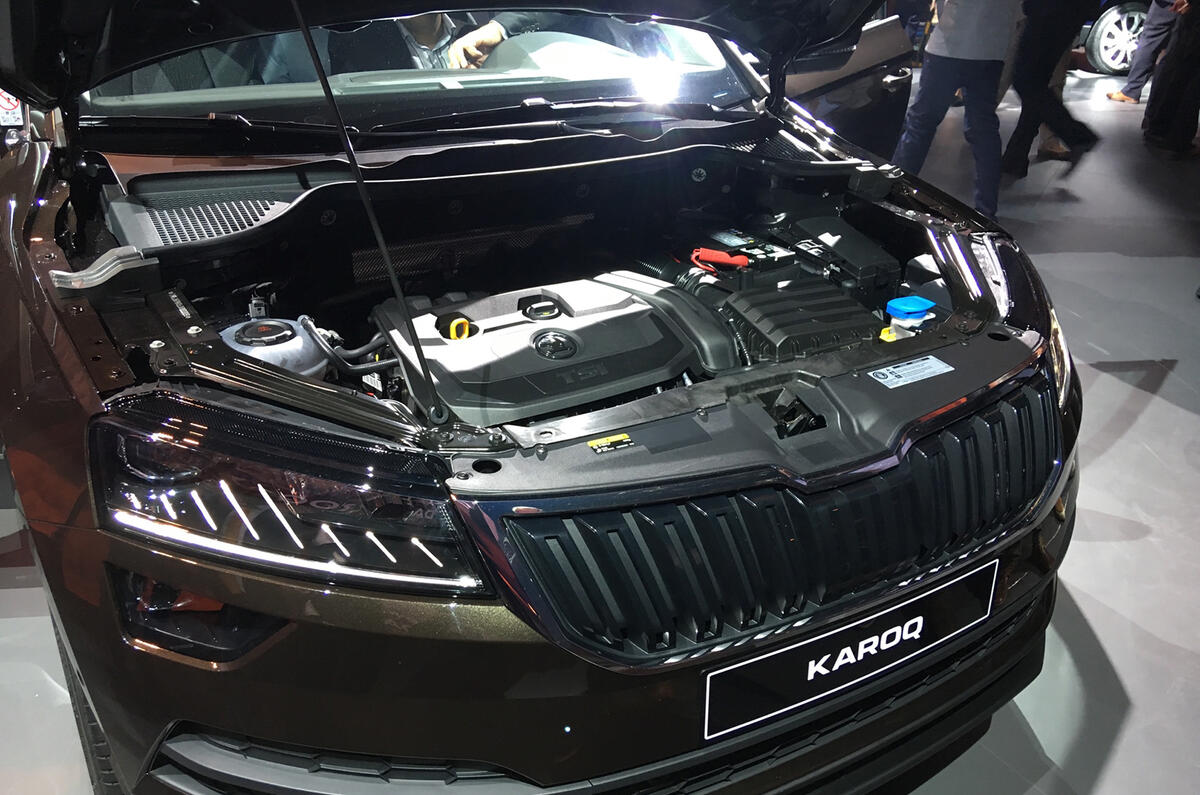
The Karoq’s design – along with Skoda's Alaskan indigenous language-based SUV naming convention – is based on that of the recently launched Skoda Kodiaq. There will be a choice of five engines at launch, with four of those new to Skoda.
Skoda CEO Bernhard Maier said: "With the Karoq we are opening a new chapter in the success story of SUV at Skoda. The Yeti sold 100,000 cars per year, which was no less than 10% of global sales. We expect the Karoq to do more than that."
Opinion: why the Skoda Karoq has an identity problem
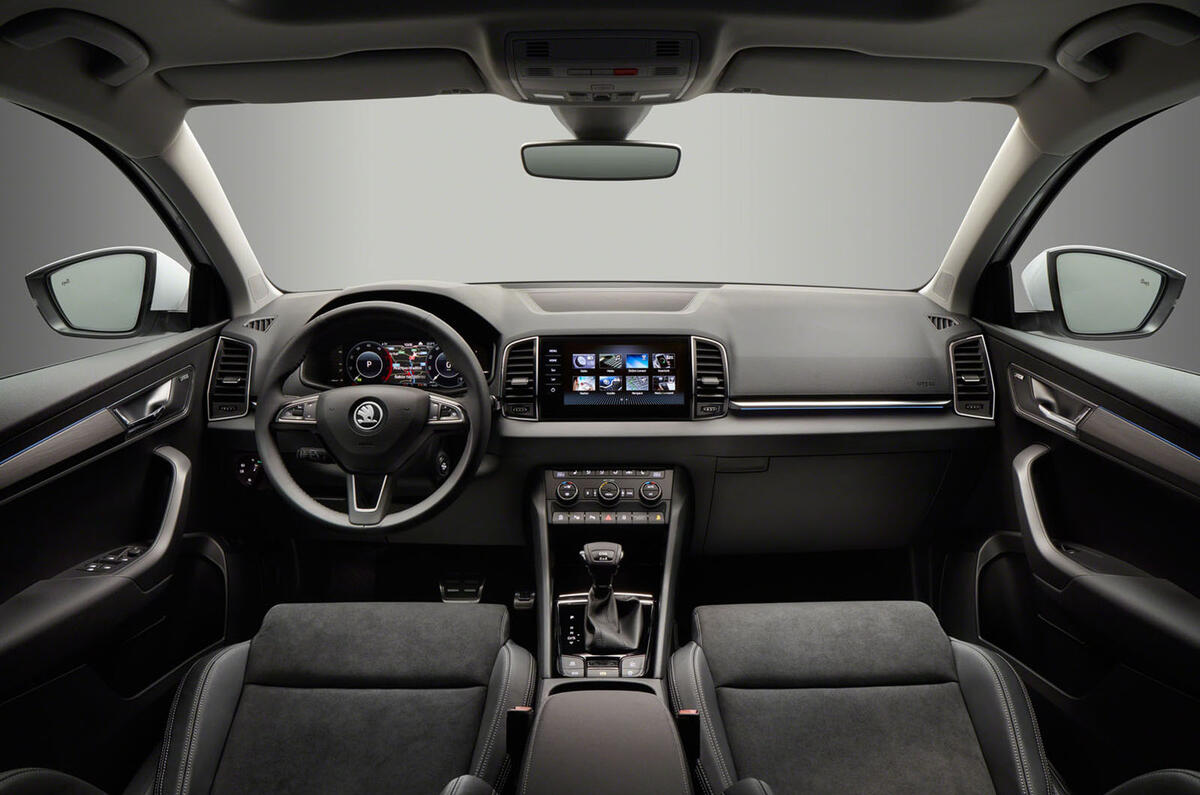
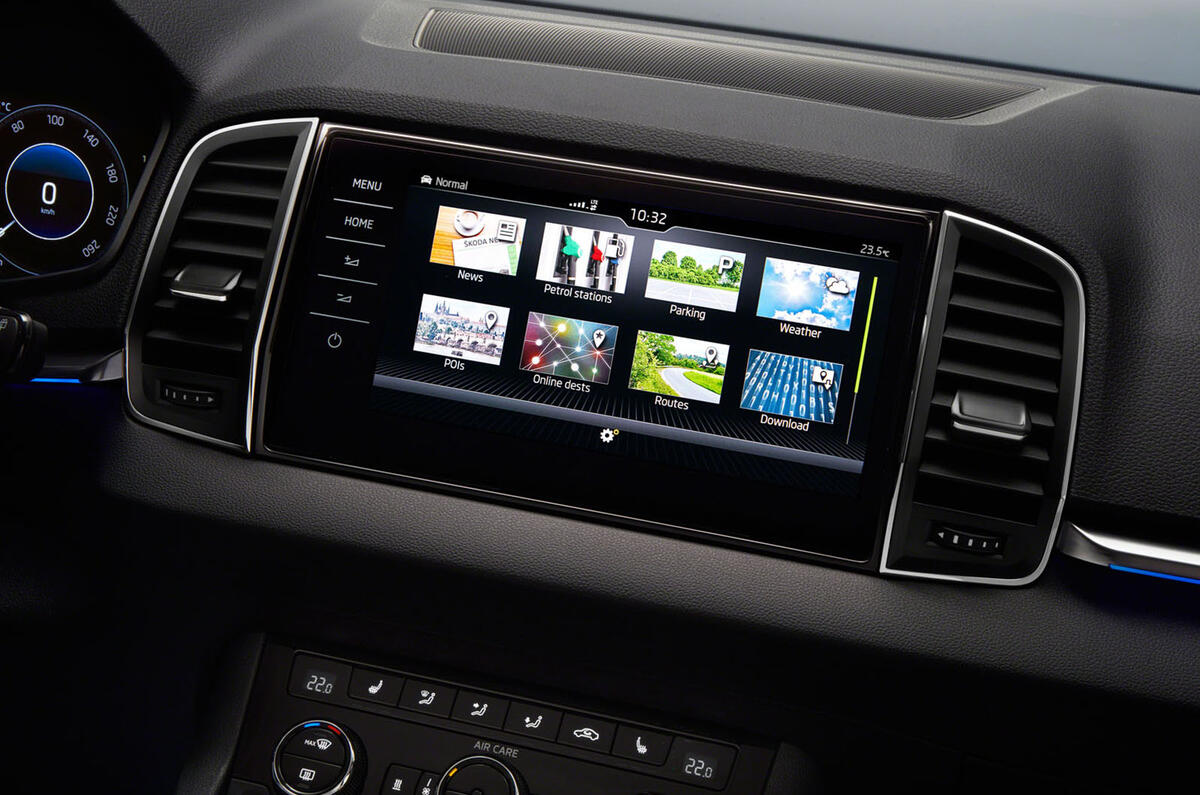
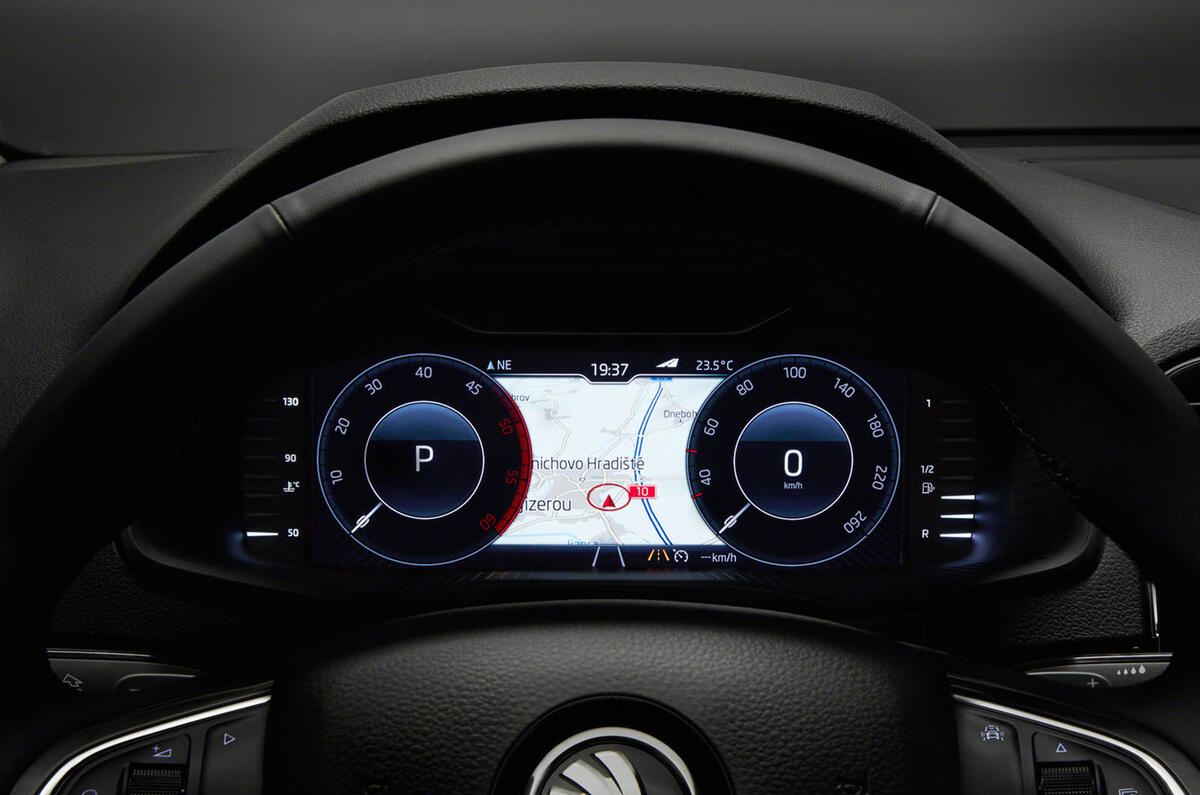
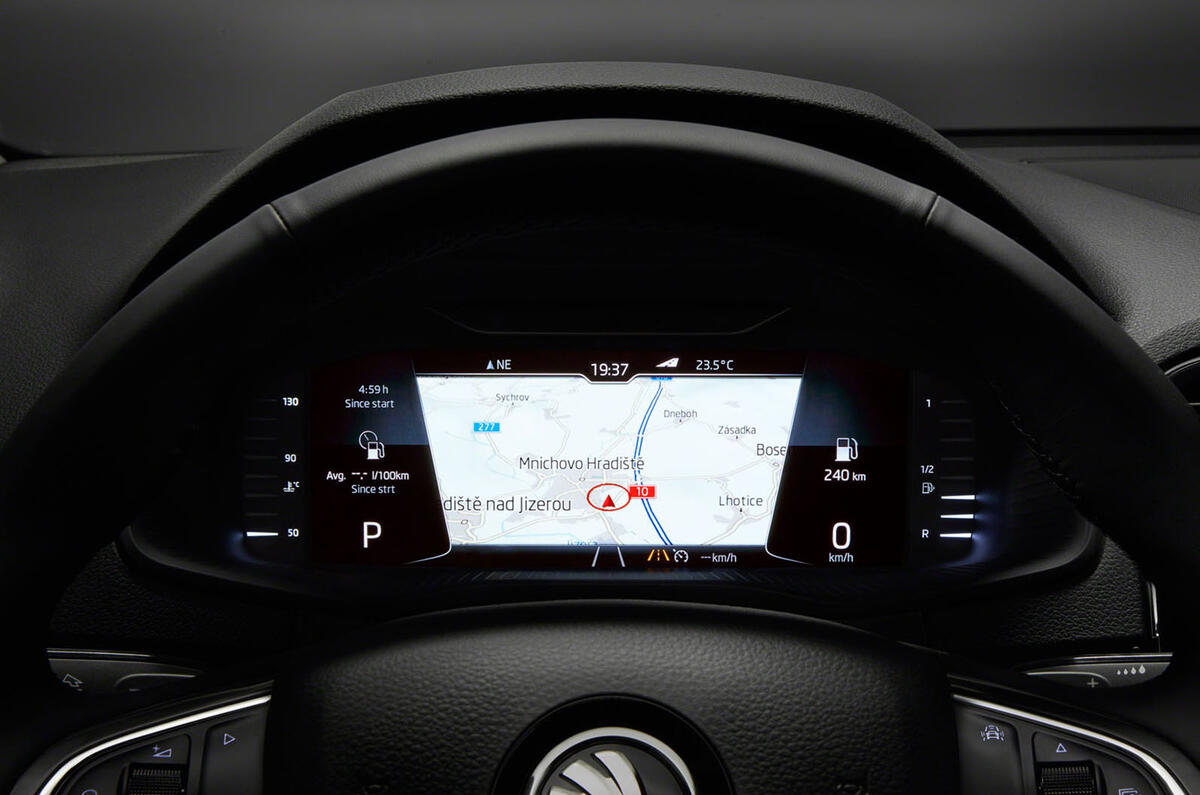
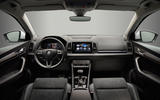
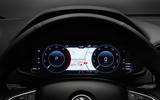
The Karoq is also available with a range of advanced driver assistance and infotainment options, and is the first Skoda to come with a digital instrument panel.