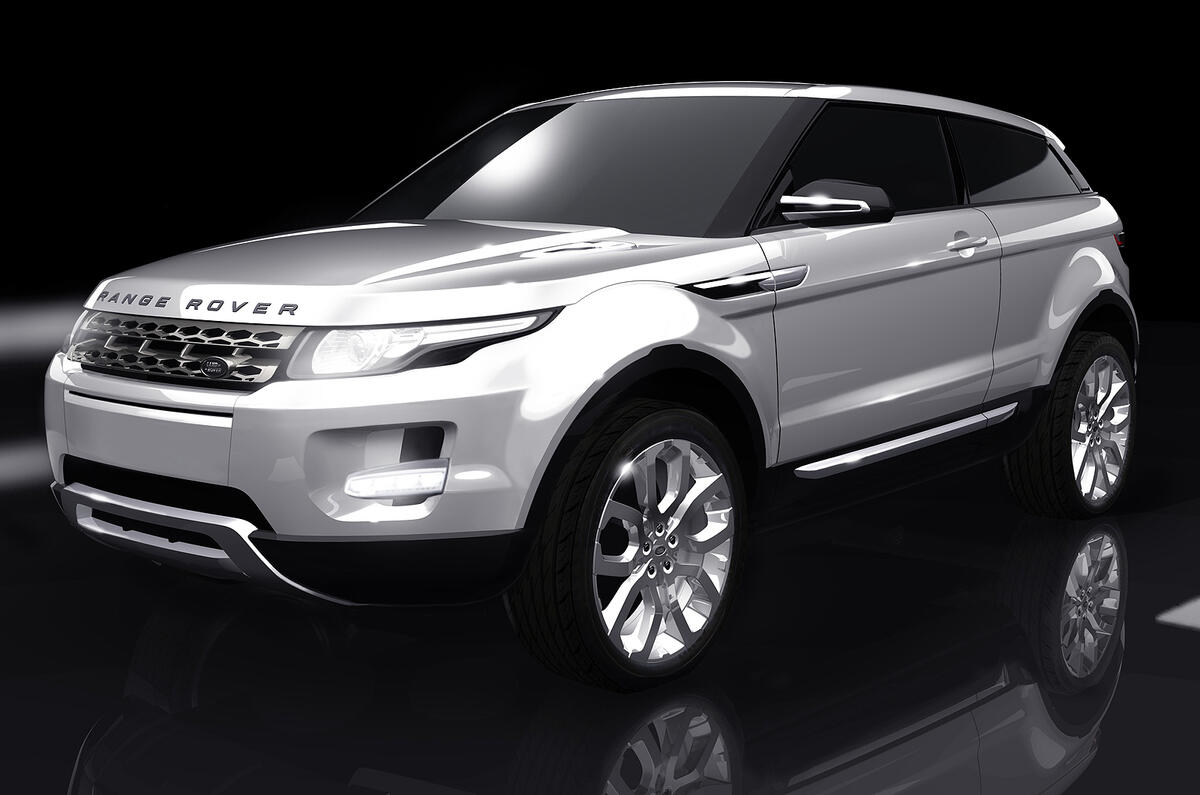

Land Rover’s long-term product plan has taken a back seat while the Range Rover line-up has been given priority.
The recent Discovery revamp has assured the seven-seater a future in its current form until 2014 at least, and Project Icon, the plan to replace the Defender, is being finalised.
Read 'New Range Rover lightens up'
But the long-term strategic direction of the Land Rover brand and its model range is still being firmed up.
Significantly, there isn’t yet a concrete production plan for the next-generation Discovery after 2014, and the replacement for the Freelander is still up in the air. Likewise the project to create a seven-seat Freelander (codename L486) was quietly shelved when the effects of the economic crisis struck in 2009.
There are many reasons for this uncertainty, but the significant one has been justifying the hefty investment while LR’s strategy was unclear, in contrast to the strong case for replacing Range Rover products.
The Ford sell-off also had an effect, and key decisions were delayed during the process. Then Tata needed to get acquainted with its new purchase before signing off any new models.
This process was duly followed by the global financial meltdown, forcing JLR into survival rather than expansion mode. It’s easy to see why decisions have been taking so long.
What’s more, a new management team — Carl-Peter Forster at Tata Motors and Ralf Speth at JLR — needs to be comfortable with the future plan before investment is committed.
Tied in to all of these strategic decisions is the future of Land Rover’s Solihull plant, expected to be named for closure by the middle of this decade.
At least a slightly more certain economic outlook has allowed a consensus on Land Rover’s direction to emerge, although alternatives are understood to be under consideration.
The idea is to reposition Land Rover closer to its utility roots, a move that will create more space between the brand and Range Rover. Today’s cars overlap too much — the Discovery is in essence a seven-seat Range Rover — and the forthcoming Range Rover LRX will tread on the Freelander’s toes.
JLR estimates there’s a three-million-vehicle market worldwide for pick-ups and utility 4x4s, and currently Land Rover sells just 25,000 units into that sector. How Land Rover expands its range with models that fit its brand image and extends its appeal globally is occupying the company’s best brains right now.