
The UK car market reached a significant markstone in the first nine months of this year: it was the first time that we had bought more cars with automatic gearboxes than manual gearboxes.
The slow demise of manuals has been showing in sales data for a while, but the trend has spiked markedly in the past three years. It also coincides with an announcement earlier this month of the first major European car maker to stop producing manual gearboxes altogether.
Mercedes-Benz confirmed that it will do this as part of a cost-cutting initiative that also includes drastically reducing its range of combustion engines. Manuals will be phased out between now and 2030, according to a spokesman.
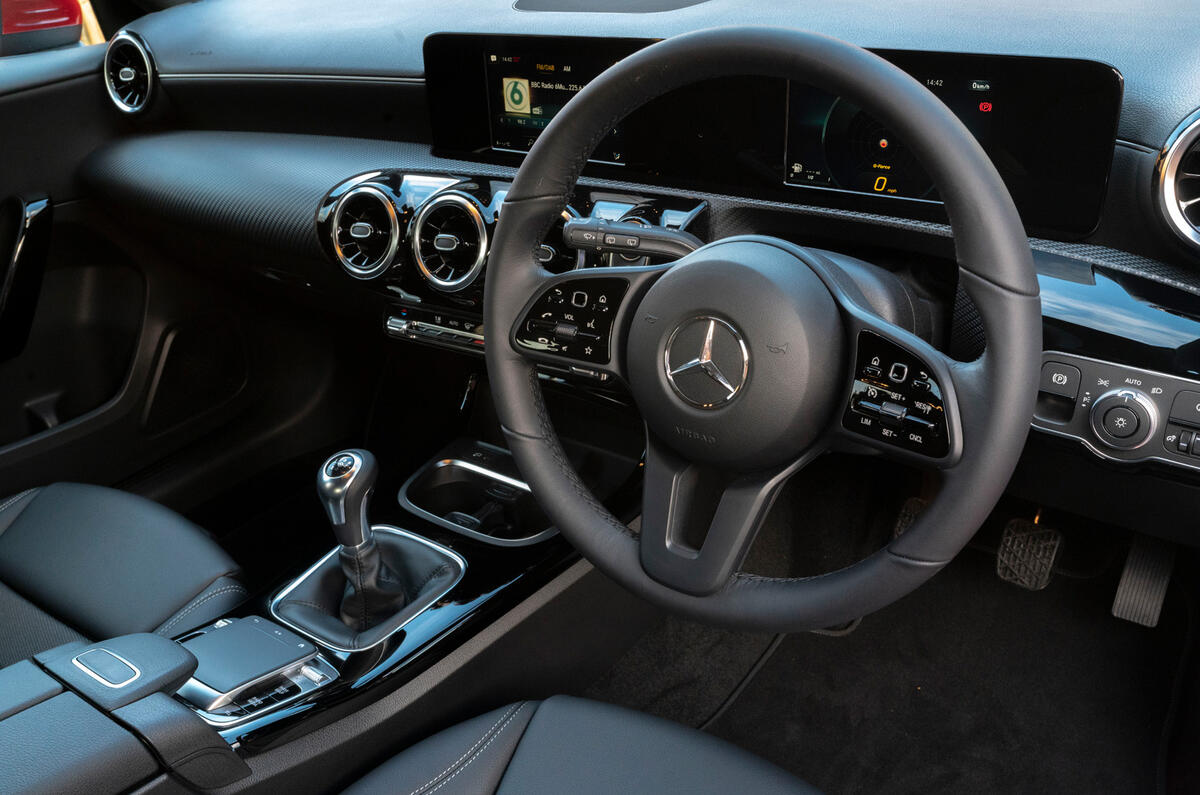
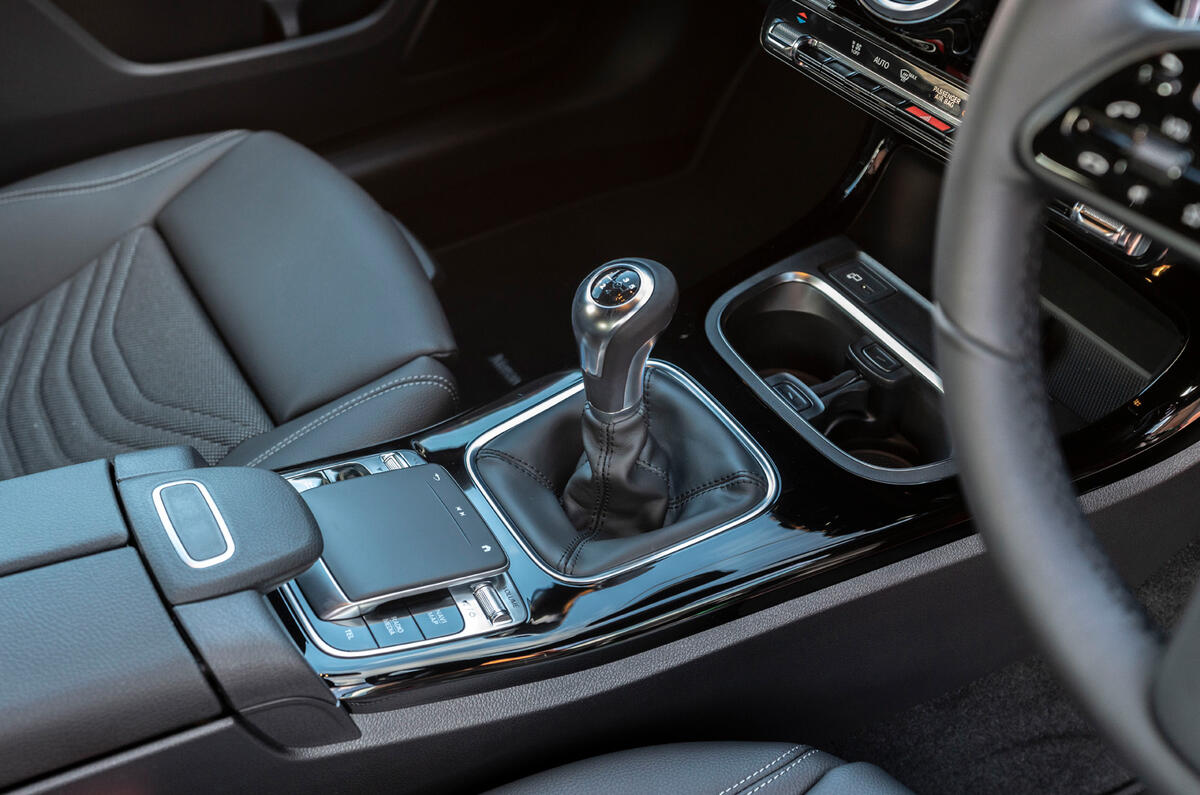
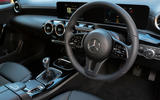
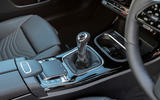
Mercedes now offers manuals only in its compact models, which include the Mercedes-Benz A-Class and Mercedes-Benz GLA, and the Mercedes-Benz C-Class. We expect next year’s new-generation C-Class to drop the manual option entirely. Manuals have long been held in affection by enthusiasts for providing an important physical connection between driver and car. In the past, they also provided better fuel economy than traditional torque converters, and they’re certainly cheaper to produce.
Now the broader demand for easy-to-use technology and the rise of the dual-clutch automatic gearbox, with its precise driver control, are elbowing out the manual. “An automatic is becoming another feature that’s taken for granted in a car, like electric windows,” said Felipe Munoz, an analyst at market researcher Jato Dynamics.

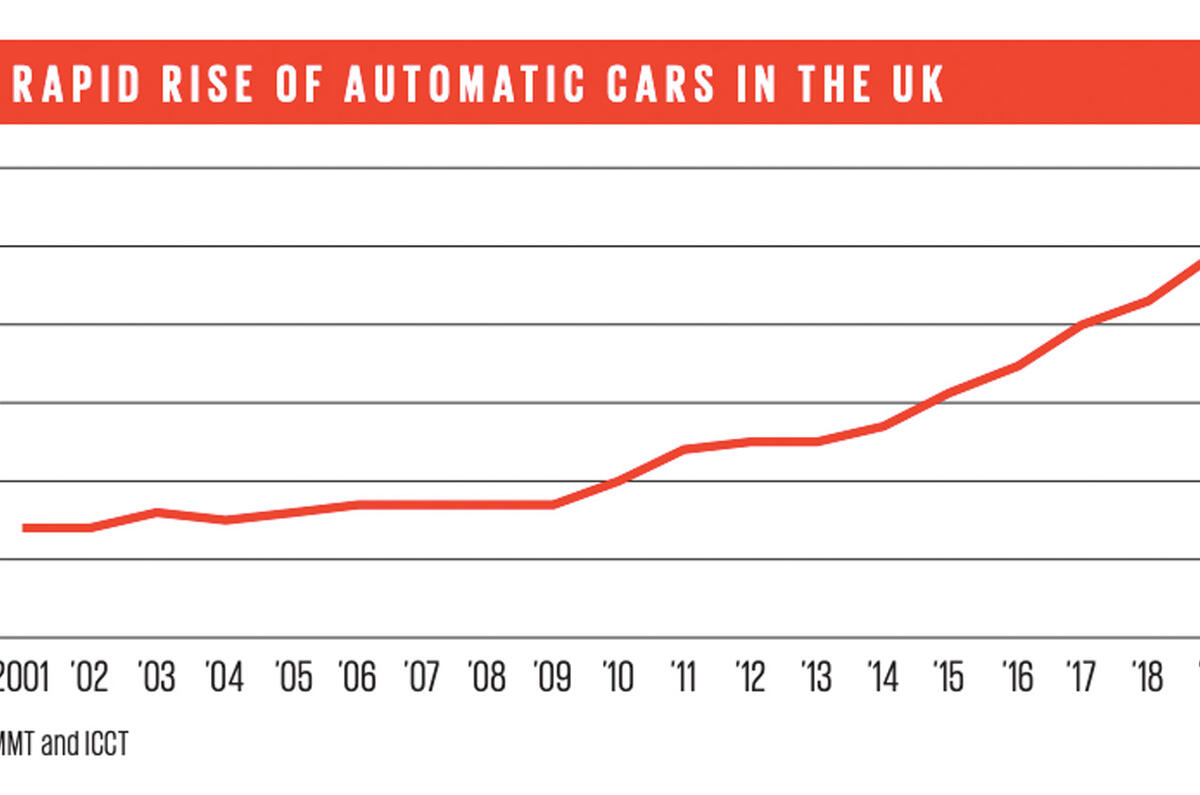
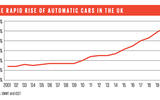
Automatics accounted for 54% of UK new-car sales in the first nine months of this year, according to figures from the Society of Motor Manufacturers and Traders, breaking the 50% barrier for the first time. Last year, automatics accounted for 49% of sales, up from 43% in 2018. A decade ago, they took only a fifth of sales.