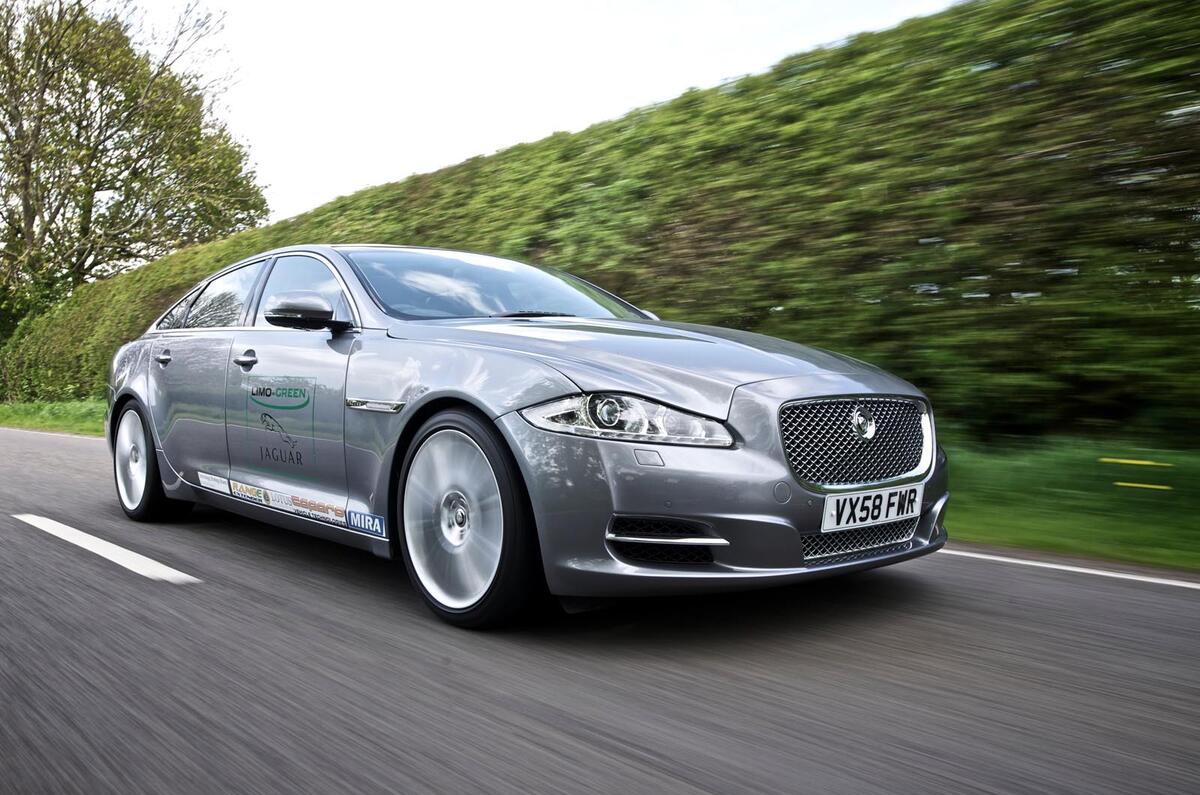
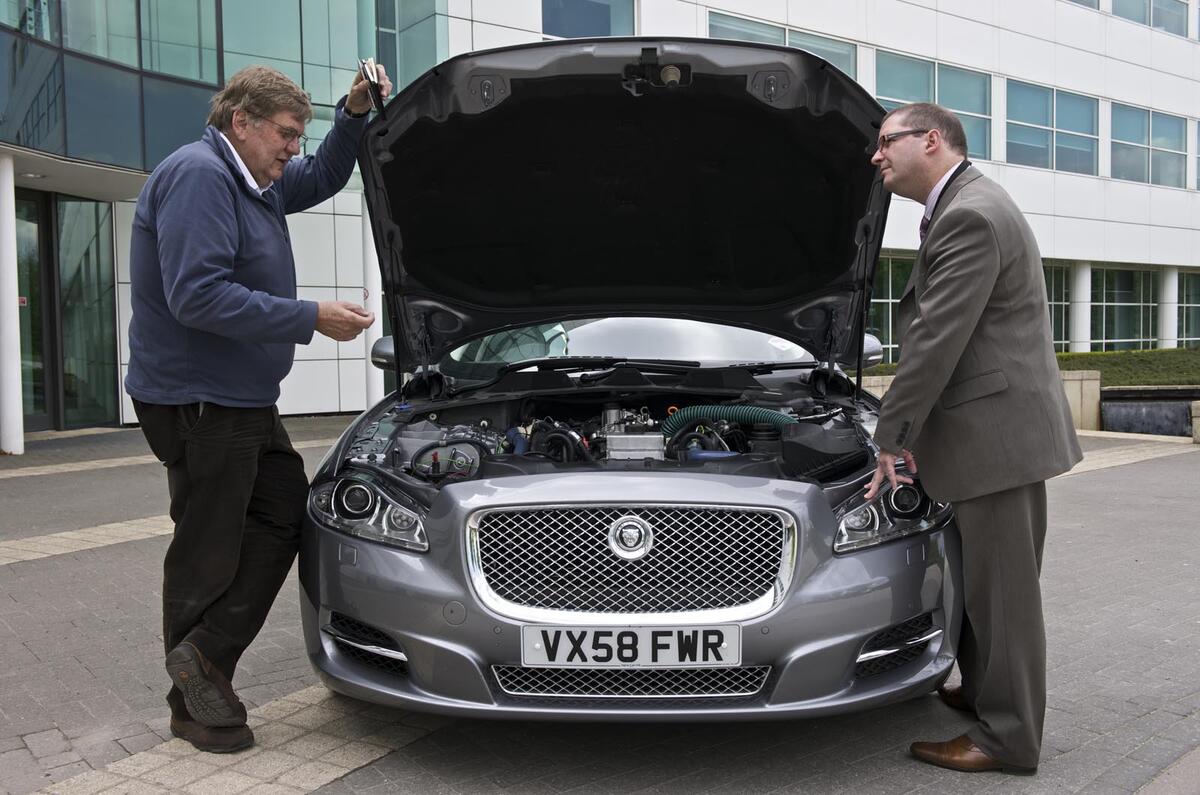
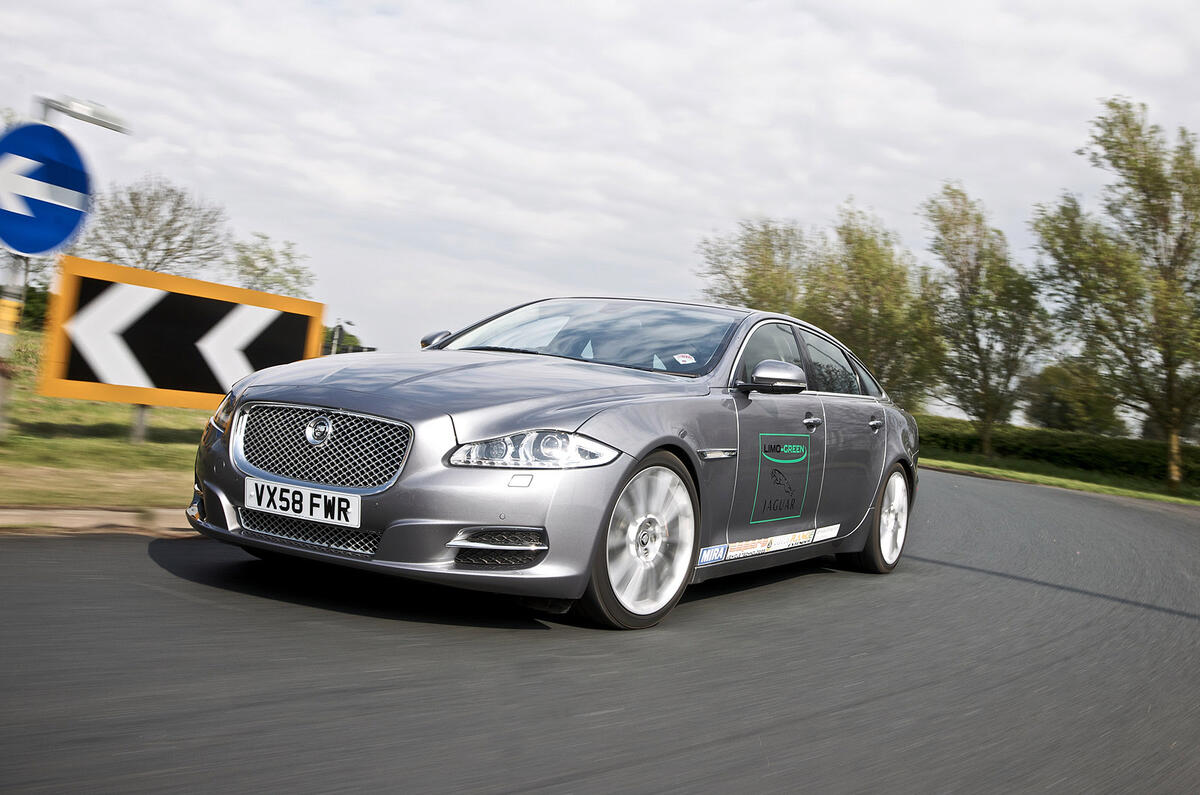
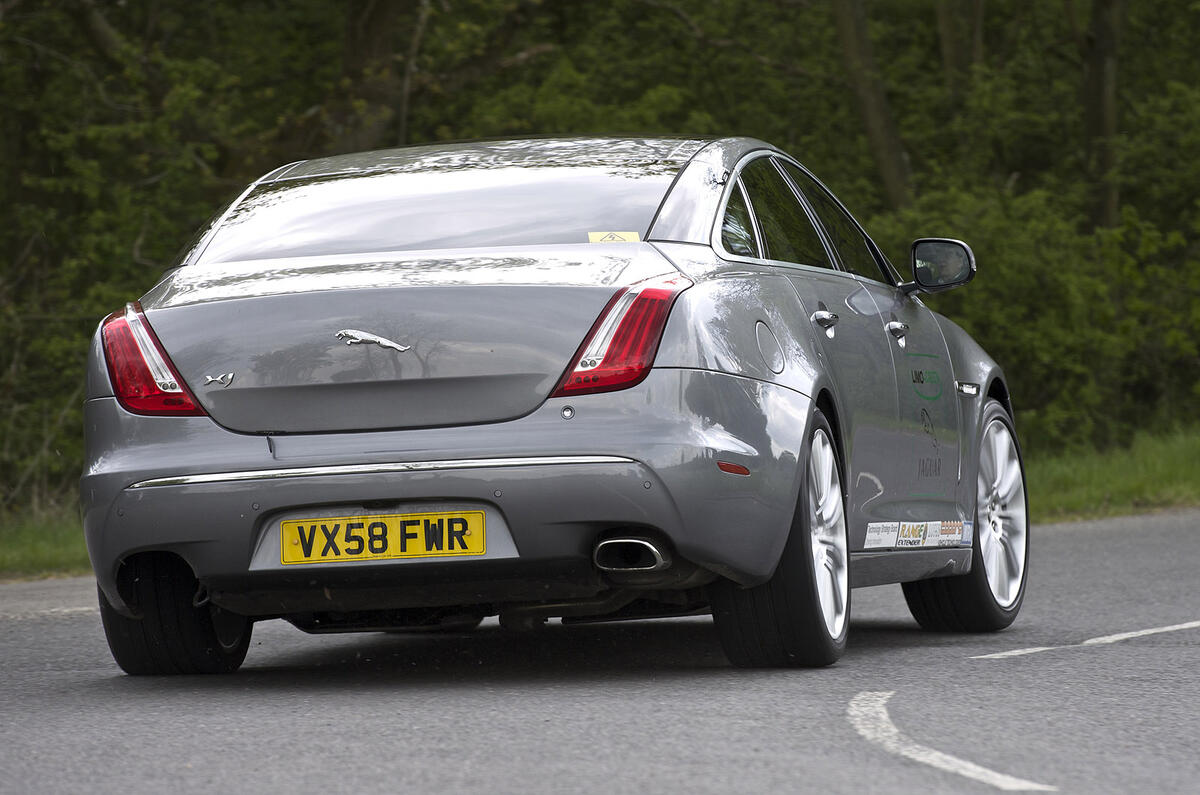
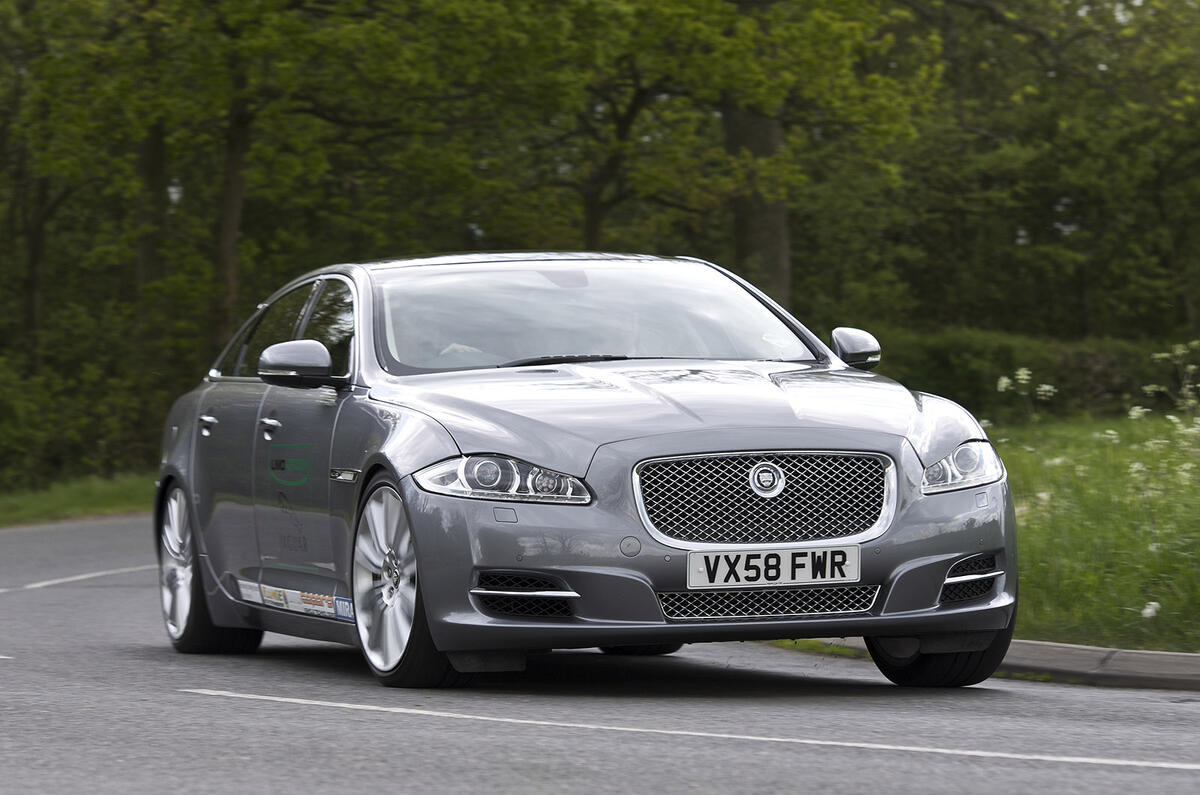
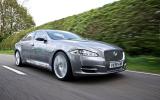


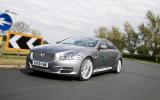




Think the future looks bleak for big executive saloons? Steve Cropley did too – until he tried Jaguar’s taken on a greener, leaner XJ.
The concept
It is obvious that all cars must become dramatically more frugal and emit far less CO2 in future. New moves are showing that the luxury saloon can last.
In fact, there are signs that it can have an extremely bright future – if it adopts the latest plug-in hybrid technology demonstrated by Jaguar’s new ‘Limo-Green’ saloon, the result of a £4.2 million project to build an ultra-clean big car.
The first prototype, exclusively driven by Autocar last week, is the first fruit of a two-year programme run by a consortium comprising Lotus Engineering, the MIRA research organisation and Caparo, the giant components supply group, and is part-funded by the government’s Technology Strategy Board.
The first Limo-Green prototype – one of an eventual three – is already getting close to targets set for top speed (112mph), has beaten targets for acceleration (0-60mph in 8.0sec) and is demonstrating a range of close to 30 miles in electric-only mode. It can also easily exceed an initial CO2 emissions target of 120g/km – with a real-world figure closer to 50g/km.
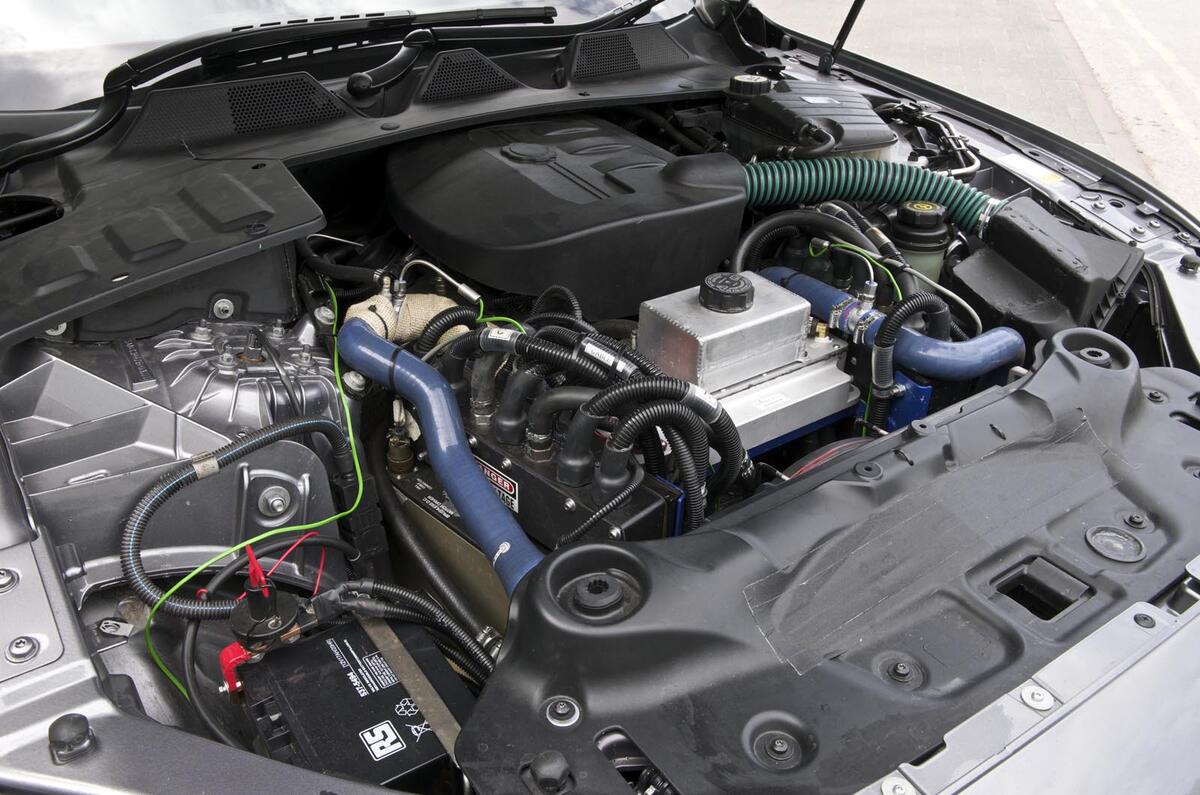
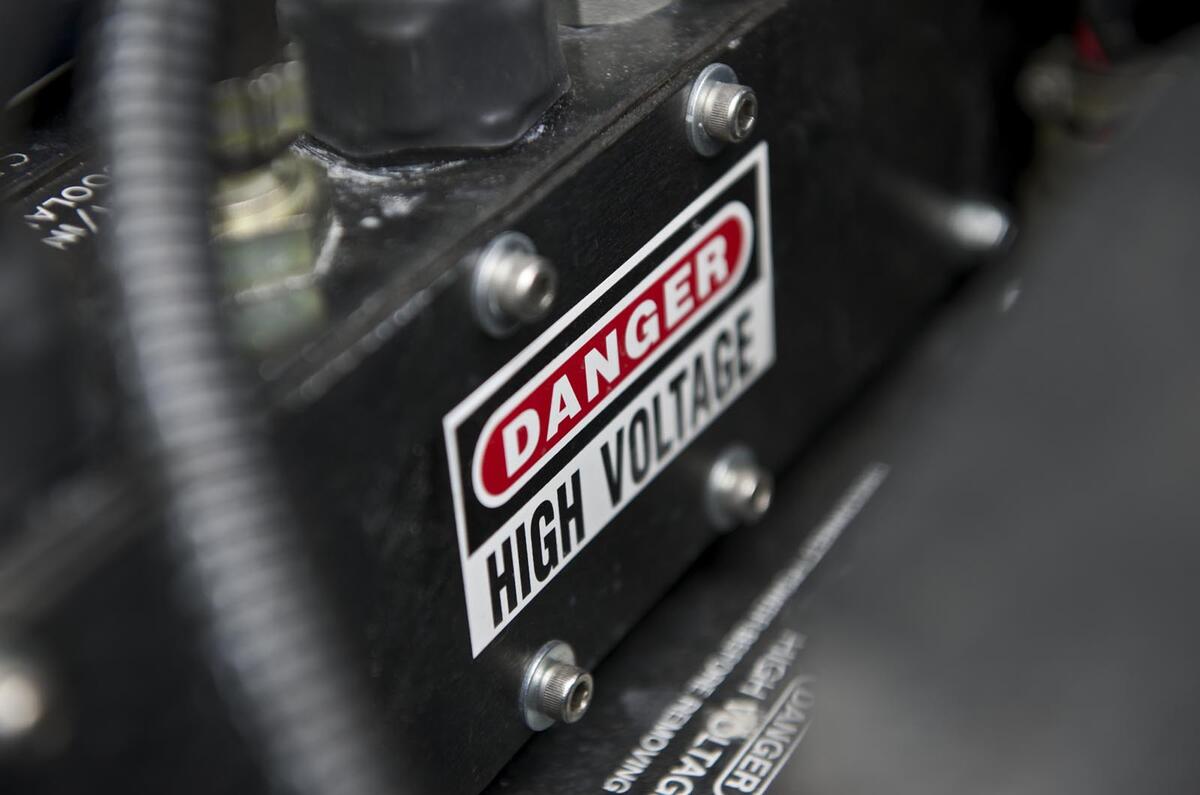
Limo-Green’s powertrain consists of a home-charged 360-volt lithium ion battery bank – weighing 93kg and housed in the spare wheel well – feeding a 200hp brushless DC electric drive motor with two-speed gearbox, located down where the original ZF automatic used to be and driving the rear wheels.
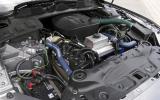
There’s a featherweight 60bhp, 1.2-litre, lean-burn, three-cylinder Lotus engine mounted back to front in the nose, configured by clever electronics to start automatically and drive an on-board generator when the battery bank needs more charge, as it will on any journey greater than about 30 miles.
However, because the consortium’s research indicates that anything up to 80 per cent of an average XJ owner’s journeys fall well within EV range, hence the estimated 50g/km CO2 output (not including power station emissions) in real-world use, although the figure is 120g/km when the engine is running.
The test drive
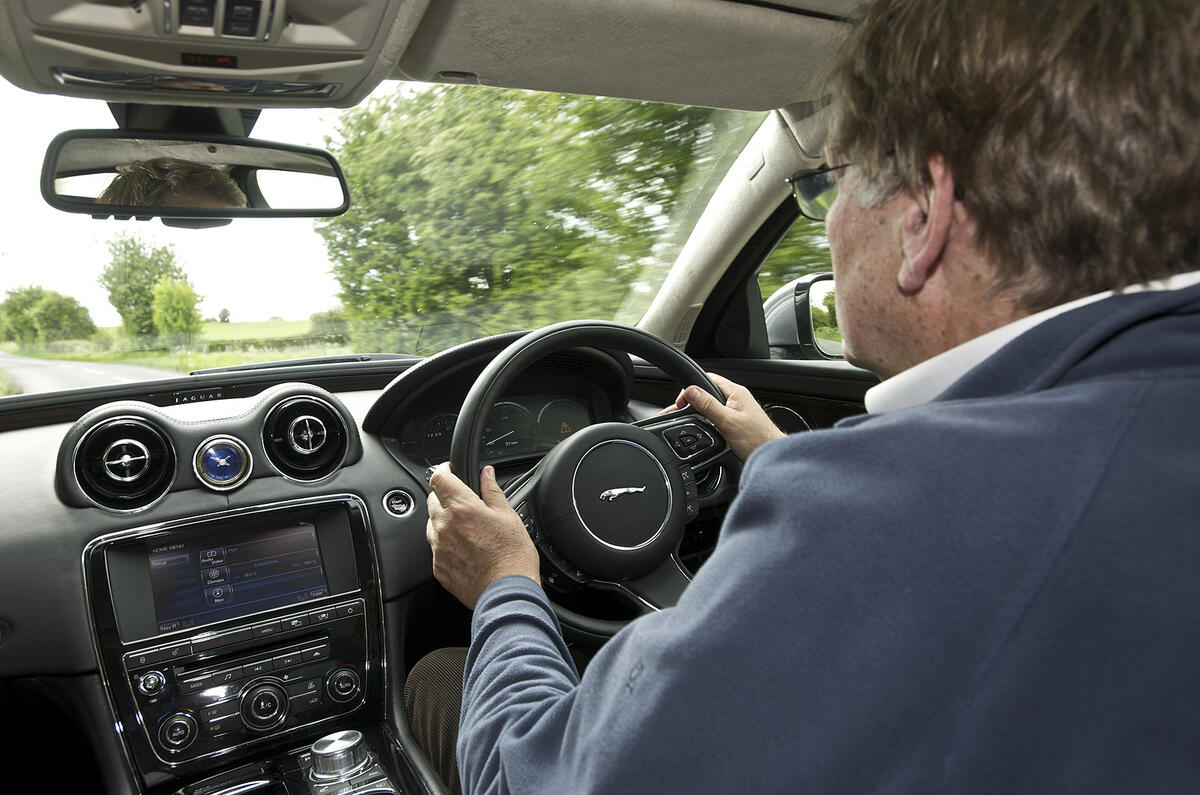
We came away deeply impressed from our drive in the prototype, not because the performance was different from a normal petrol or diesel-powered XJ, but because it was so very similar.
This prototype, more frugal than a Ford Fiesta and with a touring range of well over 600 miles, could be driven in just the same way as any conventional XJ. It had the same strong acceleration (0-62mph in 7.5sec) and the same easy-rolling cruise for which Jaguars are famous.