
The UK government will consider creating an entirely new category of vehicle for e-scooters, with its own rules and regulations, if their use is made fully legal on public roads, according to a minister in the Department for Transport.
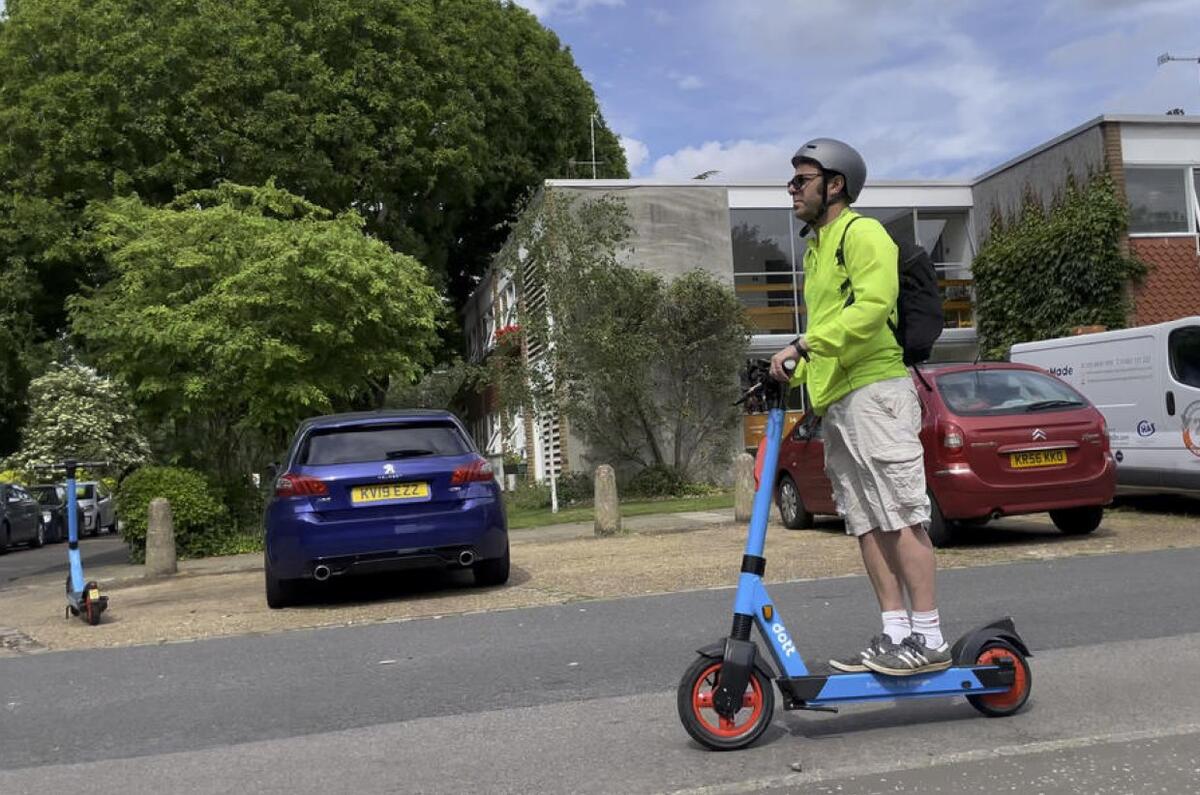
At the moment, e-scooters fall under the regulations for motor vehicles. At present, it is illegal to use e-scooters on public roads, unless as part of a government-backed rental trial scheme. While it is legal to buy and sell private e-scooters, it is illegal to use them on public roads because they do not comply with the regulations for motor vehicles.
Are e-scooters legal? Move Electric explains all
The government is currently undertaking a future of transport regulatory review, and as part of that is considering whether and how to legalise e-scooters. Speaking during a debate on e-scooter safety in the House of Lords, Baroness Vere of Norbiton, the Parliamentary Under-Secretary of State in the Department for Transport, said that no decision had yet been taken about the future legal status of e-scooters, and that no timeline has been set.
Baroness Vere added: “If they are to be legalised, we would consider removing them from the motor vehicle category and instead creating a new bespoke category of vehicles with the appropriate regulatory regime in place.”
That could require the government to pass primary legislation to create the new regulations, although Baroness Vere said many options were being considered.
Government highlights potential benefits of e-scooters
Noting that “transport is always changing”, Baroness Vere added: “The Government believes that, with the right regulations, there is potential for significant economic, social and environmental benefits from light, zero-emission vehicles such as e-scooters.
“E-scooters can help to reduce emissions… They can reduce carbon, of course, and nitrogen oxide emissions and particulates, which both contribute to poor air quality.”
Baroness Vere said that e-scooters would provide environmental benefits if users switched from cars, but accepted that would not be the case if they switched from cycling or walking. She added: “Mode shift will be a key part of our considerations going forward.” She cited pre-Covid examples across Europe that suggested modal shift to e-scooters came one-third from walking, one-third from public transport, 15-20% from cars and 10% from cycling.”
Baroness Vere said that the ongoing rental e-scooter trials, many of which has been extended until November this year, are designed to help the government take a “measured and evidence-based approach” to policy discussions.