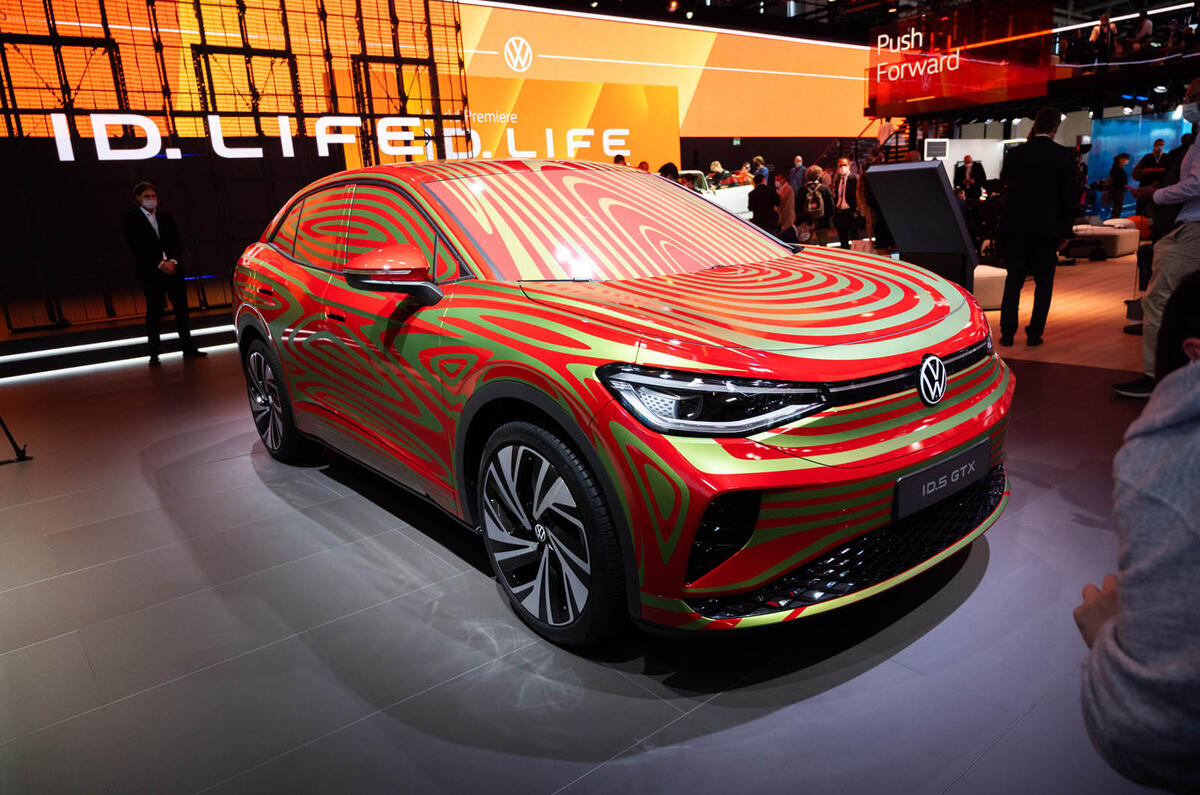
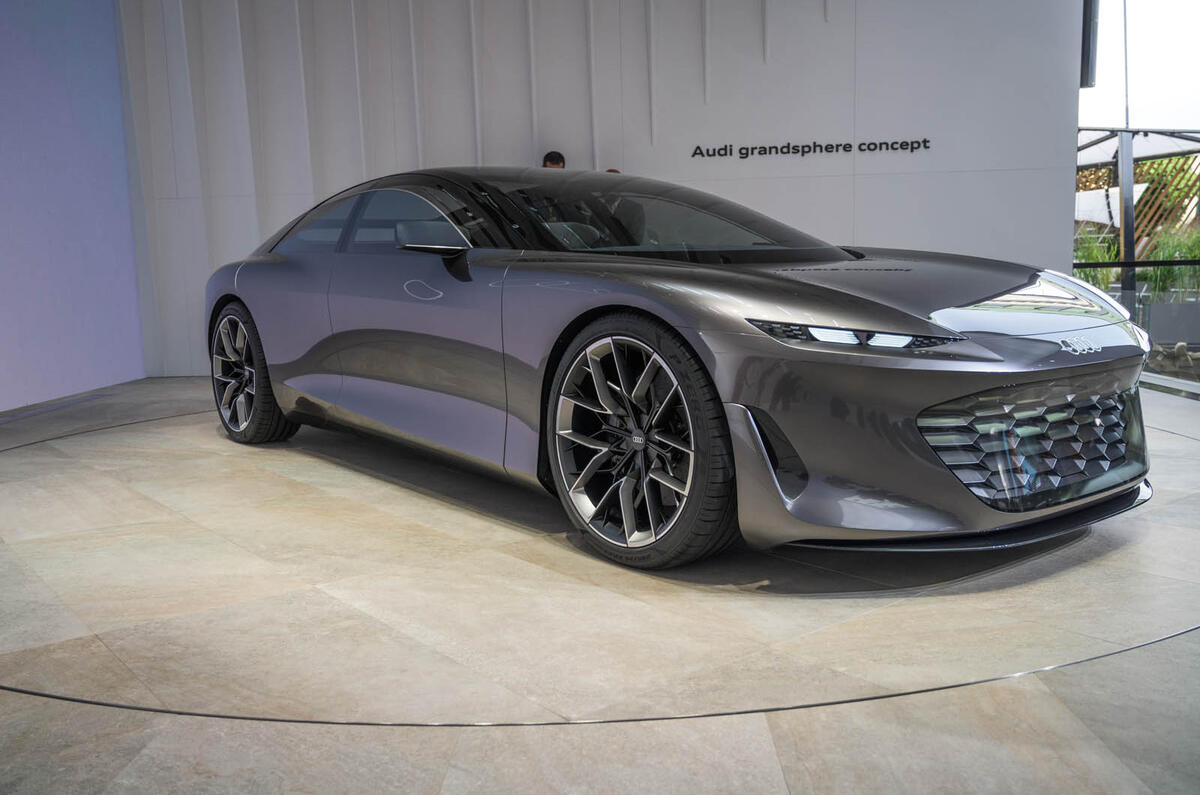


After a couple of laps of the Munich motor show, it feels strange to refer to it as a ‘motor show’ in the traditional sense at all, such was the prevailing focus on shared mobility solutions, connectivity and autonomy.
In many ways, it feels like the sheen of ‘newness’ around the concept of electric cars as a whole has well and truly worn off; now they’re the unquestioned stars of events such as this and there’s a whole raft of other novel concepts and ideas to get used to.
But away from the wide-reaching strategy announcements and tech-heavy press presentations, there was no shortage of interesting and enticing metal to help compensate for what has been the longest dry spell in motor show history; some of the cars on show here were making their debut nearly two years after an official unveiling, not to mention that it was the first chance we’ve had in nearly that long to speak to several key automotive personalities.
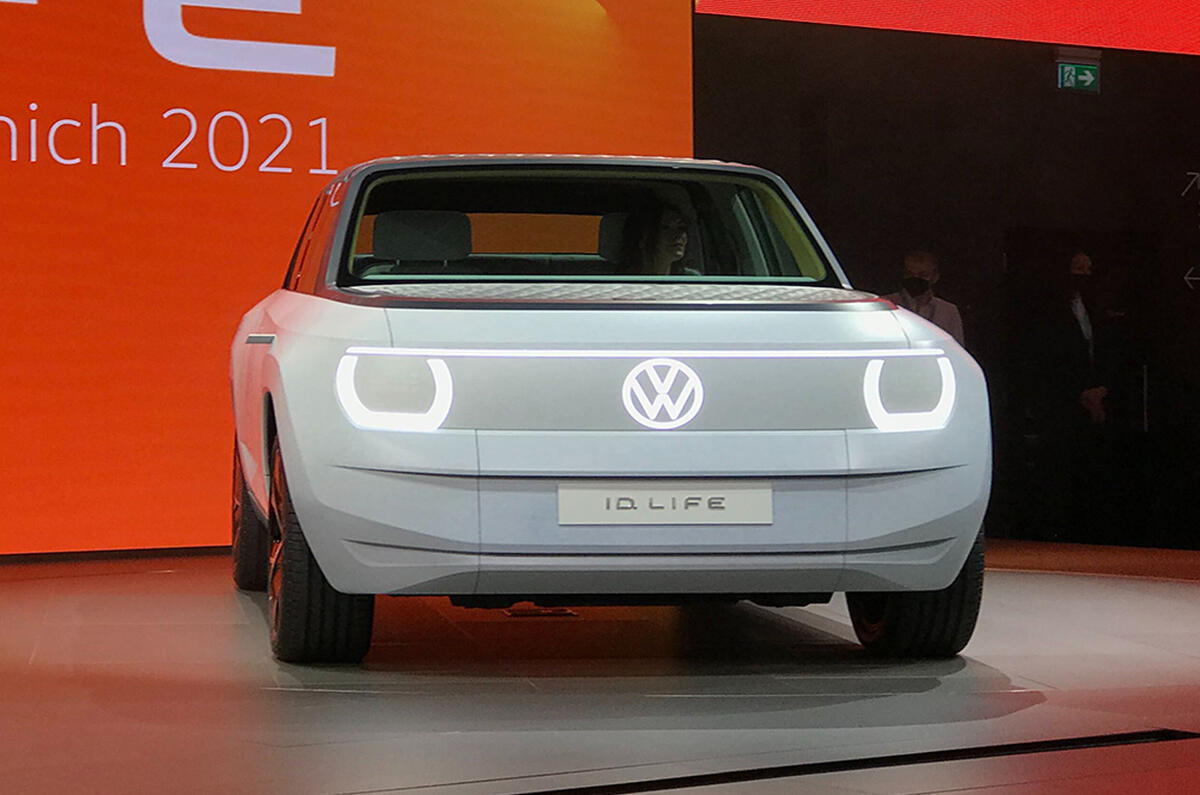
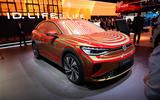
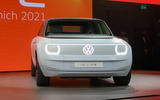
The biggest and most exciting reveal wasn’t – as had previously been almost taken for granted – on local firm BMW’s stand, but a couple of halls over at Volkswagen. The unveiling of VW’s all-new small electric car was already worthy of a crowd, but the brand’s loudly voiced projection of a £17,000 starting price and 232bhp base powertrain certainly sent ripples around the event. That it is styled completely differently to its Volkswagen ID 3 and ID 4 siblings, and even – dare we suggest – looks to have fun and style at the top of its priority list, only augmented the shock factor.
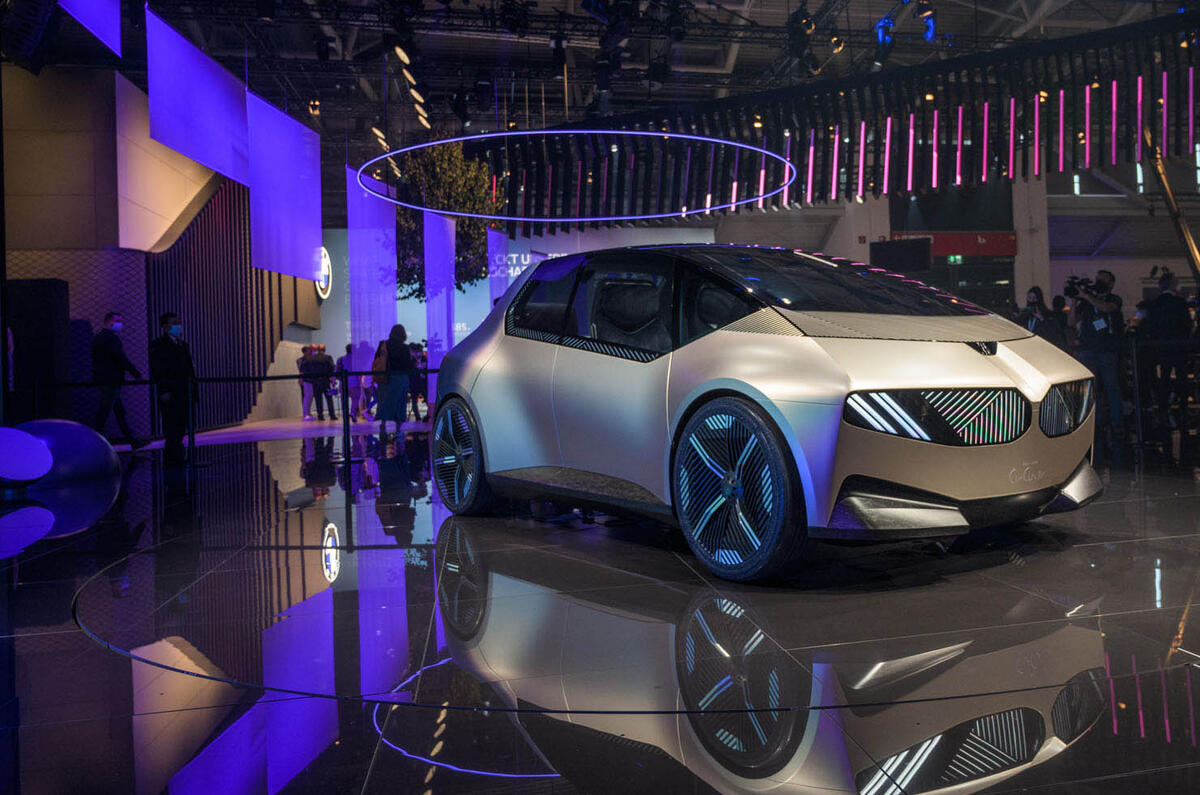
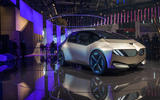
Not to suggest BMW phoned it in, of course. Far from it, in fact; few concepts in recent memory have made such bold promises about the future of their maker’s products as does the i Vision Circular, and though executives have been careful to deny any production intent or even styling influence on future cars, there’s no questioning the urgency and necessity of the messaging. Cars have got to be sustainable to produce, not just to use or power, and BMW has shown exactly how that could be possible within the next 20 years.
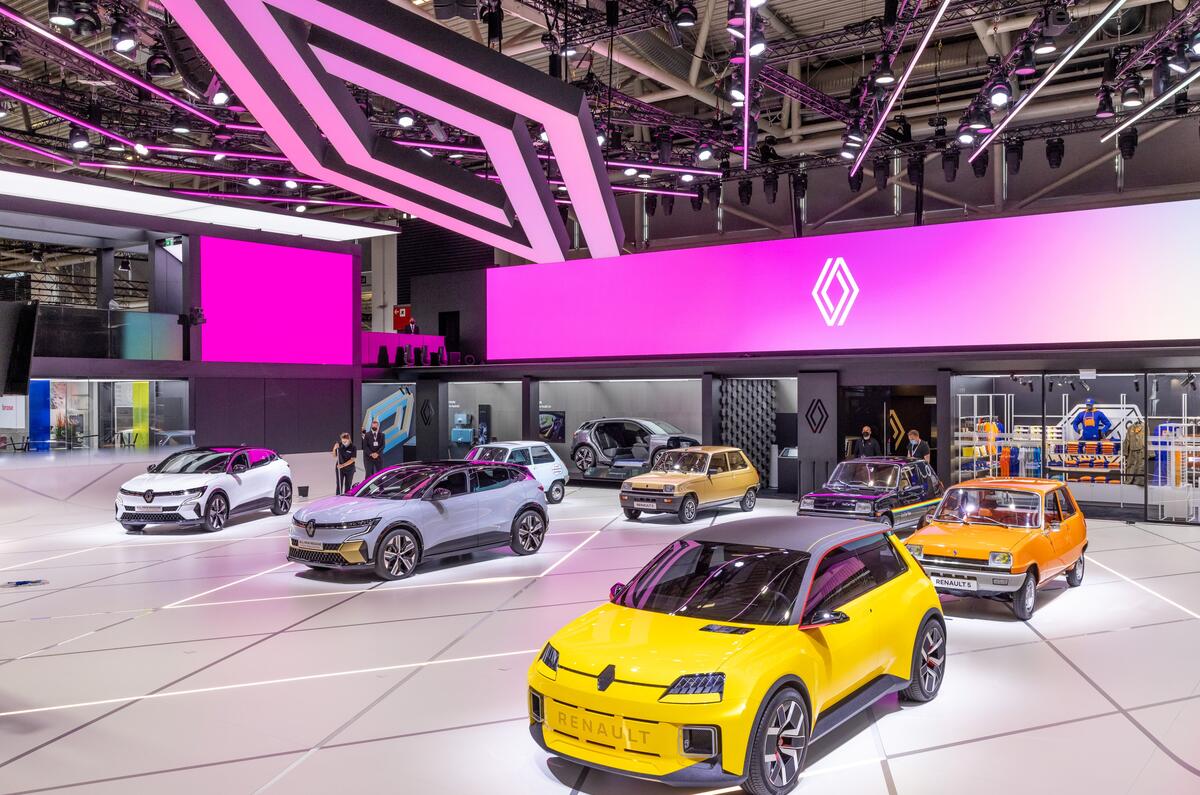
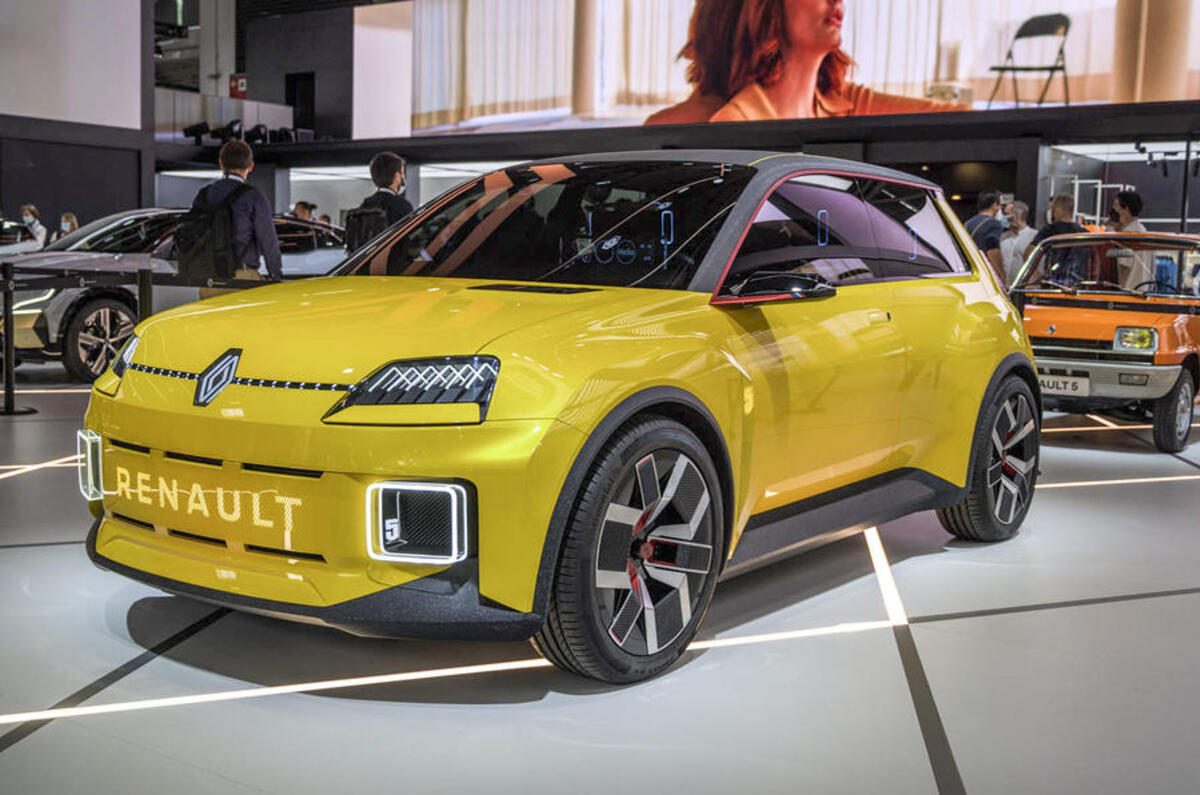
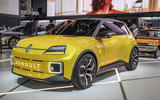
And who can deny Renault a position in the running for star of the show? One of the first companies to the punch with a mainstream EV just unveiled the crucial new model that will (hopefully) earn it a foothold in the fearsome electric C-segment market, and what’s more, we’ve been told the Mégane E-tech is more a hot hatchback than a run-of-the-mill crossover, so it should be of more interest to enthusiasts than the Zoe pioneer, and perhaps even its main rivals. A range of nearly 300 miles, more spacious interior than the combustion Mégane and a bold new approach to design will only help the marketing team do their job, we’d wager.