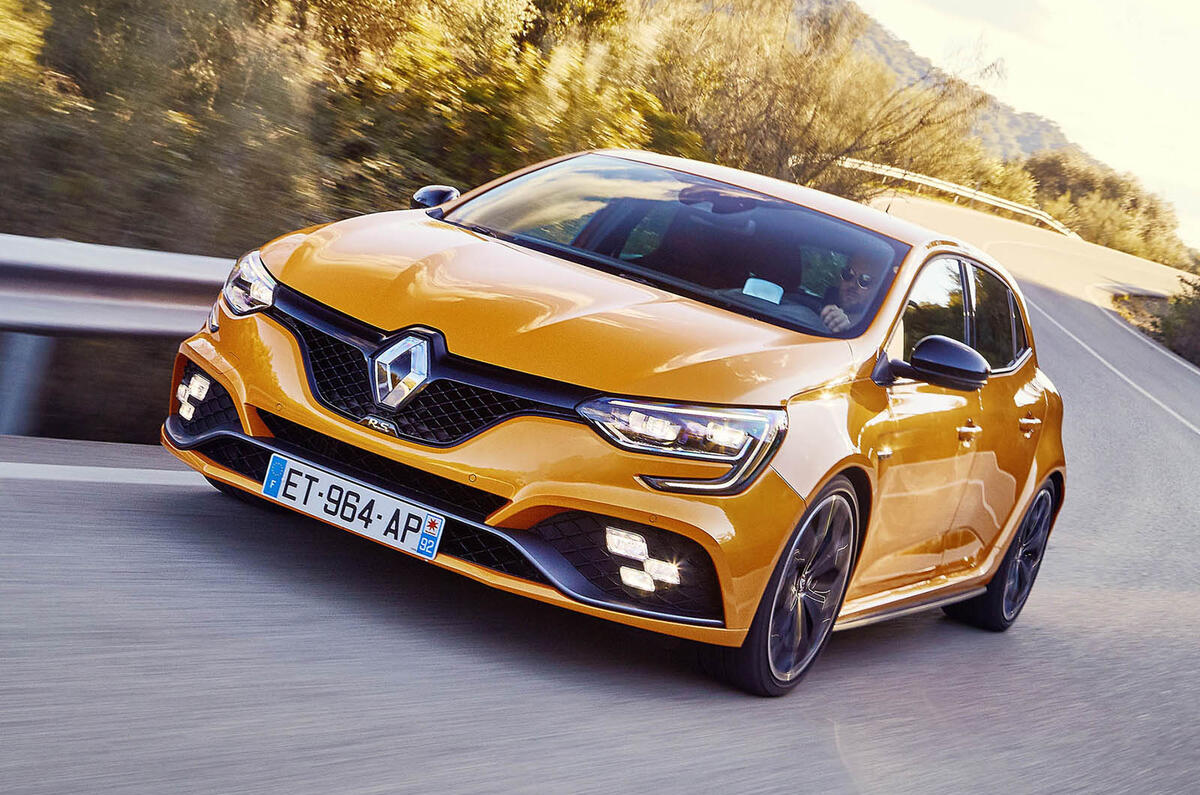
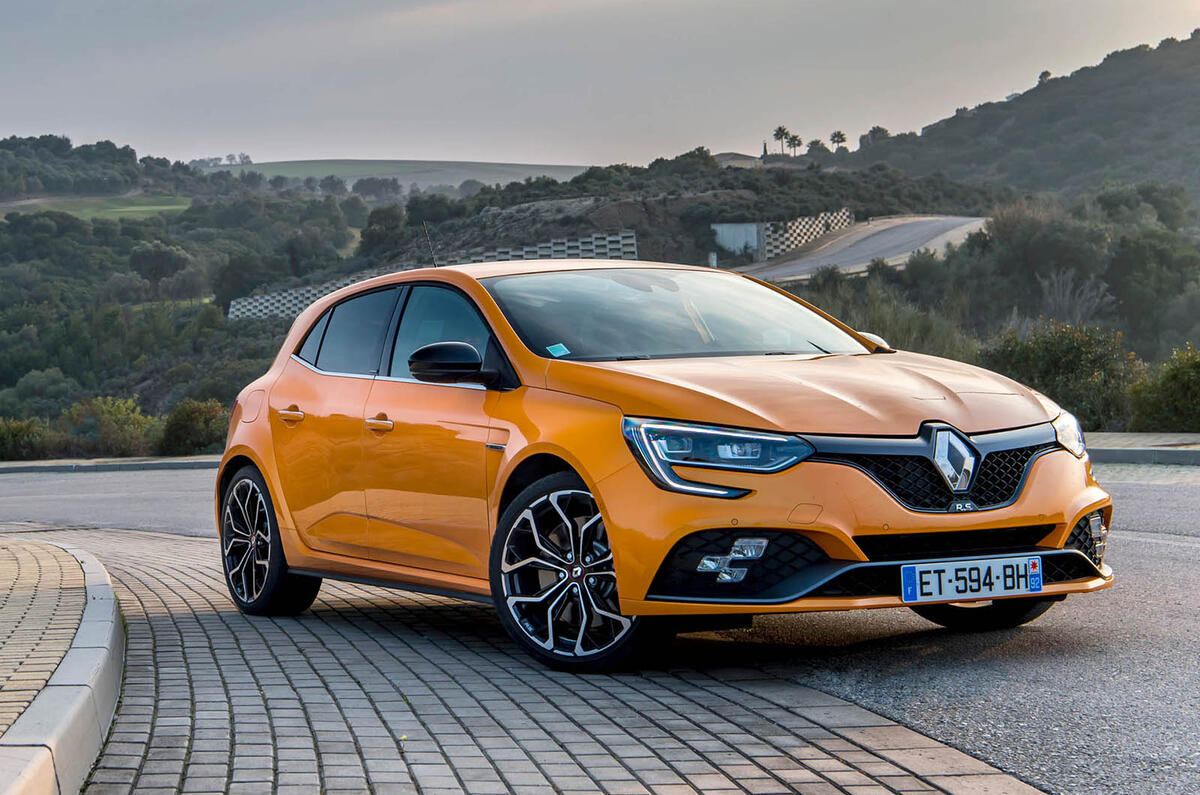
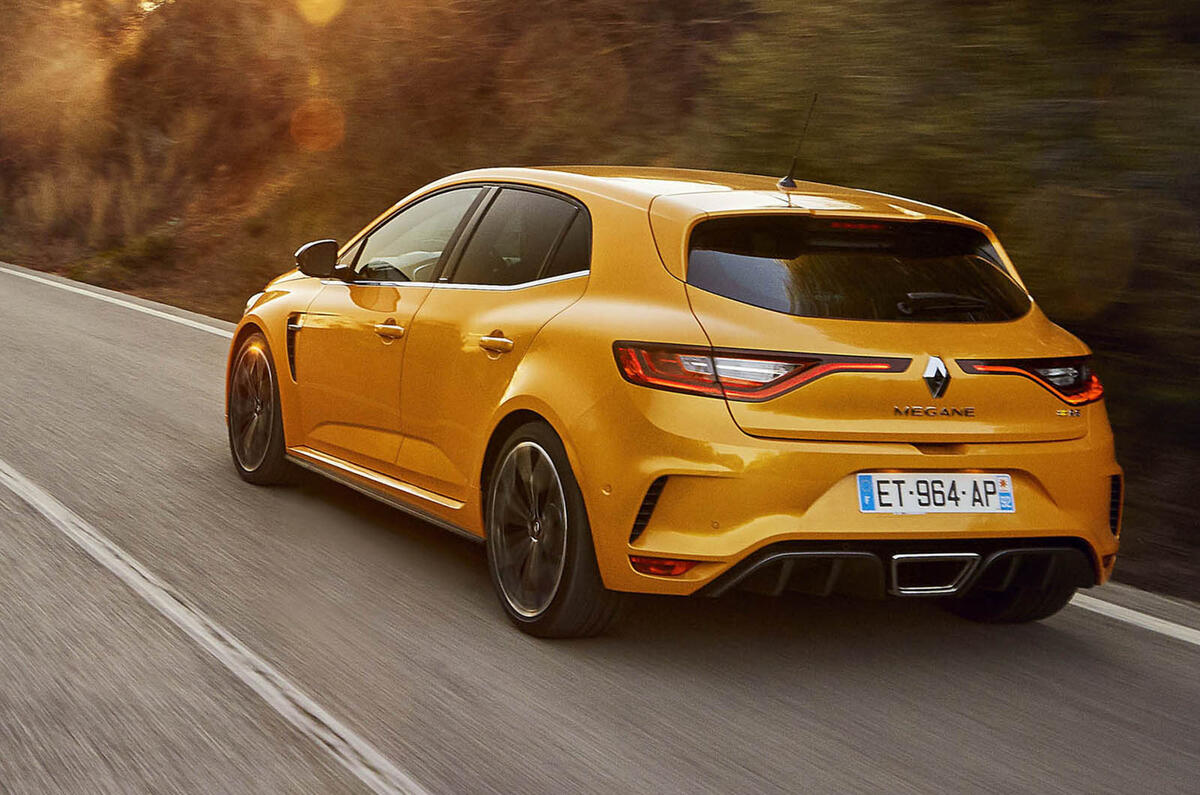
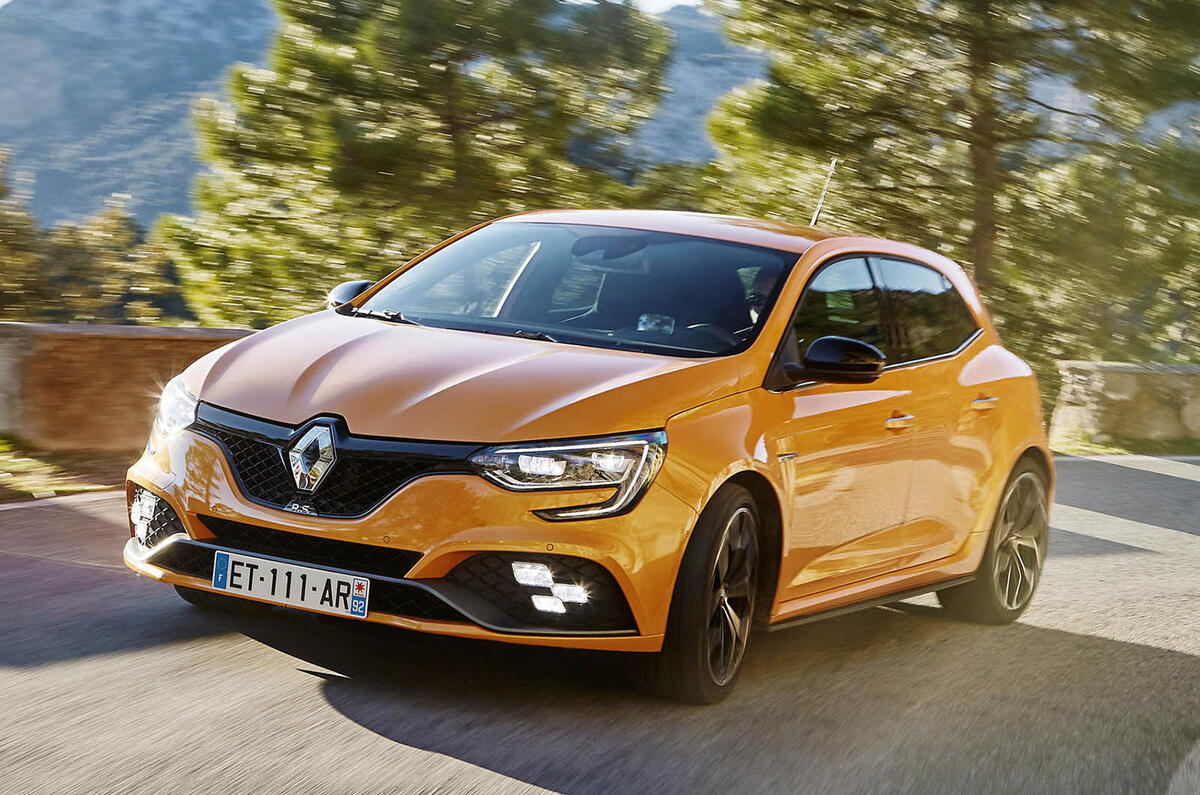
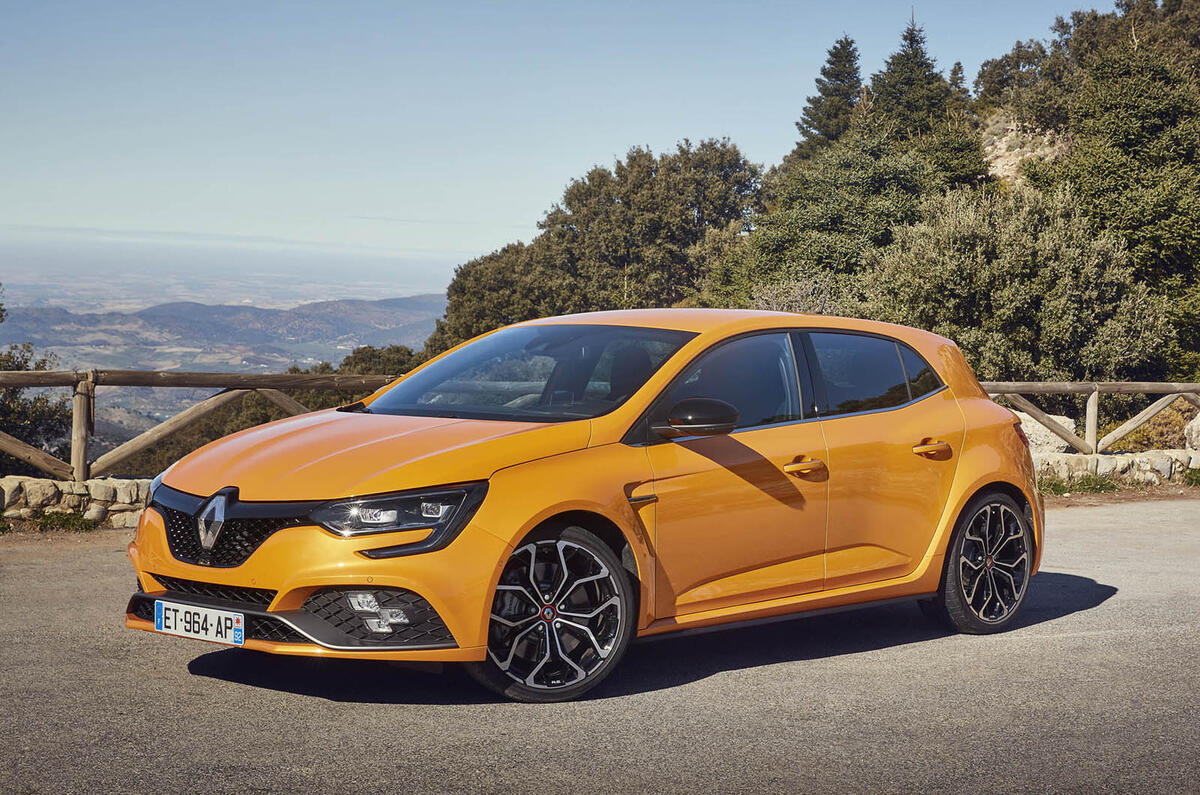
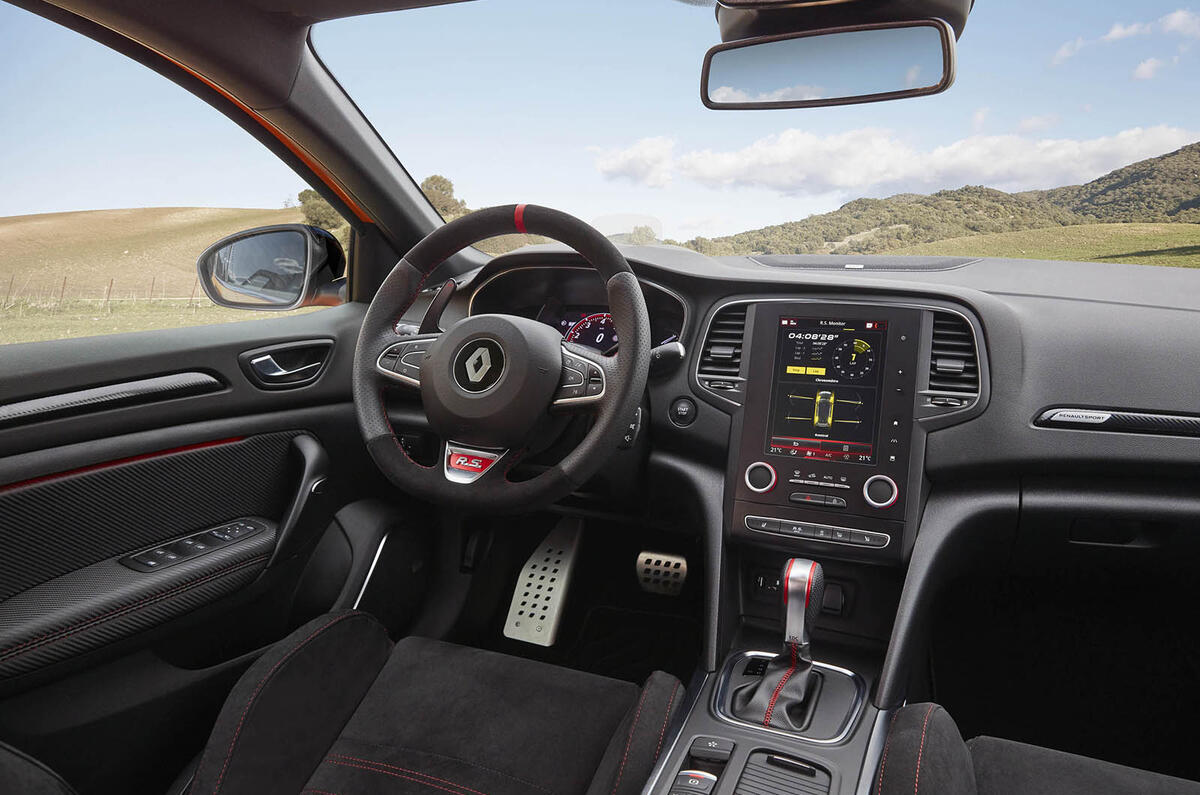
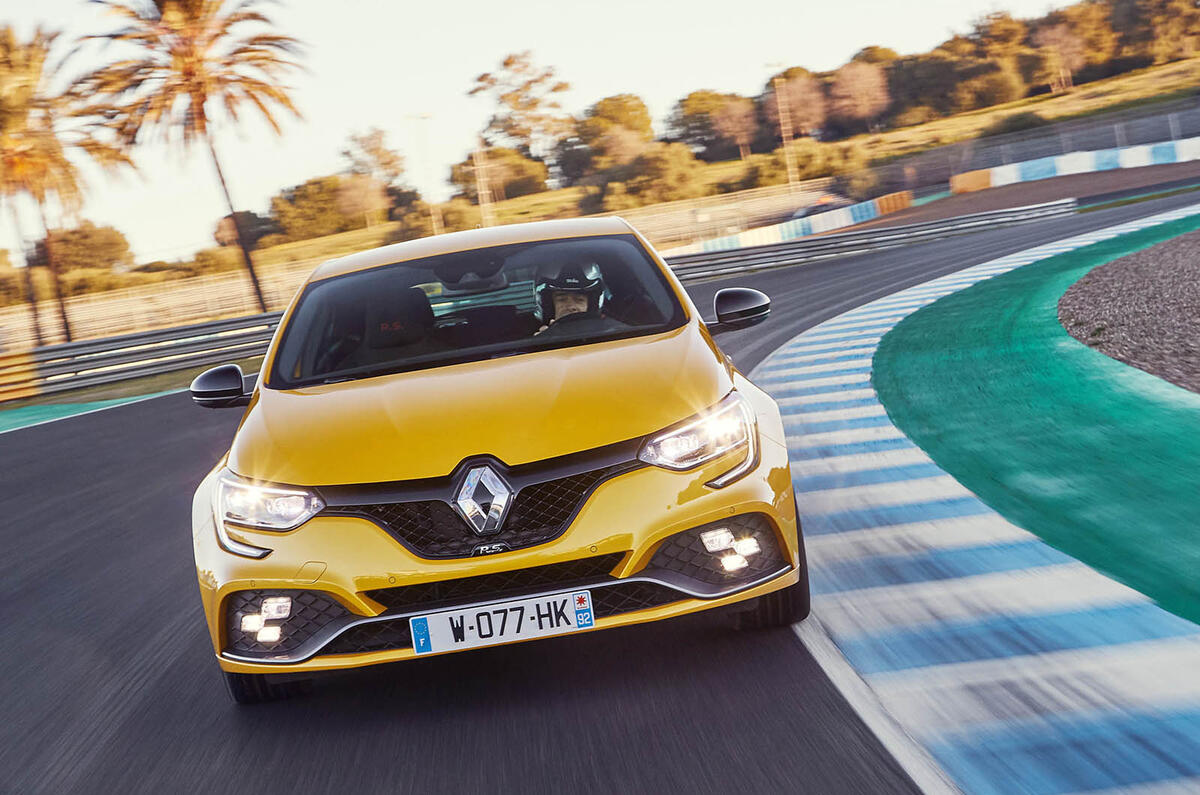
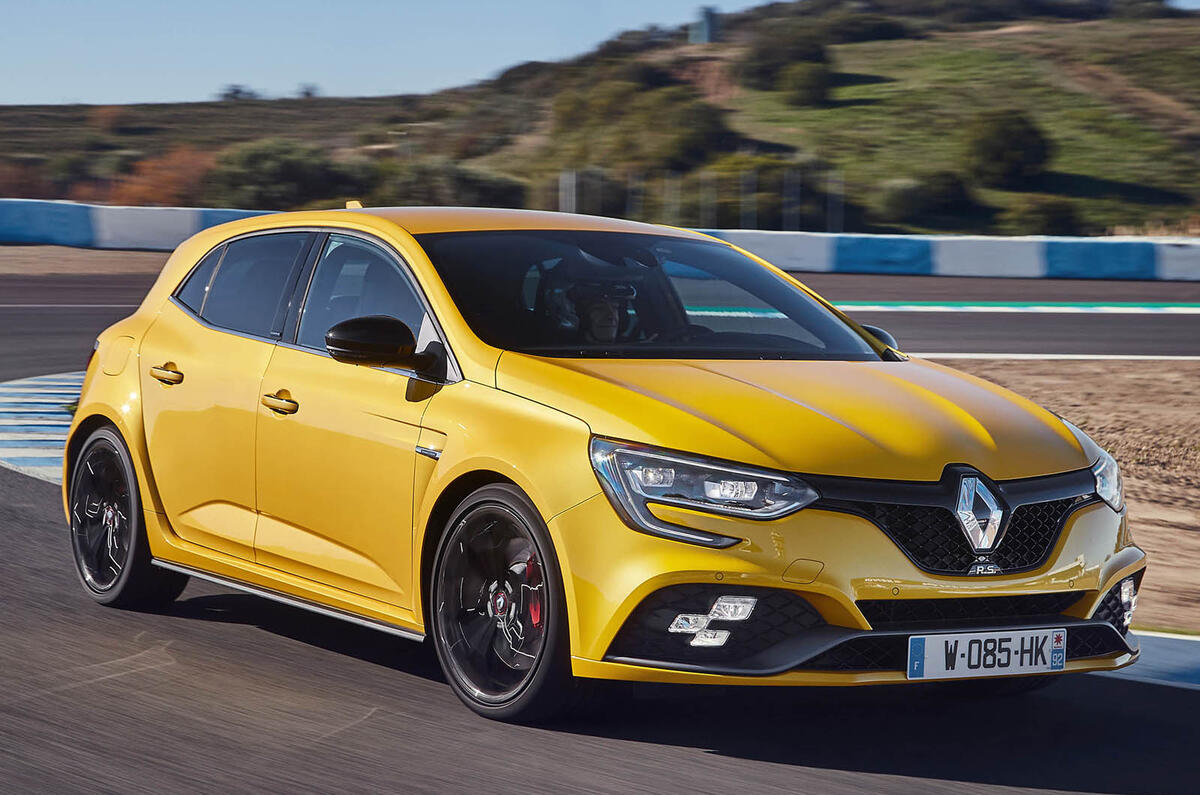
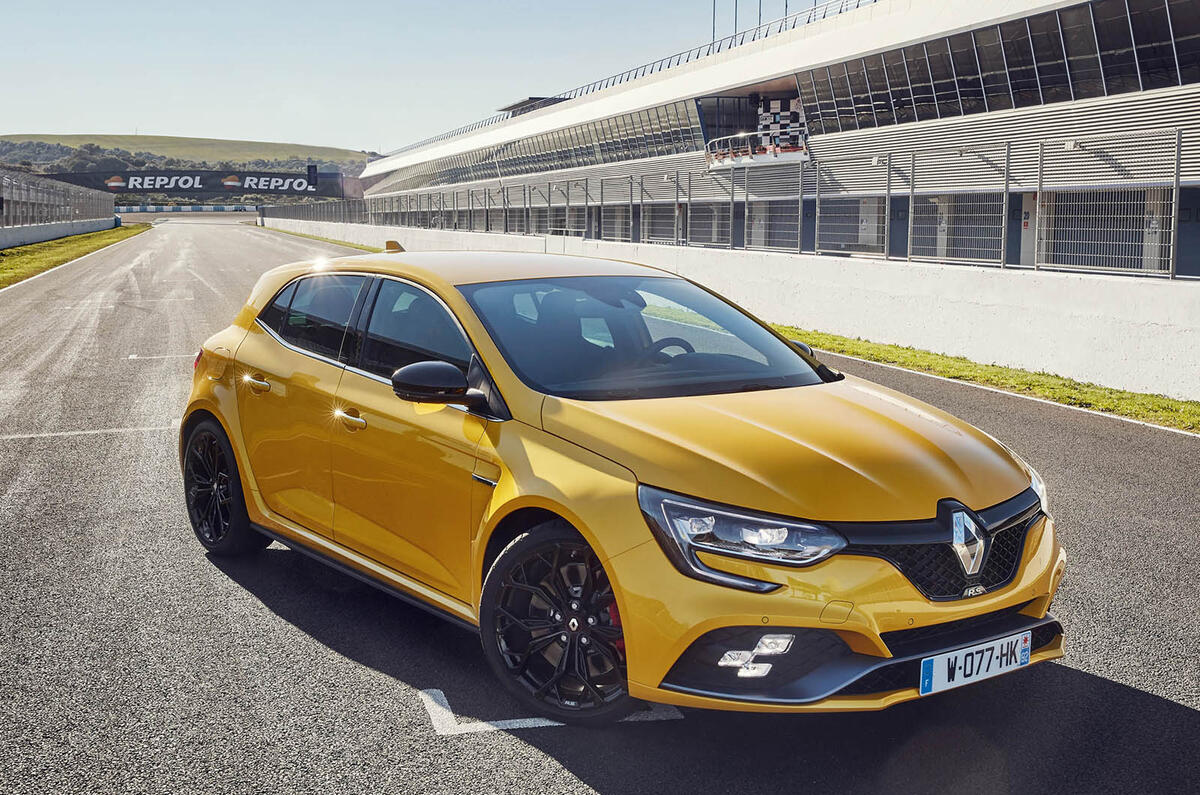
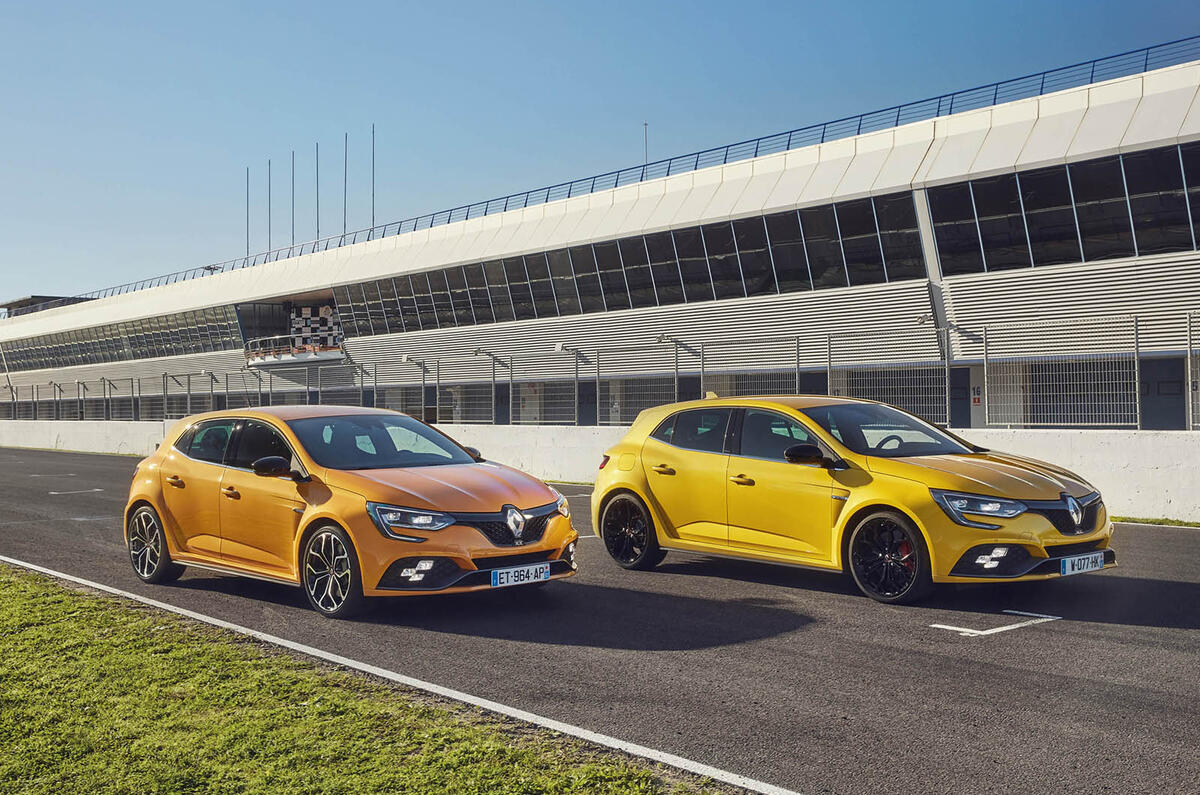
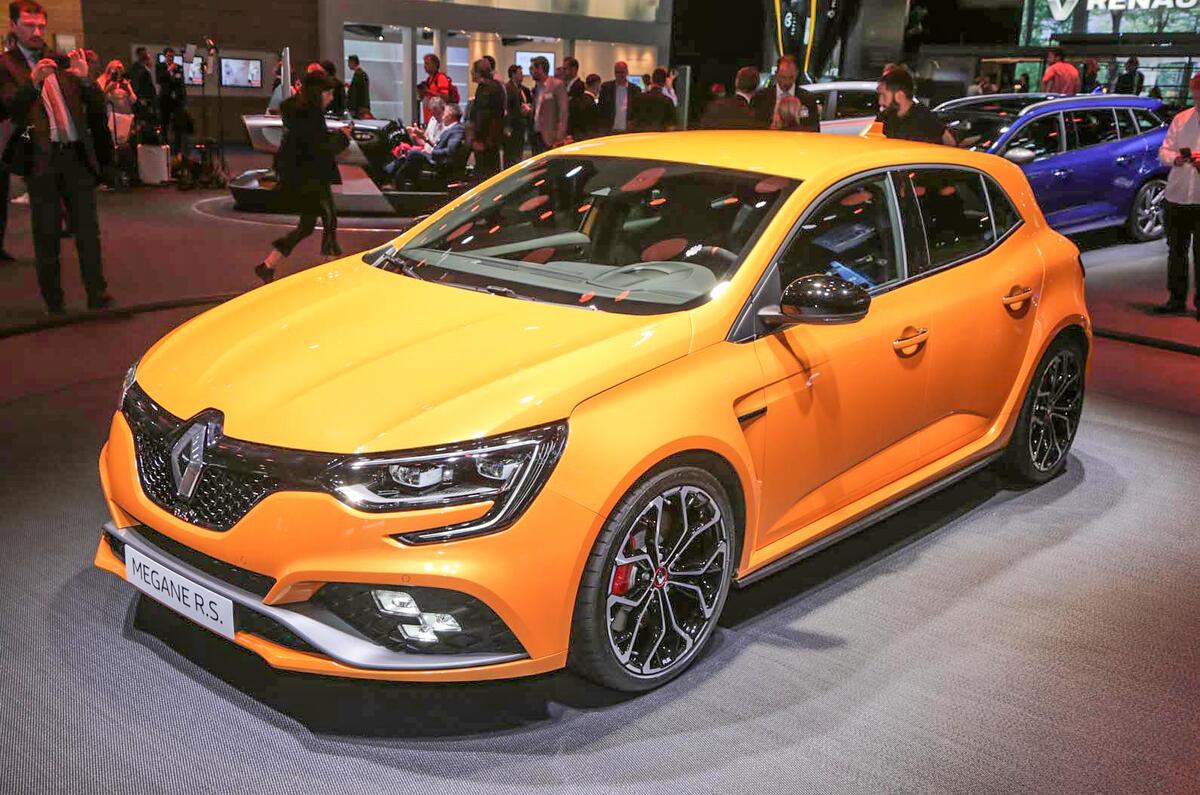
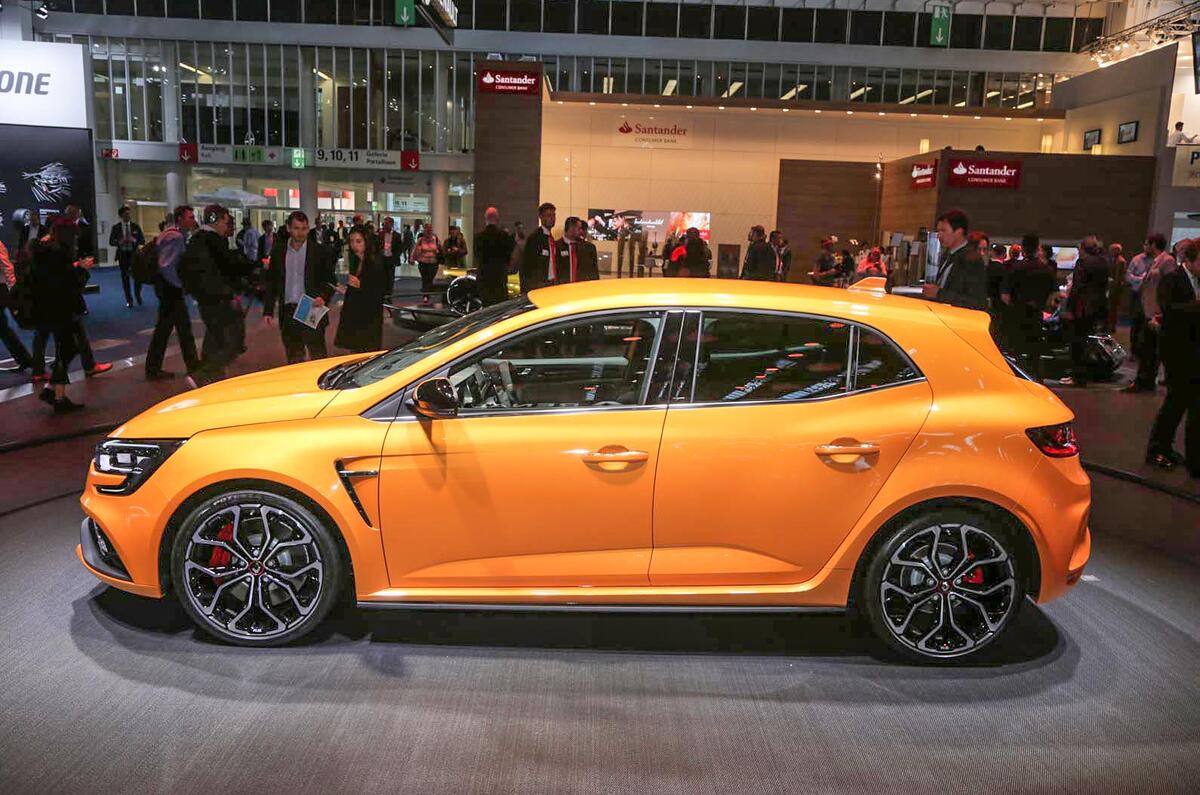
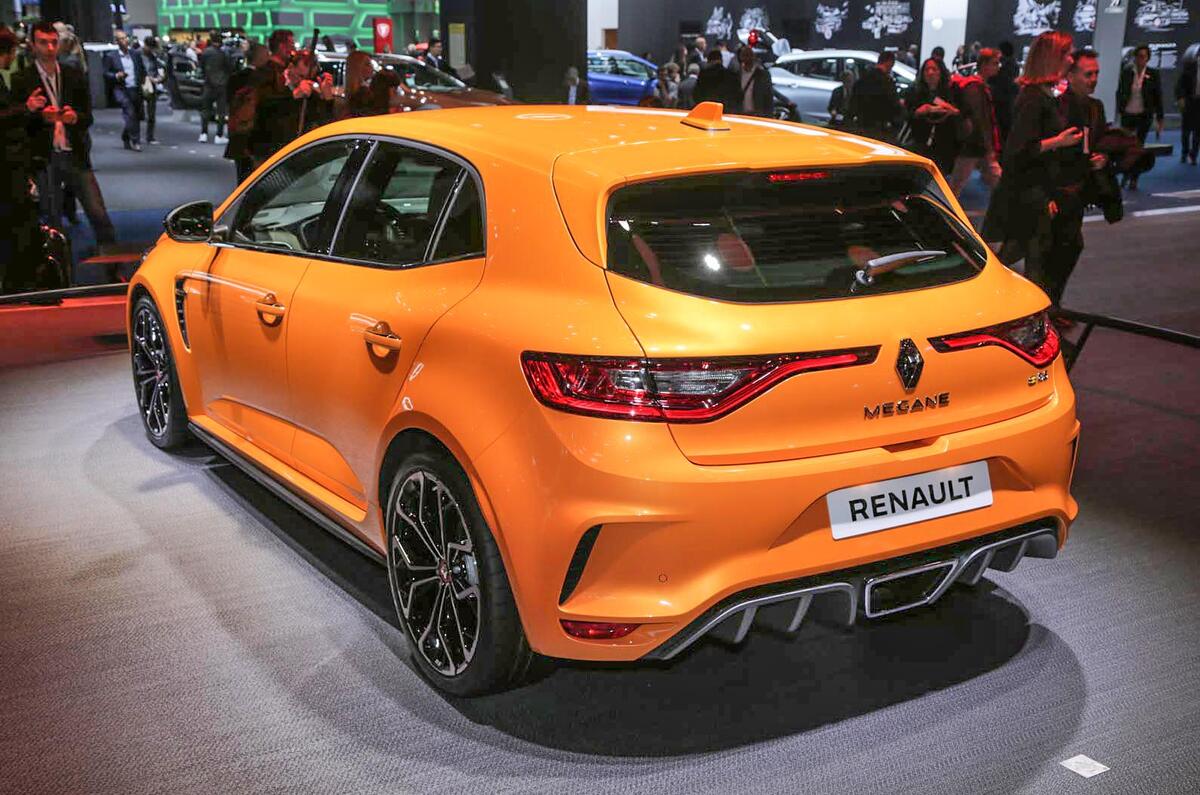
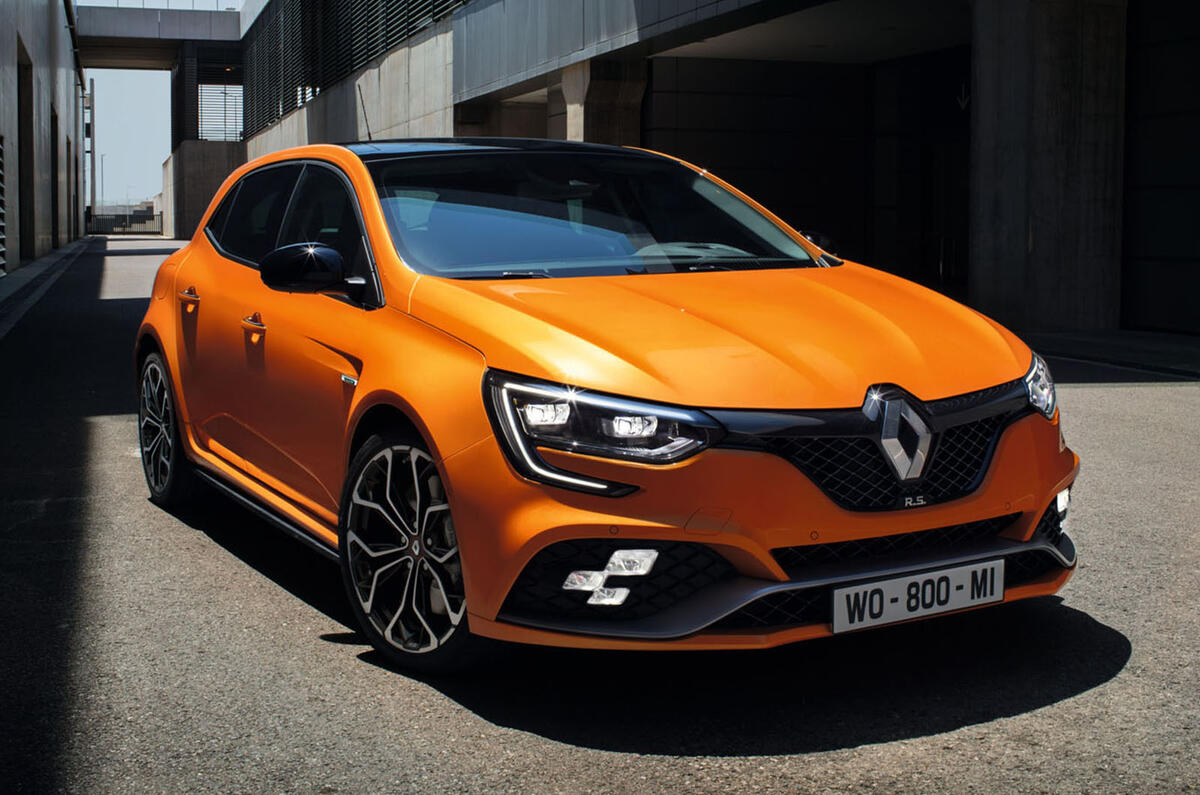
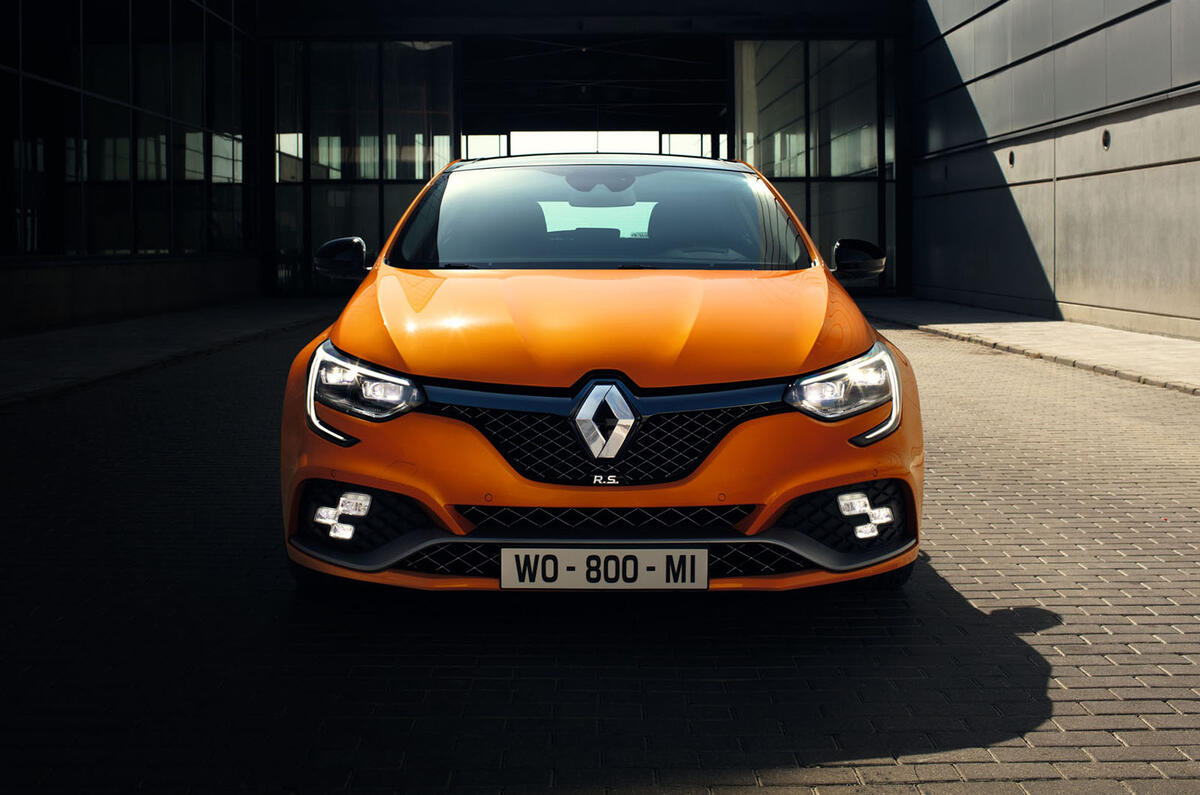
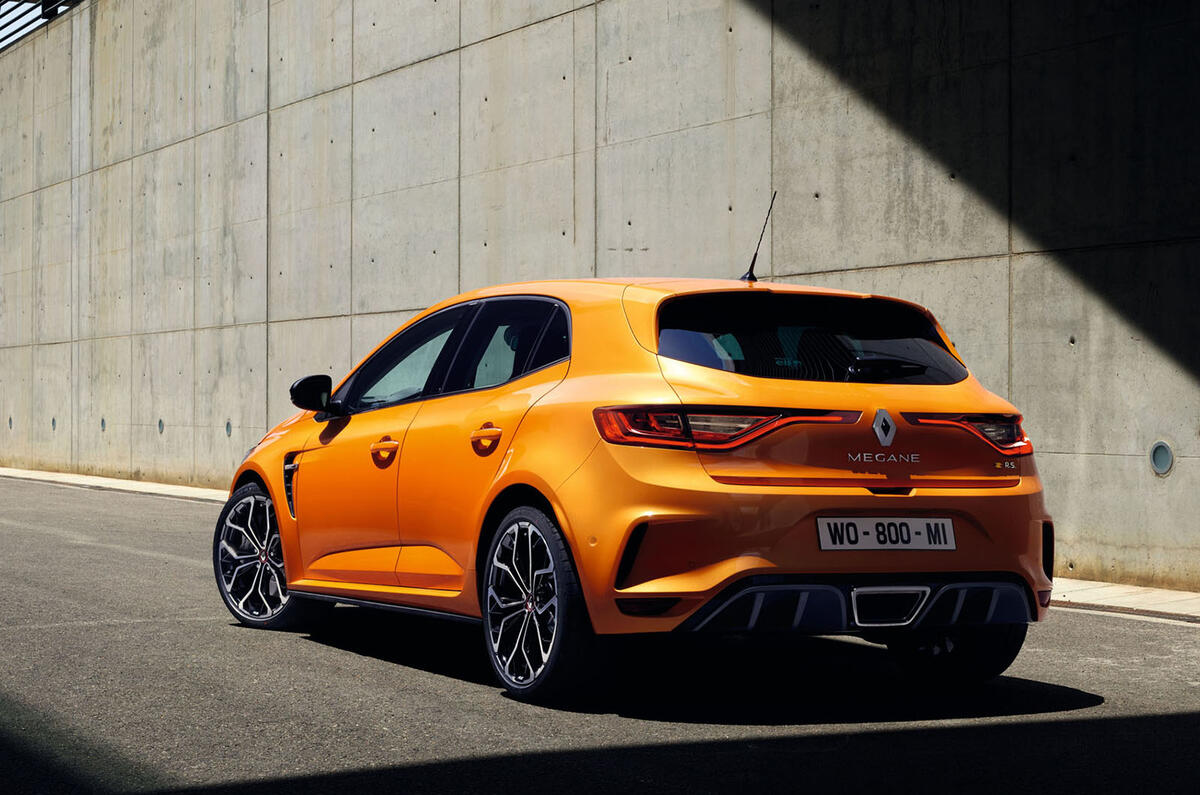
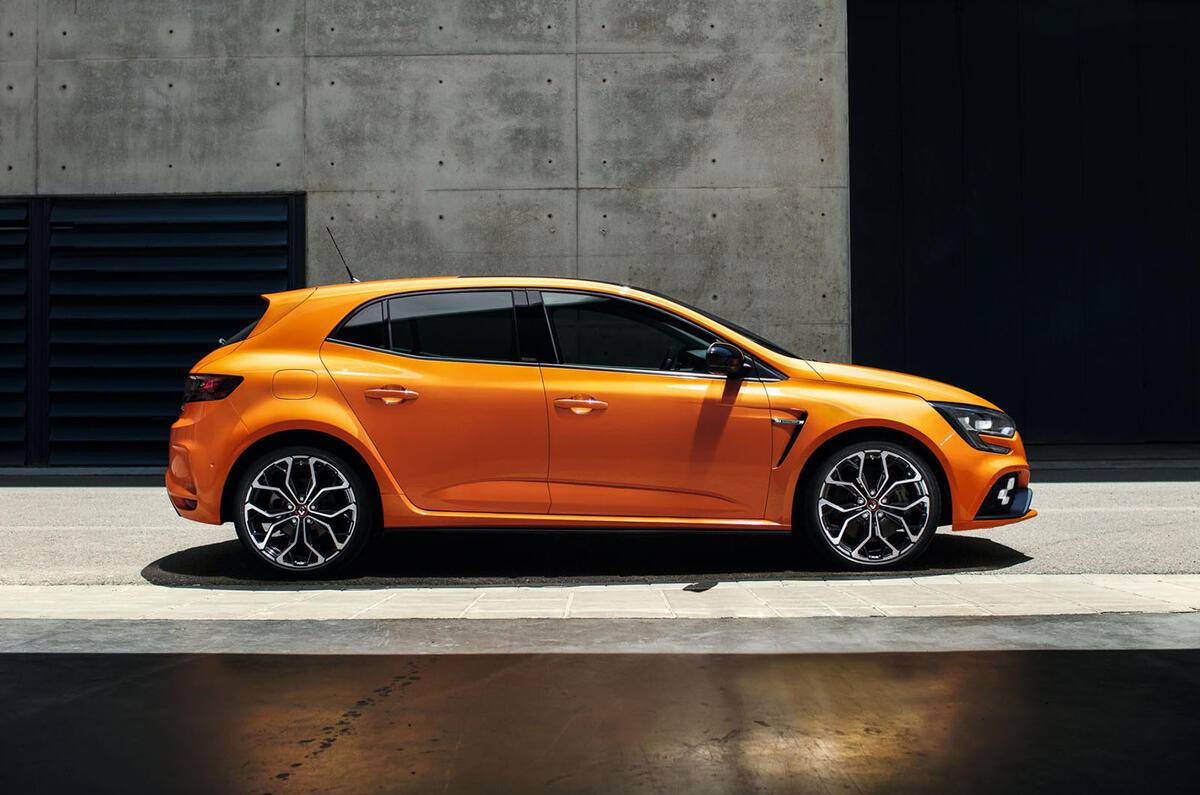
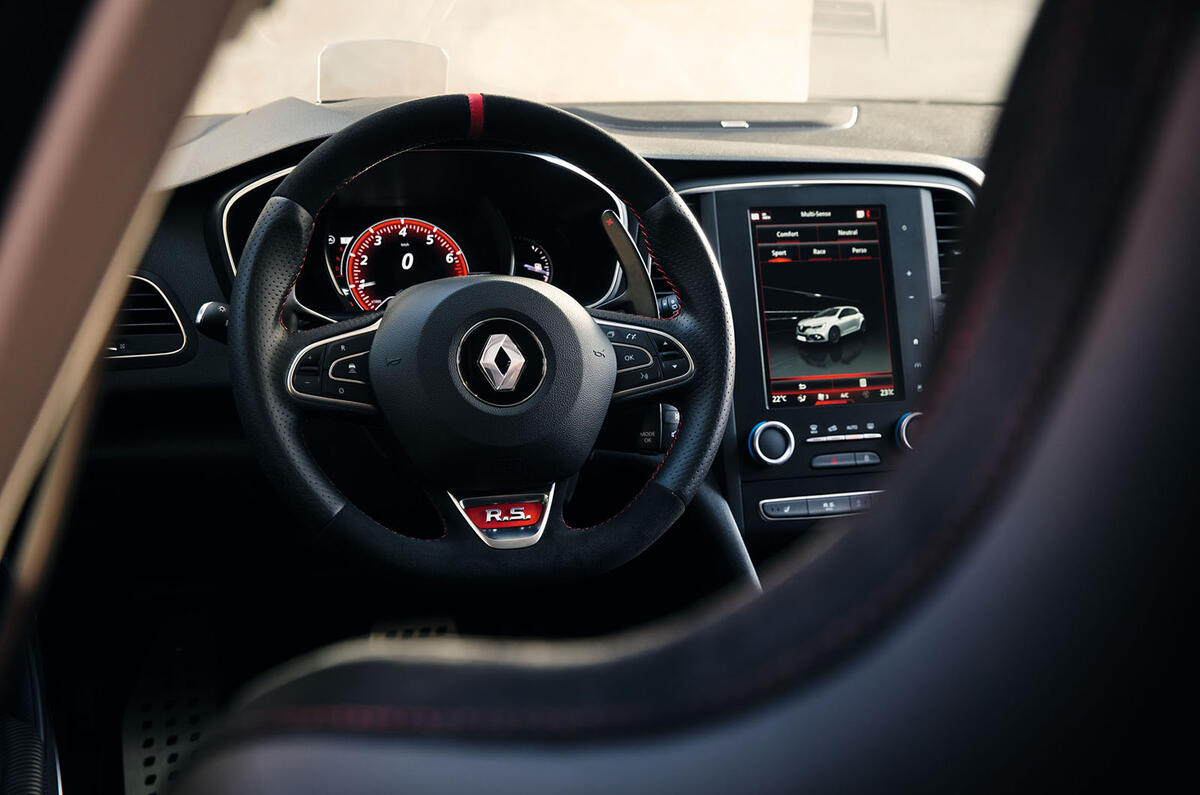
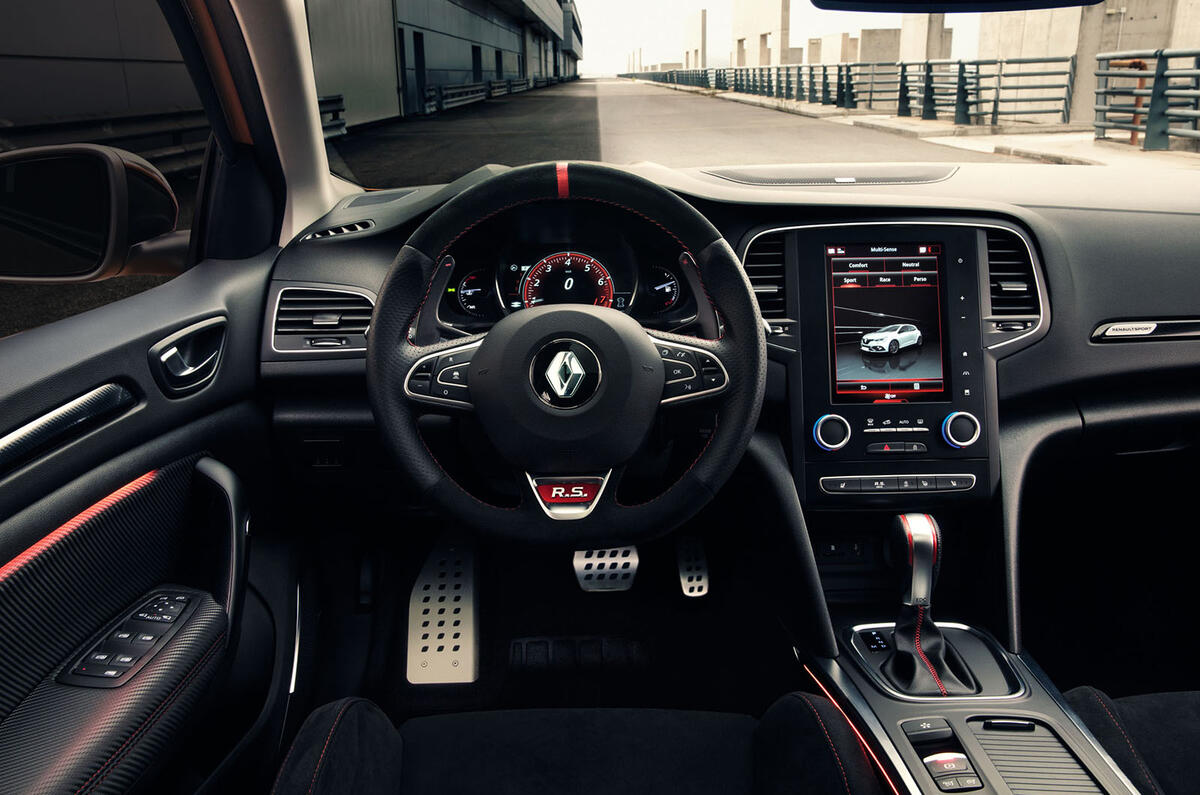
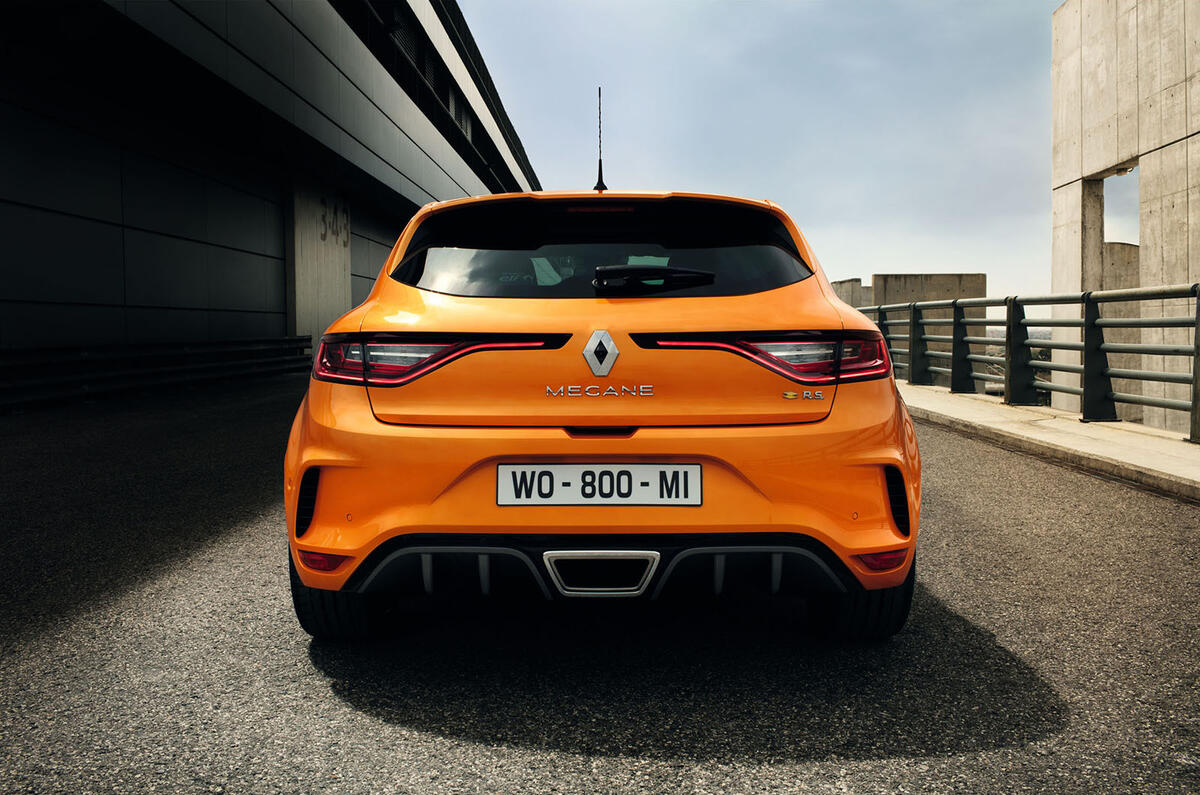
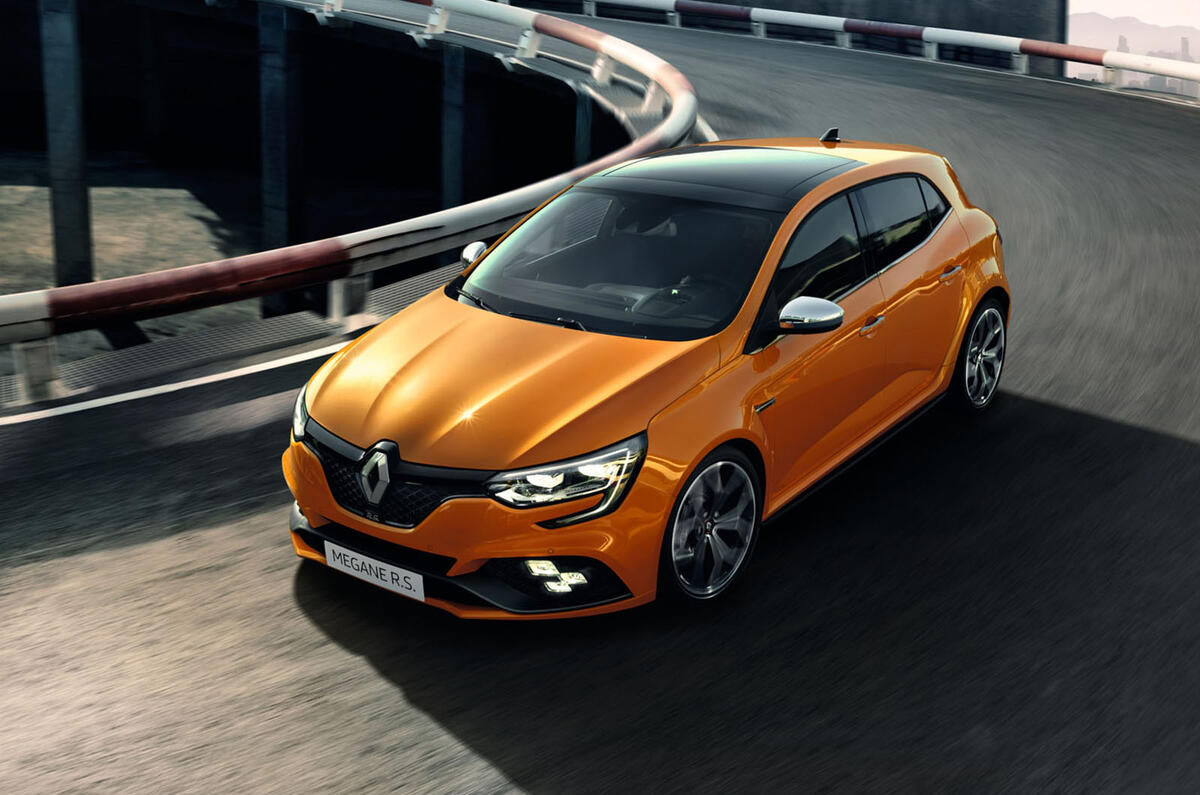
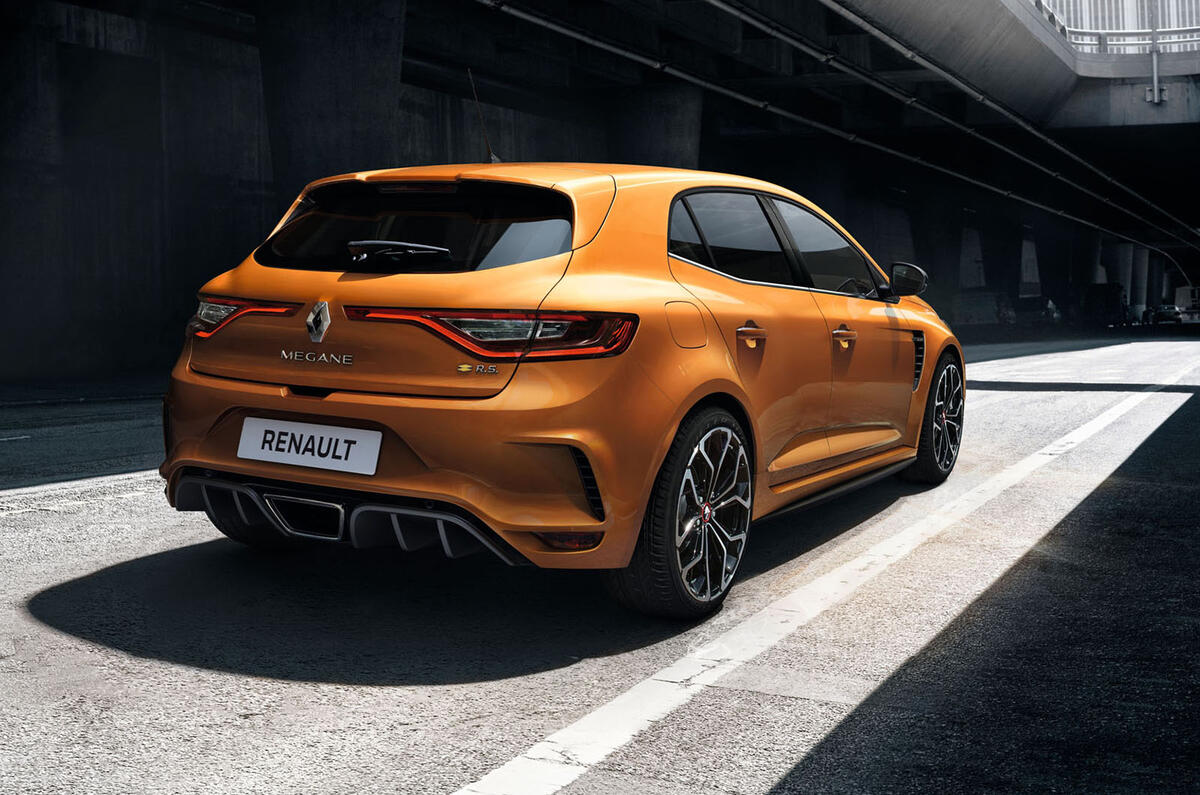
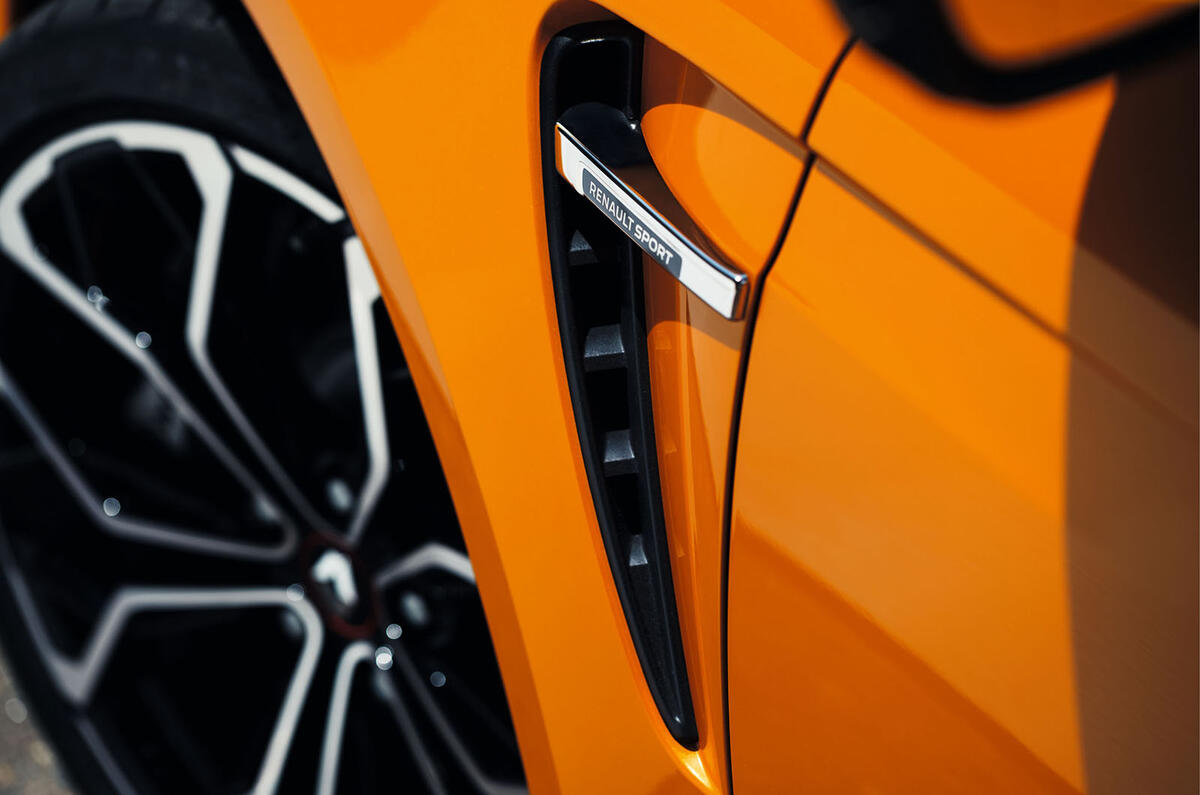
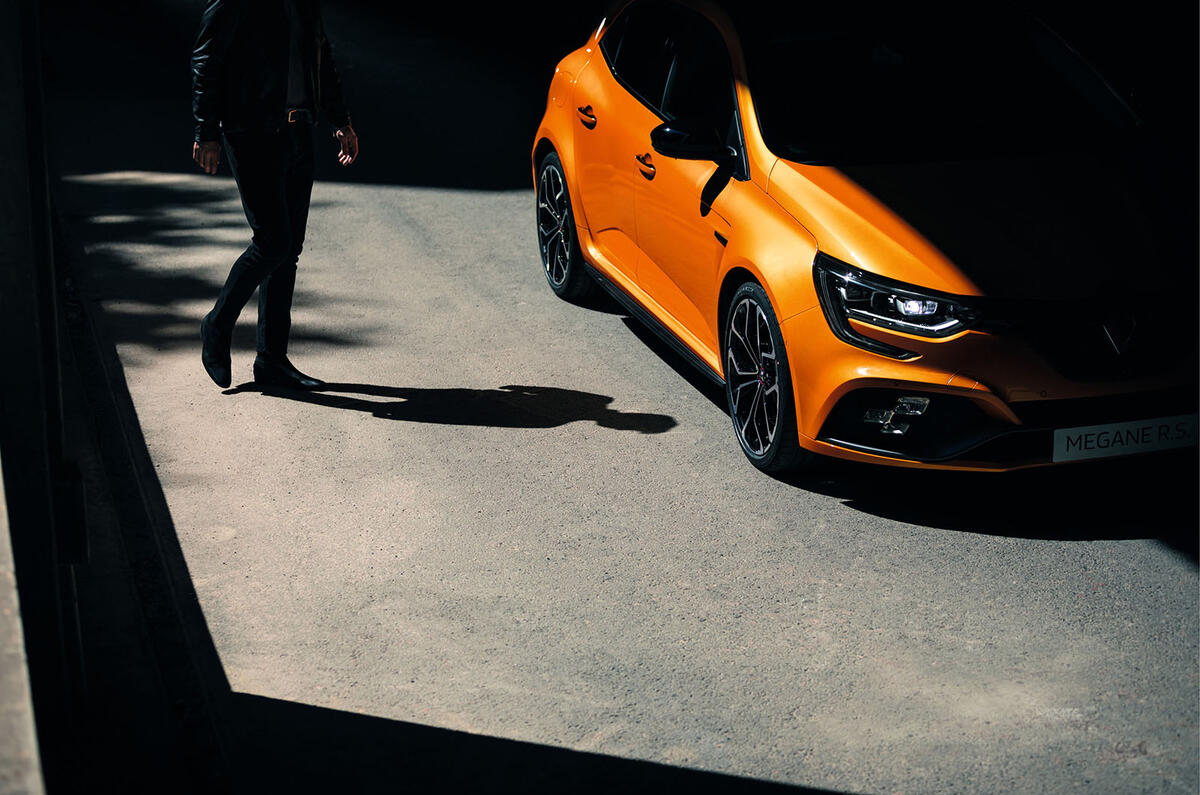
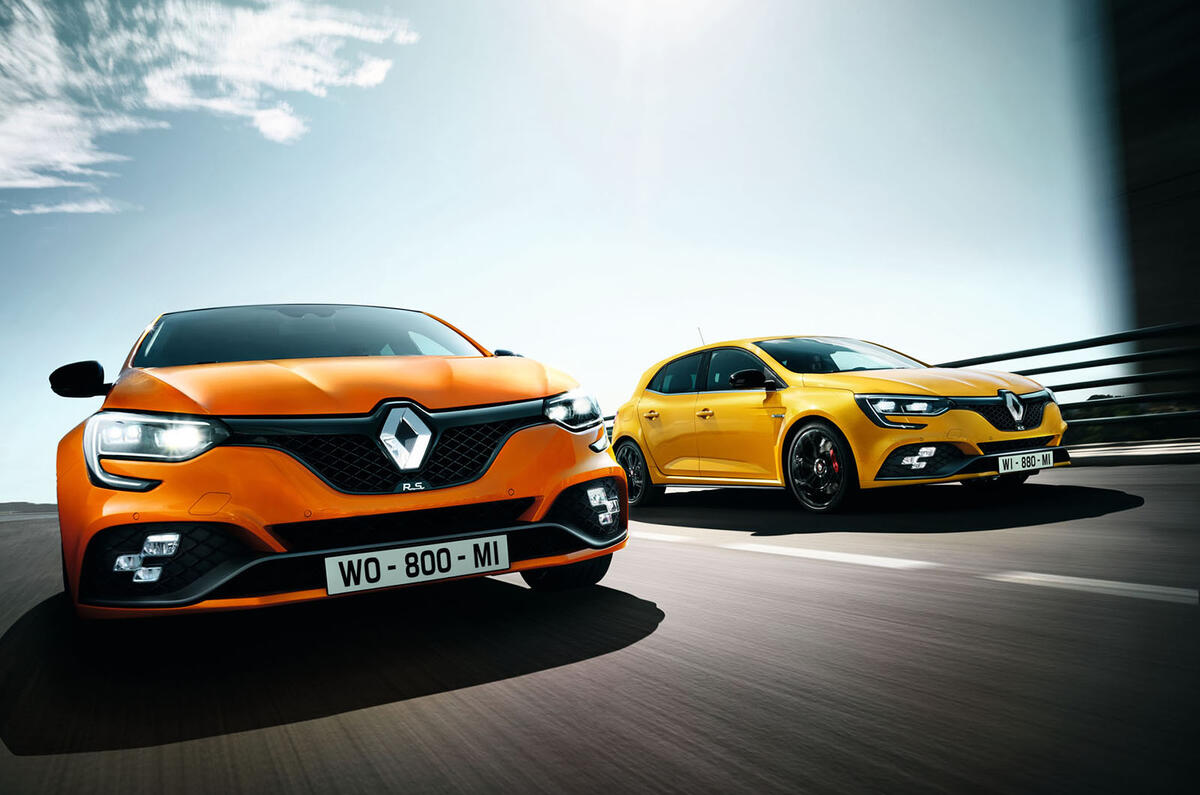
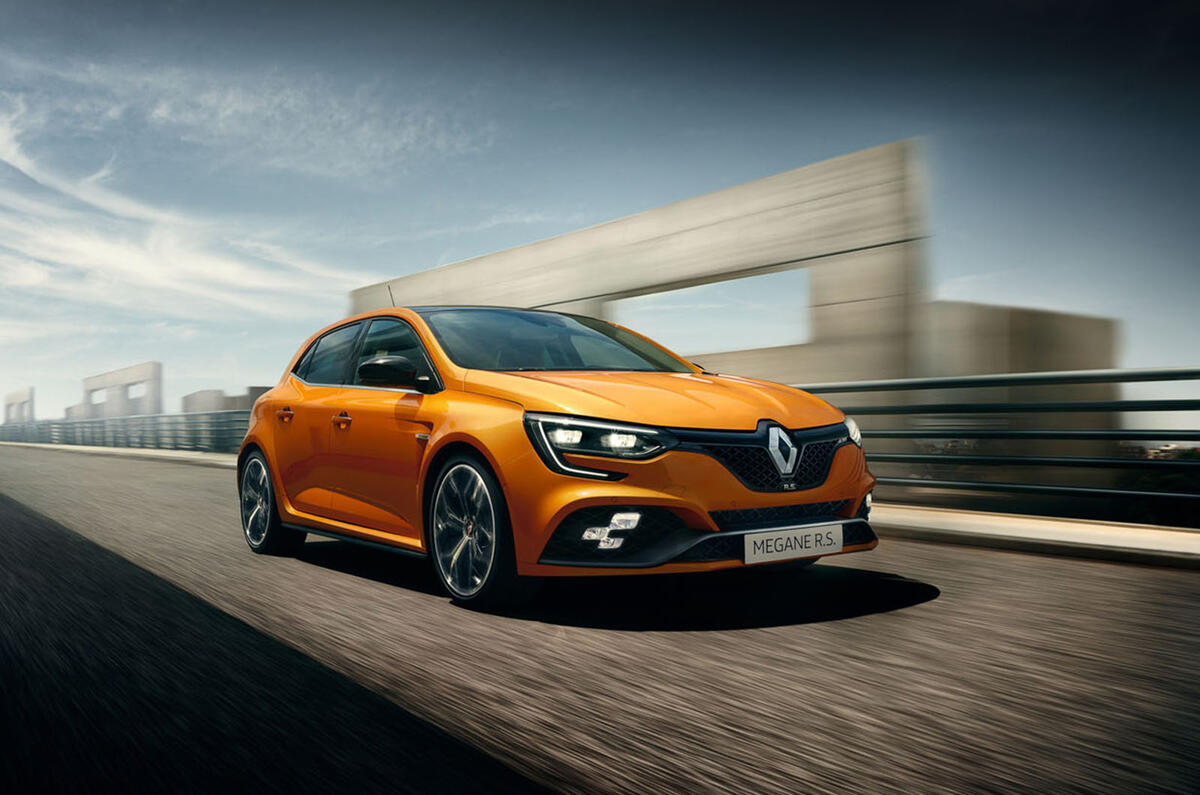
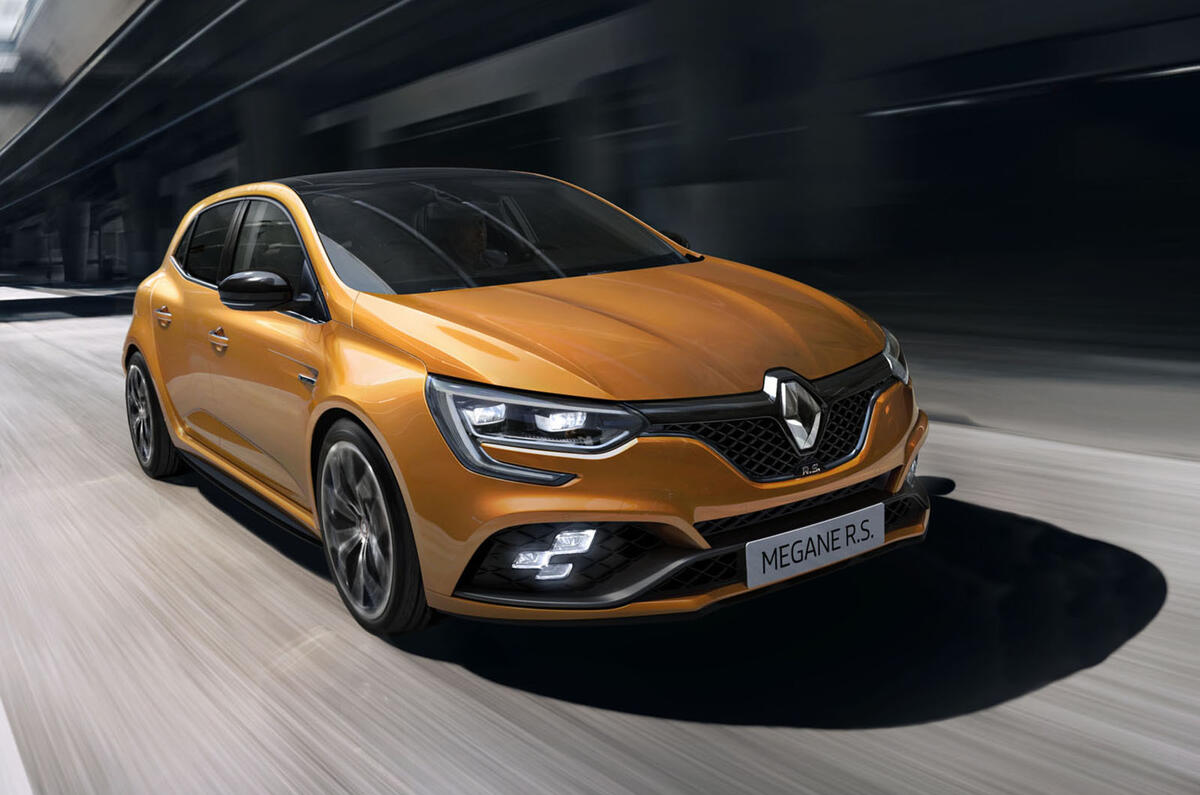
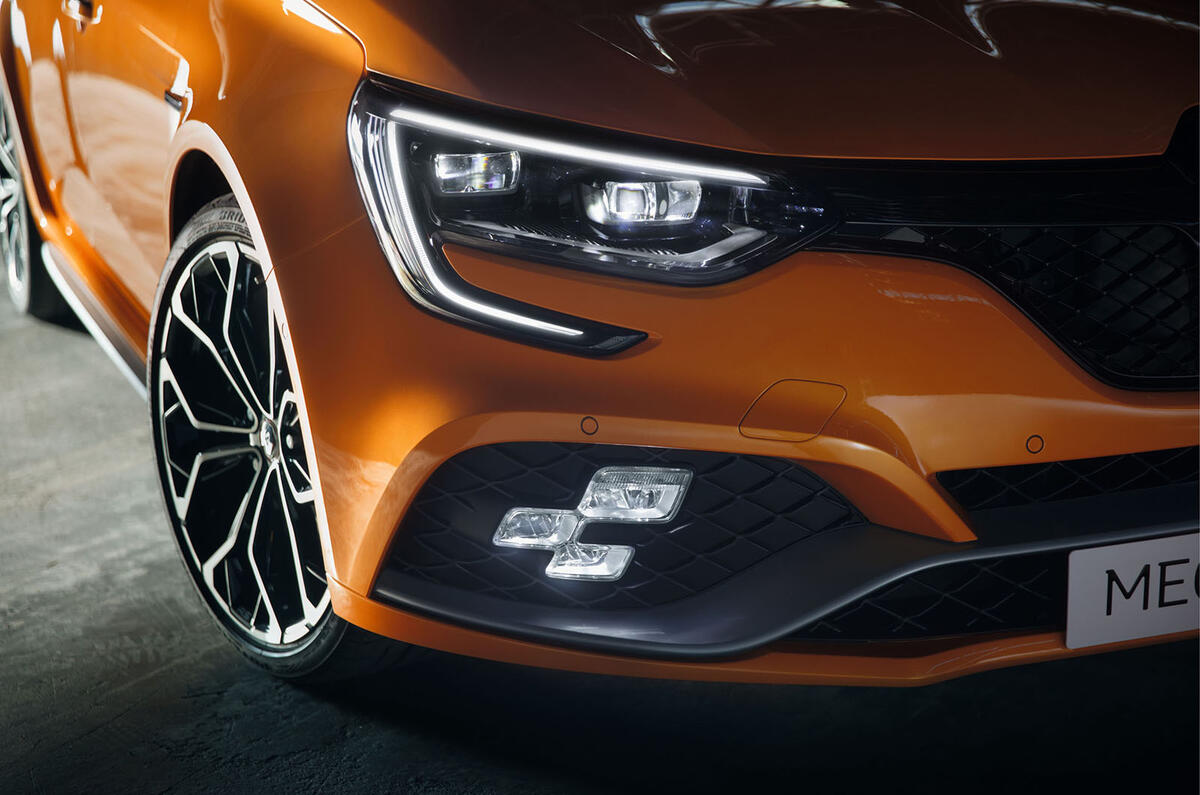
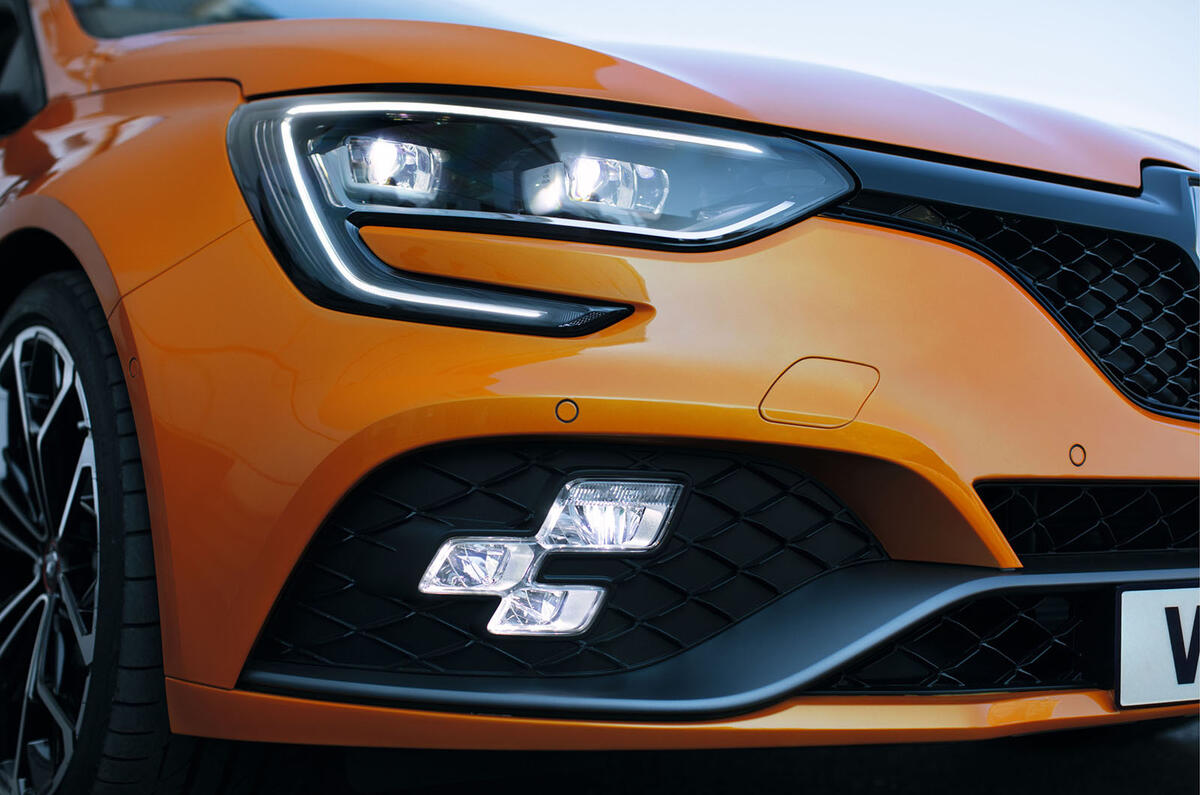
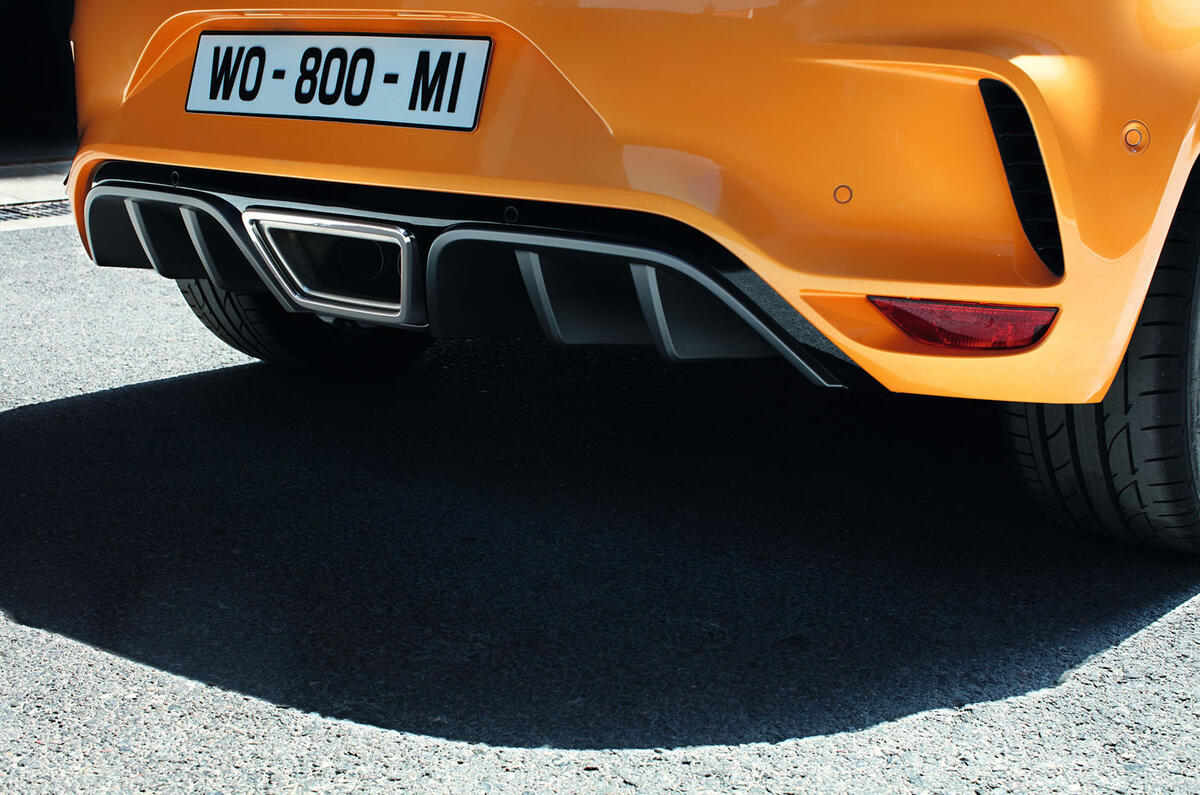






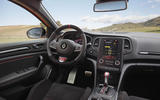



























The new Renault MeÃgane Renault Sport can now be ordered in the UK, with prices for the 276bhp hot hatch starting at £27,495 and first deliveries due in July.
That price places the new performance five-door, which has a 1.8-litre petrol engine producing 276bhp and 288lb ft, £500 below the Hyundai i30 N in its 271bhp Performance spec. It also makes the Mégane RS £3500 cheaper than the 316bhp Honda Civic Type R. The Ford Focus RS and new Seat Leon Cupra R both have more than 300bhp but are more expensive to buy.
As a signal of the Mégane RS's driver focus, buyers who order their car in May are also offered a free upgrade to the Cup chassis, which will become a £1500 option from next month.
Click here for our 2018 Mégane RS review
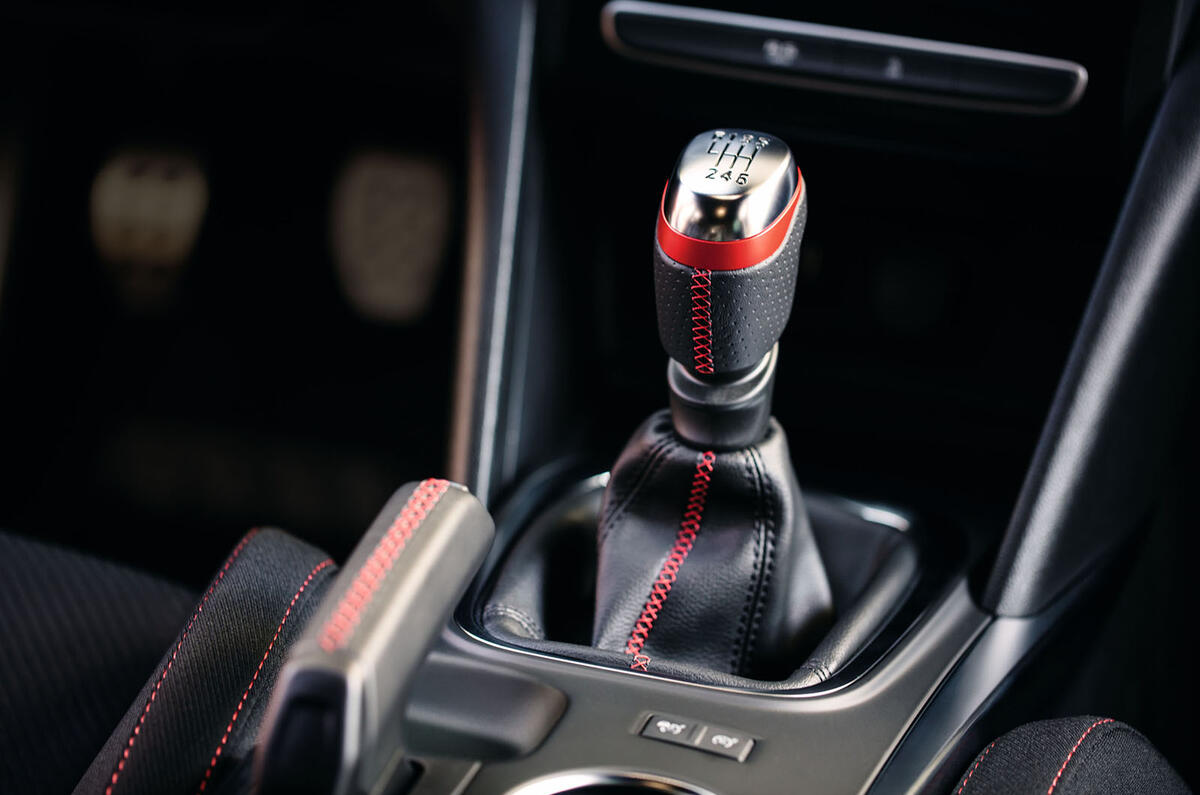
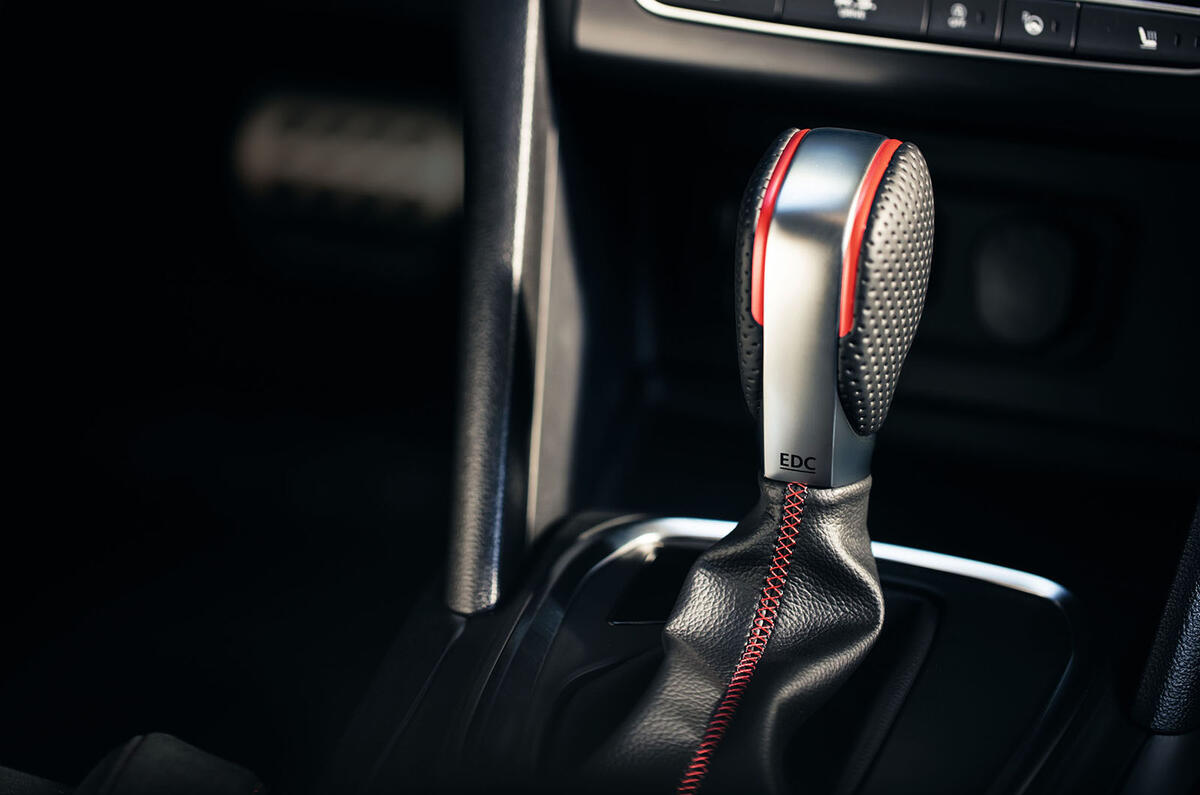
Buyers wanting the optional EDC dual-clutch automatic gearbox (a six-speed manual is standard) will need to pay £29,195 for their Mégane RS.
Renault Sport says its new model driver-focused that it more than makes up its 40bhp power deficit to the Civic Type R with its trick four-wheel steering system.
This '4Control' technology 
is claimed to boost the agility and stability of the car.
“Fitting four-wheel steering was the biggest decision we had to make,” said Renault Sport chief Patrice Ratti.
“We did a lot of studies and computer simulations and 
then put [the system] on the previous-generation MeÃgane RS to create a mule and assess what was possible.
“What became clear was that we had two choices: 
to make a car without it 
and to make incremental improvements in every area over what had gone before, or to make the car with it and to make a step change in terms of improvements. The benefits go across every area of the car’s dynamics – we have been able to rework the dampers, differentials, steering and more.”
Why the new Renault Mégane Renault Sport will be a hot hatch champion
The system allows the 
rear wheels to turn up to
 2.7 degrees, improving the car's turning radius at low speeds and delivering greater agility and improved stability at higher speeds. The added stability, in turn, allows for the use of a smaller and therefore more responsive steering ratio. It also mimics some of the role of the anti-roll bars, allowing for a different, more rear-biased chassis set-up.