



Surveys and trials agree: the public isn’t ready for a wholesale shift to online sales. But there’s still a huge, online-led change ahead in the way dealers sell cars.
Retailers in mainland Europe and the UK are preparing to shift their relationship with manufacturers from the wholesale model to the agency model. This means that instead of buying a car from the manufacturer for a price with a built-in margin, they simply accept a fee for each car sold.
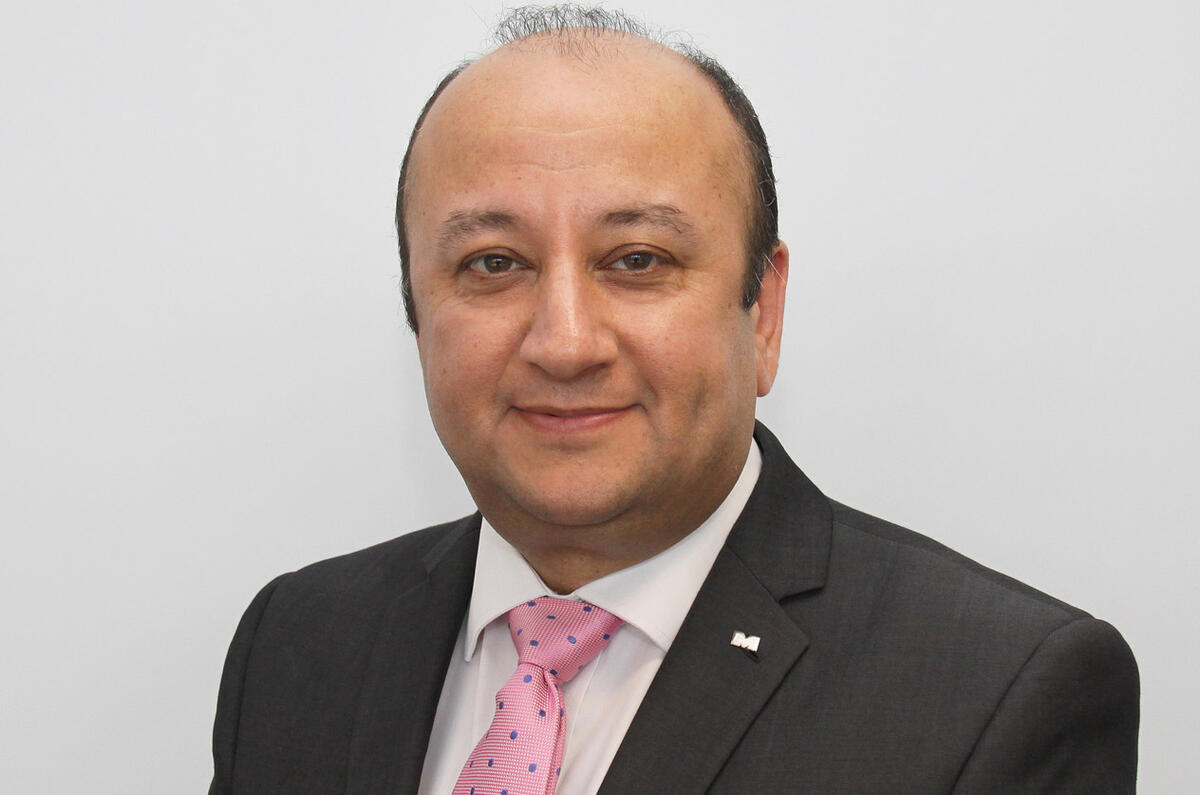
“I think we will move to agency,” Daksh Gupta, the CEO of Marshall Motor Group, told Autocar. “It’s going to be a fascinating change.”
Moving to an agency model might not sound like a fundamental shift, but it really is. An agency model means manufacturers control car pricing, instead of dealers, giving them a better chance of achieving the goal of haggle-free purchasing that, until now, only a few have achieved (Dacia being the most notable).
By becoming the vendor, the car makers can also track the online purchase journey of the buyer right to delivery and even beyond as they move into the world of Tesla-style upgrades.

The ultimate goal is to generate more income for manufacturers rather than for third-party businesses in an era where legislation is forcing car makers to spend billions developing EVs, necessitating savings wherever they can.
As it stands, dealers pay the manufacturer for a new car at a price well below list but, as Gupta explained, the nature of the business means that they inevitably have to discount much of that margin away if they’re to achieve a sale.
“It’s a bit crazy. We get a 13% margin, but we’re only able to retain 3-4%,” he said, adding that it typically rises to around 7% once extras such as finance and insurance are added. “In future, that margin will be retained by the OEM and will lead to a more transparent process for the customer. There will be a lot less haggling, and ultimately that’s going to be a good thing for the customer.”