
Prime minister Rishi Sunak has announced the next general election will take place on 4 July 2024. In this article, originally published in January 2024, we break down the key motoring issues set to influence the vote:
What do UK motorists want from the general election?
Unless you’re an ever-grinning Ford Escort RS2000 Mk1 owner living somewhere in the hills, it’s highly likely that in 2024 you’re already utterly fed up trying to engage in the simple act of driving from A to B.
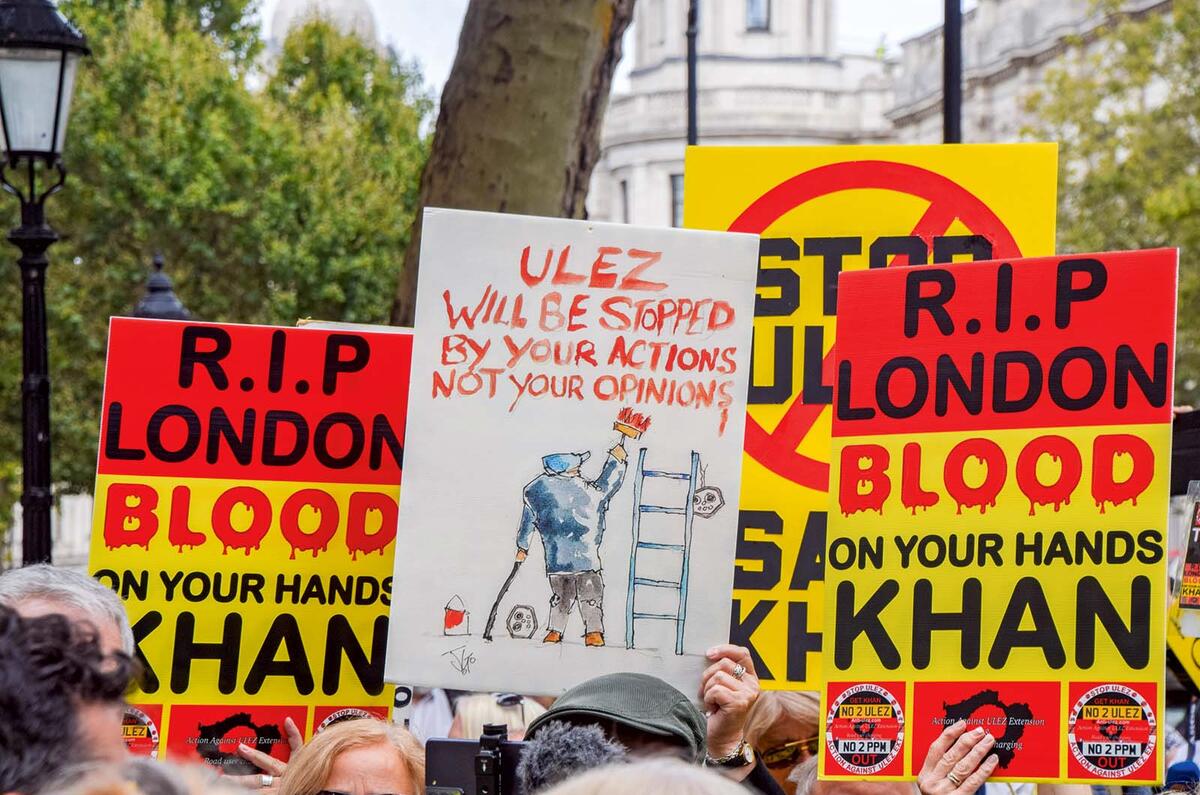
On 25 November 2022, day-to-day road use hit rock bottom for many drivers when London mayor Sadiq Khan announced plans to expand the city’s Ultra Low Emission Zone (ULEZ) from 29 August 2023.
In the run-up to the expansion’s introduction, voters choosing an MP to replace Boris Johnson in Uxbridge and South Ruislip on 20 July 2023 severely wounded the prospect of similar plans being implemented across the country after what became a ULEZ protest vote.
The parliamentary seat was expected to go to Labour, but the Conservatives campaigned heavily against the zone and scraped their way to victory.
Prime minister Rishi Sunak and Labour leader Sir Keir Starmer each recognised the significance. Conservative and Labour policy brains, mindful that a general election could be imminent, realised 42 million full driving licence holders was a lot of potentially hacked-off voters.
The perfect storm had been generated: drivers with non-compliant cars were without options because public transport was woefully inadequate; there were issues around road repairs, congestion, parking, EV charging, fuel prices…
Road users had had enough: Uxbridge and South Ruislip raised the flag. On 29 September 2023, the government declared the “war on drivers” was over.