
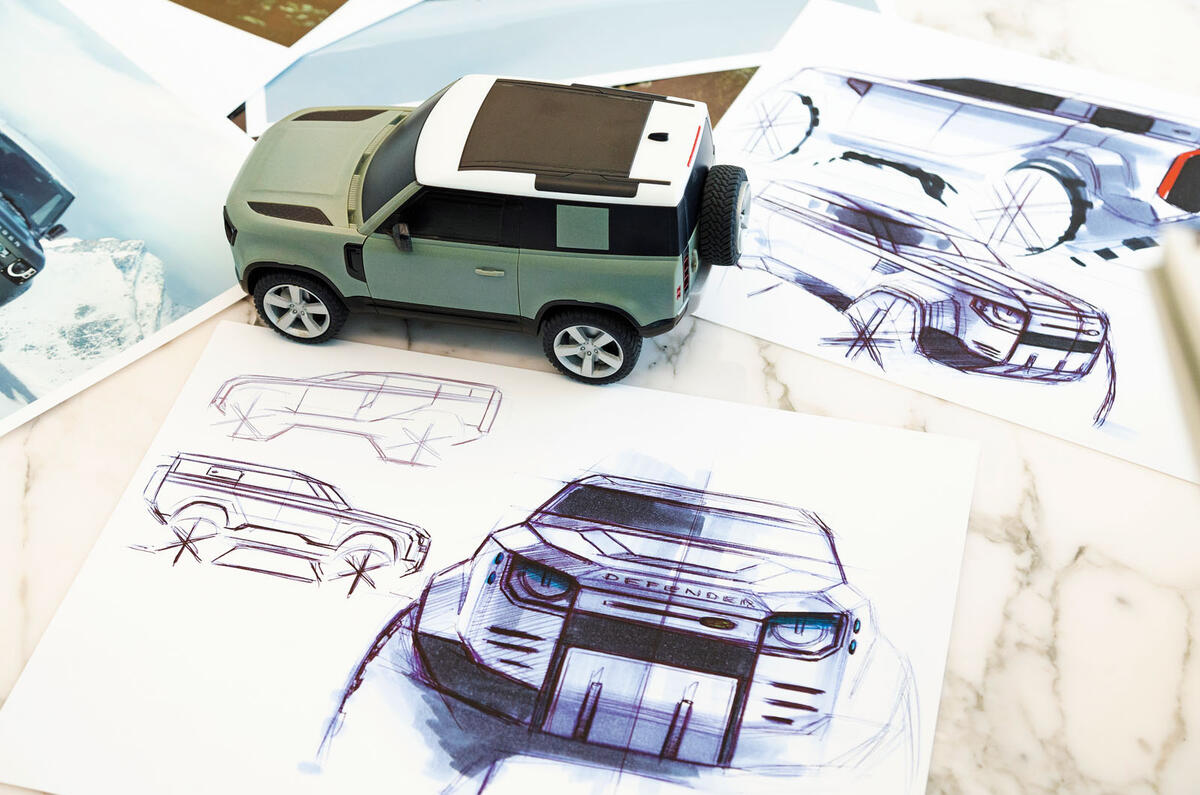
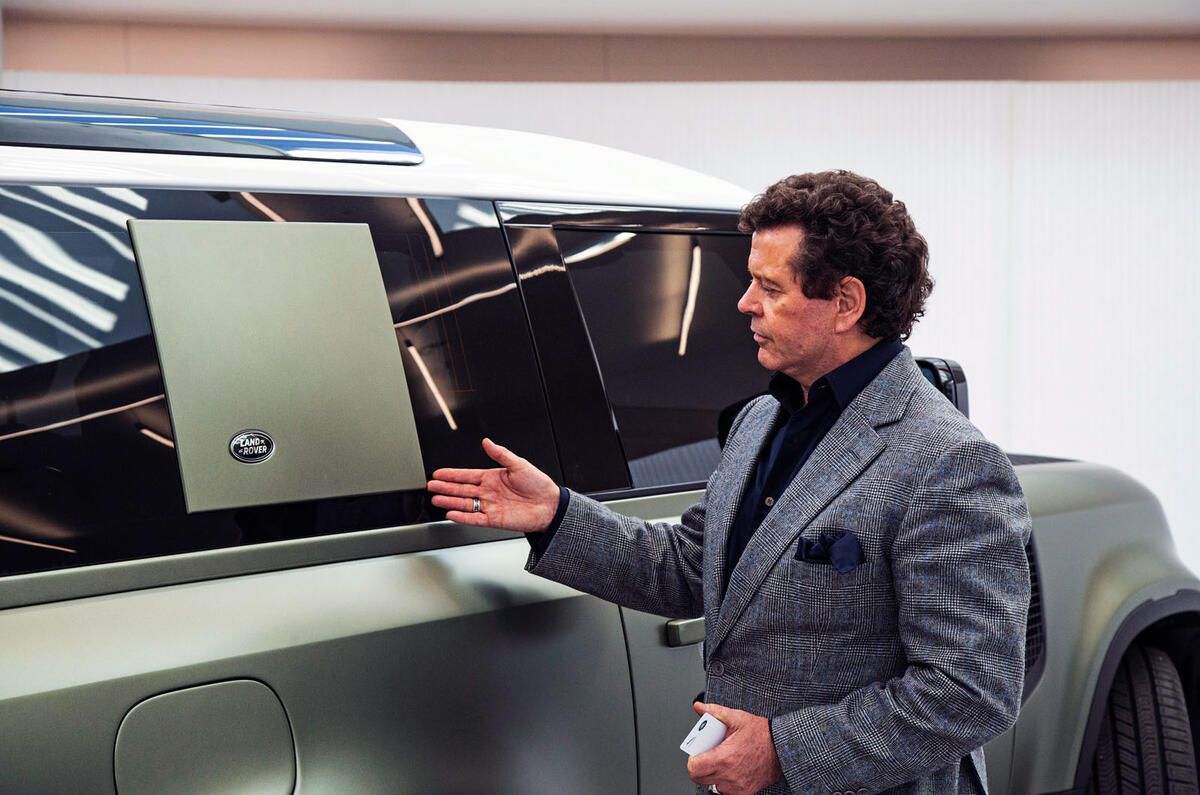

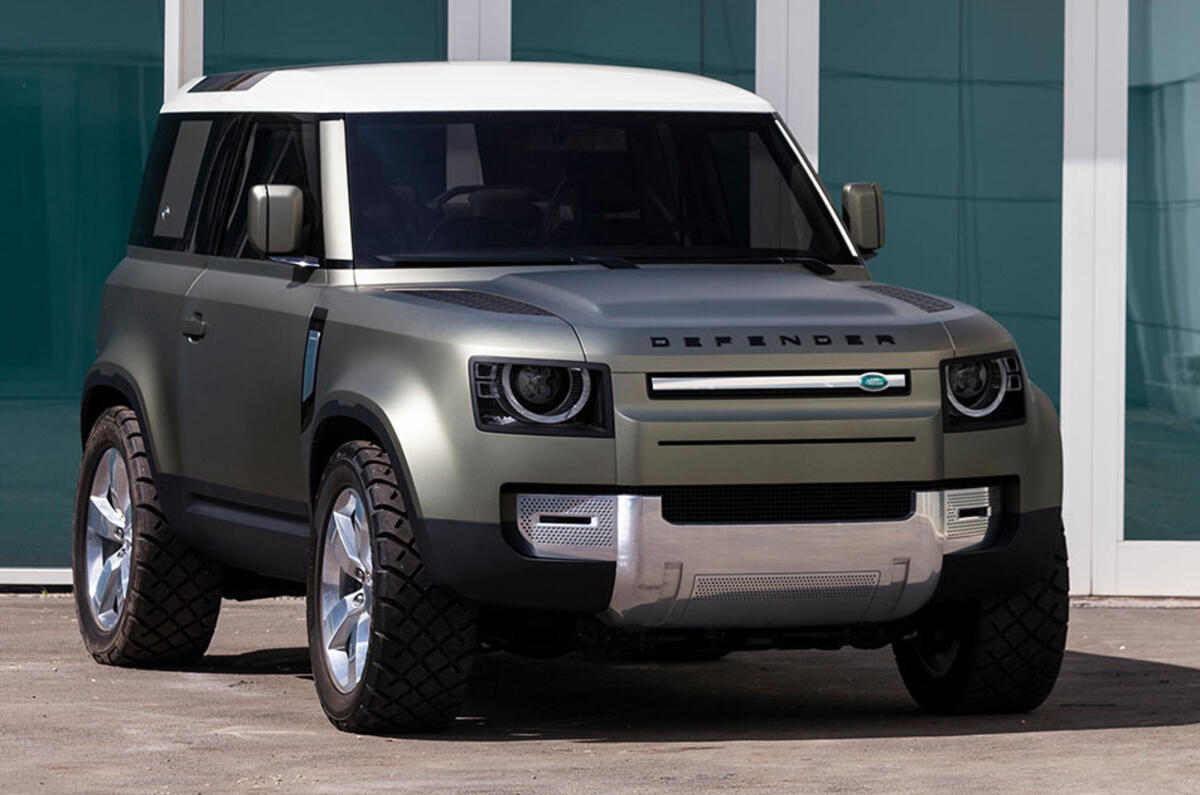
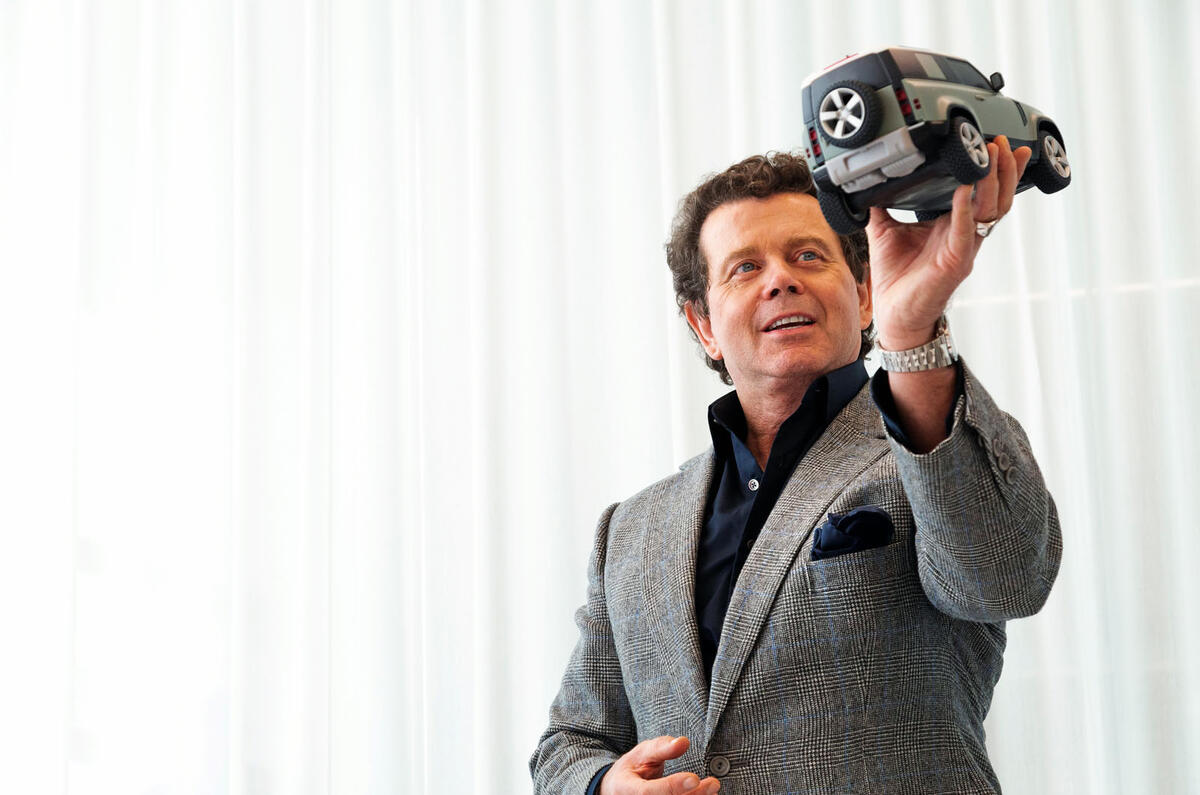
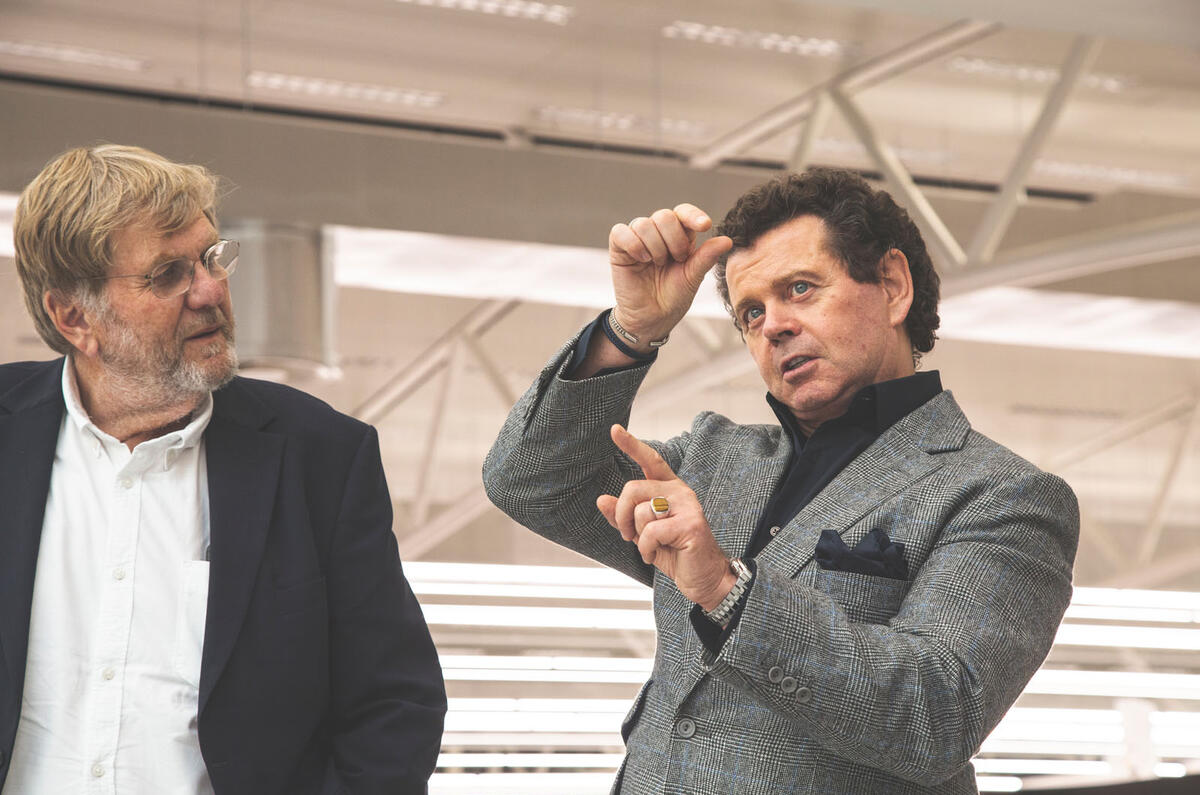
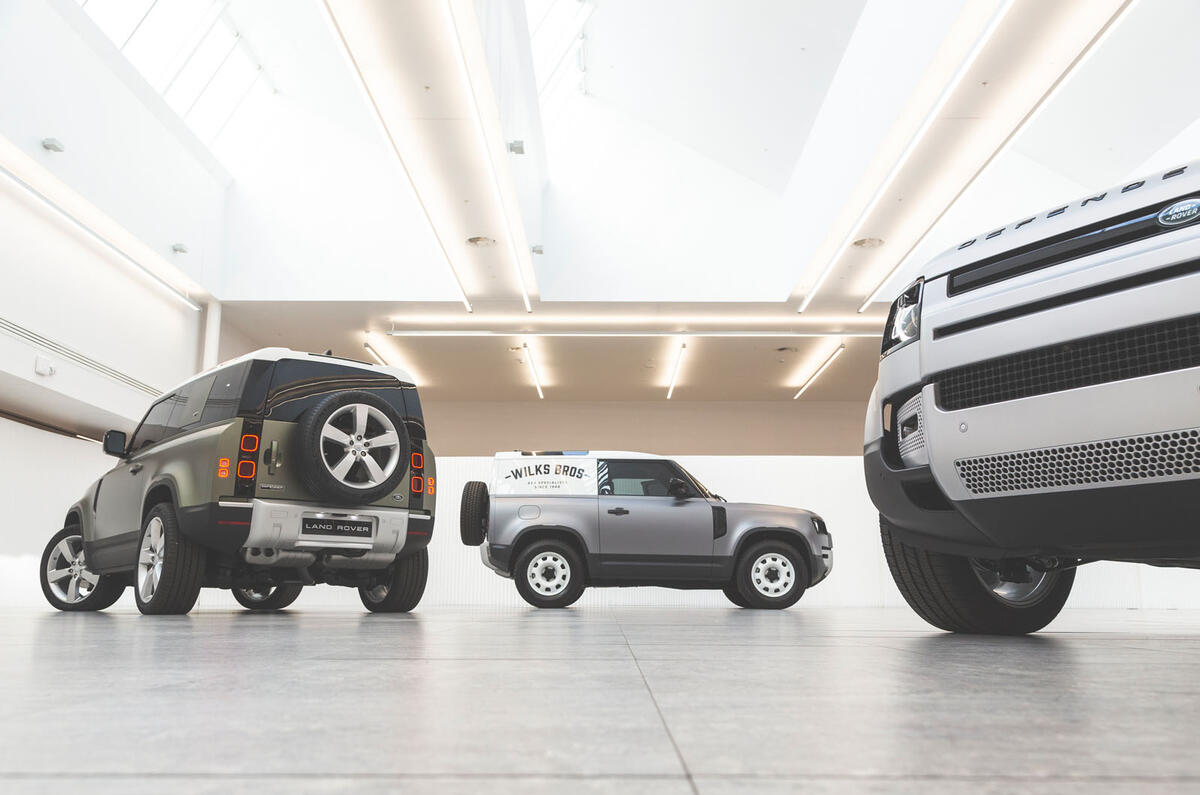












Gerry McGovern doesn’t believe in fairy tales. I’ve arrived in the Land Rover design director’s light and spacious Gaydon office desperate to hear the full, emotionally charged saga of how he and his design crew created a new Defender to replace the company’s 1948 icon – and the first comment he can offer is that it all happened “quite a long time ago”.
This is true, of course. One well-known fact about modern mass manufacture is that all the really important stuff about market positioning, major dimensions, mechanical layout and styling gets decided anything up to five years before a model hits production. Just the same, as the new Defender goes on sale this month for deliveries next spring, I’m desperate to hear as much sentimental stuff as McGovern can remember – especially about the mystical influence of a secret concept from 2015 called LR1, whose existence was never publicly shared…
Sixty-two-year-old McGovern affects a tough-guy persona that is both well rehearsed and anchored in reality: his favourite gym pursuit is boxing and he has biceps as thick as other people’s thighs. “People keep asking me if the new Defender is my legacy,” he says with more than a hint of weariness. “The answer’s no. I’m a professional designer and I’m always looking for the next project. As it happens, our next big job is the Range Rover replacement and that’s just about done and dusted…”
Luckily, beyond the bravura display of toughness he has been cultivating all his design life – no doubt as a way of prevailing against engineers and bosses who might otherwise seek to limit the flights of his design fancy – McGovern reverts to what he really is: one of the UK’s great design leaders with a rare and sophisticated eye for beauty in cars, even when they must be tall and boxy.
His powerful influence has shaped most Land Rovers and Range Rovers of the past 25 years (this despite a five-year period working at Lincoln-Mercury in the US), but he doesn’t yearn for the sketchpad the way other design bosses purport to do. “We have a fantastic design team,” he explains. “My job is to edit every detail of what we do. I’ll be in the studio after everyone’s gone home, seeing what works and what doesn’t.”