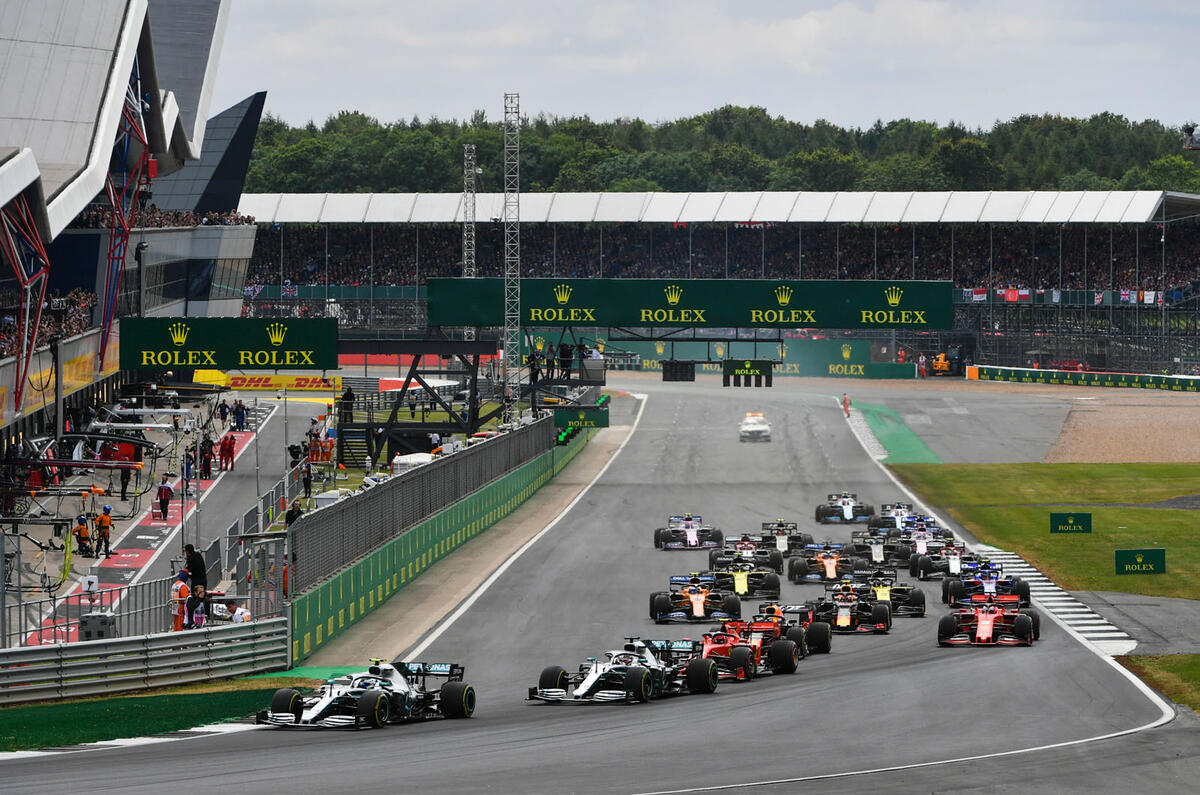
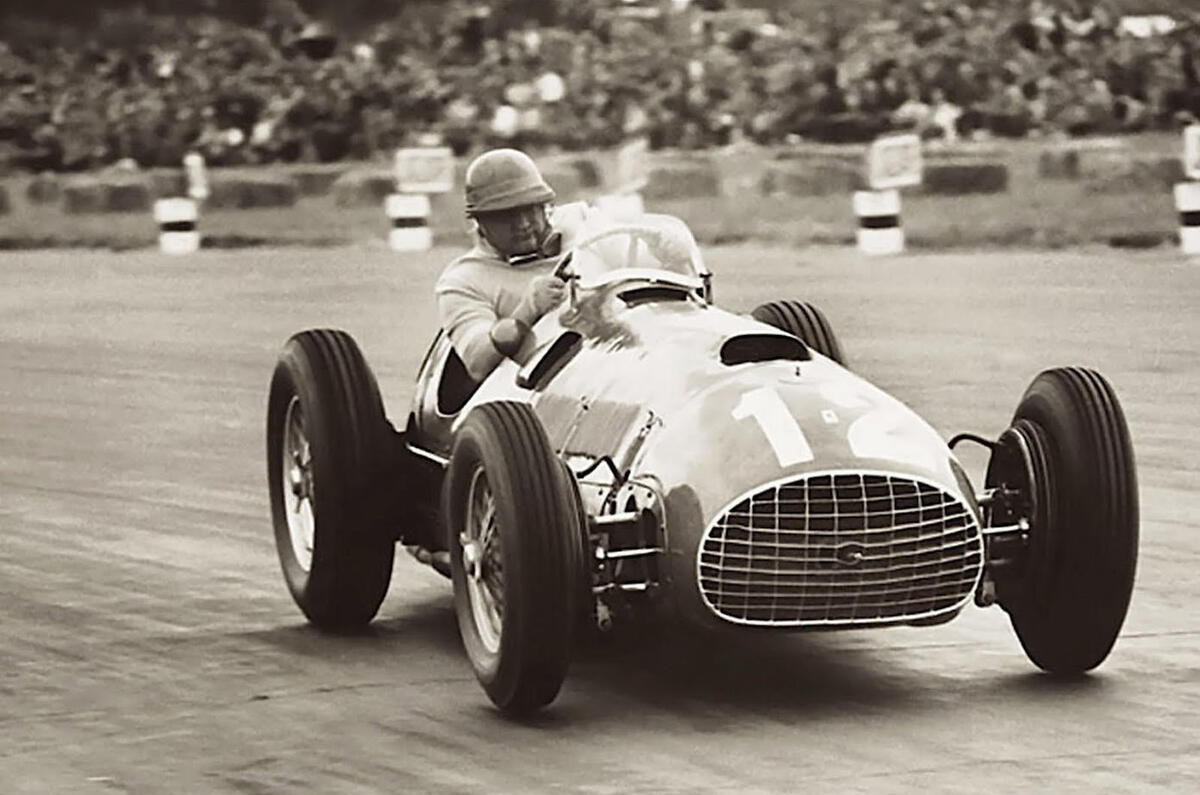
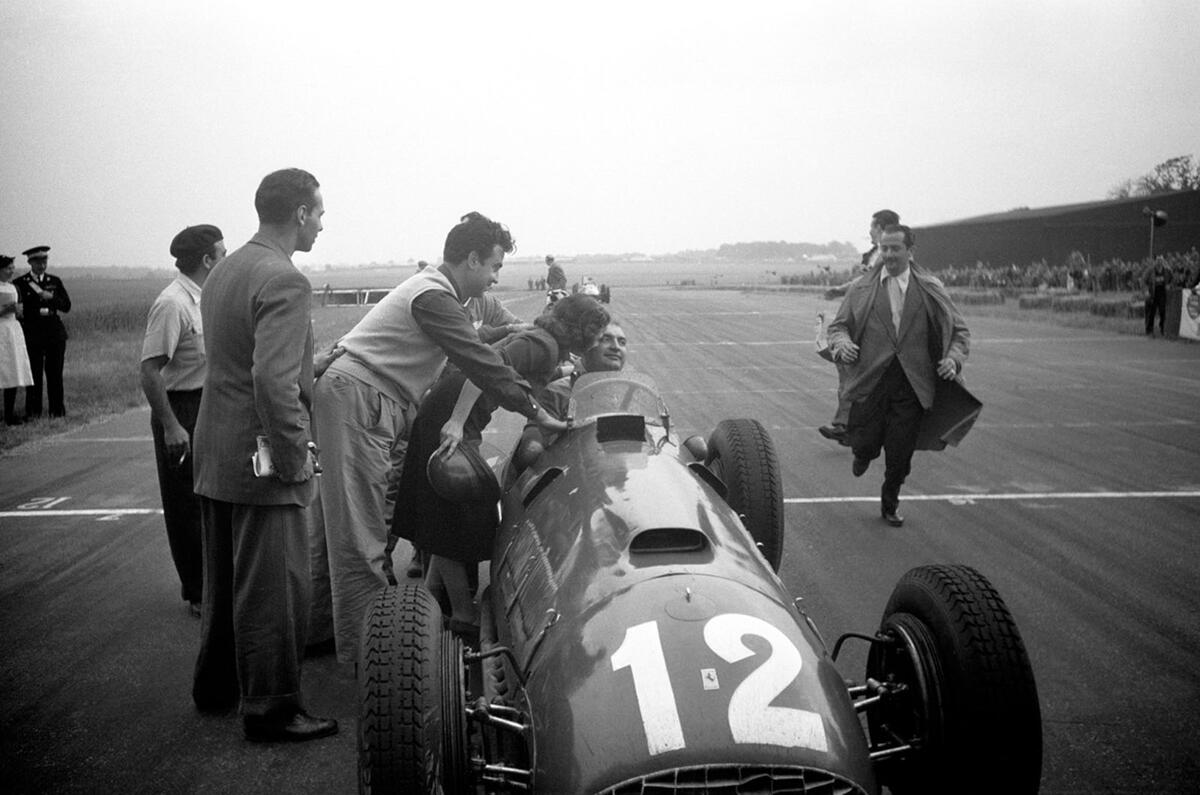

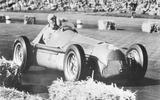
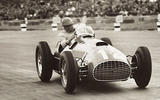
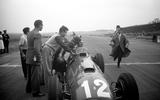
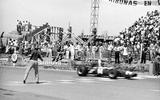
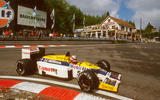
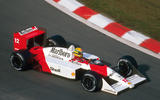
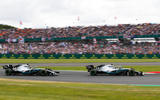

Seventy years ago this week, on 13 May 1950, a field of 21 disparate racing cars were fired up at Silverstone, setting off in a roar of engine noise and a cloud of exhaust smoke at the start of the British Grand Prix – and a new era of motorsport.
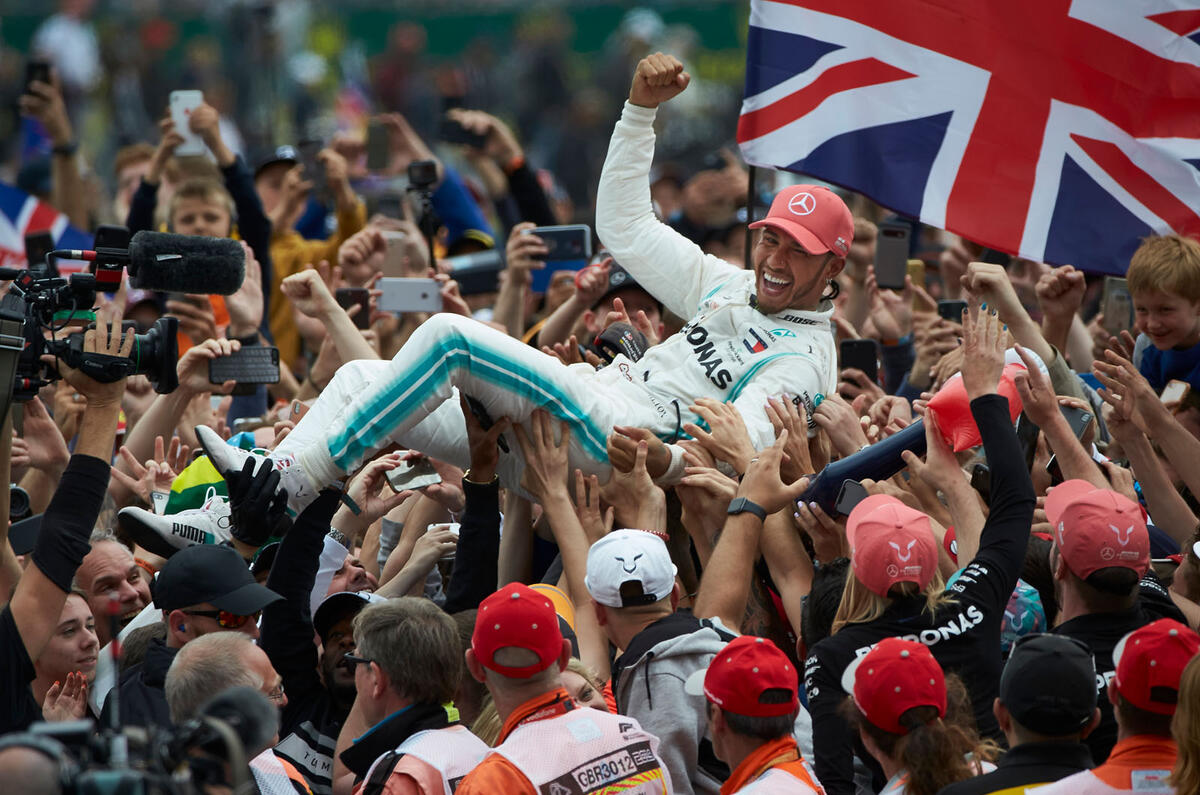
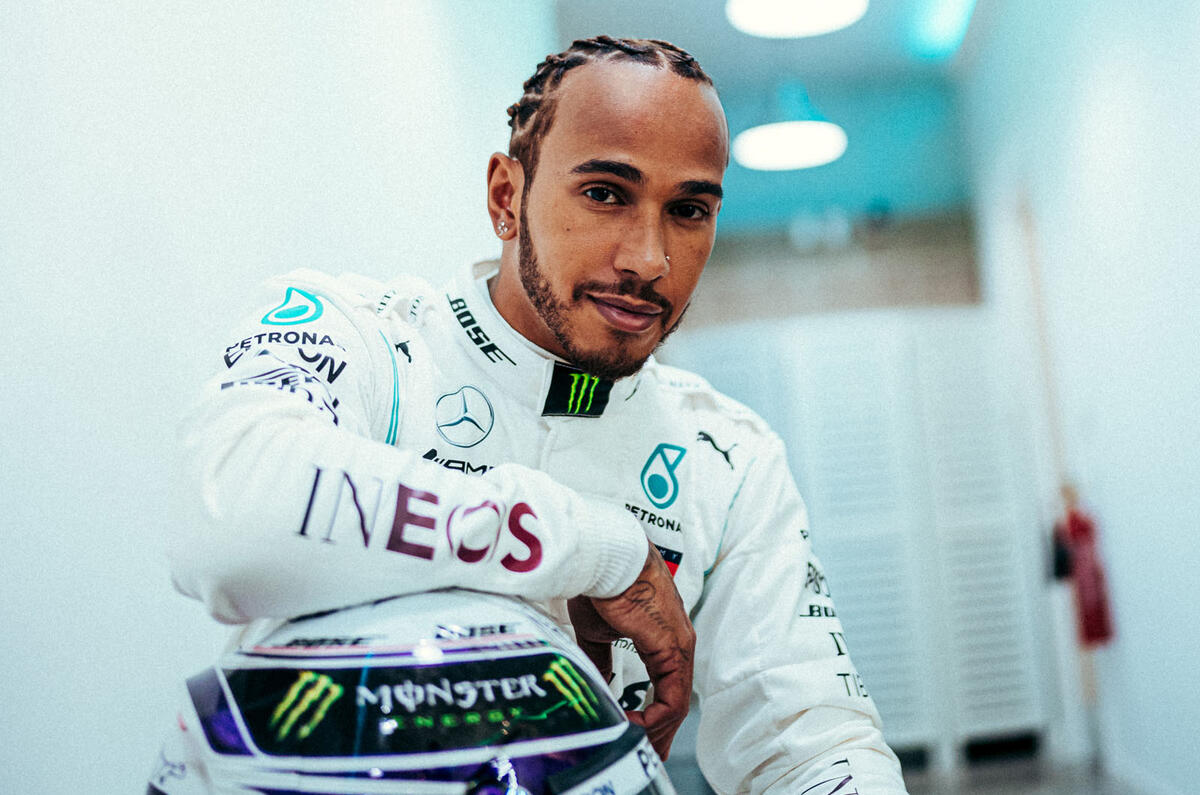
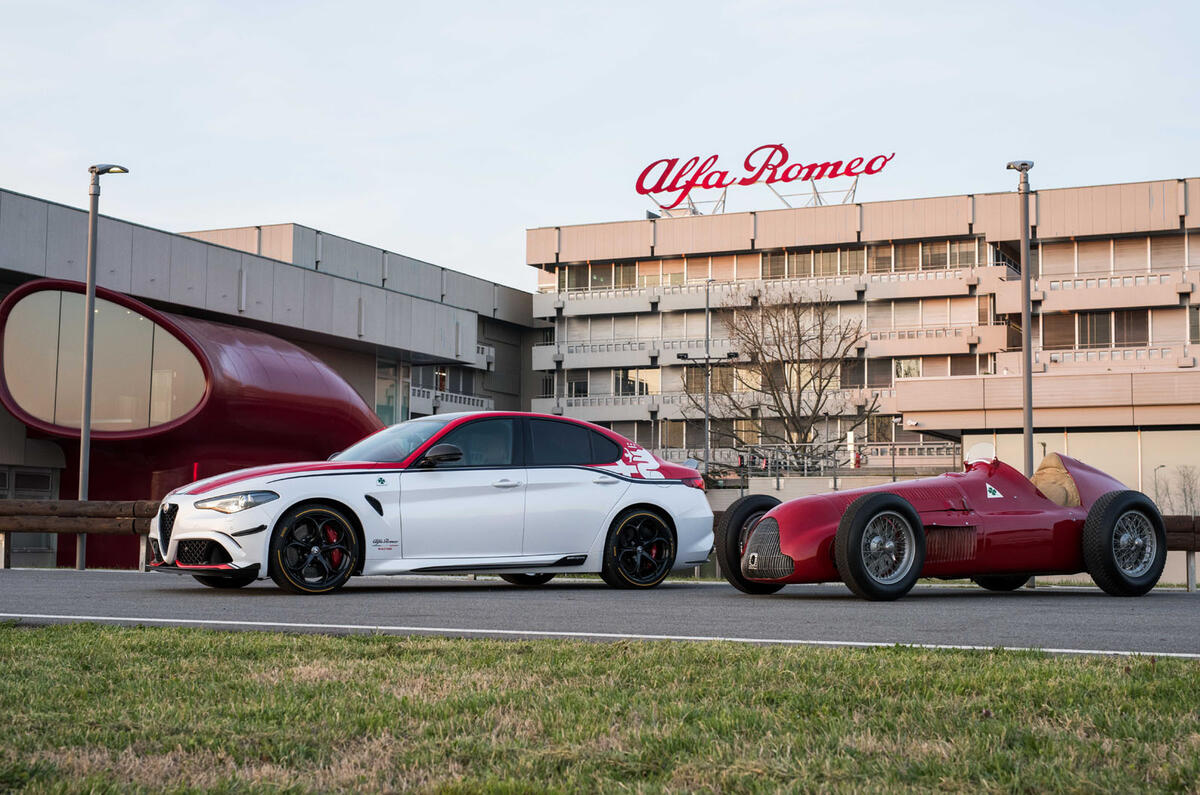
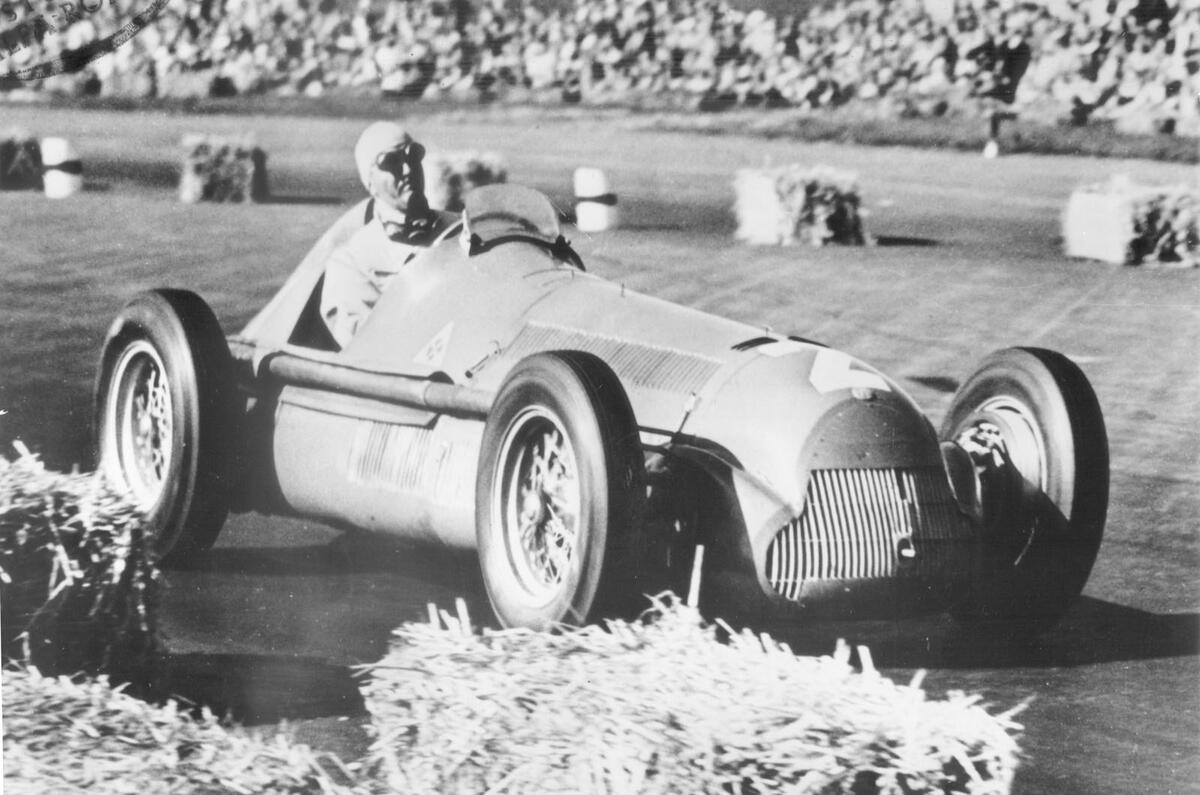
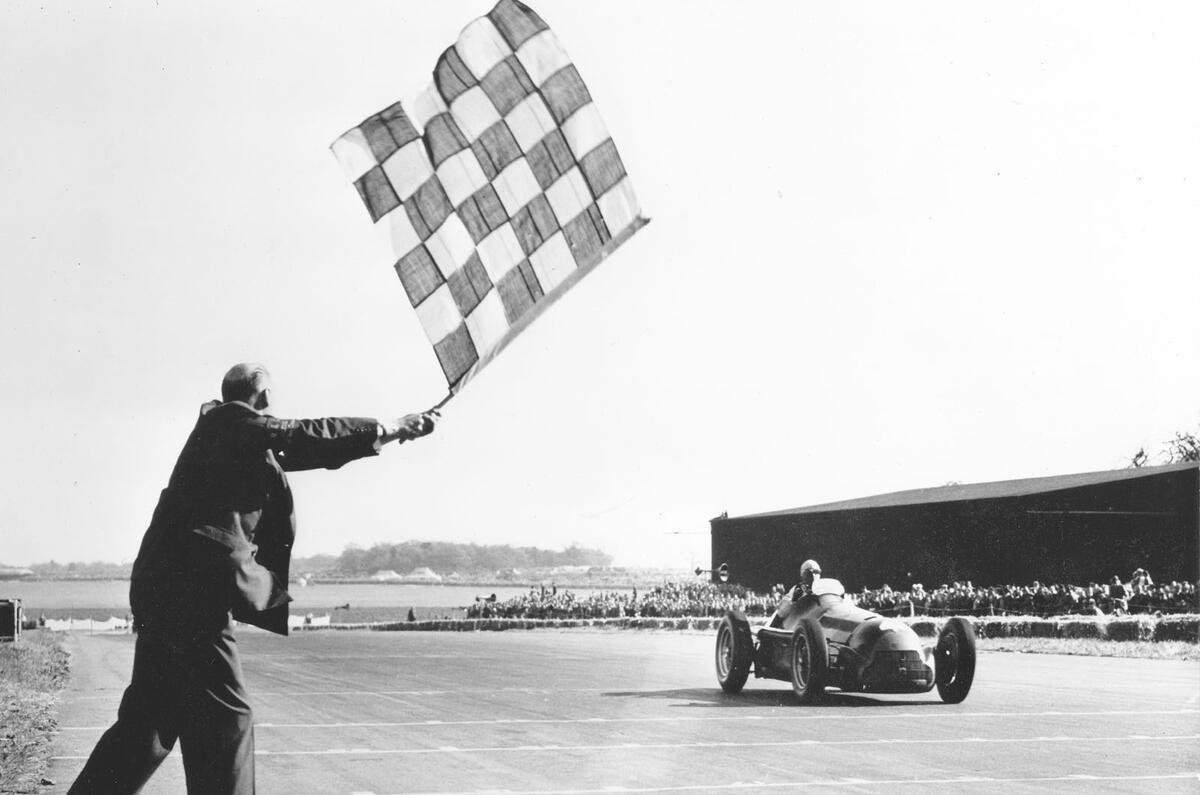
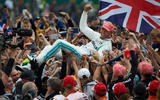
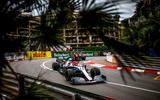
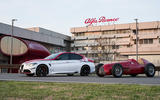
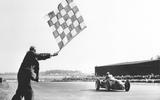
When Giuseppe Farina crossed the finish line in his 13-year-old Alfa Romeo 158 after two hours, 13 minutes and 23 seconds, the 43-year-old Italian secured victory in the first round of the inaugural Formula 1 World Championship for Drivers. It was the first of three wins from seven points-scoring events that would make Farina the first winner of the title that’s currently held by Lewis Hamilton.
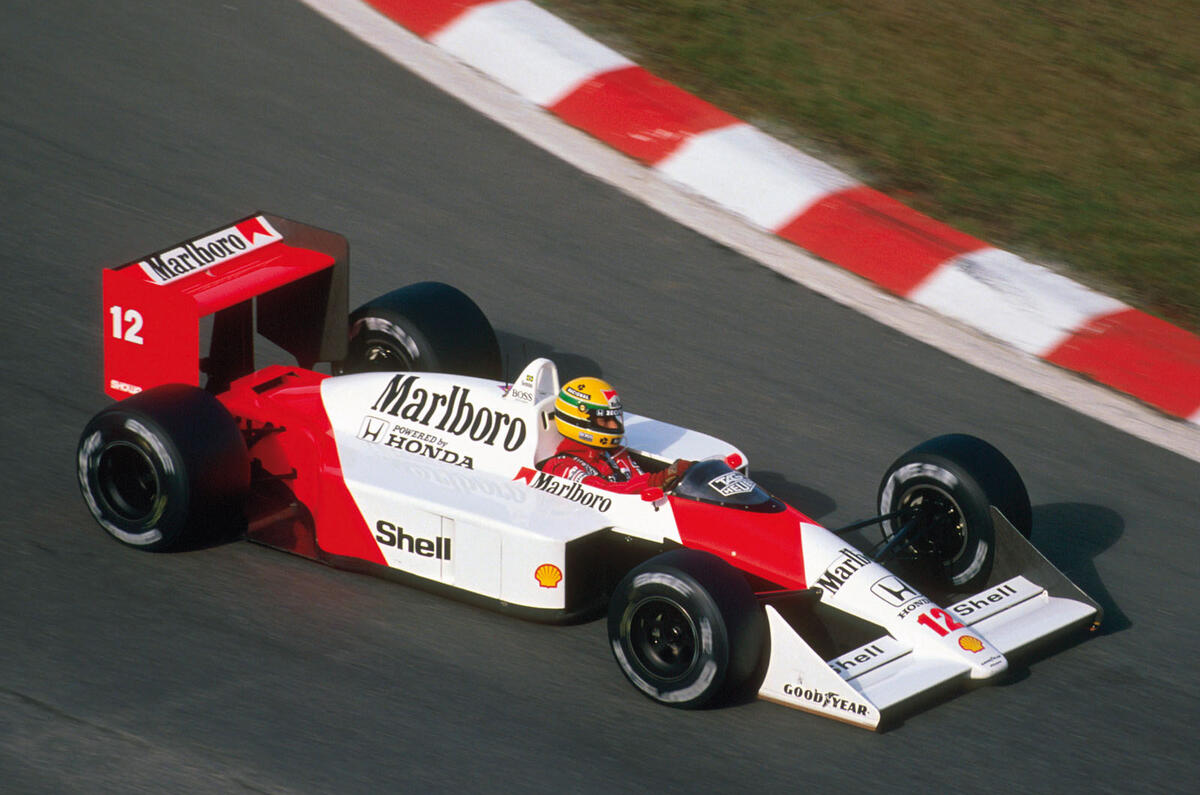
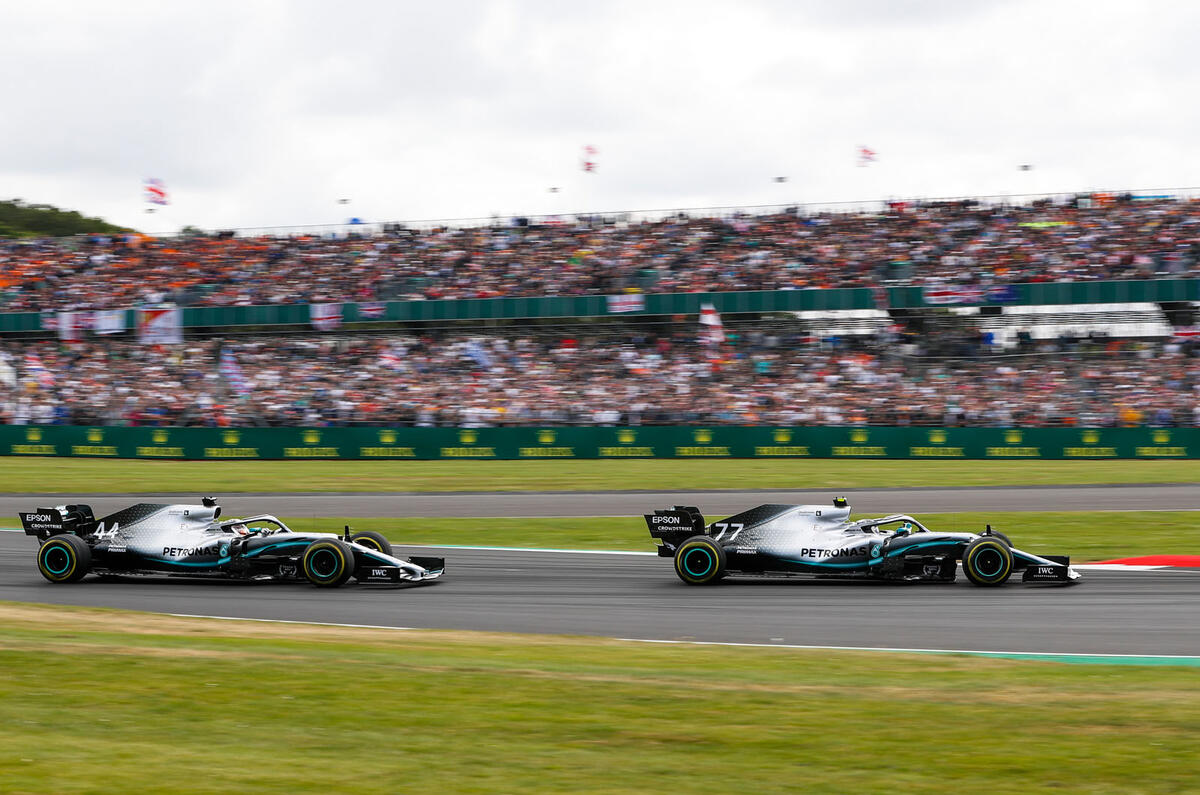
Of course, a lot has changed in the seven decades between Farina’s win at Silverstone and Hamilton’s most recent title. Early F1 machines weren’t cutting-edge technological marvels but pre-war racers that had been dusted down and lightly modified. The Silverstone that hosted the 1950 race wasn’t a world-class facility but a bleak, abandoned RAF airfield with a circuit marked out by straw bales and rope. And 120,000 fans crammed into the venue, something that seems positively unthinkable at this stage of 2020…
But look closer and you’ll find that a lot hasn’t changed. The grid even then featured the greatest drivers of the era. The cars, while ageing, were the fastest and most spectacular racing machines in the world. And those 120,000 caused massive traffic jams heading into and out of Silverstone.

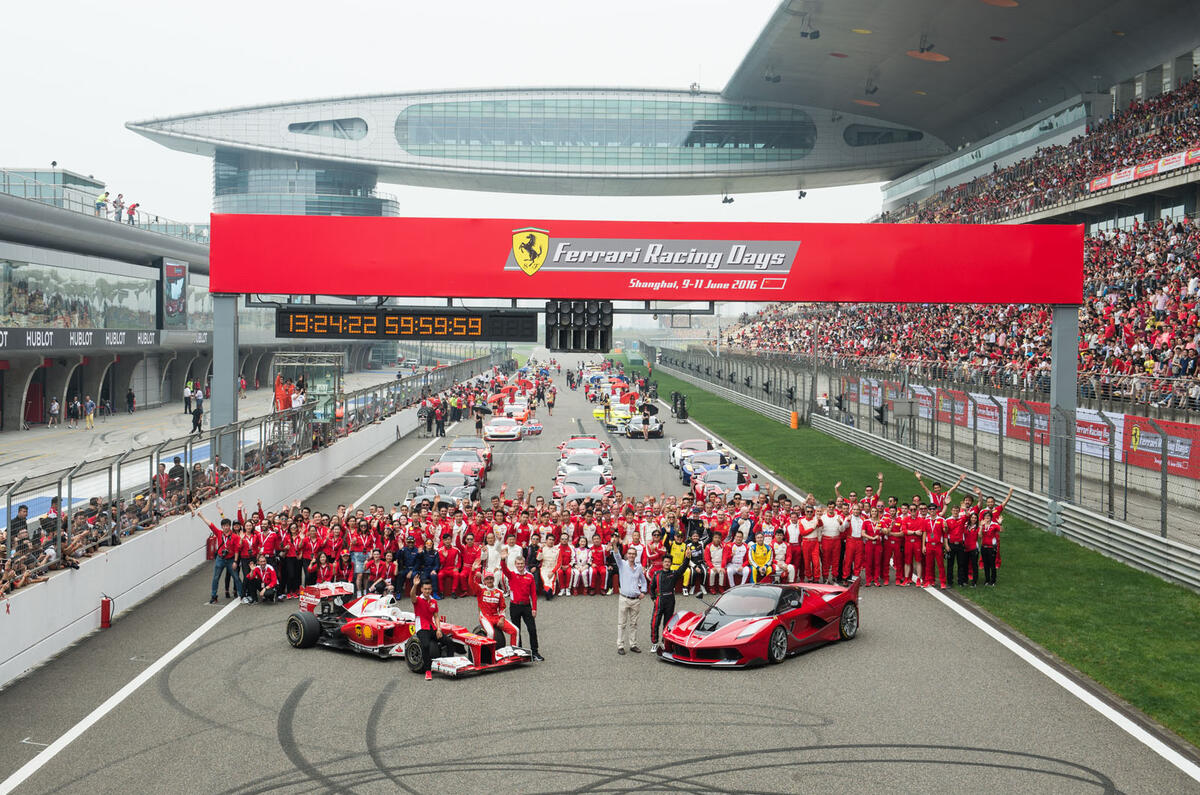
Most significantly, the grid mixed plucky independent British teams and well-funded manufacturers – Alfa Romeo, Maserati and Talbot-Lago in this case. And, as in the current age, it was those manufacturers, happy to spend money freely and exert their influence to bend the sport to their needs, that dominated. Heck, Ferrari even boycotted the race in a row over the prize fund; 70 years later, the Scuderia is still squabbling with officials over money.