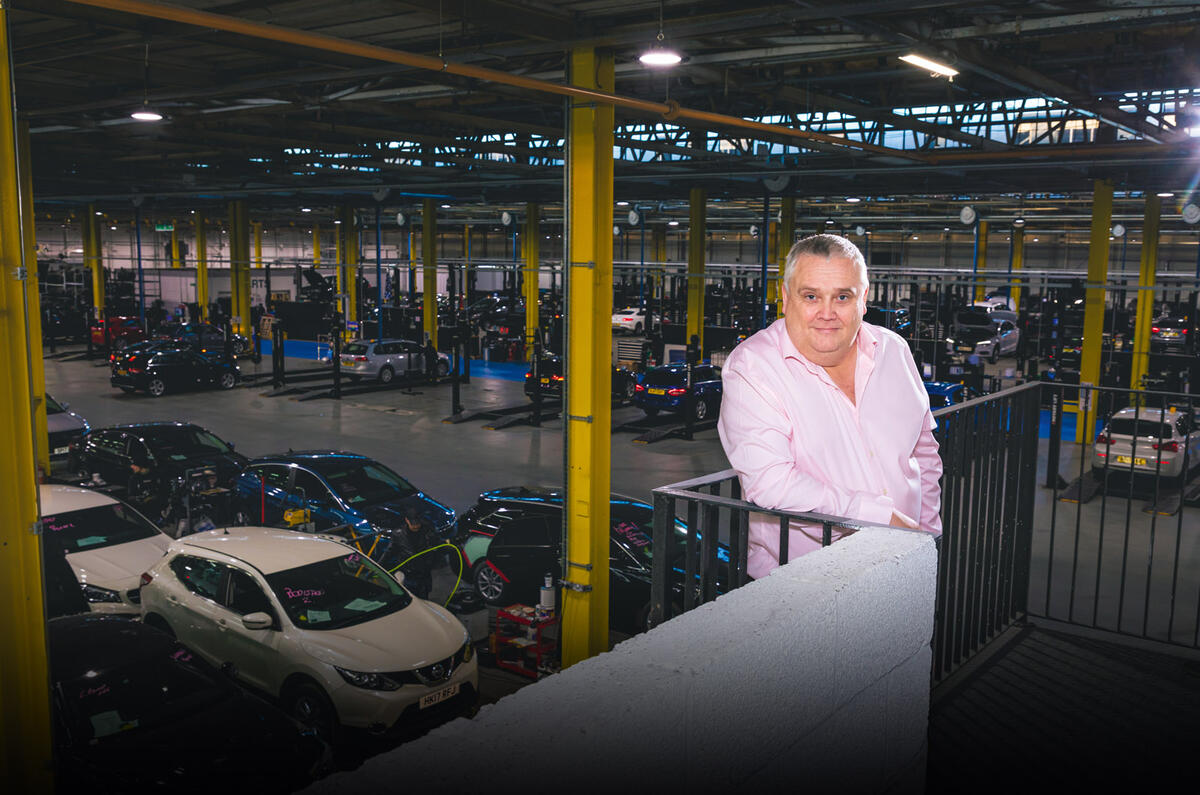

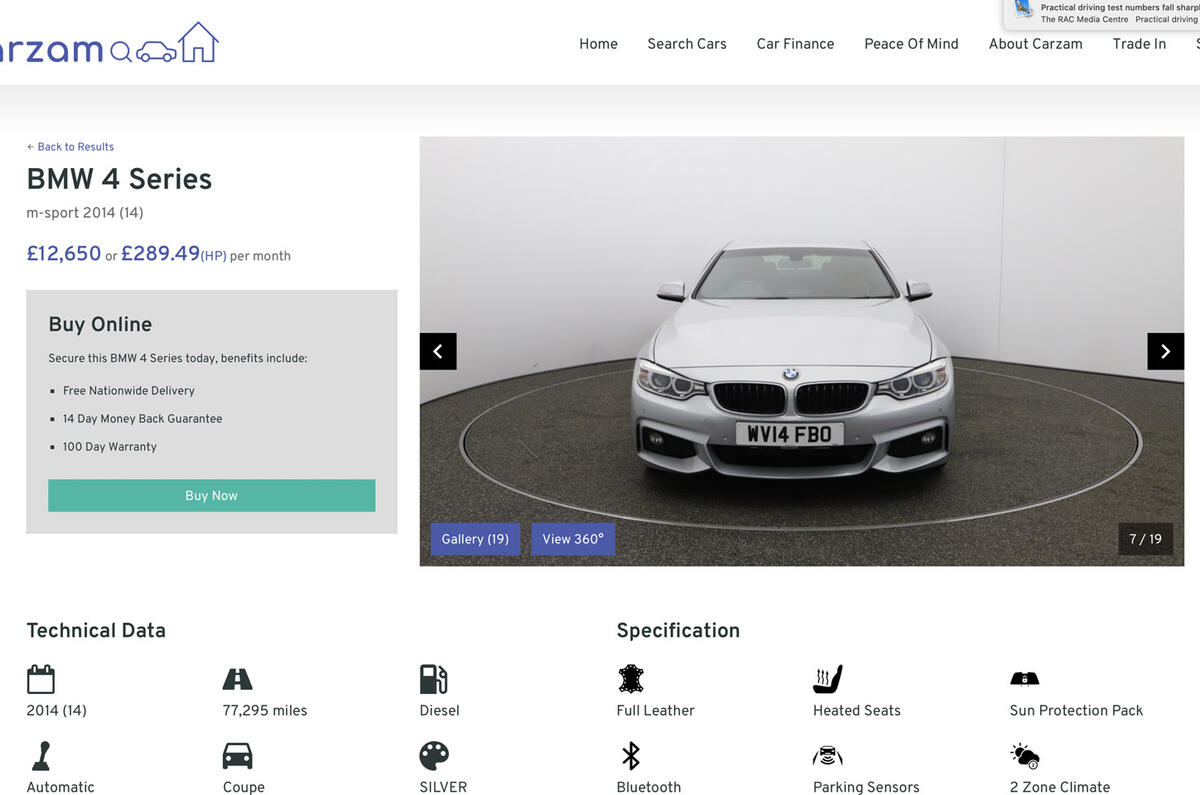








I’m supposed to be doing the interview, but the second I sit down in his office, Peter Waddell, a co-founder of Carzam, the online car supermarket that was launched in December, starts grilling me on my experience of buying one of his cars. Offence being the best defence, I blurt out that as a used car buyer, I prefer to see a car warts and all rather than, as Carzam does, preparing it so that it looks like new. Who knows what sins his company has brushed under the carpet?
Waddell promptly launches a blistering attack on a rival online supermarket that does exactly what I’m suggesting. “They don’t bother fixing dents and scratches. They just show them to you!” he exclaims, pointing to a used car on its website with all its blemishes circled. “That’s not good enough.” Warming to his theme, he declares that unlike other online car supermarkets that are owned by auction groups or backed by City investors, Carzam is self-funded (to the tune of £50 million, I’ve read).
Lest I doubt the depth of his pockets, he types his personal address into the computer and a moment later I’m gazing slack-jawed at a picture of his home, near London. It’s one of the grandest I’ve ever seen. His helicopter is parked on the sweeping lawn. Out of sight is a car collection that includes two Bugattis. I guess that if he’s happy to show off his house, he won’t mind me asking what he’s worth. “£800 million,” he says, adding that as well as from car sales (he owns a number of car dealerships, including Big Motoring World Group), his wealth comes from property investments and construction.

I’ve never known a businessman be so open about their wealth or so bullishly dismissive of rivals, but if I think the show’s over, I’ve not counted on the finale. Waddell rolls back the sleeves of his shirt. “See these scars,” he asks me, pointing to the ugly wounds on his fingers, hands and forearms. “My mother did those when I was a lad, which is why I was taken into care. I’m a Barnardo’s Boy.”