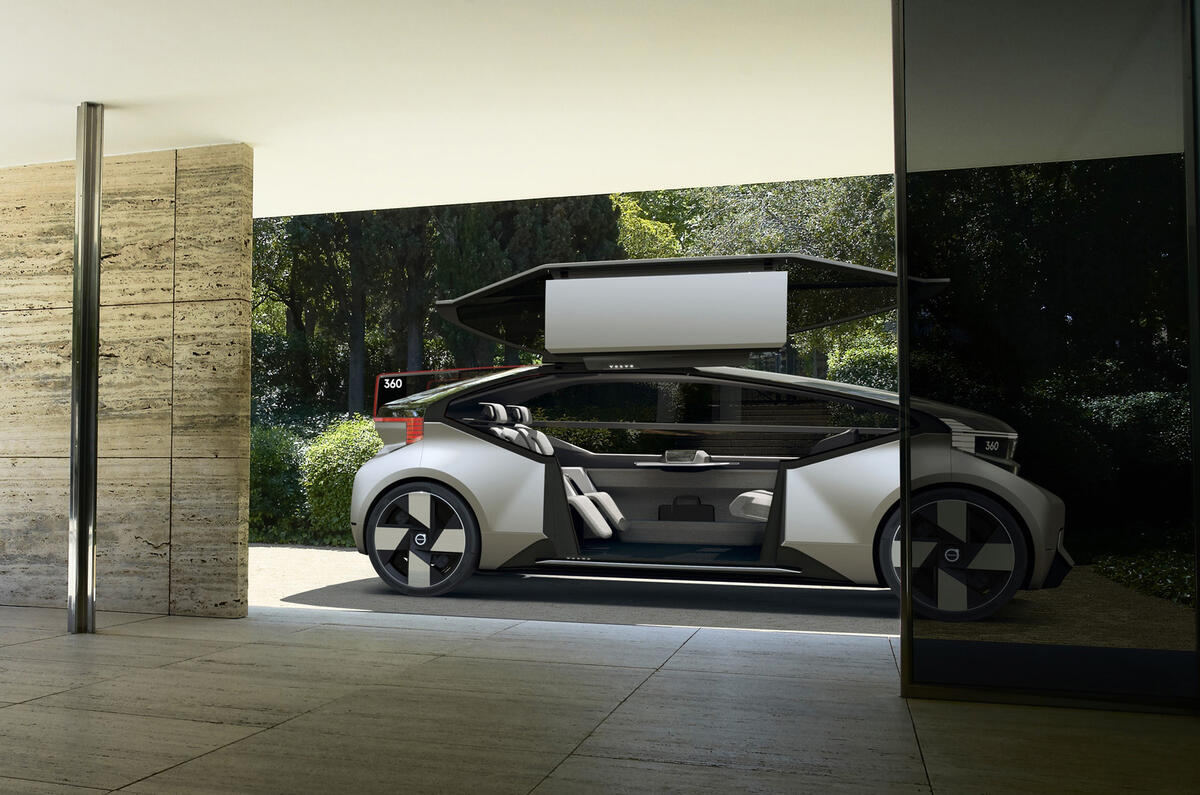
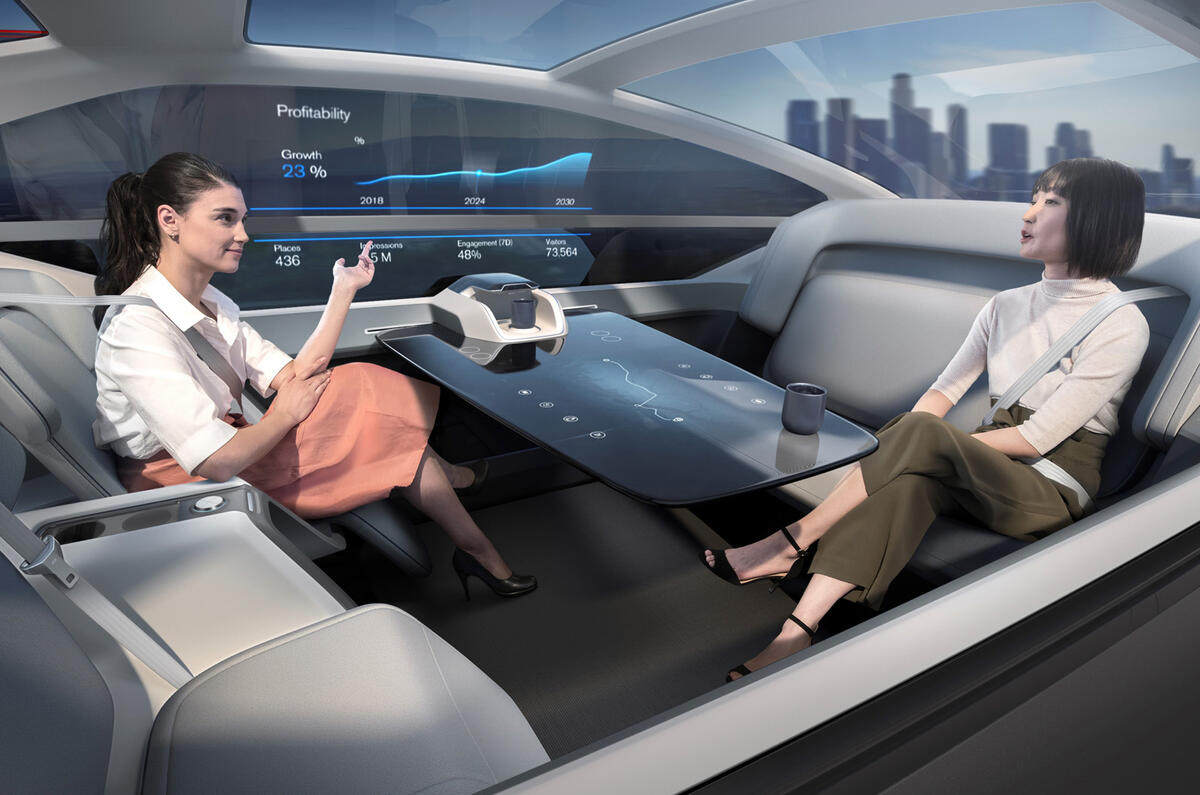
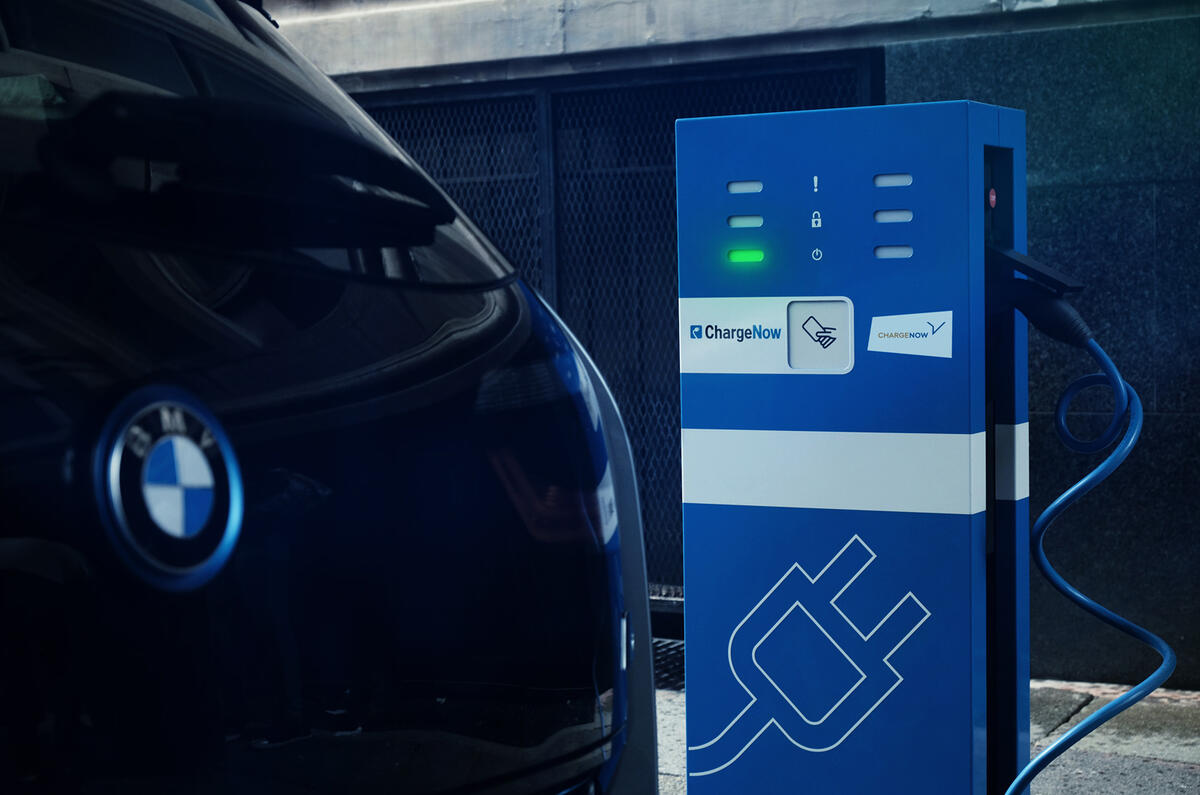
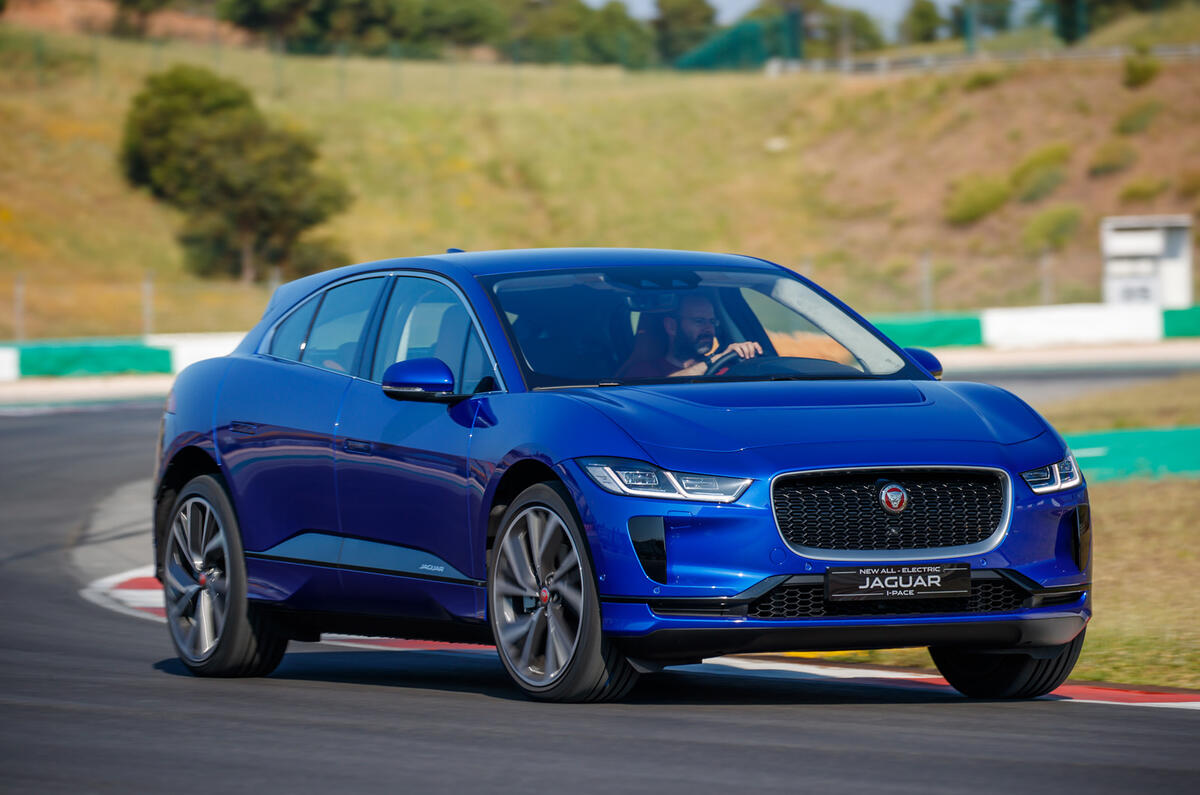
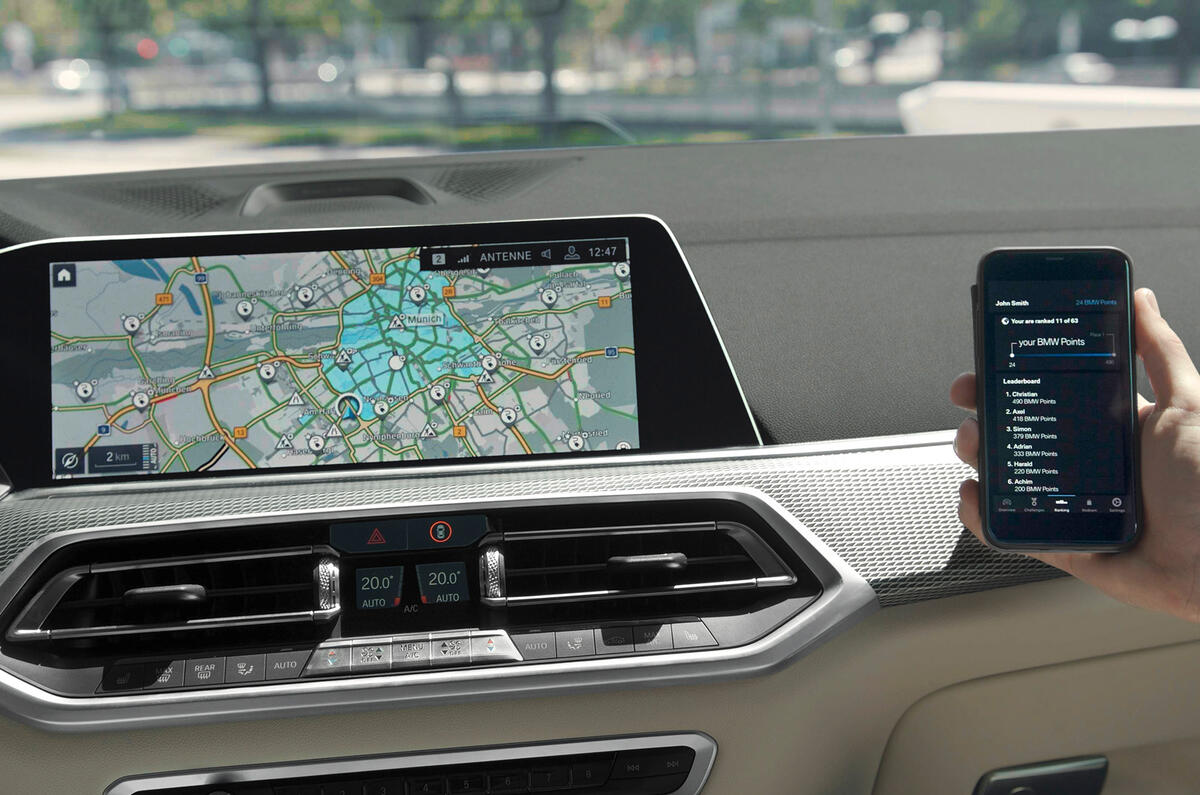
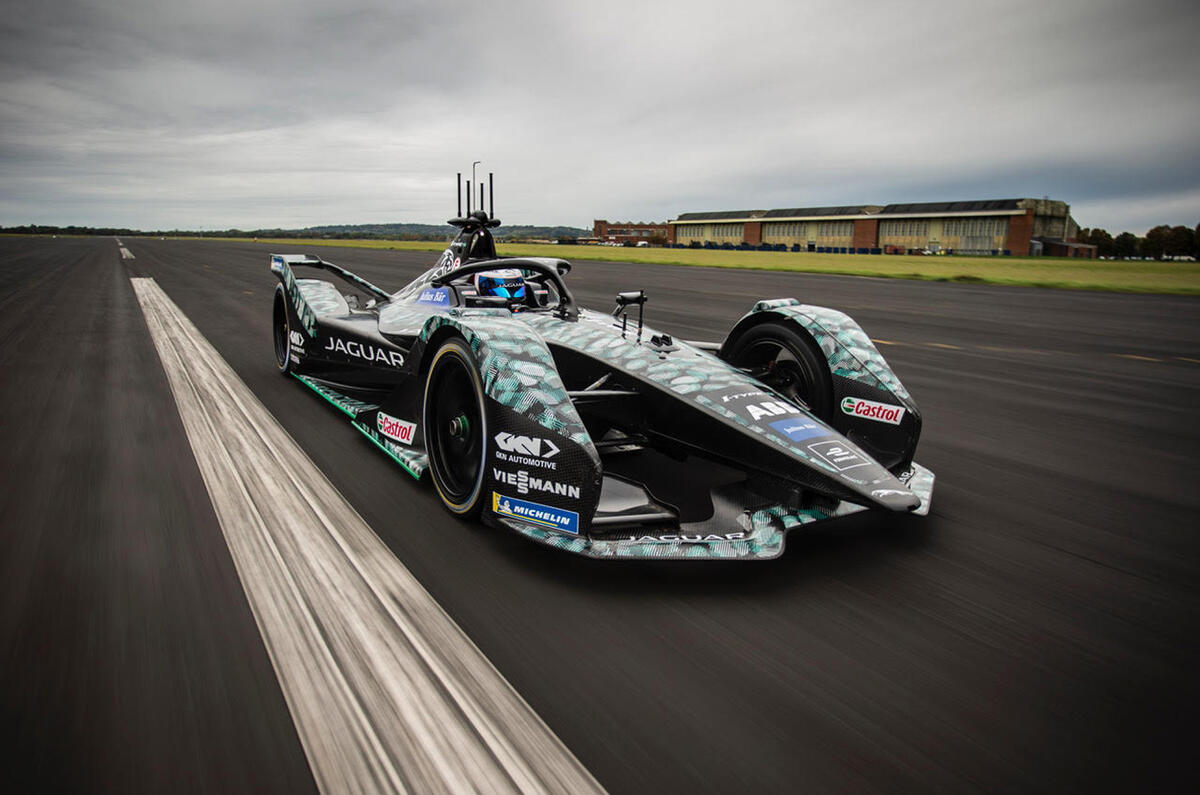










When contemplating the car’s future, we tend to concentrate on the buzz subjects about which we have talked for some years: electrification, connectivity, car sharing and autonomy. They’re vital topics: working together they promise greater efficiency, safety and convenience than we’ve yet known.
But there are more surprising, less publicised matters heading for radical change, too. In the brave new tomorrow, what will happen to conventional car ownership, for instance? Or insurance costs? Or the simple enjoyment of classic car ownership? Will we still be able to drive freely on the road and obtain (or afford) the fuel we need? Will the fossil-fuel cars we decide to retain attract more punitive taxes than before? One of the fascinations of studying Autocar’s past quarter-century is knowing that all of the above matters – and many more – will be decided before we’re even halfway through the next.
If all new cars are required to be electric from 2035 or sooner, as seems overwhelmingly likely, many of the above decisions will have to be made within the next 10 years. It makes Autocar’s next few years about as different as they could be from the benign and comparatively unchanging period through which we have just lived. Testing times are coming. Here are some of the key points at issue.
Autonomous driving
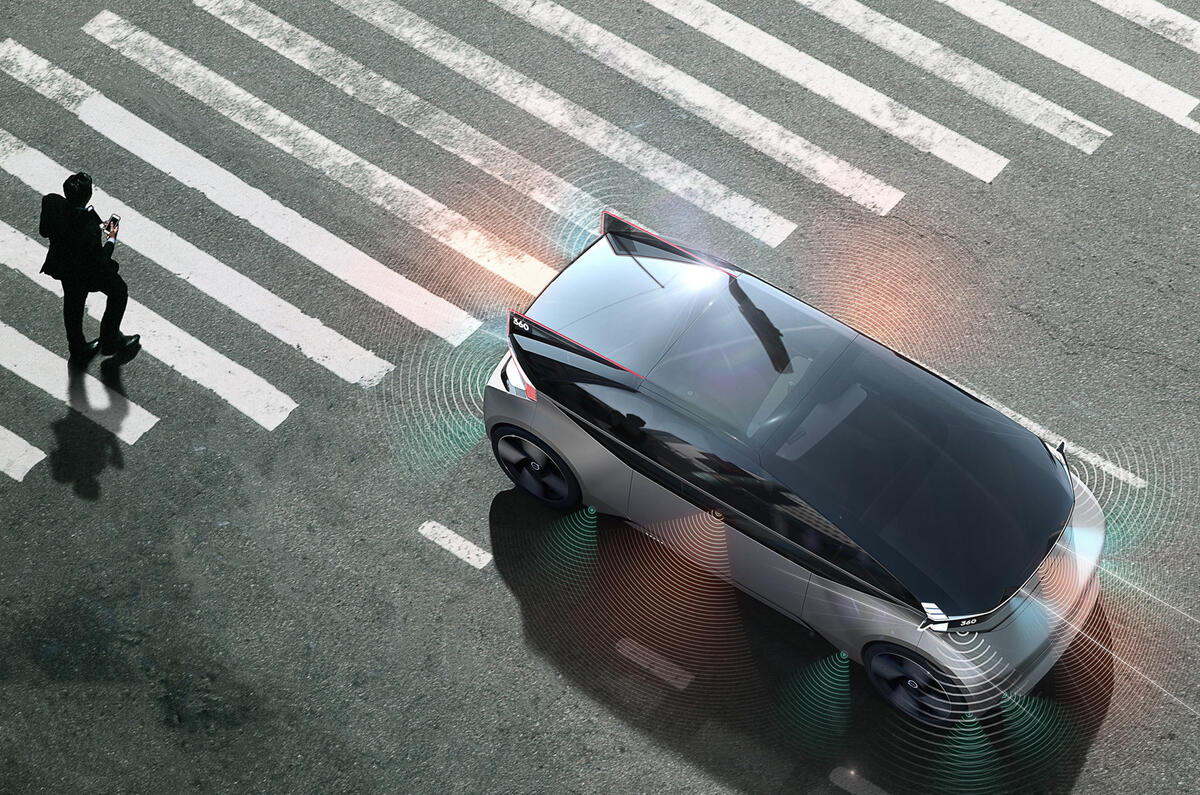
Don’t ask if it’s coming; it’s already here. Lots of cars can drive down a motorway at a controlled speed between the boundaries of a lane. The difficulty is – and will remain – how to deliver full, safe, hands-off driving in all weather, traffic, light and location conditions. Latest guidance seems to be that Level 4 autonomous driving is very difficult to achieve and the top-tier full Level 5 at least a decade away. Then the issue becomes integration: when it comes, how will it fit into the world of the cars we already have?