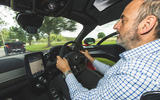

Perhaps the single most remarkable thing about The Autocar (as it was then) conducting and publishing the world’s first road test back in 1928 is that neither we, nor anyone else, didn’t do it a hell of a lot sooner than that.
By 1928, the car as we know it was more than 40 years old, for goodness’ sake.
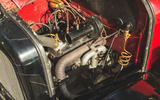
The first cars were 19th-century horseless carriages built at colossal expense as amusing playthings for the rich and brave and fitted with solid tyres, tiller steering and total-loss lubrication where oil was essentially poured from tank to ground via the insides of the engine. Yet there was still enough interest in them that in 1895 Henry Sturmey deemed demand to be sufficient for “a journal published in the interests of the mechanically propelled road carriage”. Yet it still took The Autocar 33 years to get around to actually applying sufficient rigour to its assessments to call them ‘road tests’.
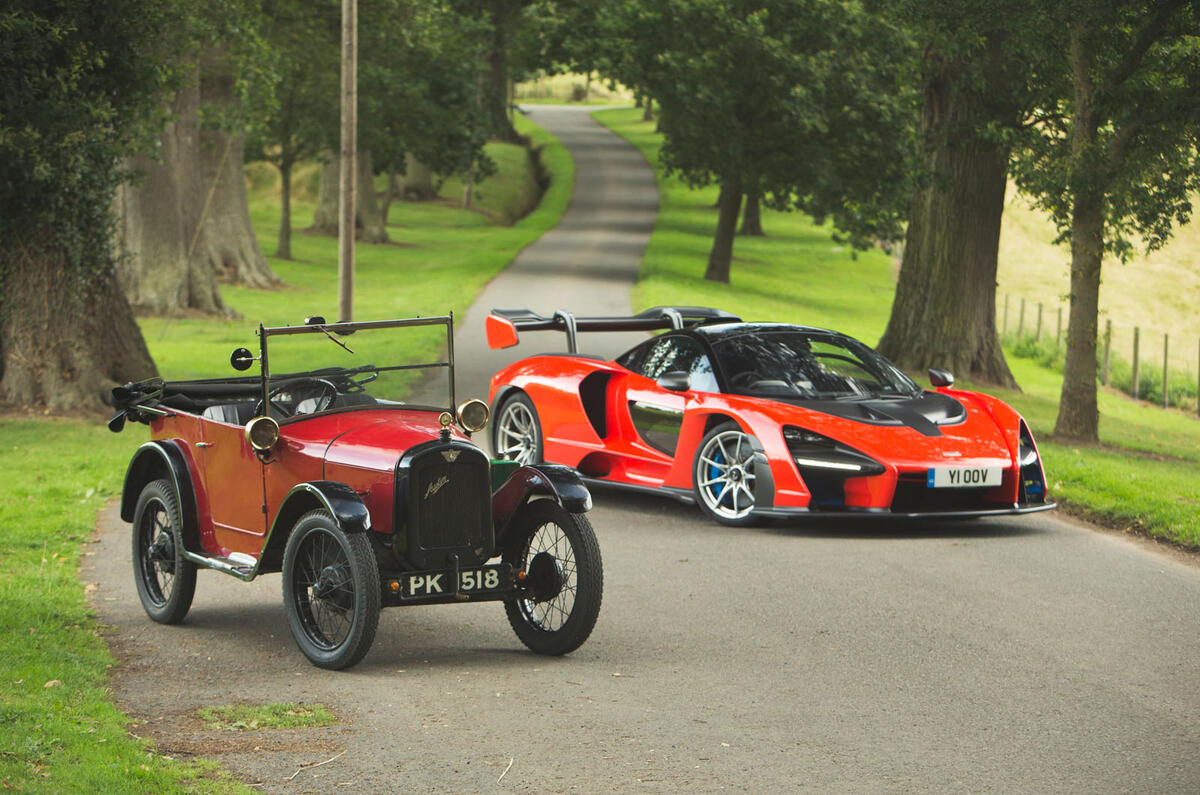
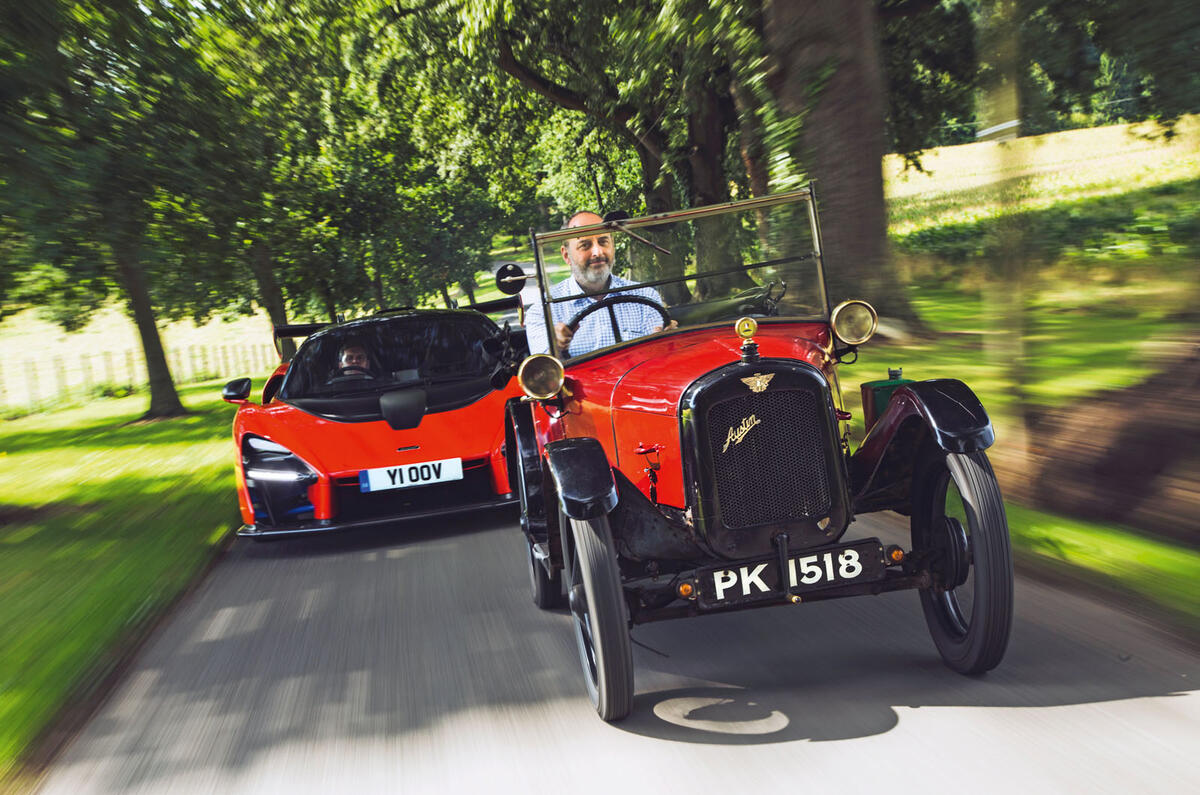
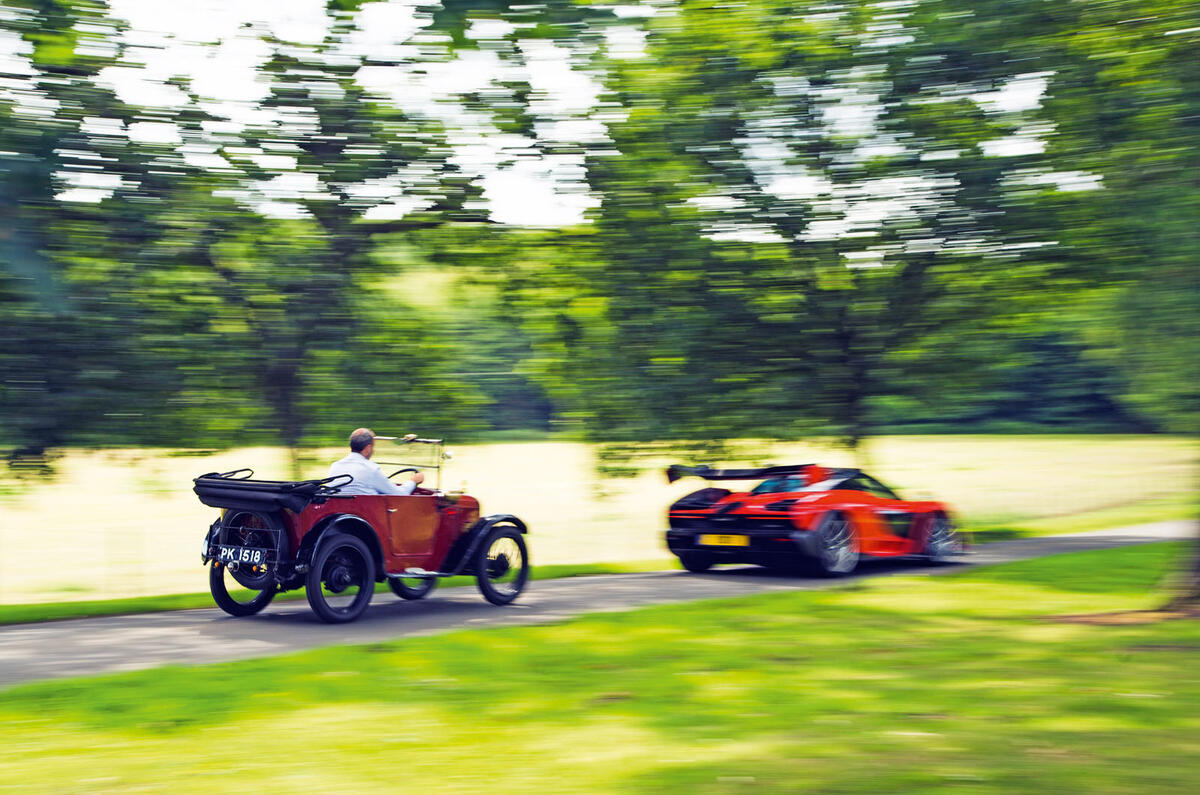
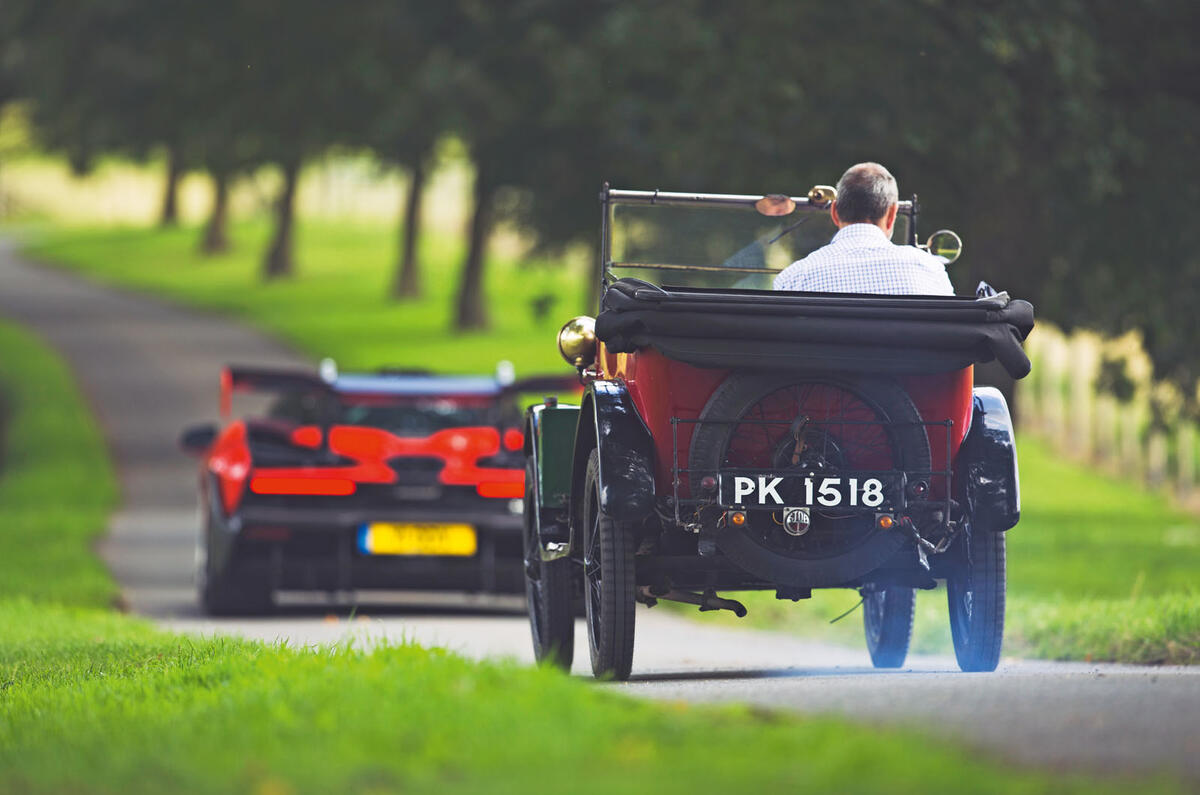
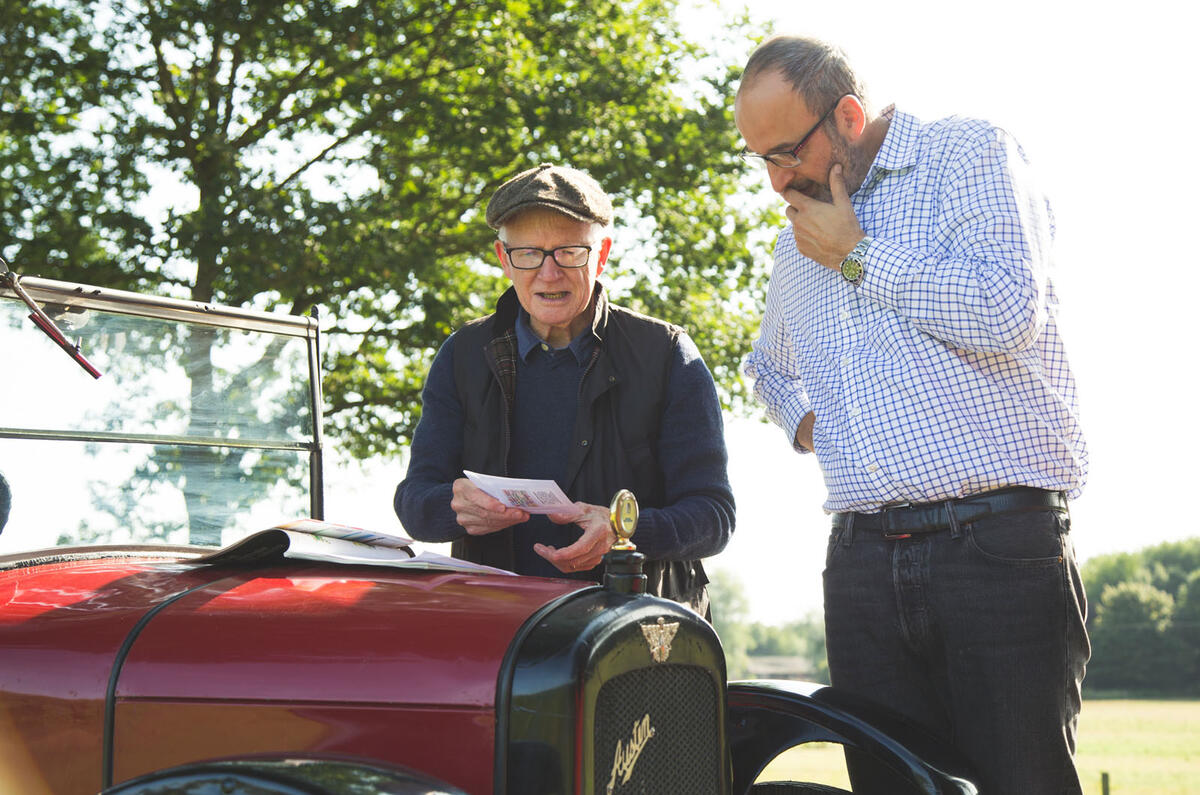
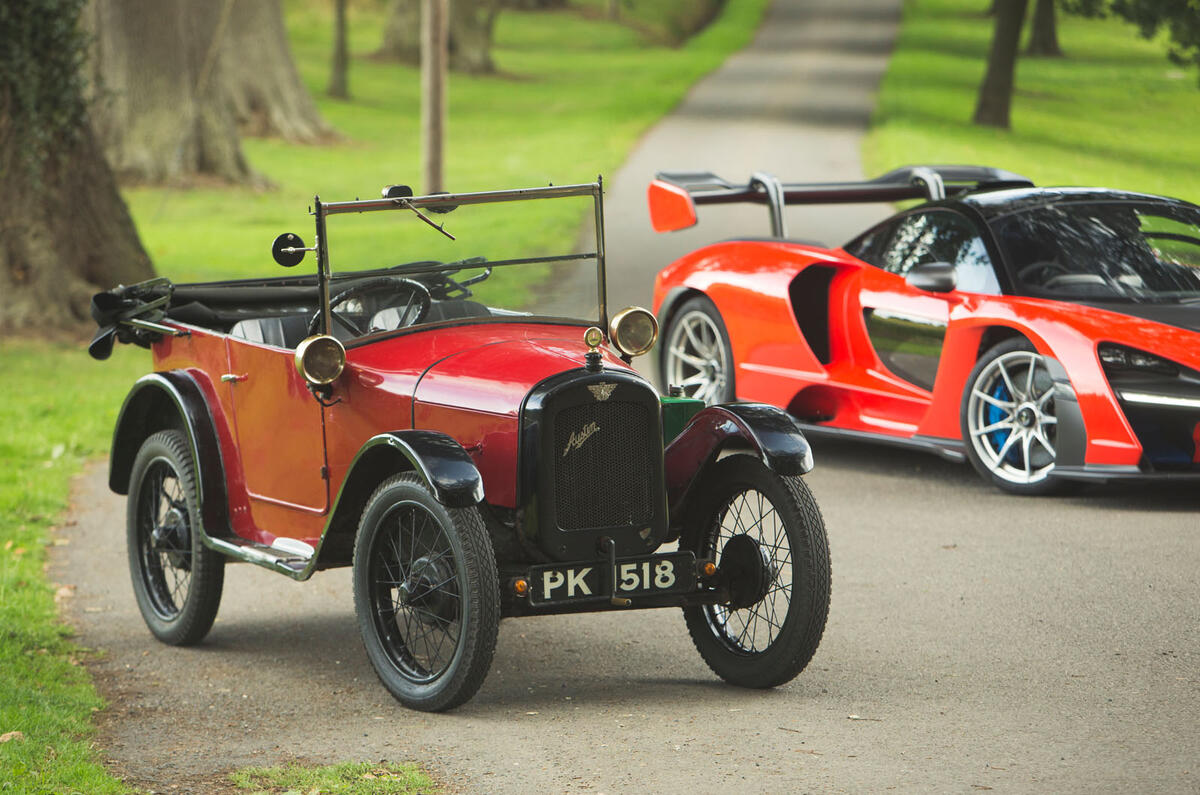
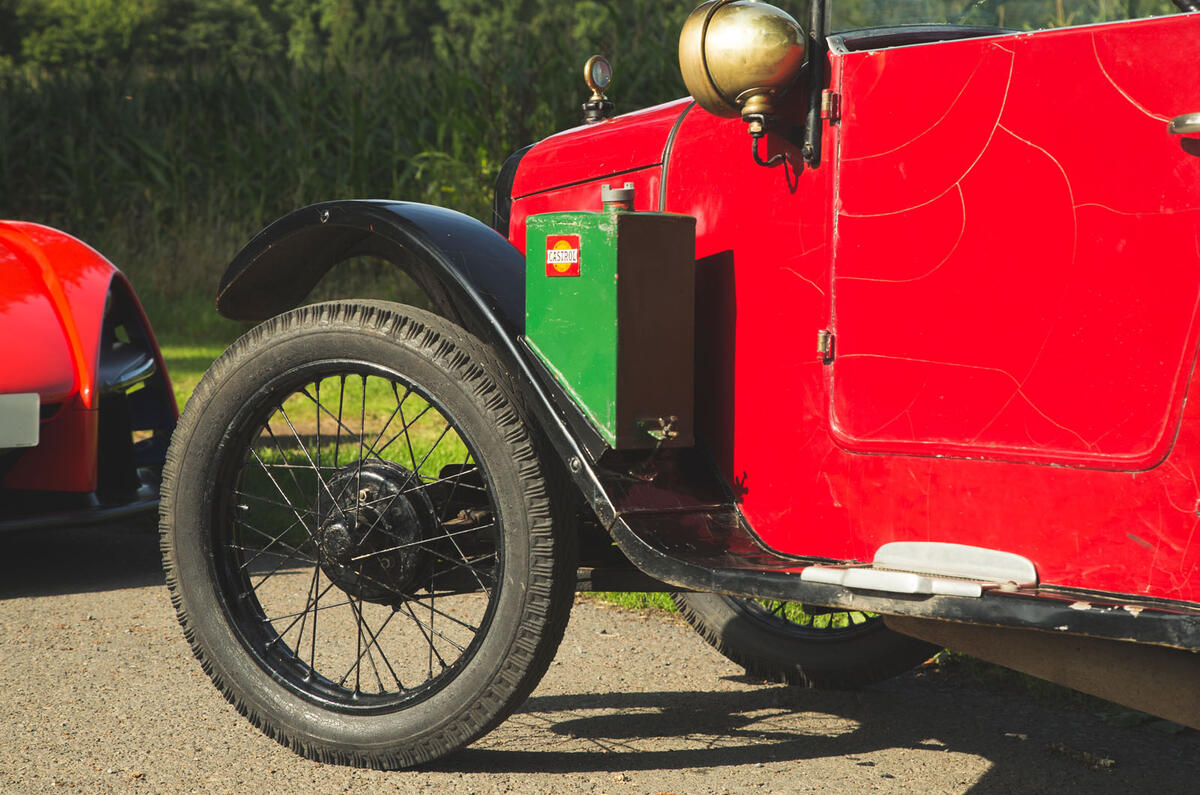
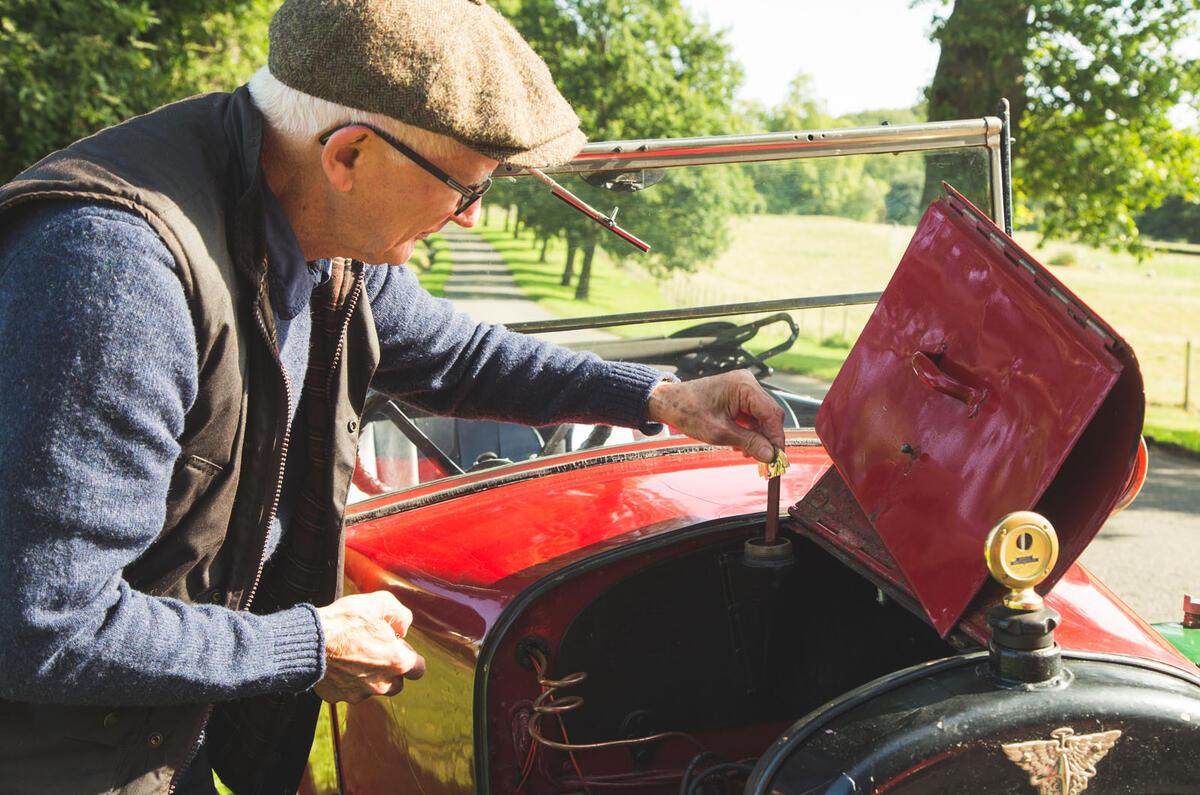
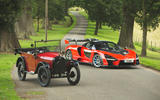
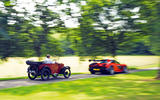
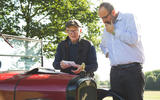
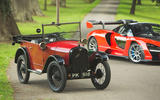
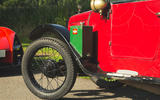
By that time, the cars had changed out of all proportion. To prove this point, join me in Herefordshire where my cooing over a very charming old Austin Seven is about to be rather rudely interrupted.

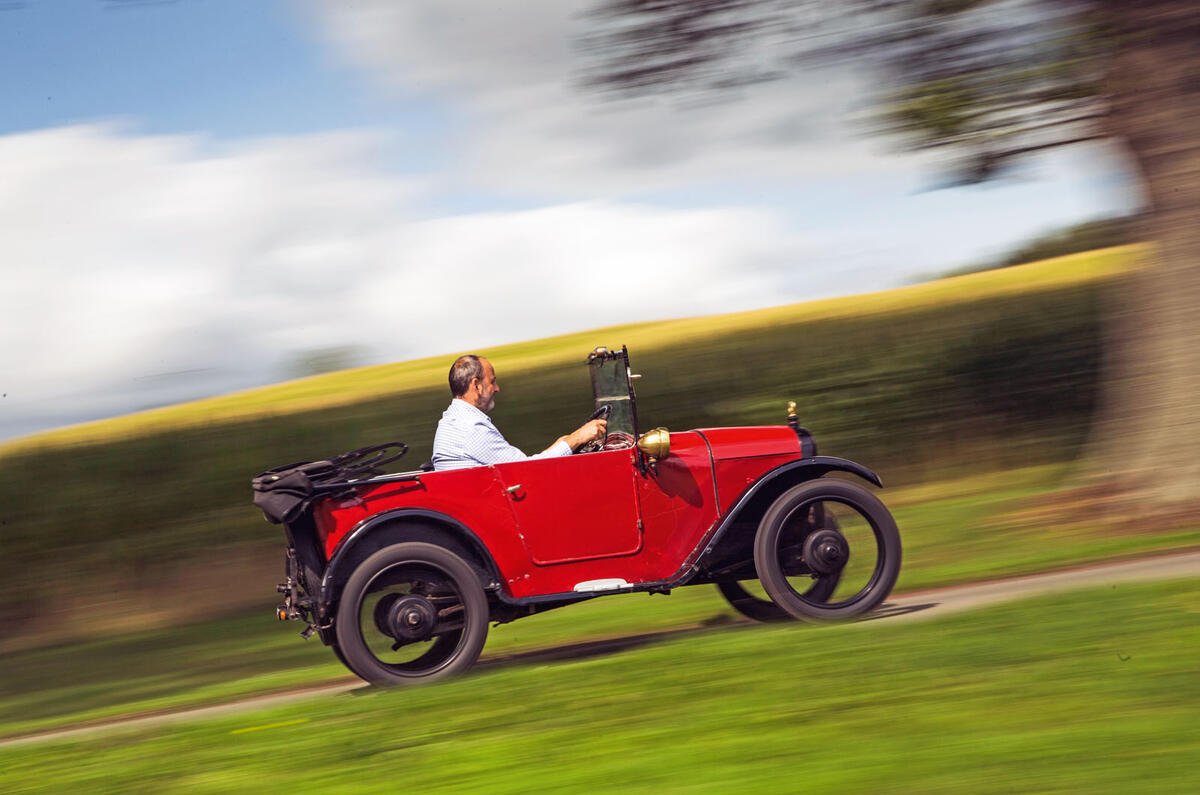
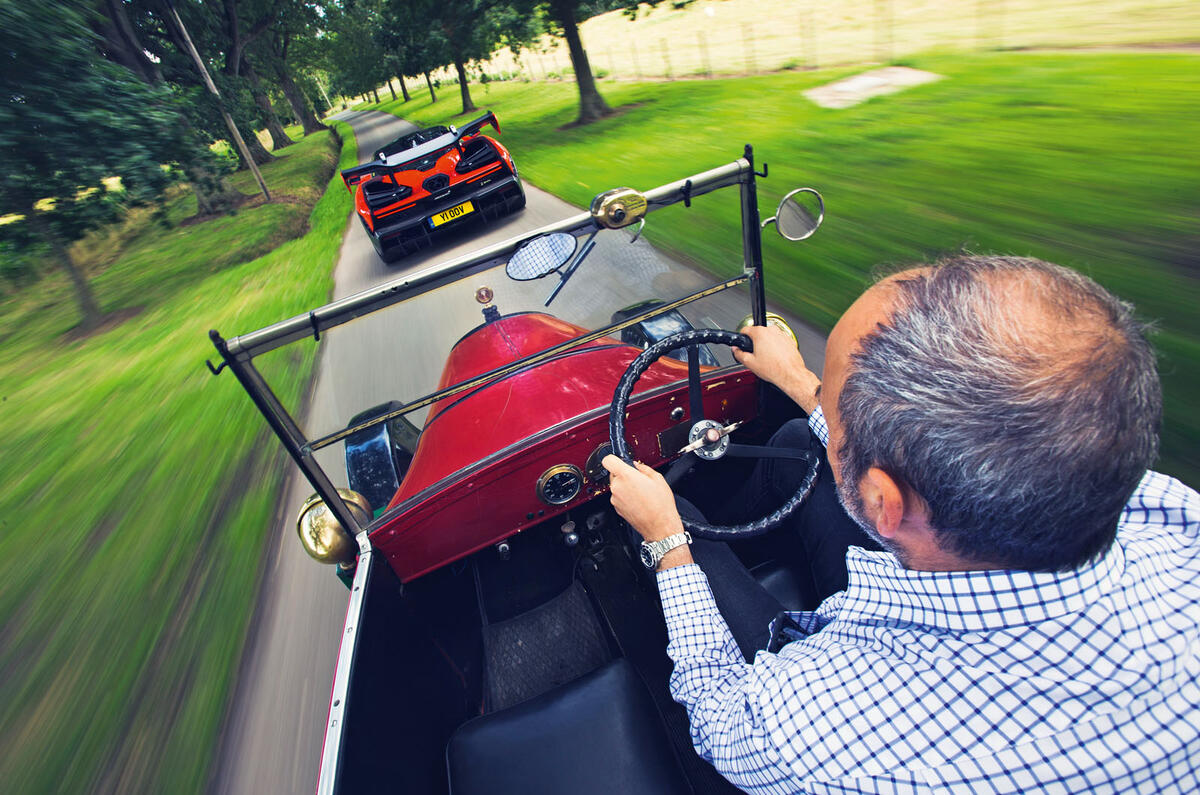
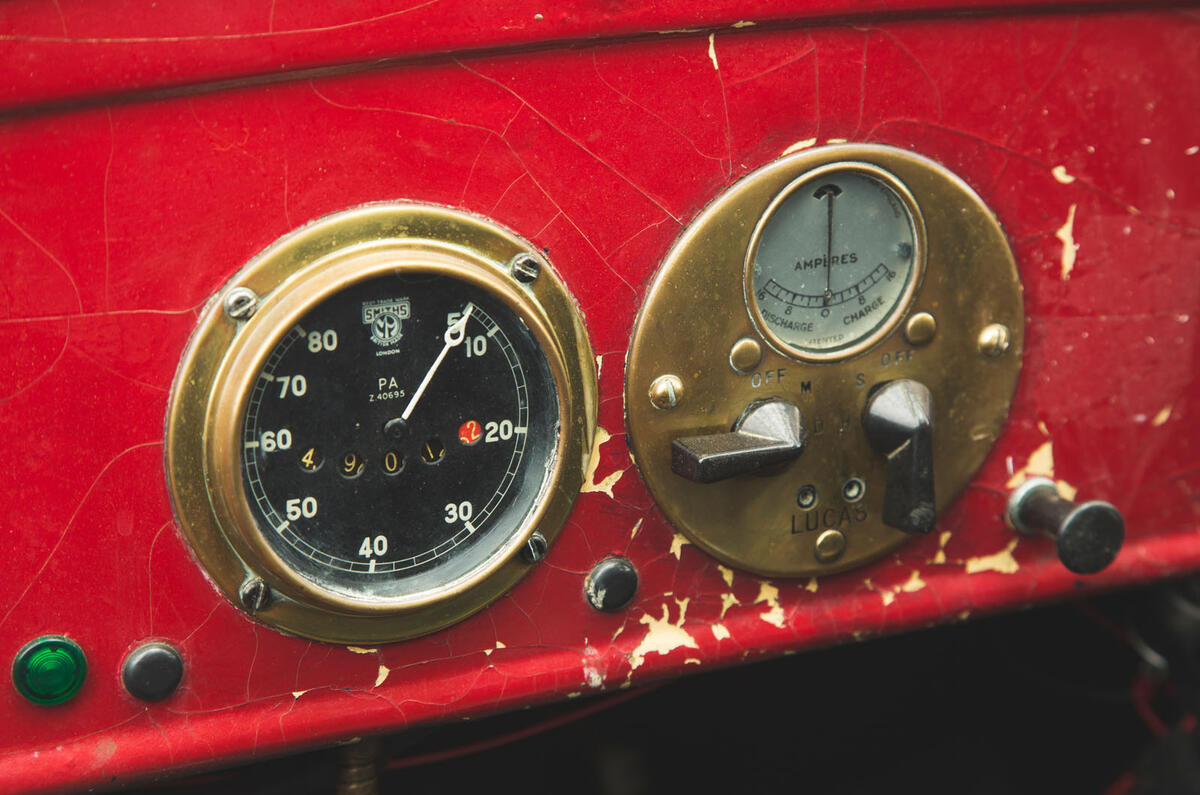
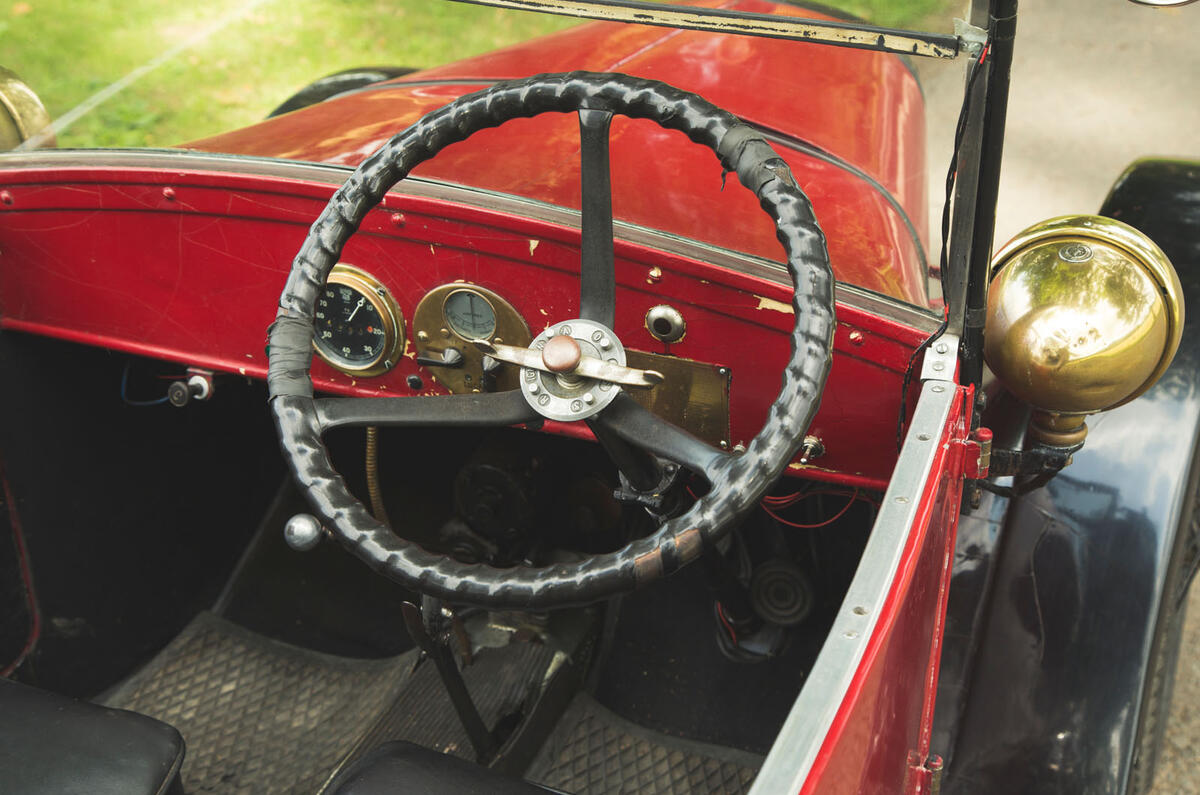
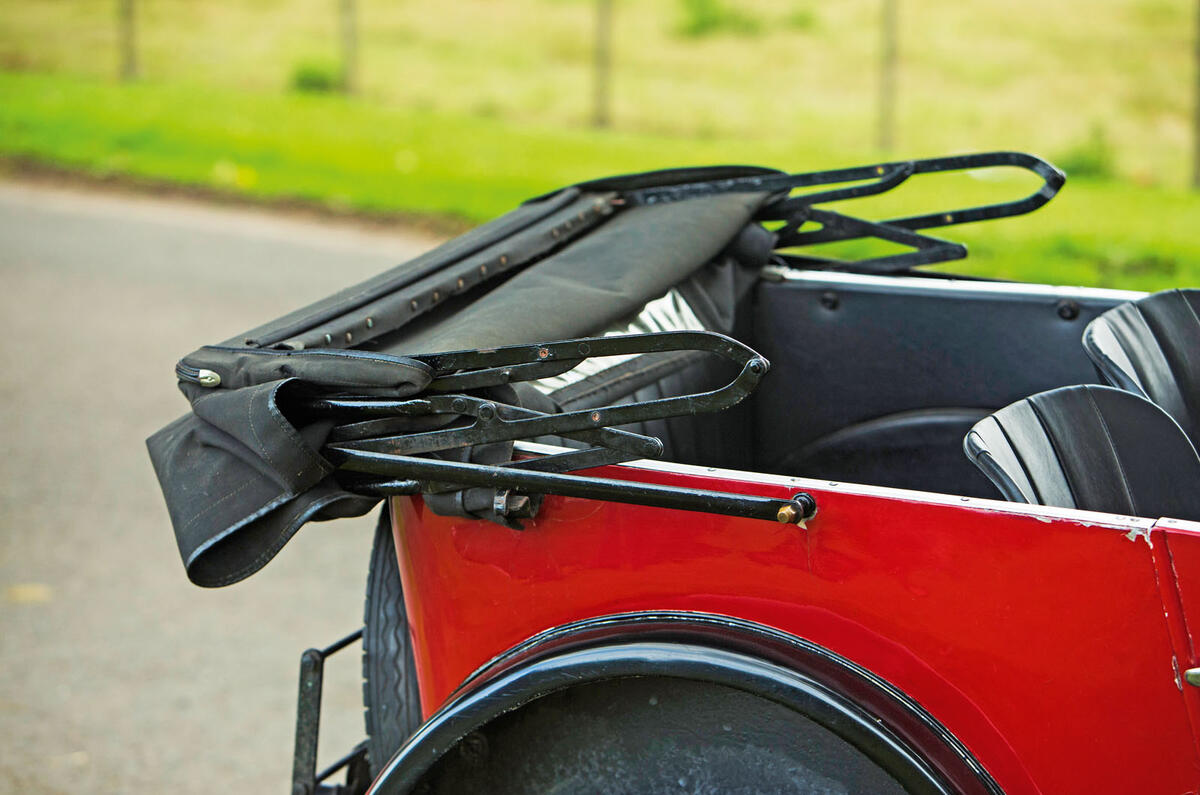
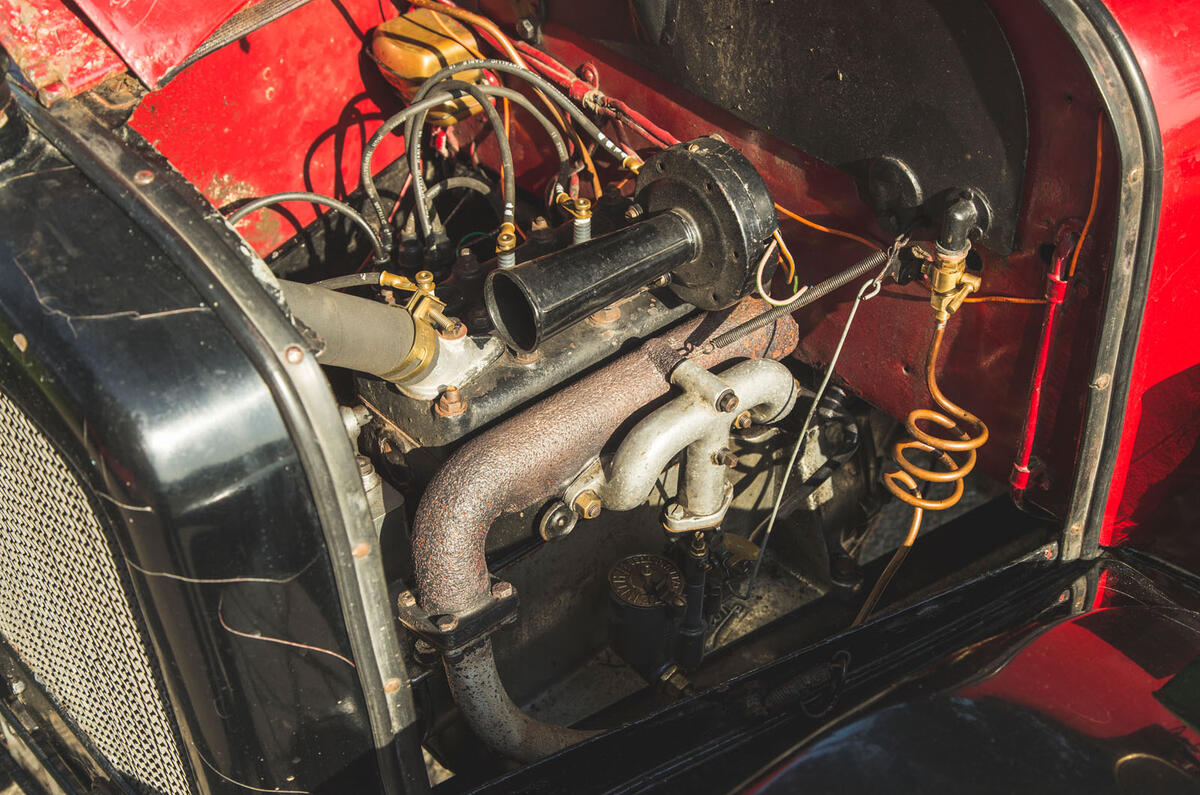
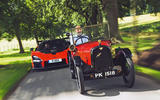
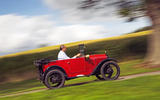
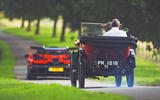
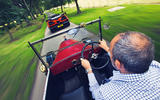
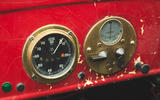
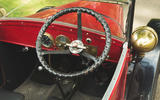
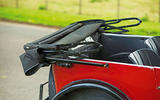
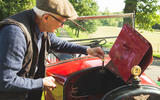
The Austin in question has a double connection to Autocar. Not only is it a 1928 model, as was our first road test car 90 years ago, but it’s also owned by one John Lilley, who was once our chief sub-editor. This Austin differs from that original test car only insofar as it lacks that car’s Gordon England saloon bodywork, but, to me at least, it is all the better for it. To me a Seven is an open two-door four-seater, headlights mounted at the side, not the front. While the notion of modifying Sevens spawned an entire industry, John’s car is completely standard and thus the perfect window on the motoring world of 90 years ago.
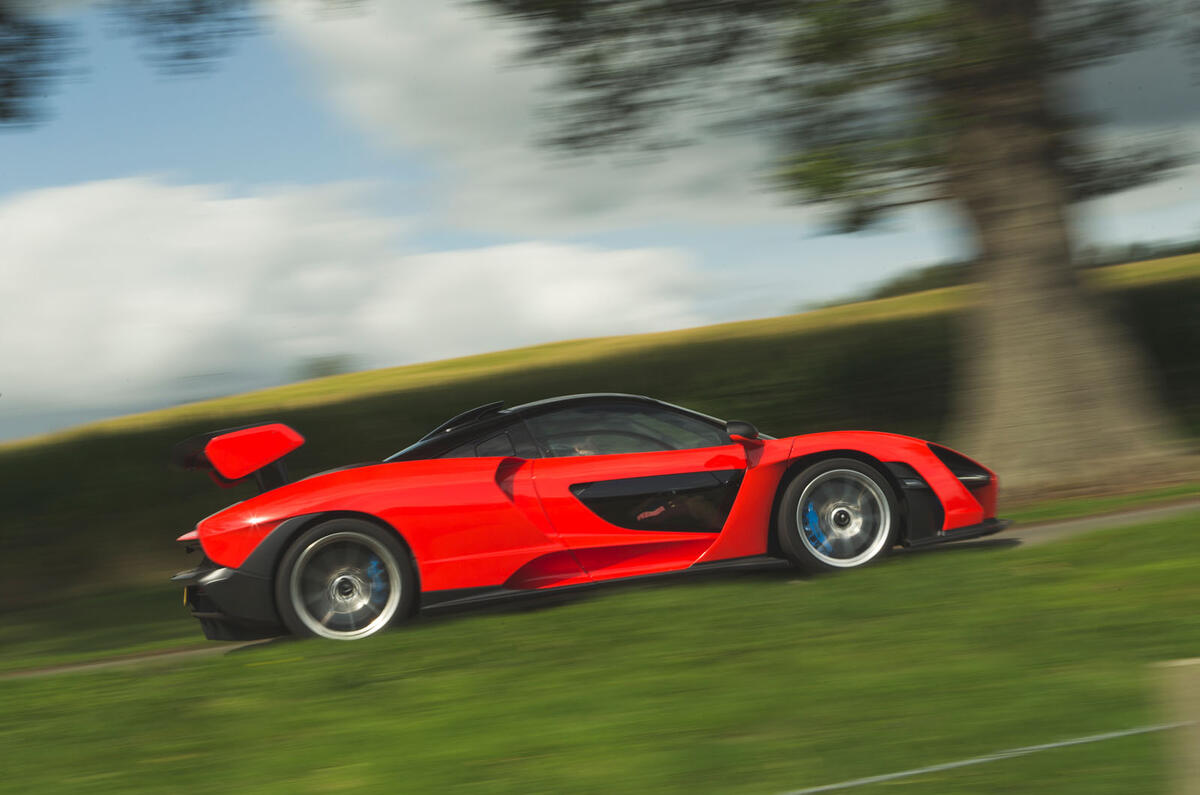
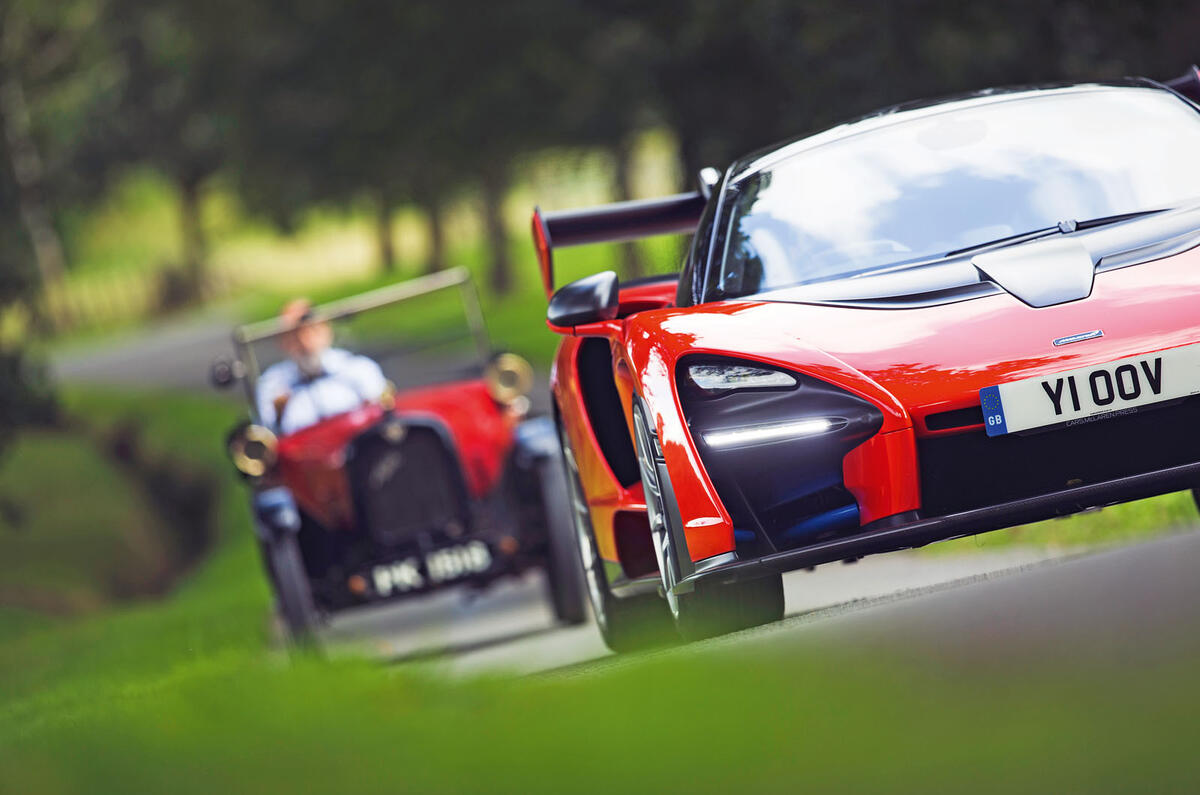
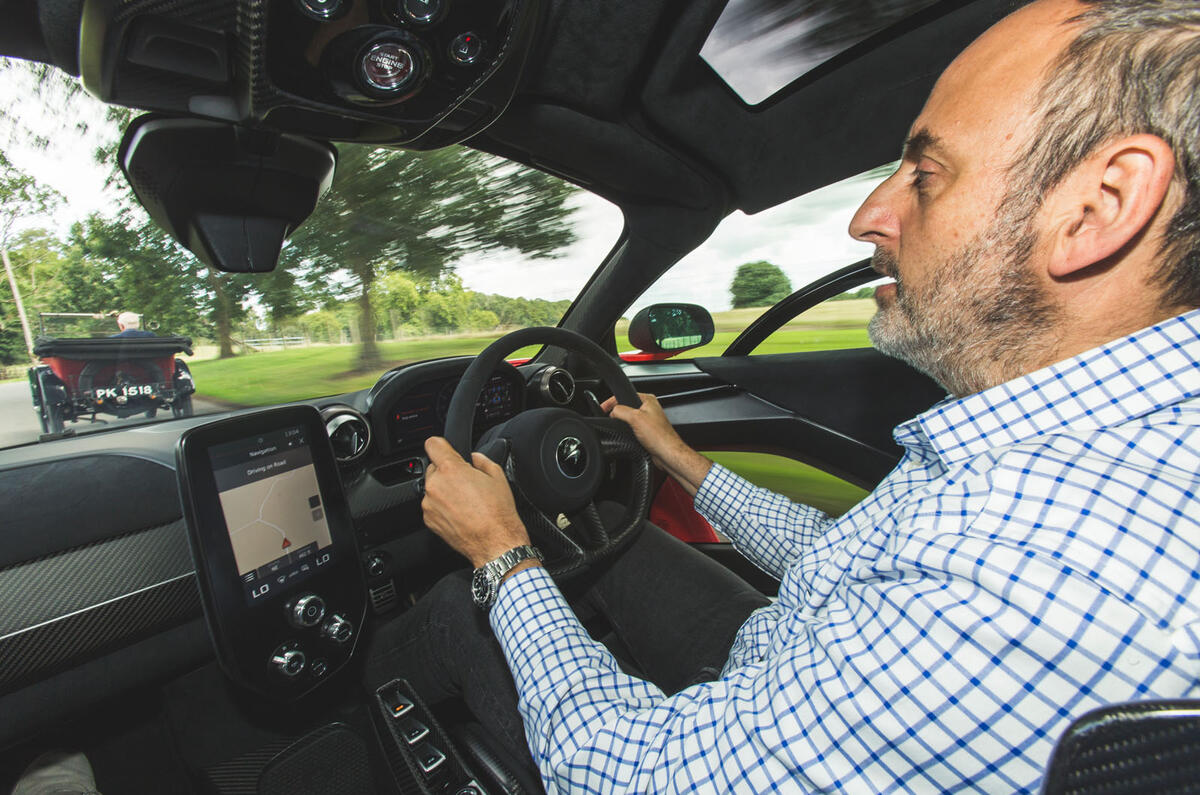
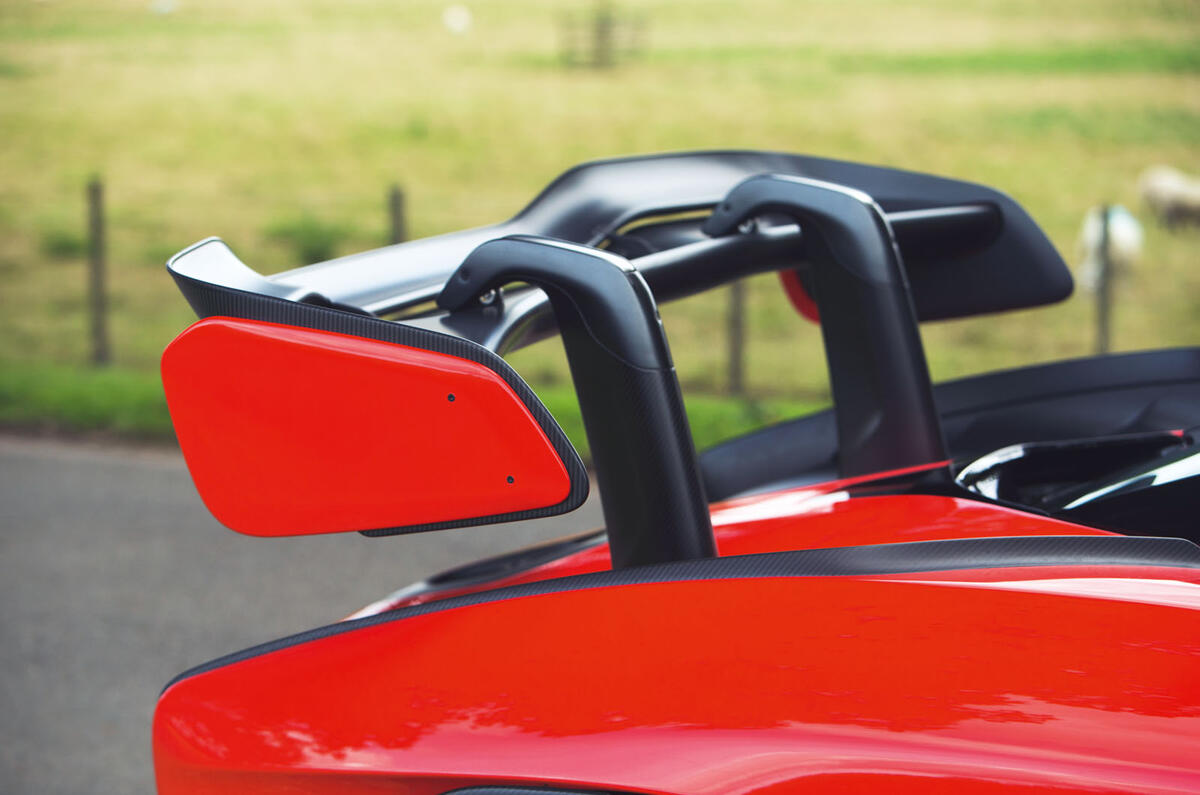
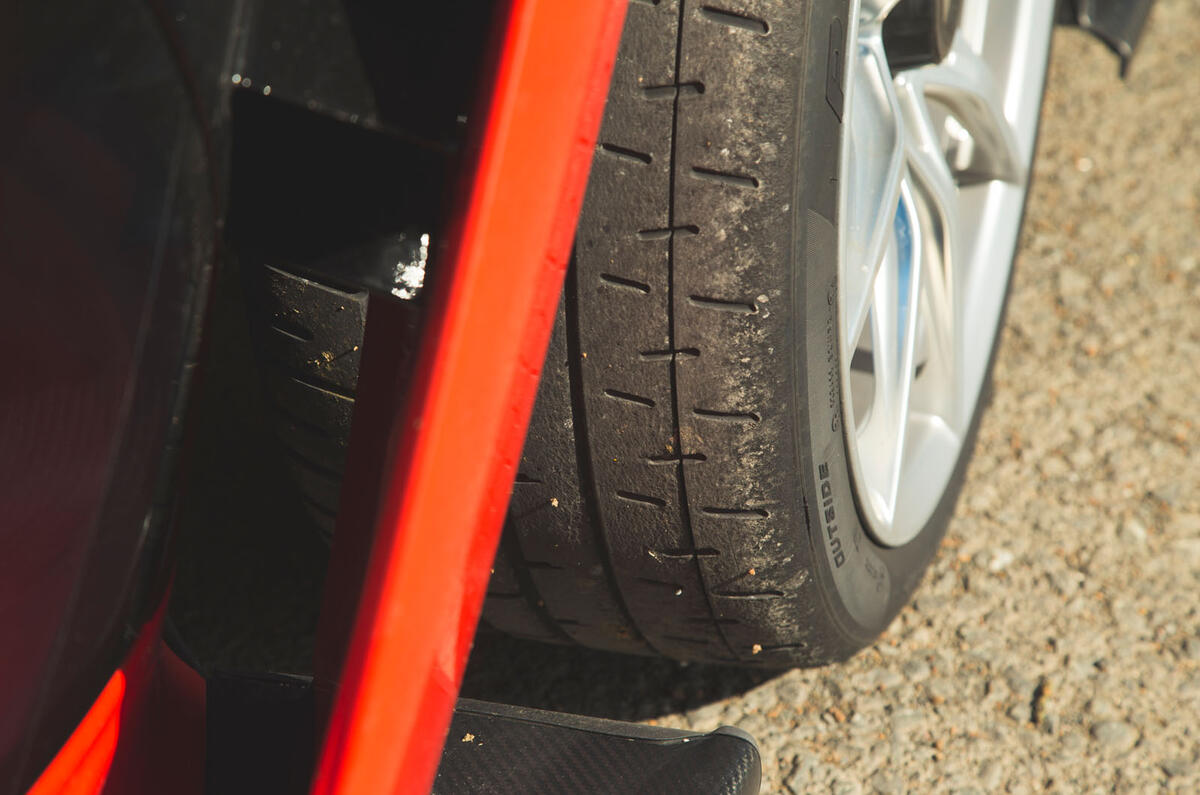
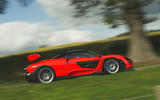
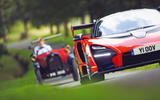
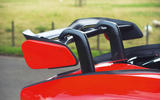
Then we hear it, snarling and snapping as it prowls up the road towards us. Even today it looks like something conceived in a dystopian, post-apocalyptic future, and that’s before it parks next to somethingas simple, small and pretty as the Austin. The Senna has arrived.