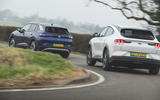
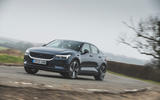
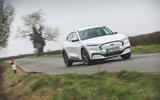
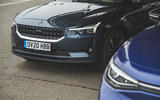
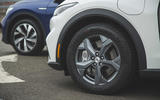
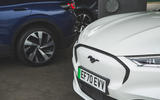
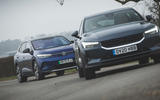
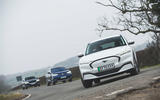
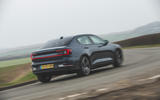
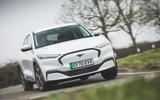
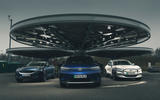

Well, that felt quick. It seems like only yesterday that the original Nissan Leaf and the Peugeot iOn first emerged, their tiny batteries and puny electric motors making for an interesting glimpse at what the future of mass personal transport might look like.
Fast forward to 2021 and those early efforts don’t look so novel at all. In fact, with the sale of new petrol and diesel cars set to be banned in the UK from 2030, their status as harbingers of a new electrified era now looks pretty ironclad. Seemingly overnight, the entire new car market, from the affordable end to the not-so-affordable end, has been hit by a deluge of battery-powered alternatives to the once dominant internally combusted norm.
For better or for worse, EVs’ prominence among the UK f leet will continue to grow. Sales and consequently market share are, on the back of solid, attainable mainstream offerings, going to go only one way: up.
So the questions are: what do those real-world characters look like today? And are they already in good enough shape to really kick-start more widespread EV adoption ahead of the looming 2030 ban, or is there still a hell of a lot of work to be done?
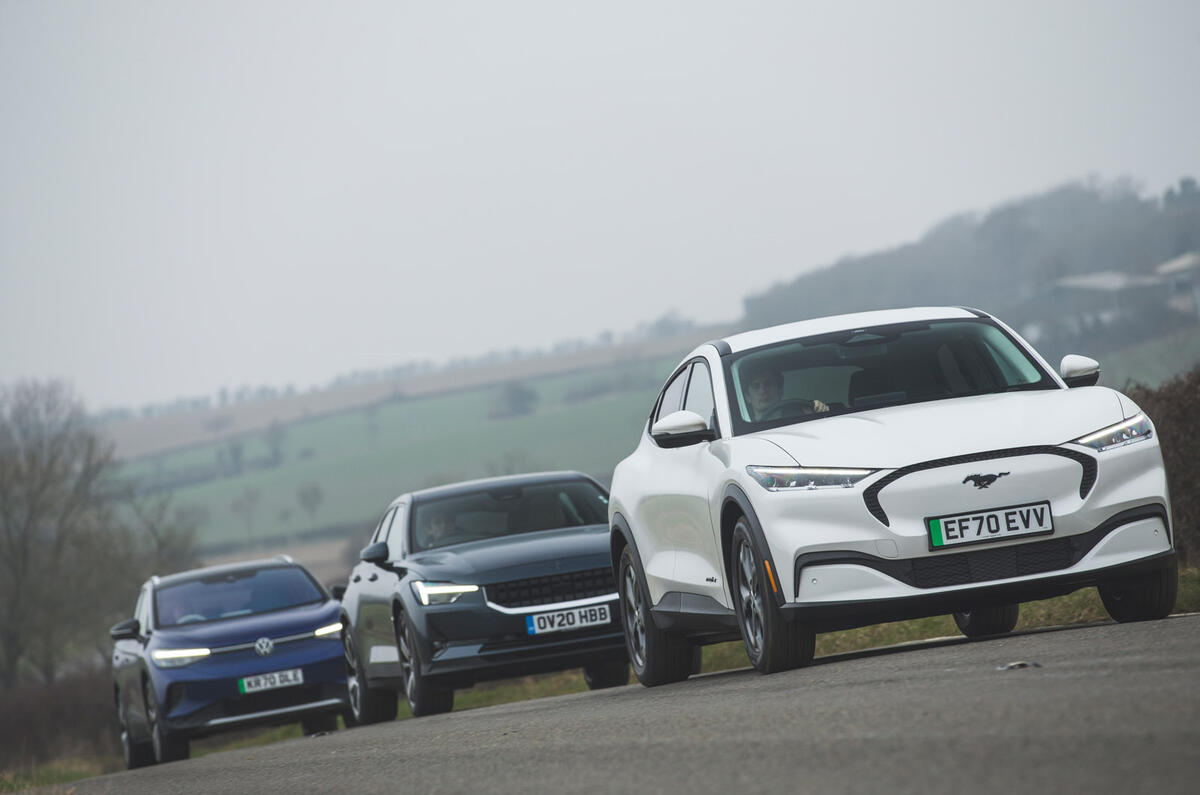
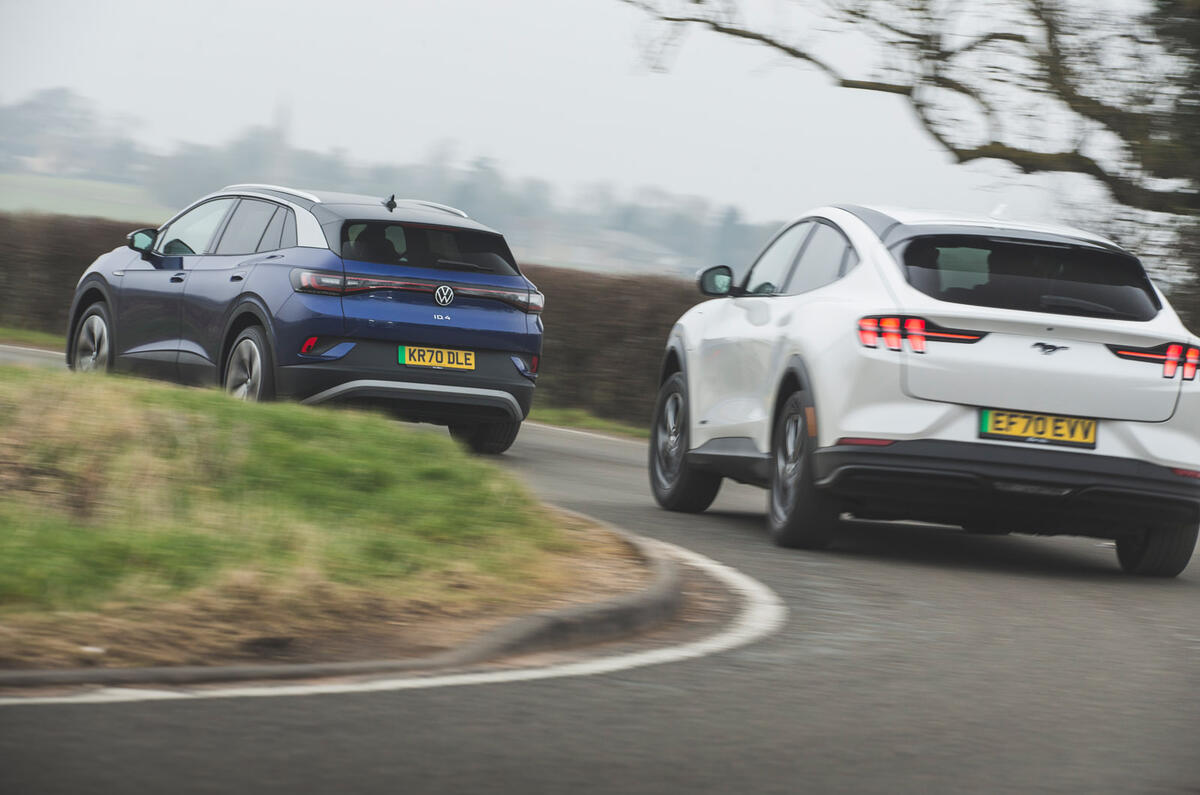
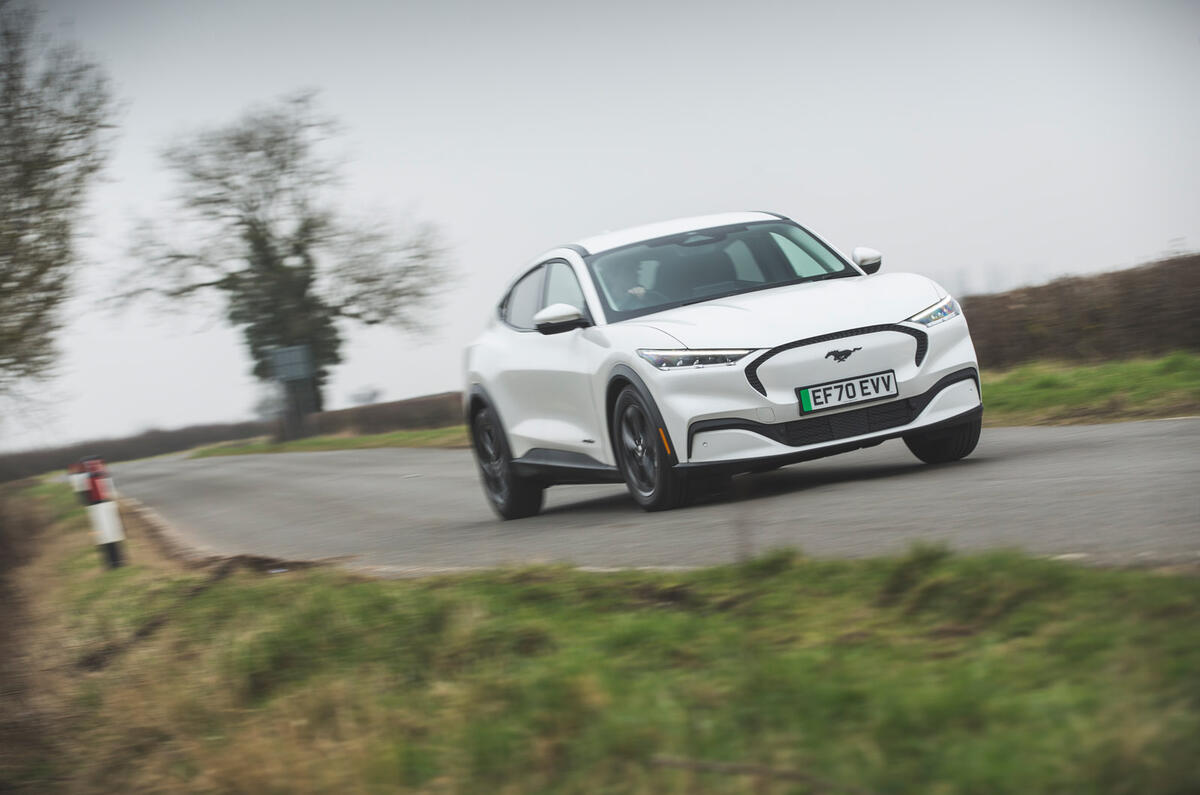
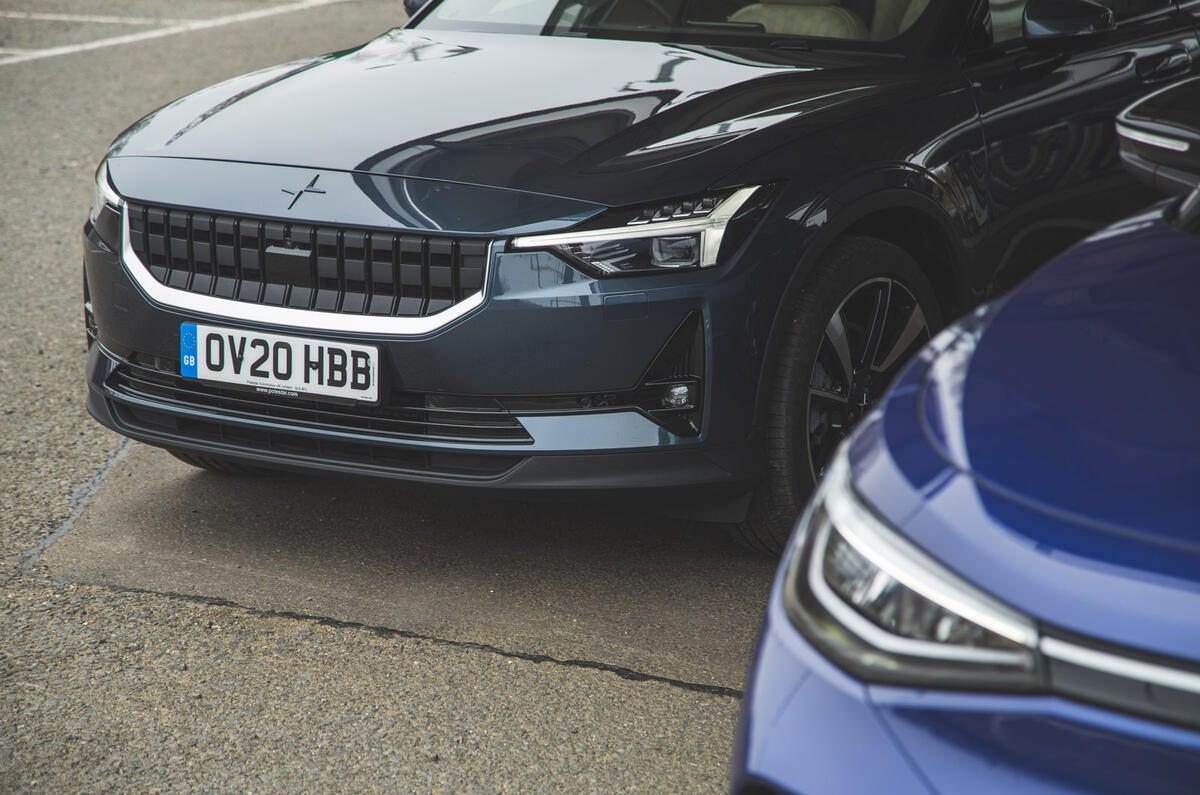
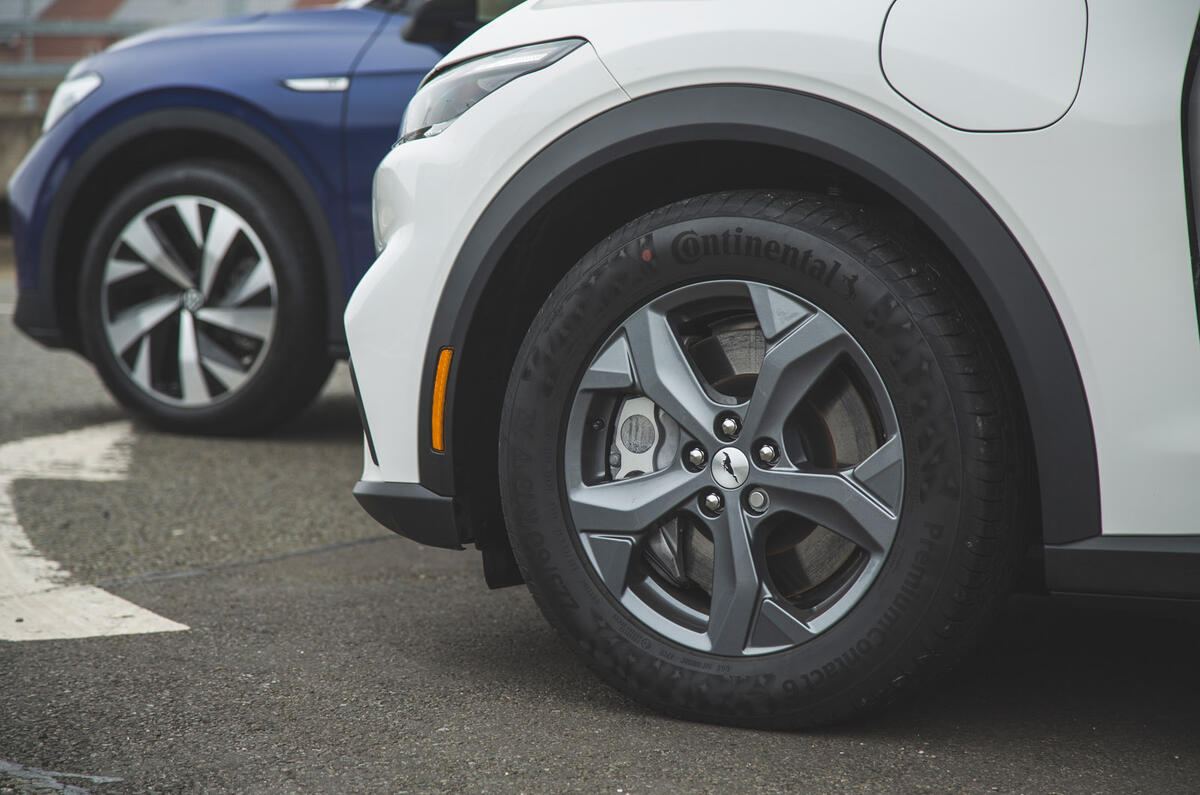
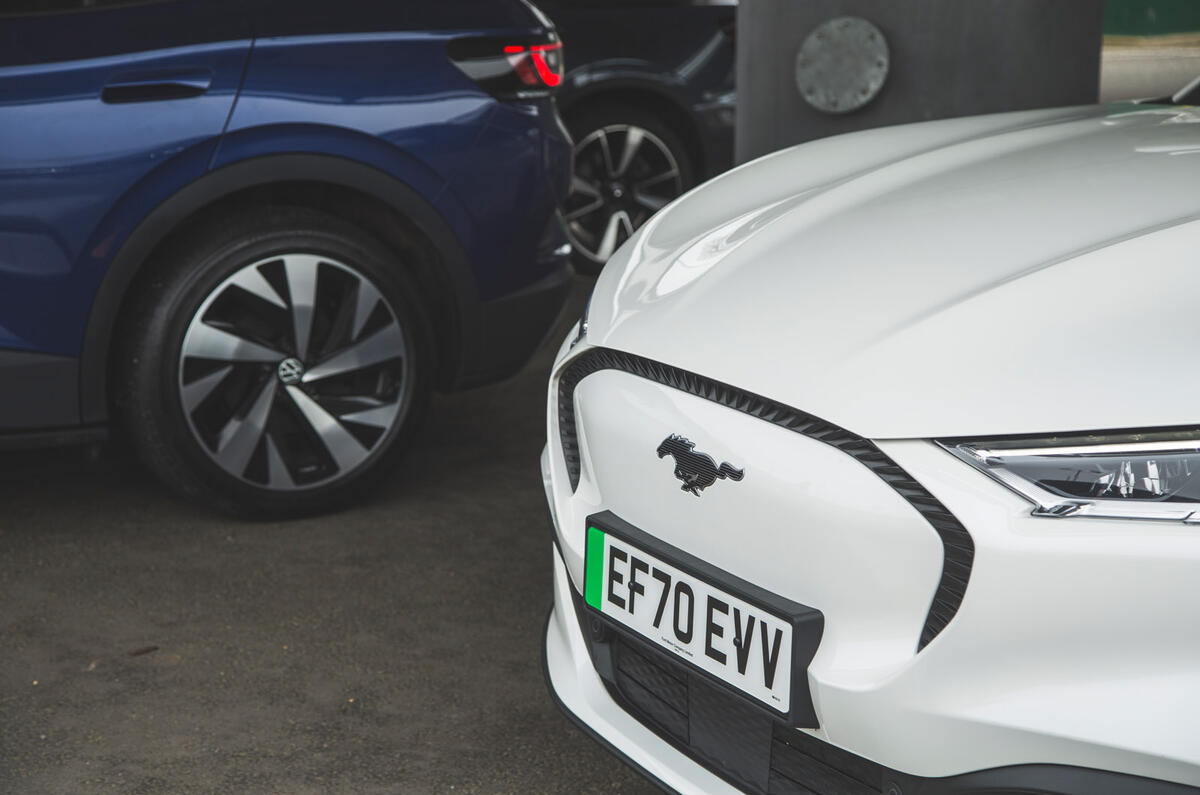
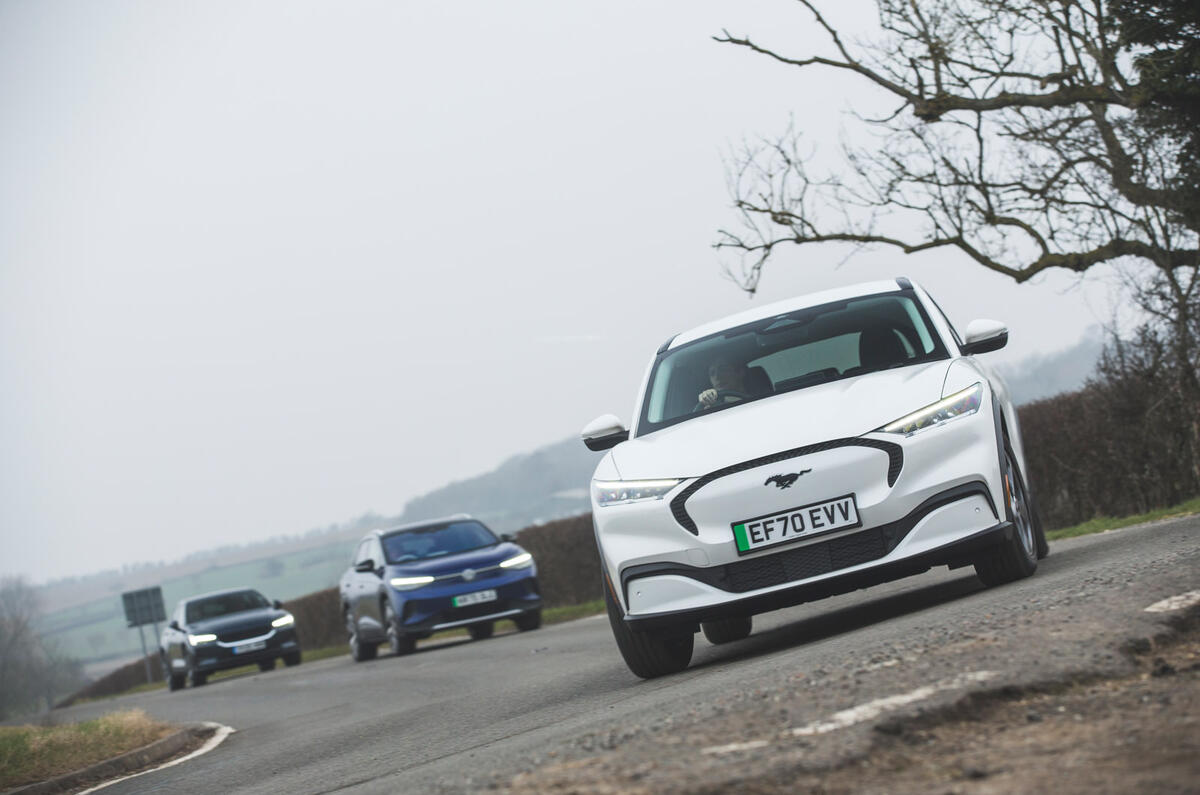
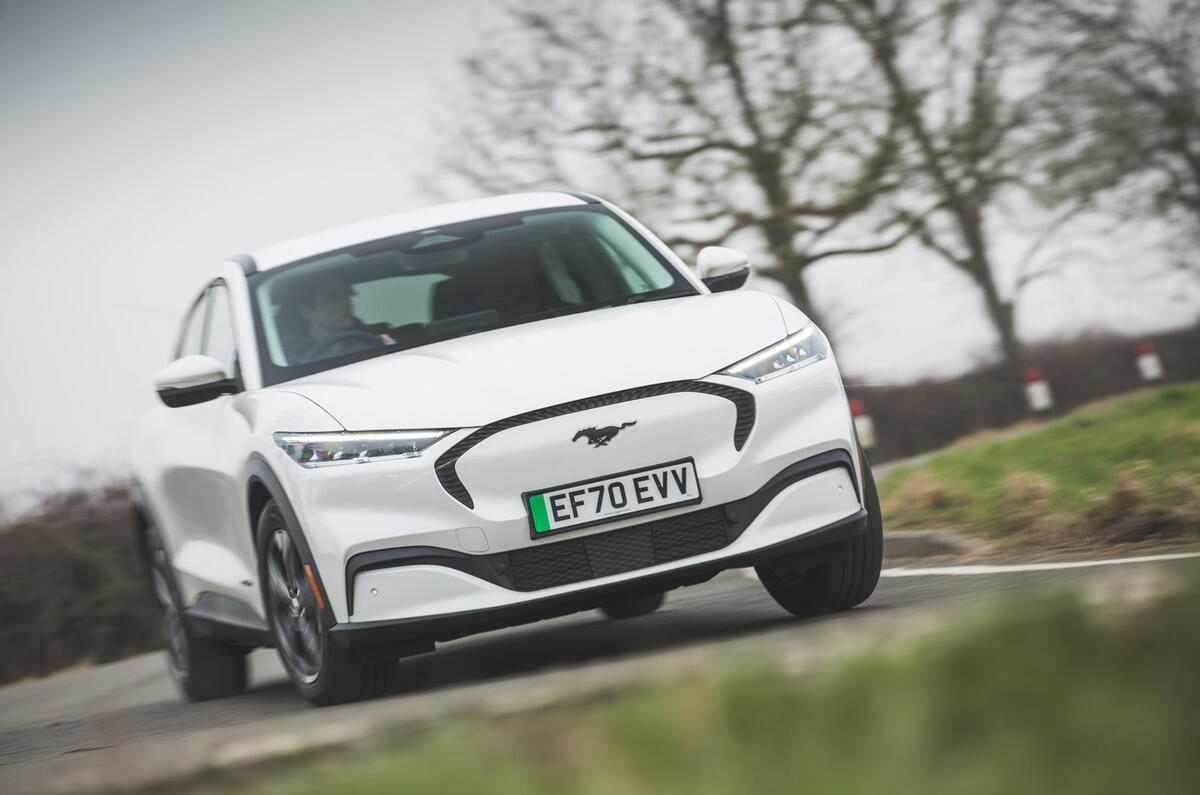
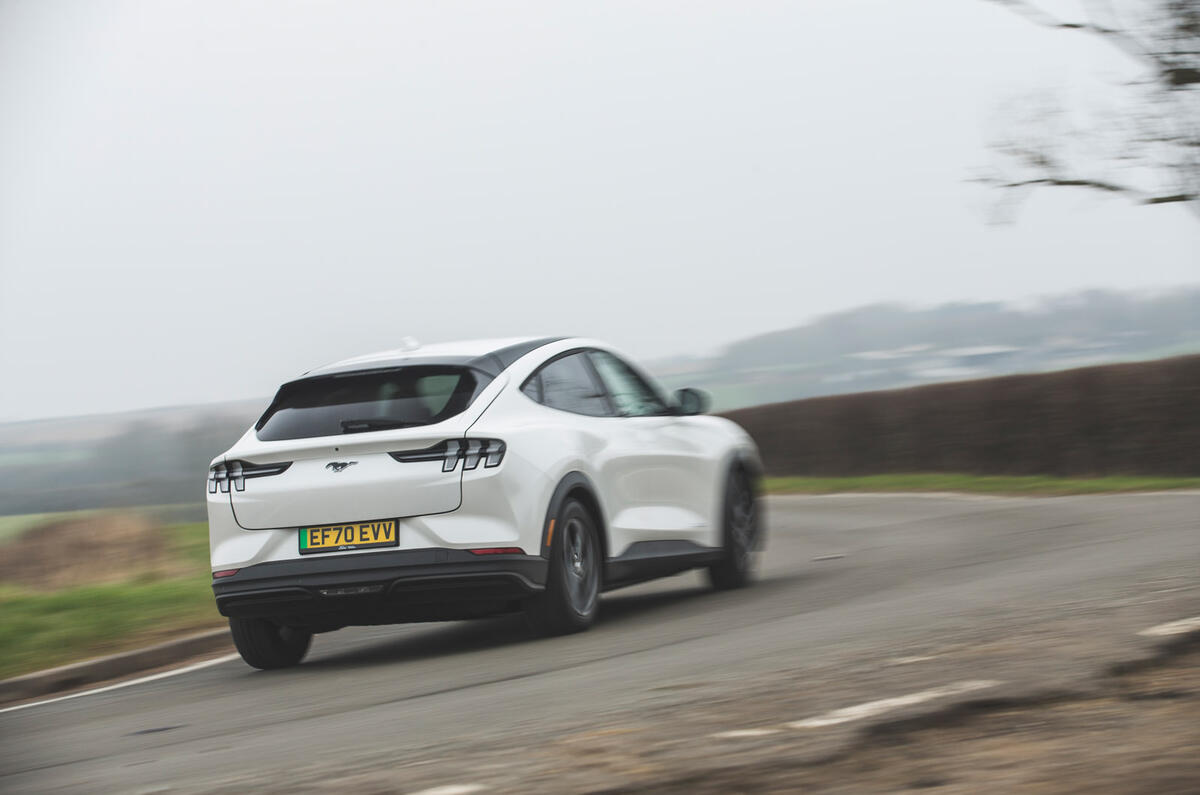
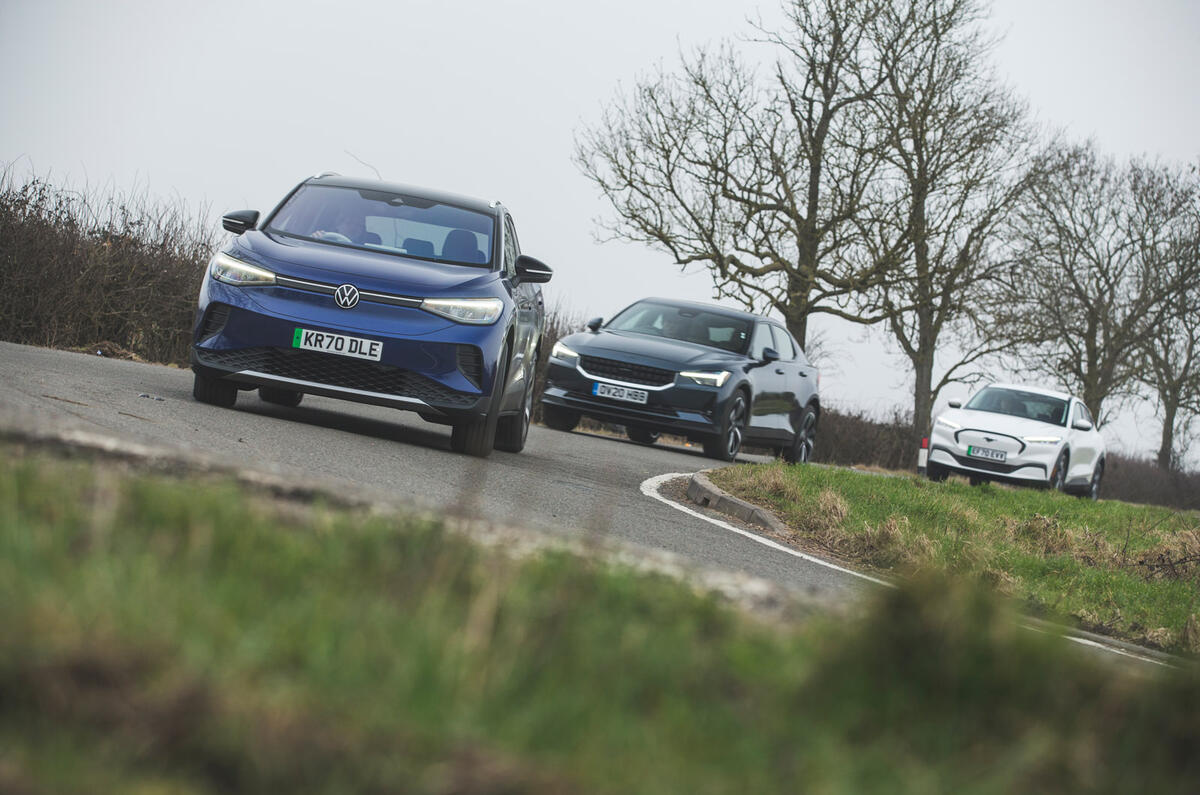
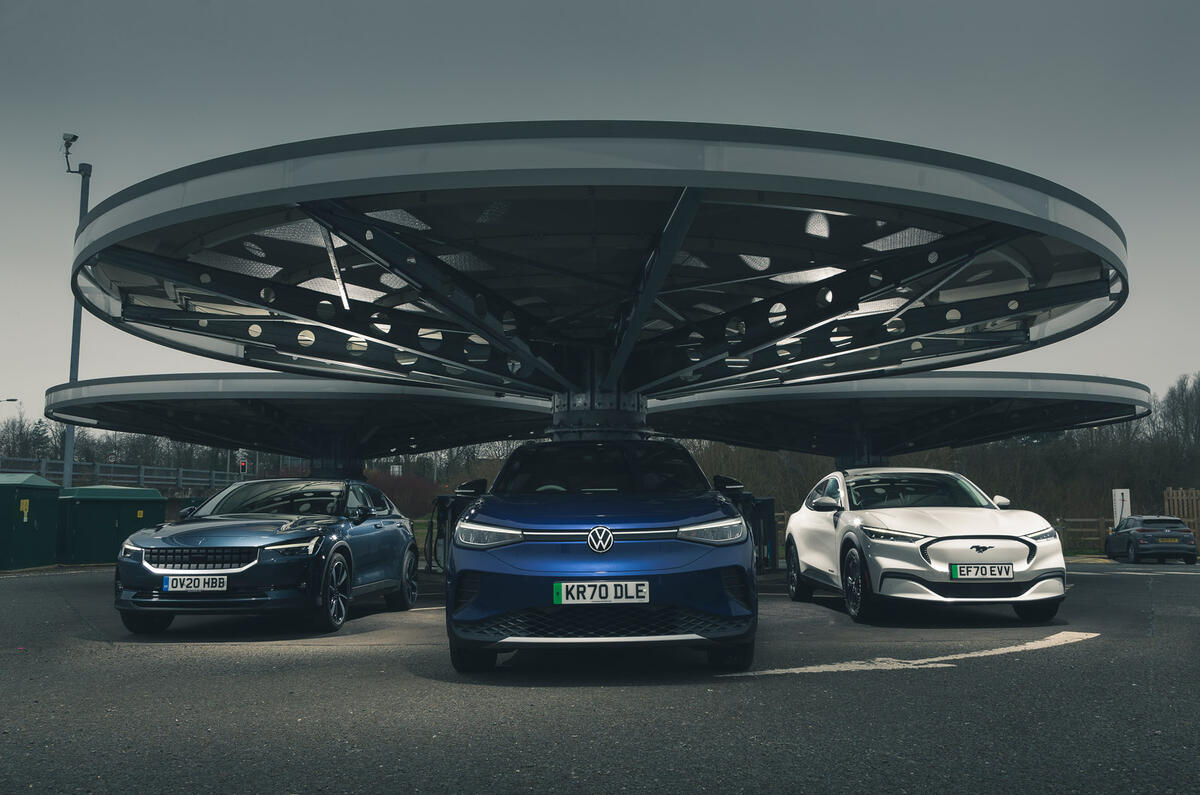
Well, as far as the mainstream is concerned, it’s hard to get more mainstream than Volkswagen and Ford. These automotive leviathans perhaps aren’t quite as mobile or quick to the punch as a certain Californian firm, but the cogs have really started turning in the past year with regards to their respective electrification programmes.

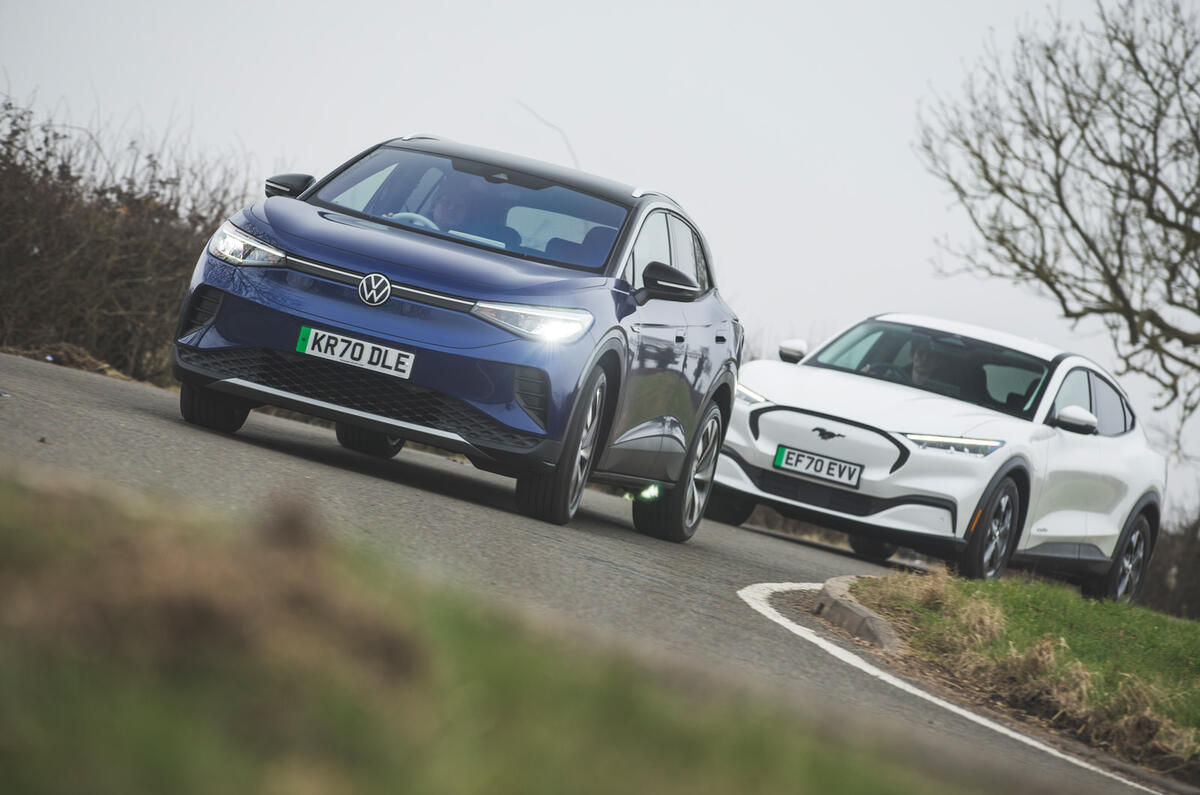
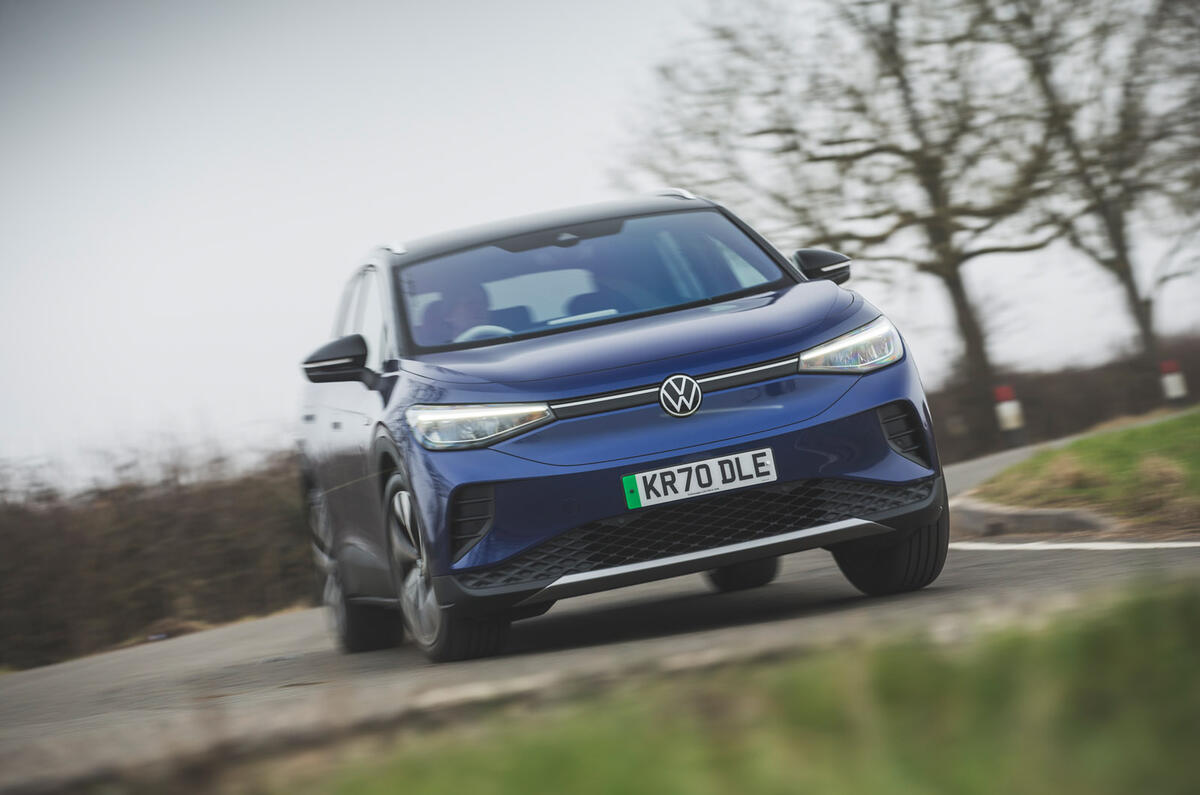
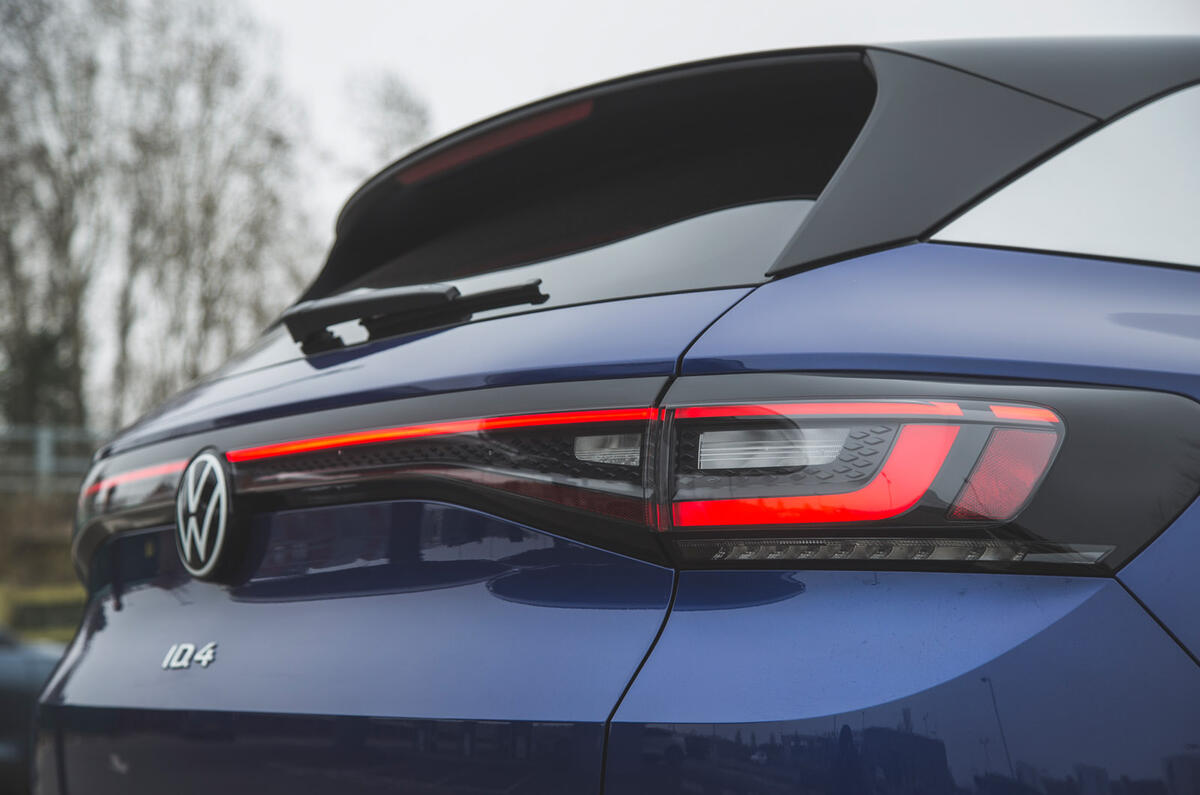
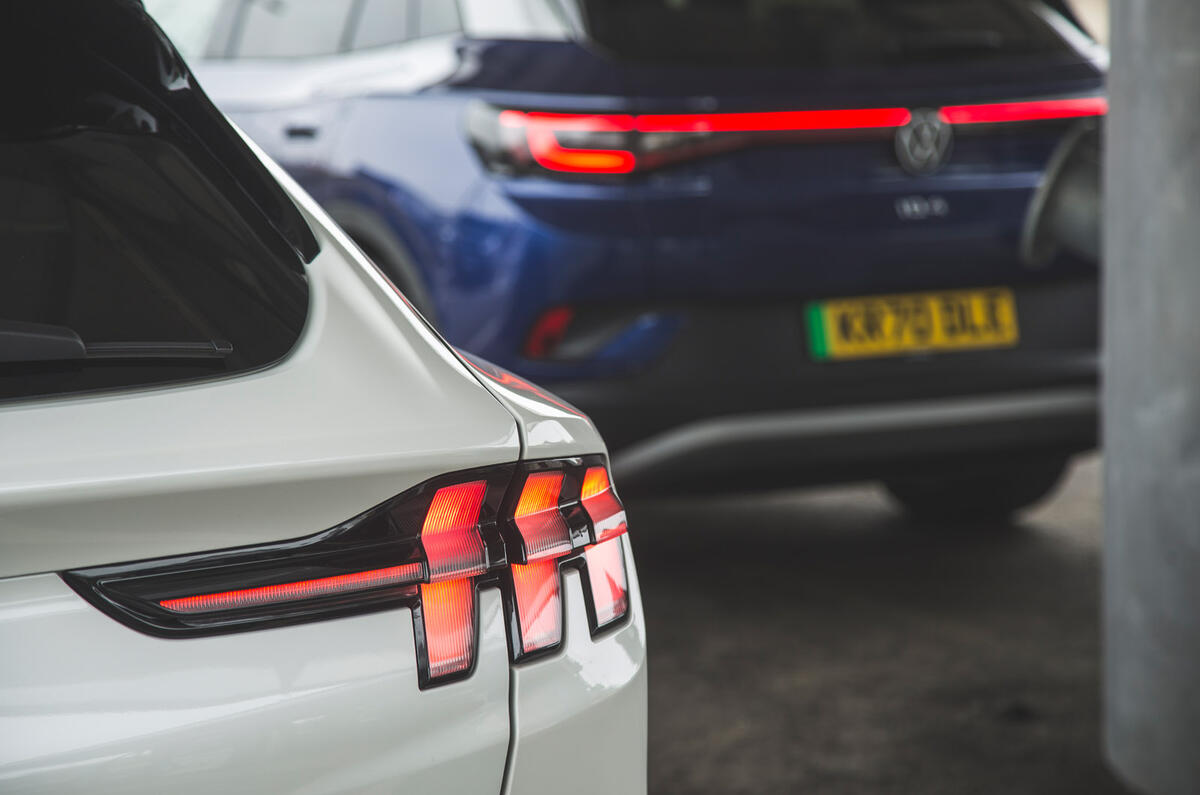
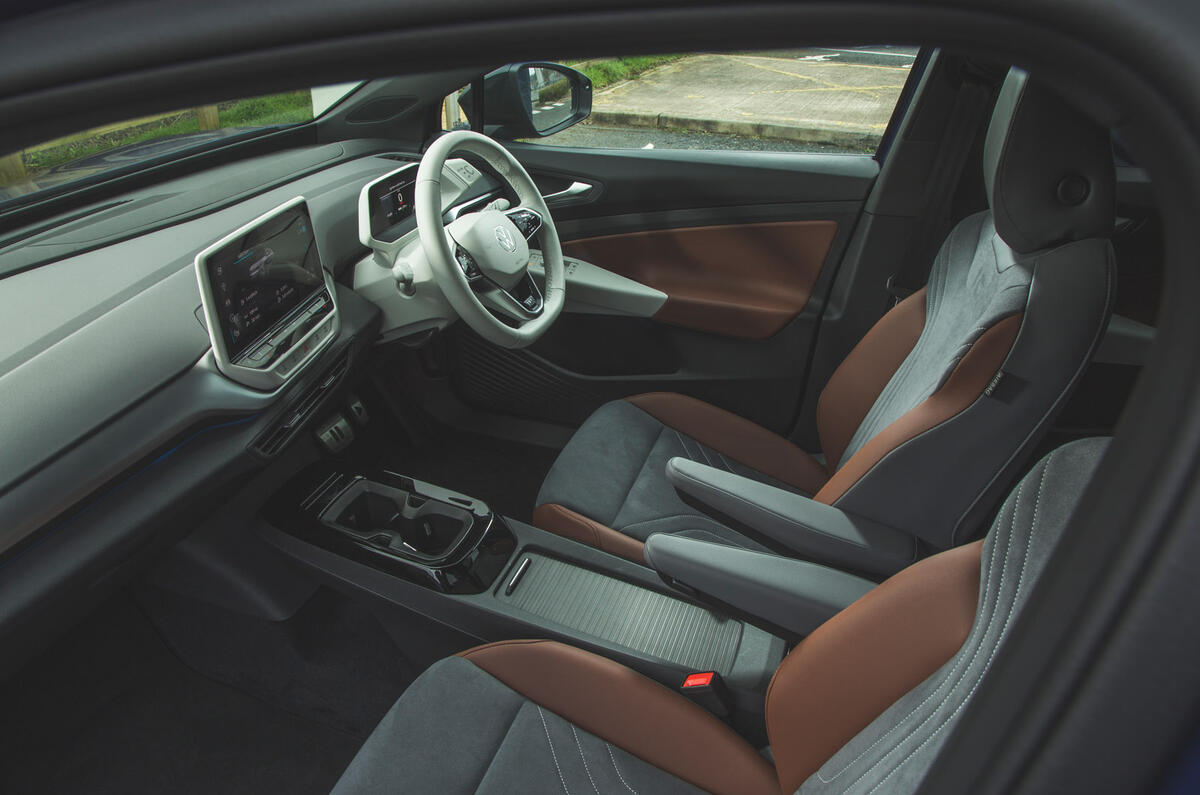
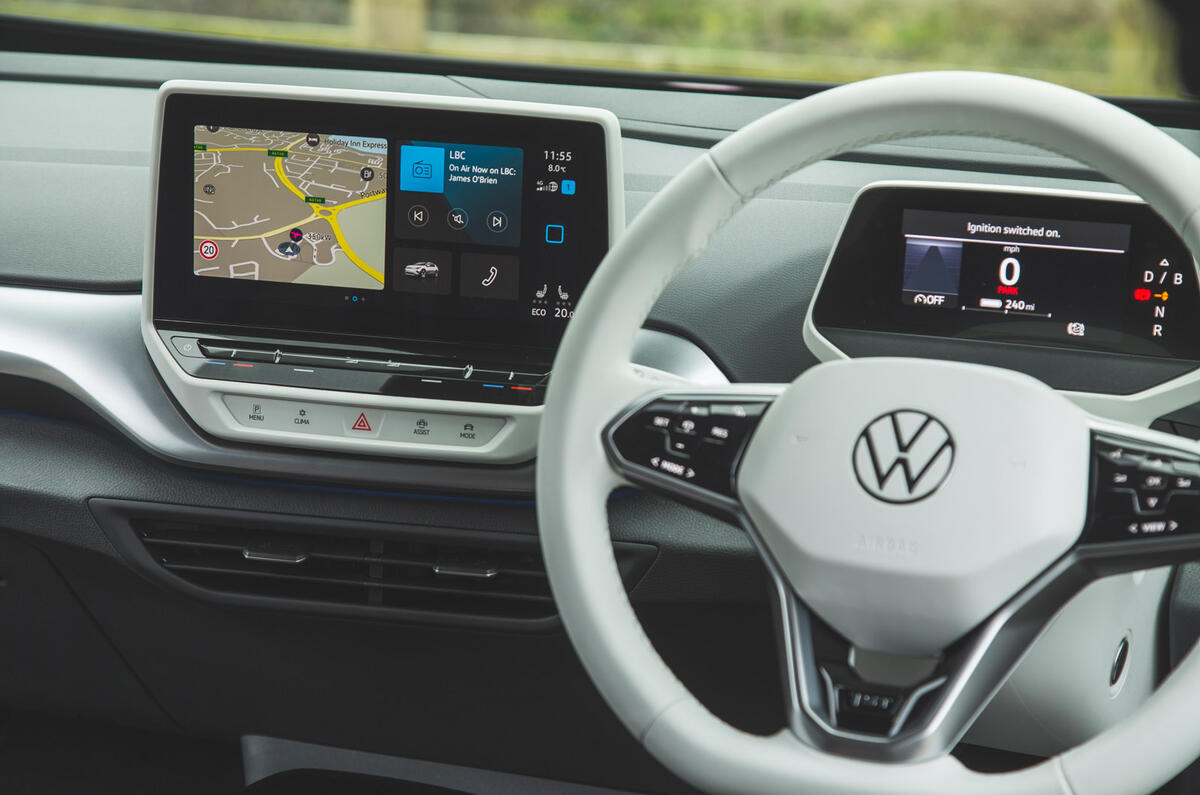
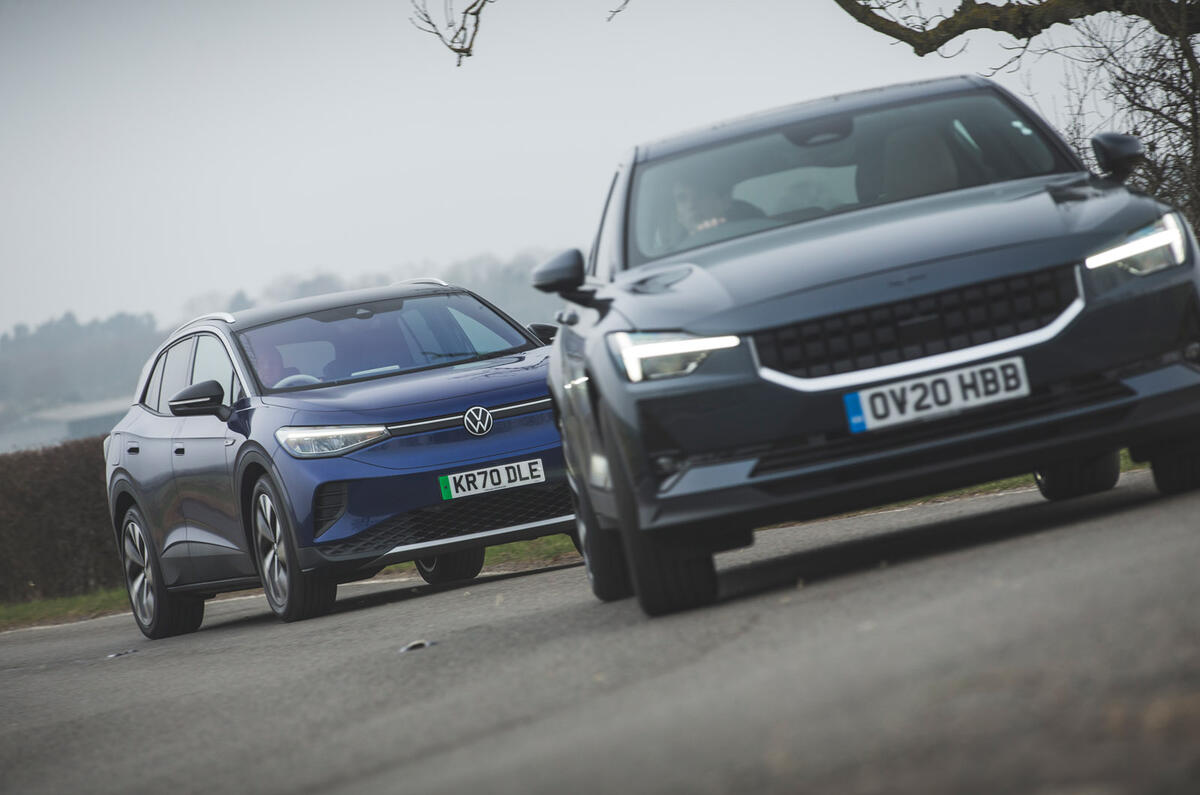
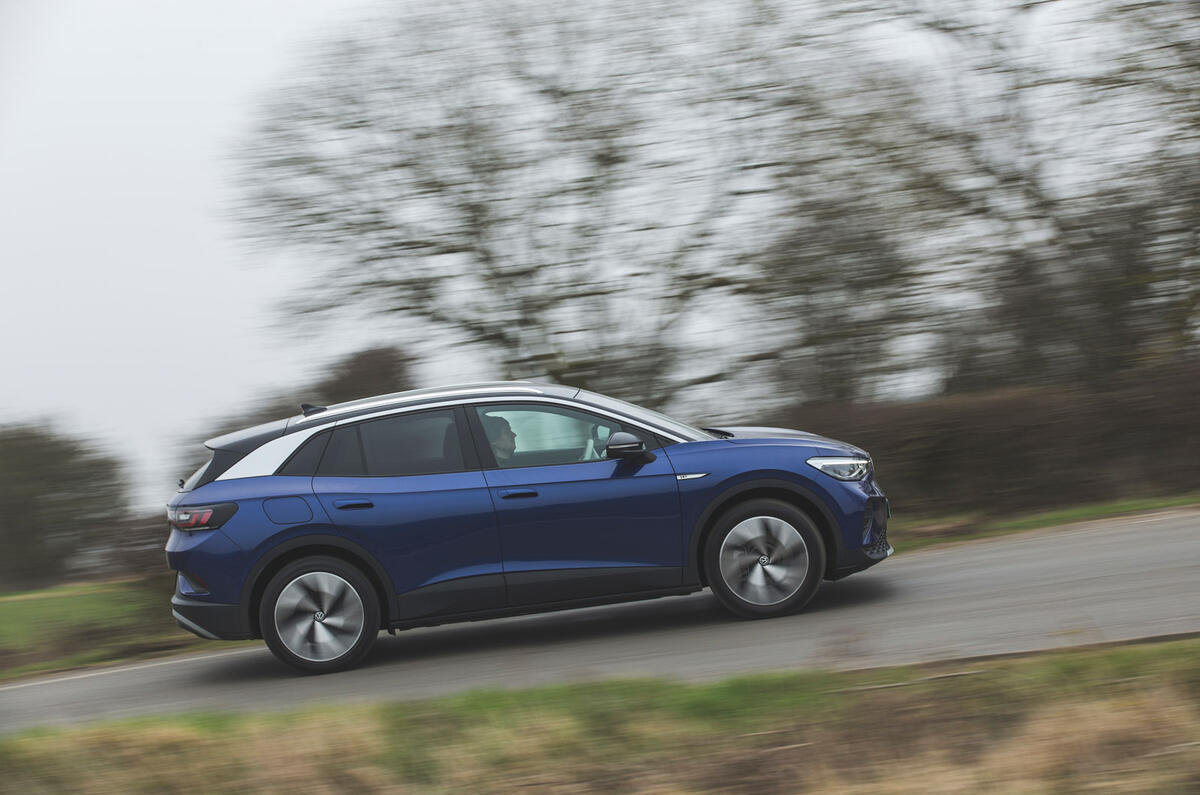
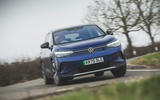
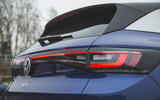
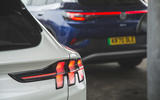
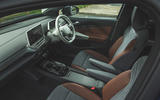
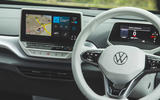
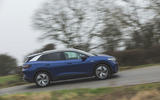
Volkswagen struck first with the launch of the ID 3, but that family hatchback isn’t the car that’s really going to help the German firm dominate this new electrified era. Instead, that will be the new ID 4. Not only is it set to capitalise on Europe’s ravenous appetite for relatively affordable, premium-feeling crossovers; but also, with production sites in China and the US, it’s the car that will spearhead Volkswagen’s EV campaign in those crucial markets. That makes it a huge deal.