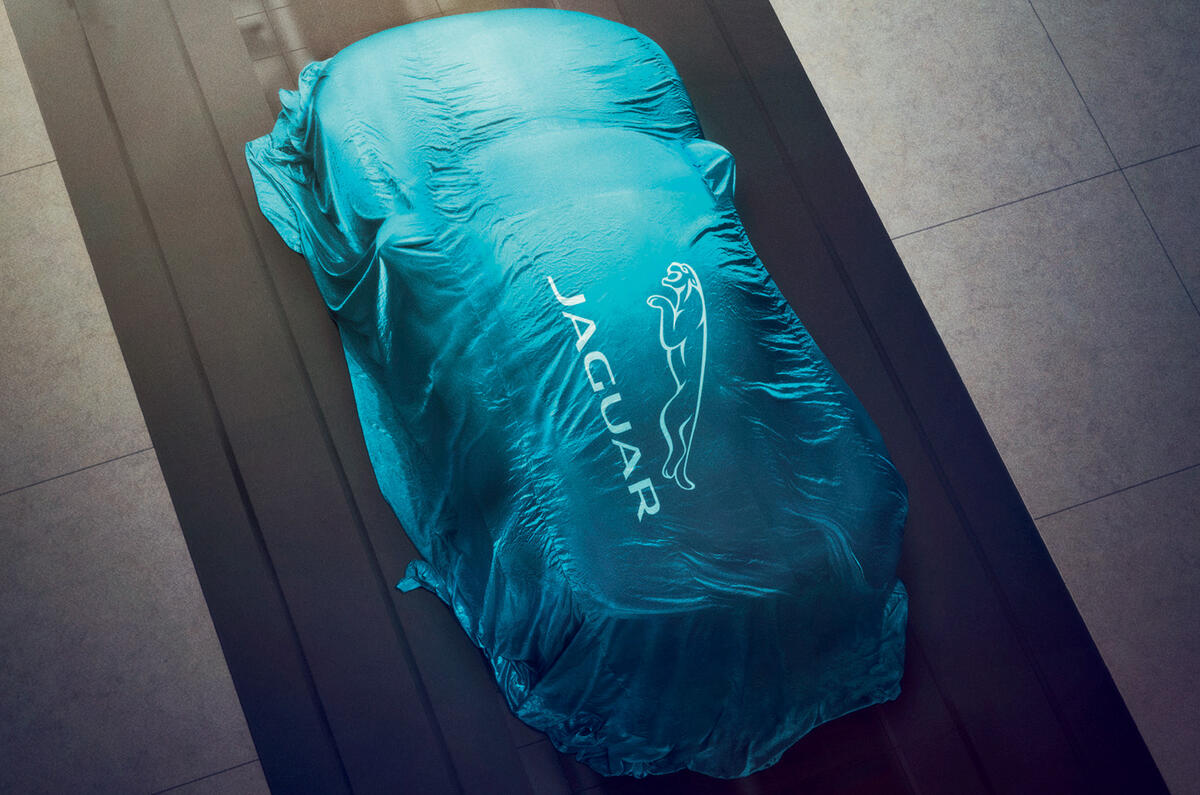





Jaguar will become an electric-only brand from 2025 onwards, as part of a bold new Reimagine strategy designed to revive the fortunes of Jaguar Land Rover (JLR).
New CEO Thierry Bolloré has set a target for the British firm, owned by the Indian Tata Motors group, to become a net-zero-carbon business by 2039, including a major shift to electrification. By the end of the decade, every Jaguar and Land Rover model will be offered with an electric-only version.
Exclusive: Jaguar to return in 2025 with trio of electric sports SUVs
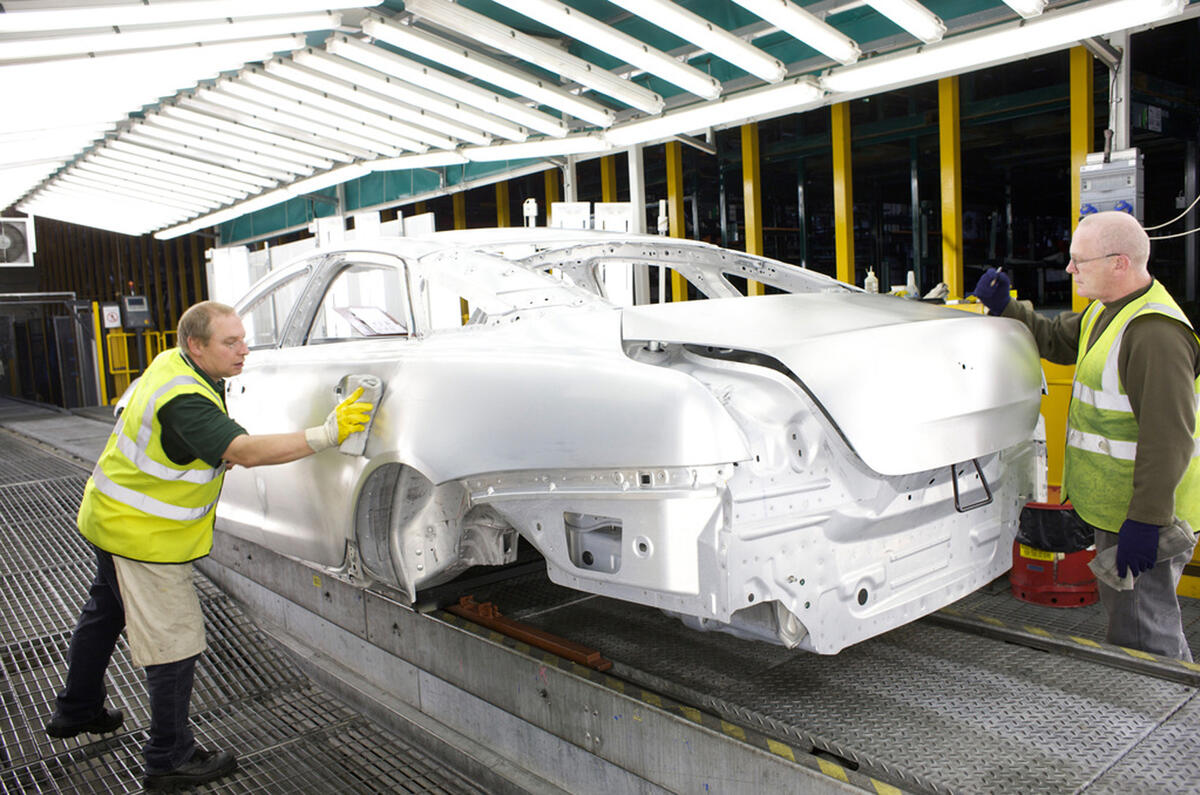
Bolloré said that there are currently no plans to close any manufacturing facilities.
All Jaguar and Land Rover models will be offered with an electric powertrain by the end of the decade, with Jaguar becoming an electric-only luxury brand from 2025 onwards.
Land Rover will launch six EV variants within the next five years, one of them the first all-electric Land Rover, due in 2024.
Bolloré said that the Reimagine plan was designed to emphasise “quality over volume”, with JLR aiming to become “the supplier of the most desirable vehicles for discerning customers”.
The two brands will be repositioned, with Jaguar becoming an electric-only firm and Land Rover retaining its off-road ethos but continuing its push upmarket. “Jaguar and Land Rover will have two clear unique personalities, rooted in their rich history to give two distinct choices for customers,” said Bolloré.
Architectures and powertrains: three platforms, electric focus
To support the electric transition, JLR will use three architectures: two dedicated to Land Rover and a new pure-BEV platform that will be exclusive to Jaguar, details of which will follow at a later data.
Future Land Rover models will be built on the Modular Longitudinal Architecture, which allows for combustion engine and EV models, and the “electric-biased” Electric Modular Architecture (EMA), which can also “support advanced electrified” combustion engines.
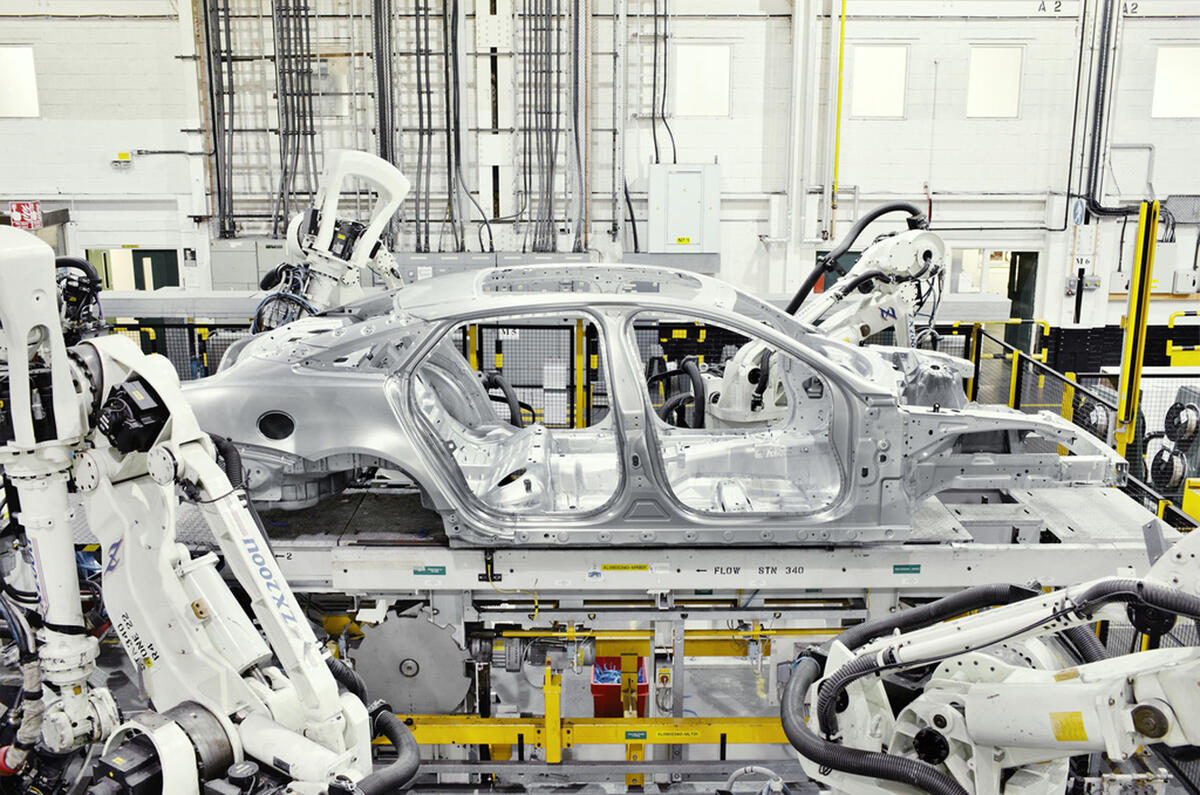
The firm says that the moving onto three platforms and consolidating the number of platforms and models produced per plant will help the firm to “establish new benchmark standards in efficient scale and quality for the luxury sector”.
It says that will be key to ensuring it can retain its UK and other worldwide plants (see below).