


Many of us will be looking nervously at the clock counting down to 2030, and the government’s proposed ban on the sale of new petrol or diesel cars. How much will an electric car cost? £20,000? £30,000? How about £900?
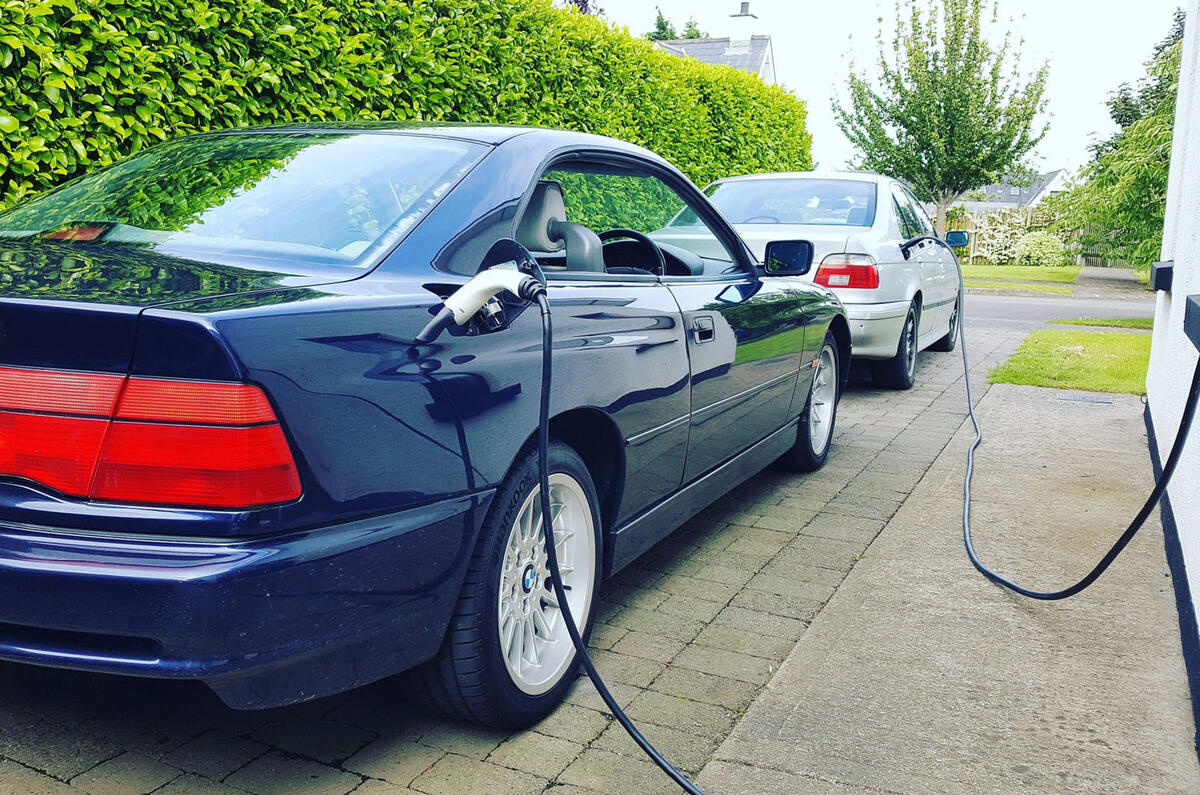
It will require a little bit of education, and some skills with a spanner and a MIG welder, but in theory you could have an electric-powered BMW, for example, on your driveway for under £1,000. The company behind the scheme is called New Electric, a Dutch-Irish firm whose primary corporate task is converting big corporate vehicle fleets to electric power.
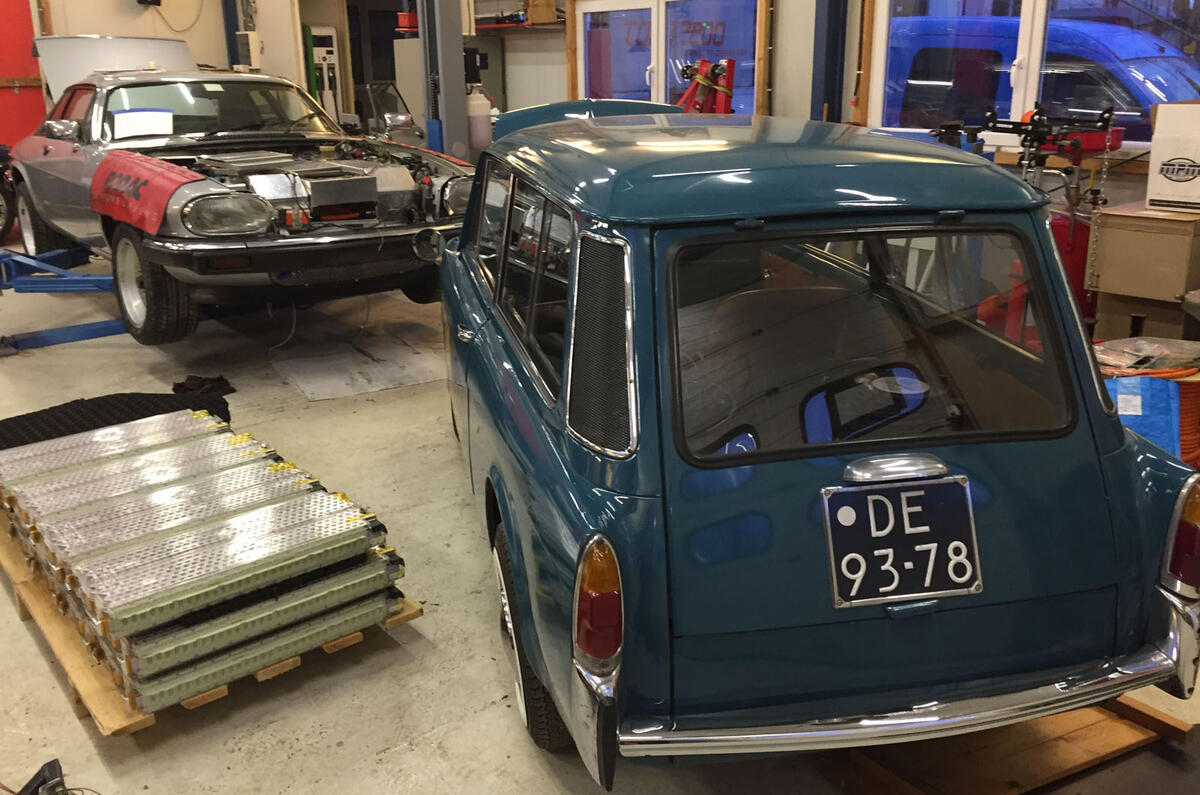
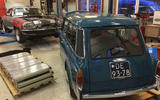
It has an offshoot, though, based in Arklow, in County Wicklow, just south of Dublin. Here, the emphasis is not on big fleets nor corporate largesse, but on converting perfectly good petrol or diesel cars, which might otherwise be scrapped, to electric power.
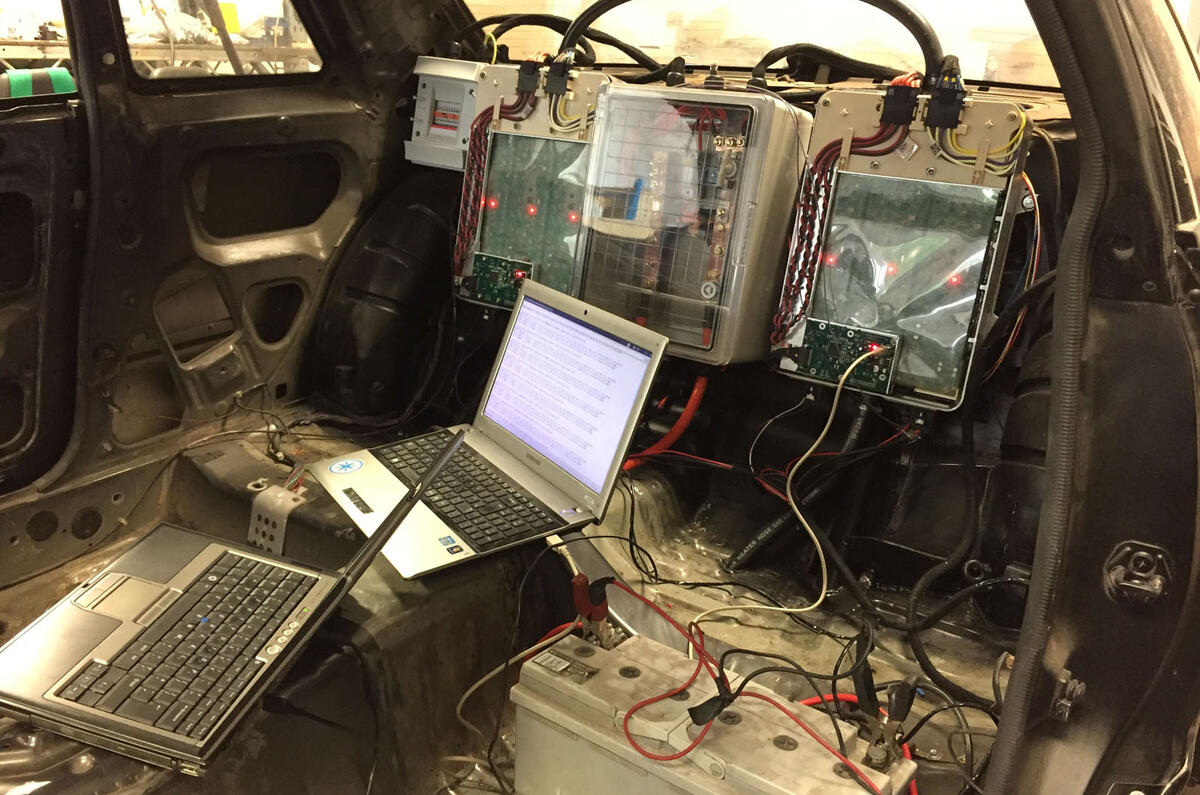
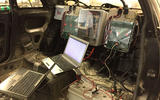
“When we started this, back in 2008, it was all bespoke. Every car we did was like starting again,” explains Kevin Sharpe of New Electric. “Now, it’s getting to the point where it will be a bolt-in solution for many vehicles. We want to get to the point where it’s like a giant Meccano kit. That’s where we're aiming, because if we want to do this at scale, we have to make it incredibly simple.”

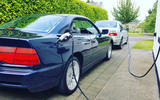
Sharpe’s mission is to take good quality cars that are, for whatever reason, headed for the scrapper and mate them up with batteries and motors from crashed or written-off electric cars. Instead of having a Nissan Leaf or a Renault Zoe parked out front, you could have a Lexus GS, or even a BMW 850i (only without the ‘i’ bit).
“It comes from marine technology, originally. It’s quite a normal thing to do in a marine environment, people upgrade boats all the time. It’s not unusual to see a hull that’s 100 years old with a new engine, and we wanted to start doing the same thing to cars,” says Sharpe.