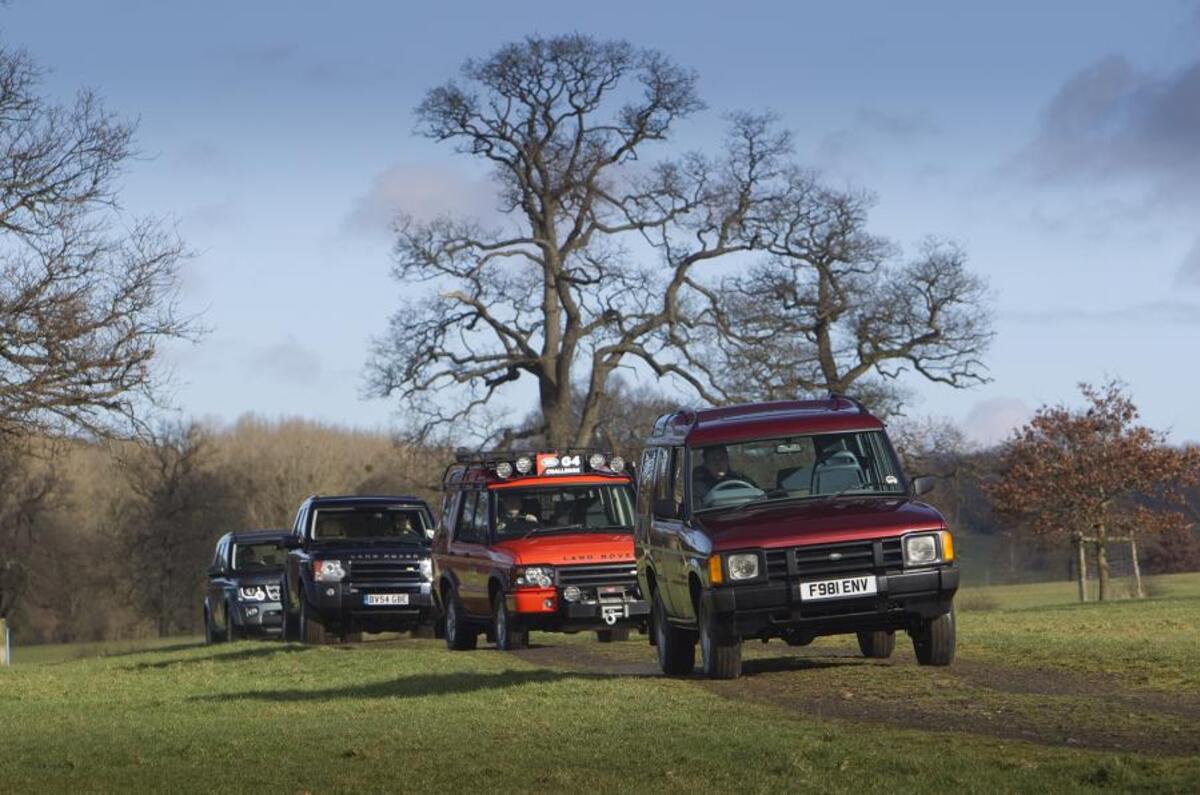
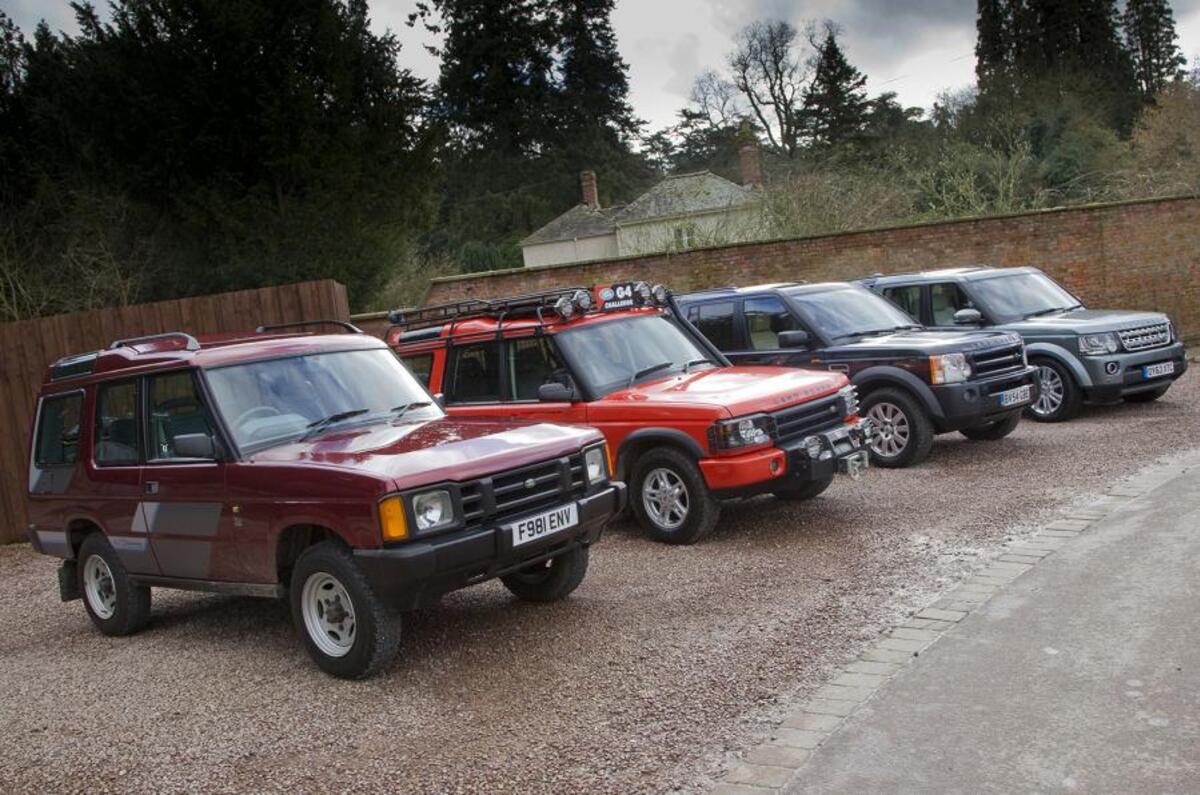





Developing new cars on the kind of budget that a German company would spend on a new dashboard has long been a speciality of the British motor industry. Many of these machines bomb, usually brought down by underfunded development programmes guaranteed to produce roulette wheel reliability, but some succeed despite such saddlings.
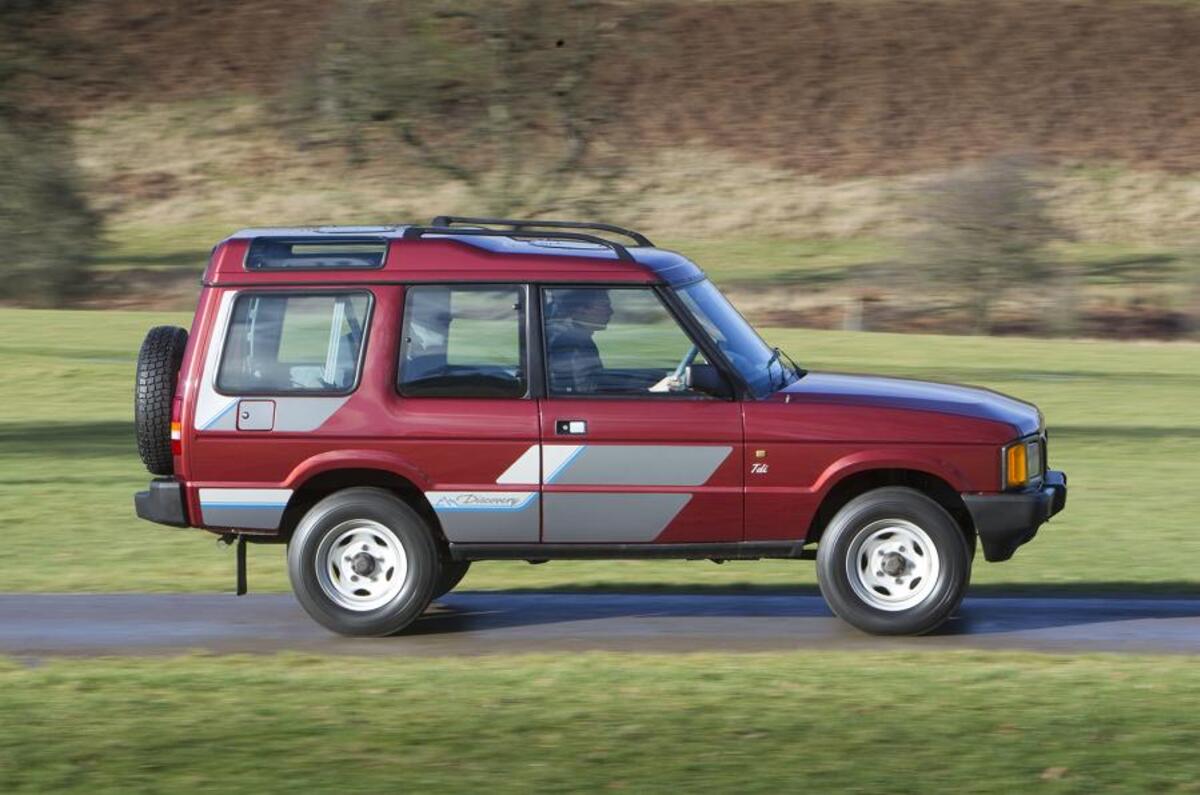
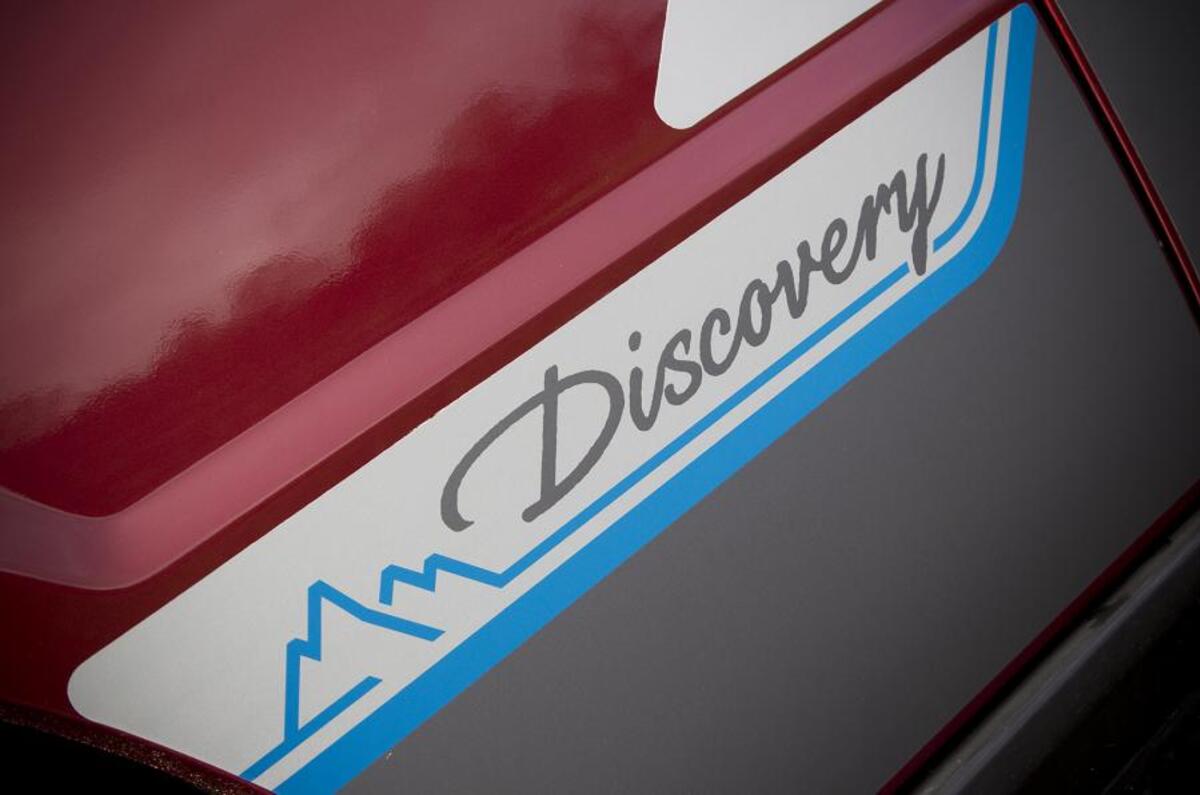
One of the more famous is the Land Rover Discovery, which began life in 1989 as a reclothed, cost-reduced Range Rover designed to sit between the ageing Defender and a Range Rover enjoying ever more success as it was pushed upmarket.
You didn’t need to look underneath the Discovery to see the similarities with the Range Rover. It shared the same windscreen and distinctively slim A-pillars, the same front door glass and much of its inner structure. But to avoid producing a vehicle of almost identical silhouette, the Discovery’s designers added a stepped roof – the raised rear section carrying slender lengths of glazing angled towards the sky.

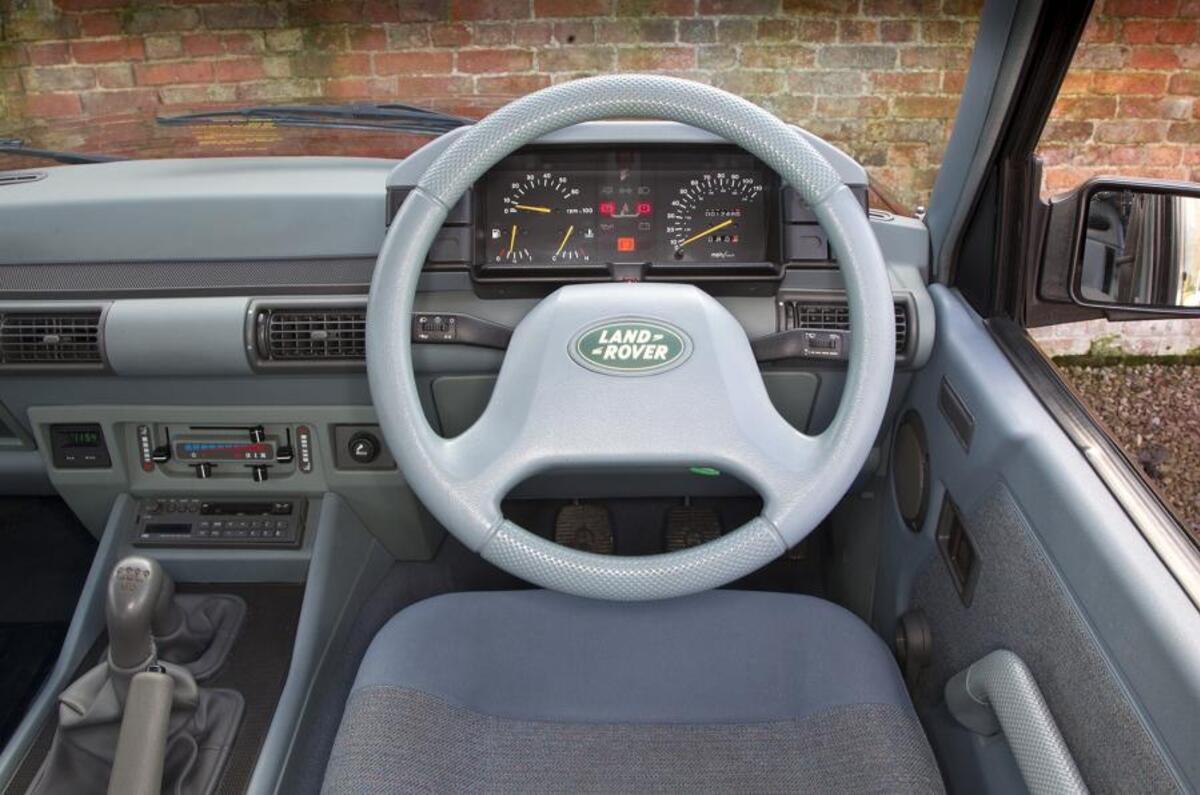
The tailgate was one piece and side-hinged rather than being split like the Range Rover’s, and most striking of all once you’d climbed inside was an unusual interior finished entirely in shades of pale blue.
This was the work of Conran Design, which was asked to develop an interior suitable for a vehicle bought as a lifestyle accessory. Slender storage racks were mounted above the windscreen, stretchable overhead nets provided carriers for pith helmets and water bottles, and a massive panic handle confronted the front seat passenger.
Even before you’d turned the key, it felt like you were having an adventure. There was even a small lifestyle accessory stowed within this big, four-wheeled lifestyle accessory – a detachable carry-bag made from the seat upholstery clipping to the Discovery’s centre console.