





Could a vegan steak bake change the car industry? It might sound tenuous, but the phenomenal success of the unlikely offering from Greggs, along with myriad other vegan products from national chains that have been rolled out for ‘Veganuary’ this month, demonstrate that catering to the growing demand for animal-free products is big business.
The growing interest in veganism is driven by animal welfare, health and environmental concerns. It’s not just about eating only plant-based food but entirely avoiding using animal-based products – such as leather upholstery in cars.
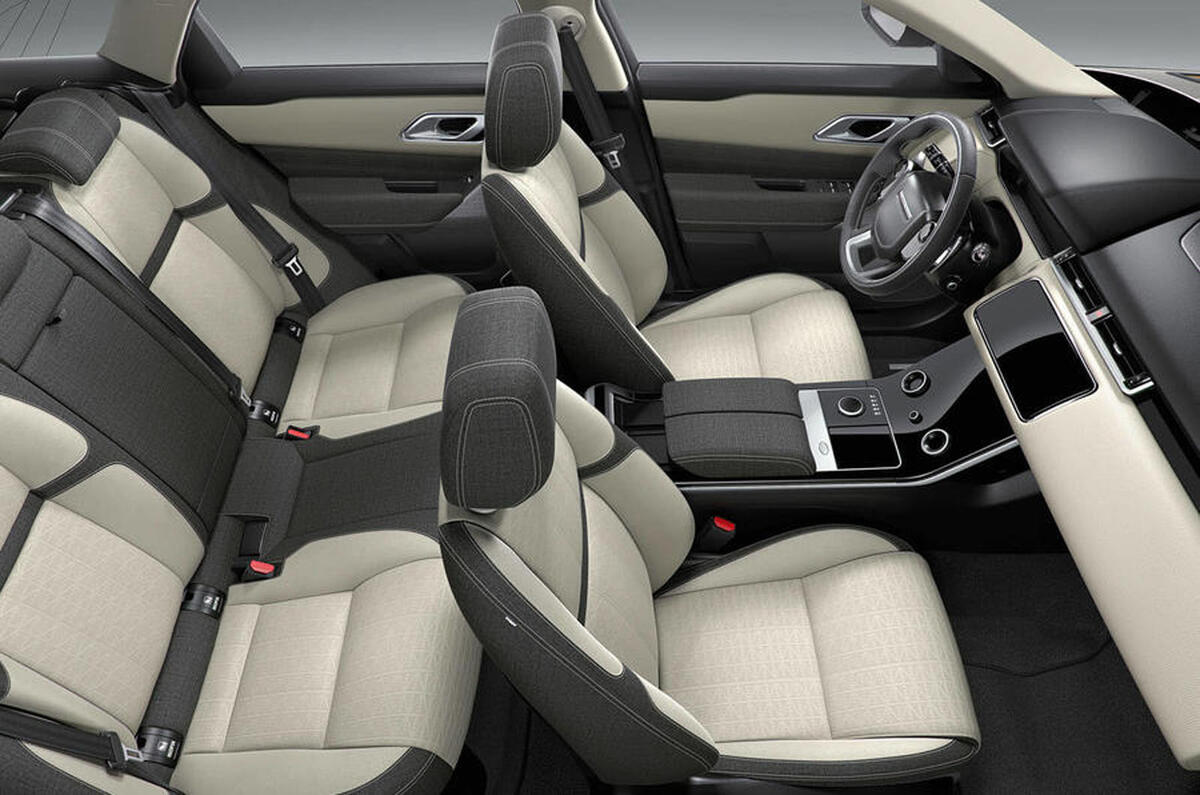
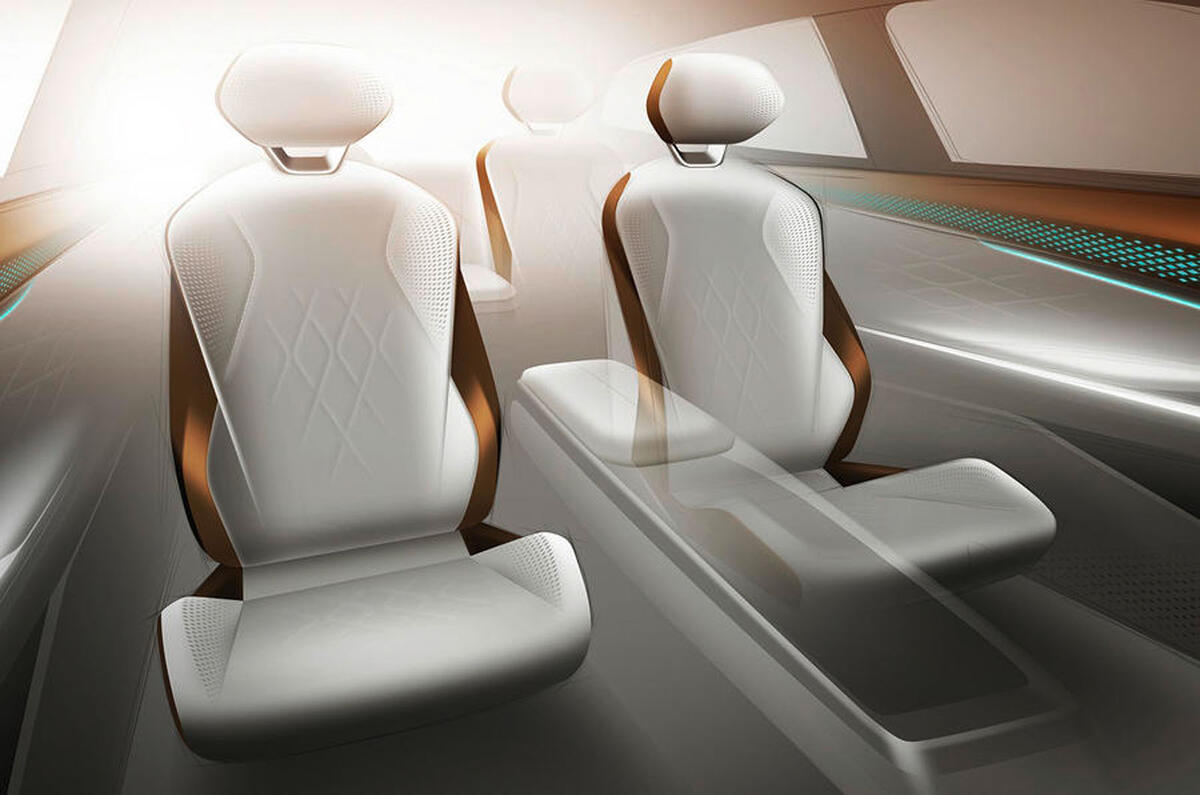
Leather has long been used as a luxury material for car interiors – and it remains a popular choice among many. But the past few years have seen a major push by premium car firms to develop vegan leather alternatives, with some firms in the process of phasing out leather options entirely.
There are growing public calls for car firms to offer vegan options: six-time Formula 1 world champion Lewis Hamilton, for example, recently asked his employer Mercedes-Benz to phase out leather entirely.

Non-animal-based leather alternatives aren’t a new concept: for example, Mercedes has offered a synthetic material called Artico since 2003, Toyota uses a material called Softex and Ferrari offers Mycro Prestige as a vegan leather option on some models.
Yvonne Taylor, the director of corporate projects for animal rights organisation People for the Ethical Treatment of Animals (PETA), told Autocar that, compared to industries such as fast food, fashion, aviation and hospitality, the car industry “has been slower to capitalise on the demand for vegan products”, adding: “this is ironic, given that many of the biggest companies has been using vegan leather for its high quality and durability for years.”